
This Remote Colorado Geologic Wonderland Looks Straight Out Of Another Planet
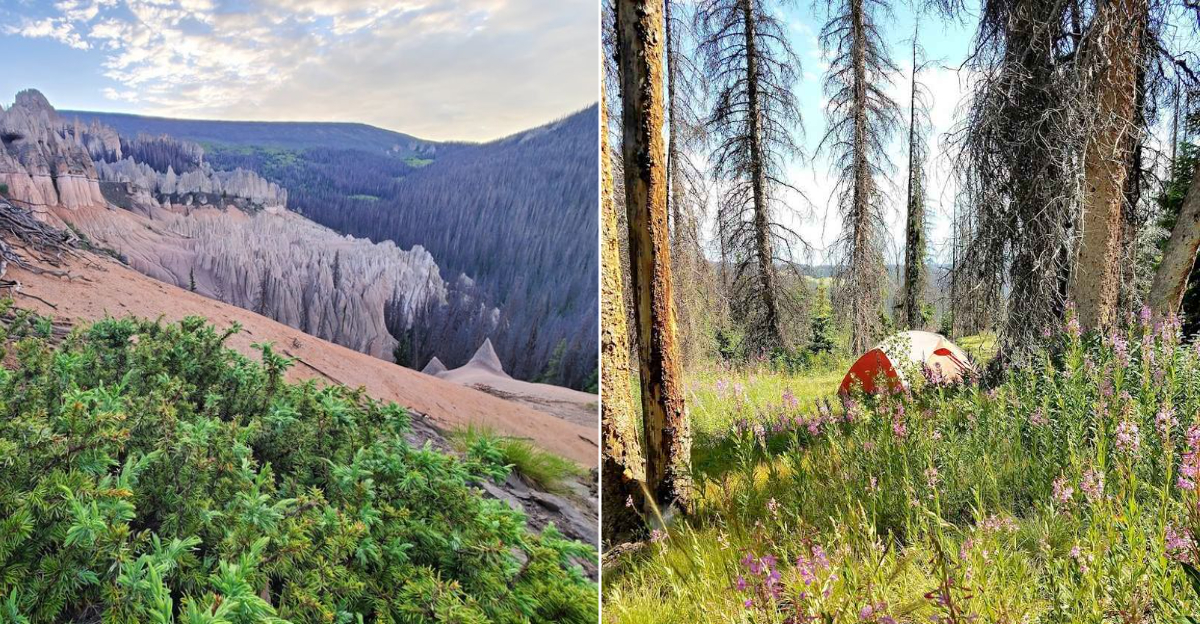
Some landscapes look beautiful from a distance, but this one looks like it was built to stop conversation completely. Deep in the forest near a historic mountain town, strange stone towers rise from the ground in jagged shapes that feel more like a movie set than a real hiking destination.
Colorado travelers who crave remote places will understand the appeal immediately, because reaching this area takes patience, rough-road confidence, and a willingness to trade convenience for something unforgettable. The formations were shaped by ancient volcanic forces, then carved over time into cliffs, columns, and eerie natural sculptures that seem to change with every angle of light.
Nothing about the trip feels casual, and that is part of its power. You earn the view before you ever get it.
For anyone searching Colorado’s wildest-looking scenery, this rugged corner delivers a rare kind of wonder.
The Otherworldly Rock Formations That Started It All
There are landscapes that impress you, and then there are landscapes that genuinely make you stop walking and just stare. This place belongs firmly in the second category.
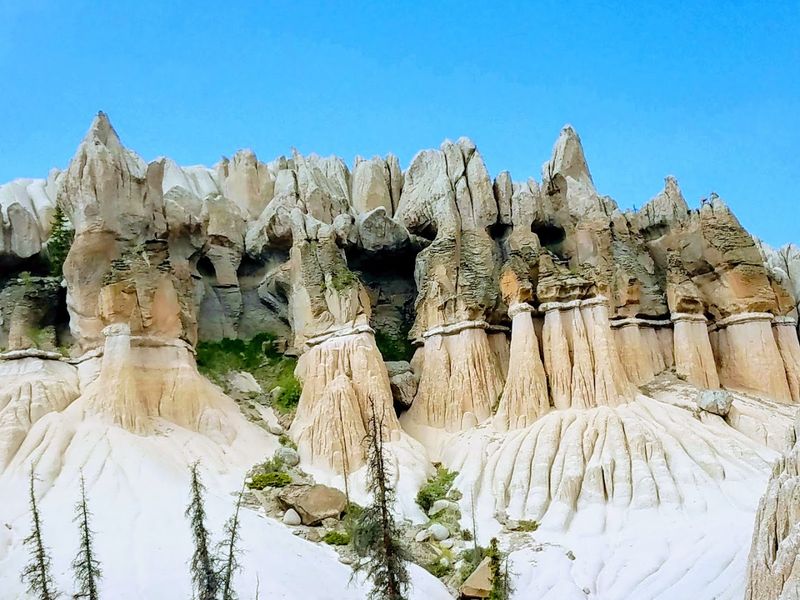
The site features towering rock columns and hoodoos formed by ancient lava flows and relentless erosion, creating shapes that look less like Colorado and more like a forgotten corner of another solar system.
The formations are made from volcanic tuff, a relatively soft rock that erodes into wild, irregular spires over thousands of years. The result is a dense cluster of pale grey and cream-colored towers that catch morning light in a way that feels almost theatrical.
Visitors consistently describe the site as “otherworldly,” and that is not an exaggeration meant to sell a postcard. Standing among the formations, surrounded by silence and jagged vertical rock, the word fits perfectly.
Pro Tip: Spend time walking through the formations rather than just photographing from the outside edge. The interior views are the ones that stay with you longest.
Two Ways In, Zero Easy Options
Reaching Wheeler Geologic Area requires a commitment that most roadside attractions never ask for. There are two access routes, and neither one is what you would call relaxed.
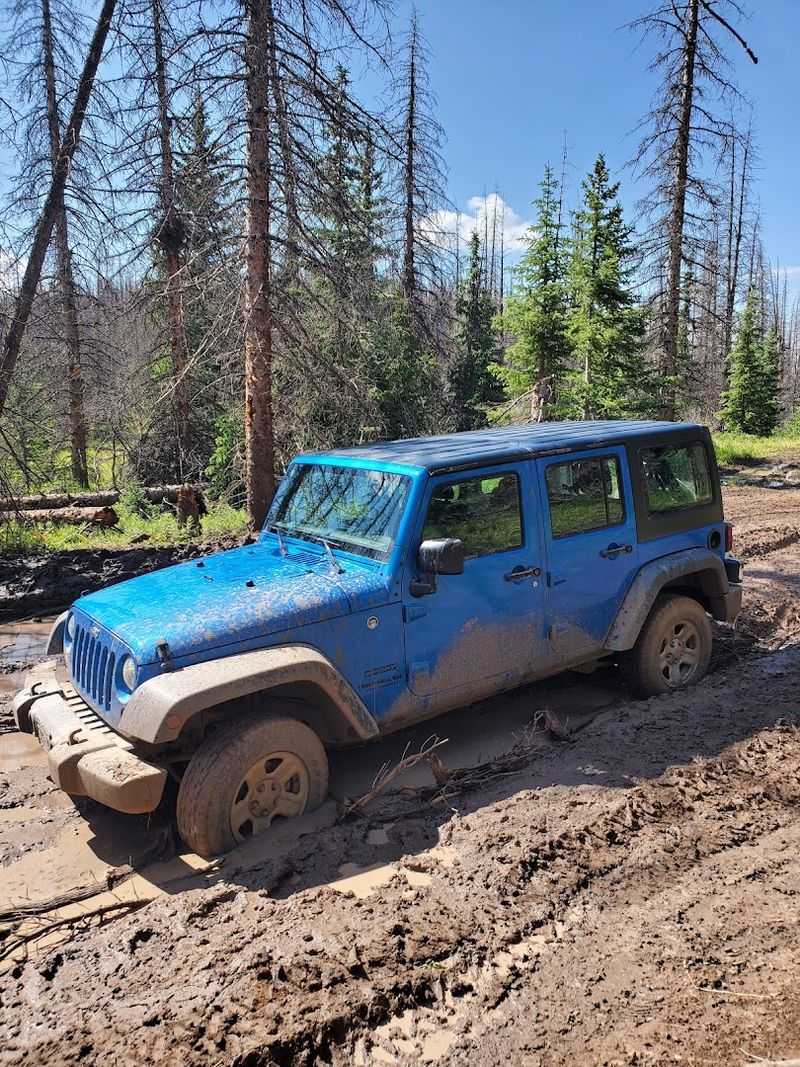
The first is a roughly 13-mile 4×4 road that visitors describe as punishingly rocky, deeply rutted, and occasionally flooded with potholes of unknown depth after rain or snowmelt. Plan on two hours each way in a capable vehicle, minimum.
The second option is an 8.4-mile hiking trail that rewards patience with consistently gorgeous views from start to finish. The trail is well-marked and gains and loses elevation gradually, but the total distance means most visitors should plan for an overnight backpacking trip rather than a single-day push.
One visitor who attempted the hike in a single day described the final uphill stretch as a memorable lesson in footwear selection. Best Strategy: If you are driving, bring a full-size capable 4×4 and budget a full day just for the road.
If you are hiking, plan for at least two days and pack your camp gear. Do not attempt the drive in a rental vehicle.
What The Hike Actually Feels Like From Start To Finish
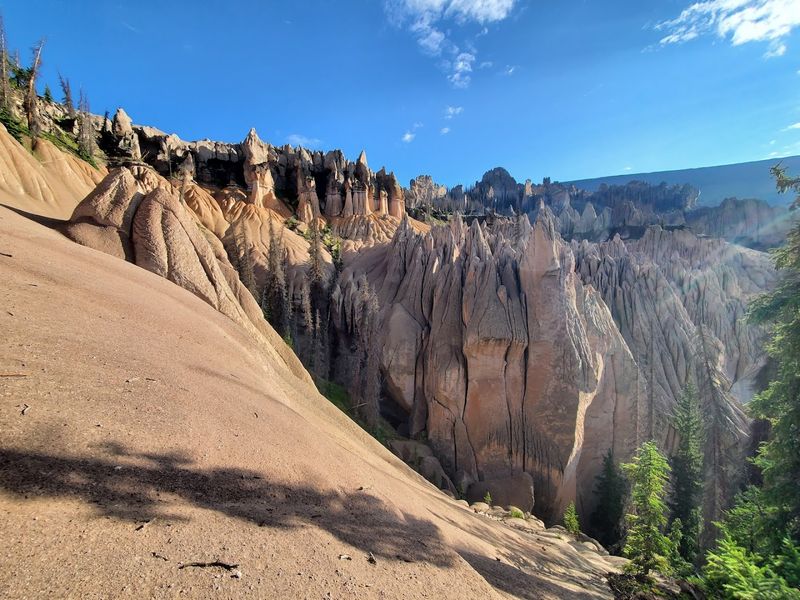
The hiking trail to Wheeler Geologic Area has a personality all its own. The first two miles descend gradually, which sounds like a gift until you remember that every foot of downhill on the way in becomes uphill on the way out.
After that, the route levels into a long, steady rhythm through forest and open terrain with views that keep revealing themselves around each bend.
The trail runs approximately 8.4 miles one way, and visitors who have completed it report the total experience as beautiful from beginning to end, not just at the destination. Wildlife sightings are possible along the route, with elk and bighorn sheep spotted in the surrounding area by hikers and drivers alike.
Elevation is a real factor here. The entire route sits at high altitude, so even fit hikers should pace themselves and drink water consistently.
There are a few water sources along the trail, but always carry a filter. Who This Is For: Confident hikers comfortable with long-distance backcountry travel.
Who This Is Not For: Anyone expecting a casual day walk or families with young children who are not experienced with multi-mile mountain terrain.
Camping At The Monument Changes The Entire Experience
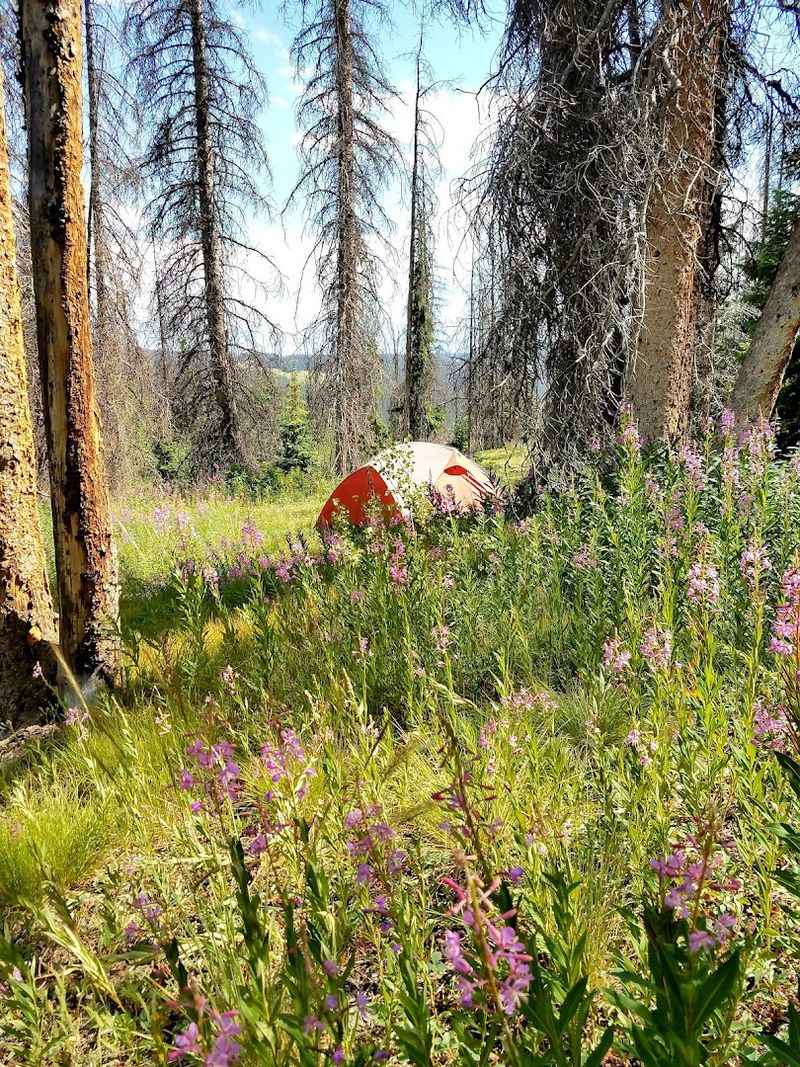
Spending a night near Wheeler Geologic Area is not just a logistical convenience. It genuinely transforms the trip from a physical challenge into something that feels more like a true wilderness experience.
Visitors who set up a base camp near the site report having time to explore the surrounding trails, rest, and actually absorb the landscape rather than rushing through it.
One visitor described a three-day backpacking trip that included exploring the monument, hiking Halfmoon Pass trail, and reaching Palmer Mesa, with about eight miles of hiking and roughly 2,000 feet of elevation change from camp.
That kind of depth is only possible when you are not racing the clock to get back to your car before dark.
The surrounding Rio Grande National Forest adds context to the camping experience, with forests that show visible signs of beetle kill and dead timber that serve as a quiet reminder of the pressures facing Western ecosystems. Insider Tip: Lighter packs on the return hike make a noticeable difference in mood and pace.
Pack smart going in, eat your heaviest food first, and the walk out will feel considerably more enjoyable than the walk in.
The Geology Behind The Spectacle
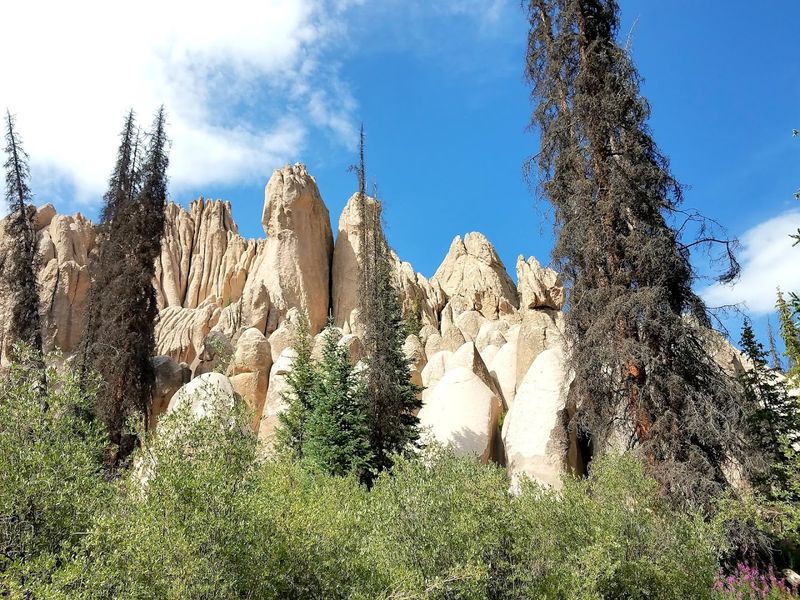
Wheeler Geologic Area did not look like this overnight. The formations were created by a sequence of volcanic eruptions that deposited thick layers of ash and lava across the region millions of years ago.
Over time, wind, water, and freeze-thaw cycles carved that volcanic tuff into the irregular towers and hoodoos visible today.
The rock itself is relatively soft compared to granite or sandstone, which is exactly why erosion has been able to sculpt it into such dramatic shapes.
The pale coloring of the formations comes from the silica-rich composition of the tuff, giving the whole site a bleached, almost lunar quality that photographs do not fully capture.
The area was designated a National Monument in 1908, making it one of the earlier federally recognized geologic sites in Colorado, though it was later transferred to Forest Service management. Why It Matters: Understanding what created these formations makes the experience richer.
You are not just looking at weird rocks. You are standing inside the preserved aftermath of volcanic activity that reshaped an entire region.
That context adds a layer of genuine awe that no trail map can provide on its own.
Planning Your Visit Around Reality, Not Optimism
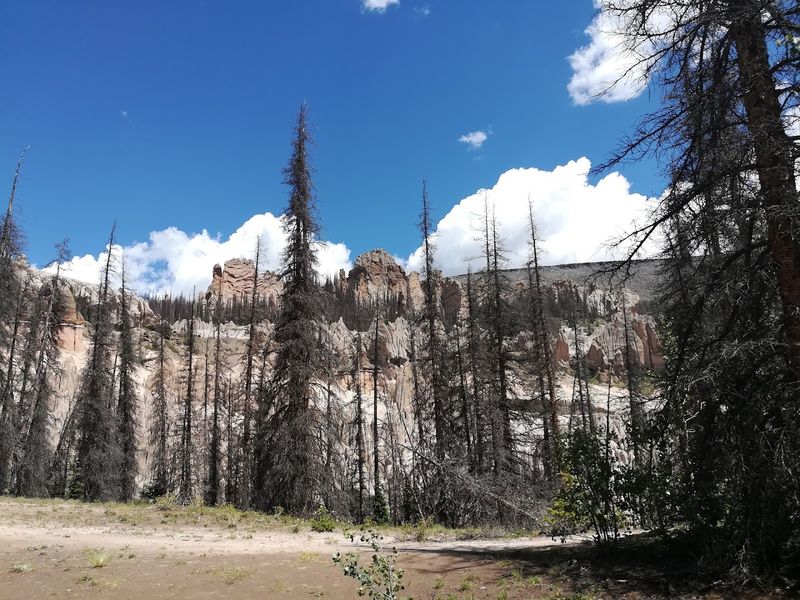
There is a particular kind of optimism that strikes people when they read about a beautiful destination and immediately begin under-planning their trip. Wheeler Geologic Area has a way of correcting that habit quickly.
The remoteness, the road conditions, and the elevation all require honest preparation before you leave home.
Road access is only realistic with a proper 4×4 vehicle, and even experienced off-road drivers describe the 13-mile route as demanding and time-consuming. Weather adds another variable, since rain and snowmelt can turn the road into something considerably more challenging than its dry-season baseline.
Checking conditions before departure is not optional here.
For hikers, the key planning questions are footwear, water, and overnight gear. Trying to complete the full round trip in a single day is possible but not recommended, and multiple visitors have described it as a decision they would not repeat.
Common Mistakes to Avoid: Planning Advice: Underestimating the drive time, wearing trail runners on a rugged 4×4 road, skipping water filtration gear, and attempting the hike in a single day without serious conditioning.
Build in buffer time for both directions, and treat the access route as part of the adventure rather than an inconvenience to get through quickly.
Why The Effort Is Genuinely Worth Every Inconvenient Mile
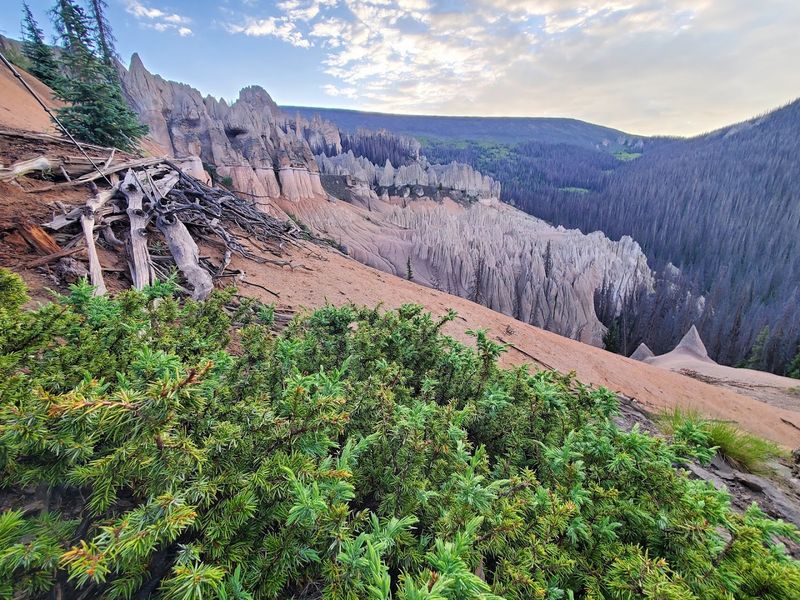
Some places justify their difficulty rating the moment you arrive. Wheeler Geologic Area is one of those rare destinations where the gap between the effort required and the payoff received actually works in the visitor’s favor.
The site carries a near-perfect rating from everyone who makes it there, and the pattern in those responses is consistent: people are stunned in a way they did not fully anticipate.
The combination of isolation, geological drama, and genuine wilderness creates an atmosphere that popular, easily accessible parks simply cannot replicate. Seeing only a handful of other visitors during an entire trip is common here, which means the experience feels personal in a way that crowded overlooks never do.
Sitting on the edge of the rock formations and looking out over the monument, as one visitor described it, is peaceful in the deepest sense of the word. Not peaceful because it is quiet and soft, but peaceful because the scale of the landscape puts everything else in proportion.
Quick Verdict: If you have the gear, the vehicle, and the willingness to earn your views, Wheeler Geologic Area near Creede delivers one of the most genuinely memorable landscapes in Colorado. Plan thoroughly, go slowly, and bring more water than you think you need.