
These Are The Best Colorado Places To Find Fossils, Agates, Crystals, And More
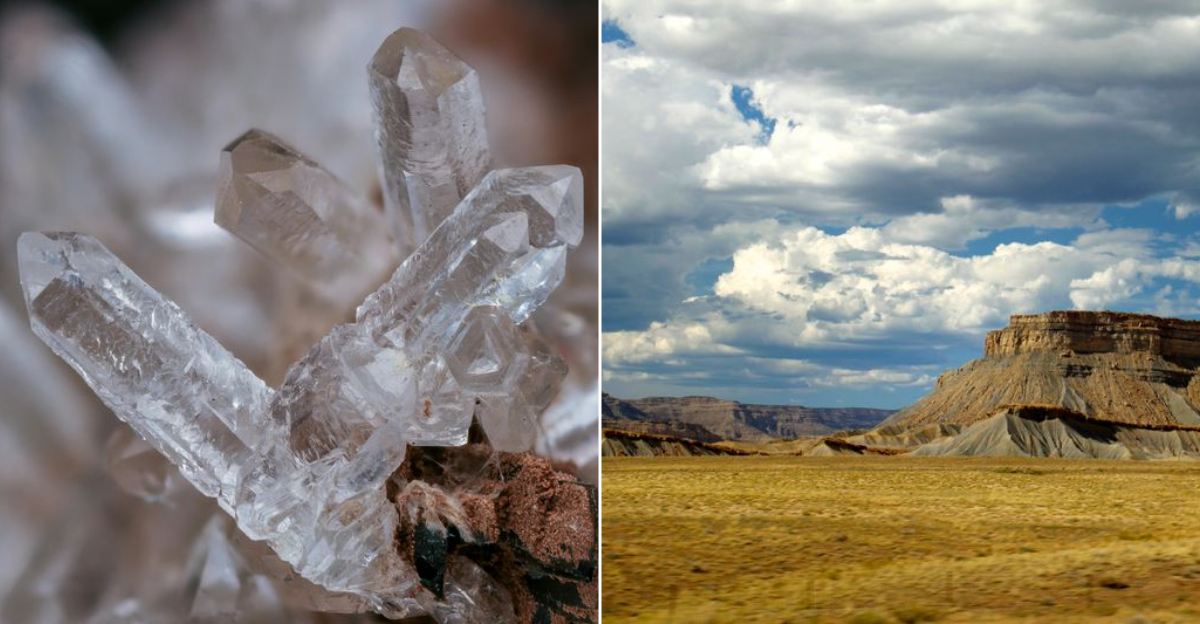
The ground can tell a better story than any roadside sign if you know how to read it. Across Colorado, rockhounding turns an ordinary outing into a treasure hunt filled with color, texture, patience, and the thrill of spotting something most people would walk right past.
One day might bring glittering crystals from a high-country slope, while another leads to fossil fragments hidden in pale stone or agates shaped by time, pressure, and ancient water.
Colorado’s geology gives curious travelers an unusually rich playground, with mountains, plains, gullies, and old mining districts each offering a different kind of discovery.
The appeal is not only what ends up in the bucket, but the feeling of slowing down and noticing the land more closely. For families, collectors, and weekend explorers, this is one of the most satisfying ways to turn a simple Colorado day trip into a lasting memory.
1. Florissant Fossil Quarry
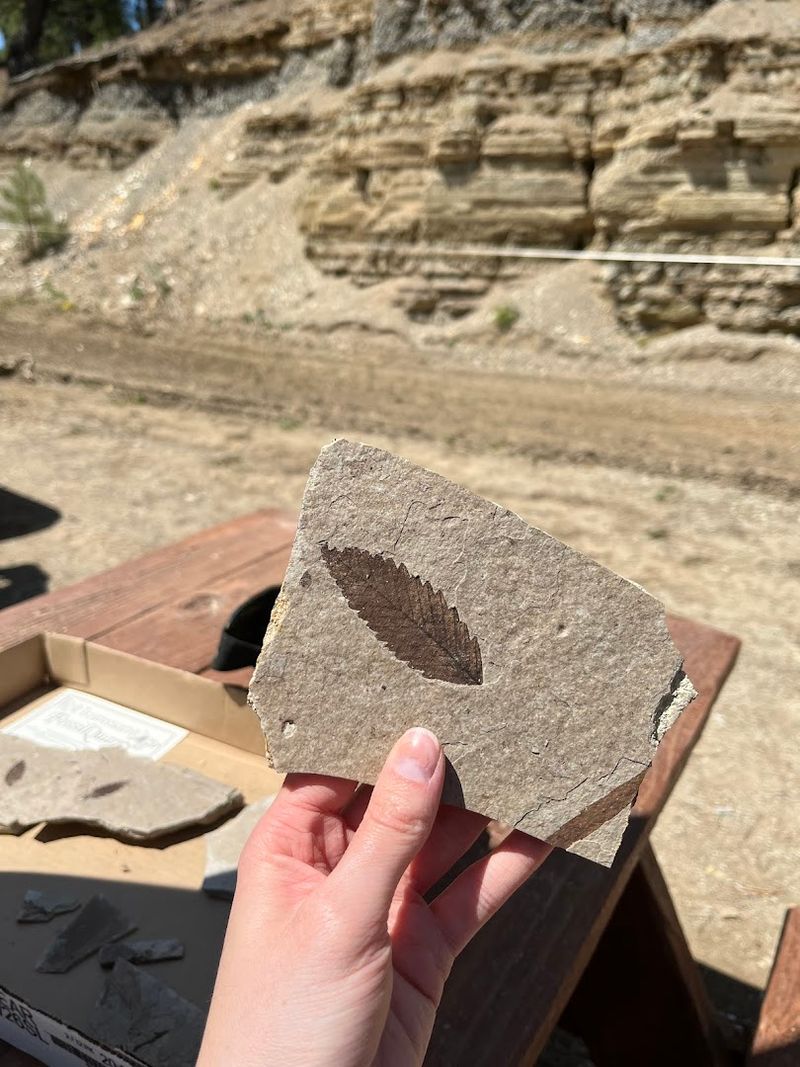
Imagine cracking open a flat piece of shale and finding a leaf perfectly preserved from 34 million years ago. That is exactly the kind of moment Florissant Fossil Quarry delivers, and it does so with a casual generosity that feels almost old-fashioned.
Located at 18117 Teller County Road 1 in Florissant, this private quarry lets you hunt for real fossils and keep everything you find.
The 2026 season runs Monday through Saturday, which makes it a natural fit for a long weekend escape. Families especially love it because the reward is immediate and tangible.
Kids who normally need screens to stay entertained will happily spend two hours hunched over rock slabs here.
My honest take: this is one of the most satisfying hands-on experiences in Colorado. You are not just observing history behind glass.
You are literally holding it. Wear old clothes, bring gloves, and arrive early so you have plenty of time to work through the good layers before the afternoon crowd settles in.
A small cooler with snacks and water makes the whole outing feel effortless and worth every mile of the drive.
2. Topaz Mountain Gem Mine
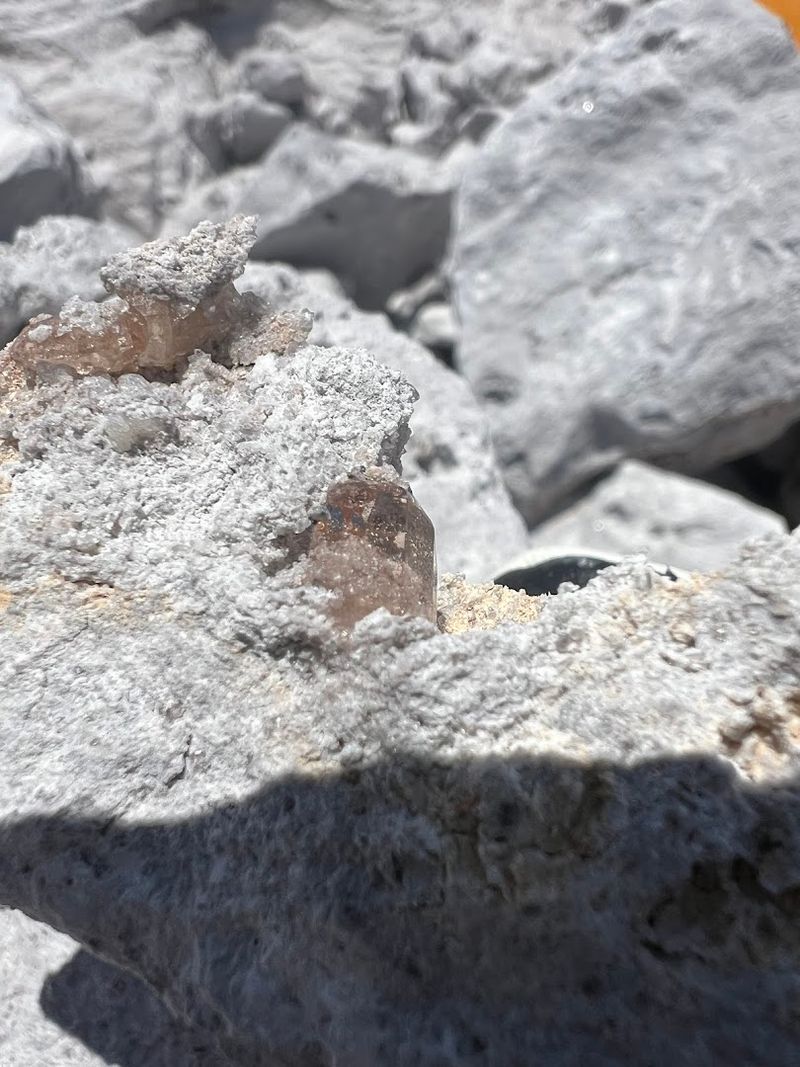
Topaz has a way of making you feel like a real prospector the moment you spot that first glassy, honey-colored crystal winking at you from the dirt. The Topaz Mountain Gem Mine sits at 1409 County Road 211 near Lake George, and it operates as a private claim area, which means casual wandering is not really the move here.
Scheduled public digs and arranged access are your best entry points, so plan ahead rather than just showing up on a whim. That small bit of logistics pays off enormously once you are actually on-site and filling your collection bag with genuine Colorado topaz.
Lake George itself is a charming little community worth lingering in before or after your dig. There is something deeply satisfying about knowing exactly where your gemstone came from, especially when it came from your own hands.
Topaz from this region tends to run in shades of pale yellow and clear blue, which makes each piece feel like a tiny piece of Colorado sky. Bring a spray bottle to rinse crystals in the field and a padded container so your finds survive the drive home in one beautiful piece.
3. Curio Hill / Specimen Ridge
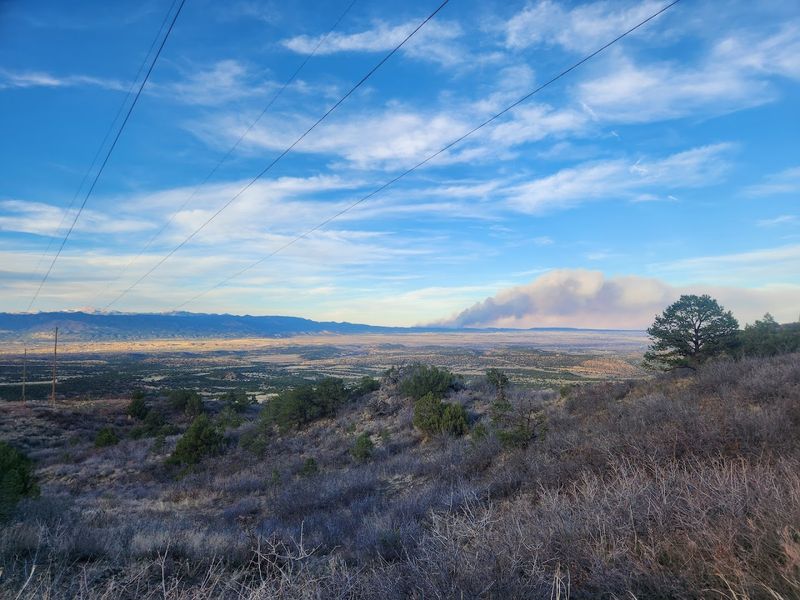
Banded agate is one of those materials that stops people mid-sentence. You hand someone a polished slice and they just go quiet for a moment, turning it in the light, trying to count the layers.
Curio Hill, also known as Specimen Ridge, sits along County Road 143 near Canon City and is noted in the Royal Gorge Region guide as open to collecting.
The site is particularly well-regarded for blue and multicolored agate, which is not something you stumble across at just any roadside pull-off. The Canon City area has a long history of mineral and fossil discovery, and Curio Hill fits that legacy perfectly.
Getting there requires a bit of attention to the road, but nothing that a confident driver cannot handle on a clear day.
My suggestion is to pair this stop with a visit to the broader Royal Gorge area so the drive feels like a full day rather than a single errand. A sturdy pair of boots, a small rock pick, and a cloth bag for transport are all you really need.
The banded pieces here photograph beautifully, so bring your phone charged and ready before you even step out of the car.
4. Penrose Calcite Gullies
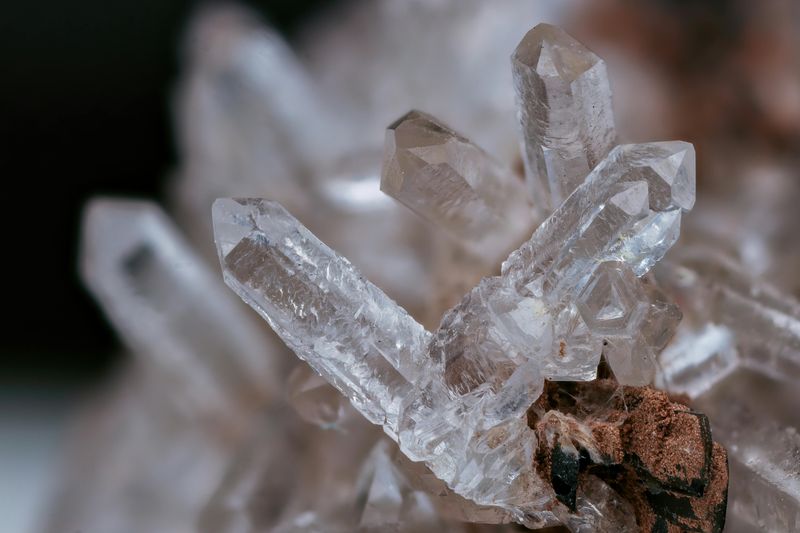
There is something meditative about working through limestone seams with a small chisel, coaxing out calcite crystals that have been sitting in the dark for millions of years. The Penrose Calcite Gullies, located about two miles south of Penrose, Colorado, are listed as open to collecting and offer white, clear, yellow, and orange calcite in naturally occurring seams.
Calcite might not get the glamorous press that aquamarine or topaz receives, but collectors who know their minerals understand that a well-formed calcite crystal is genuinely striking. The color range here gives you real variety in a single afternoon, which is rare for a single site.
Orange calcite in particular has a warm, almost amber glow that photographs brilliantly against natural light.
Penrose is a small, quiet community, so do not expect a lot of amenities nearby. Pack everything you need before heading out, including water, snacks, sunscreen, and a first aid kit for the inevitable scraped knuckle.
The terrain is open high desert, which means mornings are cooler and more comfortable than midday. Arriving at sunrise and wrapping up by noon gives you the best collecting conditions and leaves your afternoon free for a relaxed drive back.
5. Felch Creek Area
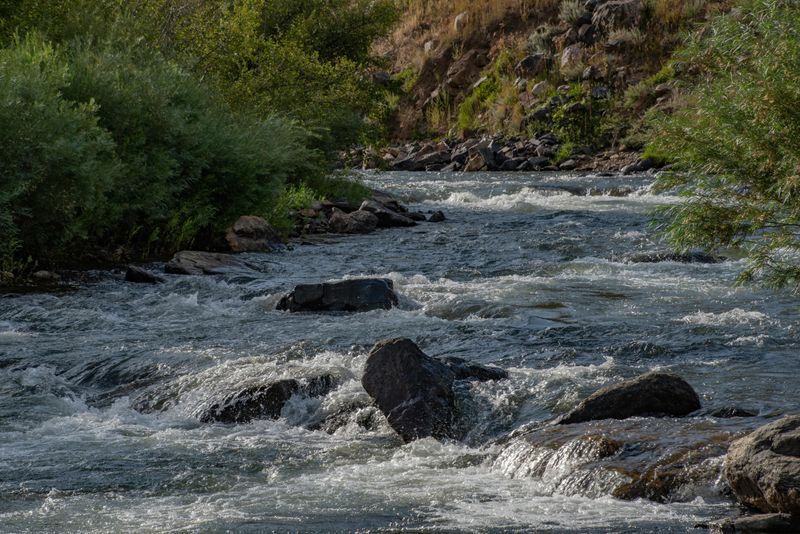
Rockhounding at Felch Creek near Fourmile Creek and County Road 9 in Canon City comes with a mix of excitement and responsibility. The area is known for agate, geodes, jasper, and small quartz or calcite crystals, which is a genuinely impressive lineup for a single location.
However, reaching the BLM land here requires crossing private property, so confirming access and getting permission ahead of time is not optional.
This is one of those spots where doing your homework before you go makes the difference between a great day and an awkward standoff at someone’s fence line. Reach out to local rockhounding clubs or the Bureau of Land Management office in advance to understand current access conditions.
Colorado rockhounders who visit regularly tend to have the most up-to-date information and are usually happy to share it.
When you do get proper access, the reward is real. Geodes from this area can be surprisingly large, and the jasper comes in rich reds and browns that look stunning once cleaned.
A pry bar, a sturdy bag, and patience are your three best tools. The drive through this part of the Canon City region is also scenic enough to justify the trip even on a slow collecting day.
6. Brown’s Canyon Fluorspar District
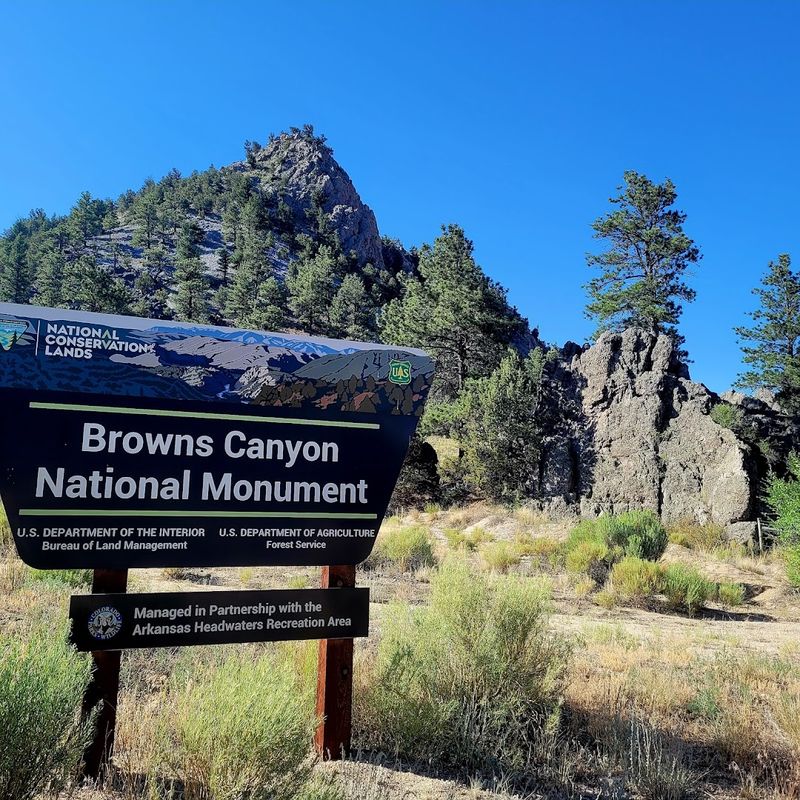
Fluorite is the kind of mineral that converts skeptics on the spot. Hand someone a botryoidal fluorite specimen from Brown’s Canyon and watch their expression shift from polite interest to genuine amazement.
Located along Hecla Junction Road, also known as Chaffee County Road 194, near Nathrop, this district is what remains of old fluorspar mining operations and it still gives up beautiful material.
The Salida area guide specifically lists fluorite and small botryoidal fluorite specimens along the former mine sites, which means you are hunting through genuine mining history while filling your pockets. Botryoidal fluorite, with its bubbly, grape-cluster texture, is especially prized among collectors because it looks almost otherworldly.
The colors here tend toward purple, green, and clear, occasionally showing a lovely fluorescence under UV light.
Brown’s Canyon is also a world-class rafting destination, so pairing a morning of mineral collecting with an afternoon on the Arkansas River makes for one of the more satisfying full days this part of Colorado can offer. Check land status before collecting and stay clear of any posted or fenced areas near active claims.
A UV flashlight tucked in your pack is worth its weight in gold for spotting fluorescent specimens before you even pick them up.
7. Marshall Pass
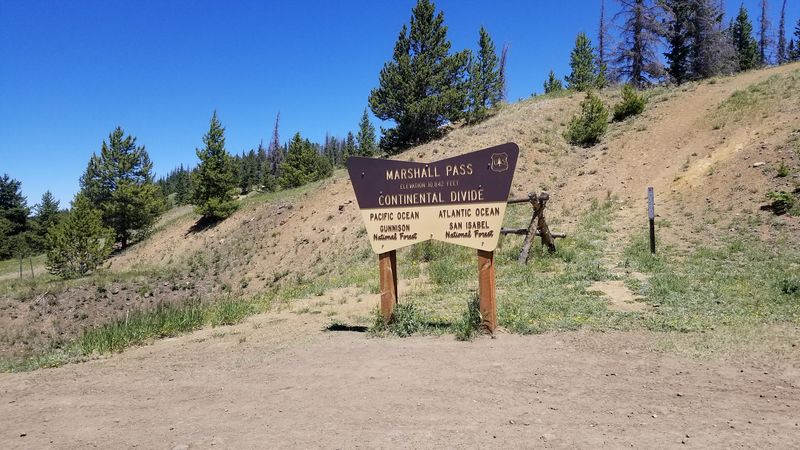
Marshall Pass Road near Villa Grove is one of those drives that earns its reputation before you even stop the car. The scenery alone justifies the trip, but the collecting potential on the western slope takes things to a completely different level.
Jasper, agate, marble, geodes, picture sandstone, rhyolite, and even some fossils have all been reported from this area, making it one of the most varied single-stop rockhounding destinations in the state.
Picture sandstone deserves a special mention because it is genuinely one of the more visually striking materials a beginner collector can find. The natural patterns inside it look like miniature landscapes, almost as if someone painted tiny mountain scenes inside the rock.
Rhyolite from this region also shows beautiful flow patterns that reward a close look.
The pass sits at high elevation, so weather can shift quickly even in summer. Layers are non-negotiable, and afternoon thunderstorms are common between July and August.
Morning collecting followed by a scenic descent back to town is the smart approach. Villa Grove itself is tiny, so fuel up and grab food in Saguache or Salida before heading out.
The drive back down the western slope at golden hour is one of those quiet travel rewards that is hard to put into words but impossible to forget.
8. Ruby Mountain Area
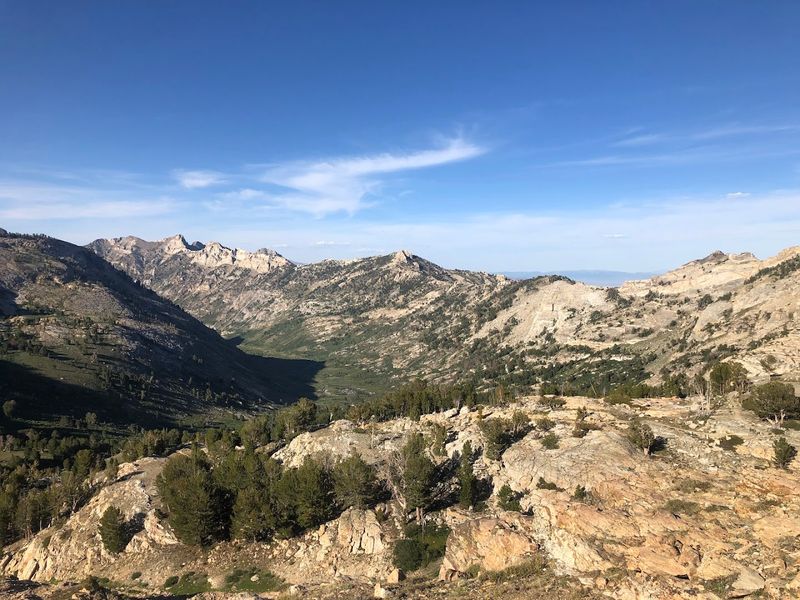
The name Ruby Mountain sounds almost too good to be true, but the collecting here is legitimate and the variety is genuinely exciting.
Located along County Road 301 near Nathrop, this area is known for spessartine garnet, topaz, and obsidian-like Apache tears, which is a lineup that would impress any collector regardless of experience level.
Spessartine garnet runs in warm orange-red tones that are completely different from the deep red garnets most people picture. Apache tears, which are a natural form of obsidian, hold light in a translucent, smoky way that makes them feel almost alive when you hold them up to the sun.
Both materials are photogenic and easy to carry home without special packaging.
The site has both public and private portions, so confirming legal access boundaries before you start collecting is genuinely important. This is not a suggestion you can skip.
Local rockhounding forums and the Bureau of Land Management Salida Field Office are your best resources for current boundary information. Arrive with a clear plan, respect fencing and posted signs, and you will have a collecting experience that earns its place in your personal highlight reel for the entire season.
Good boots and trekking poles help on the rougher sections of terrain.
9. Mount Antero / Mount White Area
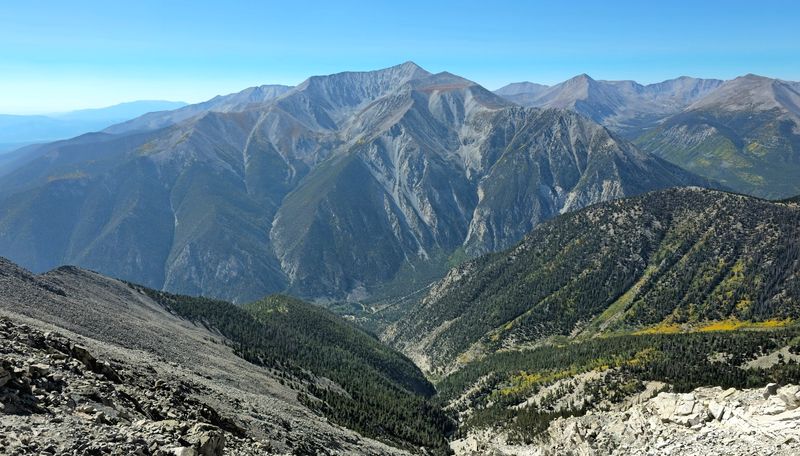
Mount Antero is the kind of place rockhounders whisper about like it is sacred ground, and honestly, it earns that reverence.
Accessible via Baldwin Gulch Jeep Road near Nathrop, this high-elevation site is famous for aquamarine, blue beryl, smoky quartz, topaz, fluorite, and other minerals that form in the granite pegmatites near the summit.
The collecting potential is genuinely world-class.
That said, this is not a casual afternoon stop. The terrain is rugged, the elevation is serious, and the Forest Service is clear that collecting on mining claims without permission is illegal.
Knowing which areas are open to hobby collecting versus which are under active claim is essential homework before you ever point your vehicle toward Baldwin Gulch. Do that research and you will be rewarded handsomely.
A high-clearance four-wheel-drive vehicle is not a luxury here, it is a requirement. Plan for a full day at minimum, bring more water than you think you need, and watch the sky carefully for afternoon lightning, which builds fast at this elevation.
The aquamarine crystals found here are among the finest in North America, and holding one you dug yourself from a Colorado mountainside at over 13,000 feet is an experience that belongs on any serious rockhound’s bucket list without question.
10. Creede / Mineral County Rockhounding Area
Creede is one of those Colorado mining towns that wears its history on its sleeve and somehow makes it look effortless.
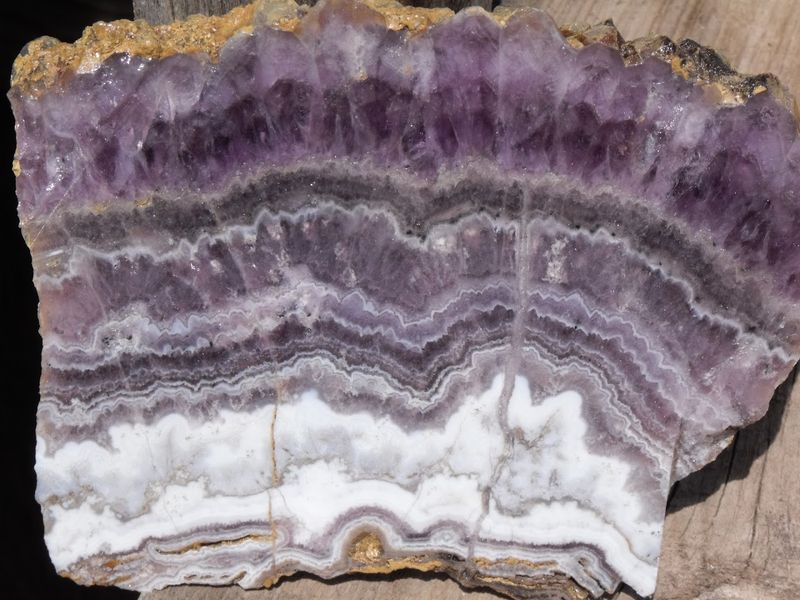
Located at 904 South Main Street in Creede, the broader Mineral County rockhounding area surrounding this town is a collector’s dream, offering sowbelly agate, Creede amethyst, galena, opal, jasper, fossils, geodes, calcite, and barite all within reasonable range of a single base camp.
Sowbelly agate is a regional specialty worth seeking out specifically. It has a layered, almost translucent quality in pale pinks and creams that looks completely different from the banded agates found elsewhere in the state.
Creede amethyst, meanwhile, tends toward lighter lavender tones that are subtly beautiful rather than dramatic, and that restraint somehow makes it more elegant.
The town of Creede itself is a wonderful bonus to any collecting trip. It has a real underground mining museum, a summer repertory theater that punches well above its small-town weight, and enough local character to fill an afternoon pleasantly.
Stay for dinner and you will find yourself planning a return trip before the check arrives. The surrounding canyon roads are scenic enough to justify slow driving and frequent stops, which happens to be the best pace for spotting surface material anyway.
11. Book Cliffs Area
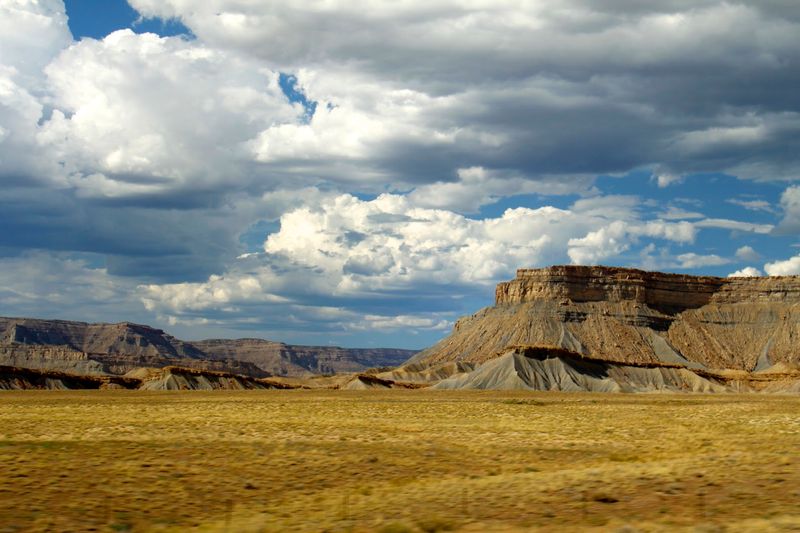
The Book Cliffs north of Grand Junction have a visual presence that hits you before you even think about rockhounding. Those long, layered walls of sandstone and shale stretch across the horizon like a geological textbook left open to its most dramatic chapter.
The address near 740 Horizon Drive in Grand Junction puts you close to the access points for an area widely noted for water-clear barite crystals and calcite in concretions.
Barite crystals from this region are genuinely impressive specimens, often forming in thick, bladed clusters inside rounded concretions that you crack open to reveal the surprise inside. Clear calcite here can approach optical quality, meaning you can actually read text through a thick piece, which is one of those small demonstrations that never gets old no matter how many times you show someone.
Land status in this area is mixed, so checking with the Bureau of Land Management Grand Junction Field Office before collecting is a practical necessity rather than bureaucratic caution. The terrain is desert and can be brutally hot from June through August, making spring and fall the smartest seasons to visit.
Grand Junction has excellent food, lodging, and gear shops, making it an ideal overnight base for a two-day collecting and sightseeing loop through the western slope.
12. Ouray / San Juan National Forest Rockhounding Area
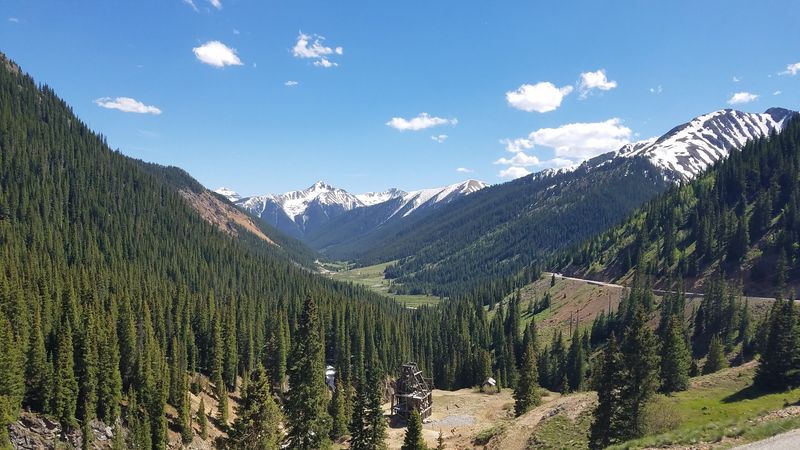
Ouray has a nickname, the Switzerland of America, and standing at 1230 Main Street looking up at the peaks surrounding this compact mountain town, you understand immediately why no one argues with that comparison.
As a base for rockhounding in the San Juan National Forest, it is nearly unbeatable, combining serious collecting access with genuine small-town comfort and some of the most dramatic mountain scenery in the lower 48.
The Forest Service guidance is clear and actually encouraging: most national forest lands are open for personal, hobby, and noncommercial rock and mineral collecting. That said, permits, claims, and private property boundaries still require respect, and Ouray locals tend to be knowledgeable about which areas are currently accessible.
Stopping at a local gear or rock shop before heading out is always a smart first move.
The San Juan region has a mineral diversity that reflects its volcanic and hydrothermal history, meaning the variety of what you might find on a given day is genuinely wide.
Combine a morning of collecting with an afternoon soak in Ouray’s famous hot springs pool and you have built the kind of day that makes people jealous when you describe it at work on Monday.
Pack layers, good boots, and a sense of adventure proportional to the altitude.