
This Hidden Florida Beach Is A Paradise For Sea Glass Hunters
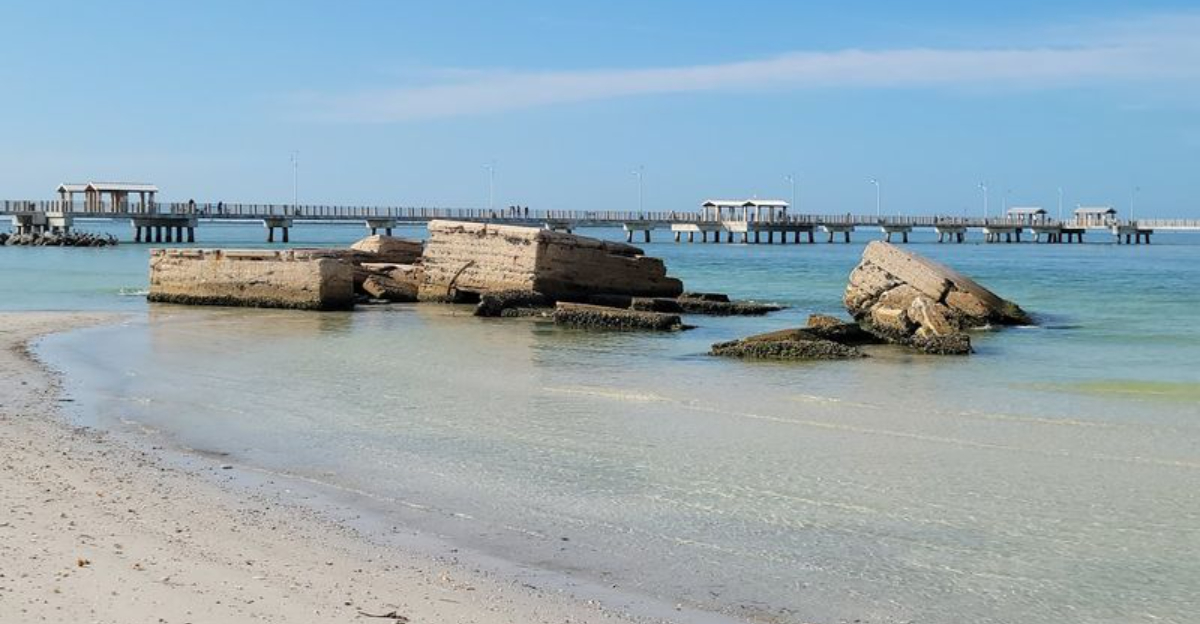
Most people head to Florida beaches looking for seashells.
At Fort De Soto Park, some leave with sea glass instead.
That is part of what makes this place so special.
Five islands. White sand.
Clear Gulf water. And just enough mystery to make every walk along the shoreline feel like a treasure hunt.
The first colorful piece of sea glass is exciting.
The second is addictive.
Before long, people find themselves staring at the sand instead of the sunset.
Not that the sunsets aren’t spectacular.
Fort De Soto combines some of Florida’s most beautiful beaches with a surprising amount of history, wildlife, and outdoor adventure. One moment you’re exploring the shoreline.
The next you’re wandering through a historic fort or spotting birds along the water.
Every visit feels a little different.
Every tide brings something new.
For beach lovers, treasure hunters, and anyone searching for a quieter side of Florida, Fort De Soto is the kind of place that keeps people coming back again and again.
The Shoreline That Keeps Giving Sea Glass Treasures
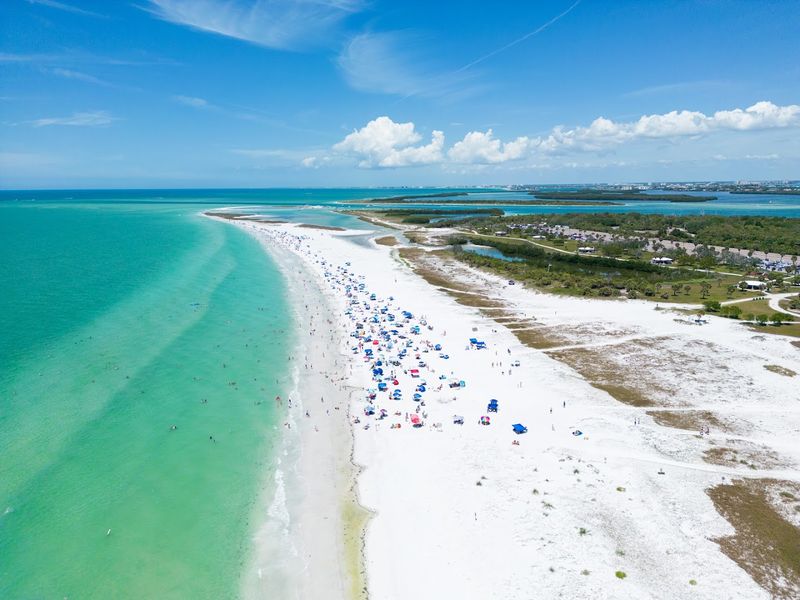
Some beaches look beautiful but give you nothing to take home except a sunburn. Fort De Soto Park breaks that rule in the most satisfying way possible, especially for sea glass collectors who know that the right shoreline can change everything.
The park sits where Tampa Bay meets the Gulf of Mexico, and that convergence creates a natural funnel for ocean debris, including old glass worn smooth by decades of wave action. Hunters regularly report finding pieces in green, brown, white, and the rarer blue and aqua shades that collectors prize most.
The North Beach area and the quieter stretches near the fishing piers tend to yield the best finds, particularly after a strong tide or storm surge. Arriving early in the morning gives you first pick before other beachgoers scatter the deposits.
Bring a small mesh bag or repurposed container, wear water shoes for comfort, and plan on losing track of time completely.
Five Islands Connected Into One Massive Natural Playground
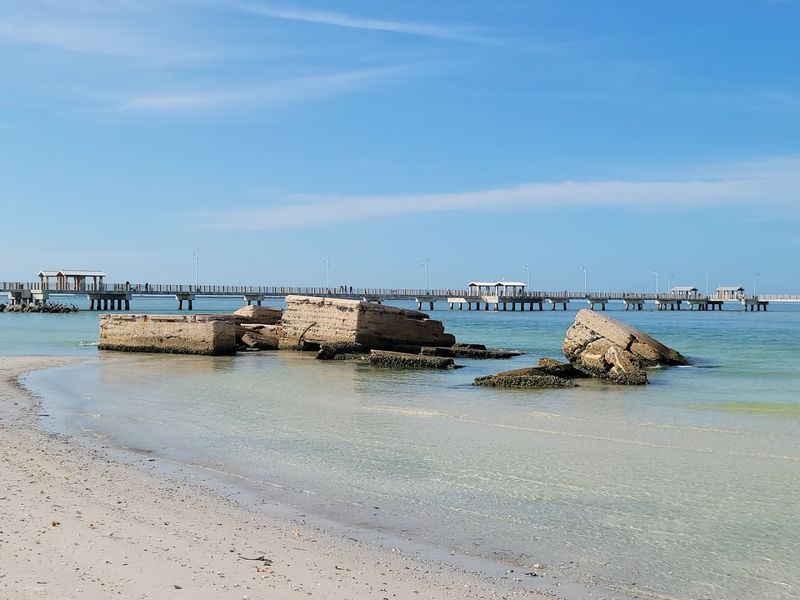
Not many parks can claim they are actually five islands stitched together, but Fort De Soto pulls it off with serious style. Located in Tierra Verde, Florida, the park covers more than 1,100 acres and stretches across Madelaine Key, St. Jean Key, St. Christopher Key, Bonne Fortune Key, and Mullet Key, which is the largest and most visited of the group.
Each island has its own personality, from dense mangrove trails to open sandy flats perfect for shelling and sea glass searching. The connected road system lets you drive between areas easily, making it possible to sample several different shoreline environments in a single visit.
That variety is exactly what makes the park so valuable to sea glass hunters, since different stretches of beach receive different tidal flows and deposit different types of material. Exploring beyond the main beach parking areas almost always rewards patience with quieter stretches and fresher pickings that casual visitors never bother to reach.
The Tidal Patterns That Work In A Hunter’s Favor
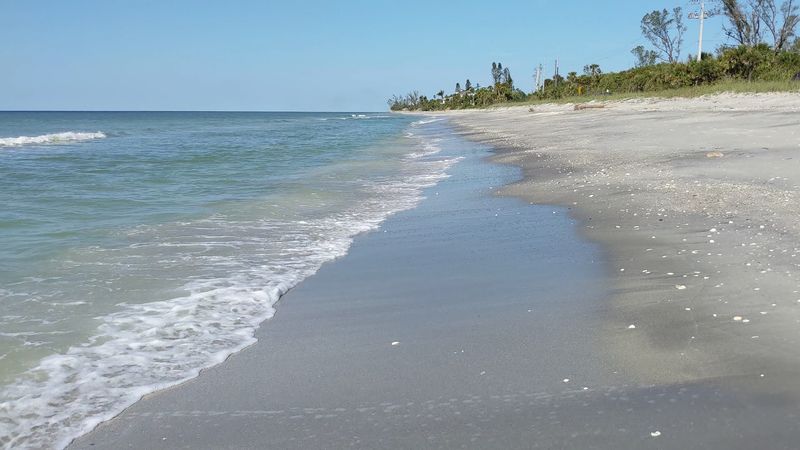
Timing your visit around the tides at Fort De Soto Park is one of the smartest moves a sea glass hunter can make. The park experiences mixed semidiurnal tides, meaning the water level changes noticeably twice a day, and those shifts expose fresh sections of the seafloor that rarely see foot traffic.
Low tide is the golden window, revealing wet sand zones where glass pieces get deposited and then left behind as the water pulls back. The area near the North Beach tidal flat is especially productive during these windows, where shallow water retreats slowly and leaves behind a wide band of searching ground.
Checking a free tide chart app before your visit takes about thirty seconds and can double the quality of your haul. Many experienced hunters target the hour just before and the two hours just after low tide for maximum exposure.
Pair that timing with an early morning arrival and you have a serious advantage over the midday crowd.
A Historic Fort That Adds Context To The Coastline
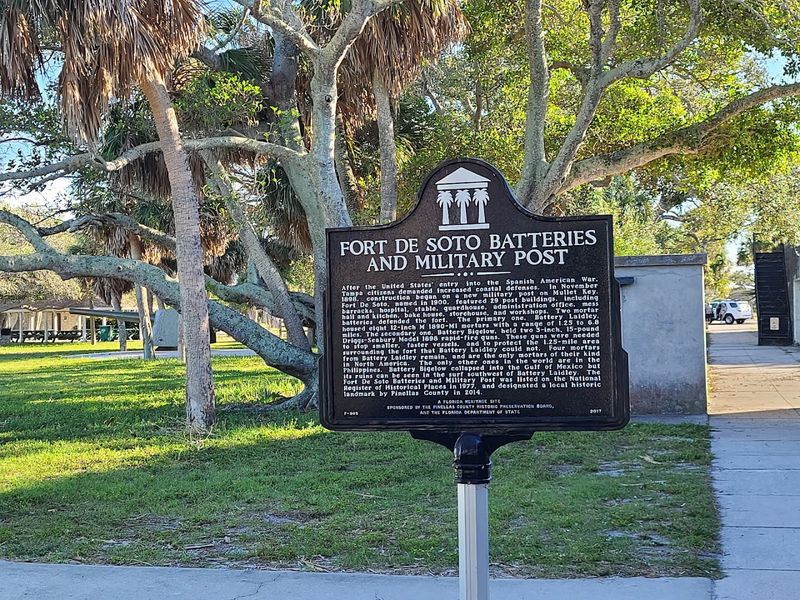
Fort De Soto was built between 1898 and 1900 as a military defense installation during the Spanish-American War era, and it sits at the southern tip of Mullet Key like a proud reminder of a very different Florida. The fort itself features thick concrete walls, original gun batteries, and a handful of massive Rodman cannons that were never actually fired in combat, which somehow makes them even more impressive to stand beside.
Walking through the fort before or after a sea glass hunt adds a layer of meaning to the whole visit. You start thinking about the ships that passed these shores, the sailors who threw bottles overboard, and how some of that old glass might still be tumbling around in the surf today.
The on-site museum inside the fort chambers displays photographs, maps, and construction plans that bring the history to life without overwhelming you. Park rangers are usually nearby and genuinely enjoy answering questions, so do not hesitate to ask about the fort’s role in protecting Tampa Bay.
The Rare Colors That Make Every Find Feel Like A Win
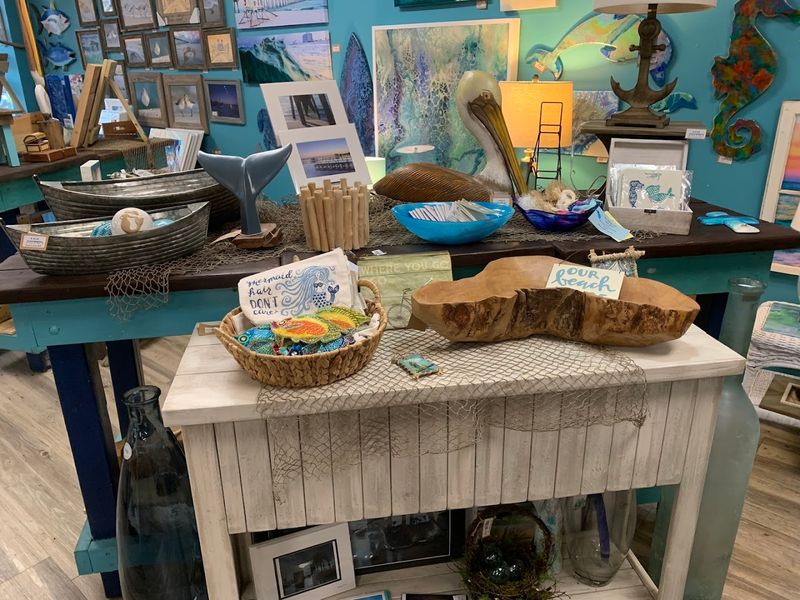
Sea glass collectors have a ranking system for colors, and Fort De Soto’s shores have been known to produce some of the more exciting finds on that list. White, green, and brown pieces are the most common, coming from old bottles and jars that once held everyday goods, and the beach here offers plenty of those.
Blue and aqua pieces show up regularly enough to keep hunters motivated, often originating from old medicine bottles, canning jars, and vintage glassware that spent years in the water. The rarer orange, red, and yellow pieces do appear occasionally, though finding one of those feels a bit like winning a small lottery.
The frosted, smooth texture of well-tumbled sea glass is what separates a true piece from a freshly broken shard. Genuine sea glass has rounded edges, a matte surface, and a slight glow when held up to sunlight.
Learning to spot that difference quickly turns a casual beachcomber into a focused and very happy hunter.
North Beach: The Quieter Side Worth Seeking Out
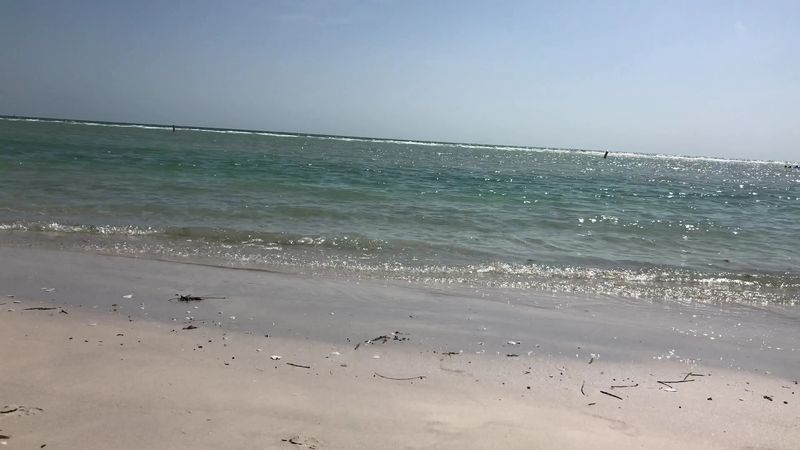
Most visitors head straight to the main South Beach area, drawn in by the wide open sand and the easy parking access. North Beach sits on the opposite end of the park and draws a noticeably smaller crowd, which is exactly why sea glass hunters tend to prefer it.
The shoreline at North Beach faces Tampa Bay rather than the open Gulf, giving it a different energy and a different deposit pattern. Smaller waves and calmer water mean glass pieces accumulate in certain pockets along the tide line rather than spreading out across a wide stretch, so the hunting feels more focused and productive per square foot.
A nature trail runs behind North Beach and connects to a kayak launch area, making it easy to combine a sea glass walk with a paddle through the mangrove channels nearby. The combination of quiet shoreline, manageable crowds, and consistent finds makes North Beach the section of Fort De Soto that rewards the curious visitor most generously.
Wildlife Encounters That Make The Hunt Even Better
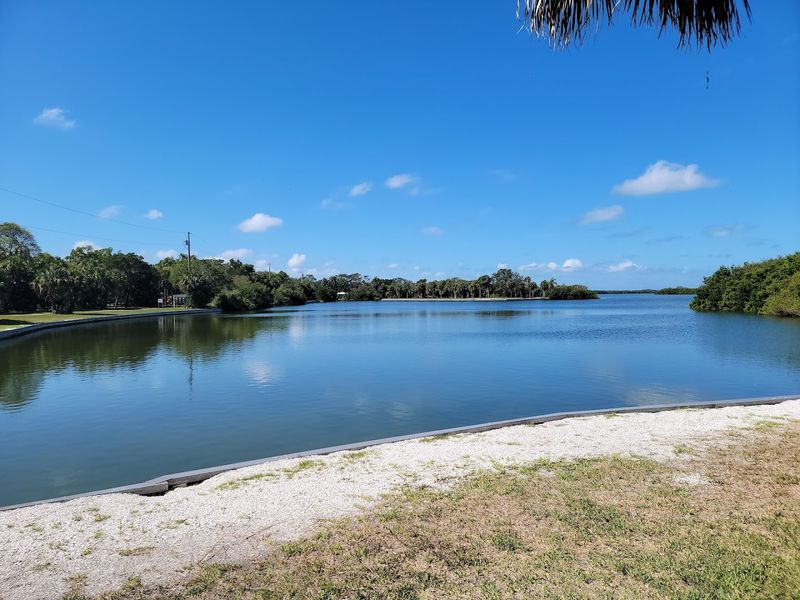
Bending down to pick up a piece of frosted blue glass and then looking up to find a dolphin cresting the surface about twenty yards offshore is the kind of moment that turns a nice outing into an unforgettable one. Fort De Soto Park delivers that kind of wildlife encounter with surprising regularity.
Dolphins are commonly spotted near the fishing piers and along the North Beach shoreline, particularly in the early morning hours when boat traffic is minimal. Shorebirds including brown pelicans, roseate spoonbills, and great blue herons patrol the same tidal flats where glass hunters work, completely unbothered by human presence.
The park’s protected status as part of Pinellas County’s park system means the wildlife here behaves with a calm that feels rare compared to more developed Florida beaches. Manatees occasionally drift through the warmer shallows near the mangrove edges in cooler months.
Keeping your eyes up between scanning the sand adds an entire second layer of reward to every single visit.
Camping Overnight Puts You First On The Beach At Dawn
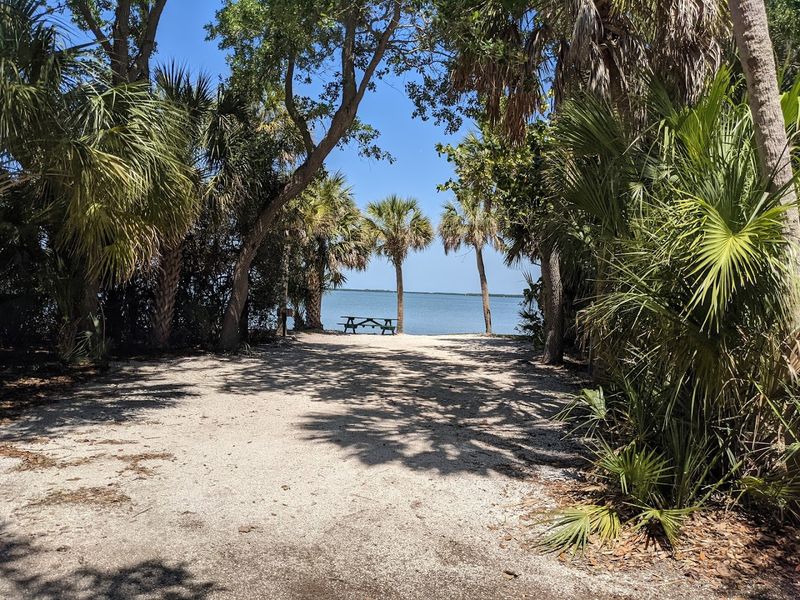
There is a practical secret that serious sea glass hunters at Fort De Soto Park already know: camping overnight puts you on the beach at first light, before anyone else has walked the tide line. The campground here is genuinely well-maintained, with spacious pull-through sites offering water and electricity, picnic tables, and grill stations.
Waterfront sites book up quickly, especially between October and April when the weather is ideal, so reserving several weeks in advance is strongly recommended. The pet-friendly camping section is a bonus for anyone traveling with a dog, and the park’s dedicated dog beach means four-legged companions get their own adventure too.
Waking up at sunrise and walking directly from your campsite to a quiet stretch of beach with a coffee in hand and a bag for sea glass is about as close to a perfect morning as Florida can offer. Clean bathhouses with showers are located throughout the campground, and the overall atmosphere stays peaceful even when the park reaches capacity during busy weekends.
The Best Tools And Tips For A Productive Search

Showing up to Fort De Soto Park ready to hunt makes a real difference in what you bring home. A small mesh bag or a repurposed onion sack works perfectly for collecting pieces while letting sand and water drain away naturally as you walk.
Water shoes are genuinely useful here because the tidal flats and rocky sections near the pier areas can be uneven, and protecting your feet keeps the hunt comfortable for longer stretches. A pair of polarized sunglasses cuts the glare off the water surface dramatically, helping you spot submerged pieces that would otherwise be invisible from a standing position.
Crouching low and scanning slowly rather than walking fast and glancing down is the technique that separates productive hunters from frustrated ones. Moving against the light, meaning with the sun behind you, makes frosted glass surfaces pop visually against the wet sand.
Bringing a small field guide to sea glass colors and rarity levels turns the whole activity into an educational experience that kids absolutely love joining.
Practical Details That Make Your Visit Run Smoothly
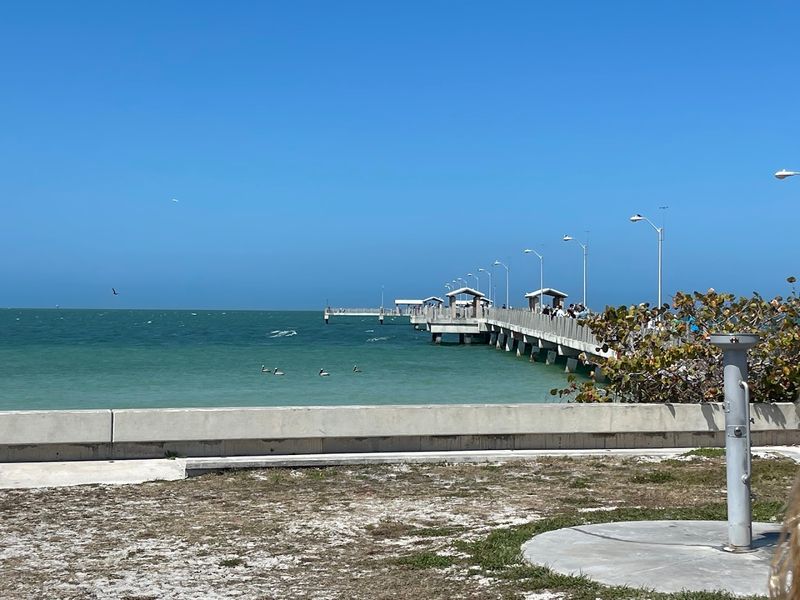
Fort De Soto Park is located at 3500 Pinellas Bayway S, Tierra Verde, FL 33715, and can be reached by calling (727) 582-2267 or visiting the official site at https://pinellas.gov/parks/fort-de-soto-park for current hours and camping reservations. The park charges a modest daily parking fee of around six dollars, which covers access to all areas across the five islands for the entire day.
The park closes at sundown, so plan your sea glass hunting session with that cutoff in mind and avoid lingering past the closing time. A snack bar near the main pier area serves food and ice cream, which is a welcome stop after a long morning of beachcombing in the Florida sun.
Peak season runs from roughly November through April when temperatures are comfortable and crowds are manageable compared to summer. Arriving on a weekday morning rather than a weekend afternoon gives you the best combination of parking availability, quiet beaches, and undisturbed tide lines.
The park’s 4.8-star rating across thousands of visitor reviews reflects a consistency that is genuinely hard to argue with.