
11 Hidden Gems In Maine That Belong On Your 2026 Travel List
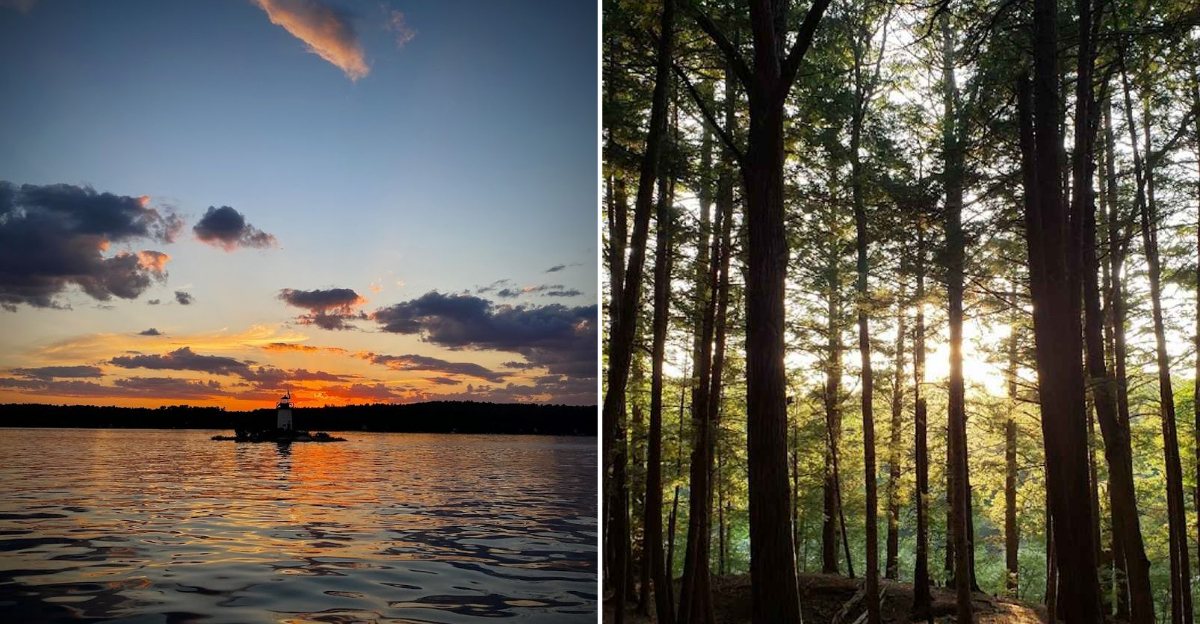
Maine is full of places that make you wonder how they stayed quiet for so long. Sure, the famous spots are worth seeing, but some of the best moments happen when you wander a little off the usual route.
Think chilly rock chambers that still feel icy in summer, tiny woodland creations tucked beside a trail, wave-battered cliffs, odd little museums, remote gorges, and peaceful paths where the scenery keeps changing.
That is the fun of exploring Maine: you never really know what strange or beautiful thing might be around the next bend.
For 2026, these eleven overlooked stops are perfect for curious travelers who want more than the standard postcard trip.
1. Debsconeag Ice Caves
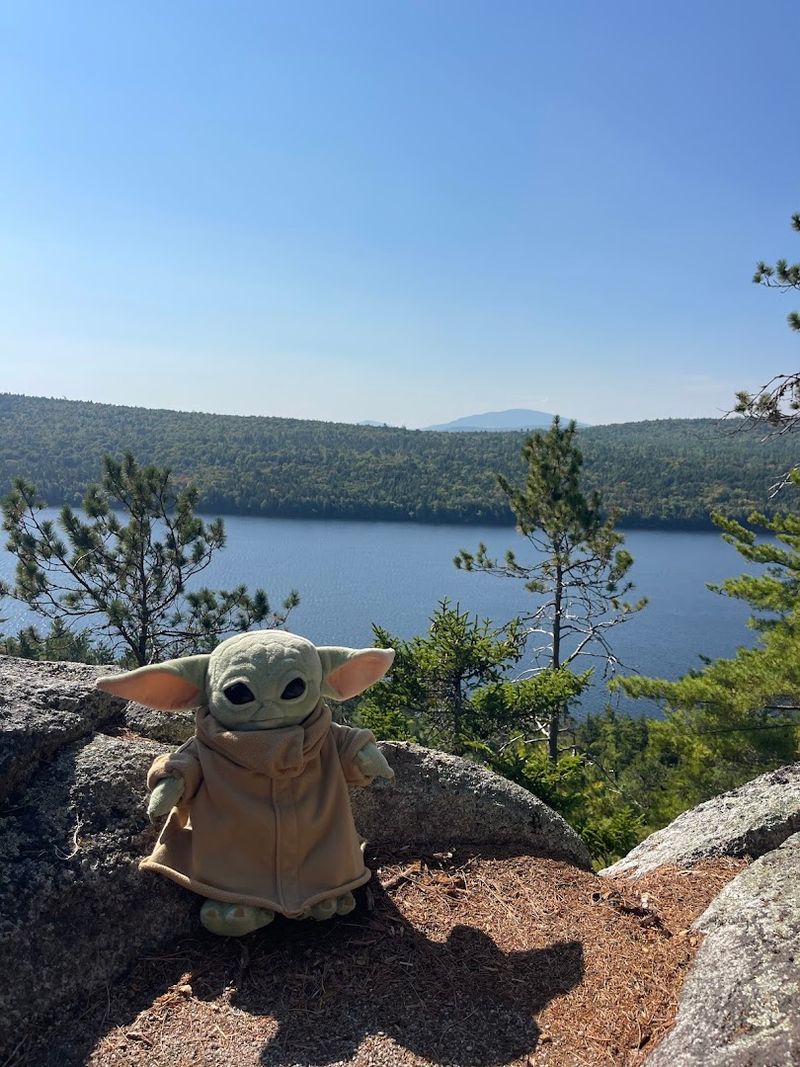
Even deep into summer, ice can linger inside the Debsconeag Ice Caves, making this one of the most genuinely surprising natural features in all of New England.
Located near T2 R10 WELS in Piscataquis County, Maine, these caves sit within the Debsconeag Lakes Wilderness Area managed by The Nature Conservancy.
Getting here requires a roughly two-mile hike through boreal forest, and the trail is not heavily marked, so bringing a map and sturdy footwear is a smart move. The caves themselves are actually a jumble of massive boulders that create a cold microclimate, trapping ice year-round in the shadowy gaps below.
Summer is the most rewarding time to visit, when the contrast between the warm forest air and the icy cave interior feels almost magical. Wildlife sightings along the trail, including moose near the shoreline of Debsconeag Lake, are genuinely common.
This is the kind of place that makes people stop mid-sentence and just look around in quiet amazement, which is exactly what a great travel discovery should do.
2. Giant’s Stairs, Bailey Island

Bailey Island in Harpswell, Maine, is already one of the more scenic spots along the Casco Bay coast, but most people drive past its most spectacular feature without ever stepping out of the car.
Giant’s Stairs is a dramatic coastal rock formation where fractured and eroded stone creates the appearance of enormous steps leading directly into the Atlantic Ocean.
The short trail to the formation begins near the intersection of Washington Avenue and Ocean Street on Bailey Island and takes only about ten minutes to walk. Once you arrive at the rocks, the experience is completely immersive, with waves crashing below and the open ocean stretching out in every direction.
Fall visits offer some of the most dramatic conditions, when Atlantic storms send swells rolling in and the spray reaches surprising heights.
The formation gets its name from the way the granite slabs mimic a grand staircase, though no giant has been confirmed as the architect.
Bring a jacket no matter the season, because the exposed headland channels the wind in a way that can catch even well-prepared visitors off guard. It is a short stop with a lasting impression.
3. Easternmost Markers, Lubec
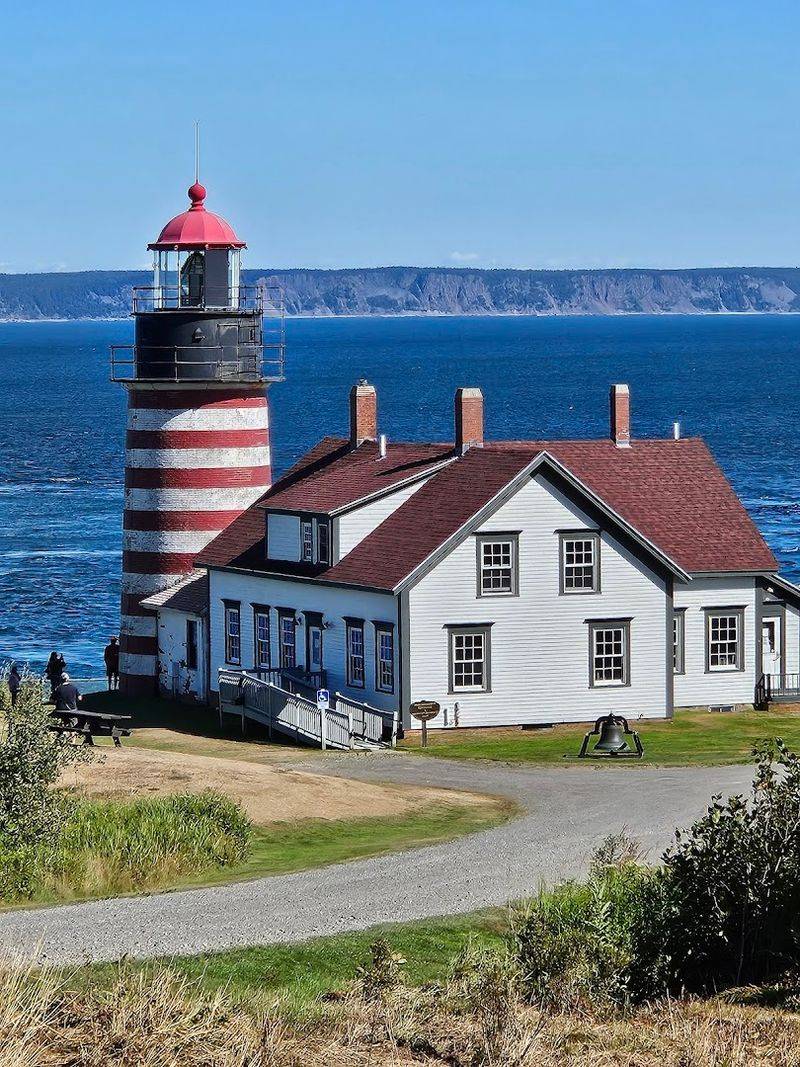
Standing at the easternmost point of the contiguous United States is one of those travel experiences that sounds simple but feels genuinely significant once you are actually there.
West Quoddy Head in Lubec, Maine, is that point, and the landmark is marked by both a bold red-and-white striped lighthouse and a sign confirming your geographic achievement.
Lubec is a small coastal town in Washington County, and it sits so far east that it shares a time zone boundary with New Brunswick, Canada, just across the Lubec Narrows.
The lighthouse, built in 1808 and rebuilt in 1858, is one of the most photographed in the country, and the surrounding Quoddy Head State Park offers trails along dramatic cliffs above the Bay of Fundy.
The park is open year-round, but spring and early summer bring wildflowers to the coastal meadows and give the cliffs a lush, almost otherworldly appearance.
Bald eagles are frequently spotted riding thermals above the water. If you are the type of traveler who loves collecting geographic superlatives, Lubec is an easy addition to your list, and the drive through Washington County is scenic enough to justify the trip on its own.
4. Kenneth E. Stoddard Shell Museum, Boothbay
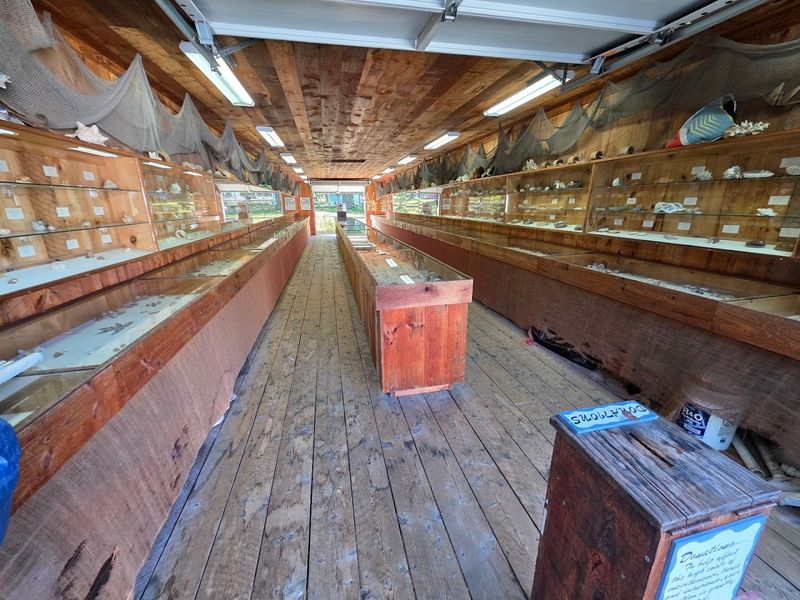
Most people visiting Boothbay, Maine, are focused on the harbor, the lobster rolls, and the whale-watching boats. Very few of them know that a fascinating one-of-a-kind shell museum sits quietly nearby, waiting for the kind of visitor who appreciates the weird and wonderful side of travel.
The Kenneth E. Stoddard Shell Museum is a small private collection displayed at Dolphin Mini Golf in Boothbay and houses thousands of shells collected over decades, ranging from tiny iridescent specimens to large tropical varieties that look completely out of place in a Maine coastal town.
The collection was assembled by Kenneth Stoddard himself, and the sheer variety of shapes, colors, and sizes on display is genuinely impressive for a small regional museum.
Admission is free, which makes it an easy add-on to any Boothbay itinerary. The museum is typically open during warmer months, so checking ahead before visiting in early spring or late fall is a good idea.
Children tend to be especially captivated by the tactile nature of the displays, and the staff are knowledgeable and enthusiastic. It is the kind of stop that turns a regular afternoon into a conversation starter you will still be talking about weeks later.
5. Mackworth Island Fairy Houses, Falmouth

There is something genuinely charming about a place where the main attraction was built by children using sticks, bark, and pinecones.
Mackworth Island in Falmouth, Maine, is home to one of the most beloved folk traditions in the state, a growing community of tiny fairy houses constructed by visitors along the wooded trail that circles the island.
The island is connected to the mainland by a short causeway and is home to the Governor Baxter School for the Deaf. A public walking trail around the island’s perimeter gives visitors access to the fairy village, which has grown organically over many years.
Each house is unique, built from only natural materials found on the island, and new ones appear regularly alongside the older, more weathered creations.
The trail itself is peaceful and flat, making it a great option for families with younger children or anyone who wants a gentle walk with a coastal view.
The island is managed by the Maine Bureau of Parks and Lands and is open year-round. Visiting in early morning, before the day-trippers arrive, gives the fairy village a quiet, almost enchanted atmosphere that is hard to replicate at any other time of day.
6. Ladies Delight Lighthouse, Cobbosseecontee Lake
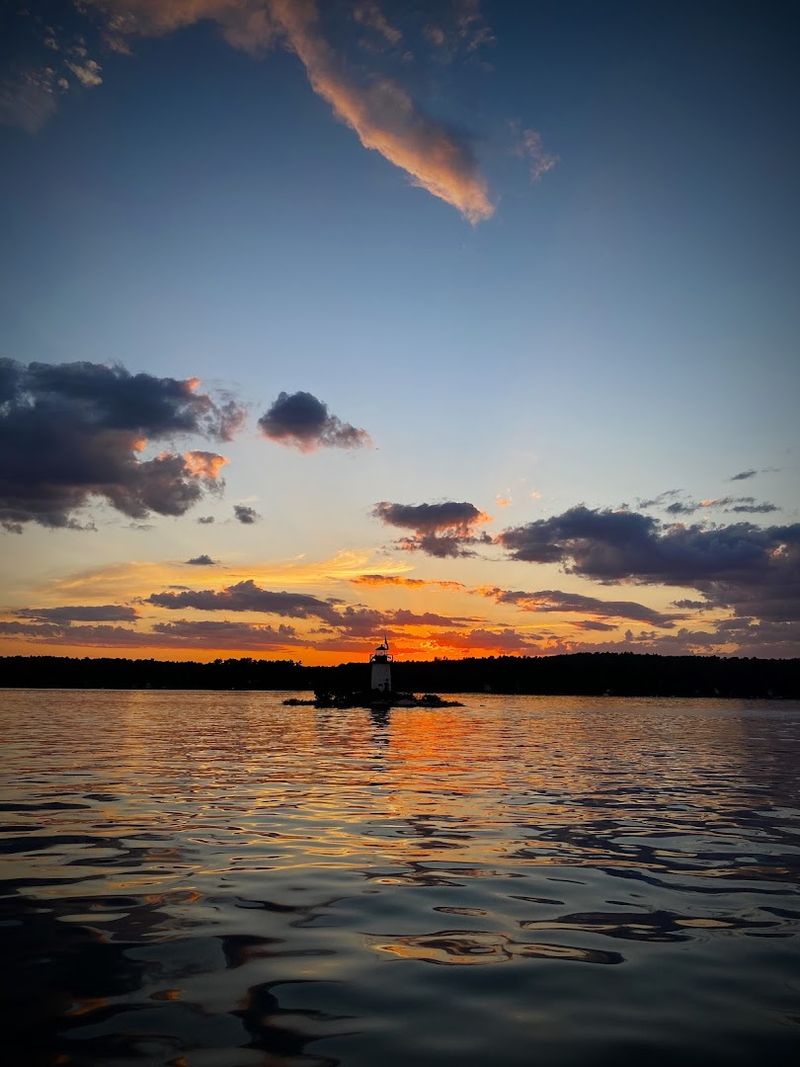
Freshwater lighthouses are rare enough to be genuinely interesting, and Ladies Delight Lighthouse on Cobbosseecontee Lake in Kennebec County, Maine, is one of the most charming examples you will find anywhere in the northeastern United States.
Perched on a small rocky island near the north end of the lake, the lighthouse has guided boaters navigating Cobbosseecontee Lake since the early 20th century.
The structure is a private aid to navigation and is not open for interior tours, but it can be viewed and photographed from the water, making it a popular destination for kayakers and canoeists exploring the lake.
Cobbosseecontee Lake is one of the larger lakes in the region, and several outfitters in the area rent watercraft for exactly this kind of exploration.
The name of the lighthouse alone is worth the trip, and the story behind it adds to the appeal. Local legend connects the name to a group of women who once used the nearby island for picnics, though the full history is charmingly murky.
Visiting at sunrise, when the lake is glassy and the lighthouse reflects perfectly in the water, is the kind of experience that photographs beautifully and stays with you long after you get home.
7. Hobbitland In Vaughan Woods, South Berwick
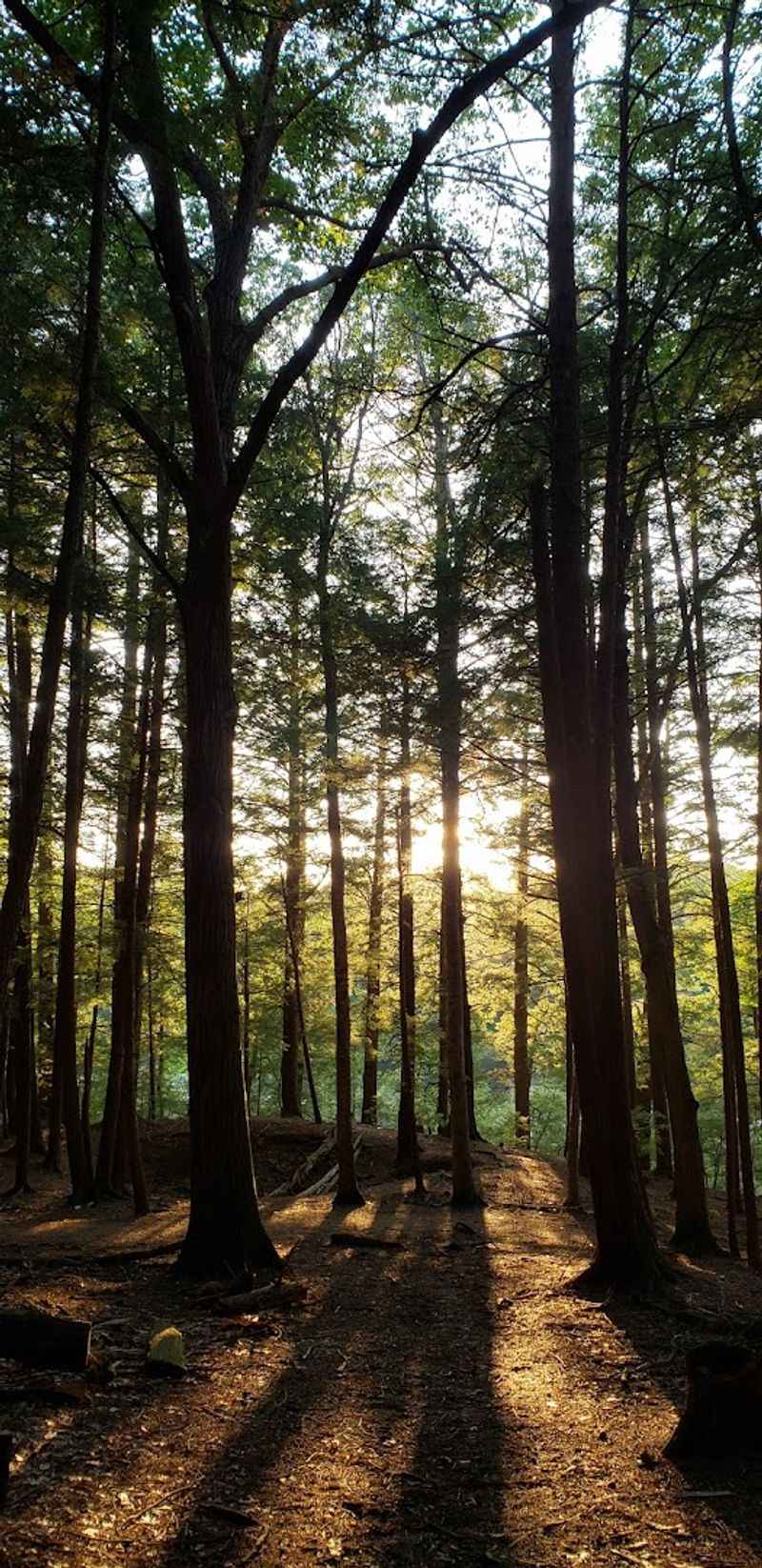
Vaughan Woods State Park in South Berwick, Maine, is already worth visiting for its mature forest and the peaceful trail along the Salmon Falls River. But the section of the park that locals have nicknamed Hobbitland takes the experience to a completely different level.
Along certain stretches of the trail, ancient tree roots have grown over decades into arching, tunnel-like formations that frame the path in a way that genuinely looks like something from a fantasy novel.
The trees themselves are impressively old, and the forest floor is carpeted in moss and ferns, adding to the otherworldly atmosphere that earned the nickname.
The park is located at 28 Oldfields Road in South Berwick, and visitors should check current seasonal access before going, though the moss is at its most vivid and the light most magical in spring and early summer. A day-use fee applies for most adult visitors, with current rates varying by residency and age.
The trails are relatively easy and well-maintained, making it accessible for most fitness levels. If you have ever wanted to feel like you wandered into a storybook forest without leaving New England, Vaughan Woods will absolutely deliver on that promise.
8. Gulf Hagas, Maine
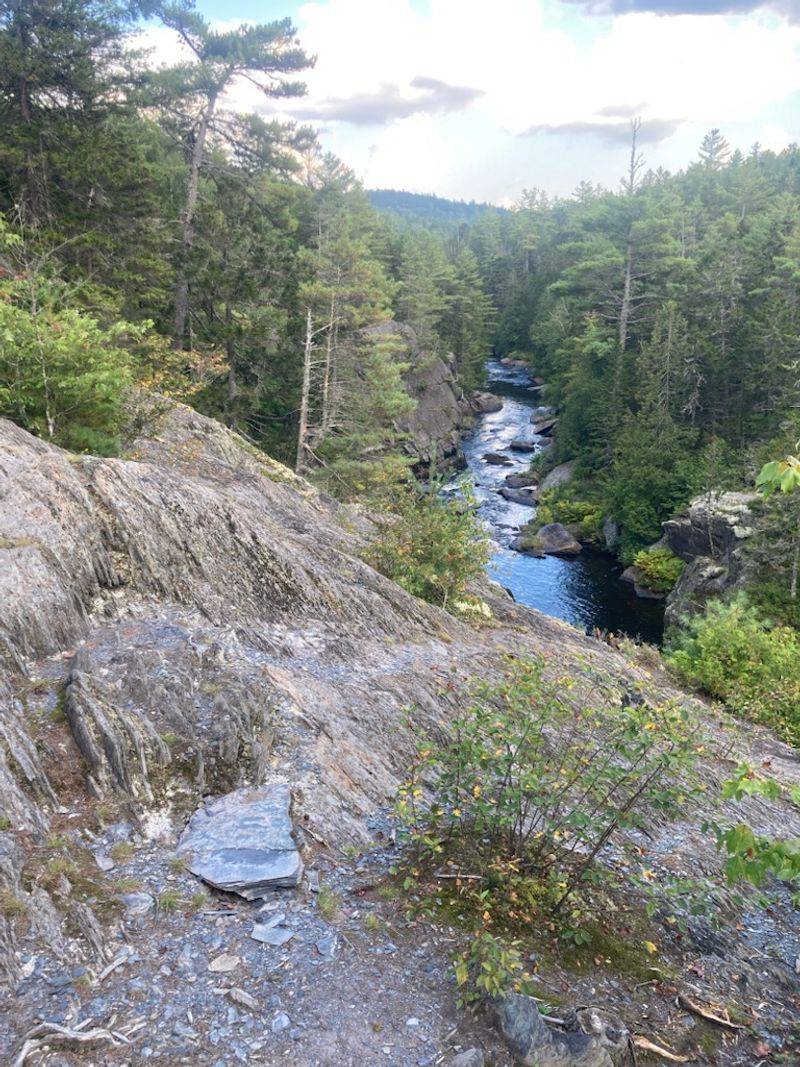
Often called the Grand Canyon of Maine, Gulf Hagas is a three-mile-long slate gorge carved by the Pleasant River in T7 R9 NWP in Piscataquis County, and it is one of the most visually dramatic natural landscapes in the entire northeastern United States.
Getting there requires a drive on private logging roads in the KI–Jo Mary area, with North Maine Woods access fees collected at the checkpoint.
The rim trail along the gorge passes four major waterfalls, including Screw Auger Falls and Buttermilk Falls, and offers views down into narrow chutes where the river churns through polished slate walls.
The full loop is roughly eight miles and involves some scrambling over roots and rocks, making it best suited for hikers with moderate to strong trail experience.
The most popular time to visit is fall foliage season, when the forest above the gorge turns gold and orange and the contrast with the dark slate walls is stunning. Summer visits offer the chance to swim in the river pools at the gorge’s calmer sections.
Gulf Hagas is part of the Appalachian Trail corridor, which adds a certain trail-culture energy to the experience that makes the long drive feel completely worth every mile.
9. Timber Point Trail, Biddeford
Biddeford, Maine, has been getting more attention in recent years for its thriving food scene, but just outside the city center lies a coastal trail that offers a completely different kind of reward.
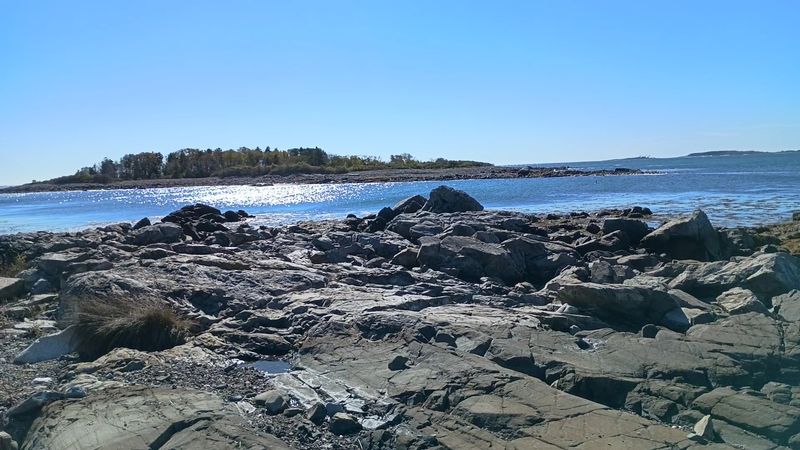
The Timber Point Trail in the Rachel Carson National Wildlife Refuge is a 1.4-mile loop that moves through salt marsh, pine forest, and rocky shoreline in a way that feels like three hikes in one.
The trailhead is reached via Granite Point Road and Timber Point Road and is managed by the U.S. Fish and Wildlife Service.
Interpretive signs along the route explain the ecology of the salt marsh and the role the refuge plays in protecting migratory birds along the Atlantic Flyway. Birdwatchers will find the trail especially productive during spring and fall migration periods.
Low tide is the best time to walk the shoreline section, when tidal pools are exposed and shorebirds work the flats in large numbers. The views across the marsh toward the open ocean are wide and unobstructed, giving the trail a spacious, almost meditative quality.
Parking is limited, so arriving early on summer weekends is strongly recommended. The whole loop takes about an hour and leaves most visitors wondering why they had never heard of it before.
10. Goddard Mansion, Cape Elizabeth
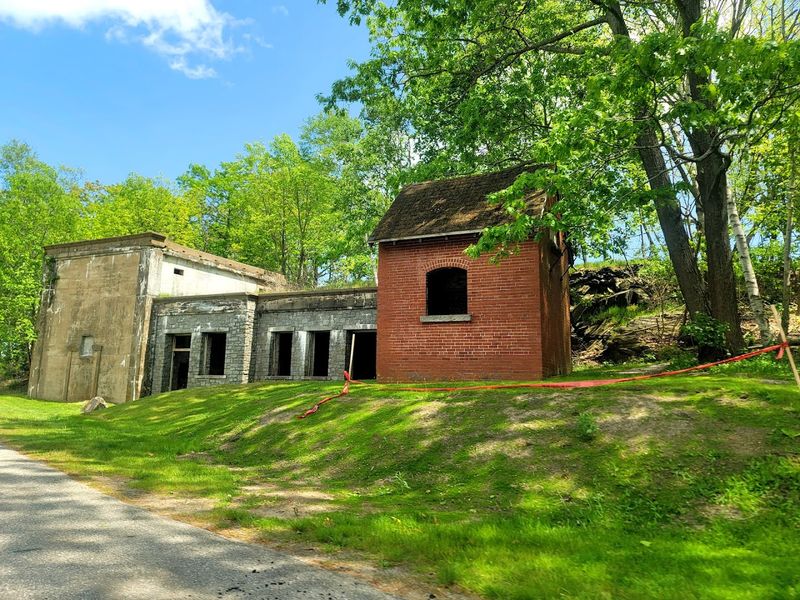
Fort Williams Park in Cape Elizabeth is best known for Portland Head Light, but visitors who explore beyond the lighthouse will find something equally intriguing nearby.
Those who wander farther through the park eventually come across something far more intriguing: the atmospheric ruins of the Goddard Mansion.
The mansion was originally built in the 1850s as a private estate and was later used as quarters by the U.S. Army at Fort Williams.
After years of use and eventual abandonment, the structure was intentionally burned by the Cape Elizabeth Fire Department in 1981 to remove unsafe debris, leaving behind dramatic stone walls and arched doorways that now stand open to the sky.
The surrounding grounds have been reclaimed by grass and wildflowers, giving the site a quietly haunting beauty.
The ruins stand inside Fort Williams Park in Cape Elizabeth and can be viewed from outside the safety fencing. The site sits near Portland Head Light in Fort Williams Park and offers views of Casco Bay from the surrounding grounds.
Visiting in late afternoon, when the low sun casts long shadows through the open walls, makes for some of the most evocative photography you will find anywhere in Maine. The short drive from Portland makes a visit completely manageable for most travelers.
11. Acadia’s Anemone Sea Cave, Bar Harbor
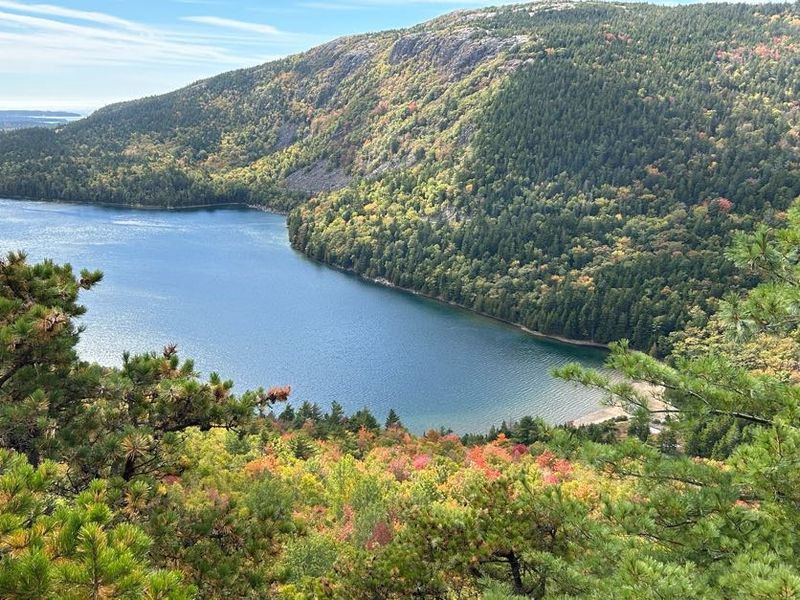
Acadia National Park draws millions of visitors each year to its carriage roads, summit trails, and famous sunrise views from Cadillac Mountain.
But one of the park’s most unusual features gets overlooked by the majority of those visitors, a tidal sea cave along the shoreline of Mount Desert Island known as the Anemone Cave.
Located near the Schooner Head Overlook area outside Bar Harbor, the cave is accessible only at low tide and requires careful footing on slippery rocks.
Inside, the walls are covered with sea anemones, mussels, and other intertidal life that thrive in the sheltered, wave-washed environment. The cave itself is not large, but the density of marine life inside makes it feel like a natural aquarium.
Checking tide charts before visiting is essential, since the cave is submerged at high tide and the approach can be treacherous in wet conditions.
The National Park Service generally recommends tidepooling from about 1.5 hours before to 1.5 hours after low tide, with visitors starting before low tide and leaving as the tide rises. Sneakers or water shoes with good grip are far better than sandals here.
For anyone who loves the intersection of geology and marine biology, Anemone Cave is a rare and fragile intertidal site that should be visited only with careful attention to tides, footing, and low-impact wildlife viewing.