
These Are The Best Florida Beaches To Find Shark Teeth, Fossils, Sea Glass, And More
Most people leave Florida beaches with a tan.
A lucky few leave with treasure.
Not pirate treasure.
Something far more surprising.
Ancient shark teeth. Fossils millions of years old.
Pieces of sea glass polished smooth by decades of waves. Hidden finds that have been waiting in the sand long before anyone laid out a beach towel.
That is one of Florida’s best-kept secrets.
While most visitors focus on the water, treasure hunters keep their eyes on the shoreline. Every wave has the potential to uncover something new.
Every walk along the beach feels a little like a scavenger hunt.
The thrill is what makes it addictive.
You spot something dark in the sand. You bend down.
Suddenly you’re holding a piece of history in your hand.
And just like that, you’re hooked.
These Florida beaches are famous for turning ordinary walks into treasure hunts and giving visitors a reason to keep scanning the sand long after everyone else has headed home. .
1. Caspersen Beach, Venice
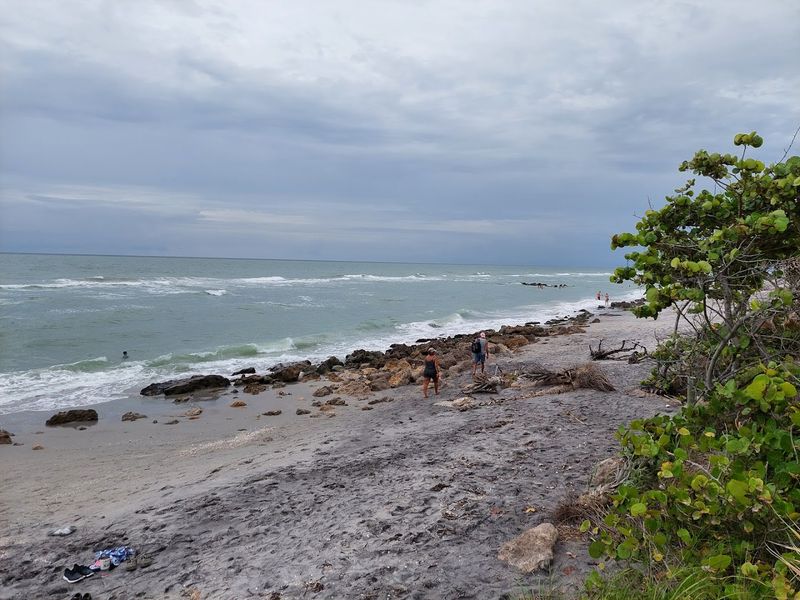
Locals around Venice, Florida will tell you that Caspersen Beach is the kind of place where the sand itself seems to whisper, “Look closer.”
Sitting at 4100 Harbor Dr S, Venice, FL 34285, this beach consistently earns its reputation as the shark tooth capital of the world, and I can confirm that title is no exaggeration.
The dark, coarse sand here is loaded with ancient phosphate deposits that wash up Megalodon teeth alongside smaller, more common species.
I always bring a mesh sifting scoop, which makes sorting through the shell hash much faster and far more rewarding than bare-hand searching.
Low tide is the golden window, so arriving early in the morning gives you first pick before the crowds show up.
The beach stretches long and wild, with minimal development, which means the natural shoreline stays rich with new material after every storm.
Caspersen is proof that the best treasures rarely require a ticket.
2. Venice Beach, Venice
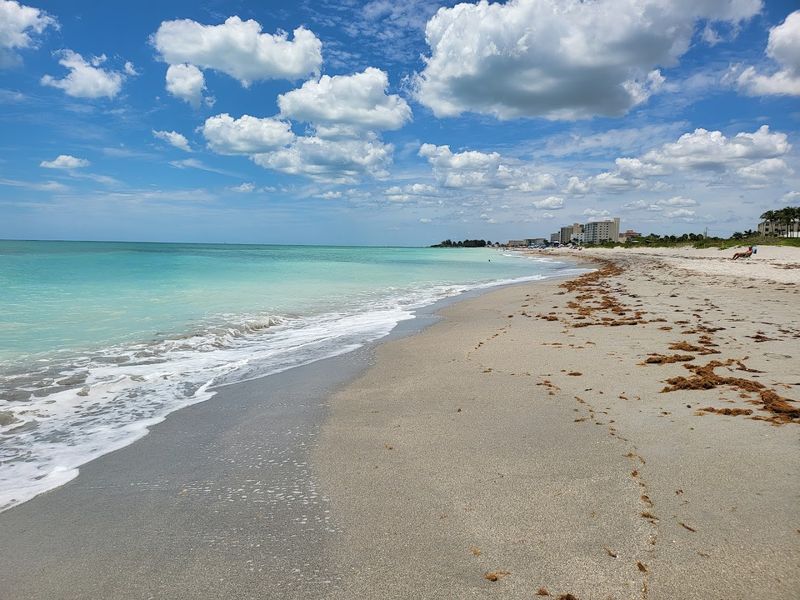
Right in the heart of Venice, Florida, the beach at 101 The Esplanade S is where shark tooth hunting goes mainstream in the most delightful way possible.
Venice Beach draws families, retirees, and dedicated collectors who all share the same slightly hunched posture as they scan the shoreline for those distinctive small black triangles.
The Venice Shark’s Tooth Festival is held nearby each spring, which tells you everything about how seriously this community takes its fossilized residents.
I love this spot because it pairs easy parking and nearby restaurants with genuinely productive treasure hunting along the water’s edge.
The teeth here tend to be smaller than those at Caspersen, but the sheer volume makes every visit feel like a win.
After a storm, the wrack line along Venice Beach practically sparkles with fresh material tossed up by the Gulf.
Bring a magnifying glass, because some of the tiniest finds turn out to be the most impressive once you look closely.
3. Nokomis Beach, Nokomis
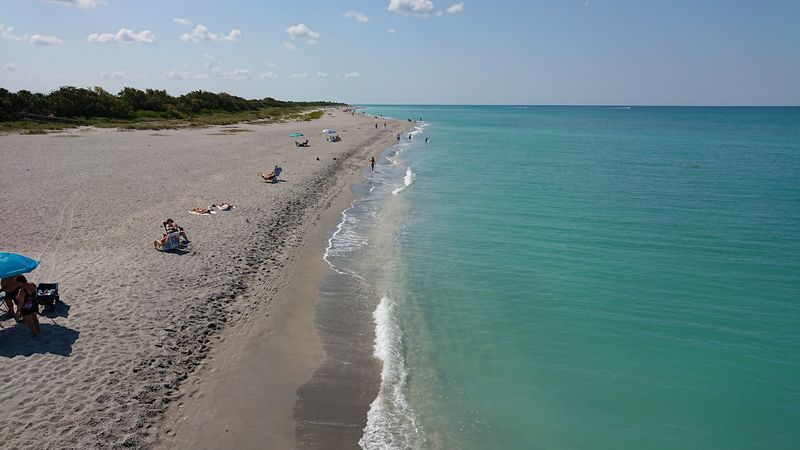
There is something unhurried about Nokomis Beach at 100 Casey Key Rd, Nokomis, FL 34275, and that laid-back energy makes it one of my favorite spots to slow down and really search.
Tucked between Venice and Sarasota, this beach sits along the same fossil-rich shoreline corridor that produces shark teeth throughout the region.
The sand here has a finer texture than Caspersen, but patient collectors still find teeth, shell fragments, and occasional bone pieces along the tide line.
Nokomis is smaller and less crowded than its famous neighbor, which means you get more shoreline to yourself during weekday mornings.
The drum circles that happen here on Friday evenings add a quirky cultural layer that most beach-combers do not expect to stumble into.
I once found three shark teeth in a single ten-minute stretch right after a passing thunderstorm refreshed the sand.
The combination of peaceful scenery and genuine fossil potential makes Nokomis a reliable stop on any treasure-hunting road trip down the Gulf Coast.
4. Manasota Beach, Englewood
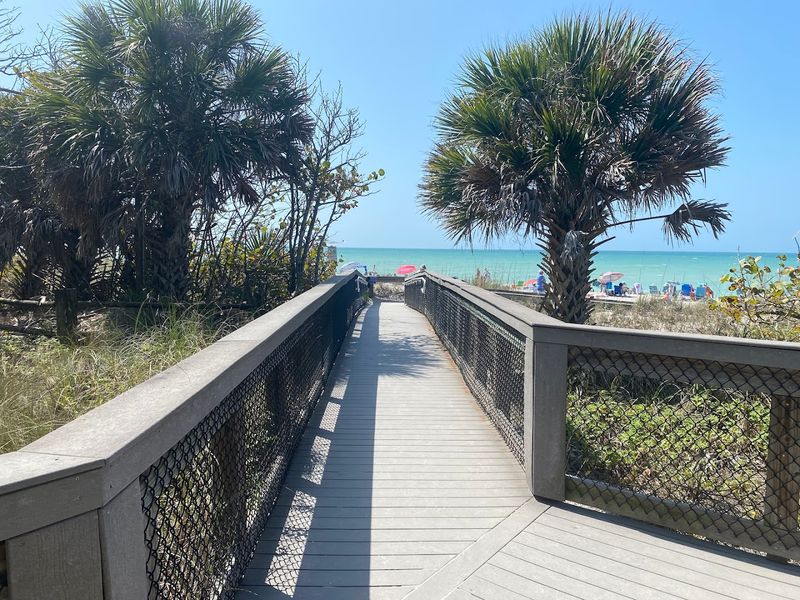
Manasota Key feels like a beach that time forgot, and for fossil hunters, that is absolutely a compliment.
Located at 8570 Manasota Key Rd, Englewood, FL 34223, this quiet barrier island beach sits far enough from the tourist trail that the shoreline stays productive and uncrowded.
The phosphate-rich sediment that runs through this part of Florida’s Gulf Coast means shark teeth and bone fragments turn up regularly, especially after strong wave action.
I particularly enjoy the northern end of the beach where shell hash accumulates in thick, dark bands that reward slow, methodical searching.
Manasota Key also offers beautiful sunsets, so combining an evening stroll with a fossil hunt feels like getting two experiences for the price of one parking fee.
The surrounding vegetation and natural dune systems give the whole area a genuinely wild character that larger, developed beaches simply cannot replicate.
Pack water and snacks, because the nearest conveniences are a short drive away from this peaceful stretch of sand.
5. Blind Pass Beach, Englewood
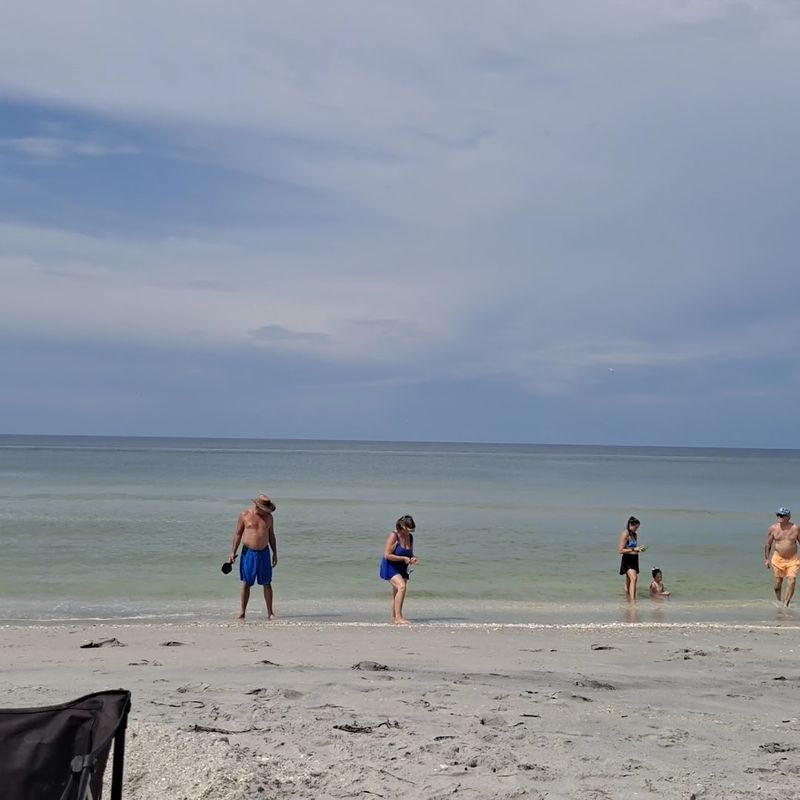
Tucked at 6725 Manasota Key Rd, Englewood, FL 34223, Blind Pass Beach occupies a sweet spot between two bodies of water, and that tidal energy is exactly what makes it so productive for collectors.
The pass creates a natural funnel that concentrates shells, fossils, and sea glass along the shoreline in ways that calmer beaches simply cannot match.
I have found more shark teeth per square foot here than almost anywhere else on the Gulf Coast, and the variety keeps things interesting.
The beach is sometimes called Middle Beach by locals, and it carries a slightly rugged character that appeals to collectors who prefer nature over neatly groomed sand.
After a storm, the wrack line here can stretch for yards and contain layers of material worth sifting through carefully.
The sunsets at Blind Pass are genuinely spectacular, painting the sky in shades that make you want to stay well past dark.
Serious collectors often make this their first stop of the day, before foot traffic has a chance to scatter the best finds.
6. Fort Clinch State Park Beach, Fernandina Beach
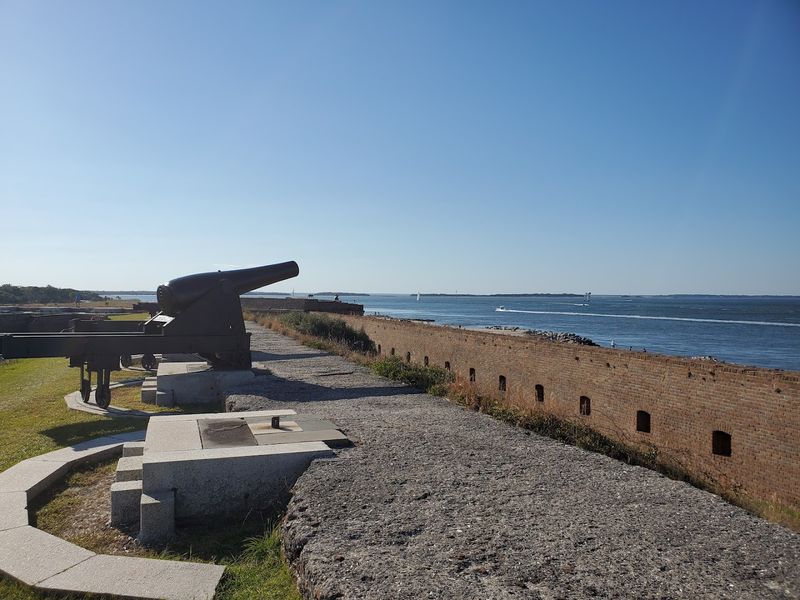
Standing on the shore at Fort Clinch State Park, 2601 Atlantic Ave, Fernandina Beach, FL 32034, you are literally walking at the edge of Florida’s oldest city on Amelia Island.
The Atlantic side of this park produces a different treasure mix than the Gulf Coast beaches, with sea glass, shells, fossils, and even Civil War-era artifacts occasionally surfacing along the tide line.
The proximity to the historic 1847 brick fort gives the whole experience a layered feeling, as if history is literally washing up at your feet.
I find the rocky outcroppings near the water’s edge particularly productive for sea glass, since the rough texture of the substrate helps polish glass fragments over time.
The park itself is beautifully maintained, with shaded trails, camping facilities, and ranger programs that add educational value to a day of beachcombing.
Fall and winter visits tend to be especially rewarding, when cooler temperatures keep crowds thin and storm activity pushes new material ashore.
Fort Clinch is the kind of place where history and nature compete for your attention in the best possible way.
7. Boneyard Beach, Jacksonville
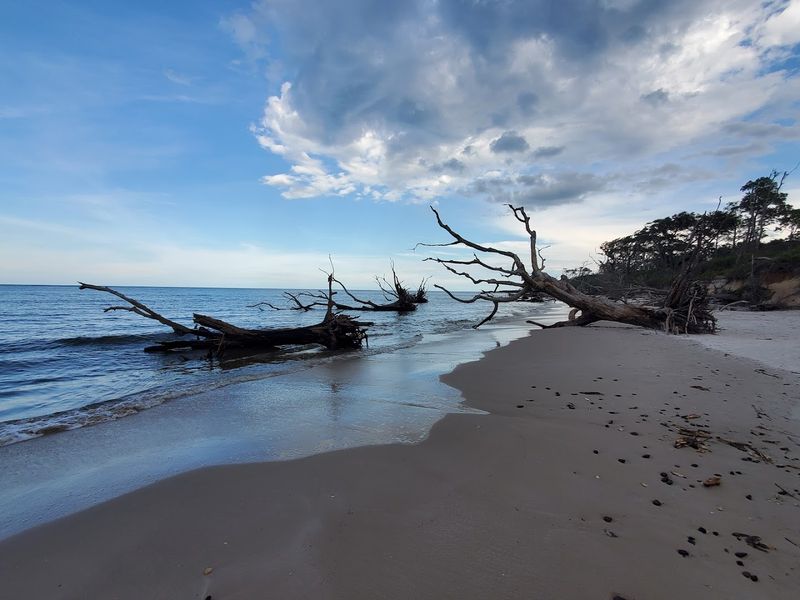
Few beaches in Florida have a name as memorable as Boneyard Beach, and the scenery absolutely lives up to the billing.
Found along State Road A1A North in Jacksonville, FL 32226 within Big Talbot Island State Park, this beach is famous for its dramatic landscape of bleached, skeletal tree trunks jutting from the sand like natural sculptures.
The erosion that creates that striking visual also exposes buried fossils, shells, and prehistoric material that collectors find genuinely exciting.
I have walked this shoreline and found fossilized bone fragments, ancient shells, and pieces of sea glass all within a single short stretch.
The dark, iron-rich sand contrasts beautifully with the pale driftwood, making every photo look like it belongs in a nature magazine.
Wildlife is abundant here, with shorebirds, osprey, and occasional dolphin sightings adding to the experience beyond just what you find underfoot.
Boneyard Beach rewards visitors who treat the whole environment as the treasure, not just the objects they carry home in their pockets.
8. Mickler’s Landing Beach, Ponte Vedra Beach
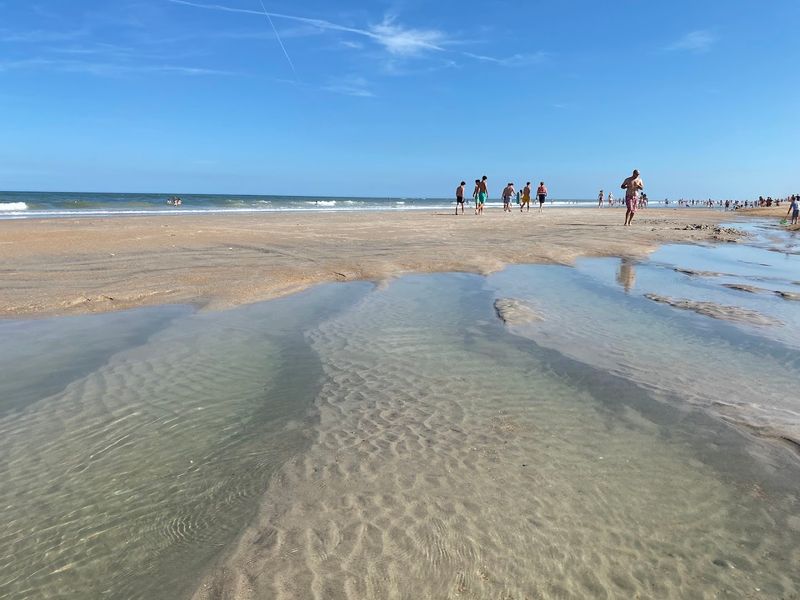
Mickler’s Landing at 1109 Ponte Vedra Blvd, Ponte Vedra Beach, FL 32082 has built a quiet but devoted following among fossil hunters who know that northeast Florida’s Atlantic coast hides serious prehistoric material.
The beach sits along a stretch of shoreline where ancient marine sediments are constantly being reworked by tides, which keeps delivering shark teeth and bone fragments to the surface.
I was honestly surprised the first time I visited, because the setting looks like a typical Florida beach until you crouch down and start noticing the dark triangular shapes scattered through the shell hash.
Megalodon teeth have been found here, though smaller species teeth are far more common and still deeply satisfying to discover.
The public access point is well marked and offers parking, restrooms, and a short boardwalk that makes reaching the beach straightforward for visitors of all ages.
Morning low tides after a northeastern storm are the collector’s best friend at Mickler’s Landing.
This beach proves you do not have to travel all the way to Venice to find genuinely impressive shark tooth hunting in Florida.
9. Turtle Beach, Sarasota
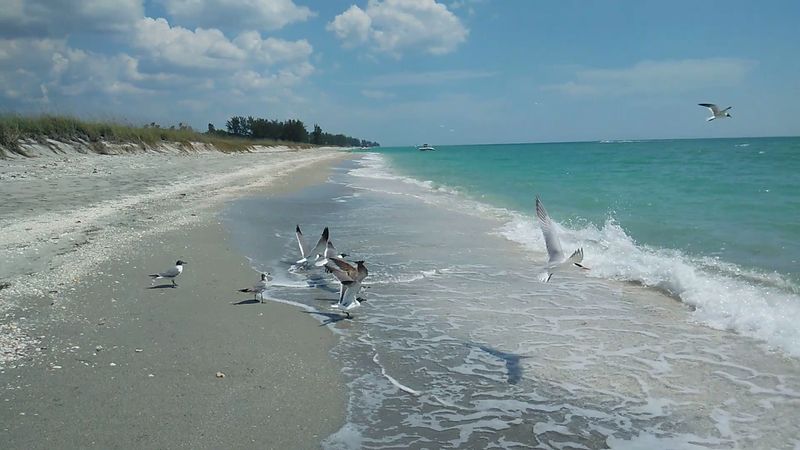
Sitting at the quieter, southern end of Siesta Key at 8918 Midnight Pass Rd, Sarasota, FL 34242, Turtle Beach offers a more relaxed and local vibe compared to the famous white sands further north on the same island.
The coarser, darker sand here is a strong signal that fossil material is present, and regular collectors confirm that shark teeth show up with satisfying frequency along the tide line.
I appreciate Turtle Beach for the way it balances accessibility with a genuine sense of discovery, since the campground nearby attracts collectors who spend multiple days working the shoreline systematically.
Sea glass also makes appearances here, polished smooth by the Gulf’s steady action against the shell-rich bottom.
The lagoon side of the key near Midnight Pass historically produced significant fossil finds before the pass was closed, and some of that material still circulates through the beach system.
Families love the calmer water and shaded picnic areas, making this a smart choice when you want everyone to enjoy the trip.
Turtle Beach is the kind of spot that grows on you the more time you spend scanning its sand.
10. Fort De Soto North Beach, Tierra Verde
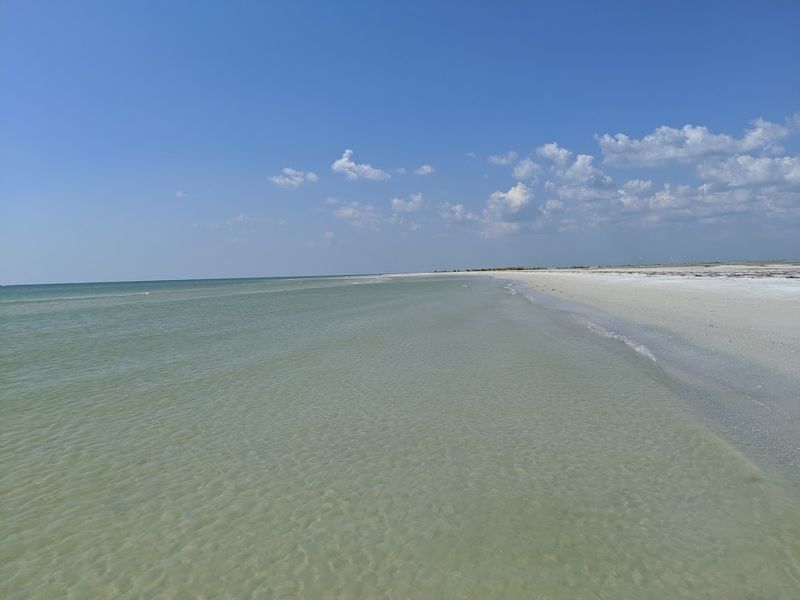
Fort De Soto North Beach at 3500 Pinellas Bayway S, Tierra Verde, FL 33715 consistently ranks among the top beaches in the entire country, and the treasure hunting here matches that elite reputation.
The park sits at the convergence of Tampa Bay and the Gulf of Mexico, which means tidal currents from multiple directions constantly refresh the shoreline with new material.
Shark teeth, fossilized bone fragments, sea glass, and shells all make regular appearances along the tide line, especially on the northern tip where currents concentrate debris.
I find the early morning hours here almost meditative, walking slowly with my eyes down while pelicans dive and dolphins surface just offshore.
The historic fort from the Spanish-American War era adds a fascinating historical layer to what is already a beautiful natural setting.
Honeymoon Island State Park Beach at 1 Causeway Blvd, Dunedin, FL 34698 is just a short drive north and equally worthy of a visit for fossil hunters working the Pinellas County coastline.
Fort De Soto rewards patience, preparation, and a willingness to get your feet wet in pursuit of something ancient and extraordinary.