
10 Abandoned Florida Towns You Can Still Visit (If You’re Brave Enough)
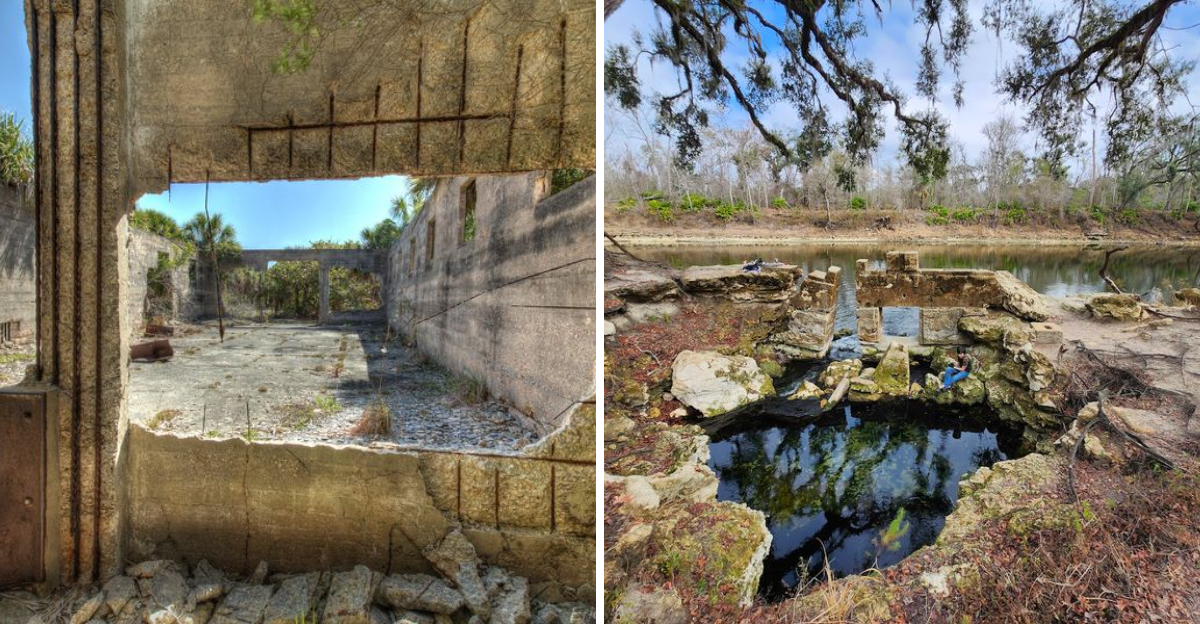
Most people visit Florida looking for sunshine.
Few realize some of the state’s most fascinating places have been abandoned for decades.
Hidden beyond the beaches and theme parks are forgotten towns where nature is slowly taking control. Streets lead nowhere.
Buildings crumble quietly. Entire communities that once buzzed with life now exist only as echoes of the past.
That is what makes them so intriguing.
Every abandoned town has a story. Some were built on big dreams.
Others grew around industries that disappeared. A few were simply left behind as Florida changed around them.
Today, all that remains are clues.
Weathered foundations. Old cemeteries.
Crumbling structures. Silent reminders of lives once lived there.
The atmosphere can feel peaceful.
Or a little unsettling.
Sometimes both at once.
For history lovers, photographers, and curious explorers, these forgotten Florida places offer something modern attractions cannot: the chance to step into a chapter of the state’s past that most people never see.
1. Fort Dade, Egmont Key
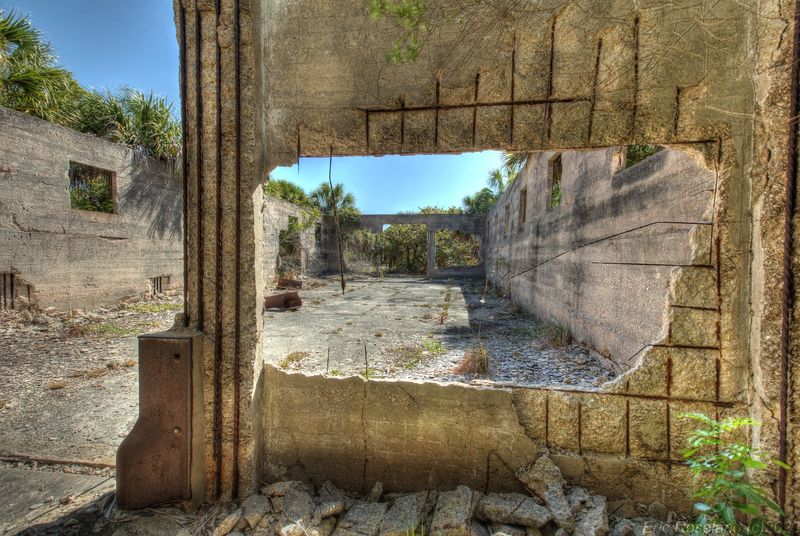
Reaching Fort Dade means boarding a ferry or private boat to Egmont Key, a barrier island where military history collides with untouched nature.
Fort Dade sits at Egmont Key State Park, St. Petersburg, FL 33715, a place where brick ruins poke through sand and sea grape as reminders of the Spanish-American War era.
The fort once bustled with soldiers preparing for conflict, but now only gopher tortoises and seabirds patrol the cracked foundations.
I remember wandering through the shadowy gun batteries, feeling the cool air that lingers inside even on sweltering summer days.
Graffiti from decades past marks some walls, creating an odd timeline of visitors who left their own marks on history.
The island itself stretches just over a mile long, offering beaches on one side and dense vegetation hiding more ruins on the other.
Pack water, sunscreen, and a sense of adventure because there are no facilities once you step off the boat.
Every visit reminds me that Florida’s past includes more than sunshine, and Fort Dade proves that some stories survive best when left to the elements.
2. Eau Gallie Ghost Town Site, Melbourne
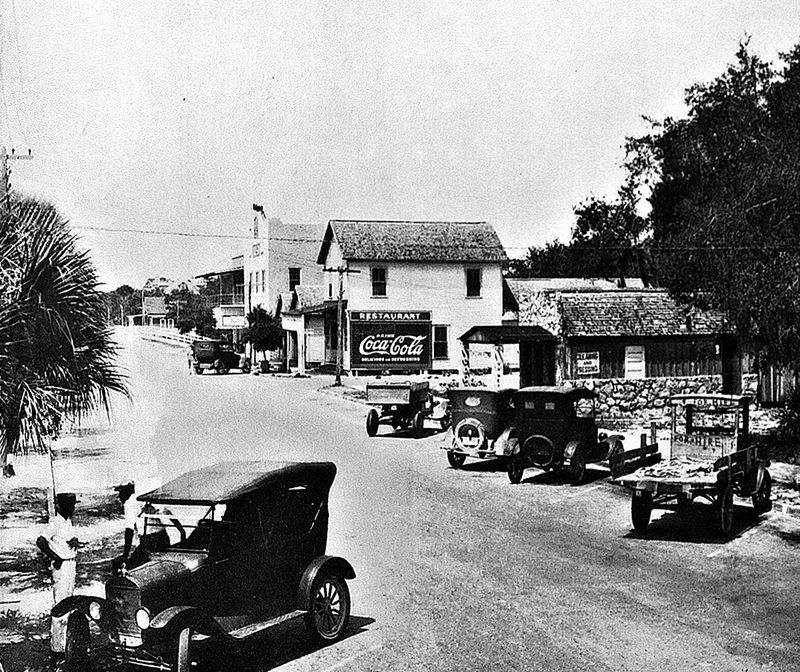
Eau Gallie started as a hopeful settlement in the 1860s, drawing pioneers who believed the Indian River would bring prosperity and growth.
The ghost town site rests near 1501 S Harbor City Blvd, Melbourne, FL 32901, where fragments of the original community blend into the modern cityscape.
Most of the old structures vanished long ago, replaced by newer development, but hints of the past survive in street layouts and a few weathered markers.
I once spent an afternoon tracing the old roads, imagining wooden storefronts and dirt paths where asphalt now runs.
The area feels less like a traditional ghost town and more like a memory layered beneath everyday life.
Local historians work to preserve what remains, and small plaques offer glimpses into the lives of those early settlers.
Visiting requires a willingness to look past the present and piece together stories from subtle clues.
The harbor still carries boats, just as it did over a century ago, but the faces and voices have changed completely.
Eau Gallie reminds me that abandonment does not always mean emptiness; sometimes it just means transformation.
3. Fort Jefferson Settlement, Dry Tortugas
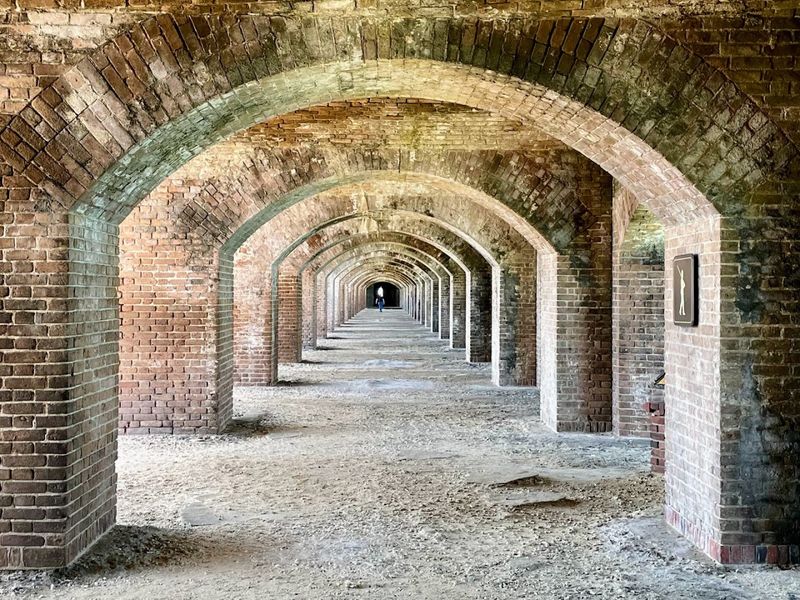
Fort Jefferson dominates Garden Key in Dry Tortugas National Park, Key West, FL 33040, a colossal brick fortress that never quite fulfilled its military purpose.
Construction began in 1846, but the fort remained unfinished, and the settlement that supported it faded after the military abandoned the site.
I have walked the moat walls at sunrise, watching the water glow pink while frigatebirds circled the empty gun emplacements above.
The brick corridors stretch endlessly, their arches framing views of open ocean and the kind of isolation that few places still offer.
Workers, soldiers, and prisoners once filled these halls, but now only park rangers and curious visitors break the silence.
Getting there requires a seaplane or ferry ride, adding to the sense of stepping outside normal time and space.
Snorkeling around the fort reveals even more history, with old pilings and debris resting beneath crystal-clear water.
The scale of the place overwhelms first-time visitors, and even repeat trips reveal new details hidden in the brickwork.
Fort Jefferson taught me that some of Florida’s most impressive ruins require serious effort to reach, but the journey always pays off.
4. St. Joseph, Old St. Joseph
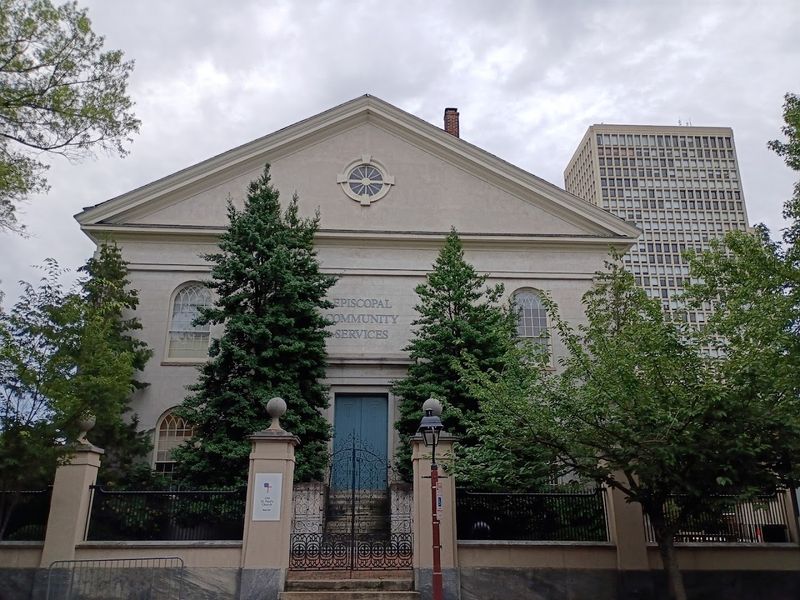
St. Joseph once competed to become Florida’s capital, a thriving port town in the 1830s that seemed destined for greatness before disaster struck.
Constitution Convention Museum State Park, 200 Allen Memorial Way, Port St. Joe, FL 32456, preserves the memory of this lost community.
Yellow fever and a hurricane combined to erase the town in just a few brutal years, scattering residents and leaving only foundations behind.
Walking the museum grounds, I tried to picture the bustling streets and grand ambitions that filled this spot before nature intervened.
The museum itself sits near the original town site, offering artifacts, maps, and stories that bring the vanished settlement back to life.
Interpretive trails wind through the area, marked by signs explaining where buildings once stood and what daily life looked like.
The quiet feels heavy here, as if the land itself remembers the sudden collapse of so much hope and energy.
I always leave with a renewed respect for how quickly fortune can turn, especially in a state where weather and disease shaped early history.
St. Joseph stands as a cautionary tale, but also as proof that even total abandonment cannot erase a place from memory.
5. Croom, Brooksville
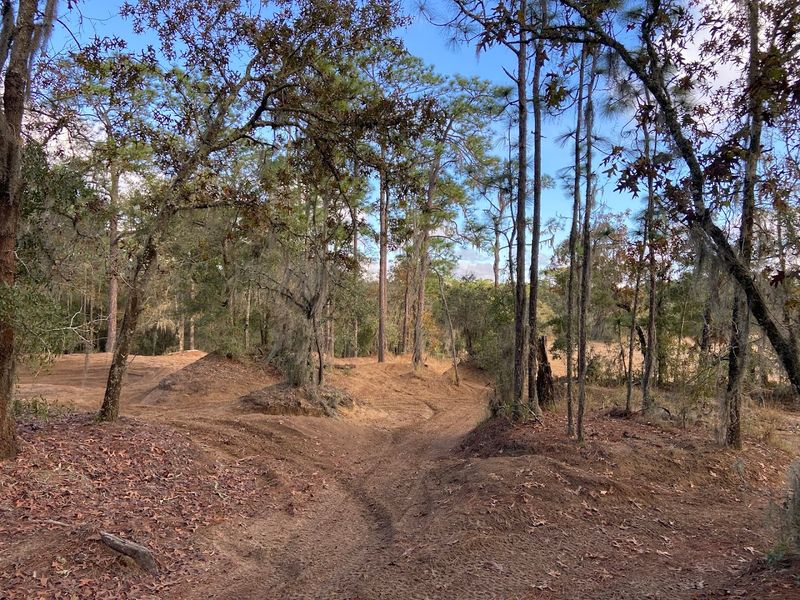
Croom Wildlife Management Area, Brooksville, FL 34601, hides the remnants of a small community that once supported logging and farming families.
The settlement thrived briefly in the late 1800s and early 1900s before economic shifts and changing land use emptied the area.
Today, hikers and mountain bikers pedal past crumbling chimneys and overgrown homesteads without realizing they are riding through history.
I stumbled upon my first Croom ruin during a trail run, pausing to catch my breath beside a moss-covered brick column that once held up someone’s porch.
The forest has swallowed most structures, but careful exploration reveals old wells, rusted farm equipment, and faint traces of roads.
Wildlife now owns the land, and I have spotted deer, wild hogs, and even a bobcat near the old settlement sites.
Bring a map and a sense of direction because the trails twist through thick vegetation where landmarks disappear quickly.
The area feels peaceful rather than spooky, as if nature gently reclaimed what humans left behind.
Croom taught me that abandonment can be quiet and gradual, with the forest slowly erasing evidence one season at a time.
6. Yalaha Ghost Settlement Area
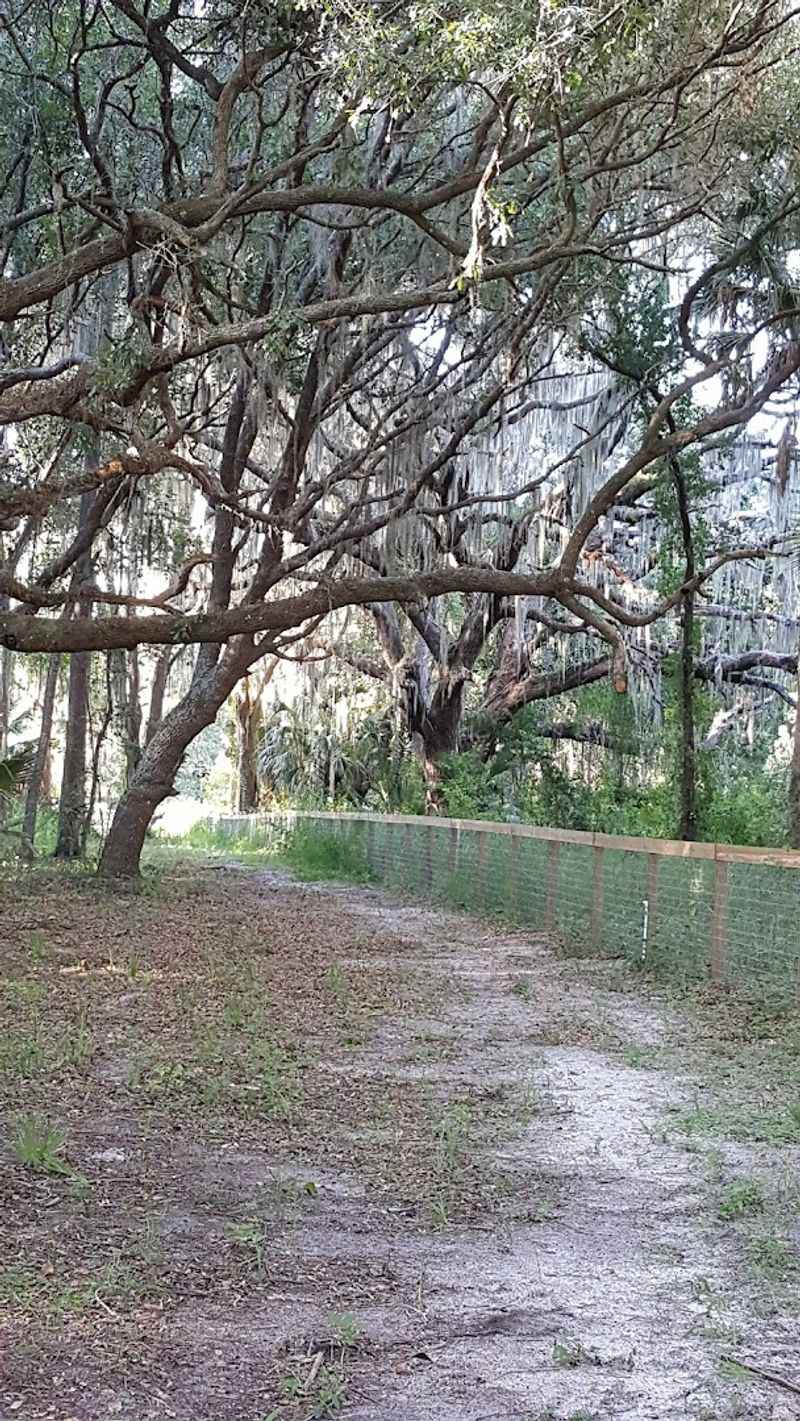
Yalaha, FL 34797, exists as both a living community and a collection of forgotten sites where earlier versions of the town slowly fade.
The area attracted settlers in the late 1800s, drawn by citrus farming opportunities and the promise of warm winters perfect for agriculture.
Economic downturns and freezes that destroyed crops pushed many families away, leaving behind structures that now blend into the landscape.
I have driven the back roads around Yalaha multiple times, spotting collapsed barns, abandoned packinghouses, and old groves returning to wild scrub.
The ghost settlement does not announce itself with signs or markers; instead, it reveals itself to those willing to explore slowly and pay attention.
Some buildings still stand partially intact, their wood weathered silver-gray and their windows empty frames looking out on nothing.
Local residents sometimes share stories about the families who once lived in these places, adding personal details to the physical remains.
The contrast between active farms and abandoned sites creates an odd patchwork of past and present.
Yalaha reminds me that ghost towns do not always appear as dramatic ruins; sometimes they exist as quiet gaps in an otherwise functioning landscape.
7. Fort Center, Okeechobee
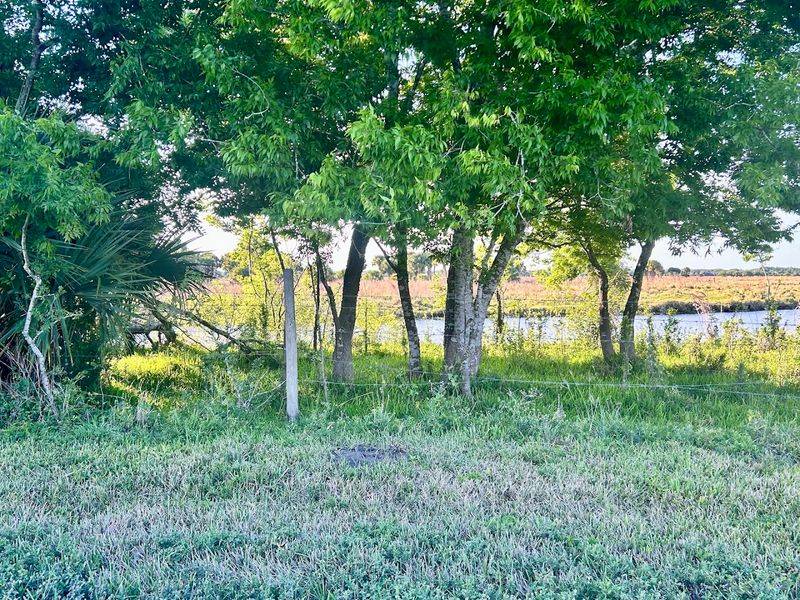
Fort Center Archaeological Site, Okeechobee, FL 34972, preserves one of Florida’s most significant pre-Columbian settlements, abandoned long before Europeans arrived.
The Calusa and later cultures built impressive earthworks and structures here, creating a complex society that thrived for centuries.
Visiting requires permission and coordination with researchers because the site remains an active archaeological area with ongoing studies.
I joined a guided tour once, walking among the mounds while an archaeologist explained how layers of shells, pottery, and tools reveal generations of occupation.
The landscape looks deceptively simple, just grassy fields and scattered trees, but beneath the surface lies incredible history.
Wooden carvings discovered here, preserved in wet soil, showed artistic skill and spiritual beliefs that challenge assumptions about ancient Florida cultures.
The silence feels different at Fort Center, older and deeper than at colonial-era ghost towns.
Standing on a ceremonial mound, I tried to imagine the voices, rituals, and daily routines that once filled this space.
Fort Center proves that Florida’s abandoned places stretch back thousands of years, and some stories require patience and expertise to uncover properly.
8. Kissimmee River Ghost Communities Area
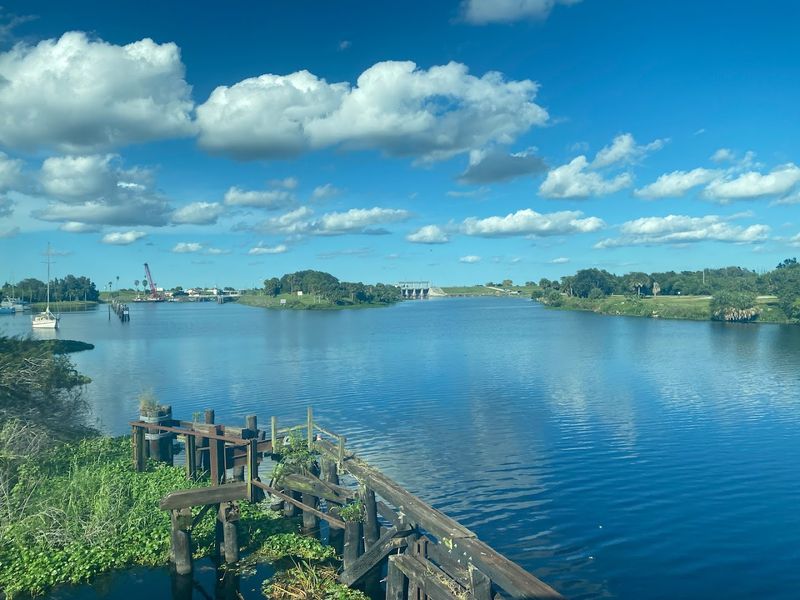
Kissimmee River Preserve State Park, 12301 US-98, Okeechobee, FL 34972, protects land that once supported small river communities dependent on fishing and cattle.
These settlements appeared wherever the river offered access and resources, but channelization projects and changing economics scattered residents over the decades.
Paddling the restored river sections, I have spotted old pilings, collapsed docks, and foundations slowly disappearing into the marsh.
The river itself underwent massive restoration after decades of straightening, and as the natural curves returned, remnants of old communities resurfaced.
Fishermen and hunters still use the area, but the permanent residents left long ago, taking their stories with them.
Some structures survive as hunting camps or fish camps, repurposed but clearly built from salvaged materials of earlier settlements.
The preserve offers hiking trails that pass near these ghost community sites, though thick vegetation often hides the most interesting remains.
I always bring binoculars and a camera because spotting old ruins requires patience and a sharp eye for unnatural shapes in the landscape.
The Kissimmee River area taught me that water shapes both settlement and abandonment, giving and taking away with equal power.
9. Ellaville, Lee
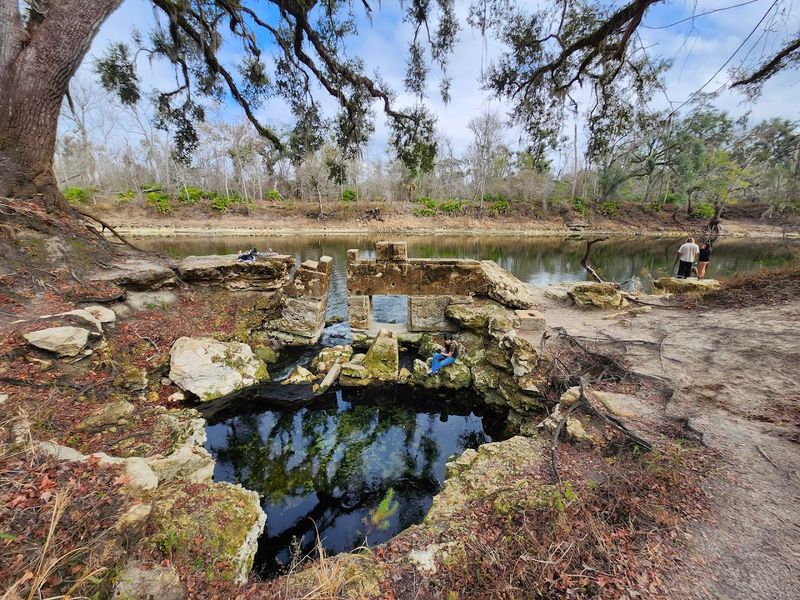
Ellaville once served as the county seat of Suwannee County, a bustling river town that seemed permanent until fire and political changes moved power elsewhere.
Madison Blue Spring State Park area, 8300 NE State Road 6, Lee, FL 32059, sits near where Ellaville once thrived along the Suwannee River.
The town burned in the 1890s, and rather than rebuild, residents scattered to other communities, leaving Ellaville to fade into memory.
I have searched the woods near the spring, finding scattered bricks, old bottles, and depressions that might have been building foundations.
The spring itself draws modern visitors for swimming and diving, but few realize they are recreating near a vanished county seat.
Local historians maintain a small collection of Ellaville artifacts and photographs, preserving what little physical evidence remains.
The river still flows past the site, indifferent to the human drama that once played out along its banks.
I always feel a strange mix of peace and melancholy here, enjoying the natural beauty while knowing an entire community disappeared from this exact spot.
Ellaville proves that even important towns can vanish almost completely, leaving only fragments for future generations to puzzle over.
10. Olustee Historic Settlement Area
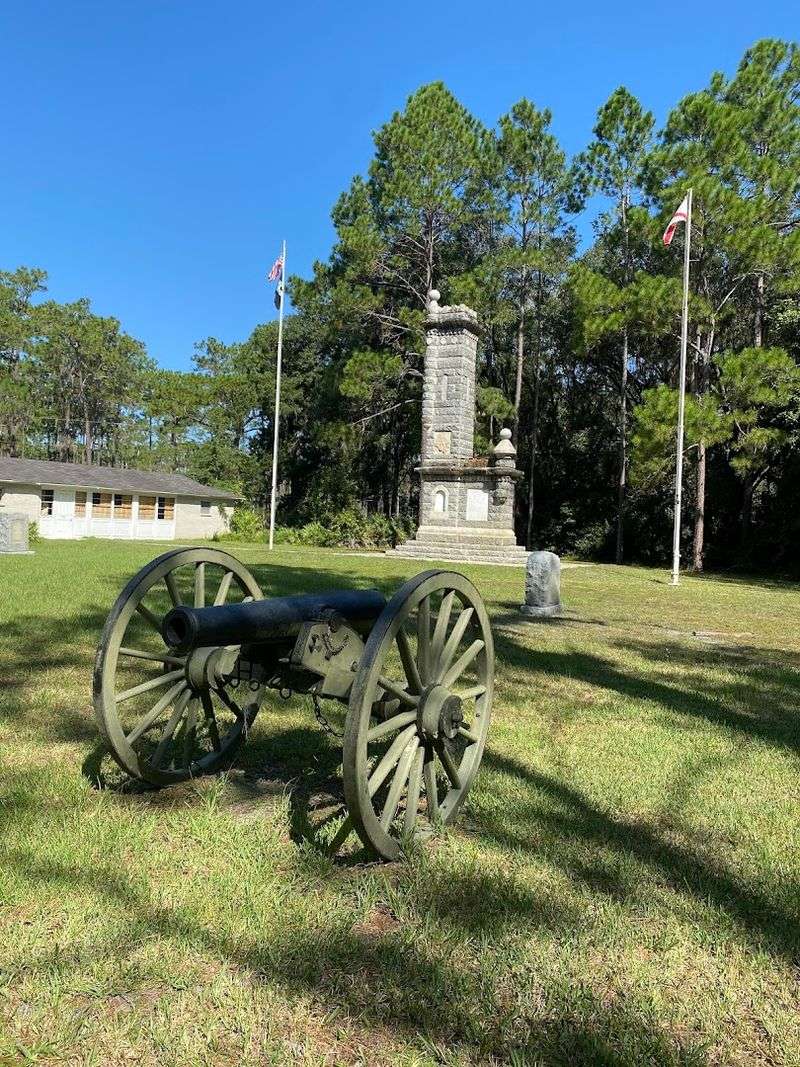
Olustee Battlefield Historic State Park, 5815 Battlefield Trail, Olustee, FL 32072, preserves the site of Florida’s largest Civil War battle and the settlement that briefly supported soldiers and civilians.
The community that grew around the battlefield included support facilities, homes, and businesses that served military needs during and after the conflict.
Once the war ended and troops withdrew, the settlement lost its purpose and residents drifted away to more economically viable locations.
I have walked the battlefield trails multiple times, and each visit reveals new details about how people lived in this temporary community.
Interpretive signs focus mainly on the battle itself, but careful observation shows where structures once stood beyond the main commemorated areas.
The forest has reclaimed most evidence, but depressions, scattered bricks, and old roadbeds still mark where the settlement existed.
Annual reenactments bring temporary life back to the area, recreating the sounds and sights that once filled these woods daily.
The park feels solemn rather than spooky, a place where history demands respect and quiet reflection.
Olustee taught me that some abandoned places carry weight beyond their physical remains, holding memories of conflict and sacrifice that transcend simple ruins.