
Walk On Sugar-Soft Sand And Kayak Through Mangroves At This Florida Gulf Coast Island Park
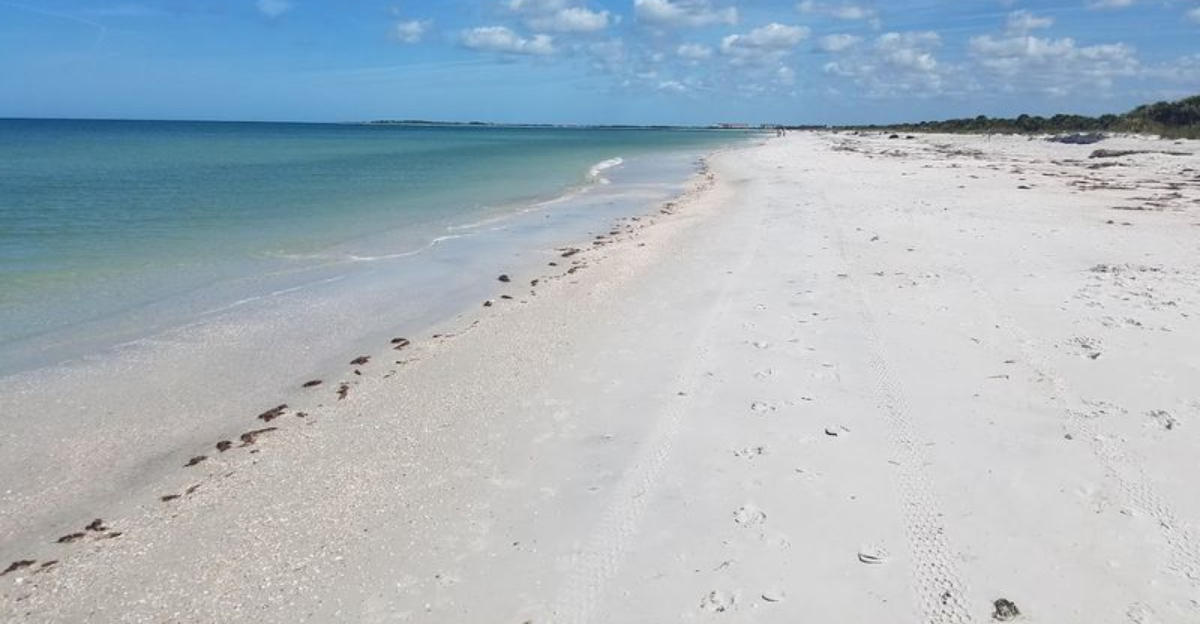
Most Florida beaches start with a parking lot.
This one starts with a boat ride.
That alone makes Caladesi Island feel different.
Before your feet ever touch the sand, there is already a sense of adventure. The crowds fade away.
The shoreline comes into view. And suddenly it feels like you’ve discovered a side of Florida that most visitors never see.
Then you arrive.
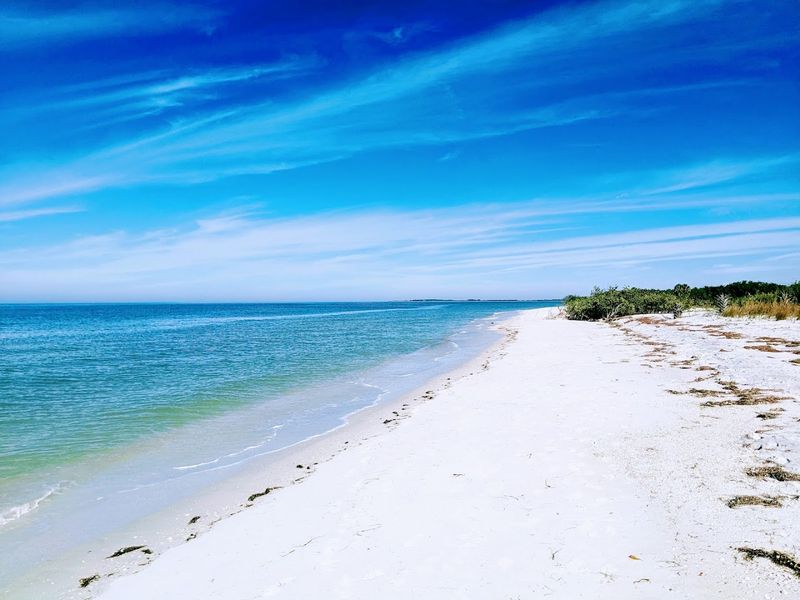
The water glows shades of blue and green. The beaches stretch for what feels like forever.
The only soundtrack is wind, waves, and the occasional call of a seabird overhead.
It feels wonderfully untouched.
That is becoming increasingly rare in Florida.
Some visitors spend the day kayaking through mangrove tunnels. Others search for shells along the shoreline.
Many simply find a spot on the sand and forget about the outside world for a few hours.
And honestly, that might be the best option of all.
For travelers looking to experience Florida at its most natural and beautiful, Caladesi Island feels less like a beach and more like a secret hiding in plain sight.
The Sugar-Soft Sand That Earns Its Reputation
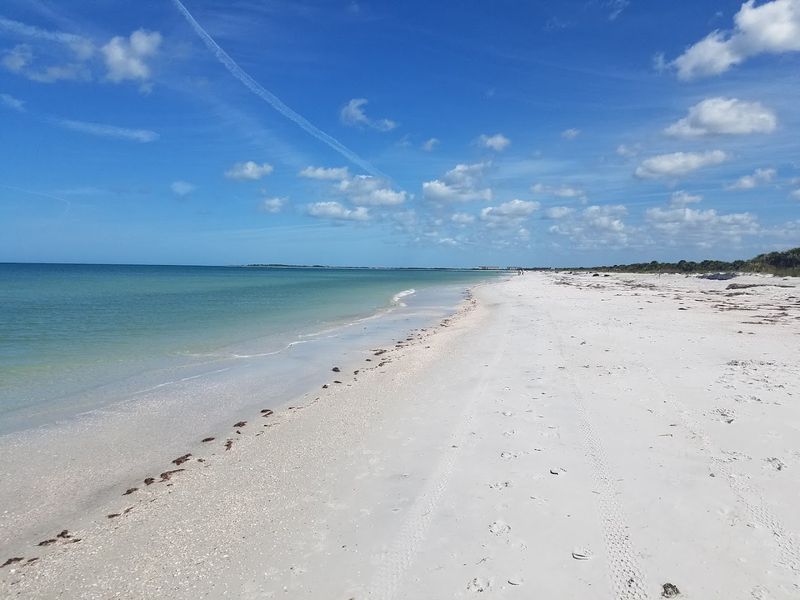
Some beaches promise soft sand and deliver something closer to coarse gravel, but Caladesi Island is the real deal.
The sand here is made up of tiny quartz grains that have been tumbled smooth by centuries of Gulf currents, giving the beach a flour-like texture that feels almost unreal beneath bare feet.
Walking along the shoreline, I kept looking down just to confirm I was actually on a beach and not some kind of fancy outdoor carpet.
Caladesi has been ranked the number one beach in the United States multiple times by coastal geologist Stephen Leatherman, also known as Dr. Beach, which is about as official a seal of approval as a shoreline can earn.
The beach stretches for about three miles, giving visitors plenty of room to spread out and find a quiet patch of paradise.
Arriving early on a weekday almost guarantees you a section of shoreline that feels entirely your own.
Kayaking Through The Mangrove Wilderness
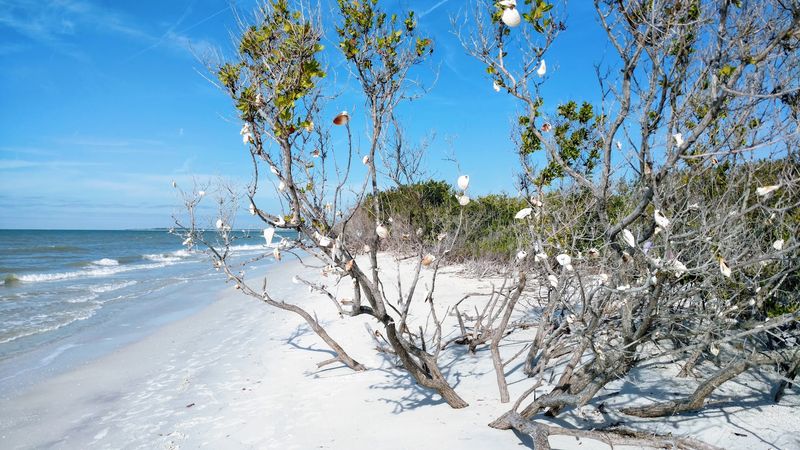
There is something quietly thrilling about paddling through a mangrove forest where the roots twist overhead like a living cathedral ceiling.
Caladesi Island offers a three-mile kayak trail that winds through dense mangrove tunnels, and the experience feels genuinely remote even though you are just a short ferry ride from the mainland.
I rented a kayak at the marina and set off feeling confident, then immediately had to duck under a low-hanging branch, which the mangroves apparently find very funny.
The trail is well-marked with numbered posts, so getting lost is unlikely, but getting wonderfully distracted by a great blue heron standing motionless in the shallows is almost guaranteed.
The water inside the mangrove channels is calm and shallow, making the trail accessible for paddlers of most skill levels, including beginners.
Bringing water, sunscreen, and bug spray is strongly recommended, because the mangroves offer shade but not much breeze.
How The Island Stays So Pristine
Caladesi Island owes its unspoiled condition to a combination of geography, storm history, and smart conservation decisions made decades ago.
In 1921, a powerful hurricane split what was once a single barrier island into two separate islands, creating Caladesi and Honeymoon Island as distinct landmasses.
Rather than being developed for hotels or condominiums, Caladesi was protected and eventually became a Florida State Park in 1967, locking in its natural character for future generations.
Because the island has no road access, development was never practical, which turned out to be one of the best things that could have happened to it.
The park is managed by Florida State Parks, which maintains the beach, the kayak trail, and the facilities without compromising the island’s ecological integrity.
Walking around the park, you get the clear sense that nature is genuinely in charge here, and the rangers are simply along for the ride.
The Ferry Ride That Sets The Mood
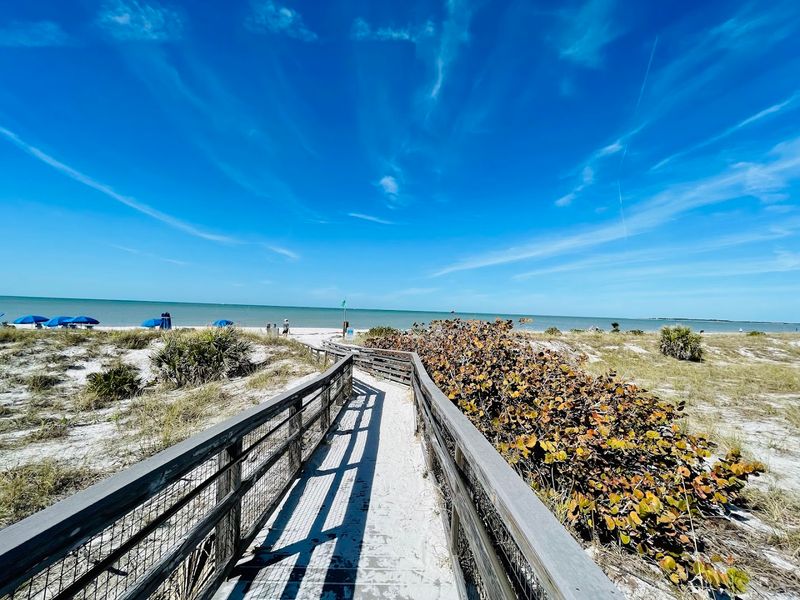
Getting to Caladesi Island is part of the experience, and the ferry ride from Honeymoon Island sets the tone perfectly for a day of outdoor adventure.
The crossing takes about twenty minutes, and during that time you can already spot pelicans diving, dolphins surfacing, and the island growing larger on the horizon in a way that feels genuinely exciting.
I stood at the front of the ferry on my first visit, watching the mainland shrink behind me, and felt that specific kind of calm that only comes when you know you are heading somewhere special.
Ferries run several times a day, and the schedule is posted on the Florida State Parks website, so planning ahead is easy.
Round-trip tickets are required, and the ferry also transports kayaks and paddleboards for visitors who bring their own equipment.
Arriving at the Honeymoon Island ferry dock early is a smart move, especially on weekends when the line forms quickly.
Wildlife That Makes Every Walk An Event
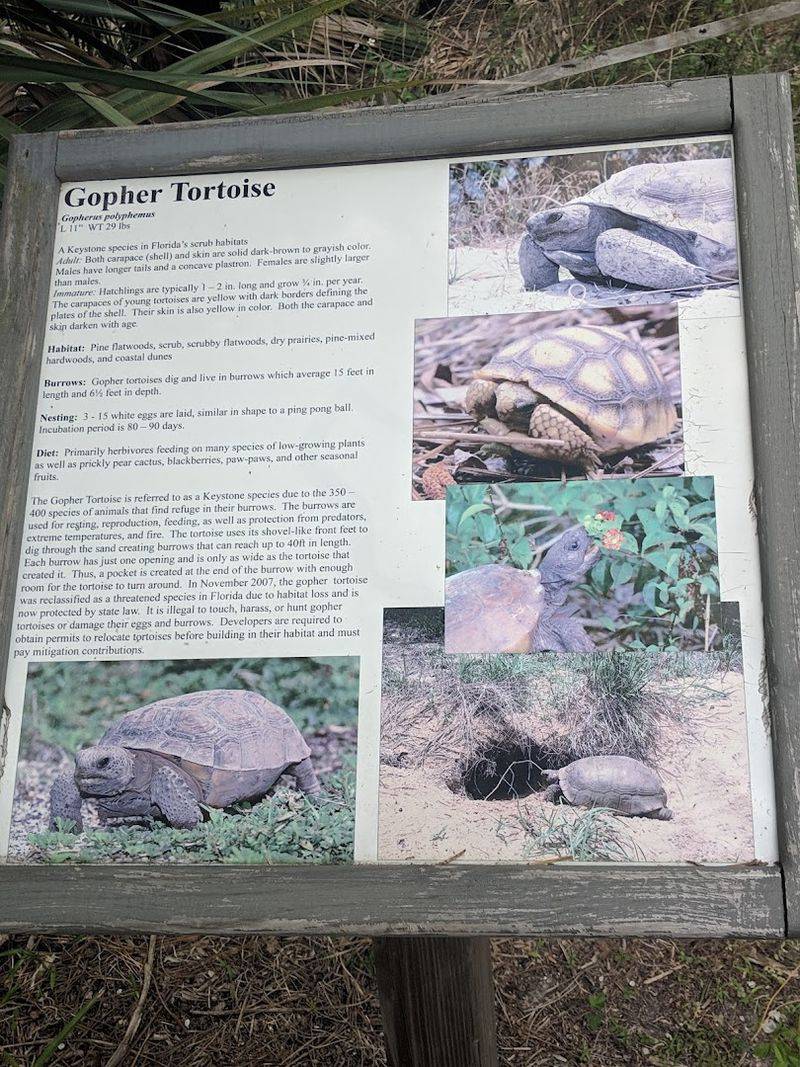
Caladesi Island is not just a beach destination; it is a functioning wildlife habitat that happens to have a spectacular shoreline attached.
During my visit, I spotted roseate spoonbills, ospreys, great egrets, and a loggerhead sea turtle nest marked with bright orange tape by park rangers.
The island sits along a major bird migration route, which means the species list changes depending on the season, giving repeat visitors a reason to keep coming back throughout the year.
Gopher tortoises are another highlight, and they roam the upland areas of the island with a slow, unhurried confidence that I found genuinely inspirational.
Bringing binoculars is a decision you will not regret, especially in the early morning hours when bird activity peaks near the mangrove edges.
The park asks visitors to stay off marked nesting areas, and respecting those boundaries helps ensure that wildlife continues to thrive on the island for years to come.
The Nature Trail Through The Island’s Interior
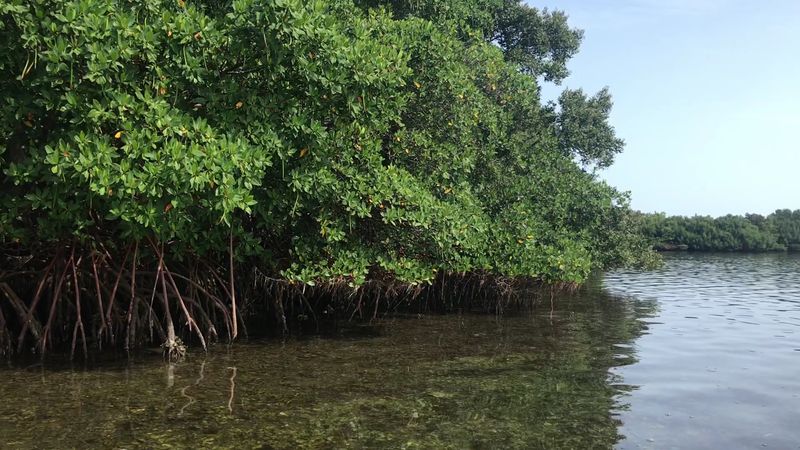
Most visitors head straight for the beach, which means the interior nature trail at Caladesi Island stays refreshingly quiet even on busy days.
The trail passes through several distinct Florida ecosystems including pine flatwoods, scrub, and coastal strand vegetation, offering a surprisingly diverse landscape for an island this size.
I followed the trail on a warm morning and was immediately struck by how different the island’s interior feels compared to the open beach, with dense shade and a completely different set of sounds and smells.
Sabal palms, saw palmetto, and sea grape plants line the path, and the sandy trail underfoot makes the walk feel soft and easy on the joints.
The trail is about two miles long and relatively flat, making it accessible for most fitness levels and suitable for older kids and adults alike.
Wearing closed-toe shoes rather than flip-flops is a practical choice for this trail, since the sandy terrain can shift unpredictably in spots.
The Marina And Facilities That Make Day Trips Easy
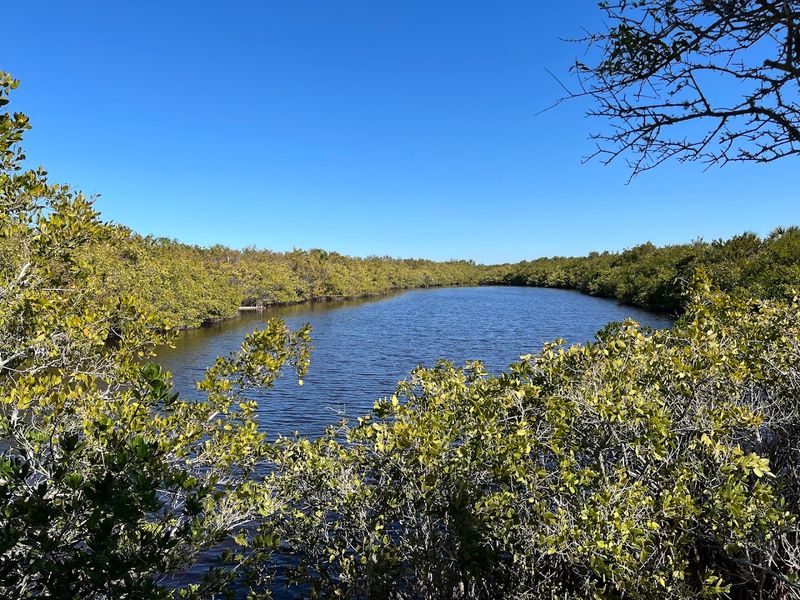
One of the things that surprised me most about Caladesi Island was how thoughtfully the park facilities are set up, making a full day trip comfortable without requiring you to pack everything including the kitchen sink.
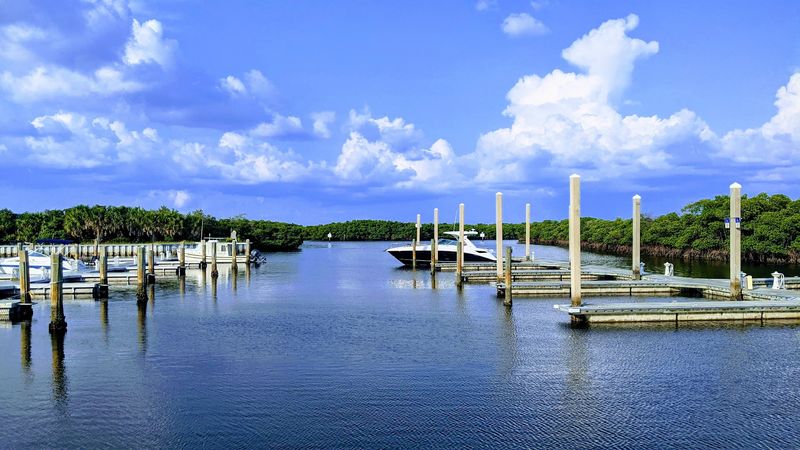
The marina area includes a concession stand, restrooms, outdoor showers, and a picnic pavilion, which covers the basic needs of most visitors without overwhelming the natural setting.
Kayak and canoe rentals are available at the marina, which is great news for anyone who wants to explore the mangrove trail without hauling their own equipment on the ferry.
The concession stand offers snacks, sandwiches, and cold drinks, and I can personally confirm that a cold lemonade after a long beach walk tastes approximately one thousand times better on a subtropical island.
Lockers are available for storing valuables, and beach chairs and umbrellas can also be rented, so traveling light is a genuinely viable option.
The facilities are clean and well-maintained, which reflects the overall care that Florida State Parks puts into managing this special place.
Best Times To Visit And What To Expect Each Season
Timing a visit to Caladesi Island can make a significant difference in the overall experience, and the good news is that the park has something worthwhile to offer in every season.
Winter months from November through February bring cooler temperatures, smaller crowds, and excellent conditions for hiking, birdwatching, and kayaking without the intense Florida heat.
Spring is when the park gets busier, with spring break crowds arriving in March and April, so visiting on a weekday or arriving at the first ferry of the day helps secure a good spot on the beach.
Summer brings the warmest Gulf water temperatures, which are ideal for swimming, but also the highest humidity and the possibility of afternoon thunderstorms that can develop quickly.
Fall is something of a hidden sweet spot, with summer crowds thinning out, comfortable temperatures returning, and shorebird migration bringing new species to the island.
Checking the Florida State Parks website before visiting ensures you have the most current ferry schedule and park hours for your chosen date.
Swimming In The Gulf And What Makes It Special
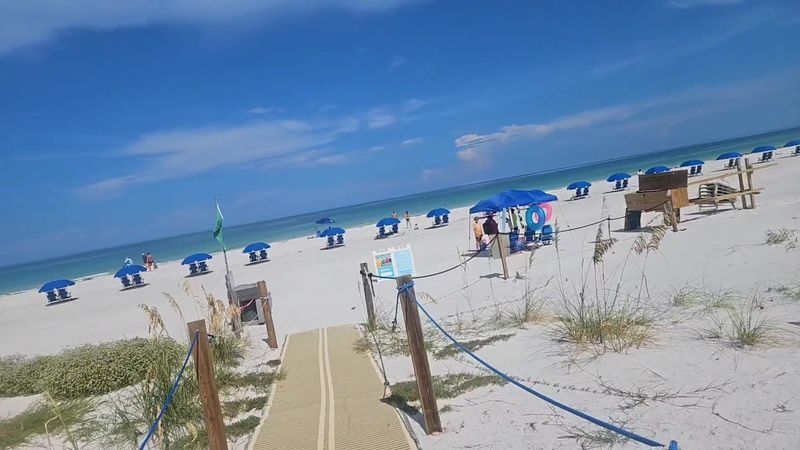
The Gulf of Mexico at Caladesi Island has a particular quality that is hard to describe but instantly recognizable the moment you step in.
The water is warm, clear, and shallow for a considerable distance from shore, making it feel more like a giant natural swimming pool than an open body of water.
On my first swim here, I could see my feet clearly in water that was chest-deep, and a small school of fish darted past my ankles like they were auditioning for a nature documentary.
The gentle wave action makes swimming comfortable for children and less confident swimmers, and the gradual slope of the seafloor means there are no sudden drop-offs near the shore.
Lifeguards are not present at Caladesi Island, so swimming with awareness and staying within comfortable depths is important, especially for families with young children.
The Gulf here tends to stay calmer in the morning, making early swims a particularly rewarding way to start a beach day.
Practical Tips For Planning Your Visit
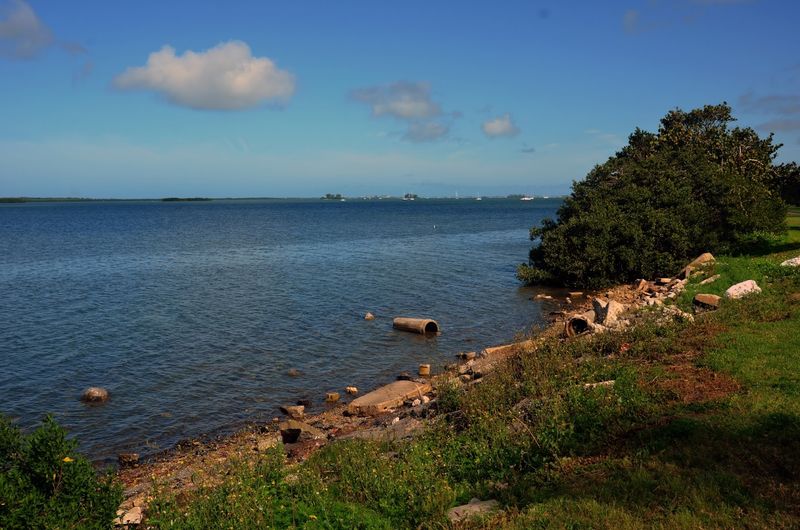
A little planning goes a long way when visiting Caladesi Island, and a few simple preparations can turn a good trip into a genuinely great one.
The ferry to Caladesi departs from Honeymoon Island State Park, and visitors need to pay the Honeymoon Island entrance fee before boarding, so budgeting for both the park fee and the round-trip ferry ticket is important.
Bringing a cooler with food and drinks is allowed and highly recommended, since the concession stand offers limited options and the prices reflect the island’s remote location.
Sunscreen, a hat, and reef-safe bug spray are the three items I would put on every packing list without hesitation, based on personal experience and one memorable afternoon of forgetting the hat.
Dogs are not permitted on the island, which is worth knowing before planning a trip with a four-legged family member.
Arriving at the Honeymoon Island ferry dock by 9 a.m. on weekends gives you the best chance of catching an early crossing and claiming your preferred spot on the beach before the day heats up.