
11 Arizona Towns With Breathtaking Scenery You Simply Must See
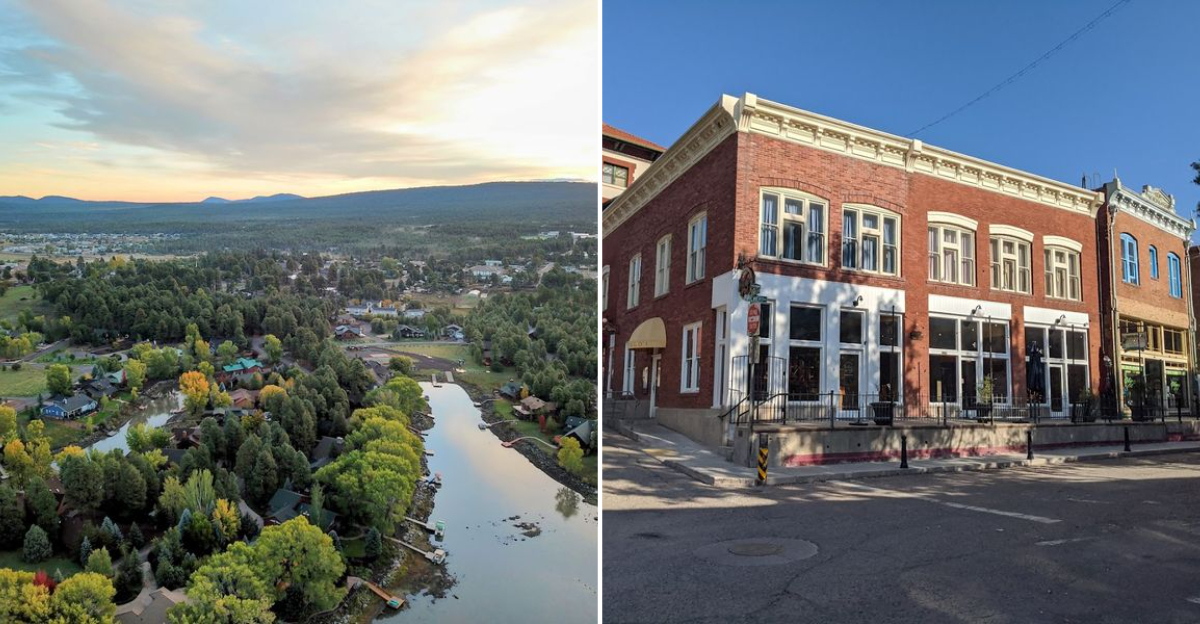
Ever since I first glimpsed a sunrise over a crimson canyon, my travel bug has been on steroids, and now it’s pulling me toward eleven Arizona towns that promise visual fireworks.
The state’s rugged landscape feels like a giant canvas, painted in fiery reds, soft purples, and golden hues that make my camera cry for mercy. I’ve curated a list that balances iconic vistas with quirky, tucked‑away spots where the locals smile and the coffee is strong.
Each destination adds a fresh layer to the story I’m telling-a tale of wandering, wonder, and a few comedic mishaps that always end with a laugh. If you’re itching for a road trip that mixes awe with a little sarcasm, these towns are calling your name, and trust me, you’ll want to answer.
I have spent years exploring this place, and I am still finding corners that leave me speechless. In this list, I am taking you through 11 Arizona towns where the scenery is so stunning that your camera will be working overtime.
1. Sedona, Arizona
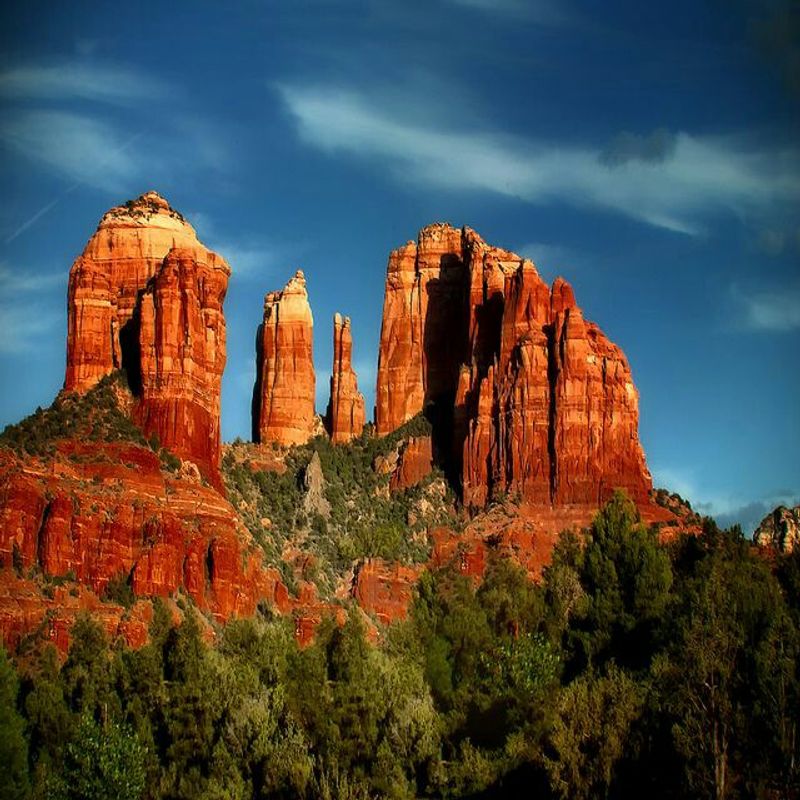
Few places on earth have the nerve to be this beautiful. Sedona, located in north-central Arizona, sits surrounded by towering red sandstone formations that glow orange and crimson at sunrise and sunset, making every hour feel like a painting come to life.
Cathedral Rock, Devil’s Bridge, and Bell Rock are among the most photographed landmarks in the entire country.
The Red Rock Scenic Byway along SR 179 gives you sweeping views without breaking a sweat, though the hiking trails here are absolutely worth lacing up for. Sedona is also home to the Chapel of the Holy Cross, a stunning church built directly into the cliffs that offers panoramic views of the valley below.
Beyond the scenery, many visitors come for Sedona’s famous vortex sites, spots believed to carry powerful spiritual energy. The silence and beauty of those landscapes will leave a lasting impression on you.
That mix of red rock drama, quiet desert air, and almost unreal color makes Sedona feel less like a town you visit and more like a place you remember in flashes long after you leave.
2. Bisbee, Arizona
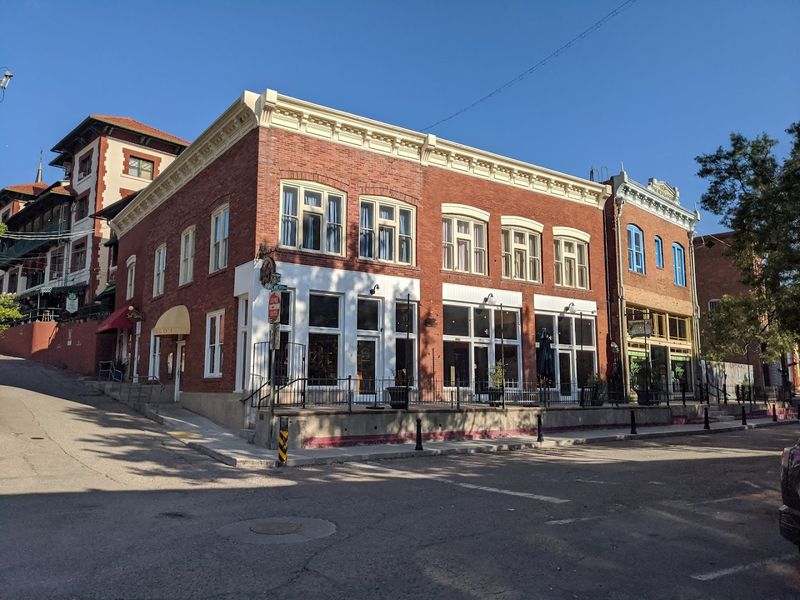
In the folds of the Mule Mountains in southeastern Arizona, Bisbee is the kind of town that makes you slow down and look twice. Its cobblestone streets wind past brightly painted Victorian buildings, hillside staircases, and quirky storefronts that give the whole place an almost storybook quality.
The town sits at around 5,300 feet in elevation, which keeps it noticeably cooler than Tucson during summer months.
Bisbee started as a booming copper mining town in the late 1800s, and that history is still very much alive here. The Queen Mine Tour takes visitors underground to experience what mining life actually looked like, complete with original equipment and authentic tunnels carved deep into the hillside.
The surrounding landscape of jagged mountain ridges and high desert terrain adds a dramatic backdrop to every stroll through town. Bisbee rewards slow travelers, the kind who enjoy wandering without a strict schedule and discovering something unexpected around every corner.
What makes Bisbee linger in your mind is that it never feels polished flat, only colorful, lived-in, and wonderfully offbeat against all that rugged mountain scenery.
3. Jerome, Arizona
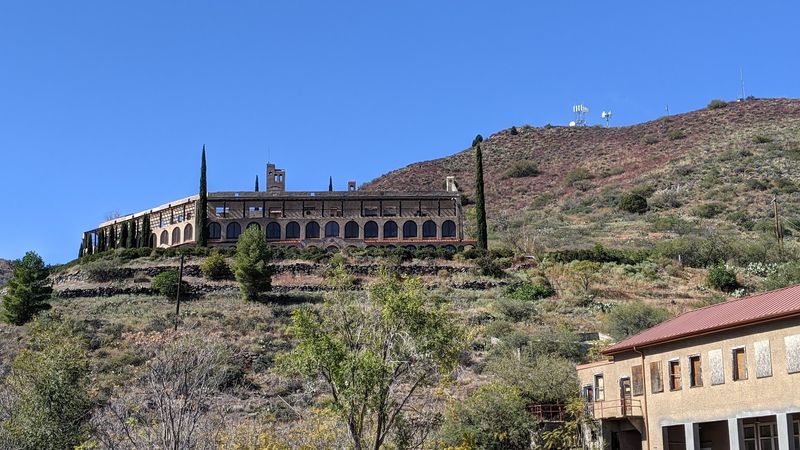
Clinging to the steep slopes of Cleopatra Hill at roughly 5,000 feet, Jerome is one of those places that genuinely earns the word dramatic.
This former copper mining boomtown in Yavapai County overlooks the entire Verde Valley, with the distant Mogollon Rim stretching across the horizon like a jagged green wall. The panoramic views from Jerome are among the best in all of Arizona.
At its peak, Jerome was home to over 15,000 residents and was one of the largest cities in the Arizona Territory. Today, around 450 people call it home, and the historic brick buildings that once housed miners and merchants now hold galleries, restaurants, and shops with real character.
The ghost town atmosphere is part of its unmistakable charm.
Photographers especially love the golden hour here, when warm light washes across the valley below and the old buildings cast long, moody shadows. Jerome is only about 30 minutes from Cottonwood, making it an easy and rewarding side trip.
Jerome feels like the kind of town that should not still be standing, which somehow makes every crooked street, weathered storefront, and sweeping overlook feel even more memorable.
4. Page, Arizona
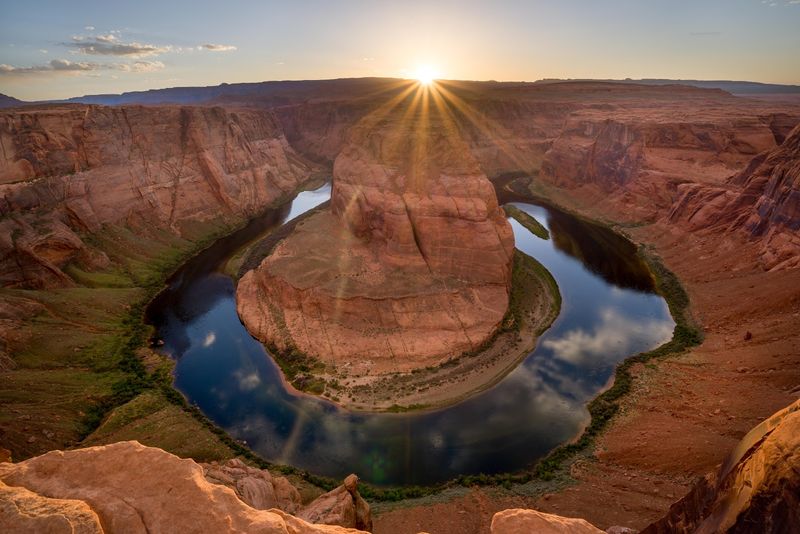
Sitting near the Utah border in northern Arizona, Page is surrounded by some of the most jaw-dropping natural scenery on the entire planet.
Horseshoe Bend alone is worth the drive, where the Colorado River wraps almost completely around a massive sandstone butte in a move so theatrical it barely looks real. Millions of visitors make the short hike to the overlook every year, and the view never gets old.
Antelope Canyon, just outside of town, is a slot canyon so sculpted and smooth it looks like flowing fabric frozen in stone. The famous light beams that pour through the narrow openings overhead create a photographer’s dream that changes by the minute.
Canyon X offers a similar experience with smaller crowds.
Lake Powell and the Glen Canyon Dam add even more visual variety to the area. Boat tours on the lake reveal towering canyon walls and hidden coves that feel completely removed from the modern world. Page is a true scenic powerhouse.
5. Patagonia, Arizona
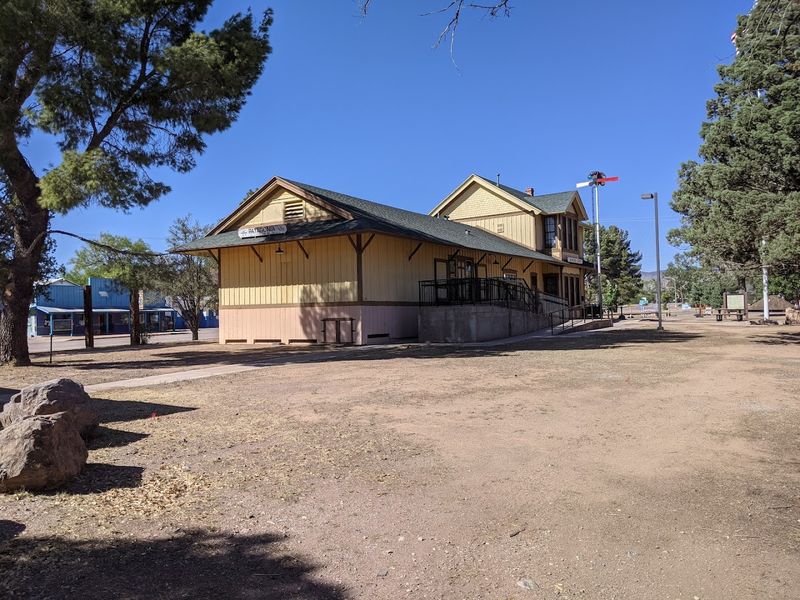
Most people drive right past Patagonia on their way somewhere else, which means those who stop are rewarded with a quiet, genuine slice of southern Arizona that feels refreshingly undiscovered.
Nestled in the Patagonia Mountains at about 4,000 feet, this small town of roughly 900 residents sits within a landscape of sweeping grasslands, oak woodlands, and clear-running streams that feel a world away from the crowded tourist trail.
The Patagonia-Sonoita Creek Preserve, managed by The Nature Conservancy, protects one of the last free-flowing stretches of creek in the region and draws birdwatchers from across the country.
Over 300 bird species have been recorded in the surrounding area, making this a top destination for wildlife enthusiasts.
The Santa Rita Mountains rise dramatically to the north, providing a stunning backdrop for hiking and photography. Patagonia moves at its own relaxed pace, and that unhurried energy is honestly one of its greatest charms. Give it a full afternoon and it will earn a return visit.
6. Greer, Arizona
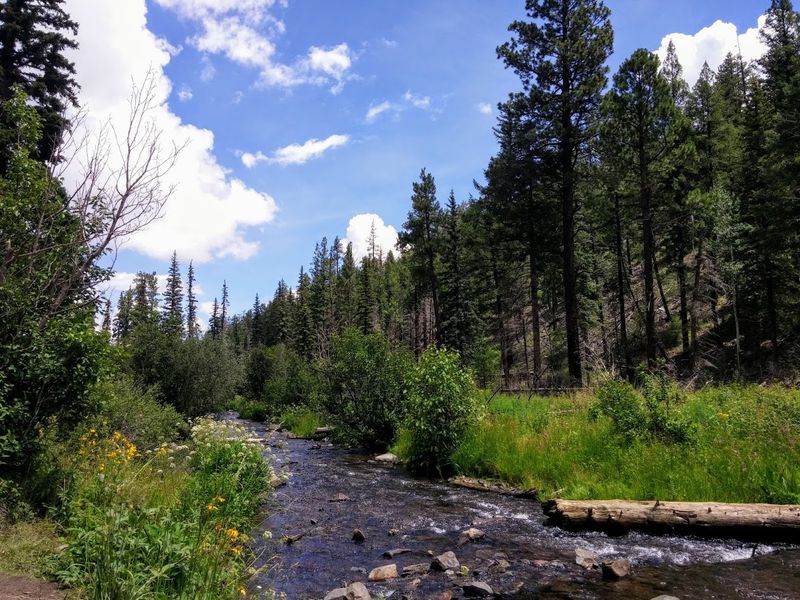
At 8,356 feet above sea level, Greer sits higher than most people expect Arizona to reach. This tiny alpine village in the White Mountains of eastern Arizona is a world of meadows, pine forests, and mirror-still mountain lakes that feels nothing like the desert state most visitors imagine.
It is genuinely one of Arizona’s best-kept scenic secrets. The three Greer Lakes, known as Bunch, Tunnel, and River Reservoirs, offer peaceful waterfront scenery alongside fishing and kayaking.
Lee Valley Lake, a short drive away, adds to the collection of serene water views framed by dense forest. In autumn, the aspen trees surrounding the area turn brilliant gold, creating one of the most striking fall color displays in the Southwest.
Wildlife sightings here are common, with elk herds frequently spotted grazing in the open meadows at dusk. Spring brings wildflowers that carpet the valley floor in color. Greer is the kind of place that makes you want to stay longer than planned, and you absolutely should.
7. Williams, Arizona
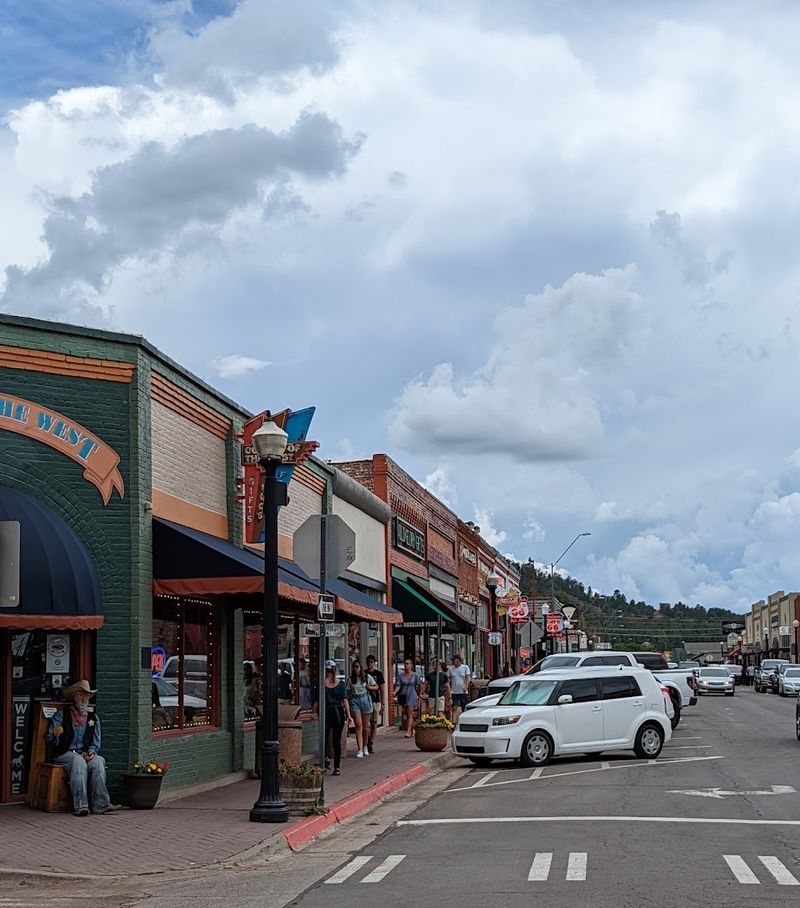
Route 66 nostalgia runs deep in Williams, a small mountain town in Coconino County that sits at 6,770 feet and is wrapped on all sides by ponderosa pine forest.
As the last town on the historic Mother Road to be bypassed by Interstate 40 back in 1984, Williams wears its Route 66 identity with genuine pride and a certain small-town swagger that is hard not to love.
Williams is best known as the southern gateway to the Grand Canyon, just 60 miles north, and the Grand Canyon Railway departs from here daily on a historic train ride that has been running since 1901.
That alone makes it worth a stop. But the town itself, with its pine-scented air and charming main street, deserves more than a quick pass-through.
The surrounding Kaibab National Forest offers hiking, mountain biking, and wildlife viewing in a landscape that feels refreshingly green. Williams proves that the journey to the Grand Canyon can be just as rewarding as the destination itself.
8. Pinetop-Lakeside, Arizona
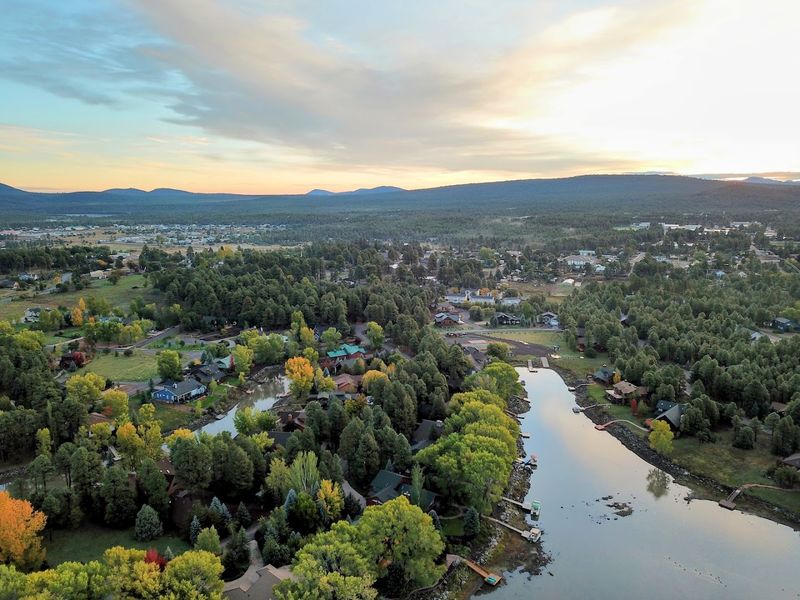
Spread across the cool highlands of the White Mountains at around 7,000 feet, Pinetop-Lakeside is where Arizonans go when the summer heat becomes too much to bear.
The twin communities sit within one of the largest contiguous ponderosa pine forests in the world, and the air here carries that clean, resinous scent that immediately signals you have left the desert behind.
The White Mountain Trail System, one of the premier mountain biking and hiking networks in the Southwest, winds through 200 miles of forested terrain with views of meadows, streams, and distant ridgelines. Lakeside’s Show Low Lake and Woodland Lake Park provide calm waterfront spots perfect for fishing, picnicking, and watching herons work the shallows with patient precision.
Winter transforms the region into a snow-covered wonderland, with cross-country skiing and snowshoeing drawing visitors from across the state. The scenery shifts with every season, giving Pinetop-Lakeside a year-round appeal that is genuinely hard to match anywhere else in Arizona.
9. Ajo, Arizona
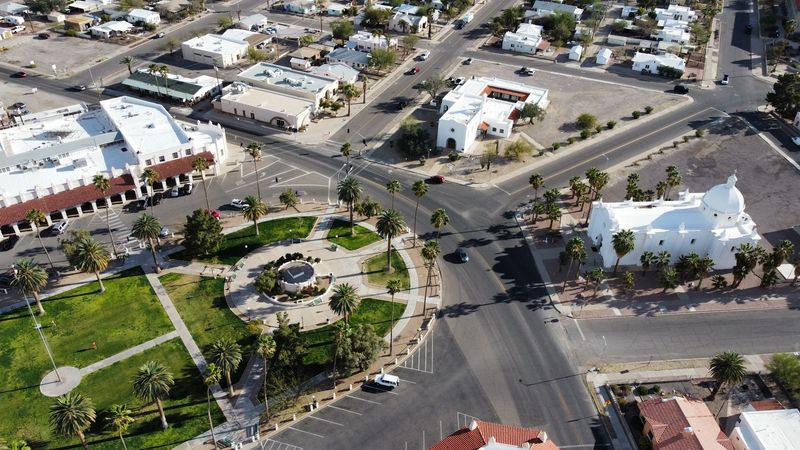
Remote, raw, and visually unforgettable, Ajo sits in the far southwest corner of Arizona, roughly 40 miles from the Mexican border and surrounded by some of the most pristine Sonoran Desert landscape you will find anywhere.
The town itself has a quiet, sun-bleached charm centered on a beautiful Spanish Colonial-style plaza that was built during the copper mining era of the early 20th century.
The real scenery, though, lies in the surrounding wilderness. Organ Pipe Cactus National Monument, just south of town, protects a remarkable desert ecosystem where organ pipe cacti, saguaros, and dozens of other desert species thrive in volcanic terrain shaped by ancient geological forces.
The Ajo Mountain Drive, a 21-mile loop through the monument, delivers stunning views of jagged peaks and dense cactus forests.
Spring wildflower blooms can be spectacular in this area when winter rains cooperate, painting the desert floor in yellow, purple, and orange. Ajo rewards travelers who are willing to make the extra effort to reach it.
10. Cottonwood, Arizona
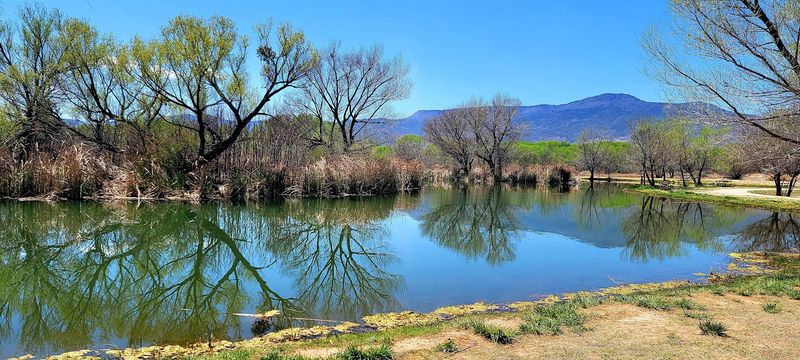
Sitting at the heart of the Verde Valley in central Arizona, Cottonwood is a town that punches well above its weight when it comes to scenic attractions. Dead Horse Ranch State Park, right on the edge of town, offers a lush riparian corridor along the Verde River where cottonwood trees, herons, and river otters coexist in a setting that feels surprisingly wild for a town of this size.
The Verde Canyon Railroad, departing from nearby Clarkdale, is one of the most scenic train rides in the American Southwest. The four-hour round trip winds through a remote canyon inaccessible by road, with red rock walls, towering cliffs, and the Verde River running alongside the tracks the entire way.
Bald eagles are frequently spotted along this route in winter months.
Cottonwood also serves as an excellent base for day trips to Jerome and Sedona, both within 30 minutes. The town itself has a relaxed, welcoming energy that makes it easy to linger longer than you originally planned.
11. Payson, Arizona
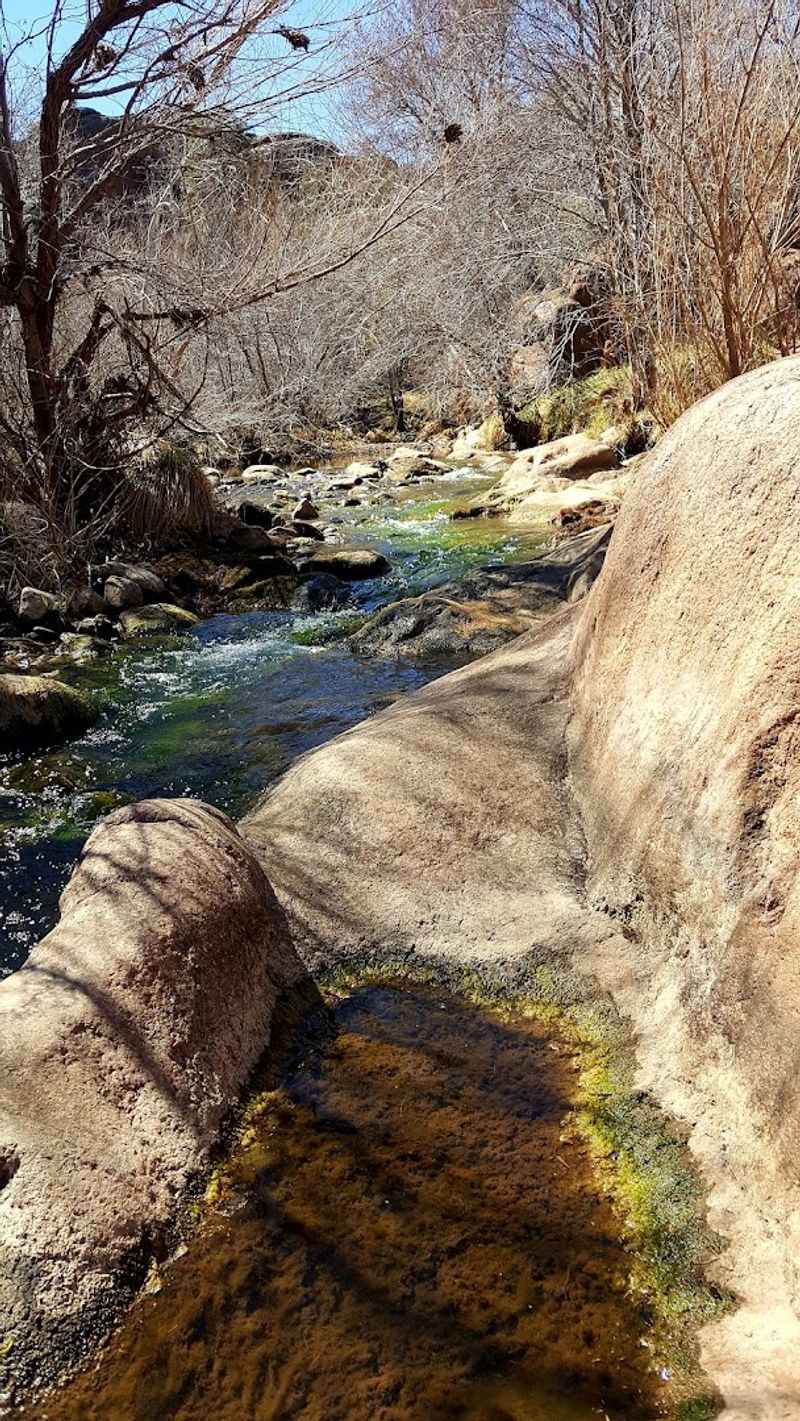
Payson earns its nickname, the Heart of Arizona, not just for its central location on the map but for the way it pulls you in with scenery that shifts dramatically within just a few miles.
Sitting at around 5,000 feet on the edge of the Mogollon Rim in Gila County, the town is flanked by pine forests and canyon views that offer a refreshing contrast to the valley heat below.
Tonto Natural Bridge State Park, about 13 miles north of Payson, protects what is believed to be the largest natural travertine bridge in the world. Water flows beneath and over the arch in a setting so lush and green it genuinely surprises first-time visitors.
Swimming is allowed in the pool beneath the bridge during warmer months, making it both scenic and interactive.
The Rim Country trails surrounding Payson offer everything from easy forest walks to challenging ridge hikes with views stretching for dozens of miles. Payson is a year-round destination that always seems to have something new to show you.