
This Unusual Michigan Hike Leads To Fascinating Ruins From Another Era
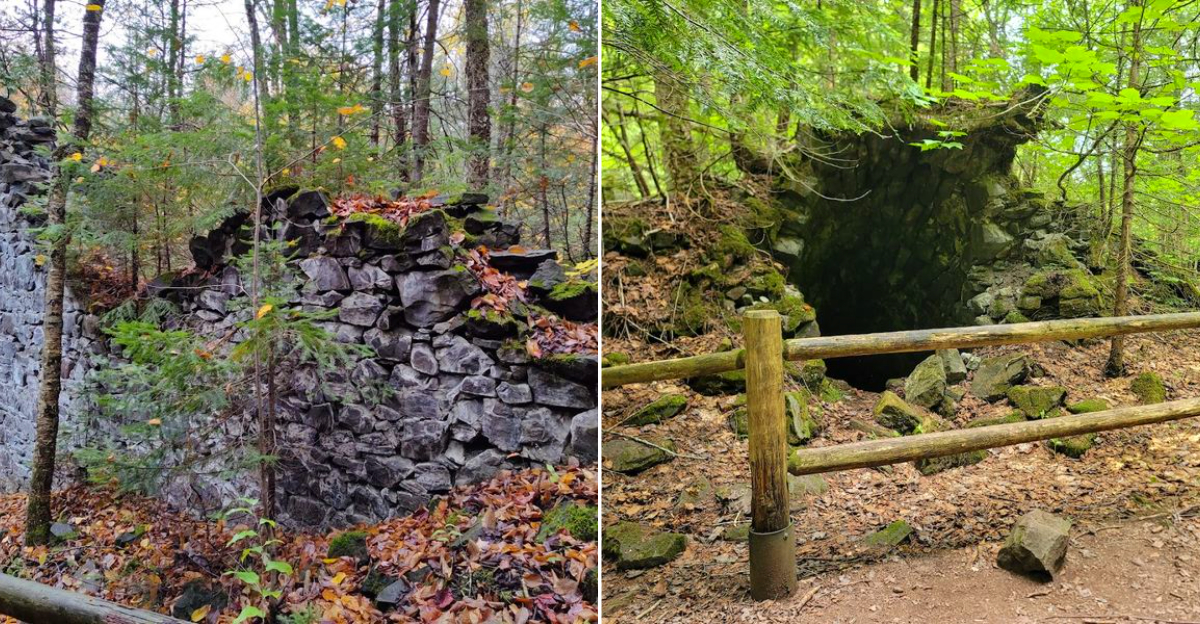
There is a particular kind of silence that settles over abandoned places where the forest has reclaimed what people once built and the only sounds are wind through open doorways that no longer have doors and water running over stone foundations that stopped being foundations long ago.
The Nonesuch Mine Trail in the Porcupine Mountains Wilderness State Park leads hikers through exactly that kind of landscape where a copper mining town once stood in the 1860s.
And all that remains now are low stone walls, scattered foundations, and a gentle waterfall that powers through the ruins as if nothing ever happened there.
The trail is short enough to feel accessible, barely over a mile out and back, but what it delivers at the end feels larger than the distance suggests because standing among the remnants of a community that once housed miners and their families.
Watching the river flow past collapsed walls provides a perspective on permanence that no museum exhibit can match.
Hikers exploring Michigan’s Upper Peninsula can trace this trail through abandoned mining ruins, a forested gorge, and a cascading waterfall that together reveal a piece of state history most travelers never see.
Find The Easy-To-Miss Trailhead First
The trickiest part of this trail can be the beginning. The trailhead sits off South Boundary Road about four miles south of M-107 and the visitor center, and it is easy to drive past if you are expecting something grand.
Look for a dirt road veering left near a sharp-curve warning area, not a big formal entrance.
There is a small parking area for roughly eight to ten vehicles and an interpretive sign. Because there are no restrooms or drinking water here, it helps to arrive ready to walk rather than expecting trailhead amenities.
That low-key start suits the place. The modest entrance makes the ruins feel discovered, not staged, which is part of the trail’s peculiar charm.
Reaching The Old Mine
Nonesuch Mine Trail feels like the kind of Upper Peninsula stop where the road trip slowly changes genres.
One minute you are just driving toward trees, and the next you are entering copper-country ghost-story territory, where old ruins, deep woods, and the quiet of the Porkies start doing suspiciously atmospheric work.
Aim for Porcupine Mountains Wilderness State Park, White Pine, Michigan, then follow the park roads with a little patience instead of acting like the trailhead owes you a dramatic entrance. This is not a shiny roadside attraction with neon arrows.
It is the kind of place where the reward begins when the pavement, forest, and old mining history start overlapping.
Once you get close to Nonesuch Mine Trail, slow down and let the mood catch up with the map. Stay on marked paths, respect any signs or fenced-off areas, and treat the ruins like something you are visiting rather than conquering, because the best part of this stop is feeling the past quietly sitting there under the trees.
Expect Mud, Especially After Rain Or Snowmelt
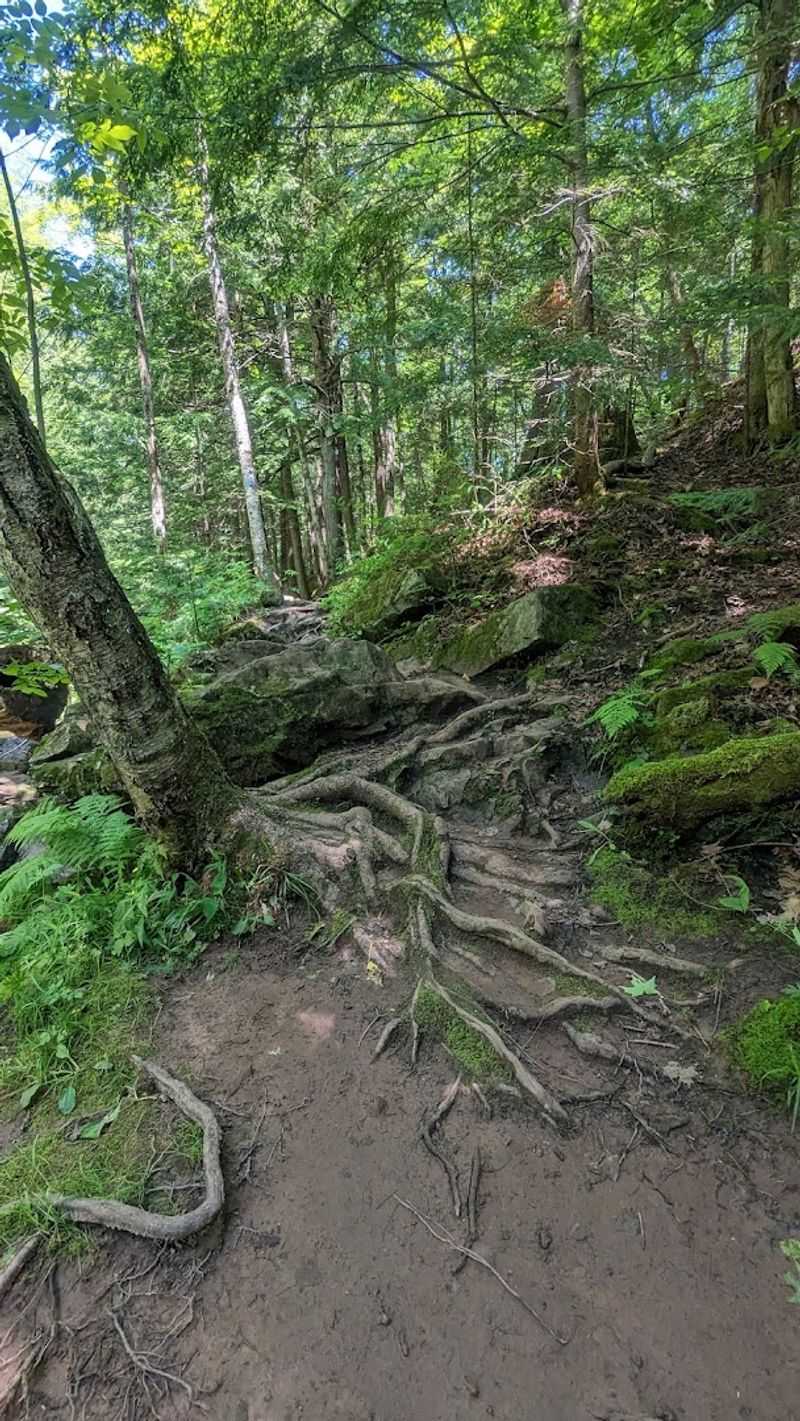
The ground here can turn soft and slick with very little drama. After rain or spring thaw, sections of the trail may be wet, and that changes the walk from casual stroll to mildly strategic footwork. Waterproof boots are far more useful than trail runners if the forecast has been unfriendly.
The woods around the Little Iron River hold moisture, and the trail’s quiet, shaded character keeps that dampness around. In spring, shallow ponds and wet edges can be especially noticeable, which also means insects start taking a professional interest in you.
Pack repellent, watch where you step, and do not let the short mileage fool you. A simple hike feels better when your feet stay dry.
Know The History Before The Stones Start Talking
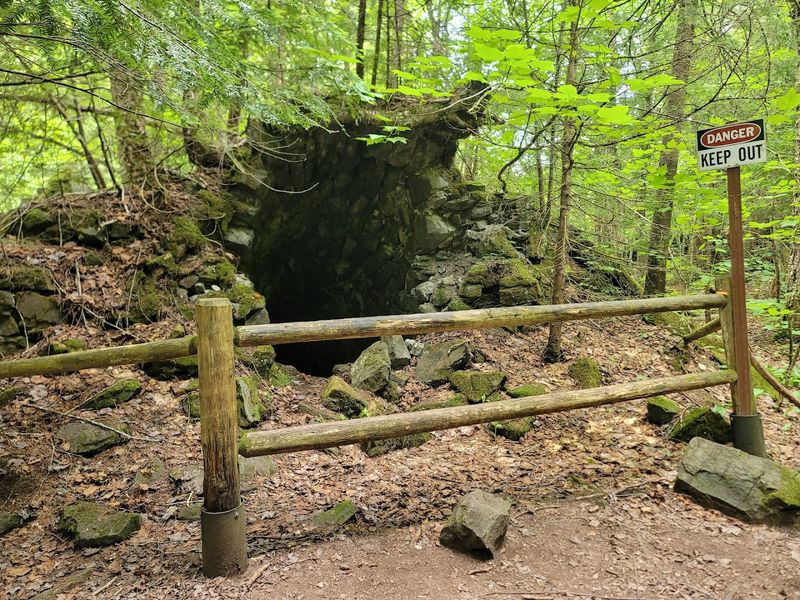
The ruins land harder when you know what stood here. Copper was discovered along the Little Iron River in 1865 by Ed Less, and mining began in 1867 at a site famous for an unusual problem and promise: copper trapped in sandstone, rare for Michigan’s Copper Country.
The mine’s name, Nonesuch, reflected that uncommon geology. Operations opened and closed five times under different ownership before ending for good in 1912.
The mine made money only briefly, from 1879 to 1881, because the copper was so fine that standard gravity methods lost too much of it in tailings.
That technical frustration still feels present. These ruins are not only picturesque remains, but evidence of a stubborn industrial experiment.
Picture The Town, Not Just The Mine
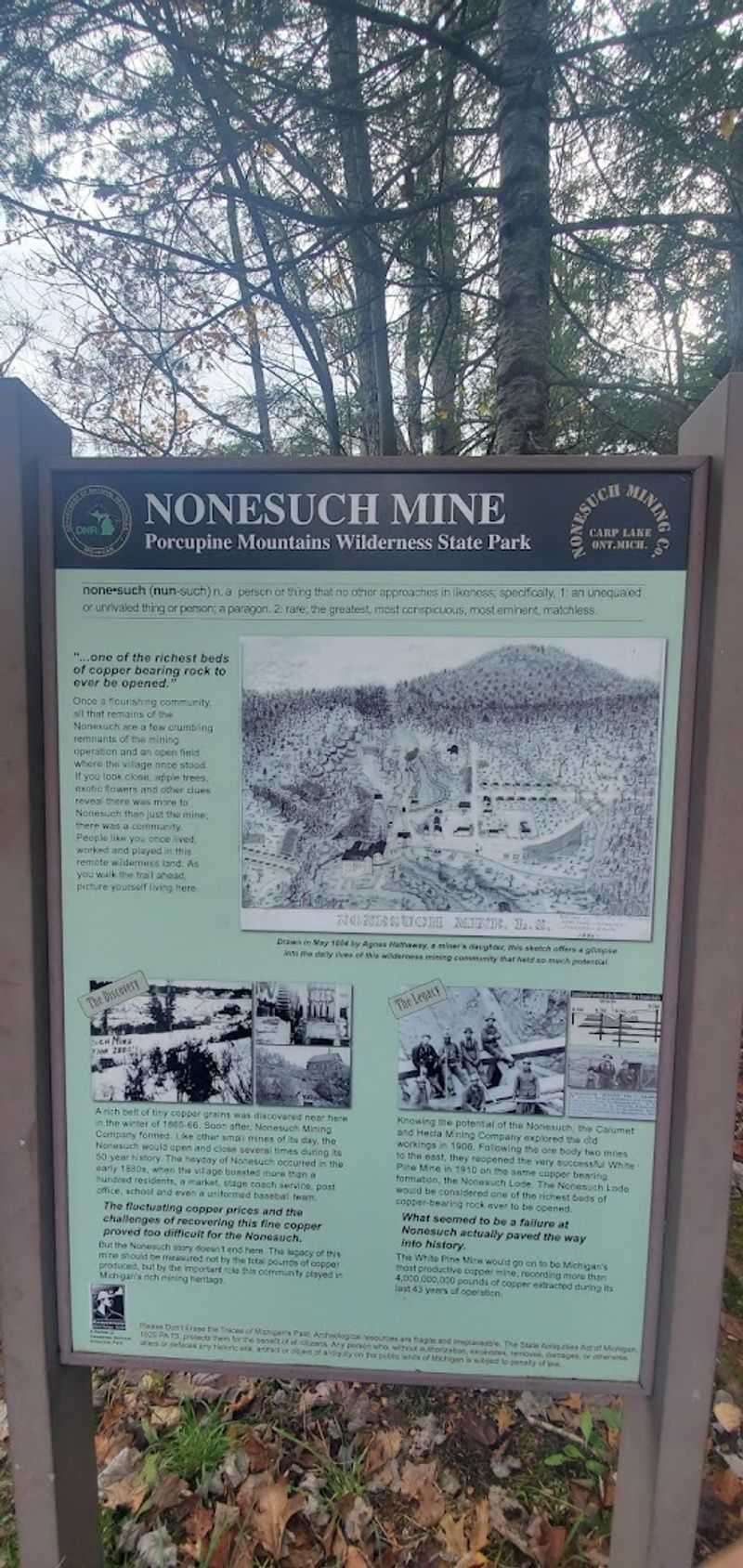
It helps to remember that this was more than a mine shaft in the woods. At its busiest, especially between 1881 and 1884, Nonesuch supported a town of around 300 people with a school, post office, boarding house, stables, markets, stagecoach service, and even a uniformed baseball team.
That list changes the feeling of the site immediately.
Instead of random masonry, you start seeing the social skeleton of a place where ordinary routines once unfolded. Meals were cooked, mail arrived, horses were handled, children were taught, and games were played in a settlement now reduced to foundations and fragments.
That contrast gives the trail its eeriest quality. The landscape is quiet, but it does not feel empty.
Read The Interpretive Signs Slowly
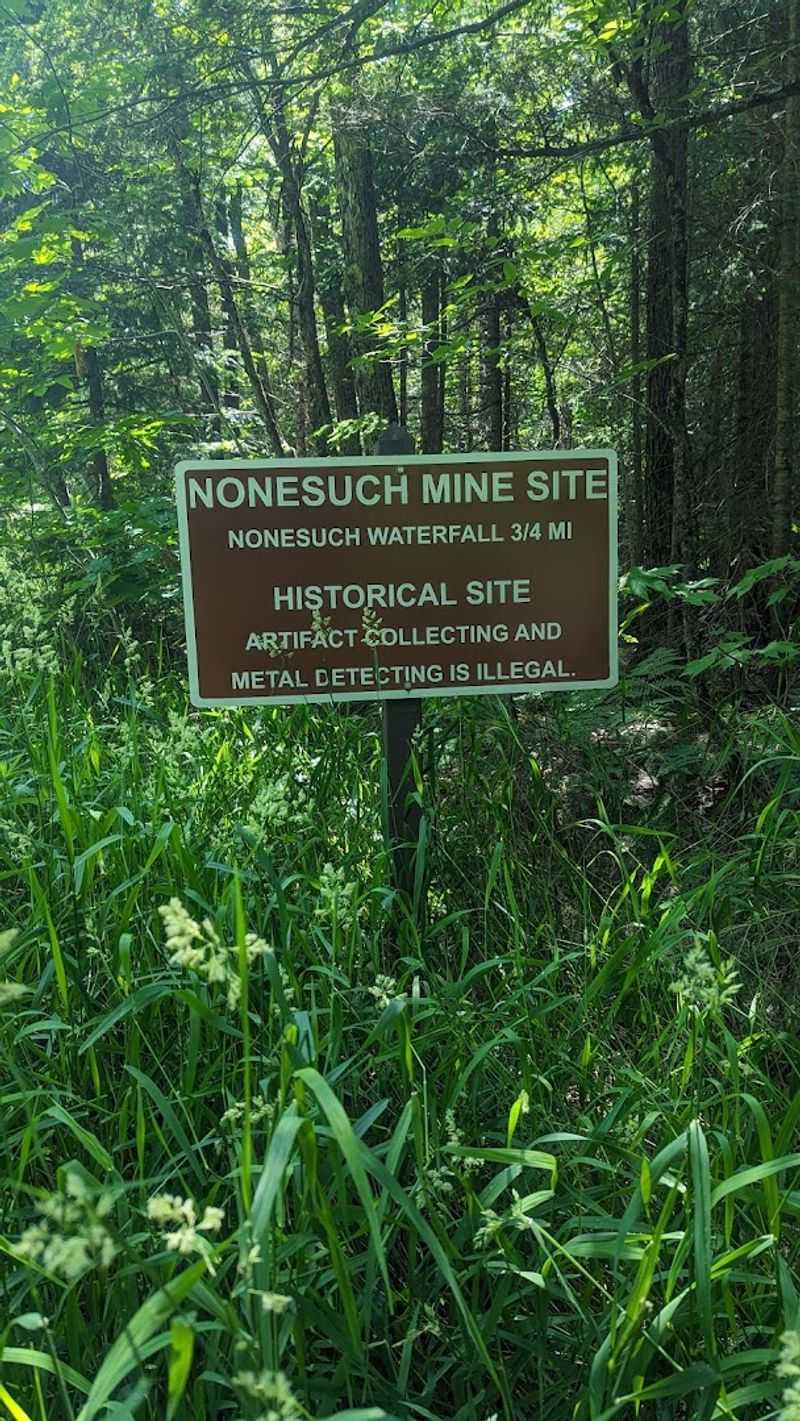
One of the smartest things about this trail is that it does not leave you guessing at every pile of stone. Informative signs along the route explain the mine, the company town, and what specific remnants represent, which turns the walk from vague ruin-gazing into something much richer.
A short trail suddenly carries a lot more depth.
I found that slowing down at the signs sharpened everything nearby. Foundations that might look merely old start resolving into industrial purpose, and the story of repeated closures becomes easier to connect to the machinery remnants and surviving walls.
This is a place where reading is part of the scenery. Give yourself enough time to stop often rather than rushing through for the waterfall alone.
Look For The Industrial Details That Survive
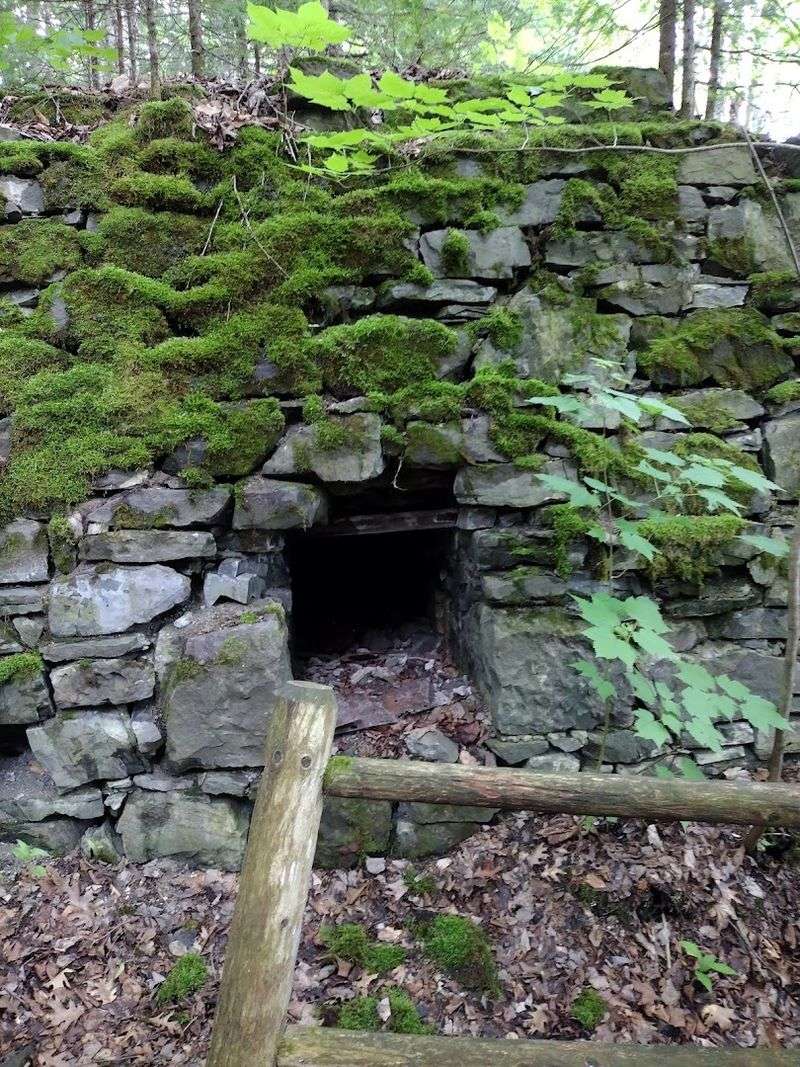
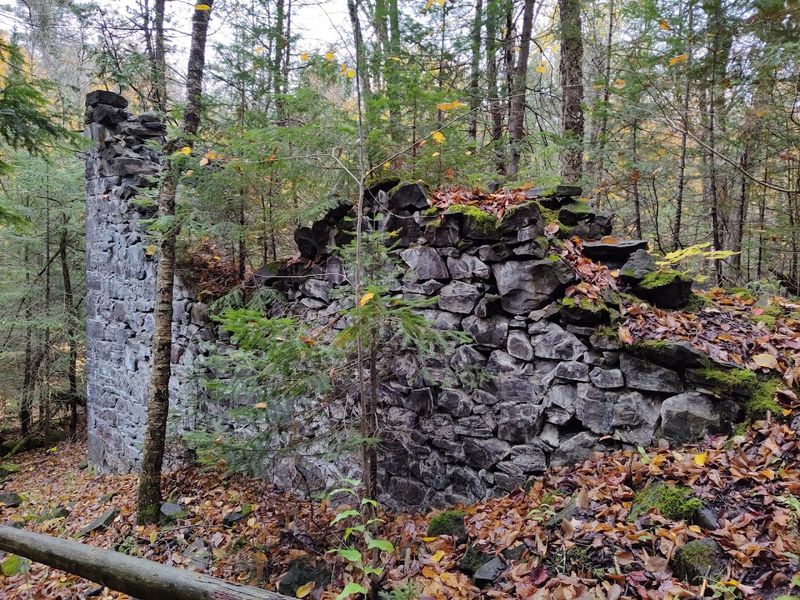
The most memorable features are not necessarily the biggest ones. At Nonesuch, visible remains include stone foundations and walls from the 1880s mining operations, along with the hoist house and boiler structure ruins that still read clearly enough to stir the imagination.
Their shapes hold onto purpose even after the buildings themselves are gone.
Elsewhere, concrete footings from a stamping mill built in 1906 add another layer to the site’s timeline. Old cast iron machine parts, including a large gear, sit like blunt reminders that this was once a place of noise, heat, and mechanical ambition.
Bring curiosity more than zoom lenses. Small industrial leftovers tell the story here better than any dramatic skyline ever could.
Do Not Skip Nonesuch Falls
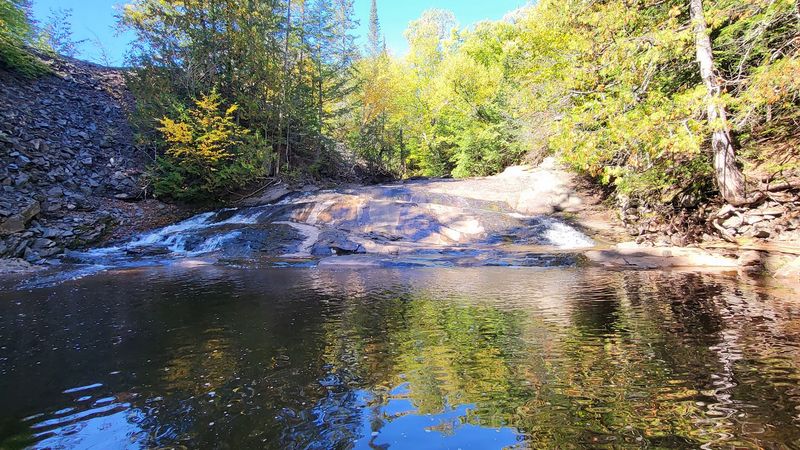
The waterfall is modest, which is part of why it feels right here. Nonesuch Falls drops about ten feet over red rock ledges on the Little Iron River, creating a scenic break in the ruins narrative without overwhelming it.
Instead of stealing the show, the falls deepen the sense that this site is both natural and historical at once.
Spring and early summer usually offer the strongest display because water levels are higher then. The river nearby is shallow enough that some visitors wade, but footing and conditions always deserve caution.
If you only came for dramatic cascades, there are bigger ones in the Porkies. If you came for atmosphere, the falls fit the old mining remains beautifully.
Respect The Ruins By Staying Off Them
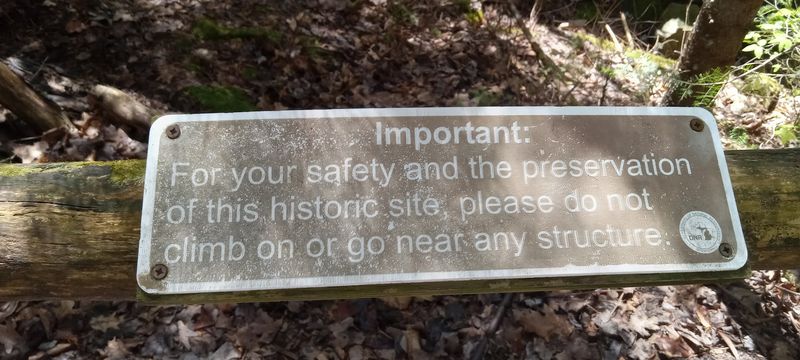
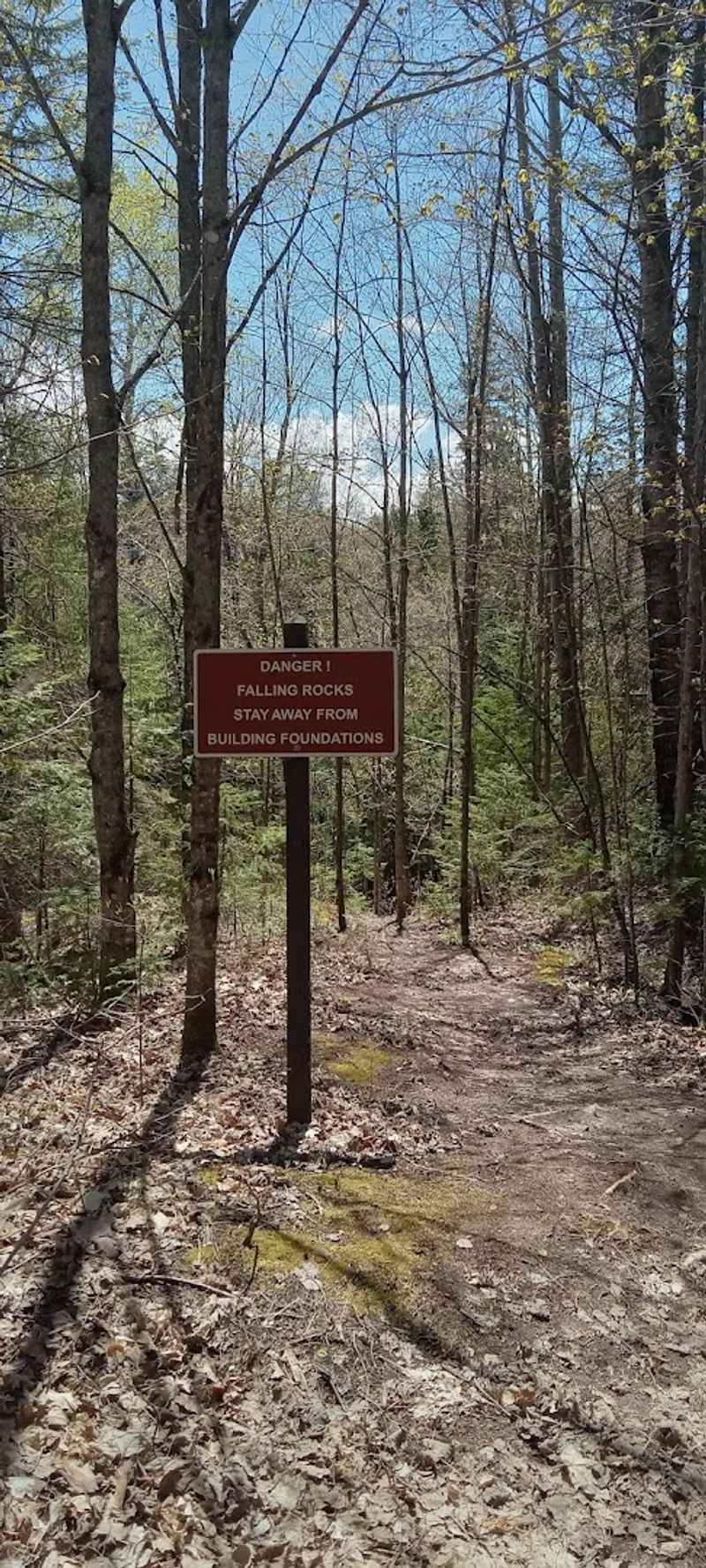
The site invites climbing in exactly the way you should resist. Old foundations and walls can look solid from a distance, but they are unstable enough that signs warn visitors to stay away from the structures rather than scrambling over them.
Preservation and personal safety point in the same direction here.
That caution matters even more because these remains are unusually evocative. A caved-in area near Nonesuch Falls marks Shaft No. 3, where copper was first discovered, and the visible rubble has historical weight beyond its rough appearance.
The best habit is simple: stay on marked paths, look carefully, and leave every stone where it already rests. Ruins do not need touching to feel vivid, only patience.
Plan For Insects, Weather, And Basic Backcountry Sense
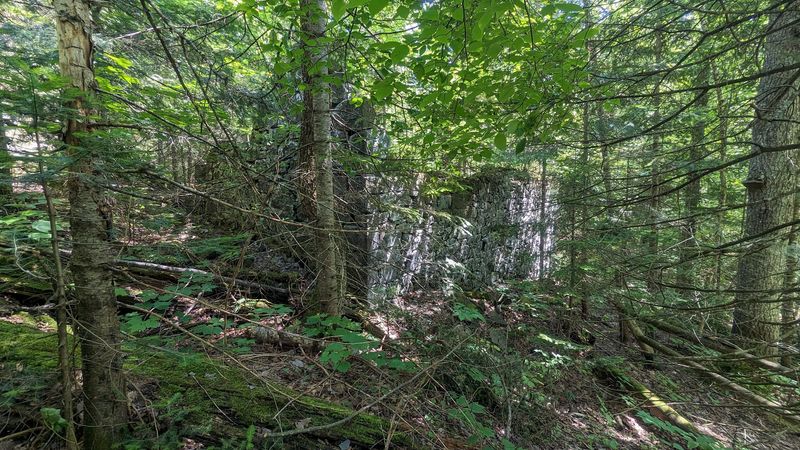
This is a short outing, but it still sits in a rugged state park where conditions can shift fast. Mosquitoes and ticks are common in the Porcupine Mountains, so repellent is worth carrying, and layers plus rain gear make sense even when the forecast seems fairly kind.
There is no safe drinking water at the trailhead.
I would also pack a basic first aid kit and tell someone your expected return time. Those are not dramatic precautions, just sensible ones, especially on quieter trails where you may not see many other people.
A Michigan Recreation Passport or daily vehicle permit is required for park entry and parking. Taking care of the basics frees you to enjoy the site’s odd, absorbing mood.
Go For The Mood As Much As The Destination
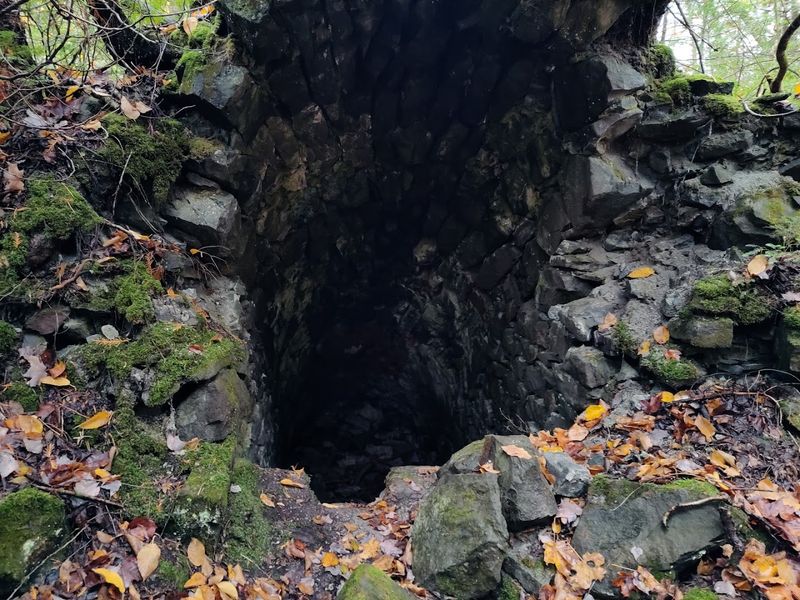
What stays with many people is not only the ruins or the falls, but the atmosphere between them.
This trail has a slightly eerie reputation, and that feels fair without becoming melodramatic: the route is quieter than many better-known Porcupine Mountains stops, and the ghost-town history lends a curious charge to otherwise ordinary woods.
Discovery arrives in layers rather than all at once. The best way to experience it is to slow your pace and let the place reveal itself.
Listen for water, notice the changing ground, read the signs, and keep an eye out for how industry and forest now overlap. By the end, the hike feels unusual in a satisfying way. It is compact, factual, and strangely haunting.