
This South Carolina Ferry Glides To A Remote Island With A Hauntingly Beautiful Boneyard Beach

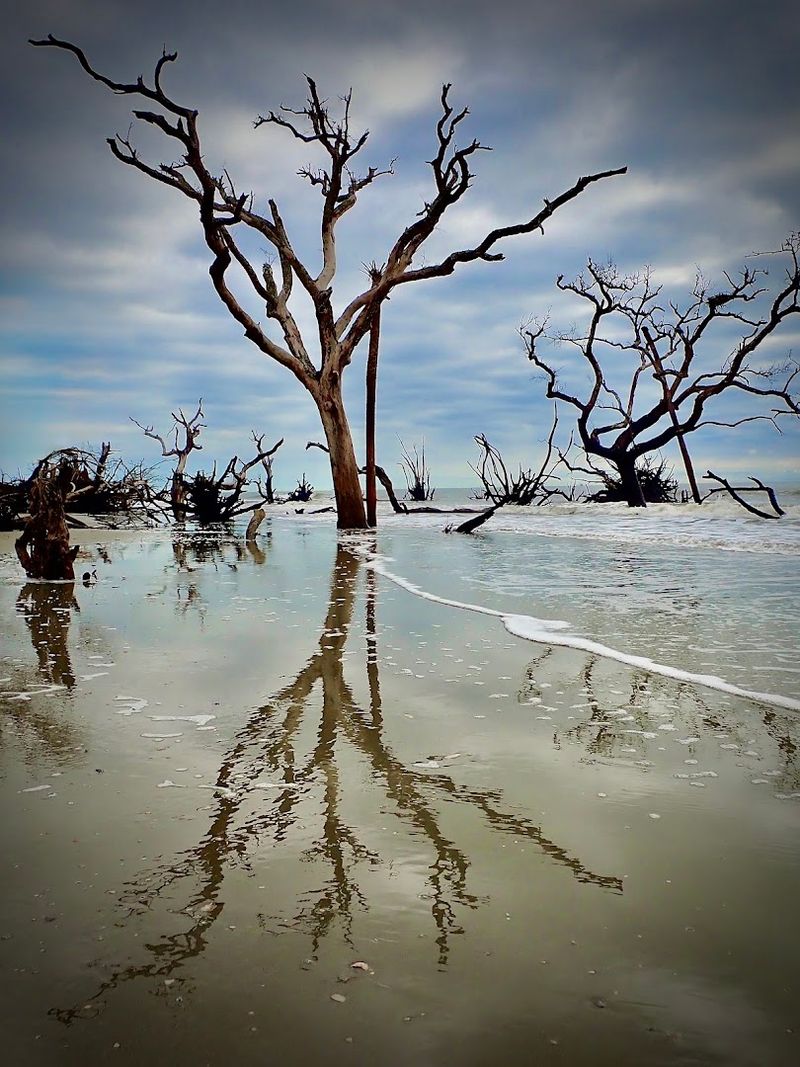
There is a beach in South Carolina where trees rise from the sand like sculptures from another world.
It looks unreal.
It is not.
That haunting shoreline is called Boneyard Beach, and reaching it is part of the adventure. A ferry ride carries visitors away from roads, crowds, and everyday distractions toward Bull Island, one of the wildest places left on the South Carolina coast.
The moment you arrive, everything feels different.
There are no beach bars.
No souvenir shops.
No rows of umbrellas stretching across the sand.
Just nature.
Untamed, beautiful, and completely in charge.
Alligators patrol quiet waters. Shorebirds glide overhead.
Ancient trees stand frozen along the shoreline, creating one of the most photographed landscapes in South Carolina.
It feels remote.
It feels mysterious.
And it feels like the kind of place most people never discover.
For travelers searching for a side of South Carolina that still feels wild and untouched, Bull Island offers an adventure that starts the moment the ferry leaves the dock.
The Ferry Ride That Starts The Adventure
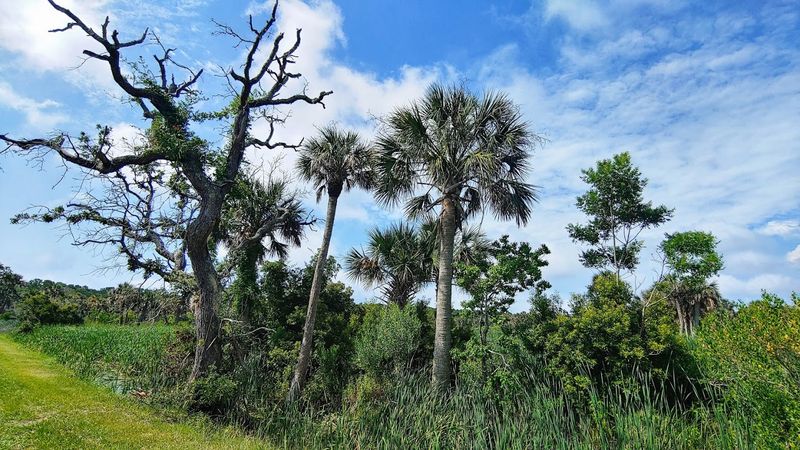
Before you even set foot on the island, the journey itself becomes part of the story. The ferry to Bull Island departs from Garris Landing near McClellanville, South Carolina, and the ride takes roughly 30 minutes across the calm, brackish waters of the Cape Romain National Wildlife Refuge.
Passengers often spot bottlenose dolphins riding the boat’s wake, which turns the crossing into an unexpected wildlife encounter before the island is even visible. The ferry runs on a limited schedule, so checking availability and booking in advance is strongly recommended, especially during warmer months when demand picks up quickly.
Captain Will, mentioned fondly by many visitors over the years, has made the crossing both educational and entertaining, sharing stories about the refuge and its history. Arriving by water creates a sense of arrival that no road trip can replicate, and by the time the dock comes into view, the anticipation is already worth the trip.
Cape Romain National Wildlife Refuge: The Bigger Picture

Bull Island does not stand alone. It sits within the Cape Romain National Wildlife Refuge, a federally protected area spanning roughly 66,000 acres along the South Carolina coast, making it one of the largest undeveloped refuge complexes on the entire East Coast.
Established in 1932, the refuge was created to protect critical habitat for migratory birds, sea turtles, and a wide range of coastal wildlife. The combination of salt marshes, tidal creeks, barrier beaches, and maritime forest creates a layered ecosystem that scientists and nature enthusiasts consider genuinely rare.
For the average visitor, that translates into a day where the scenery keeps changing around every bend in the trail, and no two visits ever look quite the same. Understanding that Bull Island is part of this larger protected landscape helps explain why the place feels so untouched, so quiet, and so refreshingly far removed from the developed coastlines nearby.
Boneyard Beach: Nature’s Most Dramatic Shoreline

Nothing on Bull Island stops a visitor in their tracks quite like Boneyard Beach. Located on the northeastern end of the island, this stretch of shoreline is lined with the pale, weathered remains of ancient trees that once stood in a forest before the sea slowly swallowed the land beneath them.
The skeletal trunks rise from the sand and surf like natural sculptures, creating a landscape that feels both eerie and breathtaking at the same time. Photographers regularly describe it as one of the most dramatic coastal scenes in the American Southeast, and it is easy to understand why once you are standing there.
Timing matters here, and visitors should pay close attention to the tides before heading down the beach. High tide can cut off the return path, leaving hikers scrambling through dense brush.
Going at low tide opens up the full stretch of shoreline and makes the walk far more manageable and rewarding.
Alligators Everywhere You Look
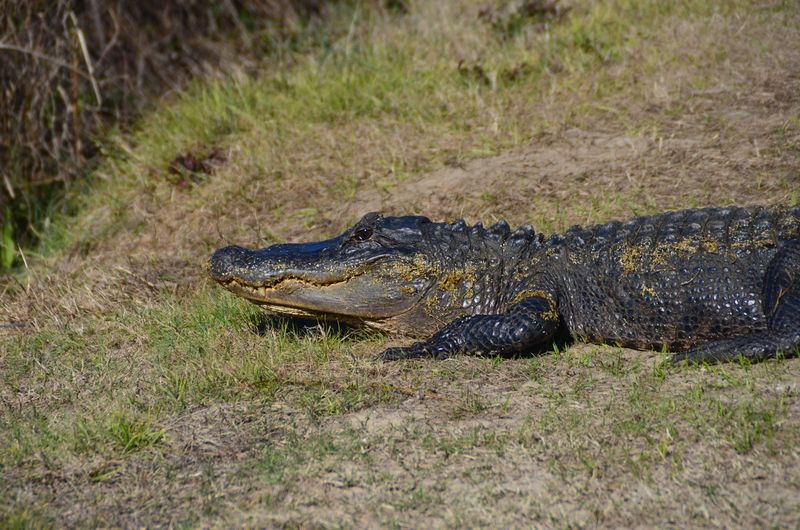
There is a trail on Bull Island that locals and guides affectionately call Alligator Alley, and the name is not an exaggeration. Freshwater ponds and tidal creek edges throughout the island host a thriving population of American alligators, ranging from small adolescents to full-grown adults that can stretch well past ten feet.
One reviewer recalled being literally surrounded by alligators at one point during their visit, though they quickly noted that the animals typically bolt for the water when humans approach. The key rule is simple: never position yourself between an alligator and its path to water.
Seeing these ancient reptiles in their natural habitat, completely undisturbed and going about their day, is a genuinely humbling experience. Wildlife guides on the ferry often brief visitors on safe behavior before arrival, which helps first-timers feel informed rather than anxious.
Coming prepared with that knowledge makes the whole encounter feel exciting rather than stressful.
The Maritime Forest And Trail System
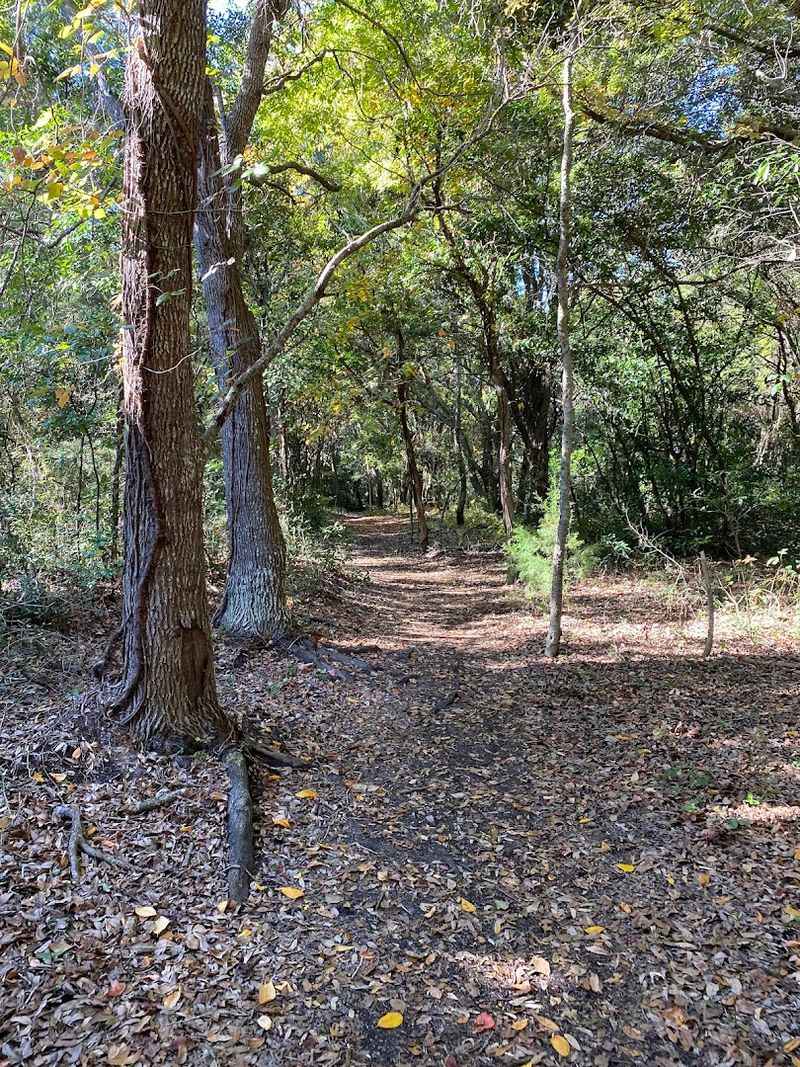
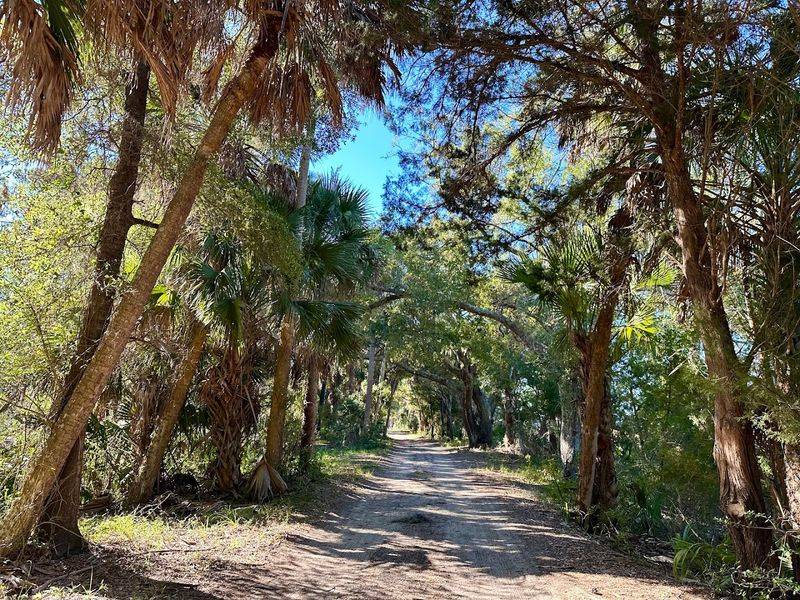
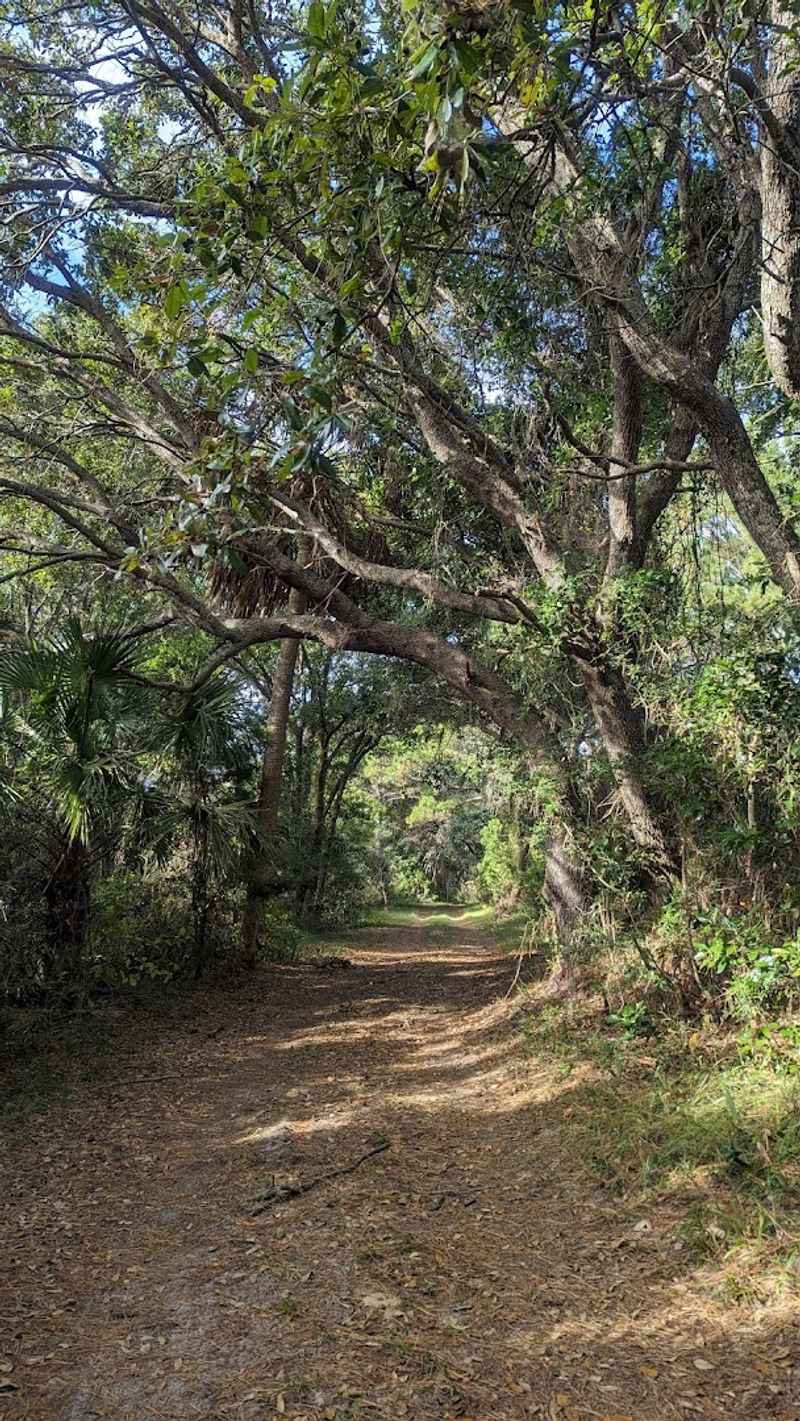
Step away from the beach and Bull Island reveals an entirely different world. The interior of the island is covered in a dense maritime forest of live oaks, sabal palmettos, and red cedar trees, all shaped by decades of coastal wind into gnarled, sculptural forms that feel ancient and atmospheric.
A network of trails winds through this forest, connecting the ferry dock to the beaches and the freshwater impoundments where wildlife congregates. The trail map, available through the refuge, is worth studying before you arrive because the island is larger than it looks and getting turned around is genuinely easy.
Waterproof footwear is a smart call here, since some trail sections cross shallow water or muddy patches depending on recent rainfall and tidal conditions. The forest offers welcome shade during hot summer months, and the canopy creates a tunnel-like atmosphere that makes even a simple walk feel like a proper outdoor adventure worth every step.
Birdwatching That Will Make You A Believer

Even visitors who have never picked up a pair of binoculars in their lives tend to leave Bull Island with a new appreciation for birds. The island sits along the Atlantic Flyway, a major migration route, which means the variety of species passing through or nesting here is genuinely impressive throughout the year.
Oyster catchers, loons, plovers, terns, and various gulls are commonly spotted along the shoreline and tidal flats. Perhaps the most thrilling sighting of all is the nesting bald eagles that call the island home, and patient visitors who scan the treetops carefully are often rewarded with a clear view.
The freshwater impoundments near the trail system attract wading birds like herons and egrets in large numbers, especially during early morning hours when the light is soft and the island is at its quietest. Bringing a lightweight pair of binoculars makes a noticeable difference in how much wildlife you actually catch.
Beachcombing And Shell Collecting
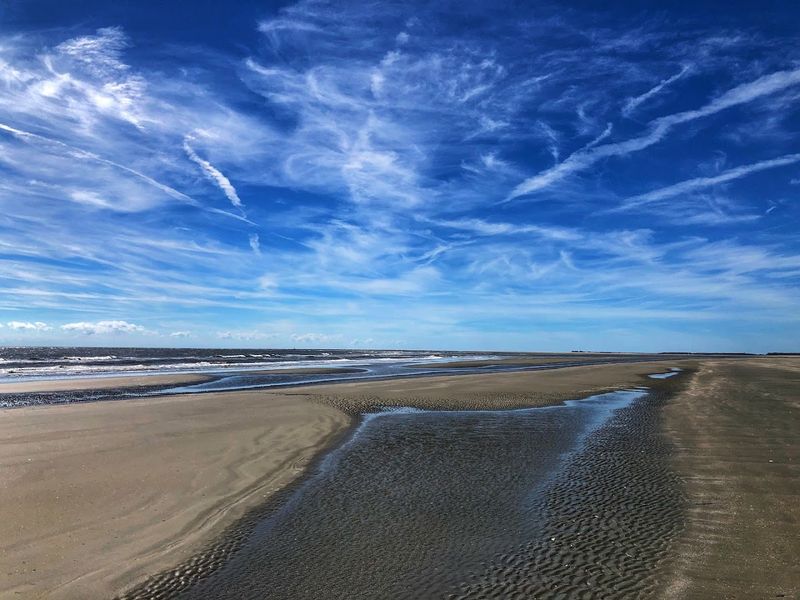
Bull Island’s beaches are the kind that beachcombers dream about. Because the island has no permanent residents and receives a relatively small number of daily visitors, the shoreline remains genuinely undisturbed, which means shells accumulate in impressive quantities along the waterline.
Whole sand dollars, which are notoriously difficult to find intact on busier beaches, turn up here with surprising regularity according to visitors who have spent time searching the tide lines. Conch shells, whelks, and an assortment of smaller species also wash up consistently, giving collectors of all experience levels something to get excited about.
The pristine condition of the beach itself adds to the experience, since there are no vendors, no beach chairs for rent, and no beach umbrellas cluttering the view. It is just sand, shells, water, and the occasional pelican gliding past at eye level.
Bringing a small bag for your finds is a practical move that most experienced visitors swear by.
What To Pack For A Day On The Island
Packing correctly for Bull Island is not optional, it is the difference between a comfortable adventure and a miserable afternoon. The island has no stores, no restaurants, and no facilities beyond basic restrooms near the dock, so everything you need must come with you on the ferry.
Water is the top priority, and bringing more than you think you need is always the right call, especially during summer when temperatures and humidity on the South Carolina coast can be intense. Sunscreen, insect repellent, and a light snack or packed lunch round out the essential list for most visitors.
Waterproof footwear earns its own special mention because the trails regularly involve wet crossings, and soggy sneakers can turn a great hike into an uncomfortable one surprisingly fast. A basic trail map, a fully charged phone, and a small first aid kit are also smart additions.
Going prepared means you spend the whole day exploring instead of wishing you had planned better.
The Best Time Of Year To Visit
Choosing the right season for a Bull Island visit makes a real difference in the experience. Spring and fall are widely considered the best times, offering mild temperatures, lower humidity, and peak activity from migratory birds passing through the Cape Romain refuge on their seasonal routes.
Summer brings longer daylight hours and warmer water, which appeals to beachcombers and those hoping to spot nesting sea turtles, but the heat and mosquito activity are both significantly higher during those months. Packing heavy-duty insect repellent becomes less optional and more absolutely necessary when visiting between June and August.
Winter visits offer a different kind of reward, with cooler temperatures keeping bugs at bay and a quiet, contemplative atmosphere settling over the island that feels genuinely special. One visitor group noted enjoying the island thoroughly on a cold, slightly wet day, proving that Bull Island has something to offer in every season for those willing to dress appropriately.
Why Bull Island Stays With You Long After You Leave
Some places are enjoyable and then forgotten within a week. Bull Island is not one of them.
Visitors consistently describe it as a highlight of their entire South Carolina trip, and many return multiple times, drawn back by a landscape that manages to feel genuinely wild even in the modern era.
The combination of the ferry crossing, the forest trails, the alligator encounters, and the otherworldly atmosphere of Boneyard Beach creates a layered experience that is difficult to find anywhere else along the East Coast. It is the kind of place where you arrive as a tourist and leave feeling like you have actually experienced something real.
One reviewer put it simply by calling it one of their favorite places on earth, and after spending a full day wandering the island’s trails and standing quietly at the edge of that haunting beach, it is very easy to understand exactly what they meant. Bull Island earns every bit of that feeling.