
Northern California’s New Volcanic Monument Feels Like A Wild Secret Above The Forests
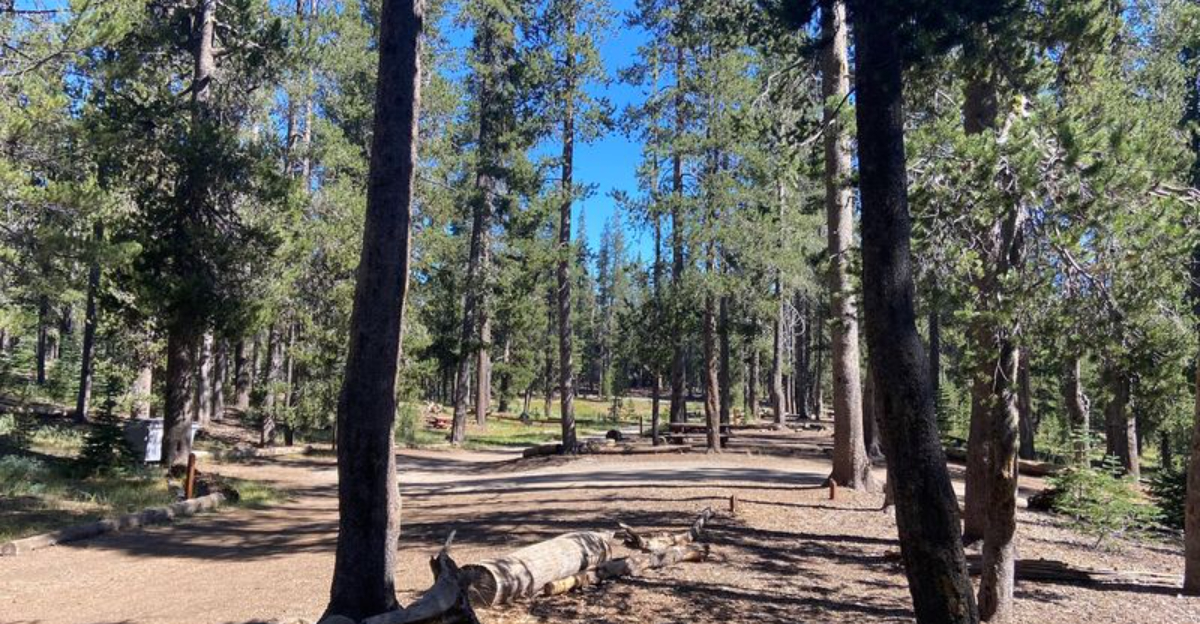
Northern California is full of famous landscapes. But high above its forests, there’s a place that still feels undiscovered.
Black volcanic ridges cut across the horizon. Ancient lava fields stretch for miles.
Hidden caves disappear into the earth. Every trail seems to lead deeper into a landscape shaped by fire, time, and mystery.
At first, it feels quiet. Then the scale hits you. Vast forests. Rugged peaks.
Strange rock formations. A wilderness that looks more like the setting of an adventure novel than a modern-day destination.
Few travelers know it exists. Even fewer make the journey.
That’s part of the appeal. There are no crowds competing for the view.
No endless lines. Just raw nature and the feeling that you’ve stumbled upon one of California’s best-kept secrets.
Wild, remote, and unforgettable, this remarkable corner of the state is finally getting the attention it deserves.
The Monument That Was Just Born
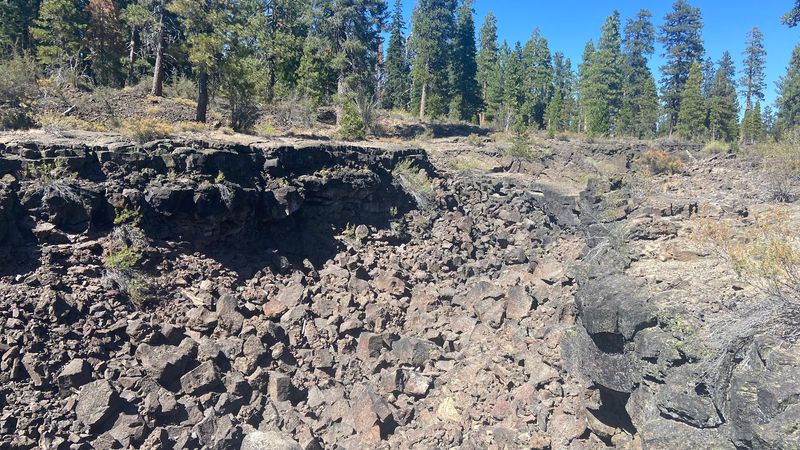
Picture a landscape so powerful and ancient that it took until 2025 for the world to officially recognize it. On January 14, 2025, President Joe Biden designated Sáttítla Highlands as a National Monument, making it one of the newest protected lands in the United States.
The decision was celebrated by conservationists, tribal nations, and outdoor enthusiasts across the country.
The monument covers over 224,000 acres of dramatic volcanic terrain. It stretches across three national forests, which gives it a scale that is genuinely hard to wrap your head around.
This is not a small patch of protected land tucked between highways. It is a sprawling volcanic highland that has been quietly forming for thousands of years.
The designation protects the area’s geological features, cultural heritage, and vital water resources all at once. That triple layer of significance is rare for any protected area.
Indigenous communities, scientists, and hikers all have deeply personal reasons to care about this place.
Sáttítla is proof that new discoveries and new protections are still very much possible in the modern era of conservation.
Where On Earth Is This Place Anyway
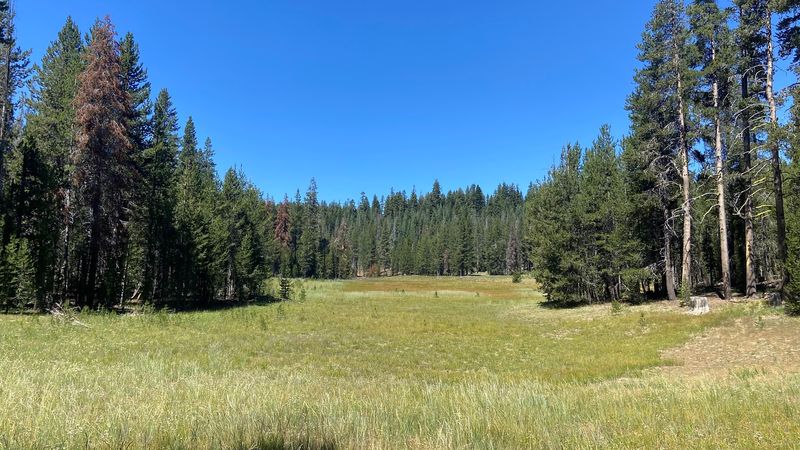
Finding Sáttítla on a map feels like discovering a secret passage. Located in the Medicine Lake Highlands of Northern California, the monument sits at the intersection of the Modoc, Shasta-Trinity, and Klamath National Forests, near Mount Hoffman, CA 96022.
It is remote in the best possible way, perched high above the surrounding forests like a volcanic throne.
The highlands sit in a part of California that many people skip entirely when planning road trips. That is honestly their loss.
The area is far from major urban centers, which is precisely why it has stayed so wild and untouched for so long. Getting there requires intention and a decent set of tires.
Being spread across three national forests means the monument has a fascinating variety of terrain. Each forest brings its own character to the landscape, from dense conifer stands to open pumice flats.
The remoteness is part of the magic.
When you finally arrive, the silence hits differently than anything you have experienced in a crowded national park. Sáttítla rewards the effort it takes to reach it with a landscape that feels entirely its own.
The Volcano Beneath Your Feet Is Bigger Than You Think
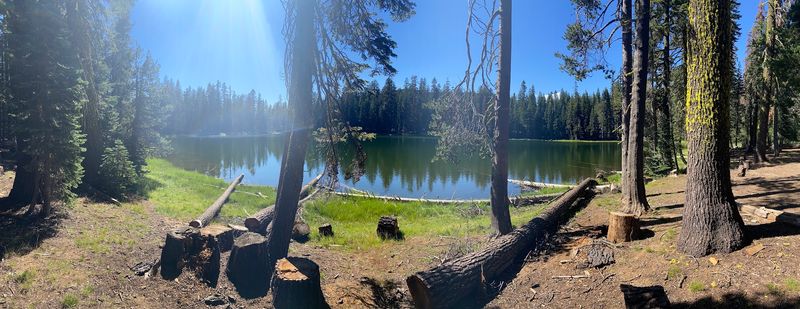
Here is a fun fact that will make your jaw drop straight to the lava floor. The Medicine Lake Volcano, sitting at the heart of Sáttítla, is one of the two largest volcanoes in the entire Cascades Volcanic Arc.
Its footprint is roughly ten times larger than Mount St. Helens. Let that sink in for a second.
This is a shield volcano, which means it built up gradually through countless lava flows over thousands of years.
The result is a broad, gently sloping mountain that covers an enormous area. From the ground level, you might not even realize you are standing on a volcano.
That is part of what makes it so wildly fascinating.
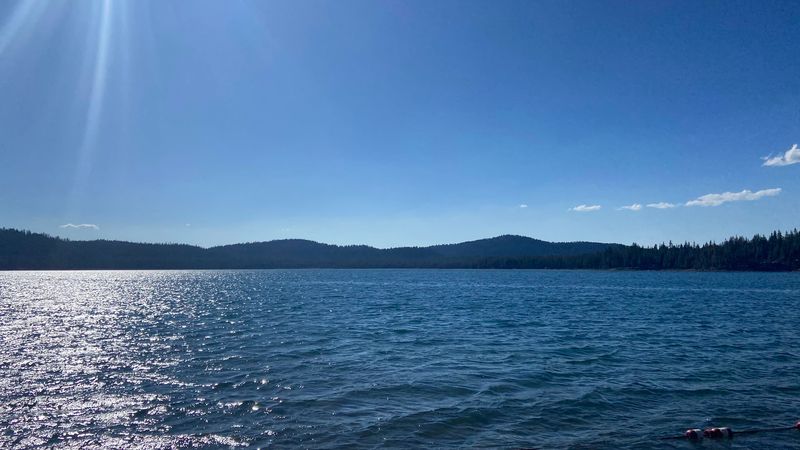
Medicine Lake itself sits partially inside the volcano’s caldera, which adds a surreal layer to the whole experience. Swimming in a lake that fills an ancient volcanic crater is not something most people get to check off their list.
The volcano is currently dormant, but the landscape it created is very much alive with texture, color, and geological drama. Standing at the caldera rim and looking down at that shimmering blue lake is one of those moments that genuinely rearranges your perspective on the planet.
Obsidian, Lava Tubes, And Geological Wonders Around Every Corner
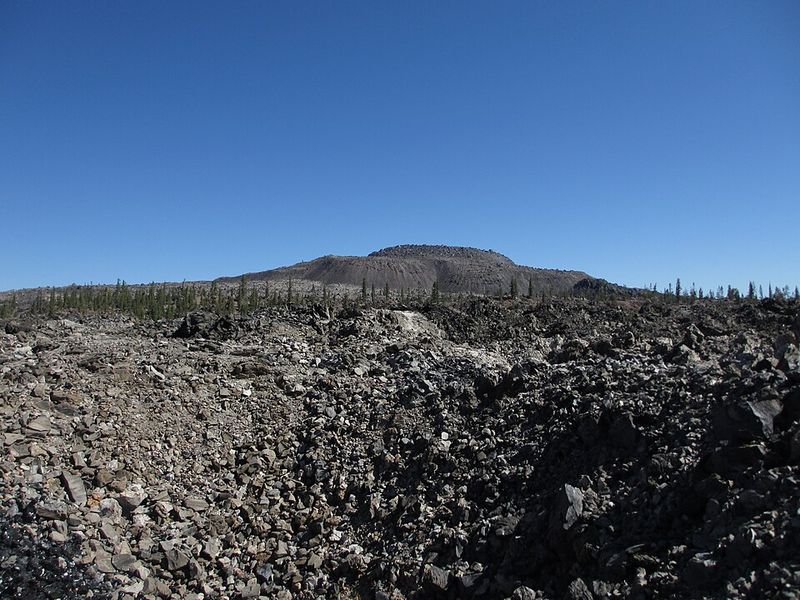
Sáttítla is basically a geology textbook that you can walk through. The monument features cinder cones, spatter cones, extensive lava flows, pumice deposits, and over 700 lava tube caves.
That last number alone is enough to make any cave enthusiast absolutely lose their mind with excitement.
Glass Mountain is one of the standout formations, famous for its striking obsidian deposits. Obsidian is volcanic glass created when lava cools rapidly, and the chunks here are dark, glossy, and almost surreal to look at.
Indigenous peoples have been collecting obsidian from this area for thousands of years to craft tools and ceremonial objects.
The lava tube system at Giant Crater holds another extraordinary record. It is part of the world’s longest known lava tube system, a fact that sounds like something out of a Jules Verne novel.
These underground tunnels were formed when the outer layer of a lava flow cooled and hardened while molten rock continued flowing beneath.
The result is a network of hollow tubes stretching for miles underground. Exploring these formations feels like stepping into a completely different world, one that exists just below the surface of an already spectacular landscape.
The Sacred Name That Tells The Whole Story
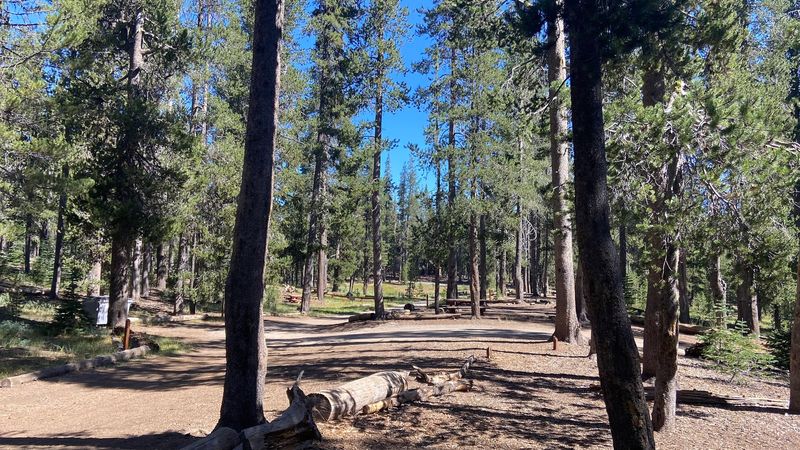
The name Sáttítla is not just a label slapped on a map. It is a living word from the Ajumawi language of the Pit River people, and it translates directly to obsidian place.
That translation carries centuries of history, connection, and meaning in just two words. Names like this do not happen by accident.
The monument holds deep cultural and spiritual significance for numerous tribal nations. The Pit River, Modoc, Karuk, Klamath, Shasta, Siletz, Wintu, and Yana peoples all have ancestral connections to these highlands.
For these communities, the landscape is not just scenery. It is a living part of their heritage and identity.
The obsidian found throughout the monument was a precious resource for Indigenous peoples across a wide region.
Tribes traded it, shaped it into tools, and used it in ceremonies. The fact that the monument’s official name honors this Indigenous history is a meaningful step in recognizing the full story of the land.
Sáttítla was a sacred place long before any government designation existed.
The name ensures that truth stays front and center for every visitor who arrives curious about what this remarkable landscape truly represents.
The Water Story Hidden Inside The Volcanic Rock
Not many people think of a volcano when they think about water. But Sáttítla is quietly one of the most important water sources in all of California, and the science behind it is genuinely fascinating.
Rain and snowmelt filter through the porous volcanic rock across the highlands, slowly recharging underground aquifers deep beneath the surface.
Those aquifers eventually feed Fall River Springs, the largest spring system in the entire state of California. From there, the water flows into Shasta Lake and eventually into the Sacramento River.
That means the volcanic rock of Sáttítla is essentially a giant natural water filter serving millions of people downstream.
This hydrological role is one of the key reasons the monument designation matters so much beyond just protecting pretty scenery. The volcanic landscape acts like a slow-release sponge for precipitation, storing water underground and releasing it steadily through the spring system.
Protecting the monument means protecting the integrity of that entire process. It is a reminder that wild places do not just look beautiful.
They perform essential functions that keep ecosystems and communities healthy. Sáttítla is doing invisible, vital work every single day beneath your feet.
Adventures That Will Make You Forget Civilization Exists
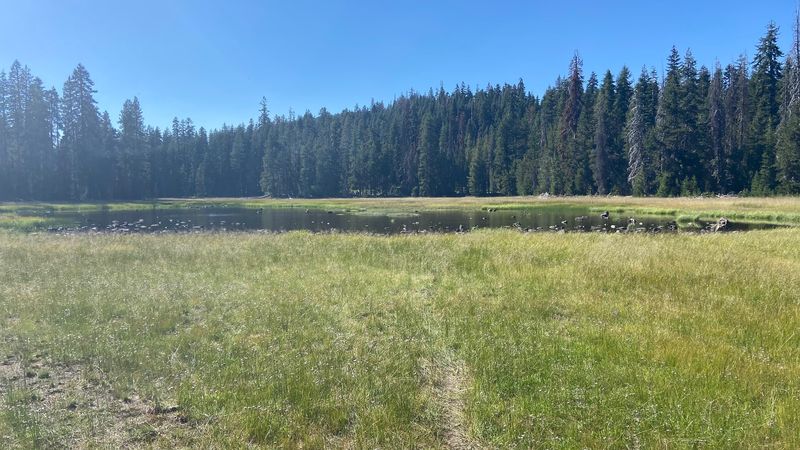
If your idea of a perfect day involves fresh air, zero cell service, and a landscape that looks like another planet, Sáttítla is about to become your new favorite place on Earth.
The monument offers a genuinely impressive range of outdoor activities that suit all kinds of adventurers. Hiking, biking, camping, canoeing, scenic driving, and snowmobiling are all on the table.
The hiking options range from casual walks around Medicine Lake to more rugged treks across lava fields and through forested areas.
Each trail reveals something different about the volcanic landscape. One moment you are walking through pumice flats, and the next you are peering into the entrance of a lava tube cave.
The variety keeps things interesting at every turn.
Winter transforms the highlands into a snowmobiling and snowshoeing paradise. The remote terrain stays quiet even during popular seasons because not many people know it exists yet.
That low-traffic reality is a genuine gift for anyone who has grown tired of crowded national parks. Sáttítla gives you space to breathe, explore, and actually hear yourself think.
The monument is not just a destination. It is an experience that resets something deep inside you every single time you visit.
Stargazing Here Will Ruin Every Other Night Sky For You
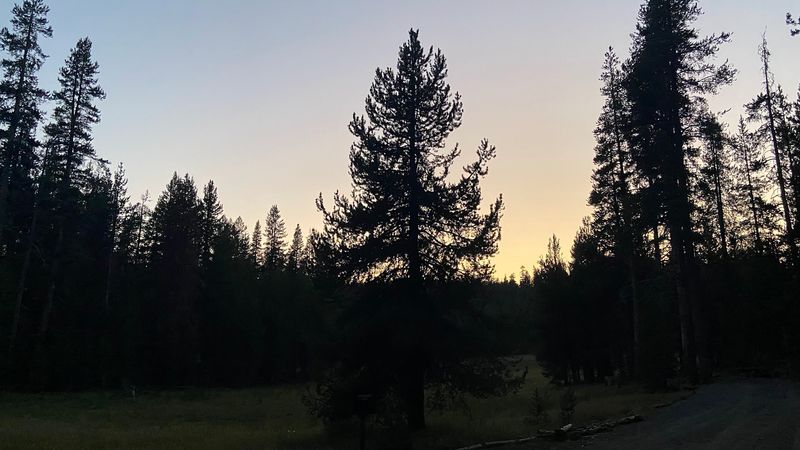
Forget rooftop bars and city lights. The real show at Sáttítla happens after sunset, when the sky transforms into something so spectacular it barely feels real.
The Medicine Lake Highlands are recognized as having some of the darkest night skies in the entire United States. That is not a casual claim.
It is a genuine astronomical treasure.
The combination of high elevation, low humidity, and extreme remoteness creates near-perfect conditions for stargazing.
On a clear night, the Milky Way stretches across the sky in a thick, luminous band that will genuinely stop you mid-sentence. Meteor showers, planets, and star clusters become visible without any equipment at all.
A basic telescope turns the experience into something almost overwhelming.
Camping overnight is absolutely the way to experience this. Setting up a tent on volcanic terrain under a sky packed with stars is the kind of moment that people talk about for years afterward.
There are no light pollution sources close enough to dilute the darkness. Sáttítla sits far from any major city glow, which means the night sky here is a direct window into the universe.
So, when was the last time a sky genuinely took your breath away?