
California’s New Desert Monument Turns Canyons, Mountains, And Silence Into One Huge Road Trip
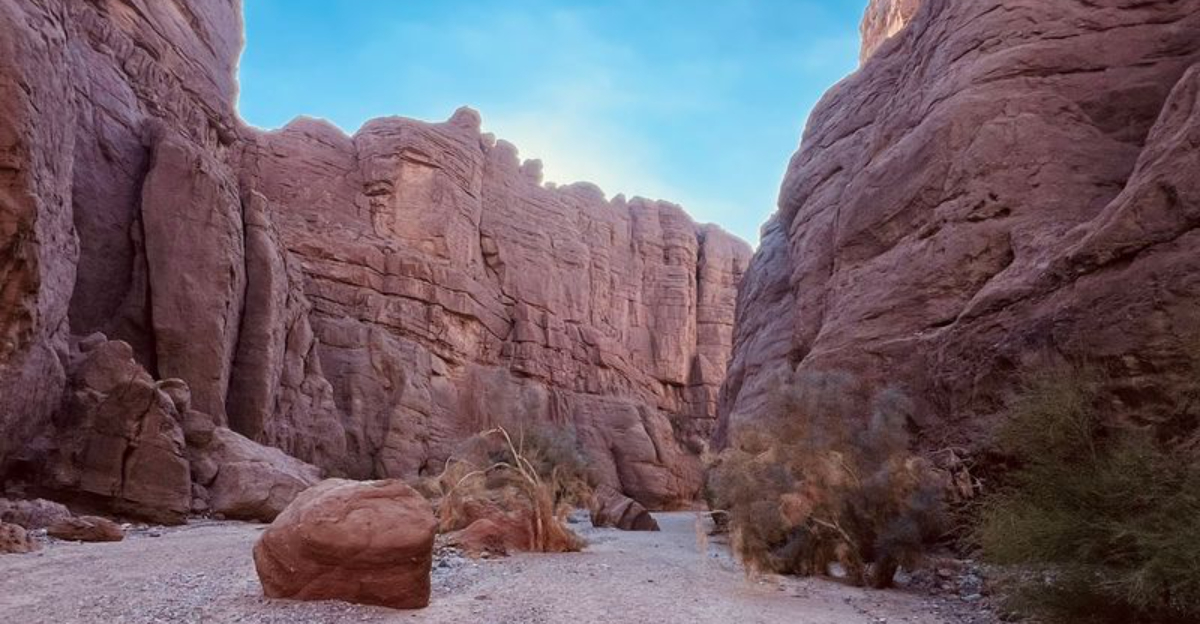
In southern California, there’s a place where the landscape feels like it was carved as a message. Then left half-finished on purpose.
Canyons twist like forgotten hieroglyphs etched into stone, mountains rise like signatures from an ancient hand, and the desert stays so quiet it almost dares you to translate it.
This new protected monument isn’t really a destination. It’s more like a long, slow puzzle stretched across miles of sand and rock.
Every turn of the road looks meaningful, like it’s trying to tell you something important, until you realize it might just be asking you to stop overthinking and keep driving.
You’ll try to read it anyway. That’s the joke.
The desert lets you believe you’re close to understanding, then quietly flips the page and shows you another canyon, another ridge, another layer of silence.
California’s Newest Wild Frontier
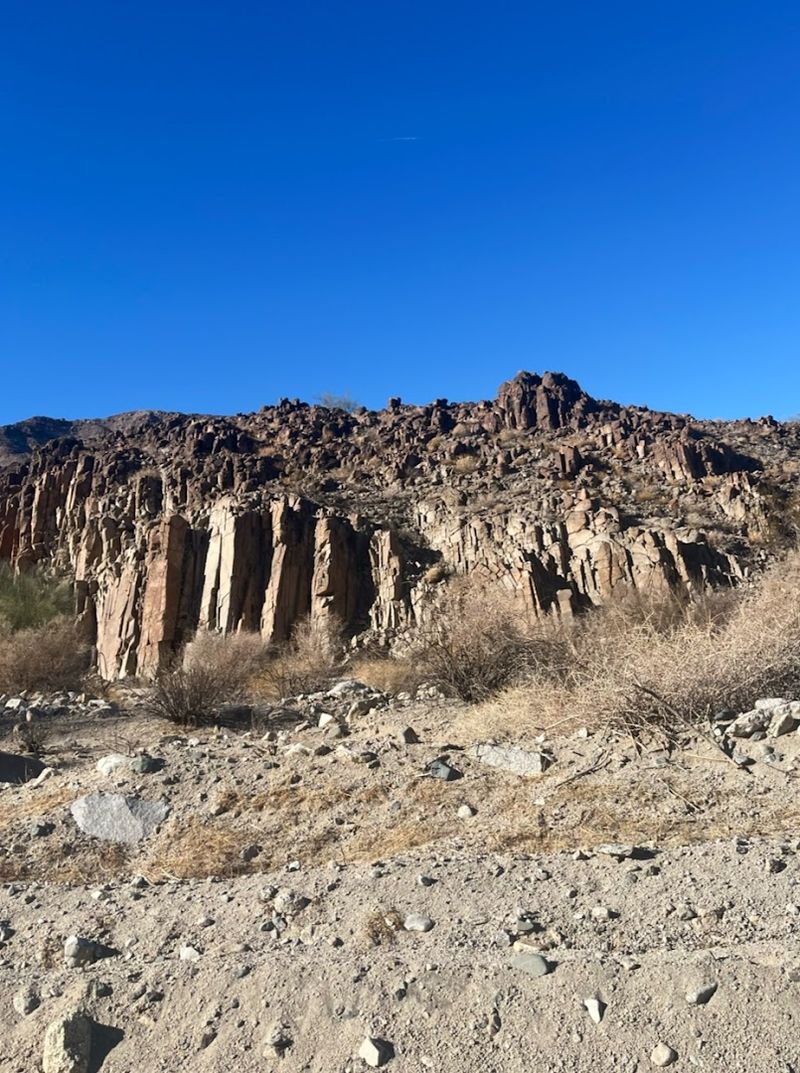
Not every place earns the title of national monument, and Chuckwalla absolutely earned it. Officially designated in January 2025, this 624,000-acre protected landscape is one of the newest additions to America’s conservation family.
It sits in a rare ecological crossroads where the Mojave and Sonoran Deserts overlap, creating a biodiversity hotspot unlike anything else in the Southwest.
The Bureau of Land Management oversees the monument, keeping it accessible for visitors who want to explore without the packed parking lots of more famous parks.
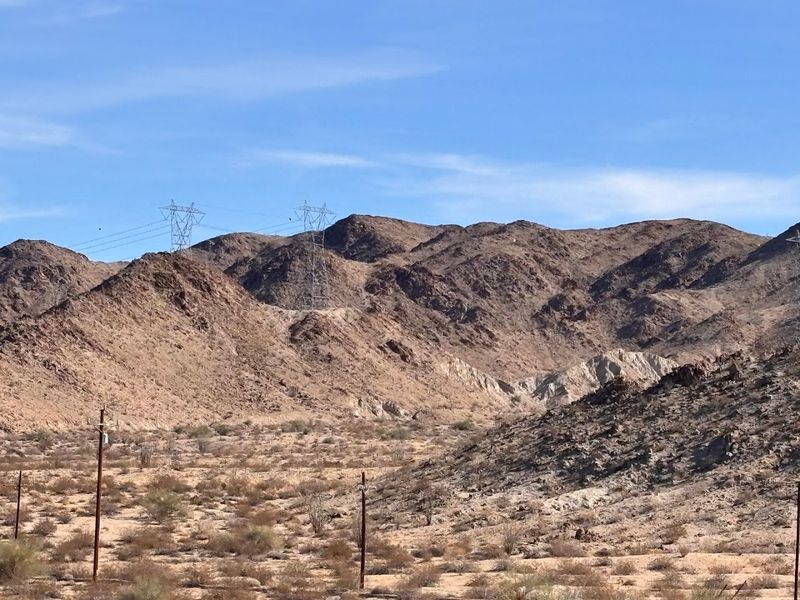
You can wander for miles without bumping into another soul, which is honestly a luxury in today’s world of over-tourism. The terrain shifts dramatically from flat desert flats to sharp, rocky ridgelines that seem to scrape the sky.
What makes this monument special is the sheer variety packed into one road trip. Ancient geology, living ecosystems, cultural history, and jaw-dropping scenery all share the same address.
Conservation advocates, Indigenous communities, and environmental groups spent years pushing for this designation, and the result is a landscape that feels genuinely protected.
Chuckwalla is not just a new monument on a map. It is a statement about what California still has left to protect.
The Canyon That Forgot To Be Boring
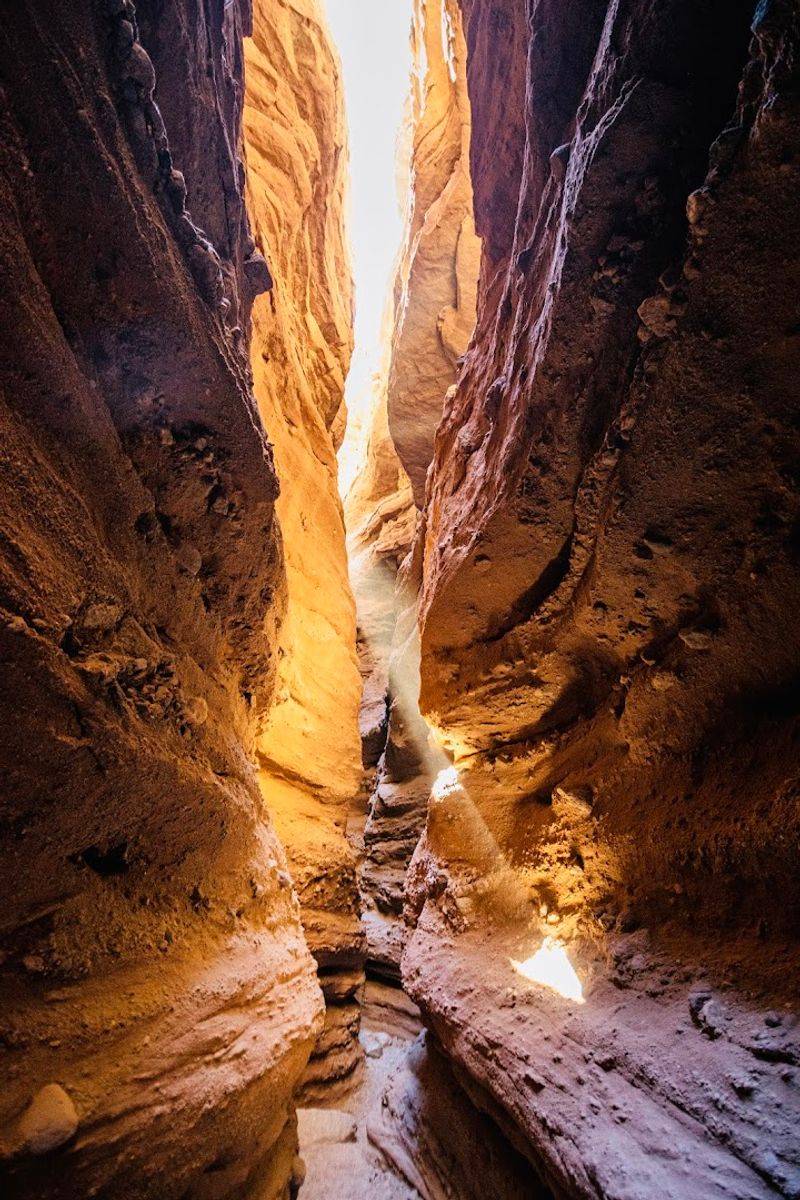
Painted Canyon might be the most visually dramatic canyon in all of Southern California, and it does not get nearly enough credit.
Located in the Mecca Hills Wilderness area, accessible via Mecca Hills Road off Highway 195 near the town of Mecca in Riverside County, this canyon is a geological fever dream.
The walls shift from deep burgundy to pale lavender to burnt orange as the light moves across them throughout the day.
Hiking through Painted Canyon feels like walking inside a living painting. The trail winds through narrow slot sections, over boulders, and past formations that look like they were sculpted by an overly enthusiastic artist.
Some sections require actual scrambling, which makes it feel less like a nature walk and more like an adventure course for grown-ups.
Ladder Canyon connects directly to Painted Canyon, and together they form one of the most exciting loop hikes in the monument. Metal ladders bolted into the rock help hikers navigate the steeper sections, adding a touch of drama to every step.
The canyon rewards the curious and the slightly brave. If you show up at golden hour, the colors will absolutely stop you in your tracks.
Where The Trail Goes Vertical
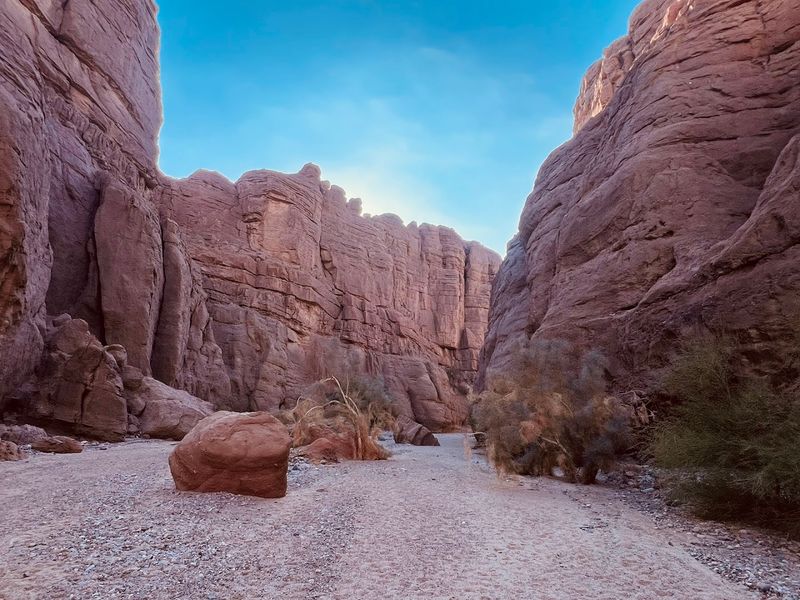
Most hiking trails ask you to walk. Ladder Canyon asks you to climb, squeeze, and occasionally reconsider your life choices in the best possible way.
This trail inside the Mecca Hills Wilderness is one of the most physically engaging hikes in the entire monument, featuring actual metal ladders anchored into the canyon walls to help hikers navigate the tight, vertical passages.
The canyon itself is narrow and dramatic, with walls that press in close enough to touch on both sides. Light filters down in thin ribbons, casting everything in a warm, golden glow that photographers absolutely lose their minds over.
The combination of scrambling over rocks and ascending ladders gives the whole experience an Indiana Jones energy that flat trails simply cannot match.
Ladder Canyon is typically done as a loop with Painted Canyon, making for a full half-day adventure that covers around four miles of varied terrain.
The difficulty is moderate to challenging, so good footwear and a water supply are non-negotiable in this heat.
First-timers are sometimes surprised by how technical sections feel, but the payoff at every turn is enormous. Few trails in California deliver this much excitement per mile, and even fewer look this stunning while doing it.
Off-Road History You Can Actually Drive
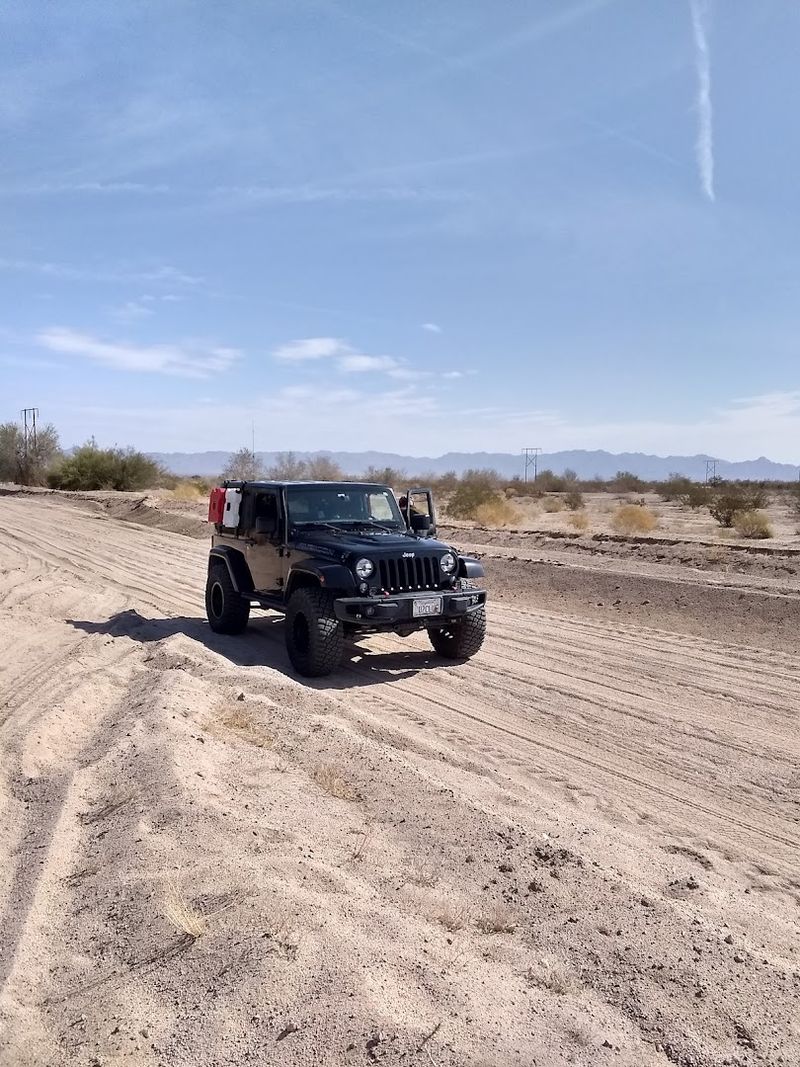
Some roads tell stories, and the Bradshaw Trail is basically a novel. This historic unpaved route cuts through the heart of Chuckwalla National Monument, covering roughly 80 miles of raw desert terrain between the Coachella Valley and the Colorado River.
It is designated as a National Backcountry Byway and is best tackled with a four-wheel-drive vehicle.
The trail originally served Indigenous tribes who traveled these routes for centuries before European contact. Later, gold miners in the 1860s used it as a supply road, naming it after William Bradshaw who helped establish the route.
Driving it today feels like flipping through different chapters of California history, from ancient footpaths to frontier-era commerce corridors.
The scenery along the Bradshaw Trail is desolate in the most beautiful way possible. Wide open flats stretch toward mountain ranges in every direction, and the silence between stops is genuinely profound.
Camping along the trail is allowed on a dispersed basis, meaning no reservations, no crowds, and no fee. Just you, the desert, and about a million stars overhead.
Bring extra water, a spare tire, and enough curiosity to last the whole journey because the Bradshaw Trail rewards those who take their time with it.
The Night Sky That Changes Everything
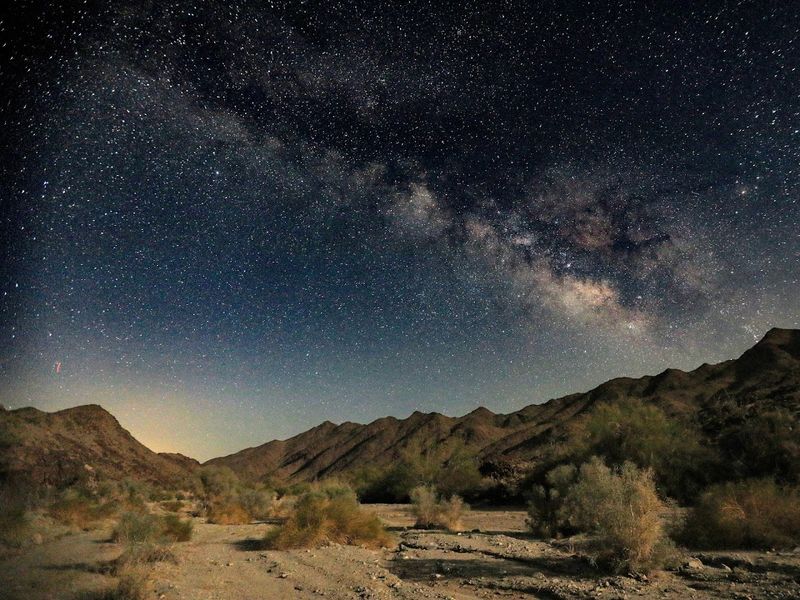
There is a version of the night sky that most people have never seen, and Chuckwalla National Monument is one of the few places in Southern California where you can find it.
Far from city light pollution, the monument sits in one of the darkest sky zones in the entire state. On a clear night, the Milky Way stretches from horizon to horizon in a way that genuinely makes your brain go quiet for a moment.
Stargazing here is not a hobby. It is an experience.
Bring a blanket, a star map app, and zero expectations, because the sky will completely overdeliver.
Planets, satellites, shooting stars, and entire galaxy clusters become visible to the naked eye once your eyes adjust to the darkness. Astrophotographers make special trips out here just for this reason.
The best conditions come in the days around a new moon, when the sky reaches maximum darkness.
Dispersed camping within the monument means you can set up for the night right under that extraordinary canopy of stars without booking anything in advance.
There is something deeply grounding about lying in the middle of a 624,000-acre desert and realizing just how enormous the universe actually is. Chuckwalla offers that perspective freely and without a waiting list.
The Locals Who Actually Run This Place
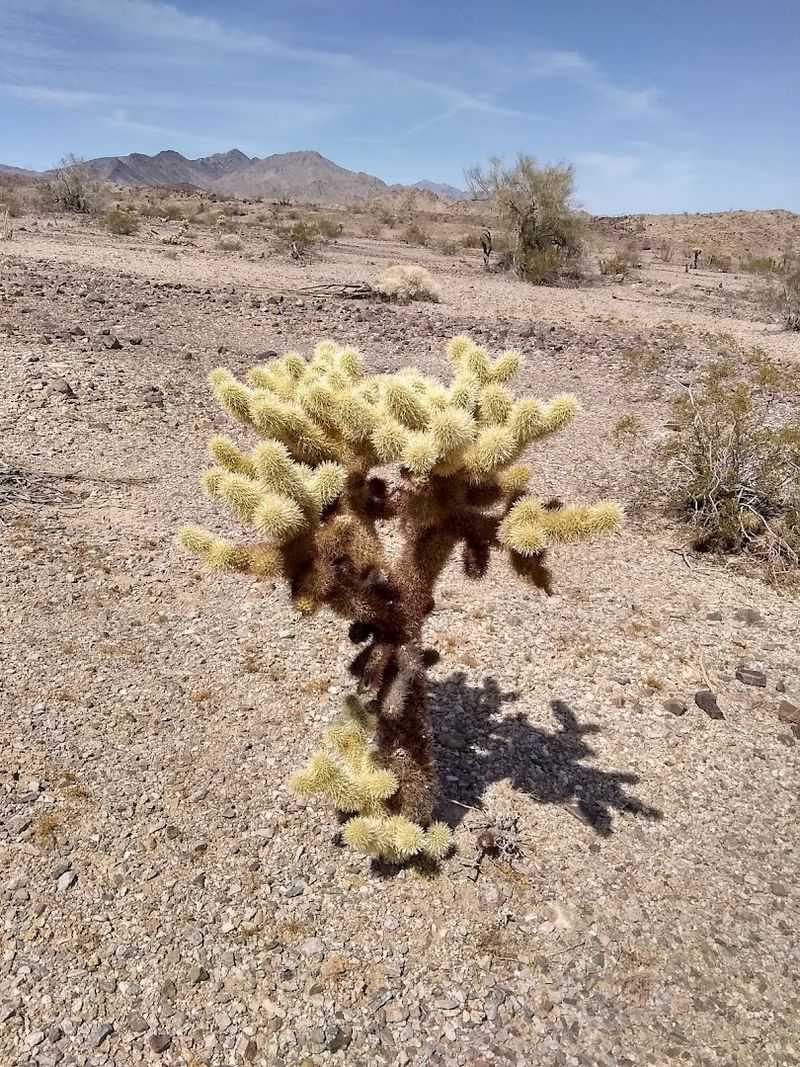
The monument did not get its name from a marketing committee. The chuckwalla lizard, a chunky, sun-loving reptile that can grow up to 16 inches long, is one of the most iconic residents of this desert landscape.
These lizards have lived in the rocky terrain of Southern California for thousands of years, and spotting one basking on a warm boulder feels like meeting the official mascot of the monument in its natural habitat.
Beyond the chuckwalla, the monument supports an impressive range of wildlife. Desert bighorn sheep navigate the steep ridges of the Chuckwalla and Orocopia Mountains with casual confidence that would make any rock climber jealous.
The threatened desert tortoise moves slowly across the flats, doing its ancient thing completely unbothered by modern timelines.
Bird life is equally rich, with golden eagles, Le Conte’s thrashers, and various raptor species using the monument’s airspace as their personal highway.
The diversity here exists because the monument protects both Sonoran and Mojave Desert ecosystems simultaneously, creating habitat variety that supports more species than either desert alone.
Spring brings out extra wildlife activity, especially after rain years when the desert blooms.
Chuckwalla is not just a landscape to look at. It is a living, breathing community worth paying close attention to.
The Stories Written In Stone
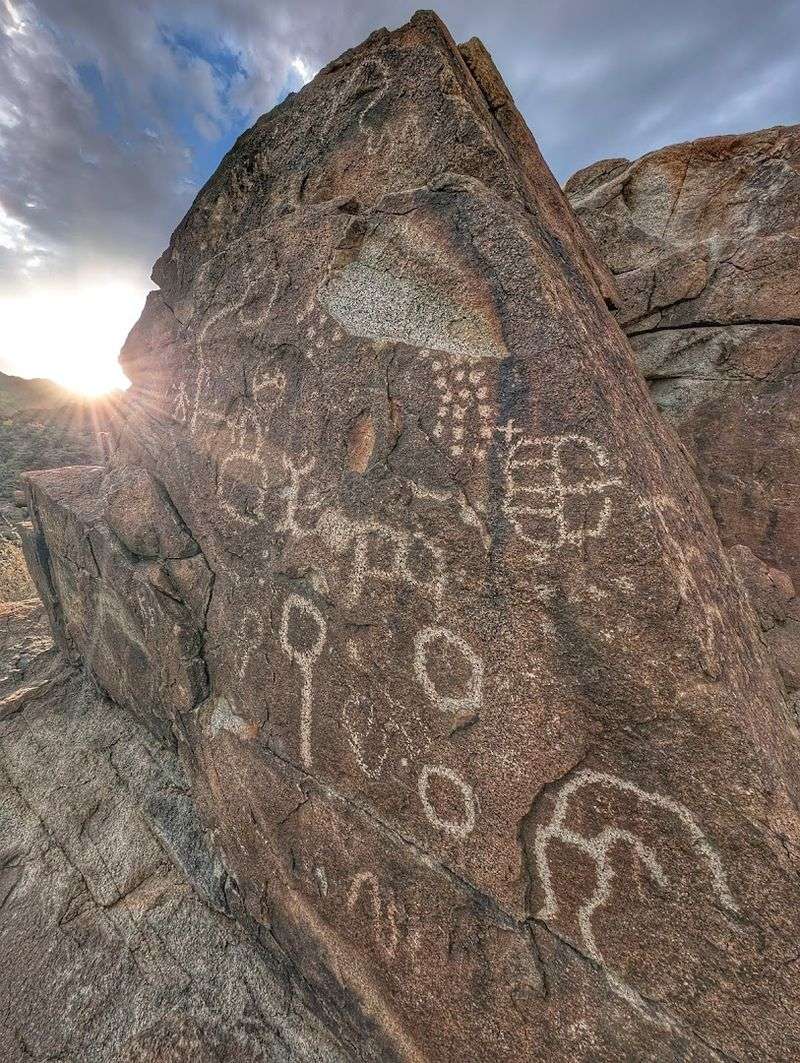
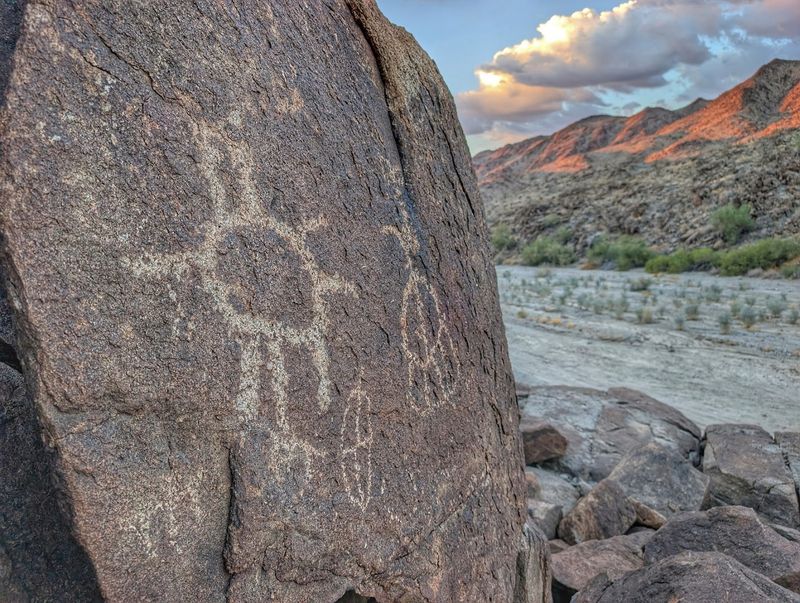
Long before the monument had a name, the land itself was a map. Indigenous peoples including the Cahuilla, Quechan, and other tribes traveled, lived, and held ceremonies across this landscape for thousands of years.
Their presence is still visible in the form of petroglyphs, pictographs, ancient trail systems, and sacred sites scattered throughout the monument’s vast terrain.
The Bradshaw Trail itself follows routes that Indigenous communities used long before gold miners ever set foot in California.
These trails connected desert communities to water sources, trade partners, and ceremonial grounds across the region.
Understanding this history transforms the experience of driving or hiking through the monument from a simple outdoor adventure into something much more layered and meaningful.
Chuckwalla’s designation was supported by multiple tribal nations who recognized the importance of protecting these cultural sites from development and damage.
The monument represents a rare example of conservation and Indigenous cultural preservation working together toward the same goal. Visitors are encouraged to observe and respect all cultural sites without touching or removing anything.
The petroglyphs especially deserve quiet appreciation. Each marking is a message from a community that understood this landscape far better than most of us ever will.
That kind of depth is impossible to replicate.
Sleep Under Nothing But Sky
Forget reservation systems, campground fees, and the neighbor whose generator runs until midnight. Dispersed camping inside Chuckwalla National Monument operates on a completely different energy.
You pick your spot, set up camp, and the desert is yours for the night.
No crowds, no amenities, and absolutely no one telling you which numbered site belongs to you.
The Bureau of Land Management allows dispersed camping throughout most of the monument, making it one of the most accessible free camping experiences in all of Southern California.
The general rule is to camp at least 200 feet from water sources and established trails, and to follow Leave No Trace principles so the next visitor finds the landscape exactly as pristine as you did.
Waking up inside the monument at sunrise is genuinely one of those experiences that makes every inconvenience of the drive worthwhile.
The light comes in slowly, painting the mountains in shades of peach and gold before the desert heats up for the day. Pack in everything you need, including extra water, because services are nonexistent once you leave the main roads.
That remoteness is exactly the point.
Chuckwalla rewards the prepared traveler with a kind of quiet that most people have simply forgotten how to find.
How to Actually Do This Thing
A road trip through Chuckwalla National Monument is not something you wing at the last minute, at least not completely.
The monument is accessible from multiple entry points, with the Corn Springs Road corridor serving as one of the primary access routes into the interior.
Coming from the Coachella Valley side, visitors typically head south from Interstate 10, passing through or near communities like Indio before entering monument territory.
The Bradshaw Trail requires a capable vehicle, ideally with four-wheel drive and high clearance. Painted and Ladder Canyons are reachable via standard vehicles, though the dirt roads leading in are rough and unpaved.
Cell service disappears fast once you leave the main highway, so downloading offline maps before you go is genuinely important and not optional.
Water is the most critical thing to bring, and most experienced desert visitors recommend carrying far more than you think you will need.
The monument is open 24 hours a day, every day of the year, which means sunrise hikes, overnight camping, and full moon stargazing sessions are all on the table. The BLM website at blm.gov has updated trail and road condition information worth checking before any visit.
Chuckwalla is ready when you are, so what is stopping you from finally making this road trip happen?