
The Unexpected Beauty Of Nebraska’s Waterfall River
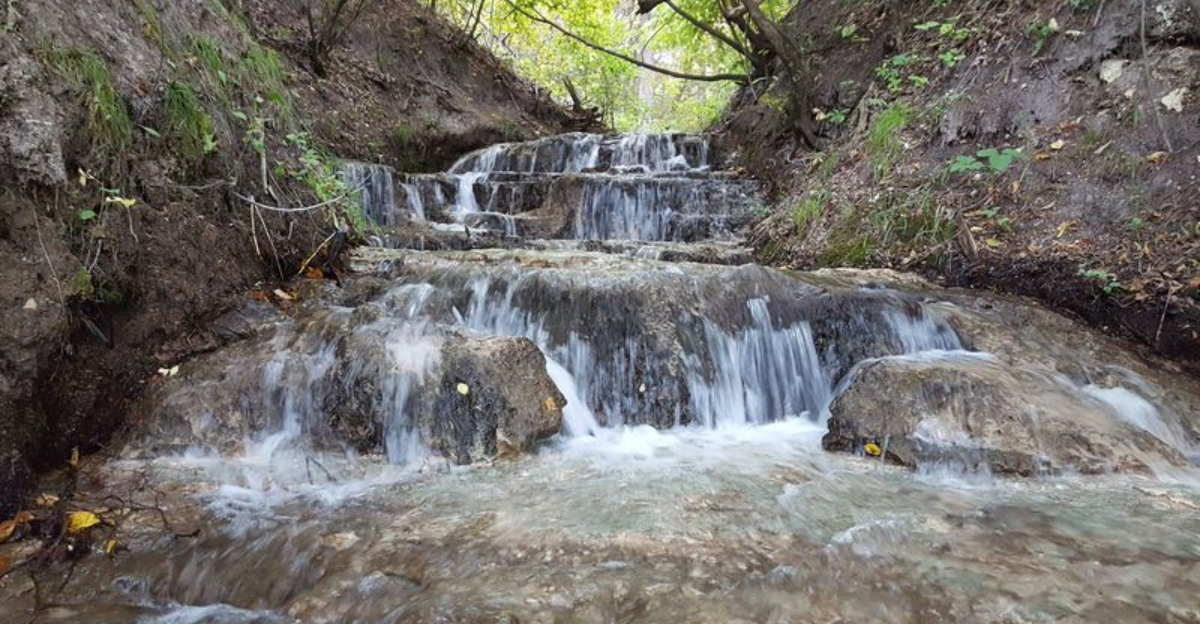
If you thought Nebraska was just endless flat fields and quiet horizons, this river is here to prove you wrong. Somewhere in the northern edge of the state, water cuts through prairie and forest in a way that feels almost misplaced.
Like nature briefly forgot the rules. It drops over limestone ledges, splits into hidden channels, and reappears as a chain of small waterfalls scattered through a valley that shouldn’t feel this alive. This isn’t a dramatic, world-famous cascade.
It’s something subtler, and stranger. A river that keeps surprising you every few bends, as if it enjoys breaking expectations just as much as it shapes the land.
The sound changes before you see it. The air feels cooler.
And suddenly, Nebraska stops being what you thought it was.
Nebraska’s Tallest Waterfall
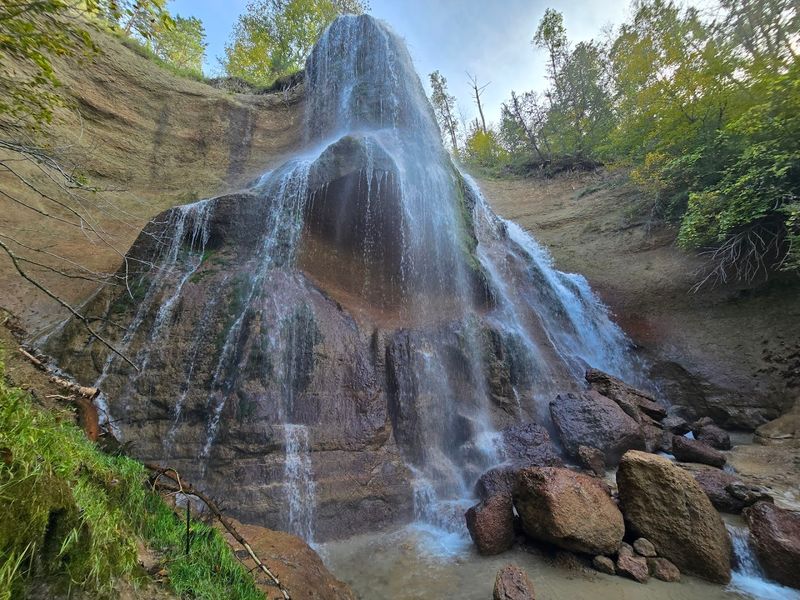
Standing at 63 feet tall, Smith Falls is the kind of waterfall that makes you audibly gasp the moment it comes into view.
Located about 12 miles east-northeast of Valentine, Smith Falls State Park is home to this gorgeous cascade. It is the tallest waterfall in all of Nebraska, and it earns that title with zero effort.
Getting there involves crossing a scenic footbridge over the Niobrara River from the north side of the park. From there, a mile-long out-and-back trail winds through shaded forest before delivering you straight to the falls.
A boardwalk leads you right up close, so you feel the mist on your face like a natural spa treatment you never booked.
The waterfall feeds directly into the Niobrara River, creating a stunning visual contrast between the white rushing water and the surrounding green canyon. Spring and early summer are peak times to visit, when water flow is strongest.
Smith Falls is genuinely one of those places that makes you question why you ever paid for a vacation somewhere else. Pack your camera, wear good shoes, and prepare to be completely humbled by Nebraska’s natural power.
The Volume Champion
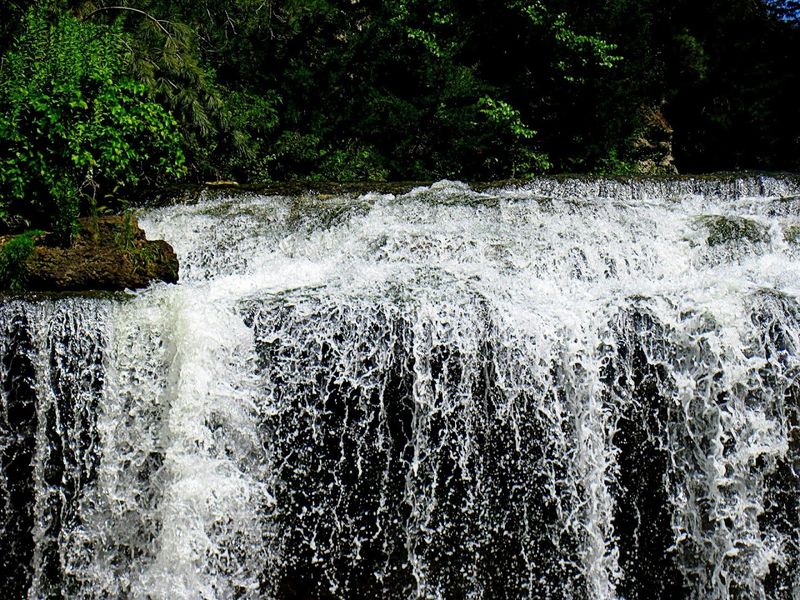
When the Snake River is running full and strong, Snake River Falls becomes the largest waterfall in Nebraska by sheer volume of water. That is not a small claim for a state people constantly underestimate.
Located about 23 miles southwest of Valentine on Highway 97, this waterfall tumbles dramatically over a 54-foot-wide rocky ledge.
The falls sit on private property, managed through the Snake Falls Sportsman’s Club, so a small admission fee is required to access the viewing area.
Trails on both sides of the building give visitors excellent vantage points for photos and pure jaw-dropping appreciation. The roar of that much water hitting the canyon below is something you feel in your chest before you even see it.
From the falls, the Snake River winds approximately 12 miles before joining the Niobrara River, connecting two of Nebraska’s most scenic waterways in one incredible region.
Hiking down to the base of the falls is no longer available, but the upper viewing trails offer spectacular perspectives. Snake River Falls is proof that Nebraska keeps its most impressive natural features quietly off the tourist radar.
Honestly, that just makes discovering it feel even better.
The Hidden Canyon Gem
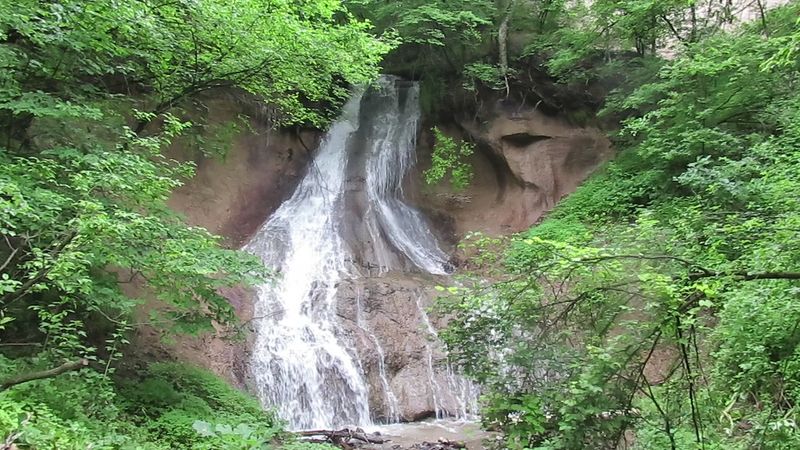
Tucked inside the Fort Niobrara National Wildlife Refuge, Fort Falls is one of those places that feels like a reward for people willing to look beyond the obvious.
At 45 feet tall, this waterfall drops into a shaded canyon that feels worlds away from the open Nebraska plains above it. The contrast is genuinely surreal.
The Fort Falls Upper Trailhead provides access via metal walkways and stairs that descend along the canyon wall to the floor below. It is a well-maintained path, but the descent itself adds to the adventure.
Each step down reveals a new angle of the falls, and by the time you reach the bottom, you are fully inside a hidden natural world.
Fort Niobrara National Wildlife Refuge is also home to bison, elk, and prairie dogs, so your visit can easily turn into an unexpected wildlife safari before you even reach the waterfall trailhead.
The refuge covers thousands of acres, and the diversity of landscapes within it is remarkable.
Fort Falls rewards the curious traveler who takes the time to explore beyond the main road. Nebraska’s wild side is alive and well right here in this canyon.
The Niobrara’s Ancient Geology
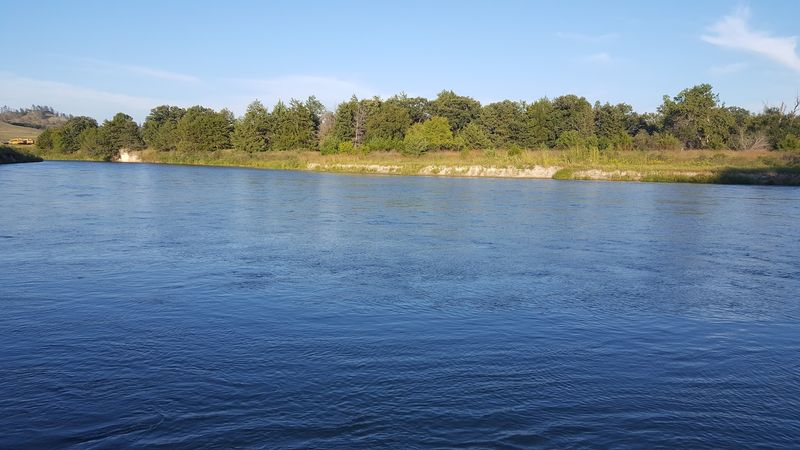
The Niobrara River did not just accidentally become a waterfall wonderland. There is deep, ancient science behind every single cascade along this river.
As the Niobrara cuts through the Nebraska landscape, it slices through multiple geological formations laid down millions of years ago. Those exposed layers tell a story that geologists absolutely love.
The unique rock formations create natural pressure points where groundwater pushes through and emerges as springs.
Those springs feed the waterfalls, which means the geology and the scenery are completely inseparable. The Ogallala Formation and Pierre Shale are just two of the layers visible along canyon walls, each one representing a completely different era of Earth’s history.
Walking along the Niobrara feels like flipping through an enormous geological textbook, except this one is soaking wet and surrounded by birdsong.
The river cuts through roughly 25 miles of federally designated scenic corridor near Valentine, and every bend reveals something new carved into the ancient stone. Understanding the geology here does not require a science degree.
It just requires slowing down and actually looking at the walls around you.
The rocks have been talking for millions of years, and the Niobrara is their loudest voice.
Paddle Into Paradise
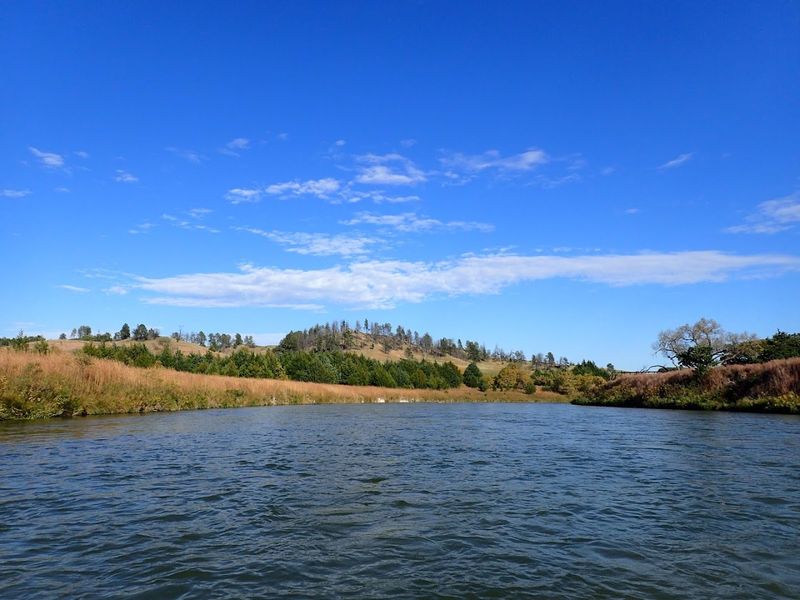
Paddling the Niobrara River is basically the closest thing Nebraska has to a tropical adventure, minus the coconuts. The most popular float stretch runs between Cornell Dam and Rocky Ford, covering roughly 26 miles of scenic, spring-fed river.
The water stays remarkably clear and refreshingly cool even in the height of summer.
Along the way, paddlers pass dozens of small waterfalls tumbling directly into the river from the canyon walls above. Some of these cascades are just a trickle.
Others are full-throated roaring falls that soak you from ten feet away.
Either way, floating past them feels like traveling through a living nature documentary.
The current is gentle enough for beginners but interesting enough to keep experienced paddlers engaged. Wildlife sightings are common on this stretch, with white-tailed deer, bald eagles, and great blue herons making regular appearances along the banks.
Several outfitters near Valentine offer tube and canoe rentals if you show up without gear. The Niobrara float trip is the kind of experience that people from Nebraska grow up doing every summer and never once take for granted.
It is that good, every single time.
Arrowhead Falls And The Lesser-Known Cascades
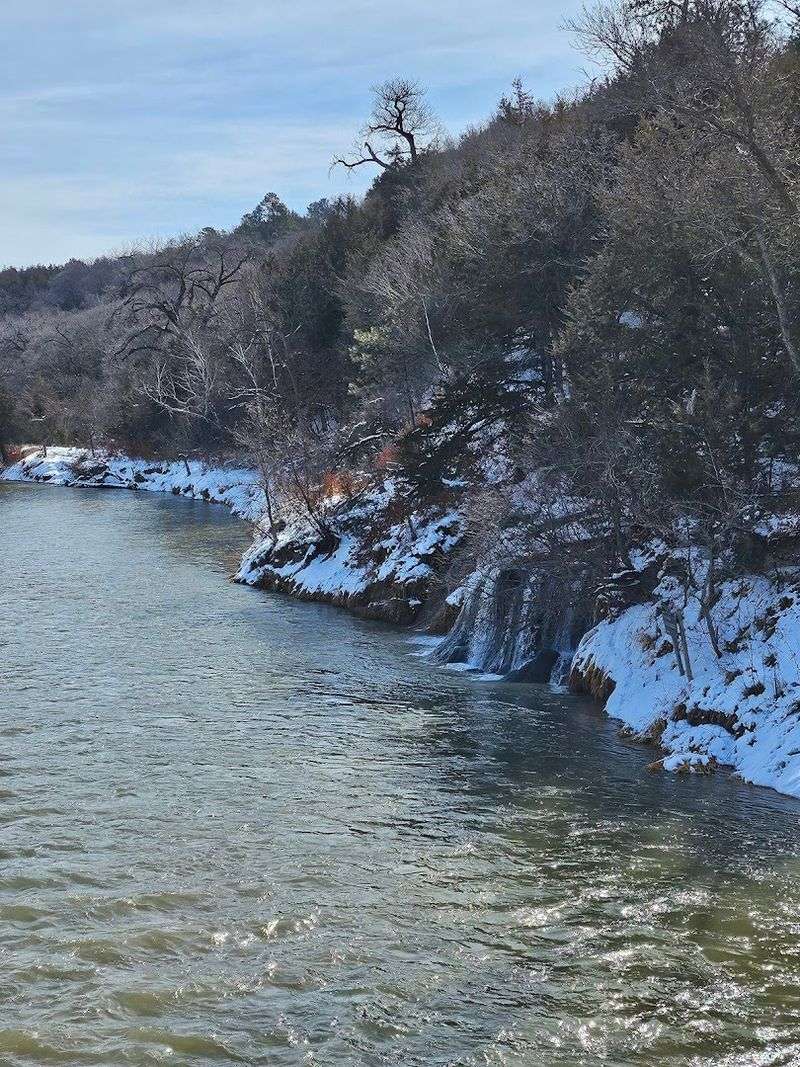
Not every waterfall along the Niobrara River gets top billing, but the lesser-known cascades are where the real magic hides.
Arrowhead Falls, Cross Falls, Twin Falls, Stairstep Falls, Berry Falls, and Refrigerator Falls are all part of the Niobrara’s impressive waterfall collection.
Each one has its own personality, and discovering them feels like finding bonus levels in a video game you already loved.
Refrigerator Falls, also known as Icebox Falls, earns its name by producing a noticeably chilly mist even on the hottest summer days.
Standing near it when temperatures are blazing outside is a genuinely refreshing experience that no air conditioner can replicate. Stairstep Falls cascades in a tiered, layered pattern that looks almost architectural in its precision.
Many of these smaller falls are accessible only by river or by trail, which means you earn the view with a little effort.
That earned quality makes them feel even more rewarding when you finally arrive. The Niobrara corridor protects over 200 waterfalls in total, and most visitors only ever see a handful of them.
Returning to this river again and again is how you slowly collect them all. Think of it as the world’s most refreshing scavenger hunt.
Nature’s Spectacular Lineup
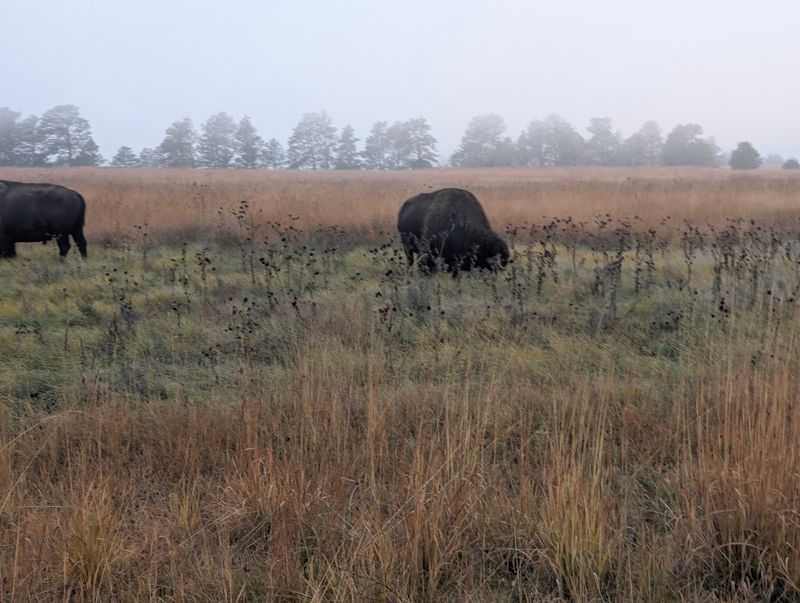
The Niobrara River corridor is one of the most biologically diverse places in the entire Great Plains region. That is not an exaggeration.
The area sits at the crossroads of multiple ecosystems, including eastern deciduous forest, western ponderosa pine forest, and northern boreal forest. Those overlapping habitats create an extraordinary variety of plant and animal life.
Bald eagles are a regular sight along the river, especially during migration season when they gather in impressive numbers.
White-tailed deer, wild turkeys, and beaver are common year-round residents. The Fort Niobrara National Wildlife Refuge adds bison and elk to the mix, making the whole region feel almost like a living wildlife exhibit without any fences.
Birders particularly love this stretch of river because the transition zones between forest types attract species from multiple regions simultaneously.
Over 200 bird species have been recorded in the Niobrara Valley. The river itself supports healthy populations of fish, turtles, and amphibians in its clear, spring-fed waters.
Visiting the Niobrara without spending at least some time watching wildlife is like going to a concert and leaving before the headliner. The animals here are absolutely part of the main event.
Where The River Turns Into A Spectacle
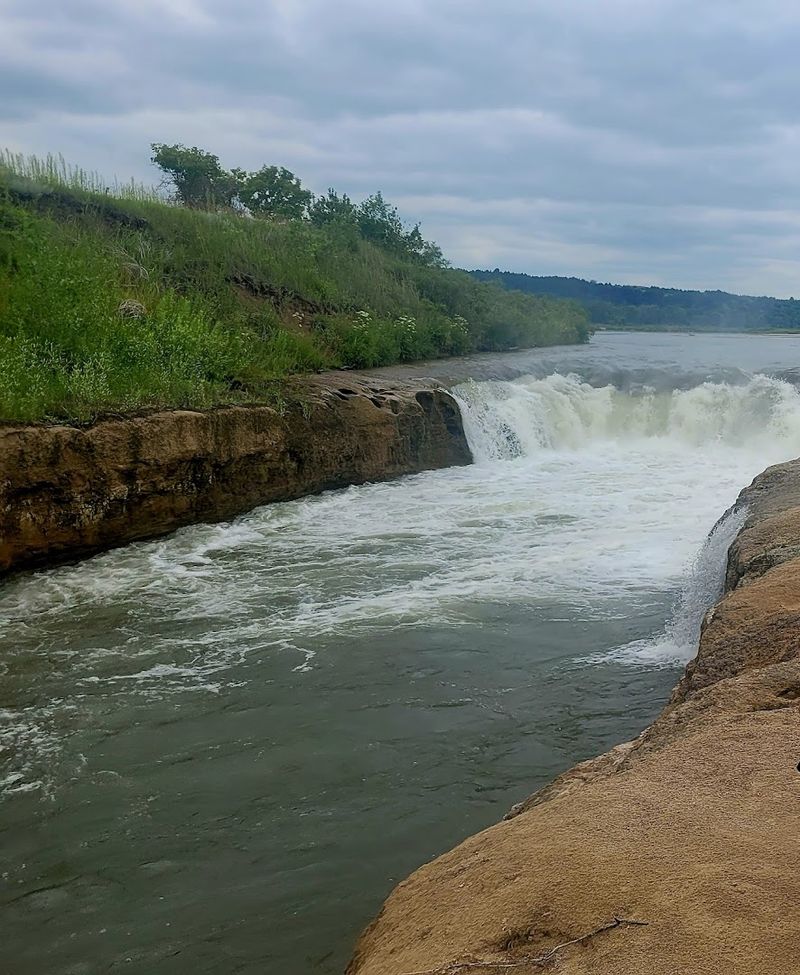
Norden Chute is one of the Niobrara River’s most dramatic features, and it does not need a traditional waterfall label to earn serious respect.
Located along the scenic corridor, this natural hydraulic feature forces the entire river through a narrowed rocky channel, creating a surge of white water that genuinely resembles a waterfall in motion. The energy here is absolutely electric.
The chute is a landmark for river paddlers, who typically need to portage around it rather than attempt to paddle through.
That moment of stepping out of a canoe and carrying it around the chute is one of those river experiences that becomes a story you tell for years. The sound alone is worth the trip.
From the riverbank, watching the water funnel through Norden Chute is mesmerizing in a way that is hard to put into words. The force of the current creates mist, sound, and a constant visual spectacle that holds your attention completely.
It is a reminder that rivers are living, dynamic systems with their own rules and rhythms. The Niobrara does not ask for your attention.
It commands it, and Norden Chute is where that command is loudest and most undeniable.
Planning Your Visit To The Niobrara Near Valentine
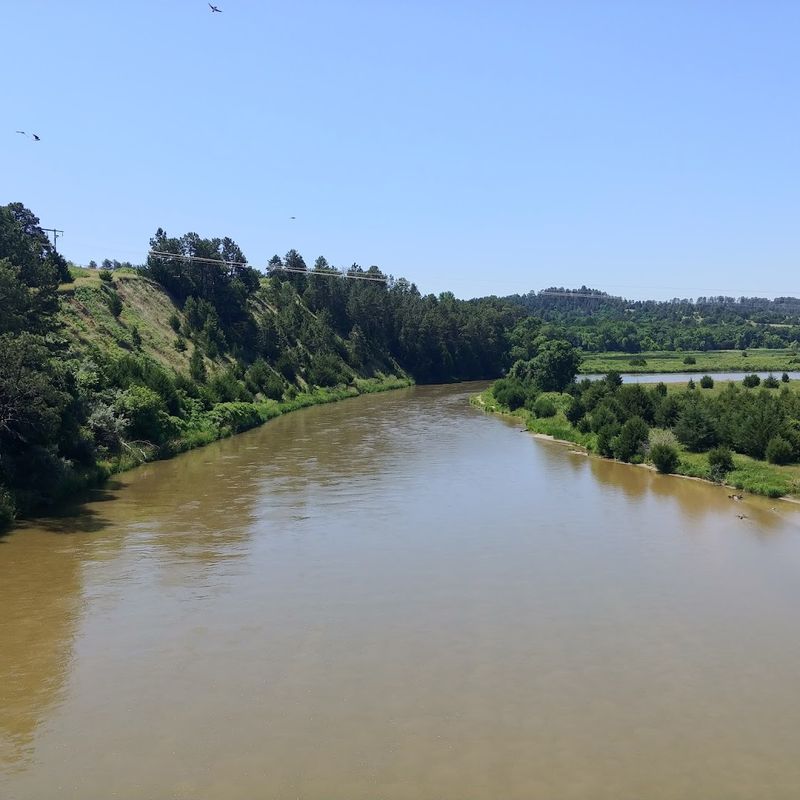
Getting to the Niobrara River is easier than most people expect, and Valentine, Nebraska serves as the perfect home base for the whole adventure.
The town sits right in the heart of the region, with access to Smith Falls State Park, Fort Niobrara National Wildlife Refuge, and multiple outfitter rental locations all within a short drive. It is a genuinely well-positioned launch pad.
The best time to visit is late May through early September, when water levels are ideal for floating and trails are fully accessible.
Summer weekends can get busy near the most popular launch points, so arriving early in the morning gives you a much more peaceful experience. Weekdays are even quieter, which means more elbow room at the waterfalls.
Camping is available at Smith Falls State Park and other locations throughout the region, letting you extend your stay and explore at a relaxed pace.
Bringing layers is smart because canyon temperatures near the springs and waterfalls can feel significantly cooler than the surrounding plains.
The Niobrara National Scenic River is federally designated and protected, which means it will be here waiting for you exactly as magnificent as promised.