
This June A Traditional Finnish Midsommar Festival Is Happening In Michigan
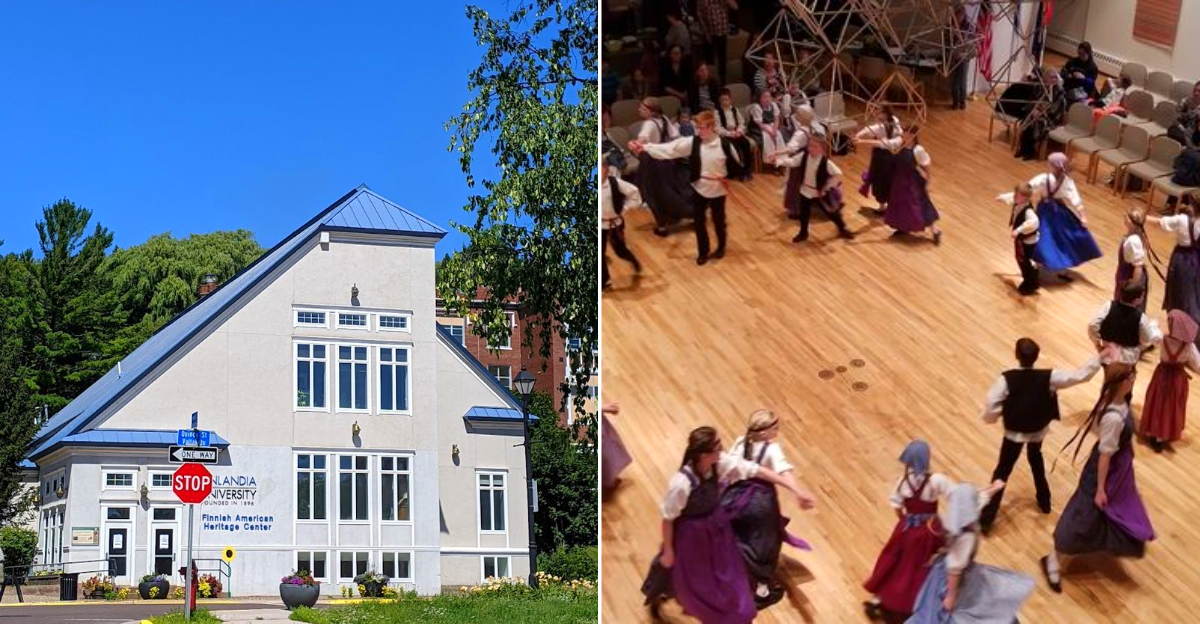
The Upper Peninsula of Michigan holds one of the highest concentrations of Finnish-American heritage in the United States.
This June the city of Hancock is making that lineage impossible to ignore with a solstice celebration that transforms the town into a full-scale Finnish midsummer party complete with blazing bonfires, traditional music, and a wife-carrying contest.
This place has been designated the 2026 Finno-Ugric Capital of Culture. The programming goes well beyond the typical small-town summer festival.
There’s a Tori Market filled with Finnish goods, folk school workshops covering everything from weaving to timber framing, and cold plunges following communal saunas because no Finnish celebration would be complete without one.
Visitors to Michigan’s Upper Peninsula in June can experience Hancock’s Juhannus Summer Solstice Celebration, where Finnish bonfires, traditional music, and a deep sauna culture turn a small Keweenaw town into the state’s most unexpectedly Nordic summer destination.
Treat This Year As A Bigger Cultural Moment
Some festivals feel local in a small way. Hancock’s 2026 Juhannus feels local and international at once, because the city has been named the 2026 Finno-Ugric Capital of Culture.
That means the midsummer weekend is not just a seasonal celebration, but part of a larger exchange of language, heritage, music, and identity.
You notice it in the programming, which reaches beyond a single stage or market. Expect traditions, stories, and performances connected to Finno-Ugric cultures, with the festival organized through Visit Keweenaw, the City of Hancock, and Copper Country Finns & Friends.
If you can, look at the full schedule before arriving, because this is the year when the context matters as much as the spectacle.
Make Time For The Kokko Bonfires
The Juhannus Summer Solstice Celebration in Hancock, Michigan, takes place from June 17th to 21st, 2026.
Fire behaves differently beside cold northern water. At Juhannus, the kokko bonfires are among the clearest links to Finnish midsummer tradition, and Hancock stages them in fitting places such as Hancock Beach and Porvoo Park.
The setting matters, because a bonfire by the water feels ceremonial before it feels decorative.
Arrive early enough to settle in and watch the shoreline fill up. The light lingers late in June, so the transition from bright evening to flame-lit gathering happens slowly, almost theatrically, without needing any special effects.
If you are choosing only one signature festival image to carry home, make it this one: people facing the water, the fire rising, and daylight refusing to leave.
Try The Sauna And Cold Plunge With Respect
Steam, fresh air, and very cold water can reorganize a whole day. Sauna and cold plunges are part of the authentic Finnish wellness thread running through the festival, and they make more sense here than they do in trendy city spas.
In Hancock, the experience sits inside a real cultural tradition rather than beside one.
This is the place to approach it thoughtfully, not as a dare. Bring what you need, follow posted guidance, and pay attention to how organizers structure access and etiquette.
I like how the ritual changes the pace of the event, giving the body something to do besides walking, watching, and snacking. It turns midsummer from a spectacle into something felt in your skin.
Stay For The Music And Dancing
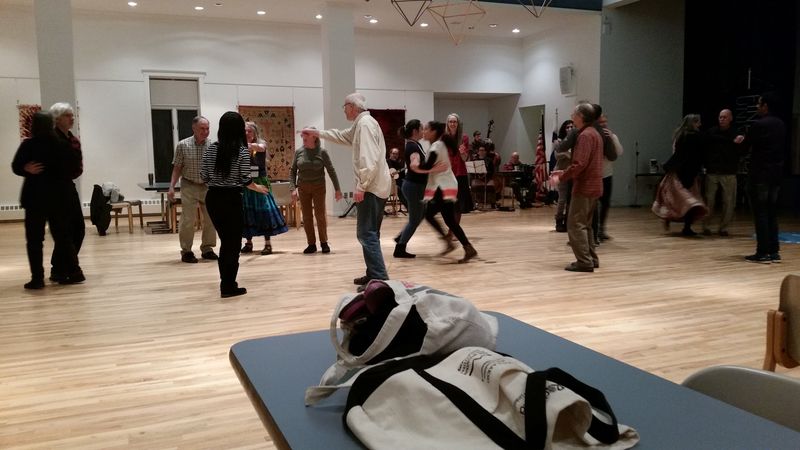
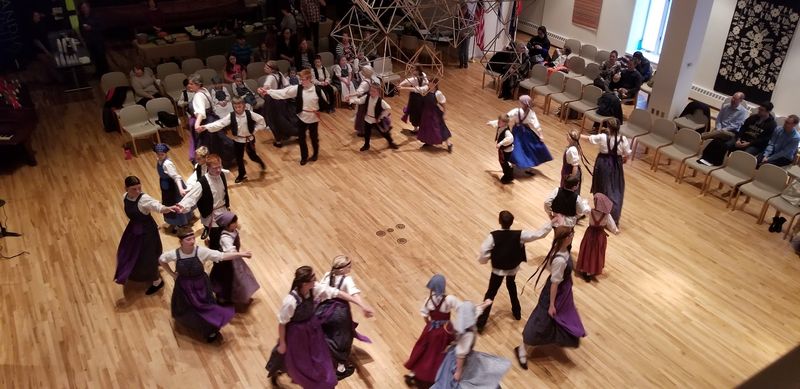
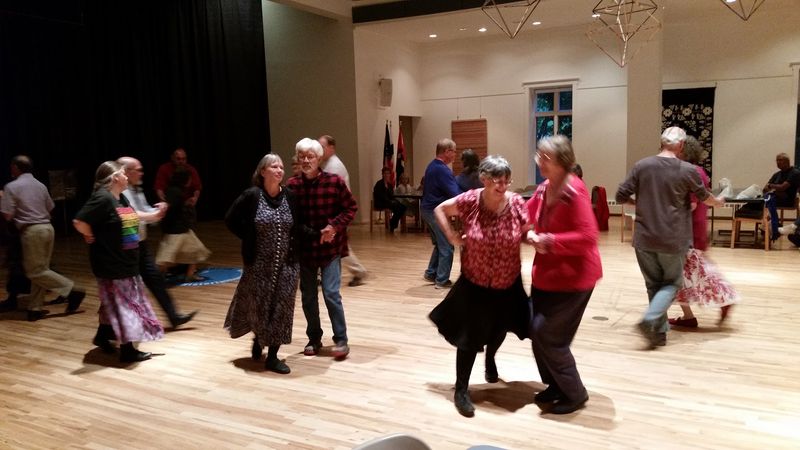
Before you identify a melody, you notice the lift in the crowd. Live Finnish music and traditional dance are central parts of Juhannus in Hancock, and they give the festival its pulse.
A performance here does more than entertain, because it ties movement, memory, and community into one public language.
The best approach is not to treat the stage as background. Pause, listen closely, and let one set pull you in rather than drifting past everything at half attention.
Programming may include both traditional forms and related cultural performances, especially in a year with expanded Finno-Ugric focus. If you are traveling with someone who loves museums more than festivals, this is often the moment when their expression changes and the visit suddenly clicks.
Watch The Wife-Carrying Contest For Pure Midsummer Energy
A wife-carrying contest is the kind of event that sounds invented by a novelist, yet it is a real highlight of Hancock’s Juhannus. The competition brings a burst of playful athletic energy to a festival that otherwise moves between heritage, food, workshops, and ritual.
It also draws the sort of crowd that laughs loudly and then stays to talk.
Even if contests are not usually your thing, this one is worth catching because it reveals the festival’s range. Juhannus is not solemn, and Hancock does not present Finnish tradition as something sealed behind glass.
Find a good viewing spot early, especially if you want photos, and expect the mood to be buoyant, communal, and slightly gloriously ridiculous in the best possible way.
Browse The Tori Market Instead Of Rushing Through It
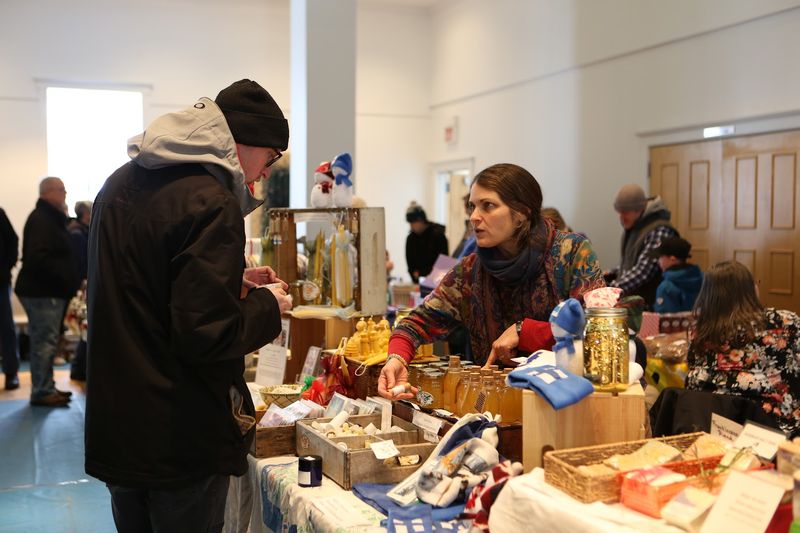
Market stalls can blur together fast if you treat them as scenery. The tori market at Juhannus deserves slower attention, because it is where objects, crafts, and conversation meet the festival’s larger cultural purpose.
You are likely to find Finnish goods and related handmade items that feel specific to place rather than generic souvenirs.
This is also where the social temperature of the event becomes easiest to read. People linger, ask questions, compare memories, and carry away small purchases that seem to anchor the day.
I would not schedule this for your most hurried hour, because the appeal is cumulative. Give yourself time to circle back, notice what keeps catching your eye, and leave room for the traditional games nearby.
Use The Lectures And Workshops To Deepen The Visit
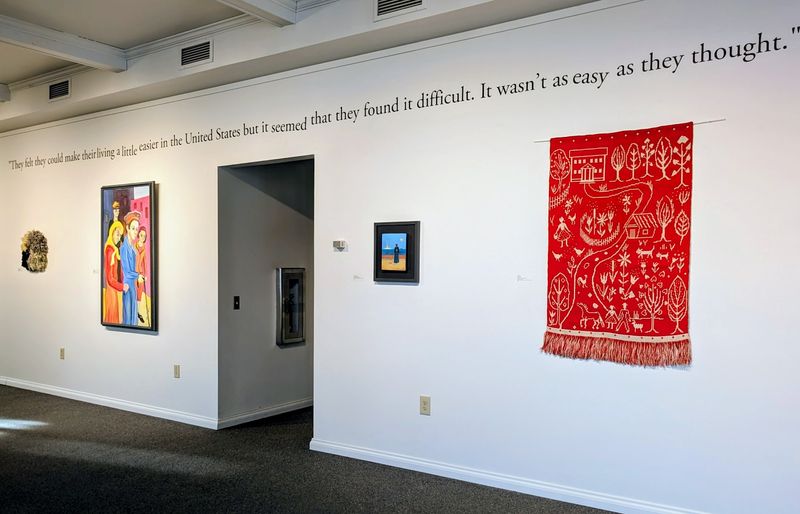
Not every memorable festival moment is noisy. Hancock’s Juhannus includes lectures, demonstrations, and workshops that can cover Finnish American history, kantele music, traditional singing, and even Finno-Ugric flags, which gives the weekend an unusually thoughtful backbone.
These sessions keep the celebration from flattening into a photo opportunity.
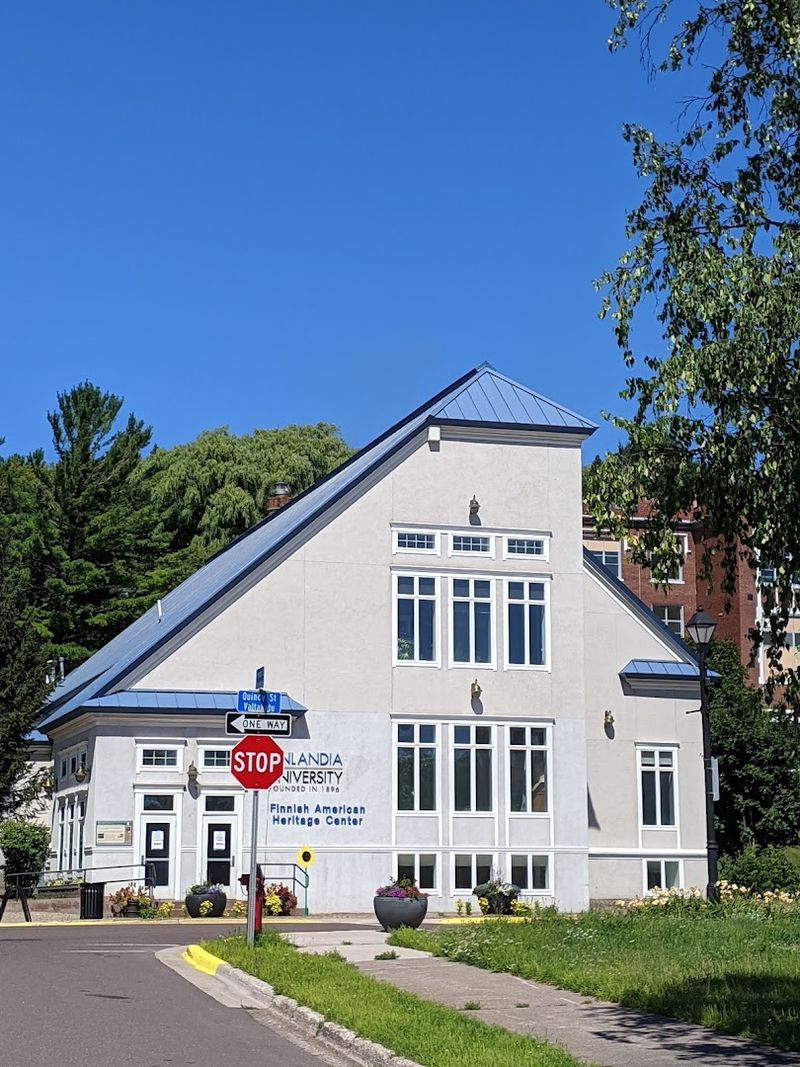
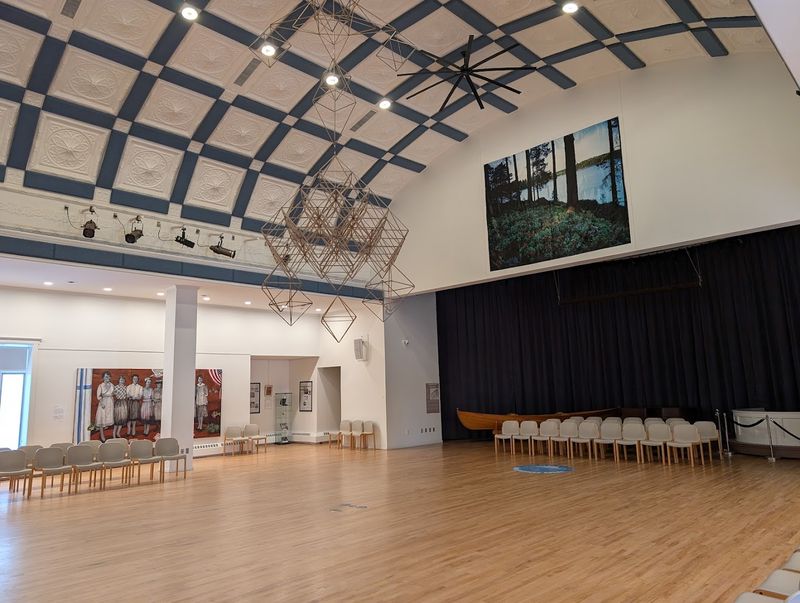
The venues matter too, especially when events are held in places tied to local heritage such as the Finnish American Heritage Center or community spaces downtown. Pick at least one session that teaches you something specific, not just something charming.
A practical workshop or focused talk can sharpen everything you notice afterward, from song lyrics to symbols on display. It is the difference between attending and actually understanding where you are.
Do Not Miss The Midsummer Pole Raising
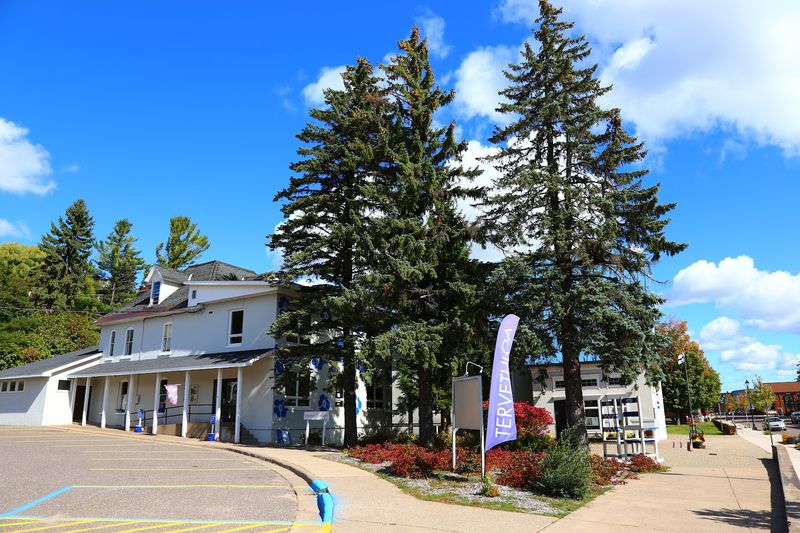
There is something wonderfully old-fashioned about building a day around raising a pole. The midsummer pole tradition, shared across Nordic solstice customs, appears in Hancock’s Juhannus as one of the festival’s most legible ceremonial moments.
Even if you arrive knowing little about it, the visual clarity of the act makes its significance easy to grasp.
Stand close enough to see the practical work involved rather than watching from too far back. Traditions like this become more interesting when you notice hands, coordination, and timing instead of only the finished symbol.
Because the June daylight stretches so generously, the whole scene can feel suspended outside normal schedule. It is less dramatic than the bonfire, perhaps, but in some ways more intimate and revealing.
Come Hungry For Classic Juhannus Foods
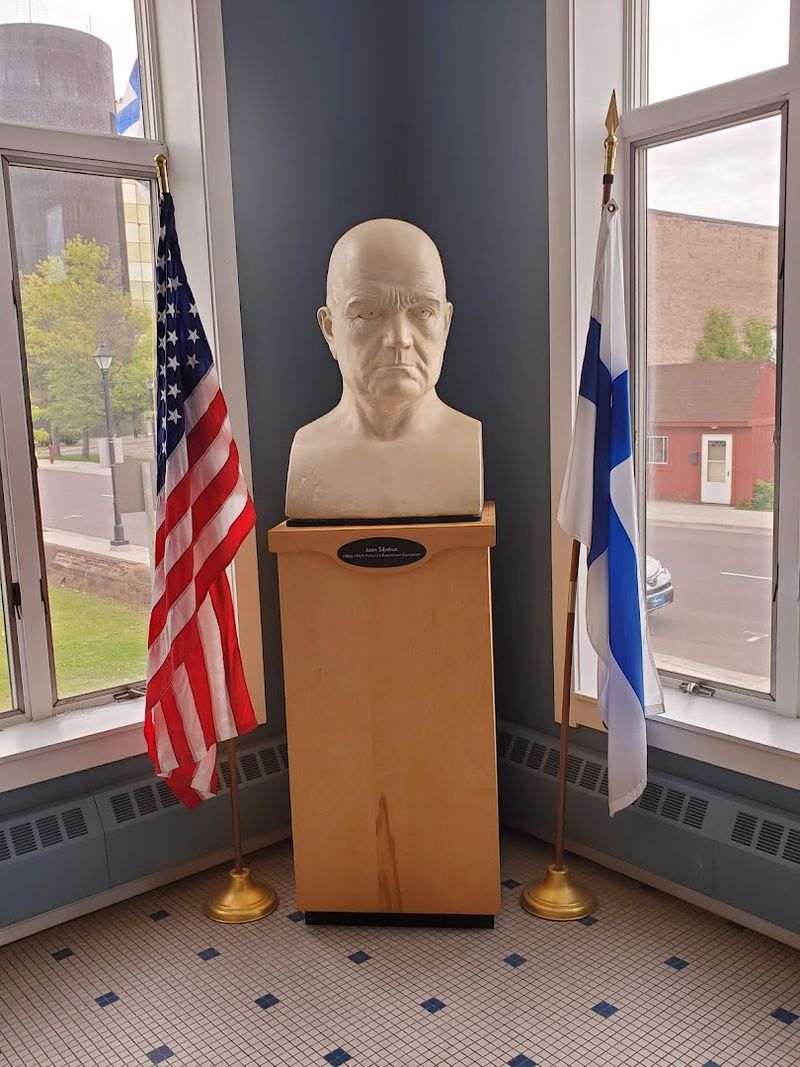
The food at midsummer should taste like the season has finally committed. Juhannus in Hancock highlights traditional foods associated with the celebration, including grilled dishes such as sausages and fish, new potatoes with dill, and fresh strawberries.
The menu reads simple on paper, but simplicity is exactly the point here.
These are foods that suit long daylight, lakeside air, and a festival pace that encourages grazing between events. Instead of hunting for the most elaborate plate, lean toward the items tied most clearly to the tradition.
They tell you more about the occasion than anything fancy could. If strawberries are available when you pass a vendor, do not put them off for later.
Midsummer food is best enjoyed in rhythm with the day, not as an afterthought.
Use The Long Daylight To Your Advantage
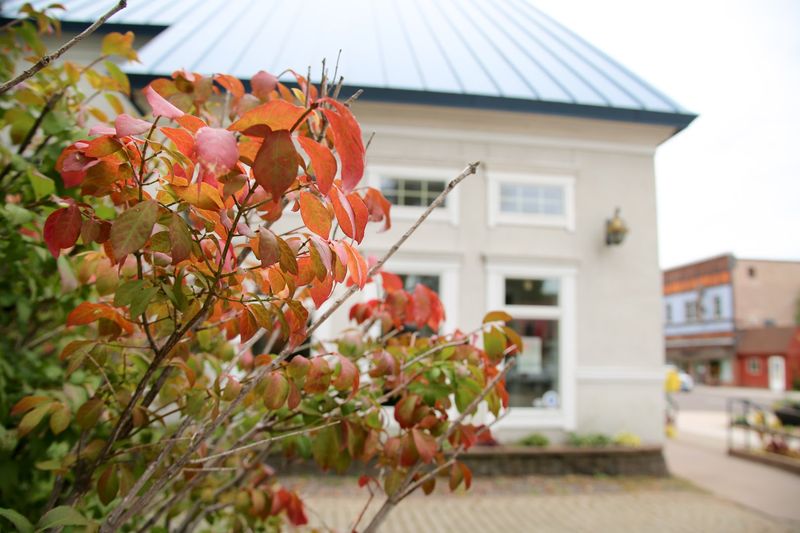
In late June, Hancock keeps light far longer than your body expects. That extended daylight is not just a pleasant backdrop to Juhannus, but one of the festival’s active ingredients, letting events flow deep into the evening without the abrupt feeling of nightfall.
The town seems to loosen around the edges as the hours stretch.
This changes how you should plan your day. Start steadily rather than sprinting through the afternoon, build in breaks, and save some energy for the late gatherings when the atmosphere turns especially memorable.
I found that the light altered distance too, making walks between venues feel easier and more cinematic than they would on an ordinary schedule. Solstice celebrations are about time as much as programming, and Hancock makes that beautifully obvious.
Plan For Multiple Venues Across Town
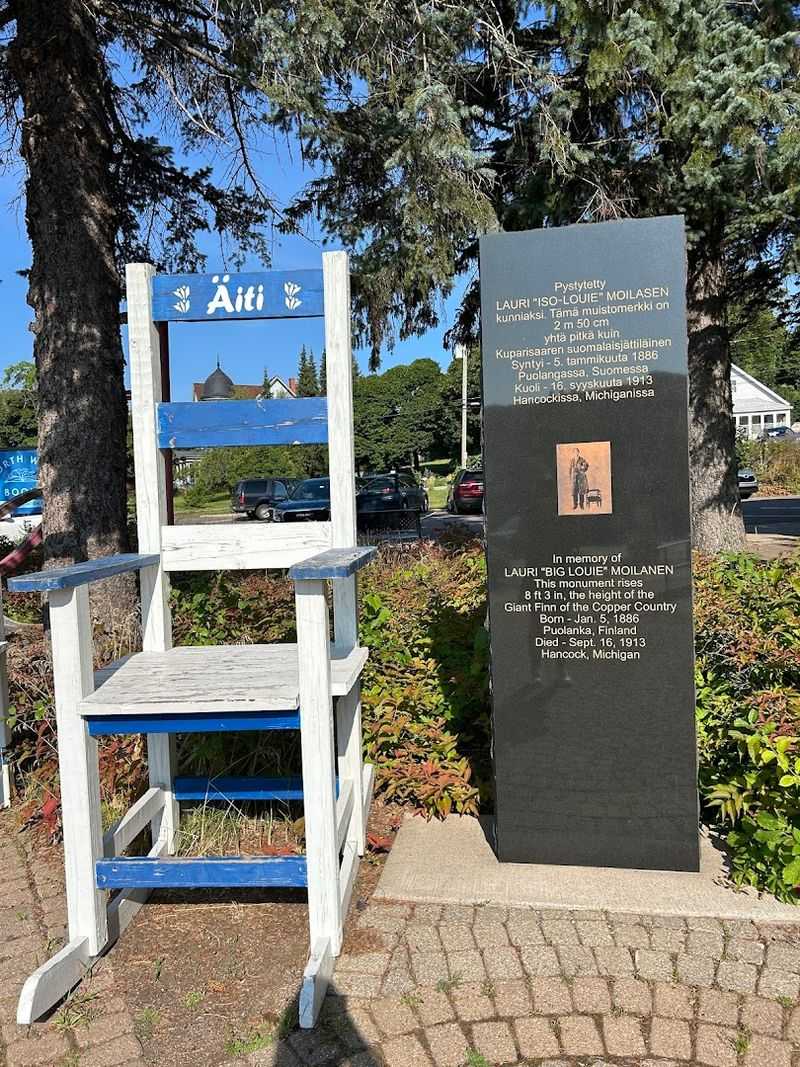
One of the smartest things you can do is accept that Juhannus in Hancock is a town-wide experience.
Events are spread across venues including the Finnish American Heritage Center, Hancock Community Hub, Quincy Green, Hancock Beach, Porvoo Park, and Hancock High School, so your day will likely involve some movement.
That variety helps the festival feel woven into the city rather than confined to one fenced site.
Practical planning matters here more than people expect. Check the schedule in advance, group nearby activities together, and leave transition time so the day does not become a march.
Different settings also bring out different moods, from lakeside ritual to indoor learning to open-air celebration. Hancock rewards visitors who treat geography as part of the story, not an inconvenience.