
You’ll Feel A Million Miles Away On This Secluded South Carolina Island

There are still places in South Carolina where nature gets the final say.
Bull Island is one of them.
No hotels line the shoreline. No traffic hums in the background.
And once the ferry pulls away, the modern world begins to feel surprisingly distant.
That is what makes this place so unforgettable.
Located within the Cape Romain National Wildlife Refuge, Bull Island offers a glimpse of coastal South Carolina before development transformed much of the shoreline. The beaches feel endless.
The forests feel untamed. And the wildlife often seems to outnumber the people.
Every visit feels like an expedition.
You might spot alligators gliding through quiet waters, shorebirds gathering along the coast, or dolphins surfacing offshore. Around every bend, the landscape reveals another reminder that this island belongs to nature first.
That sense of wildness is becoming increasingly rare.
For travelers searching for a different side of South Carolina, Bull Island delivers an experience that feels less like a day trip and more like stepping into a forgotten world.
Ferry Access Only
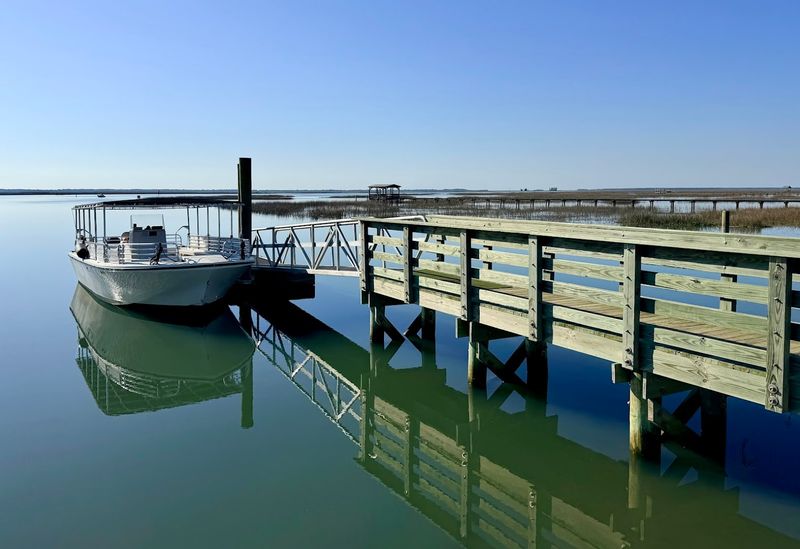
Getting to Bull Island requires a ferry ride that sets the tone for everything that follows. The boat departs from Garris Landing, carrying visitors across the Intracoastal Waterway to this roadless sanctuary.
I watched dolphins playing in the wake during my crossing, their fins cutting through the water like living exclamation points. The captain shared stories about the island’s history while pointing out osprey nests and explaining the tidal patterns that shape this coastline.
No cars, no roads, no buildings beyond a simple dock mean you arrive prepared to walk and explore on nature’s terms. I packed water, snacks, bug spray, and comfortable shoes, knowing the island offers zero commercial amenities.
The ferry schedule dictates your day, with morning drop-off and afternoon pickup creating a perfect window for adventure. That forced simplicity became my favorite part, removing any temptation to rush or check my phone.
Stepping onto that dock felt like stepping back in time to when barrier islands existed purely for wildlife, not development.
Boneyard Beach
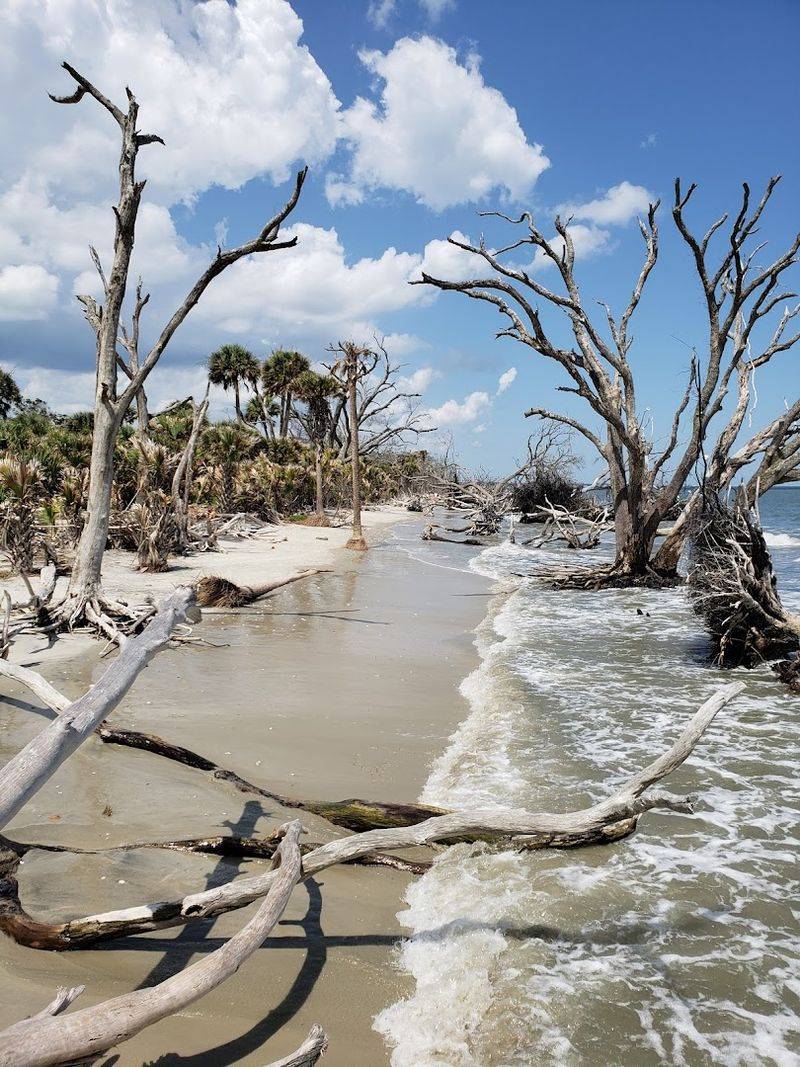
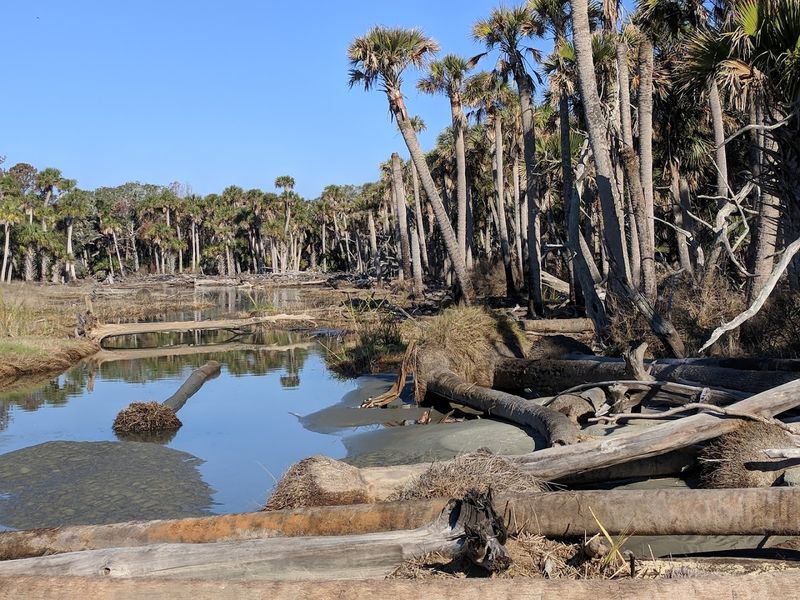
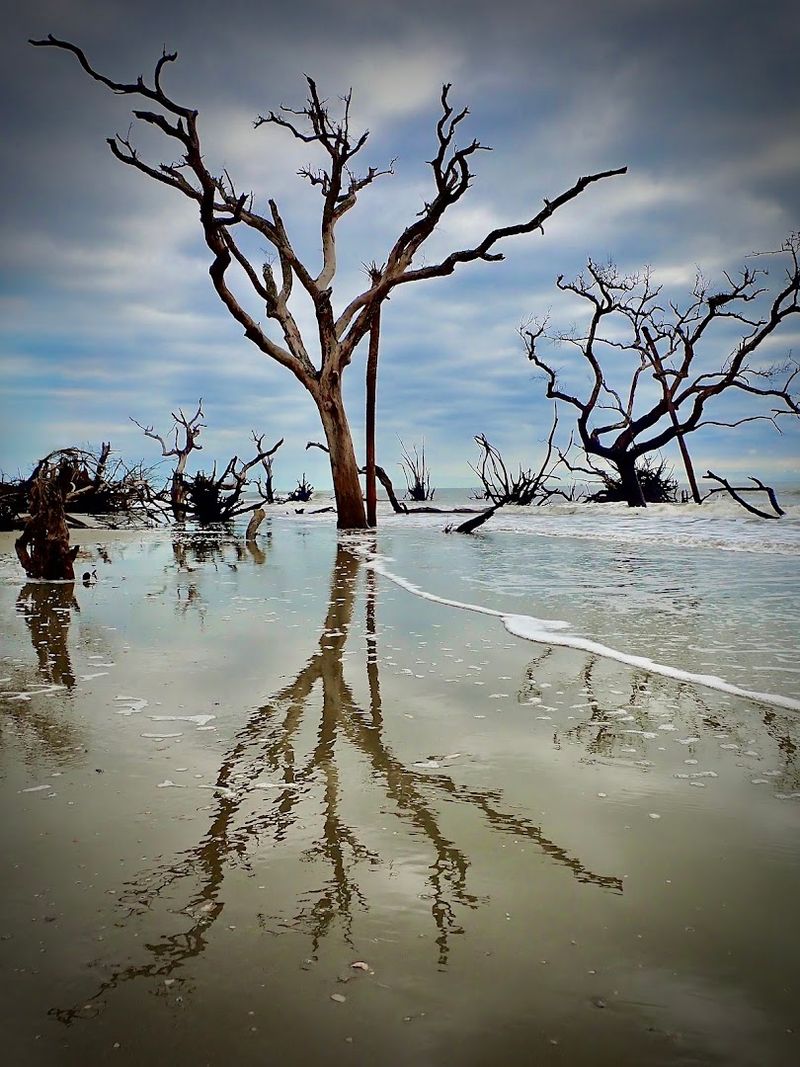
Walking onto Boneyard Beach stopped me in my tracks the first time I saw those ghostly tree skeletons sprawled across the sand. Erosion claimed this maritime forest gradually, leaving behind sculptural driftwood that creates one of the most photogenic beaches I’ve encountered.
The bleached trunks and twisted branches form natural obstacle courses that beg to be explored and photographed. I spent an hour just wandering among them, marveling at shapes that looked like abstract art installations.
Timing your visit matters here because high tide can make reaching Boneyard Beach tricky or impossible. I learned this the hard way during my second visit, finding the route blocked by water and having to backtrack through dense brush.
The beach stretches for what feels like forever when you finally reach it, with shells, sand dollars, and the constant soundtrack of waves. I collected a handful of whole sand dollars during one lucky low-tide visit, finding them half-buried in wet sand.
Every photograph I took failed to capture the haunting beauty of those sun-bleached trees against blue sky and ocean.
Alligator Encounters
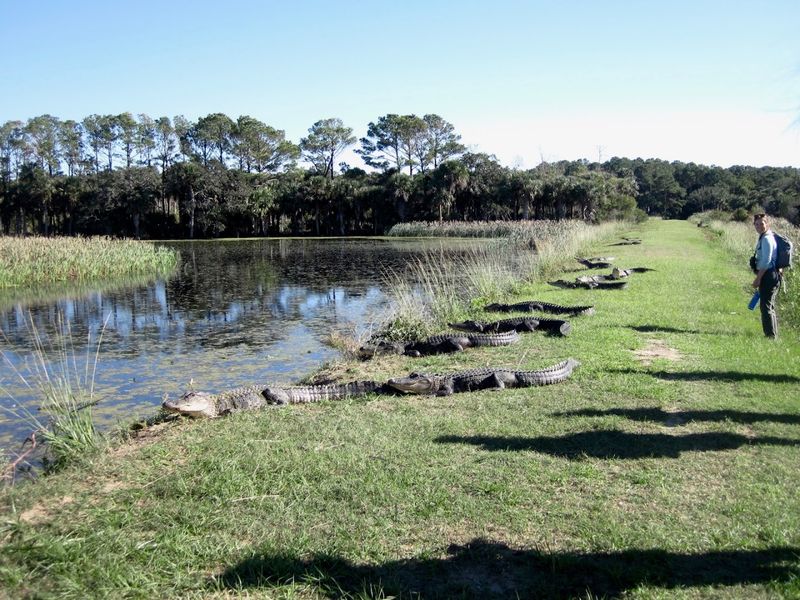
Bull Island earned its nickname among locals as having more alligators per acre than almost anywhere else in South Carolina. I spotted my first gator within ten minutes of starting down the trail, a six-footer sunning itself beside a freshwater pond.
The trail called Alligator Alley lives up to its name spectacularly, winding past creeks and ponds where mature alligators lounge like scaly logs. I counted eight during one walk, ranging from adolescents to adults that looked positively prehistoric.
These reptiles generally slide into the water when humans approach, preferring to avoid confrontation. But I kept my distance anyway, respecting their space and remembering the reviews warning about getting between gators and their escape routes.
Seeing them in this wild setting felt completely different from zoo visits or roadside attractions. Here they belonged, and I was the visitor in their domain.
I found myself scanning every waterway and pond edge automatically after a while, turning alligator-spotting into an addictive game. The thrill of seeing one never quite wore off, even after multiple sightings throughout the day.
Maritime Forest Trails
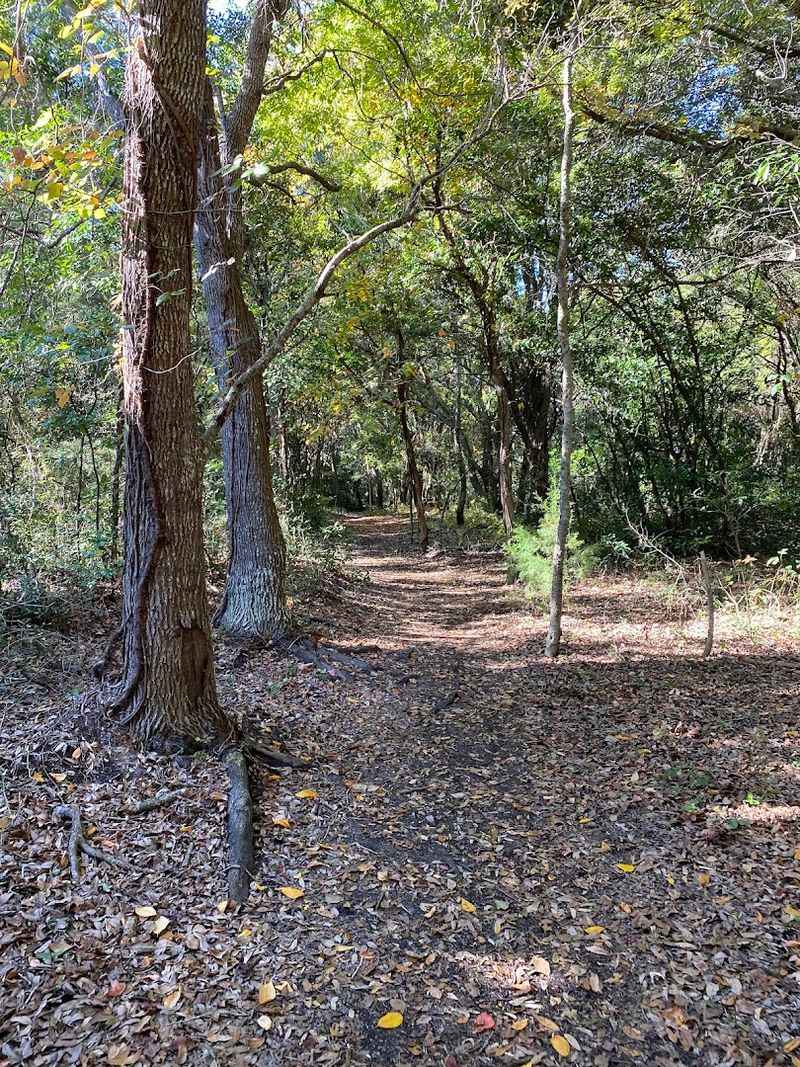
The trail system crisscrosses Bull Island through tunnels of live oaks draped in Spanish moss and palmetto thickets that rustle in the breeze. I picked up a trail map at the dock and quickly realized I could spend days exploring without covering everything.
These paths range from easy walks to more challenging routes that require waterproof boots during certain seasons. I sloshed through ankle-deep water in a few spots, grateful I’d heeded the advice about proper footwear.
The forest creates its own microclimate, cooler and shadier than the exposed beaches, offering relief during warmer months. Bird calls echoed through the canopy while I walked, creating a natural symphony that shifted with every bend in the trail.
Trail markers keep you oriented, though I still managed to take one wrong turn and add an extra mile to my hike. The detour led past a particularly beautiful stretch of creek where I watched a great blue heron fishing in the shallows.
Every trail eventually connects to either beach or wetland, creating endless combinations for customizing your route based on time and energy.
Bird Watching Paradise

Serious birders travel from across the country to add Bull Island species to their life lists, and I understood why within my first hour. The variety seemed endless: plovers skittering along the surf line, ospreys diving for fish, pelicans cruising in formation overhead.
I spotted a bald eagle nest during one visit, watching the massive birds tend their young from a respectful distance. The sight of that white head against blue sky gave me goosebumps despite having seen eagles before.
Waterfowl crowd the ponds and creeks, including loons, terns, gulls, and oyster catchers with their distinctive orange bills. I started keeping a running tally but gave up after reaching twenty species, realizing I lacked the expertise to identify everything I saw.
Bringing binoculars transformed the experience, letting me observe details impossible to see with naked eyes. I watched a tern parent feeding chicks, saw the iridescent sheen on a grackle’s feathers, and caught a kingfisher mid-dive.
The seasonal migrations bring different species throughout the year, meaning every visit offers new sightings and surprises for patient observers.
Pristine Beach Solitude
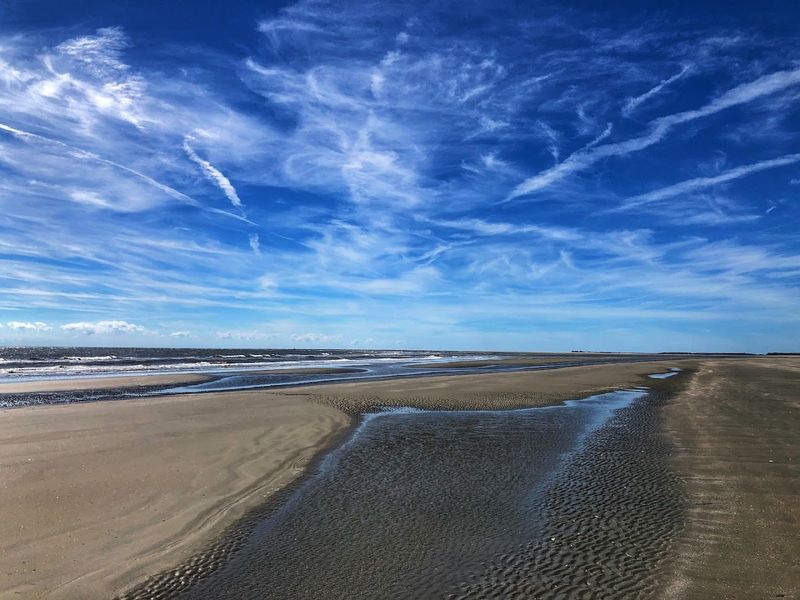
Walking Bull Island’s ocean beach felt like having a private stretch of Atlantic coastline all to myself. I encountered maybe three other people during four hours of beachcombing, a stark contrast to crowded resort beaches just miles away.
The sand stretches smooth and unmarked except for bird tracks and crab holes, inviting barefoot walks that seem to go on forever. I left my shoes behind and felt the packed sand cool beneath my feet, watching ghost crabs scuttle sideways into their burrows.
Shells scatter across the beach in quantities that made me wish I’d brought a bigger bag. I found whelks, scallops, moon snails, and dozens of varieties I couldn’t name, plus those prized whole sand dollars mentioned in reviews.
The waves roll in with hypnotic rhythm, creating white noise that drowns out every worry and distraction. I sat watching the horizon for thirty minutes straight during one visit, mind finally quiet after weeks of chaos.
No lifeguards, no umbrellas, no vendors selling cold drinks means you come prepared and self-sufficient, which somehow makes the experience feel more authentic and earned.
Day Trip Planning
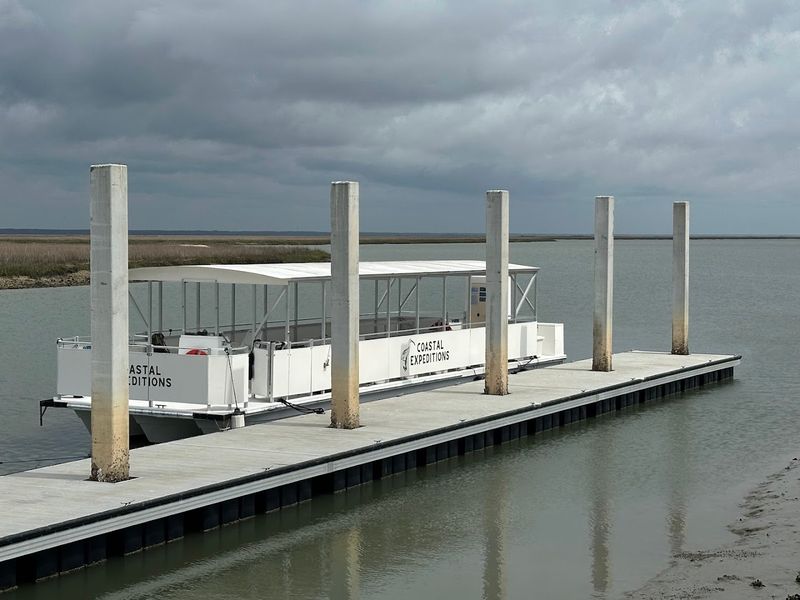
Successfully visiting Bull Island requires more planning than typical beach trips, starting with checking the ferry schedule and making reservations. I learned to book well in advance during peak seasons after getting shut out during my first attempt.
Packing essentials became my pre-trip ritual: plenty of water, lunch and snacks, sunscreen, bug spray, first aid supplies, and rain gear. The island offers zero facilities beyond the dock, meaning whatever you need must arrive in your backpack.
I always brought more water than seemed necessary, then drank every drop after hours of walking in humid coastal heat. Dehydration sneaks up quickly when you’re distracted by scenery and wildlife.
Checking tide charts helped me plan beach walks and avoid getting trapped like some reviews described. Low tide opens up routes that disappear completely when water rises, turning simple walks into challenging scrambles.
Cell service vanishes once you leave the mainland, so I downloaded trail maps beforehand and let someone know my plans. That forced disconnection became part of the appeal, creating space to be fully present without digital interruptions pulling my attention elsewhere constantly.
Wildlife Diversity
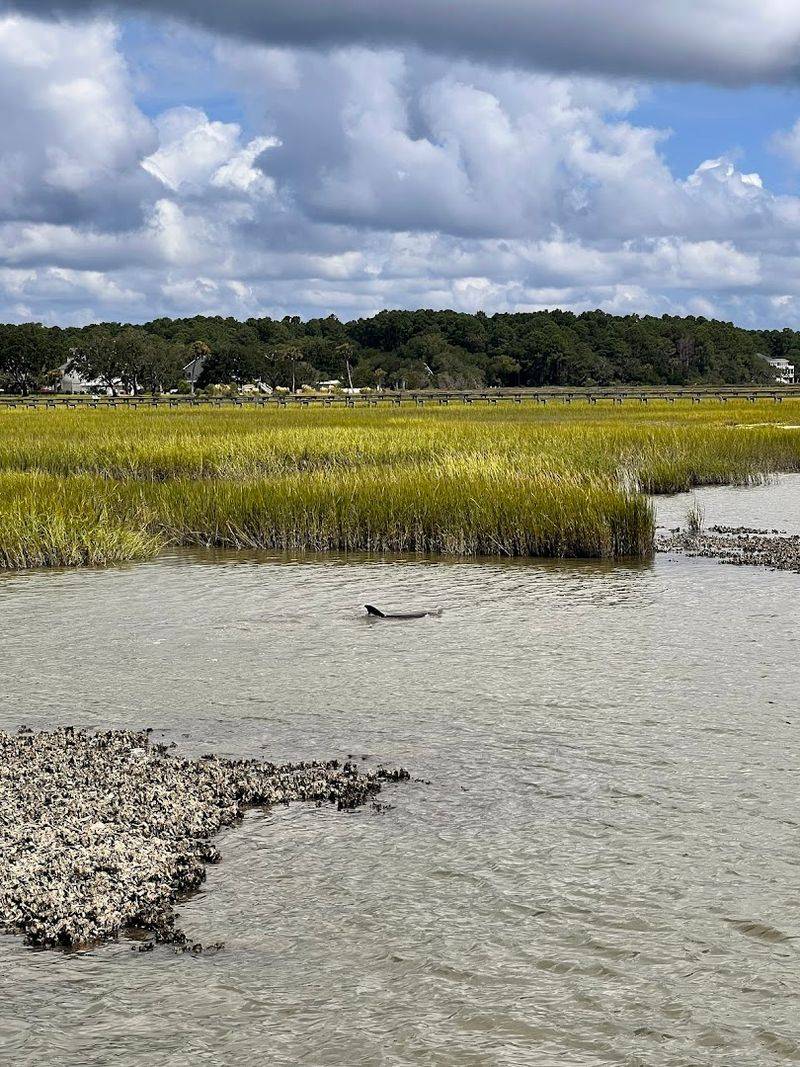
Beyond alligators and birds, Bull Island teems with creatures that reveal themselves to patient observers willing to look closely. I watched bottlenose dolphins during my ferry crossing, their sleek bodies arcing through the water in perfect synchronization.
Wolf spiders the size of my palm startled me on the trails until I learned they’re harmless and beneficial. I stopped jumping at every movement in the leaf litter and started appreciating these eight-legged residents.
Cannonball jellyfish washed up on the beach during one visit, their smooth amber bodies dotting the sand like alien spacecraft. I poked one gently with a stick, marveling at the texture and wondering about their lives offshore.
One reviewer mentioned spotting a water moccasin, reminding me to watch where I stepped in marshy areas. I never saw one myself but remained alert, especially near water where venomous snakes hunt.
The biodiversity creates an outdoor classroom where every visit teaches something new about coastal ecosystems. I found myself researching species after returning home, wanting to understand the complex relationships I’d witnessed, deepening my appreciation for this protected wilderness that functions without human interference.
Cape Romain National Wildlife Refuge
Bull Island forms part of Cape Romain National Wildlife Refuge, established to protect 66,287 acres of barrier islands, salt marshes, and coastal waters. Understanding this context transformed how I viewed my visits, recognizing I was exploring carefully managed wilderness.
The refuge designation means strict rules govern activities, prohibiting camping, fires, and anything that might disturb wildlife or habitat. I appreciated these restrictions after seeing how well they preserve the island’s wild character.
Refuge staff and volunteers lead educational programs and ferry tours, sharing knowledge that enhanced my appreciation for what I was seeing. I joined one guided walk and learned to identify plants, track animal signs, and understand tidal ecology.
The refuge protects critical habitat for endangered species including loggerhead sea turtles that nest on these beaches. I never saw turtle tracks myself but felt honored walking sand where these ancient mariners come ashore.
Federal protection ensures Bull Island will remain undeveloped, a rare guarantee in coastal South Carolina where development pressure constantly threatens wild places. Knowing future generations will experience this same wilderness made me feel part of something larger than a simple day trip.
Seasonal Variations
Bull Island reveals different personalities depending on when you visit, with each season offering distinct advantages and challenges. I’ve gone in spring, summer, and fall, finding completely different experiences despite exploring the same trails.
Spring brings migrating birds and wildflowers, plus cooler temperatures perfect for long hikes. I spotted more bird species during April than any other month, watching waves of migrants rest and feed before continuing their journeys.
Summer heat and humidity test your endurance, but longer days allow more exploration time if you start early. I learned to begin hiking immediately after the ferry arrived, saving beach time for late afternoon when temperatures moderated slightly.
Fall offers my favorite combination of comfortable weather, fewer bugs, and stunning light for photography. The marsh grasses turned golden during October, creating landscapes that glowed in late afternoon sun.
Winter visits mean bundling up but reward hardy souls with solitude and clarity, plus the chance to see waterfowl that spend cold months in southern wetlands. I’ve had the entire island essentially to myself during January trips, experiencing wilderness in its purest form without another human voice breaking the natural soundtrack.