
This Fascinating Colorado Railway Museum Feels Like A Trip Straight Back To The 1800s
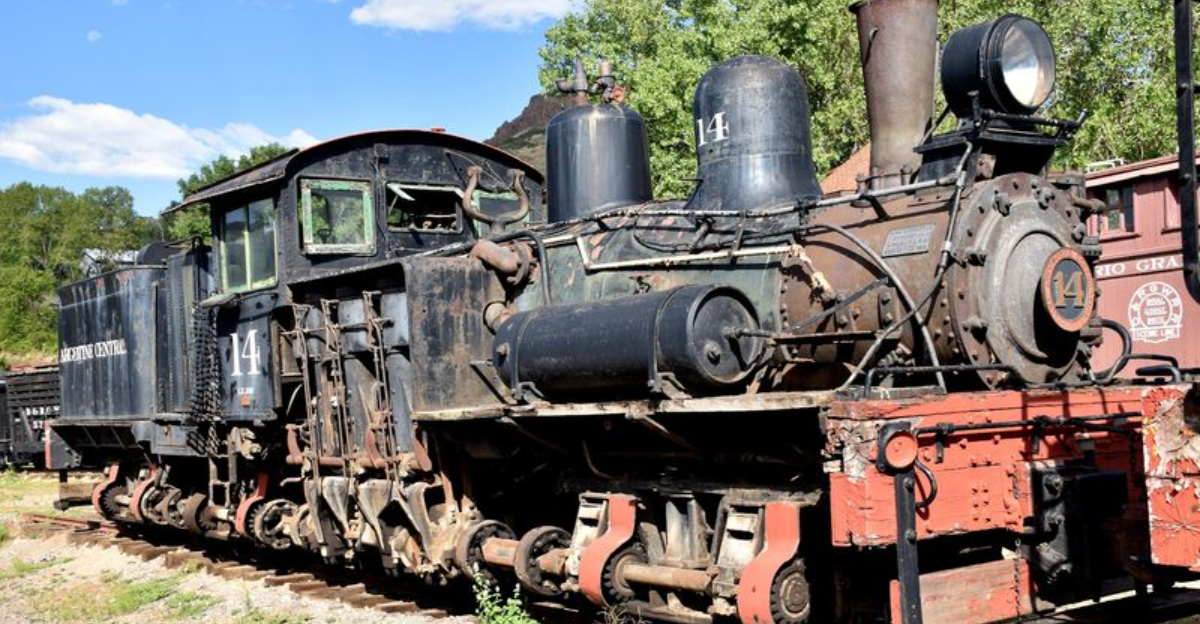
Free admission feels even better when the place turns out to be genuinely fascinating. In a scenic mountain town in Colorado, this small railway museum proves that history does not need a giant building or a steep ticket price to leave a lasting impression.
It preserves the story of narrow gauge railroads that once climbed, curved, and battled their way through some of the most challenging terrain in the American West.
The appeal is immediate: old rail equipment, local history, rugged engineering, and the sense that every artifact carries a piece of mountain travel from another era.
Even casual visitors can get pulled in by the scale of the ambition behind those tracks. Colorado’s rail history is full of grit, risk, and clever problem-solving, and this stop captures that spirit without feeling stuffy.
It is easy to visit on a whim, yet memorable enough to become the highlight of the drive.
Always Free And Always Open: The Museum That Welcomes Everyone
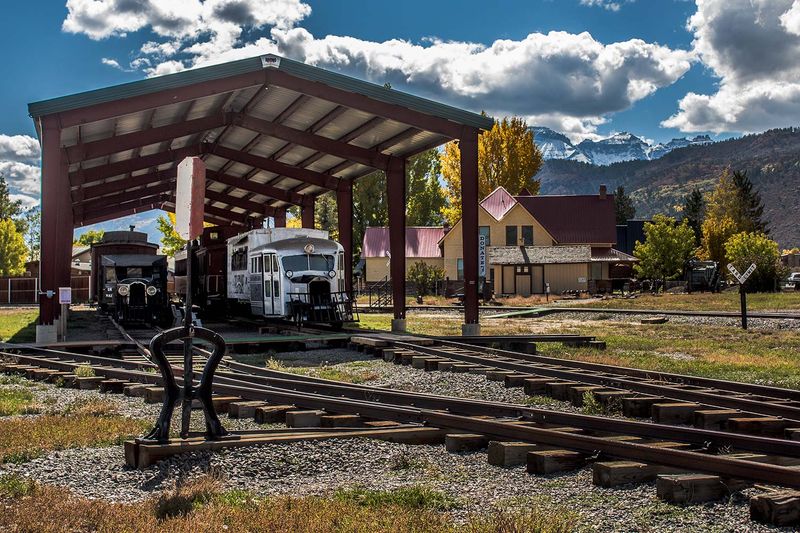
There are not many places left in this country where the welcome mat is permanently out, no membership required and no ticket window to navigate. This spot operates on a refreshingly simple promise: show up whenever daylight allows, and the history is yours to explore.
The outdoor grounds are accessible around the clock, and a self-guided tour sheet is available right at the walk-in entrance. Printed information panels are positioned throughout the site, giving visitors digestible, well-organized context without needing a guide on hand.
Platforms are even set up to help curious visitors peer inside the windows of historic rolling stock, which is a thoughtful touch that turns passive looking into genuine discovery.
Pro Tip: Pick up the self-guided tour sheet the moment you arrive. It maps out the exhibits clearly and helps you make sense of what you are looking at, especially if railroad history is new territory for you.
For road-trippers passing through the San Juan Mountains, this is the kind of unplanned stop that ends up being the highlight of the whole trip. No reservation, no fee, no debate: just pull over and walk in.
The Remarkable Story Of The Rio Grande Southern Railroad
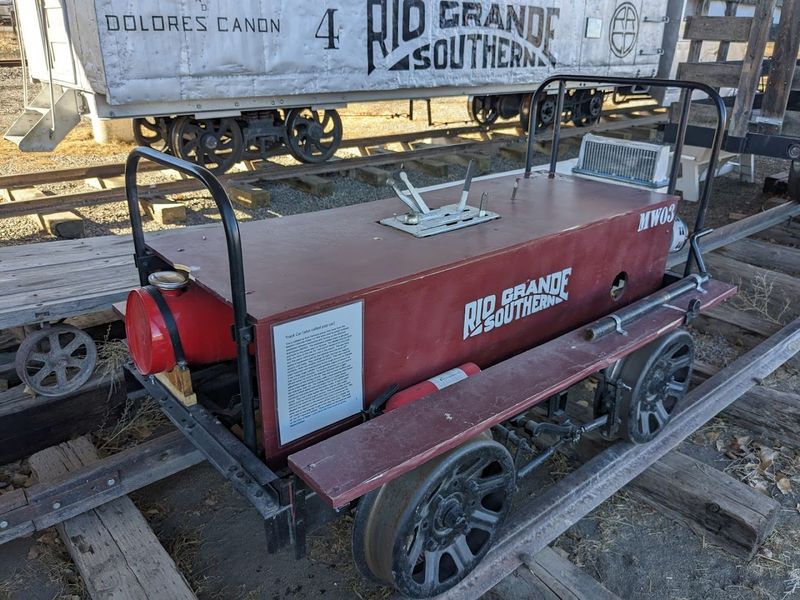
Few railroad stories in American history match the sheer audacity of the Rio Grande Southern. This narrow gauge line was engineered to tackle some of the most unforgiving mountain terrain Colorado could throw at a locomotive, threading through canyon walls and high-altitude passes that most engineers would have politely refused.
The Ridgway Railroad Museum exists largely to honor that legacy. Exhibits cover the line’s history in real depth, including its connection to the mining economy that once made this corner of Colorado hum with activity.
Books filled with original railroad documents, curated photograph collections, and small dioramas all work together to paint a vivid picture of what life along the line actually looked like.
The museum also preserves records and archives related to historic railroad infrastructure, including water tanks and trestles, giving history buffs a surprisingly granular look at the operational backbone of 19th-century mountain railroading.
Why It Matters: Understanding the Rio Grande Southern helps explain why towns like Ridgway exist at all. The railroad shaped the region’s economy, geography, and community identity in ways that still echo today.
For anyone curious about the American West beyond the usual frontier mythology, this is where the real engineering drama lives.
Meet The Galloping Geese: The Most Unusual Vehicles In Railroad History
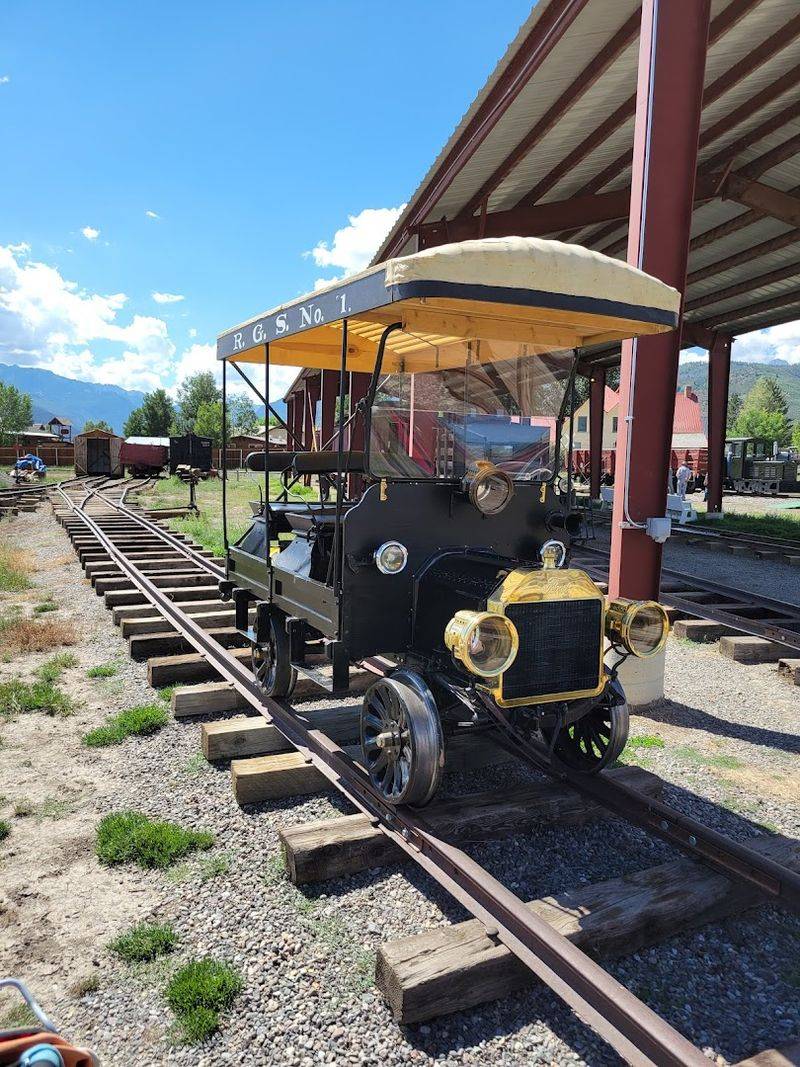
If you have never encountered a Galloping Goose before, prepare yourself for a vehicle that looks like it was assembled during a particularly creative afternoon. These hybrid contraptions, part automobile body and part railroad car, were the Rio Grande Southern’s ingenious answer to a very specific financial problem: how do you keep a railroad running when passenger numbers drop and budgets tighten?
The answer, apparently, was to bolt a bus body onto a rail chassis and call it a day. The result was ungainly, loud, and utterly charming, and it worked well enough to keep the line operational for years longer than anyone expected.
The museum is home to several of these famous machines, including a fully operational replica of Galloping Goose Number One. The restoration work on display is genuinely impressive, and the volunteers who carried it out are often on hand to walk you through what the process involved.
Fun Fact: During Railroad Week in September, the museum offers rides on the Geese, making it one of the rarest rail experiences available anywhere in the country.
Seeing one up close is worth the stop alone. Riding one is the kind of story you will still be telling years later.
Weekend Rides On A Demonstration Loop That Brings History To Life
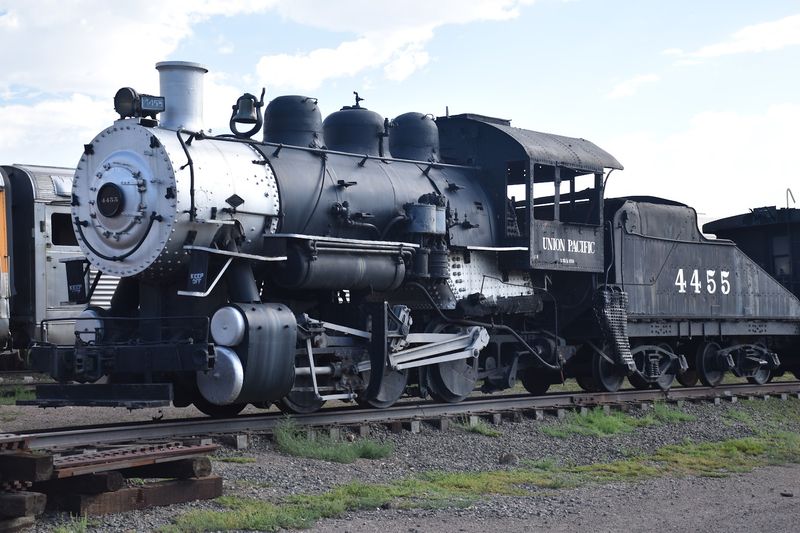
Reading about a railroad is one thing. Sitting on one as it moves is something else entirely, and the Ridgway Railroad Museum delivers that second experience on Fridays and Saturdays during the operating season.
The museum runs historic equipment on a custom-built demonstration loop, giving visitors an actual ride rather than just a stationary exhibit to photograph. For families with kids, this transforms the visit from an educational outing into something genuinely memorable.
Children who might drift past a printed panel will lock in the moment wheels start turning beneath them.
Visitors who have made the trip specifically for rides report that the experience holds up completely, even for adults who arrived with modest expectations. The combination of authentic equipment, knowledgeable volunteers, and the San Juan Mountain backdrop makes it feel less like a museum activity and more like a brief window into another century.
Best For: Families with curious kids, couples looking for a low-key but distinctive outing, and anyone who wants to say they rode a piece of living railroad history in the Colorado mountains.
Check the museum website before visiting to confirm operating days, since ride availability is specific to certain days and seasons. Planning around a Friday or Saturday visit is absolutely worth the small effort of checking ahead.
The Volunteers Who Keep This Whole Operation Running
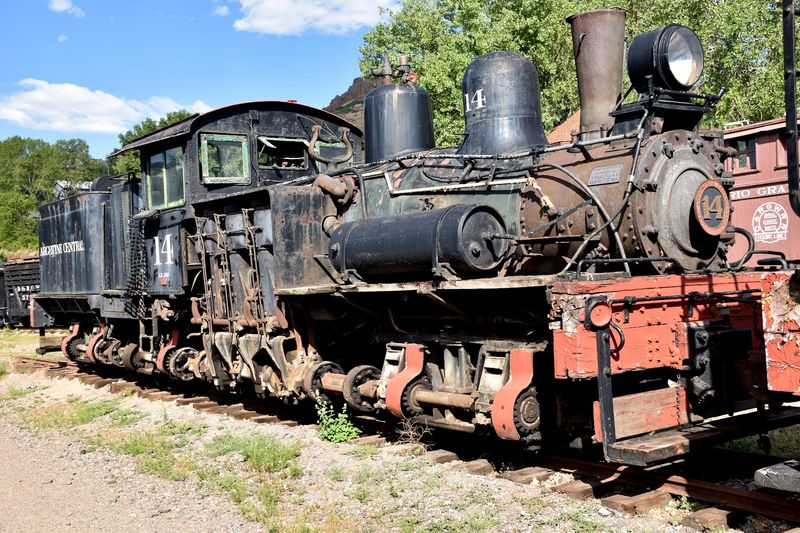
There is a particular kind of person who spends their Saturday explaining the finer points of narrow gauge locomotive restoration to complete strangers, and they are almost always the best part of any museum visit. At the Ridgway Railroad Museum, these volunteers are the living engine behind everything you see.
Visitors consistently note that the people staffing the museum are not just friendly in a vague, institutional way. They are genuinely knowledgeable, enthusiastic, and happy to spend real time with anyone who shows curiosity.
One visitor drove from Kentucky specifically to see Galloping Goose Number Four and ended up in a long conversation with a restoration volunteer who walked him through the entire backstory of the project.
The dedication behind the scenes is visible in the quality of the restoration work itself. Rolling stock has been carefully brought back to presentable condition, and the archival record-keeping reflects a level of commitment that goes well beyond casual hobby interest.
Insider Tip: If you want the richest experience, visit on a day when volunteers are present and ask questions freely. The stories they carry are not written on any panel, and they share them generously with anyone willing to listen.
This is a place run by people who genuinely care, and that energy is impossible to fake.
How To Plan Your Visit To Get The Most Out Of This Stop
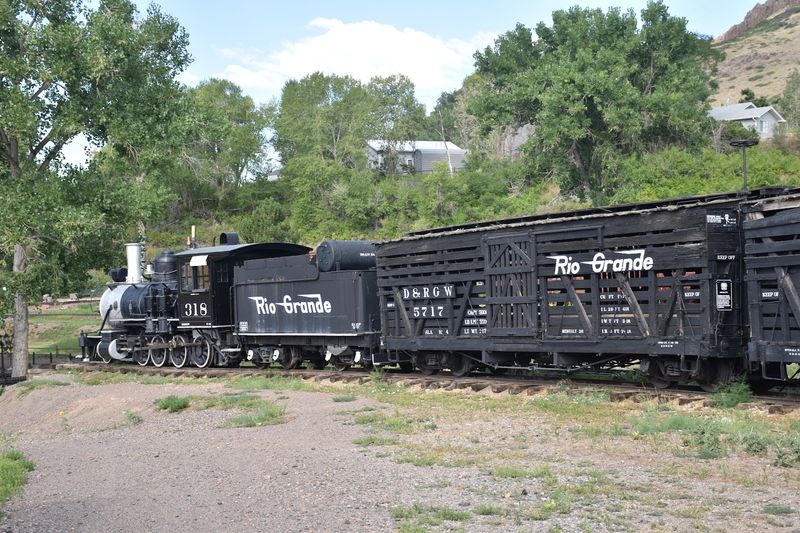
Getting the most out of the Ridgway Railroad Museum comes down to one simple planning decision: know what day you are going. The outdoor grounds and self-guided exhibits are accessible essentially any time during daylight hours, but the rides and volunteer-led experiences are tied to specific operating days.
Rides on historic equipment run on Fridays and Saturdays, so if that is a priority for your visit or your family, build your itinerary around those days. Midweek visits are still worthwhile for the outdoor exhibits, the Galloping Geese, and the printed panel tour, but the full-spectrum experience requires a weekend trip.
The museum is located at 200 N Railroad St in Ridgway, which sits right in the heart of a small Colorado mountain town with a genuine Main Street feel. Parking is easy, and the site itself is compact enough to explore thoroughly without wearing anyone out.
Planning Advice: Check the museum website at ridgwayrailroadmuseum.org before your visit to confirm current operating schedules, especially for special events like Railroad Week in September, when ride opportunities expand significantly.
Pair the visit with a short walk through downtown Ridgway afterward. The town is small enough that a post-museum stroll covers it comfortably, and the mountain views make every direction worth looking at.
Why This Little Museum Earns Its Place On Any Colorado Road Trip
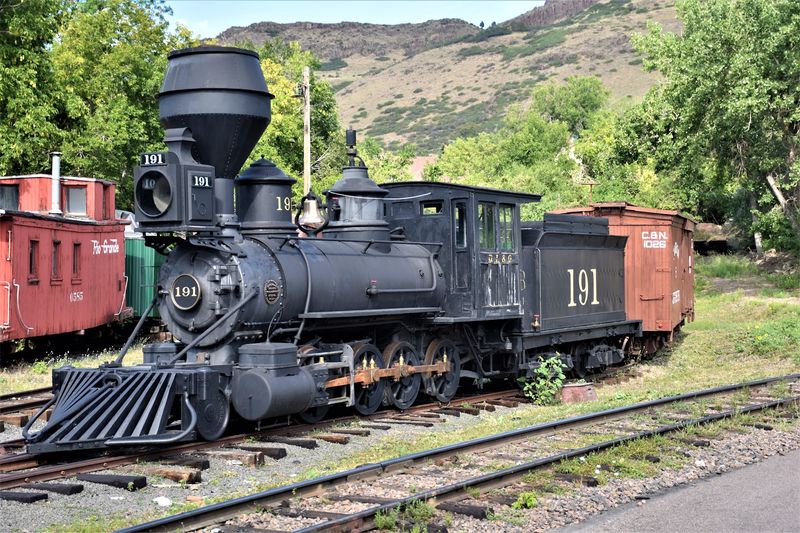
Colorado is not short on things worth stopping for, which makes it all the more impressive when a small, volunteer-run museum in a town of a few thousand people manages to stand out from the scenery. The Ridgway Railroad Museum earns that distinction honestly, through the quality of its collection, the depth of its archival preservation, and the enthusiasm of the people who keep it running.
The museum holds a rating built almost entirely on five-star visits, and the pattern across those experiences is consistent: people arrive expecting a quick look and leave two hours later having talked to a restoration volunteer, ridden a piece of living history, and learned something they did not expect to learn.
For road-trippers working their way through the San Juan region, this is the kind of stop that reframes the whole journey. It is not a detour.
It is a destination that happens to sit conveniently along the route.
Quick Verdict: Free admission, genuine historical depth, passionate volunteers, and weekend ride experiences make this one of the most rewarding low-effort stops in southwestern Colorado.
If a friend texted you asking whether this was worth the stop, the honest answer is yes, and bring the kids, bring a curious adult, and leave more time than you think you will need.