
This Newly Reopened Colorado Museum Definitely Belongs Back On Your Weekend List
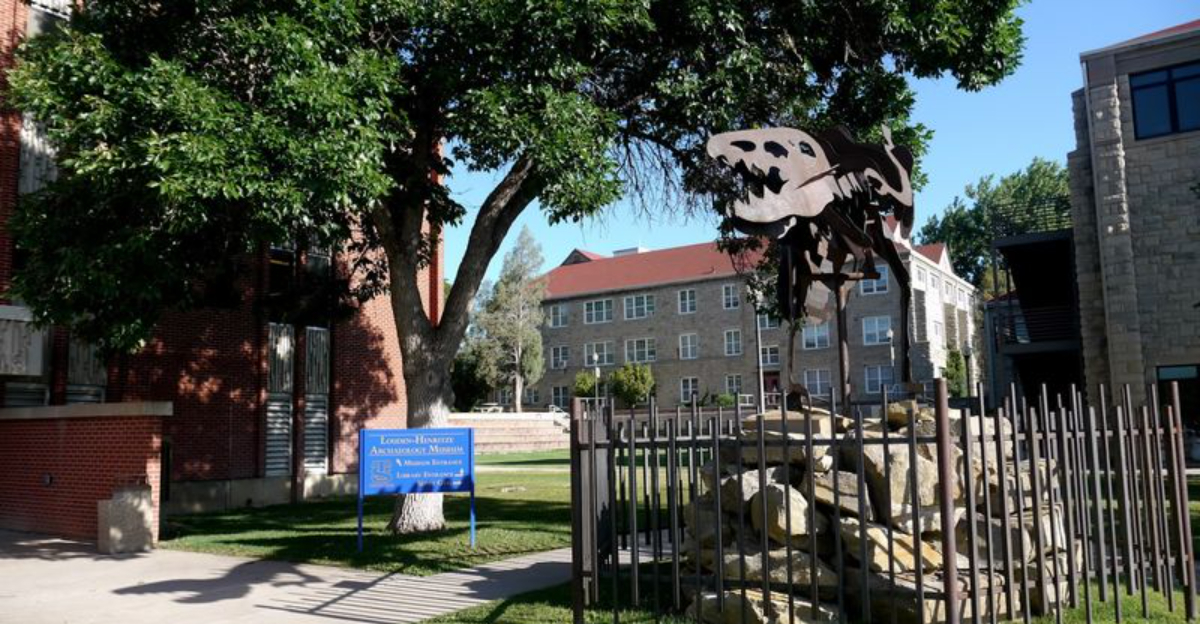
A small museum can change your whole weekend when it gives you dinosaurs, fossils, and local history in one unexpected stop. In Trinidad, Colorado, this reopened gem deserves a fresh look from anyone who loves places that feel modest at first, then keep getting more interesting room by room.
Its setting inside a college library adds to the surprise, turning what could have been a quick glance into a memorable detour filled with prehistoric bones, mammoth tusks, regional artifacts, and stories rooted in the landscape around it.
There is something satisfying about finding a museum that does not need flash or noise to hold your attention.
It simply offers real pieces of the past, close enough to study, wonder over, and talk about on the drive home. Southern Colorado rarely gets enough credit for its deep history, and this stop gives that story a smart, fascinating place to shine again.
A Museum That Earns Its Place on the Map
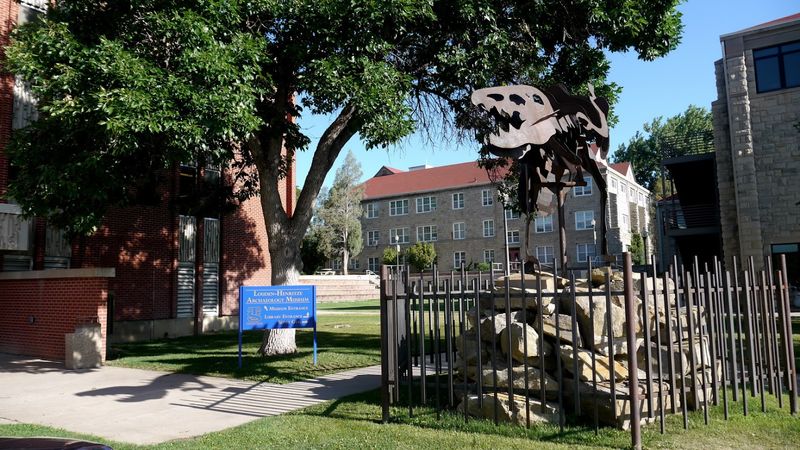
Some places announce themselves loudly; this one lets the mammoth tusk do the talking. This spot sits at 600 Prospect St Suite A, Trinidad, CO 81082, inside the Freudenthal Library on the Trinidad State campus, and it carries the kind of quiet authority that only comes from having genuinely remarkable things on display.
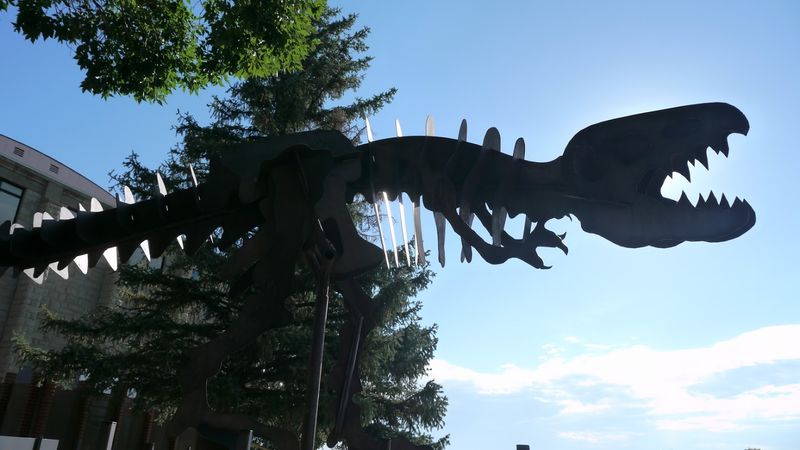
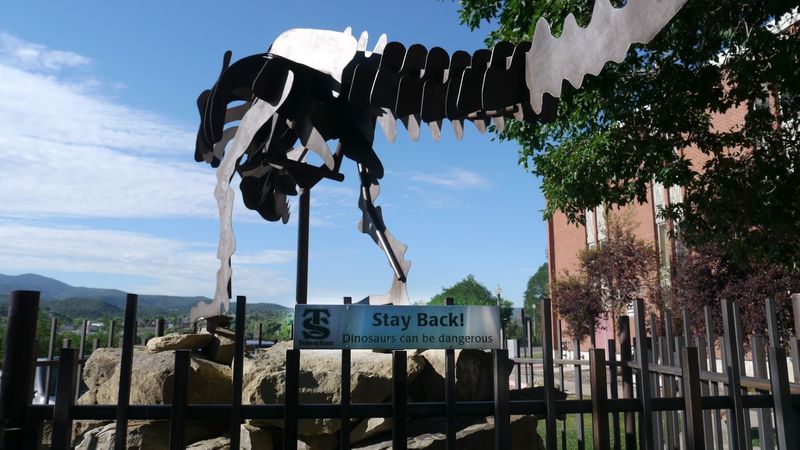
The museum features dinosaur bones, fossils, a real mammoth tusk, and a collection of local artifacts that connect the region’s deep prehistoric past to the land you’re standing on right now. That combination is rarer than it sounds.
Quick Tip: This museum is free to visit, which makes it one of the most rewarding low-effort stops in the area. You’re not paying admission to be impressed; you’re just showing up and letting the exhibits do their work.
Best For: Curious adults, families with school-age kids, and anyone who enjoys knowing something genuinely interesting happened right beneath the ground they’re walking on in southern Colorado.
What the Hours Actually Look Like Now
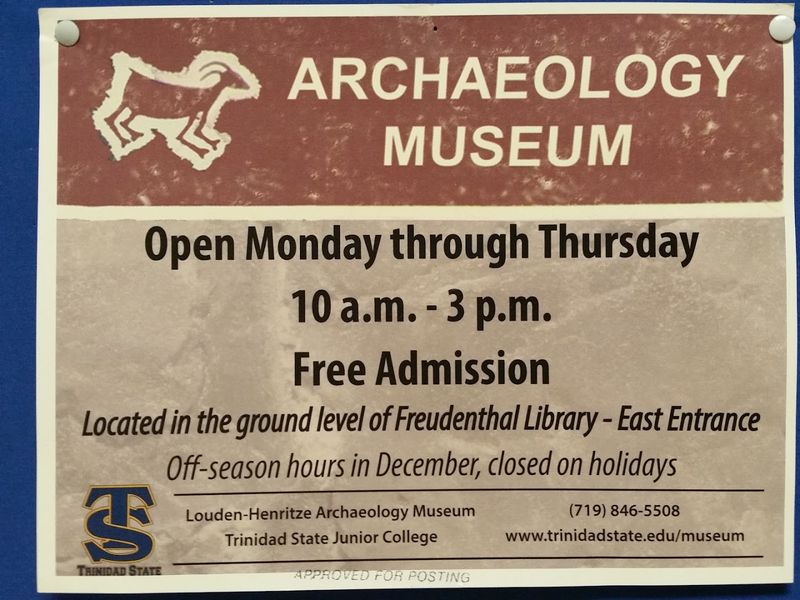
Let’s be straightforward about something that has tripped up visitors before: the hours here are specific, and they matter. The Louden-Henritze Archaeology Museum is currently open Monday through Thursday, 10 AM to 3 PM.
It is closed Friday, Saturday, and Sunday.
Past visitors have noted that posted hours weren’t always reliable during earlier years, which understandably frustrated people who made a trip out. The good news is the museum has reopened with clearer scheduling, so a quick call to 719-846-5508 before you head out is always a smart move.
Planning Advice: Build your visit into a weekday or an early-week outing rather than saving it for the weekend. A Monday or Tuesday morning trip pairs naturally with the kind of unhurried pace that makes a museum like this actually enjoyable rather than rushed.
Insider Tip: The museum operates within a college library setting, so the campus has a calm, studious energy that makes the whole visit feel grounded and unhurried. Arrive before noon to give yourself the full window before the 3 PM close.
The Fossils That Stop You Mid-Step
There’s a specific moment that happens in small natural history museums when you stop mid-stride because something in a case is more impressive than you expected. At Louden-Henritze, that moment tends to arrive quickly.
The fossil collection here represents actual finds from the Trinidad area, which means these aren’t replicas sourced from a catalog.
Visitors have consistently pointed out how much local geological history is packed into a relatively compact space. One visitor noted they learned more about prehistoric life in a single visit than they had anticipated, describing the depth of information as almost overwhelming in the best possible way.
Why It Matters: Fossils tied to a specific region carry a different weight than generic museum displays. When you’re looking at material pulled from the ground nearby, the abstract idea of deep time suddenly feels remarkably close.
Pro Tip: Ask the staff or curator about the Mosasaurs specifically. Multiple visitors have flagged the curator as an exceptional source of detail on this topic, and that kind of direct conversation turns a casual visit into something genuinely memorable.
The Mammoth Tusk That Earns the Trip Alone
Not every museum can put a mammoth tusk in front of you and say, matter-of-factly, that it came from around here. Louden-Henritze can.
The tusk is part of the permanent collection, and it has a way of recalibrating your sense of what this corner of Colorado was like tens of thousands of years ago.
Standing in front of something that large and that old has a particular effect on kids and adults alike. It’s the kind of object that prompts questions you didn’t know you had, which is exactly what a good museum is supposed to do.
Who This Is For: Families with younger kids who’ve hit the dinosaur phase, adults who appreciate tangible natural history, and anyone who finds the idea of megafauna roaming the American Southwest genuinely astonishing.
Who This Is Not For: Visitors expecting a large-scale institution with rotating national exhibits. This is a focused, regional collection, and its value comes precisely from that specificity.
If you want spectacle over substance, this isn’t your stop. But if you want real, locally sourced prehistoric history, it absolutely is.
Local Archaeology Finds That Reframe the Whole Region
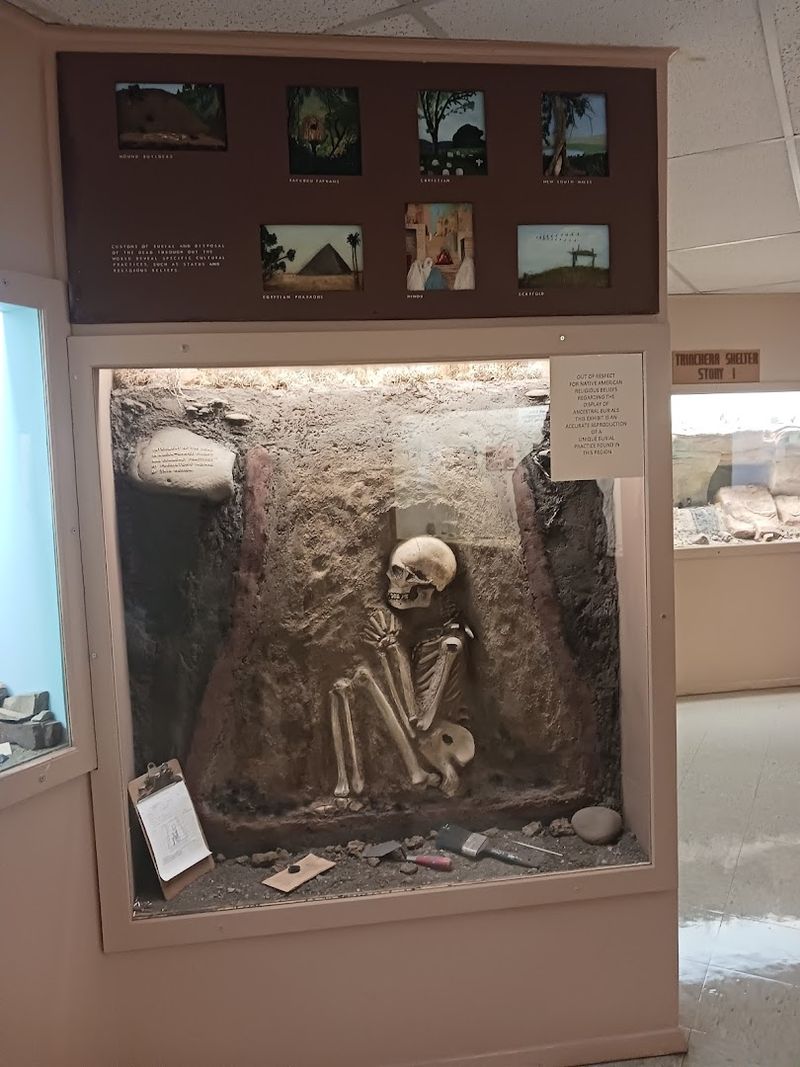
Beyond the dinosaur material, the museum holds artifacts connected to the native peoples of the Trinidad area, and that layer of the collection adds real dimension to the visit. Archaeology isn’t just about prehistoric creatures; it’s also about the human story layered on top of that ancient ground.
Visitors have described the exhibits on local history and native cultures as genuinely informative and thoughtfully presented. The museum manages to cover a significant stretch of time within a compact footprint, which takes more curatorial skill than it might appear.
Best Strategy: Treat the visit as two separate mental chapters. Walk through the prehistoric and geological material first, then shift your attention to the human archaeological finds.
The contrast between those two timelines is one of the more quietly striking things the museum offers.
Common Mistakes to Avoid: Don’t rush through assuming you’ve seen everything after the first few cases. The information density here rewards slow reading.
Visitors who skim tend to miss the details that make the collection genuinely interesting, and those details are exactly where the good stuff lives.
How It Fits a Real Weekend Plan Without Forcing It
Here’s where the museum earns its practical value: it fits into a real-life schedule without requiring any dramatic rearrangement. A visit runs roughly one to two hours depending on how much time you spend reading the exhibit text, which means it slots cleanly into a weekday morning without consuming the entire day.
Families find it genuinely useful because it holds the attention of kids who are into dinosaurs while giving adults enough substantive content to stay engaged themselves. Couples and solo visitors tend to appreciate the unhurried pace and the absence of crowds that sometimes follows smaller institutional collections.
Quick Verdict: This is a high-reward, low-friction stop. You don’t need to build a whole itinerary around it, but it’s substantial enough to anchor one.
Pair it with a short walk through downtown Trinidad afterward, and you’ve created a genuinely satisfying half-day without overthinking a single detail.
Best For: Weekday planners, families on a road trip through southern Colorado, and couples looking for something more engaging than another identical scenic overlook stop.
The Trinidad State Campus Setting Changes the Feel
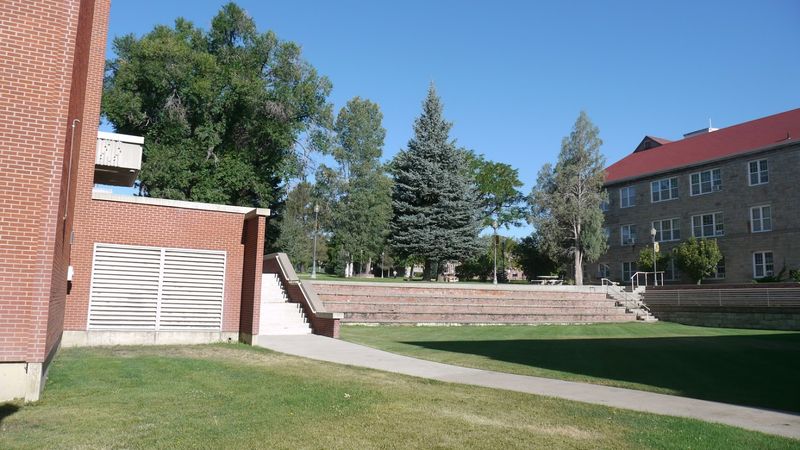
Being housed inside a college library gives the Louden-Henritze Archaeology Museum a character that standalone museum buildings often lack.
The Trinidad State campus has the kind of low-key, purposeful energy that makes wandering feel natural rather than touristy, and the Freudenthal Library building is easy to locate once you’re on campus.
There’s something quietly appealing about a museum that exists within a working academic institution. It signals that the collection is taken seriously by people who study this material professionally, which adds a layer of credibility that gift-shop-heavy tourist attractions simply can’t replicate.
Insider Tip: The campus itself is a small-town Colorado gem worth a few extra minutes on foot. A brief walk around the grounds before or after your museum visit adds a pleasant, unhurried dimension to the outing without requiring any additional planning.
Why It Matters: Visiting a museum embedded in an academic setting means the exhibits are maintained and interpreted by people with genuine expertise. That distinction matters when you’re trying to understand complex geological and archaeological material rather than just glance at it.
What Visitors Keep Coming Back to Say
Across a solid range of visitor feedback, a few things come up repeatedly with genuine consistency. The staff, and particularly the curator, receive specific praise for being knowledgeable and approachable.
That’s not a minor detail; a good guide can transform a collection from a series of labeled objects into an actual narrative.
The free admission also gets mentioned often, and not just as a pleasant surprise. Visitors note that the depth of content on offer makes the lack of a ticket price feel almost counterintuitive.
That’s a meaningful signal about the museum’s priorities.
Mid-Article Reality Check: If you’ve been nodding along wondering whether this is worth the detour, the answer from a broad base of real visitors is a fairly consistent yes, with one honest caveat: confirm the hours before you go. That single step eliminates the only friction point that has historically frustrated people.
Best Strategy: Go in with curiosity rather than a checklist. The museum rewards the visitor who reads the signage and asks questions far more than the one who moves quickly from case to case checking items off a mental list.
Making It a Proper Mini-Outing in Trinidad
Trinidad has a main street worth your time, and pairing a museum visit with a short walk through downtown turns a single-stop errand into something that actually feels like a day out.
The town sits along a stretch of southern Colorado that doesn’t always get the attention it deserves from weekend planners, which means it tends to deliver more than people expect.
After your visit to the museum, a stroll past the historic storefronts on Commercial Street gives the outing a satisfying sense of completion. You’ve covered prehistoric history and current small-town Colorado in a single morning, which is a genuinely good use of a few hours.
Quick Tip: Plan the museum for a weekday morning, grab something to eat in town afterward, and give yourself a slow drive back through the landscape. Southern Colorado’s high-plains scenery has a particular quality in midday light that rewards unhurried travel.
Best For: Road-trippers passing through on I-25, Colorado locals looking for a weekend detour with actual substance, and anyone who appreciates a town that hasn’t been polished into a tourism product yet.