
This Alabama Cave Turns Summer Dusk Into A Swirling Bat Spectacle
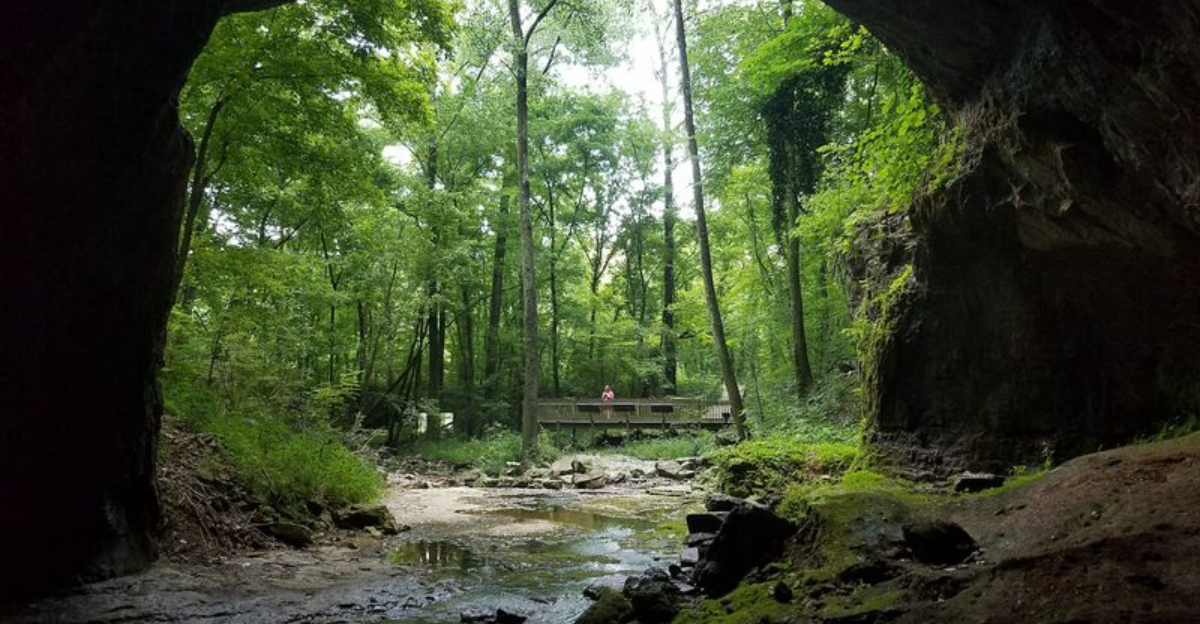
Some places don’t announce themselves. They just wait.
Somewhere in Alabama, a cave mouth turns into something that feels less like geology and more like a glitch in reality. You show up thinking it’s just another summer evening.
Then the air changes. The light softens.
And the sky… starts to move. Not a few bats.
Not a “wow, look over there” moment. We’re talking thousands.
A living surge pouring out like the night hit play on fast-forward. It’s giving low-budget apocalypse, high-budget nature documentary.
For a second, it almost feels like Gotham forgot to file its paperwork and Batman sent the entire crew home at once. Phones go up.
Voices go down. Nobody really knows when it started or when it ends.
It just happens, like the sky briefly decided to breathe wings instead of air.
The Bat Emergence That Has To Be Seen To Be Believed
Nothing quite prepares you for the moment it starts. One bat appears, then ten, then a thousand, and within minutes the entire sky is alive with movement.
The emergence at Sauta Cave is not a trickle. It is a full-on natural spectacle that unfolds over roughly an hour every single evening during summer.
Between 200,000 and 500,000 Gray bats funnel out of the cave at dusk, creating a swirling vortex that looks almost choreographed.
Scientists call this a colony emergence. Anyone watching it for the first time calls it unforgettable.
The sheer scale of it rewires your brain a little.
The bats move in a continuous spiral pattern, rising higher and higher before breaking off into the surrounding forest and fields.
Watching this happen in real time, with the sky darkening around you, is the kind of moment that reminds you nature is endlessly surprising. Bring a chair, settle in, and let the show come to you.
This is the largest bat emergence east of the Mississippi River, and it earns that title every single night.
Where Exactly You Are Going And How To Get There
Finding Sauta Cave is part of the adventure, and it is easier than you might expect. The refuge sits at 2700 Sauta Cave Road, Scottsboro, AL 35769, right off Highway 72 in Jackson County.
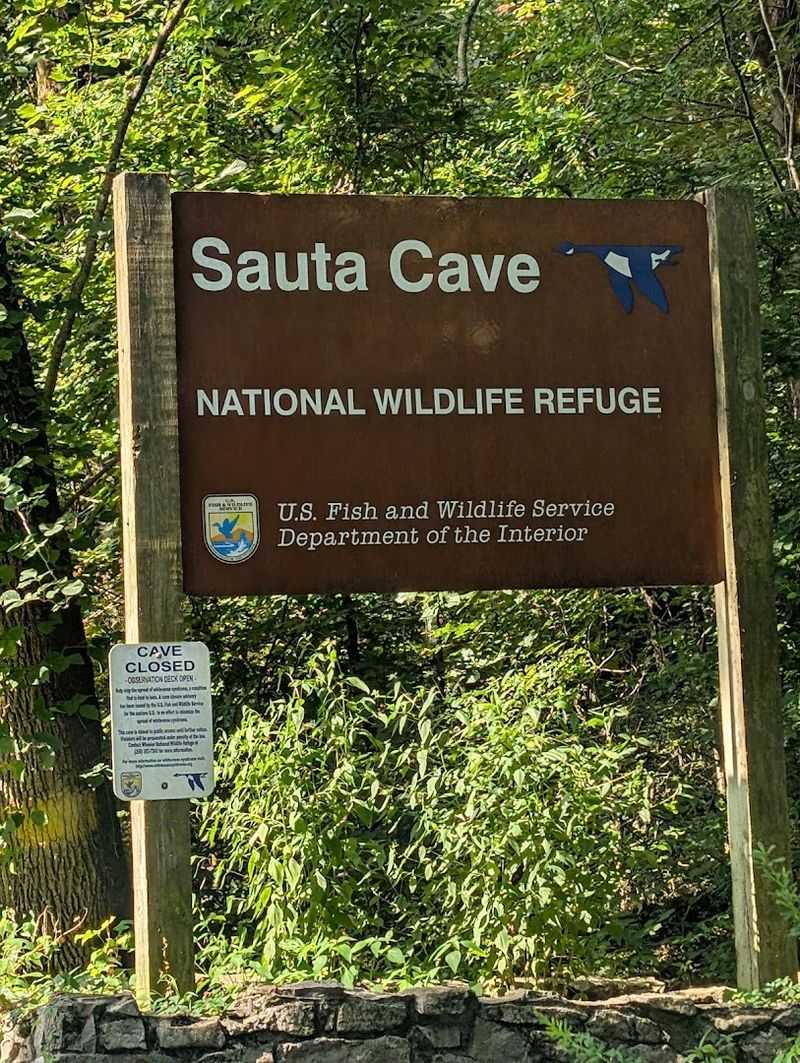
You will spot a small National Wildlife Refuge sign near the gate, so keep your eyes open as you approach.
Parking is limited, so arriving early is a smart move, especially on summer evenings when word has spread. Pull off near the entrance gate along the highway, making sure not to block any road access.
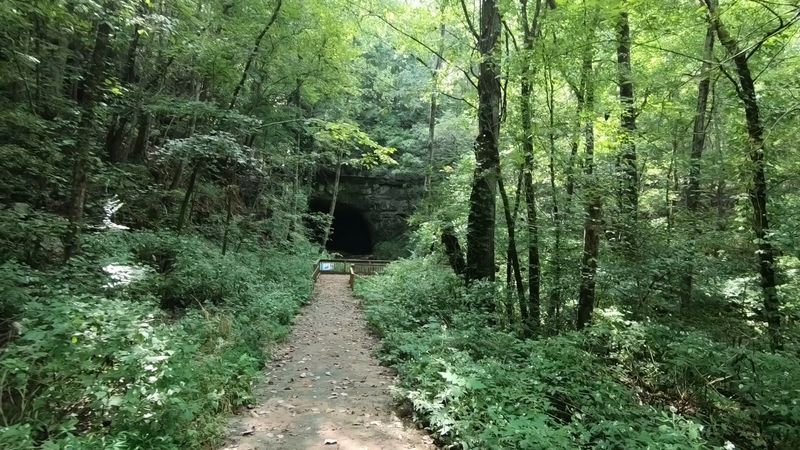
From there, it is a flat, easy quarter-mile walk down a paved path to the cave entrance.
The walk itself is genuinely pleasant.
A canopy of hardwood trees lines the trail, and as you get closer to the cave, you will notice the temperature dropping noticeably. That cool air flowing from deep inside the cave creates a mysterious, almost otherworldly feeling long before you even see the entrance.
The 264-acre refuge is managed by Wheeler National Wildlife Refuge, and it operates as an unstaffed facility open around the clock every day of the year.
Gray Bats Are The Stars Of This Whole Show
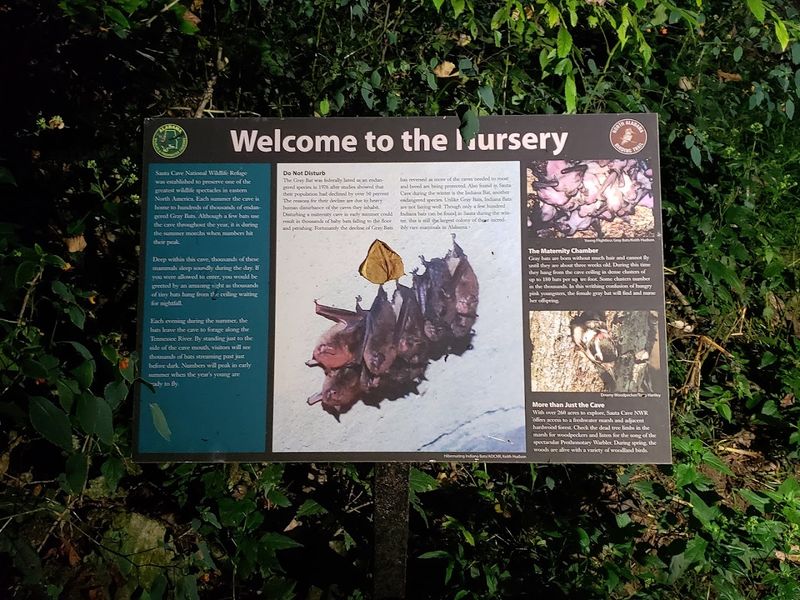
The Gray bat, known scientifically as Myotis grisescens, is a federally endangered species, and Sauta Cave hosts the largest known summer colony of them anywhere on Earth.
That fact alone makes this place extraordinary. These bats are not just impressive in numbers.
They are ecological powerhouses.
Each night, the colony consumes an estimated one billion insects. Yes, one billion.
Think of them as the most efficient pest control operation nature has ever designed.
Mosquitoes, moths, beetles, and other flying insects do not stand a chance against half a million hungry Gray bats on a mission.
Gray bats are medium-sized, with a wingspan of around eleven to thirteen inches. Their fur is a uniform gray color, which makes them distinct from many other bat species.
They rely heavily on specific cave systems for both summer roosting and winter hibernation, which is exactly why protecting places like Sauta Cave matters so much. Without safe, undisturbed caves, their populations cannot recover.
Sauta Cave is one of the most critical pieces of their survival puzzle, and visiting it means witnessing conservation in action at its most spectacular scale.
Indiana Bats Also Call This Cave Home
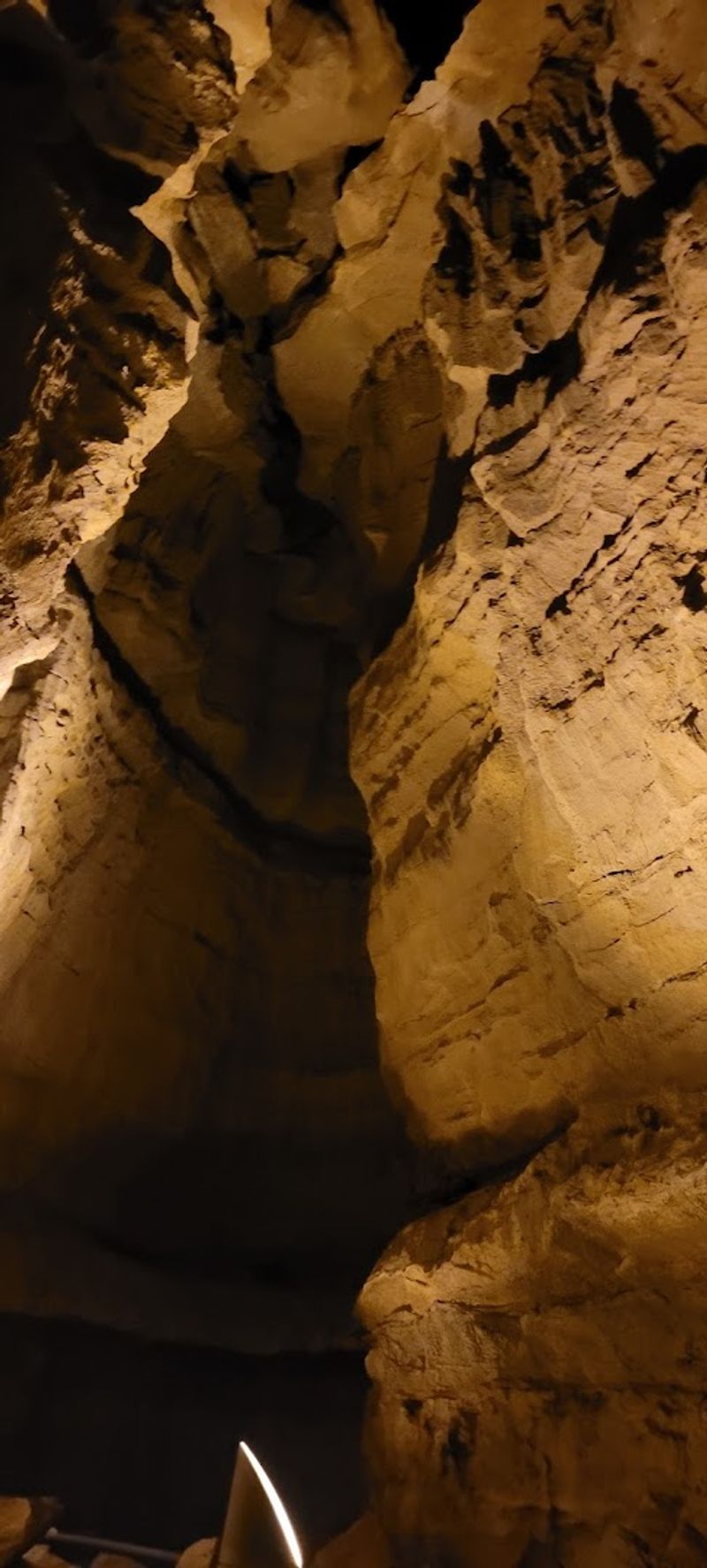
Gray bats get most of the glory, but Sauta Cave has another federally endangered resident worth knowing about. Indiana bats, or Myotis sodalis, use the cave as a winter hibernaculum, meaning they spend the cold months here in deep, energy-conserving sleep.
This dual role makes Sauta Cave exceptionally valuable from a conservation standpoint.
Indiana bats are slightly smaller than Gray bats, and they tend to form tight clusters during hibernation to conserve warmth.
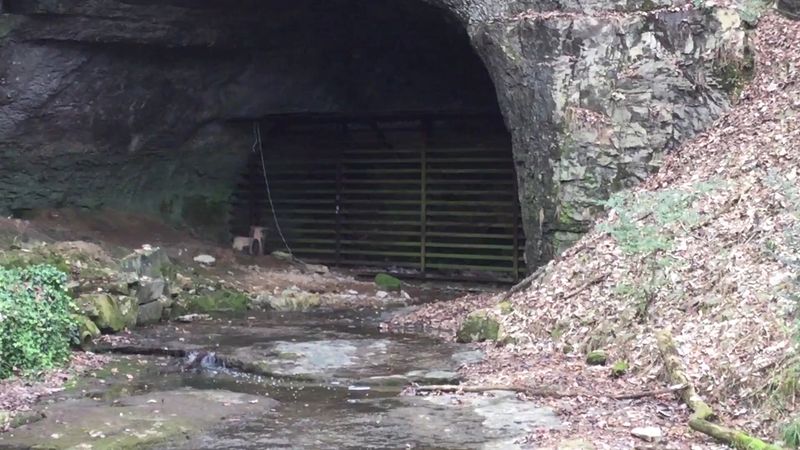
Finding a site that supports two separate endangered bat species is rare, and it is one of the reasons Sauta Cave is protected with such care. The cave gate that keeps visitors out of the interior exists specifically to shield these animals from disturbance during their most vulnerable periods.
Even a single human intrusion during hibernation can cause a bat to burn through critical fat reserves it needs to survive winter.
So while the gate might feel like a barrier, it is actually one of the most important conservation tools at the refuge. Knowing that both Gray and Indiana bats depend on this specific cave makes standing on that viewing platform feel like something genuinely meaningful.
You are not just watching bats. You are watching protected wildlife thrive.
The Viewing Platform Is Your Front-Row Seat
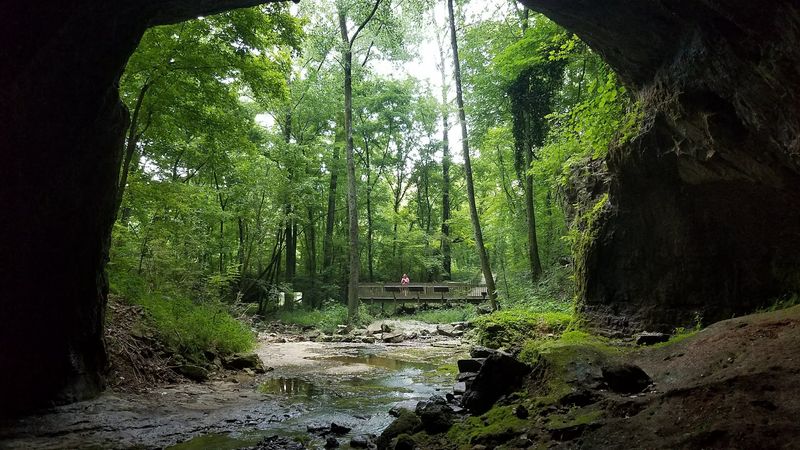
Someone had the brilliant idea to build a dedicated viewing platform right near the cave entrance, and it makes all the difference.
The platform is wooden, accessible, and positioned perfectly to give visitors an unobstructed view of the bat emergence without getting too close to the cave itself. It is thoughtfully designed for comfort and respect.
The paved path leading to the platform means even those with mobility challenges can reach it without difficulty.
Bring a folding chair if you want to settle in for the full hour-long show, because standing the entire time while craning your neck upward gets old fast. The platform fills up on popular evenings, so arriving before dusk gives you the best spot.
One practical tip worth remembering: bring a hat or a light rain poncho. The bats are flying overhead in large numbers, and occasionally a dropping or two finds its way down.
It is not a frequent occurrence, but being prepared keeps the experience enjoyable from start to finish. Also bring a flashlight, because the walk back to your car after the emergence ends happens in full darkness.
A little preparation goes a long way toward making this one of your favorite outdoor memories.
Why Summer Evenings Are The Magic Window
June, July, and August are the months when Sauta Cave absolutely earns its reputation. During these summer months, the Gray bat colony is at its peak population, with mothers and their pups packed tightly inside the cave.
As evening approaches and temperatures drop slightly, the colony begins its nightly departure to feed.
The emergence typically begins right around dusk, and it builds gradually before reaching its peak intensity. Watching it unfold is like watching a slow-motion explosion of wildlife.
The bats do not all rush out at once. They stream out continuously, with the flow ebbing and surging over the course of about an hour.
Timing your visit right is the single most important factor in having a memorable experience. Arriving too early means a long wait in the heat.
Arriving after dark means missing the whole thing. Plan to be on the viewing platform at least twenty minutes before sunset and stay until the flow of bats slows to a trickle.
The sky above the cave becomes a living, breathing, swirling canvas during those peak minutes, and that image has a way of staying with you long after you drive home.
The Cool Cave Air That Hits You First
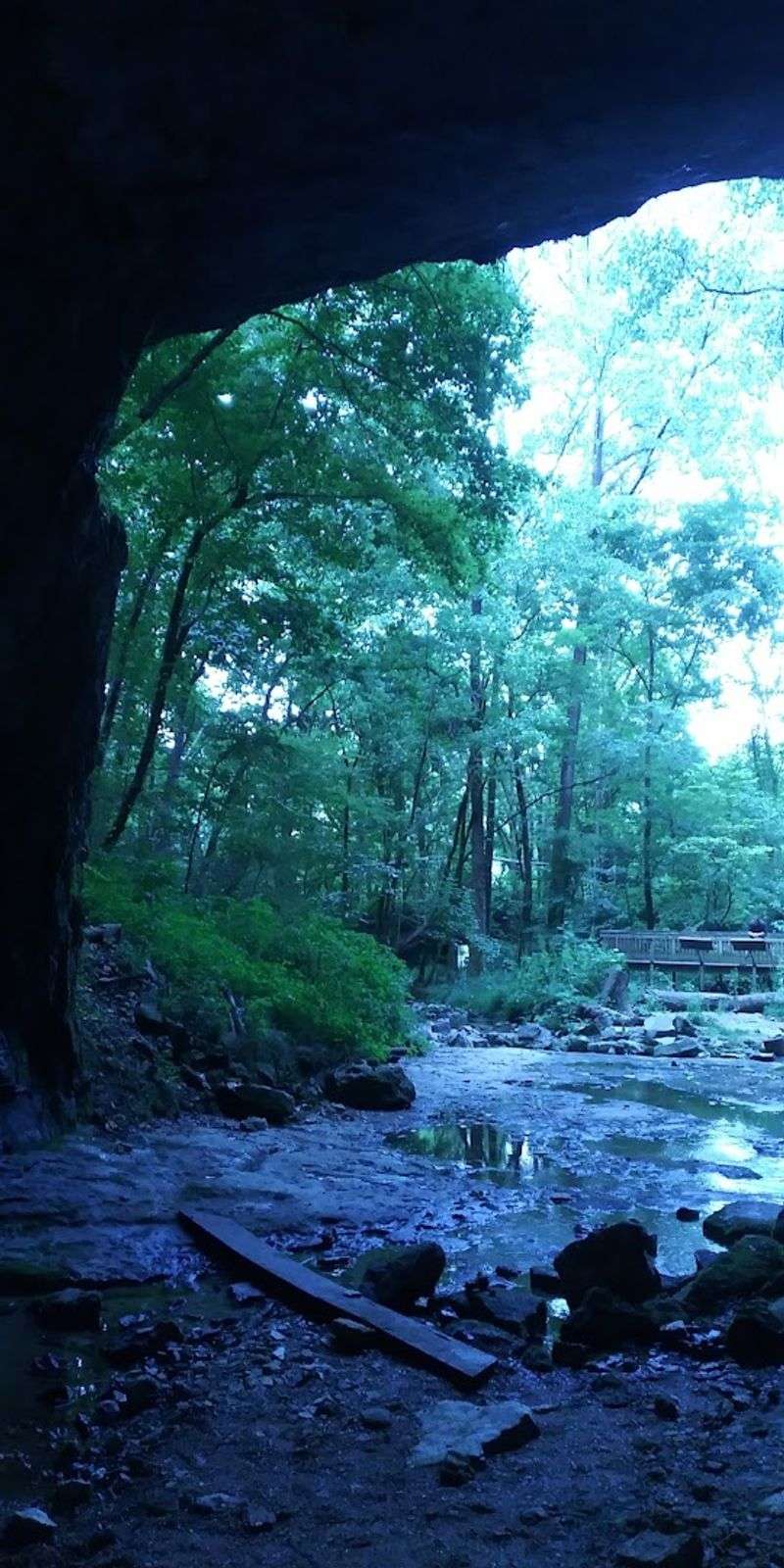
Before you even see the bats, the cave announces itself in the most refreshing way possible. As you walk down the paved trail toward the cave entrance, the temperature begins dropping noticeably.
By the time you reach the viewing platform, it feels like someone cranked up the air conditioning in the middle of a summer forest.
The cave maintains a steady internal temperature of around 70 degrees Fahrenheit year-round, and the air flowing out of it creates a constant cool breeze at the entrance.
On a hot Alabama summer evening, that breeze is genuinely wonderful. Some visitors bring a light jacket specifically because the cave air can feel surprisingly cold after a warm walk in.
This natural air conditioning effect is not just comfortable for visitors. It is part of what makes the cave so ideal for the bats.
Stable temperatures and high humidity inside the cave create perfect roosting conditions for large colonies.
The cave has been serving this function for thousands of years, long before anyone thought to build a viewing platform nearby. Standing at the entrance and feeling that steady cool breath of ancient air flowing out is a sensory experience all on its own, completely separate from the bat spectacle.
White-Nose Syndrome And Why Conservation Matters Here
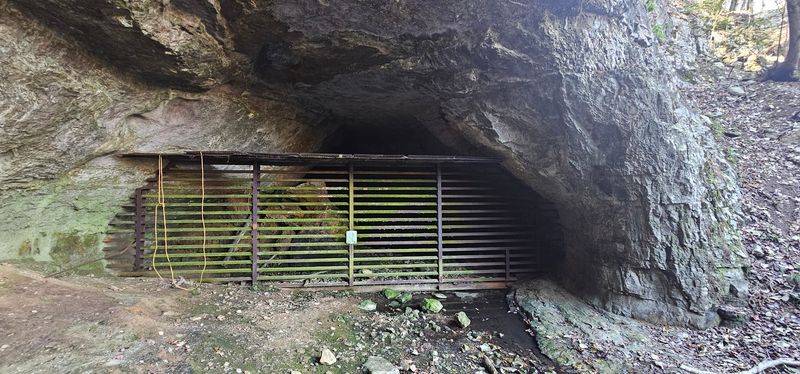
Sauta Cave is a place of joy and wonder, but it also carries a story of resilience. White-nose Syndrome, caused by a cold-loving fungus called Pseudogymnoascus destructans, has affected bat populations across North America in a significant way.
The Sauta Cave colony has not been immune to this challenge.
The fungus grows on hibernating bats and disrupts their winter sleep, causing them to burn through fat reserves too quickly.
It has had serious effects on bat populations at many cave sites across the continent. At Sauta Cave, ongoing monitoring and strict access controls are part of the response to this threat.
The cave gate that prevents public access to the interior is one of the most visible tools in this conservation effort.
By limiting human foot traffic inside the cave, refuge managers reduce the risk of spreading the fungus from one location to another. Visitors can help simply by respecting the boundaries and not attempting to enter the gated cave.
Every person who follows the rules is contributing to the long-term survival of the colony. The bats at Sauta Cave are survivors, and they deserve every protection this refuge provides them.
What To Bring And How To Make The Most Of Your Visit
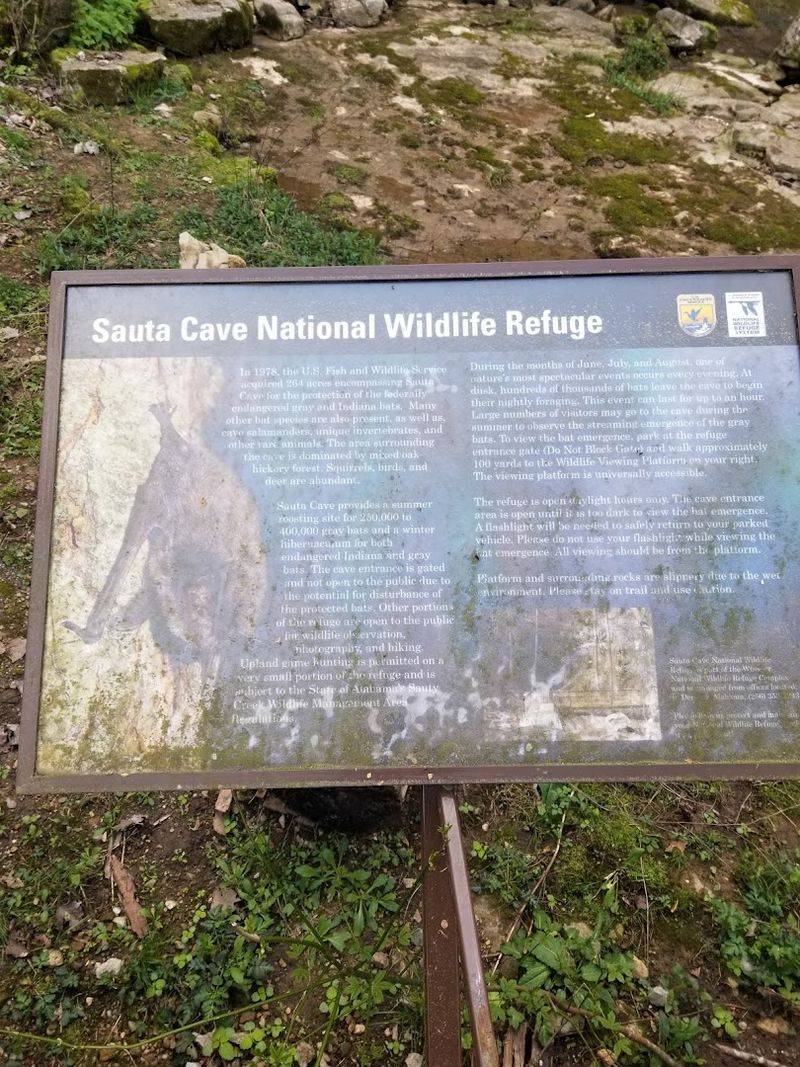
A little preparation turns a good visit into a great one. The walk to the cave is easy and flat, roughly a quarter mile from the parking area near the highway gate.
Comfortable shoes are all you need for the trail. The real gear list is about staying comfortable once you are at the platform.
Bring a flashlight or a headlamp, because the walk back to your car after the emergence happens in near-total darkness. Bug spray is highly recommended, since the same insects that attract hundreds of thousands of bats also find humans quite appealing.
A light jacket or layer is smart even in summer, thanks to that cave air cooling things down around the entrance.
A folding chair makes the hour-long wait and watch much more enjoyable. A hat or light rain poncho offers peace of mind during the emergence itself.
Arrive before dusk, settle in, and resist the urge to shine any lights into the cave or directly at the bats.
The refuge asks visitors to keep it calm and quiet for the animals. Do all of that, and you will leave Sauta Cave with one of the most genuinely wild stories in your travel collection.
Have you ever watched half a million bats take flight at once?