
Arkansas Hidden Gems To Add To A 2026 World Cup Road Trip
The best World Cup memories are not always the ones inside the stadium. Sometimes they happen on the open day, when you stop chasing the clock and follow a stranger idea instead.
That is where Arkansas comes in. Give yourself a break between matches.
One stop puts ancient earthworks right in front of you. Another brings in a literary story with real bite.
Later, rescued big cats change the whole mood. By the end, you may be searching the dirt for a diamond you can keep.
I have done this route myself, and it has the kind of energy people love to ask about later. It is easy to turn into photos, but better when you actually look up.
So yes, go loud for your team. Wear the jersey.
Then save one day for the road. The game gives you a score.
This trip gives you the story too, friend.
1. Blue Spring Heritage Center, Eureka Springs
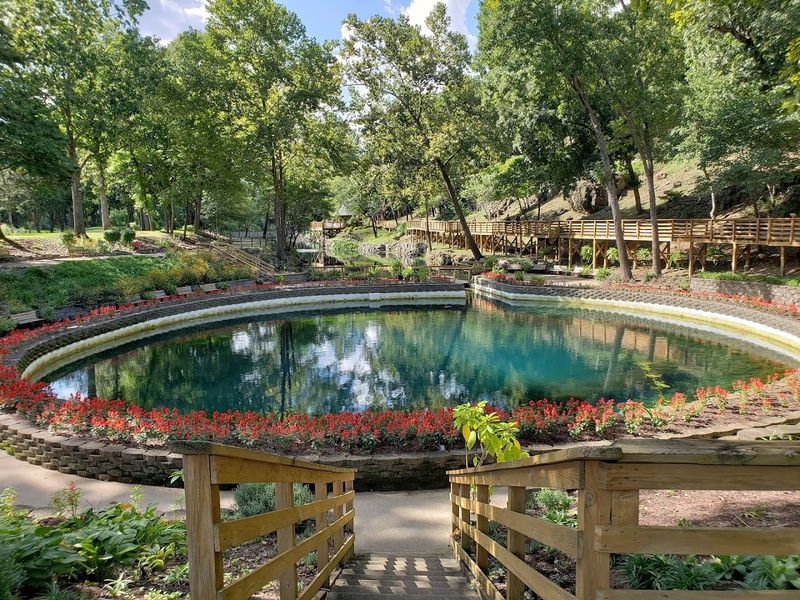
The water at Blue Spring Heritage Center looks almost unreal. Located at 1537 Co.
Rd. 210, Eureka Springs, AR 72632, the spring releases about 38 million gallons of clear, blue-green water every single day.
The site carries deep history, and interpretive signs throughout the property explain the spring’s cultural importance, including its connection to Native peoples and the Trail of Tears.
The historic bluff shelter near the spring helps the past feel close, which adds weight to the stop.
Beyond the spring itself, the heritage center features beautifully maintained gardens filled with native wildflowers, making it one of the prettiest walking spots in the Ozarks region.
A short trail leads you through shaded paths to overlooks where the water shimmers below, and the whole place feels peacefully removed from the noise of everyday life.
Spring and early summer are particularly spectacular here, when the wildflower blooms are at their peak and the light filters through the trees at golden angles.
I left Blue Spring feeling genuinely recharged, which is not something I say lightly after a long week of stadium crowds and tournament energy.
2. Terra Studios, Fayetteville
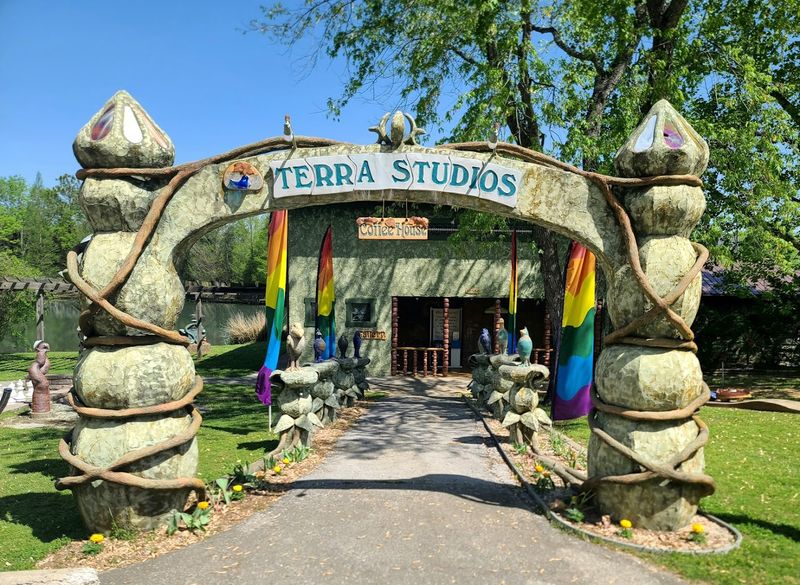
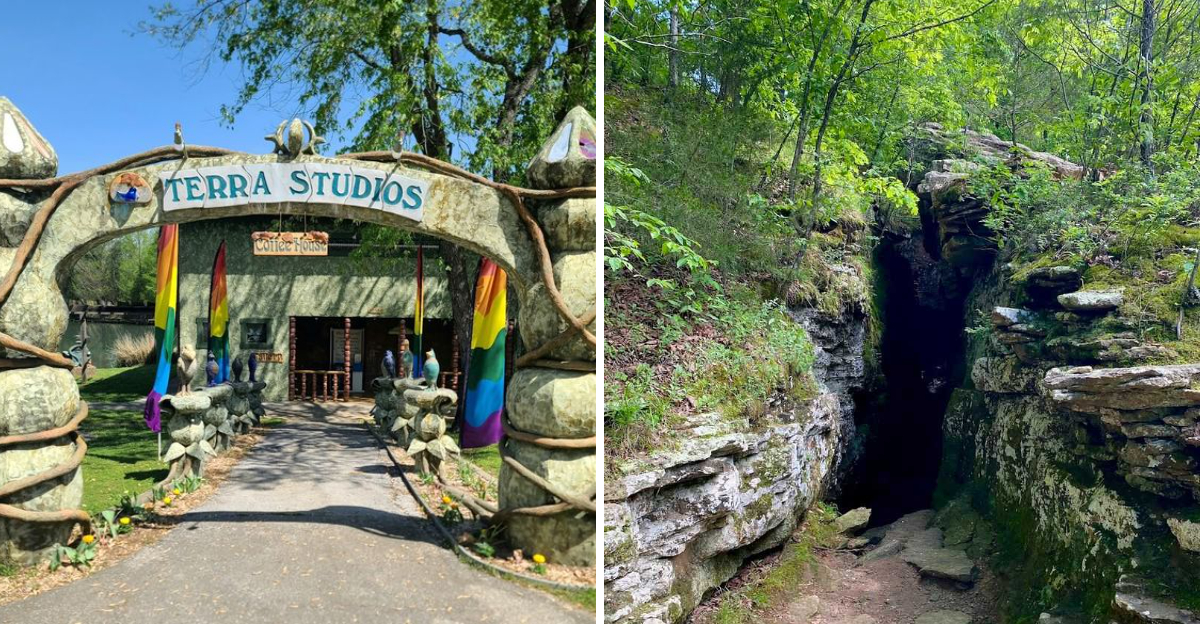
A winding road just outside Fayetteville leads to Terra Studios at 12103 Hazel Valley Road, Fayetteville, AR 72701. It stops you mid-stride and makes you forget you were ever in a hurry.
This working art studio is known as the birthplace of the Bluebird of Happiness, a small handcrafted glass figurine that has been gifted millions of times across the world, though production of the glass birds was suspended in 2020.
You can still feel that glass-art story all over the place, and the whole experience feels personal in a way that big-city galleries rarely manage.
The outdoor sculpture garden winds through the woods with surprises around every corner, from ceramic faces peering out of tree trunks to metal figures catching the afternoon light.
Admission is free, with donations encouraged, which makes this an easy stop for anyone exploring the Fayetteville area between World Cup road-trip days.
I picked up a tiny bluebird here and honestly, it has traveled with me ever since, sitting quietly in my bag like a little lucky charm today.
3. Thorncrown Chapel, Eureka Springs
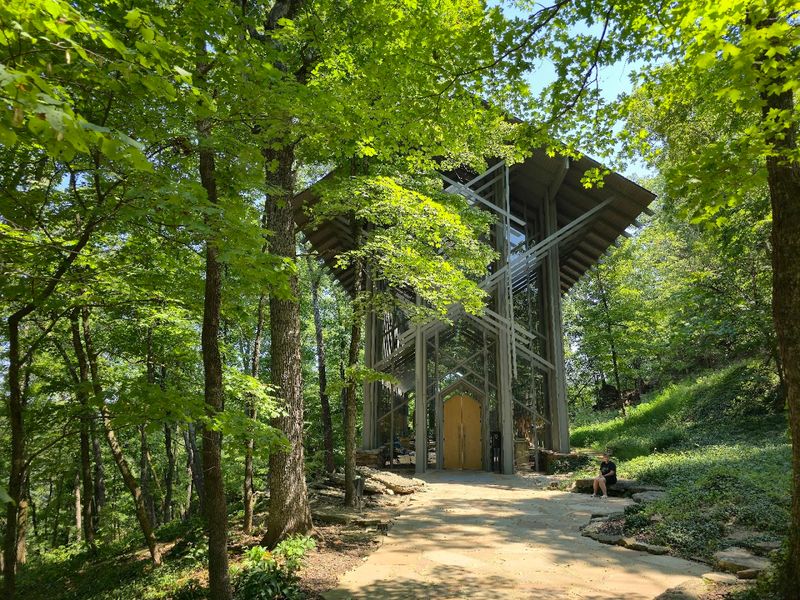
Thorncrown Chapel at 12968 U.S. 62 West, Eureka Springs, AR 72632 does not feel like a normal building. It feels more like a cathedral made entirely of light and forest.
Designed by architect E. Fay Jones and completed in the early 1980s, this soaring structure is built from wood and glass and sits nestled among the tall trees of the Ozarks as if it simply grew there naturally.
The chapel has earned recognition as one of the most significant pieces of American architecture of the twentieth century, a title that feels completely earned the moment you walk through the entrance.
More than four hundred panes of glass surround the interior, letting the woods outside become the walls, the ceiling, and the entire atmosphere of the space.
Non-denominational services are held on weekends during warmer months, but even a quiet weekday visit during open hours is enough to leave a lasting impression.
Few places I have visited anywhere in the world manage to feel this spiritual without trying, and Thorncrown Chapel does it so well with nothing more than timber, glass, and the woods doing exactly what they do best.
4. Turpentine Creek Wildlife Refuge, Eureka Springs

Turpentine Creek Wildlife Refuge at 239 Turpentine Creek Lane, Eureka Springs, AR 72632 feels awe-inspiring and deeply humbling at once. It is one of the nation’s leading sanctuaries for rescued big cats.
Big cats live here in large natural habitats after being rescued from situations where they were kept as pets or held in inadequate conditions. The setting feels calm, but the rescue stories are hard to forget afterward, and the refuge has been doing this important work since the early 1990s.
Guided tours take you along walkways that bring you remarkably close to these animals, close enough to feel the weight of a tiger’s gaze in a way that photographs simply cannot capture.
Guides share each animal’s individual story with the kind of detail that turns a casual visit into something genuinely moving.
Overnight glamping options are available on the property, which means you can spend the night listening to distant roars drifting through the Ozark hills, a truly unforgettable way to end an evening.
If you only have time for one stop in the Eureka Springs area, this refuge has a strong case for being the one that earns the most space in your memory.
5. Devil’s Den State Park, West Fork
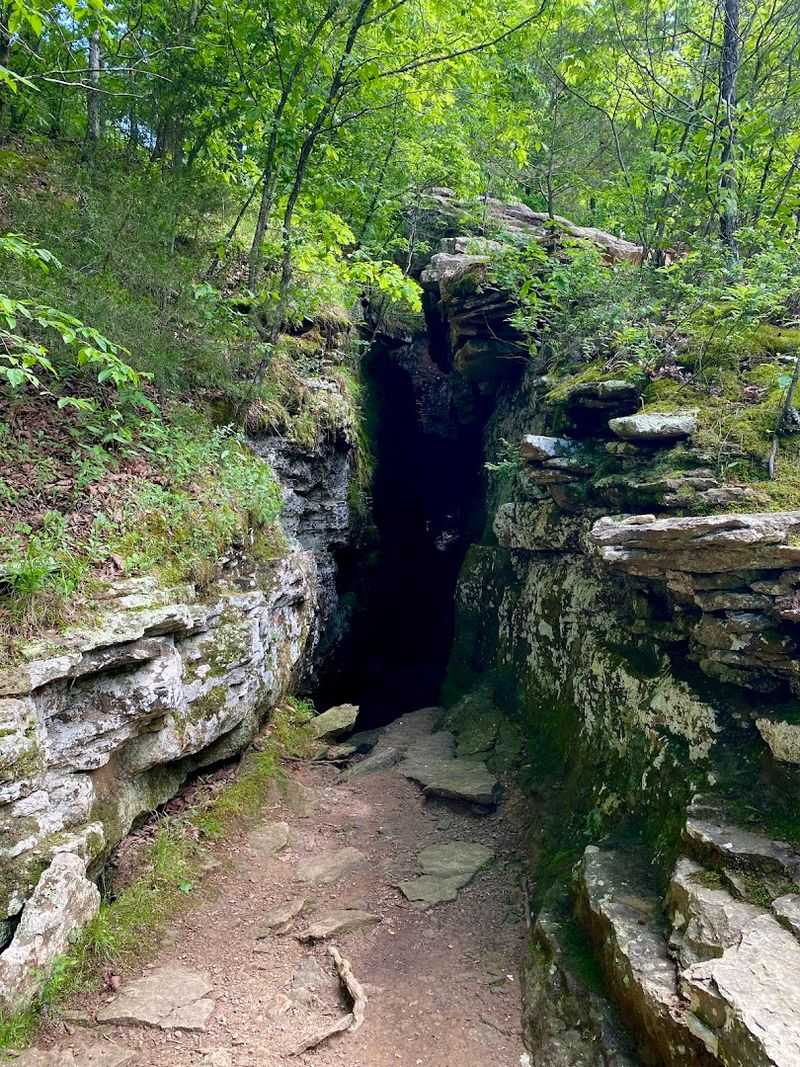
Named with a flair for the dramatic, Devil’s Den State Park at 11333 West AR Hwy. 74, West Fork, AR 72774 delivers a landscape that feels genuinely ancient, rugged and a little wild in all the right ways today.
The park sits in a narrow valley carved by Lee Creek, and its most distinctive feature is a maze of sandstone crevices that twist through the hillside, making it a favorite playground for anyone who enjoys scrambling through tight rock passages.
Structures built by the Civilian Conservation Corps in the 1930s still stand throughout the park, including rustic stone shelters and a historic swimming area that add a layer of history to every trail you walk.
Hikers have access to miles of trails ranging from gentle creek-side walks to more challenging ridge routes with sweeping views of the Boston Mountains.
Wildlife sightings are common here, from white-tailed deer moving quietly through the trees to the occasional black bear footprint near the creek banks.
I spent a full morning wandering the crevice trail at Devil’s Den and came out the other side muddy but completely convinced this state does wilderness better than it gets credit for.
6. Mammoth Spring State Park, Mammoth Spring
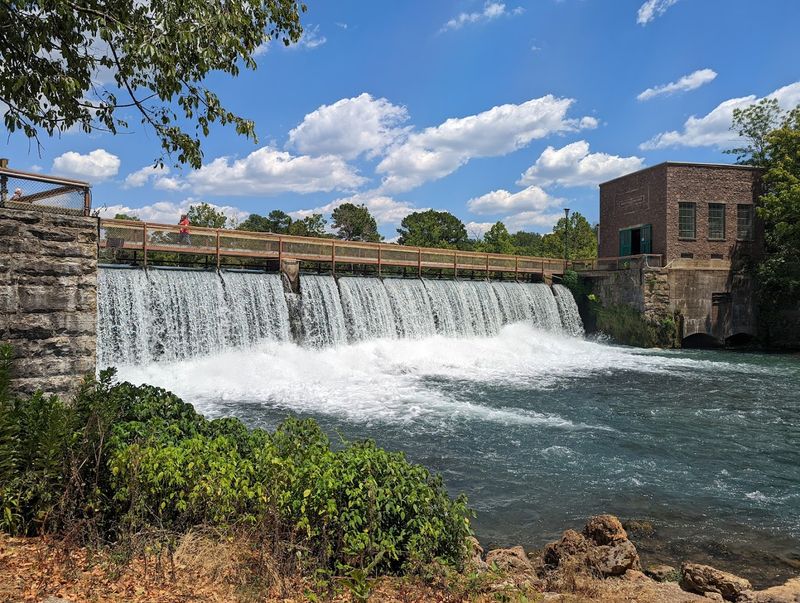
Right on the Missouri border, Mammoth Spring State Park at 17 Highway 63 North, Mammoth Spring, AR 72554 is anchored by one of the largest natural springs in the United States, a place where the earth simply opens up and pours out an extraordinary volume of crystal-clear water around the clock.
The spring feeds a scenic lake that stretches through the small town, and a walking trail loops around the water past a historic dam and through shaded stretches of riverbank that feel wonderfully peaceful.
The park also houses a restored train depot that now serves as a railroad museum, filled with artifacts and photographs that trace the history of rail travel through this corner of the Ozarks.
The water holds a striking blue-green color year-round that makes it look almost artificially vivid, and first-time visitors often stop and stare for longer than they expect to.
The town of Mammoth Spring itself is tiny and charming, with a few local spots worth exploring before or after your visit to the park.
On a quiet early morning, the spring pushes its endless current into the little lake, and that simple, slow travel moment there somehow stays with you longer than the flashier nearby attractions ever do.
7. Plum Bayou Mounds Archeological State Park, Scott
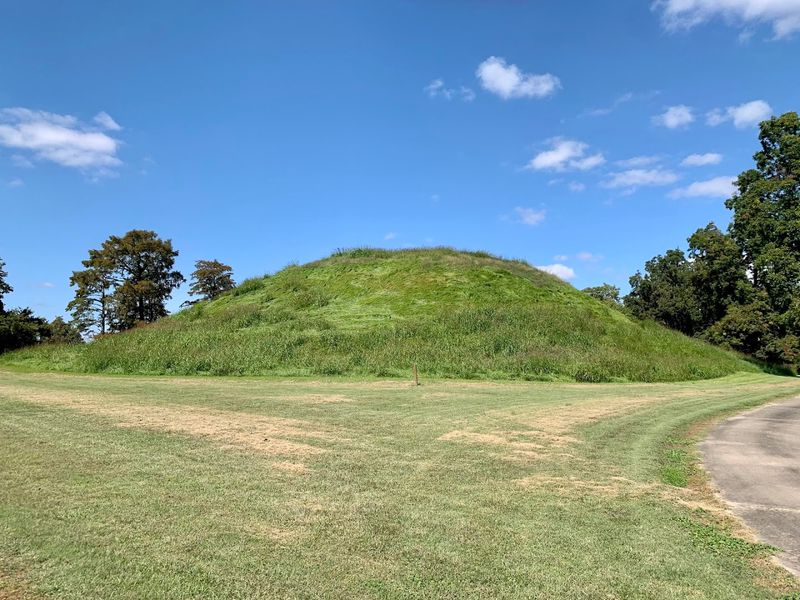
About twenty miles southeast of Little Rock, Plum Bayou Mounds Archeological State Park sits at 490 Toltec Mounds Road, Scott, AR 72142. It preserves one of the most significant prehistoric sites in the entire central United States.
The site contains a series of large earthen mounds built by the Plum Bayou people roughly a thousand years ago, and the scale of what these communities accomplished without modern tools is genuinely staggering when you stand at the base of the largest mound and look up.
A well-designed interpretive trail winds through the site with signage that explains the layout, purpose, and culture of the people who once lived and gathered here, giving context that transforms a walk through a field into a journey through deep history.
The park borders an oxbow lake, and the combination of quiet water and ancient mounds creates a quiet atmosphere that feels unlike anywhere else in the region.
Guided tours are available and highly recommended, since a knowledgeable guide brings the site to life in ways that self-guided reading simply cannot replicate.
Plum Bayou Mounds is the kind of place that reminds you how much happened on this continent long before any of the stories we usually tell about it even began.
8. Hampson Archeological Museum State Park, Wilson
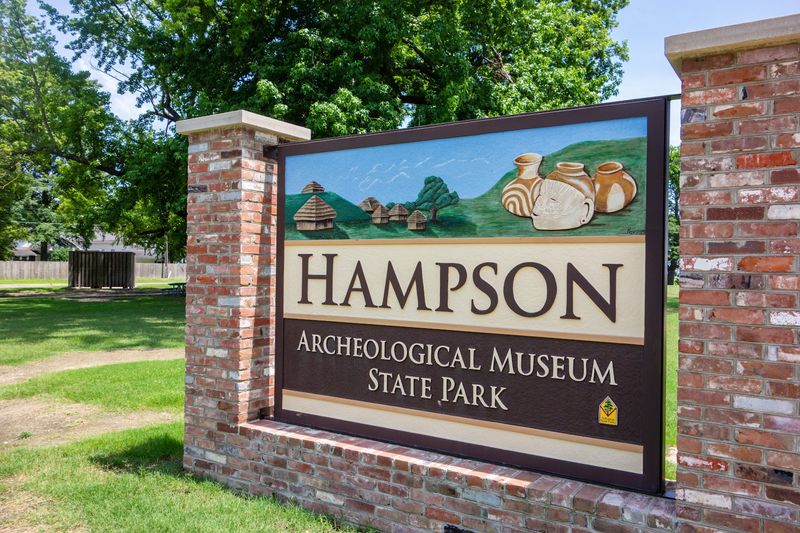
In the small town of Wilson in the Delta, Hampson Archeological Museum State Park sits at 33 Park Avenue, Wilson, AR 72395. It holds one of the most impressive collections of Nodena culture artifacts found anywhere in North America.
Dr. James Hampson spent decades excavating the nearby Nodena site, and the objects he recovered, including intricately decorated pottery and ceremonial items, now fill the museum’s displays with a richness that rewards slow, careful looking. The collection feels large for such a small stop.
The Nodena people lived in this area several centuries ago, and the quality and variety of what survives in this collection gives a surprisingly vivid picture of a sophisticated and creative society.
Wilson itself has undergone a thoughtful revitalization in recent years, with a charming town square featuring local shops and a bakery that makes the trip feel like a full afternoon rather than a quick stop.
The museum is small but curated with care, and the displays are arranged with real enthusiasm for visitors who make the effort to seek it out.
A museum this quietly extraordinary in a town this small is exactly the kind of discovery that makes road-tripping through the American South feel so consistently rewarding and worthwhile.
9. Hemingway-Pfeiffer Museum & Educational Center, Piggott
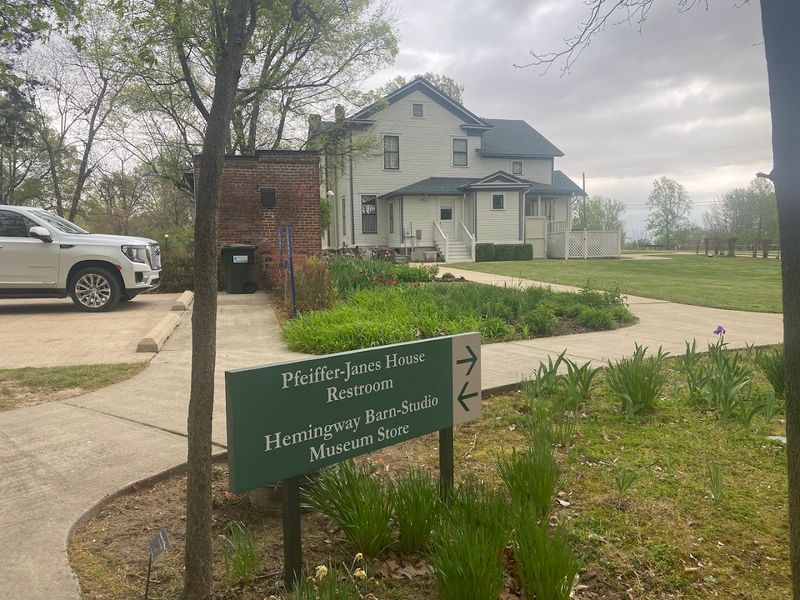
Literary history lives in an unexpected corner of the northeast at the Hemingway-Pfeiffer Museum and Educational Center, located at 1021 West Cherry Street, Piggott, AR 72454.
Ernest Hemingway visited this property multiple times in the late 1920s and early 1930s as the guest of his then-wife Pauline Pfeiffer’s family, and it was in the barn studio on this very property that he worked on portions of A Farewell to Arms.
The barn studio has been carefully preserved and restored to reflect how it looked during Hemingway’s visits, complete with period furniture and details that make it easy to picture him sitting there, wrestling sentences into shape.
Tours of the house and studio are offered through A-State, which manages the site, and guides bring genuine enthusiasm and real scholarly depth to the stories they tell.
Piggott itself is a small Delta town itself with a warm, unpretentious character, and the surrounding flat farmland gives the whole visit a mood that feels fitting for a writer who valued honest landscapes.
For anyone who has ever read Hemingway and wondered where some of those spare, precise sentences came from, standing in that barn studio offers a quietly satisfying kind of answer.
10. Johnny Cash Boyhood Home, Dyess
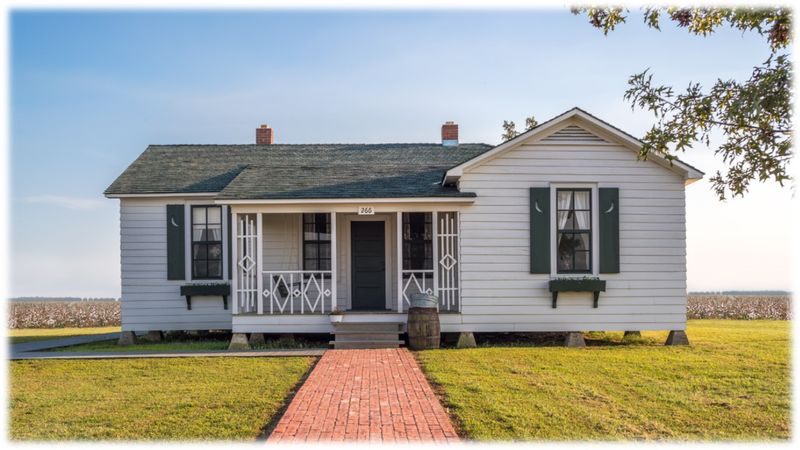
Long before the Man in Black became one of the most recognizable voices in American music, he was a kid growing up on a government-assigned farm plot in the tiny community of Dyess, Arkansas. That home is now preserved as the Johnny Cash Boyhood Home at 110 Center Drive, Dyess, AR 72330.
The modest white farmhouse has been meticulously restored to its 1930s appearance, and walking through its small rooms gives you a tangible sense of the humble, hardworking world that shaped Cash’s music and values.
A-State manages the site and has done remarkable work not only on the house itself but on the broader local story of Dyess Colony, a New Deal resettlement community that offered struggling families a fresh start during the Great Depression.
The flat Delta landscape stretching out in every direction around the home is quietly powerful, and it is easy to understand how this land, and the labor it demanded, left such a deep mark on Cash’s songwriting.
A visit here pairs naturally with a stop at the Dyess Colony Circle, the original town center that has also been partially restored.
After leaving Dyess, I found myself humming Ring of Fire and feeling like I finally understood where that restless, grounded sound actually came from.
11. Crater Of Diamonds State Park, Murfreesboro
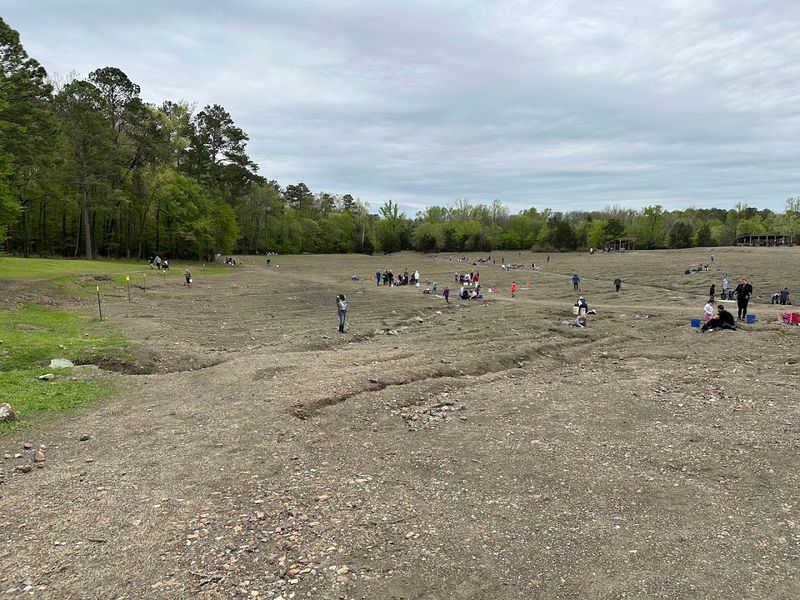
Crater of Diamonds State Park at 209 State Park Road, Murfreesboro, AR 71958 is a genuinely thrilling outdoor destination. It is one of the rare public places where you can pay a modest entry fee, search for diamonds, and legally keep what you find.
The park sits on the eroded surface of an ancient volcanic crater, and real diamonds, along with other gemstones, continue to surface naturally in the plowed field after every rain. That possibility gives the field a playful little tension, even when the bucket stays empty for most visitors.
Visitors of all ages and experience levels try their luck here, and the Diamond Discovery Center offers demonstrations and tips that can meaningfully improve your chances of spotting something worth pocketing.
Tools are available to rent on-site, so you do not need to arrive with any special equipment, just patience and a willingness to spend a few hours on your hands and knees in the Arkansas dirt.
Notable diamonds have been found here by ordinary visitors with no mining background whatsoever, which keeps the whole experience feeling genuinely open and fair.
I spent four hours at Crater of Diamonds, found a small brown stone that turned out to be quartz, and still considered the entire day one of the best I had in the state.