
This Colorful Route Through Illinois Takes You Through The State’s Best Flower Spots
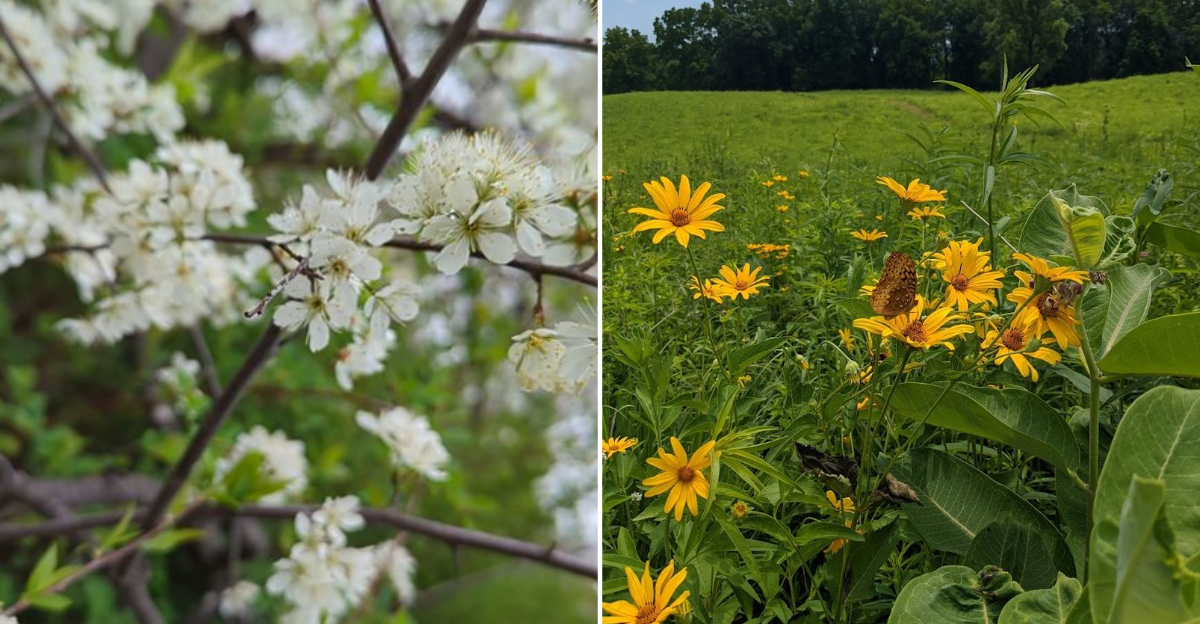
Illinois has a flower problem, and honestly, it is a pretty wonderful one to have. You can be surrounded by city blooms one moment, then wandering a quiet trail where tiny wildflowers are tucked under the trees the next.
This trip pulls together some of the prettiest places to see flowers in Illinois, without spoiling every stop right away. Expect bright fields, peaceful gardens, prairie paths, rocky trails, and a few hidden corners that feel like they were made for slow walks and too many photos.
Some spots are best in spring, while others really show off later in the season, so timing is part of the fun. Bring comfy shoes, a charged phone, and a little curiosity, because this Illinois route is a lot more colorful than most people expect.
Richardson Adventure Farm, Spring Grove
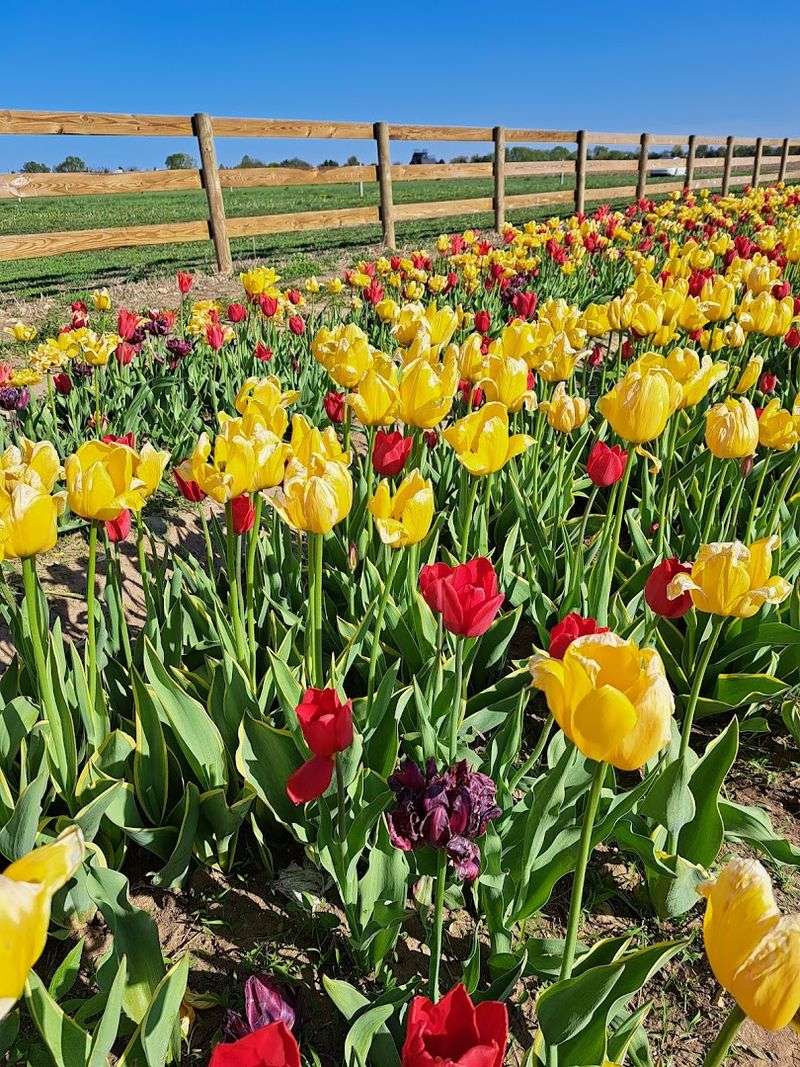
Few things in Illinois rival the sheer visual spectacle of Richardson Adventure Farm in Spring Grove, located at 909 English Prairie Road.
This family-owned farm transforms into one of the most vibrant seasonal destinations in the state, with spring tulip and daffodil displays followed later in the year by sunflower fields and elaborate corn mazes.
The sunflower fields here are genuinely breathtaking. Thousands of bright yellow blooms stretch across acres of farmland, creating a golden landscape that practically begs to be photographed.
Early morning visits offer the softest light and the fewest crowds, making it ideal for anyone who wants a more peaceful experience among the flowers.
Beyond the sunflowers, Richardson Adventure Farm offers hayrides, pumpkin patches, and seasonal events that make it a full-day outing. Kids absolutely love the interactive activities, and adults tend to linger in the flower fields far longer than they expected.
If you are starting your Illinois flower route in the north, this is the perfect first stop to set the tone for everything colorful ahead.
Chicago Botanic Garden, Glencoe
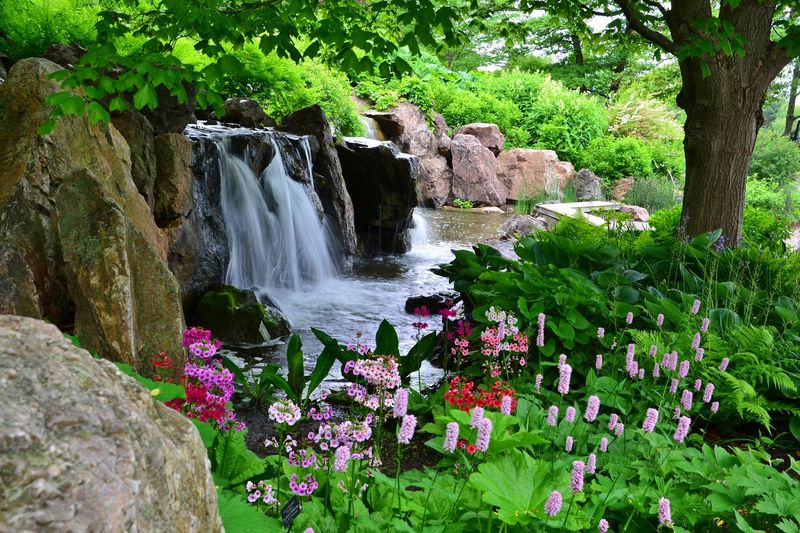
Sitting on 385 acres along the North Shore in Glencoe at 1000 Lake Cook Road, the Chicago Botanic Garden is one of the most celebrated living museums in the United States.
Over a million plants representing thousands of species fill this stunning landscape, making every visit feel like a new discovery no matter how many times you have been before.
Spring is particularly magical here. The bulb gardens explode with tulips and daffodils, the Japanese Garden offers cherry blossoms reflected in serene water, and the Rose Garden begins showing its earliest blooms.
Summer brings the full rose display with more than 5,000 rose plants, along with vibrant perennial borders that practically glow in the afternoon sun.
Practical tip: check the current daily hours before visiting, as public admission hours vary by season and early morning access may be limited to members.
Tram tours are available if you want a guided overview before exploring on foot. With nine distinct islands and multiple specialty gardens, the Chicago Botanic Garden earns every bit of its reputation as one of Illinois’s finest flower destinations.
Starved Rock State Park
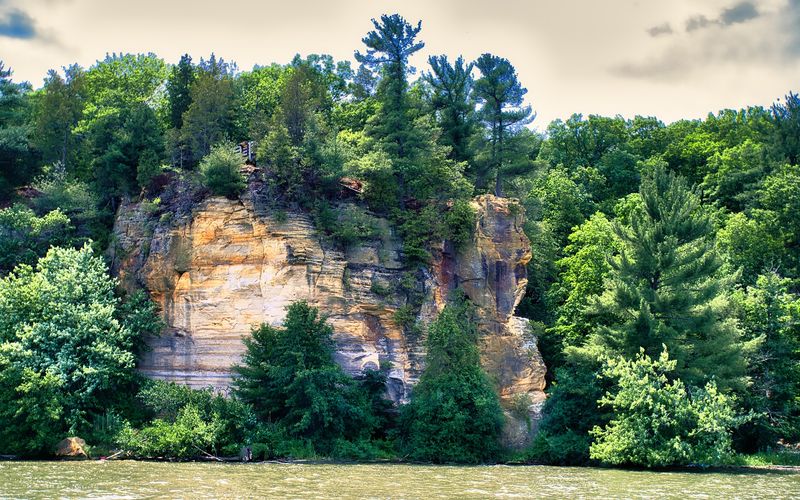
Perched along the Illinois River near Utica, Starved Rock State Park is one of those places where nature puts on a full show.
The park is best known for its dramatic sandstone canyons and waterfalls, but the wildflower displays that carpet the canyon floors and forest trails each spring are genuinely unforgettable. Trilliums, wild ginger, and bloodroot create a soft, painterly scene beneath the towering rock formations.
The Eagle Cliff and French Canyon trails are particularly rewarding for flower seekers. As you wind through the canyons, patches of spring ephemerals appear in sheltered spots where moisture and shade create ideal growing conditions.
It feels like stumbling into a secret garden tucked inside solid rock.
Summer brings a different cast of blooms, including wild bergamot and black-eyed Susans along the open ridges and meadow edges. The park also offers guided naturalist programs that can help you identify what you are seeing along the trails.
Located just a couple of hours southwest of Chicago, Starved Rock makes an easy and deeply rewarding day trip for anyone chasing wildflowers across Illinois.
North Michigan Avenue, Chicago
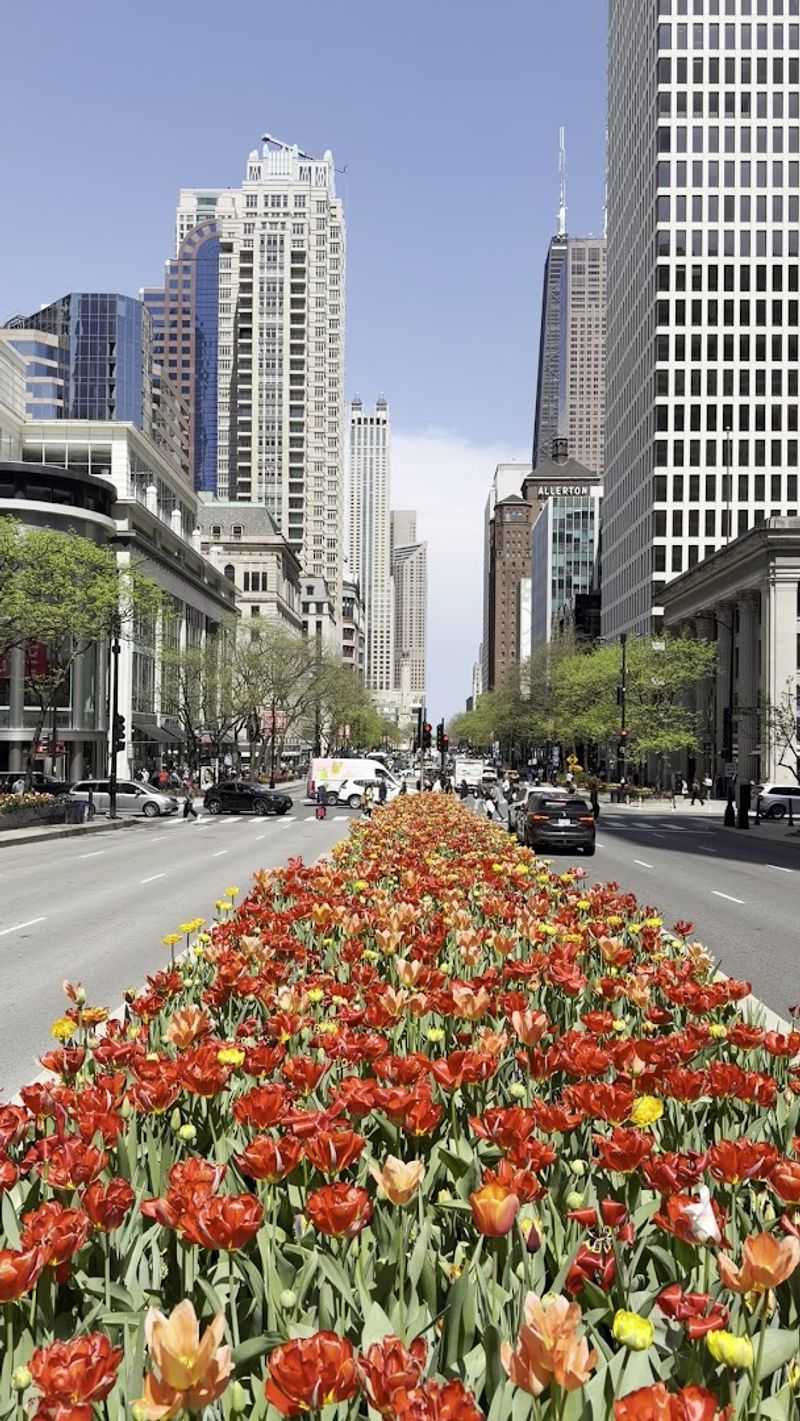
North Michigan Avenue, famously known as the Magnificent Mile, runs through the heart of Chicago and offers a surprisingly vibrant floral experience right in the middle of the city.
The streetscape along this iconic stretch from the Chicago River to Oak Street is meticulously maintained with seasonal plantings that shift from spring bulbs to summer annuals and fall mums throughout the year.
Hanging baskets and raised planters overflow with petunias, geraniums, and marigolds during peak summer months, creating a ribbon of color that softens the urban landscape beautifully.
The contrast of bold blooms against the backdrop of landmark architecture like the Tribune Tower and the Wrigley Building is a visual combination you will not find anywhere else in the state.
Grant Park and the nearby Millennium Park also feature formal flower beds and seasonal garden installations that complement the avenue’s plantings perfectly.
Strolling through this area on a warm summer morning, with the lake breeze carrying the scent of fresh flowers, is one of those simple Chicago experiences that stays with you. It is a reminder that great flower moments do not always require a rural setting.
Jackson Park, Chicago
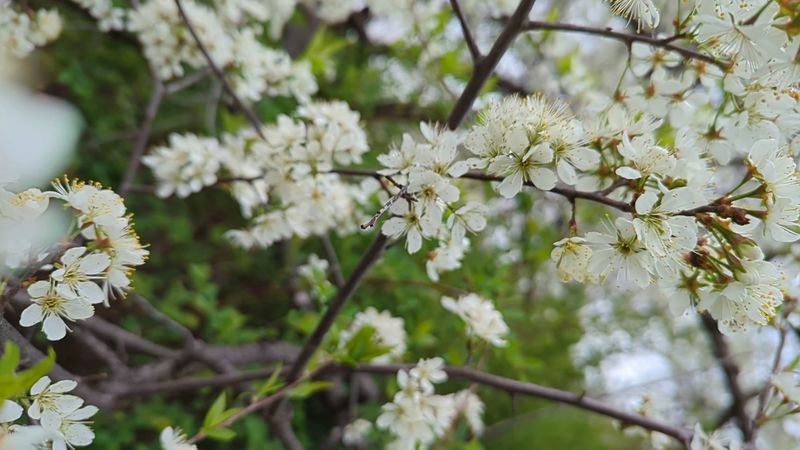
On Chicago’s South Side, Jackson Park holds one of the city’s most peaceful and flower-rich hidden retreats. The Wooded Island at the center of the park is home to the Paul H.
Douglas Nature Sanctuary, a restored habitat where native wildflowers and migratory birds share the same tranquil space.
In late spring, the island blooms with wild geraniums, prairie phlox, and golden Alexanders that draw both butterflies and admirers.
The Japanese Garden on the island, originally established for the 1893 World’s Columbian Exposition, features ornamental plantings including irises, lotus, and weeping cherry trees that create a serene, layered landscape across the seasons.
Few spots in Chicago feel as quietly beautiful as this one on a calm spring morning.
Jackson Park is located at 6401 South Stony Island Avenue, and admission is free. The park is large enough to reward a long, unhurried walk, and the combination of formal garden design and restored native plantings makes it a genuinely diverse flower experience.
If you appreciate history alongside your horticulture, this park delivers both in generous measure.
Bohm Woods Nature Preserve
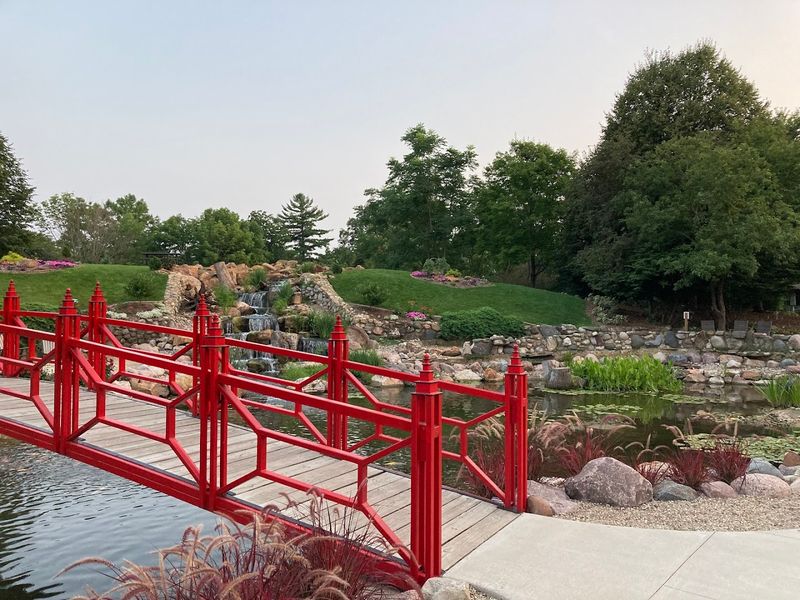
Bohm Woods Nature Preserve near Edwardsville in Madison County, owned by the Illinois Department of Natural Resources, is one of the Metro East region’s notable old-growth woodland preserves for wildflower enthusiasts.
This old-growth forest is one of the few remaining in the region, and its undisturbed floor produces a spectacular wildflower bloom each spring that feels almost otherworldly in its richness and density.
Trout lilies, spring beauties, Dutchman’s breeches, and large-flowered trilliums carpet the ground beneath towering oaks and sugar maples during April and early May.
The effect is genuinely stunning, a soft mosaic of white, yellow, and pale pink spreading as far as you can see between the massive tree trunks. The preserve covers about 87 acres, and the trail system is accessible enough for most visitors.
Because Bohm Woods is a nature preserve rather than a state park, visitor numbers tend to stay lower, which means you can often experience the bloom in near-total quiet.
Bring good walking shoes and arrive on a weekday morning for the most serene experience. This is the kind of place that reminds you why protecting natural landscapes matters so deeply.
Washington Park Botanical Garden, Springfield
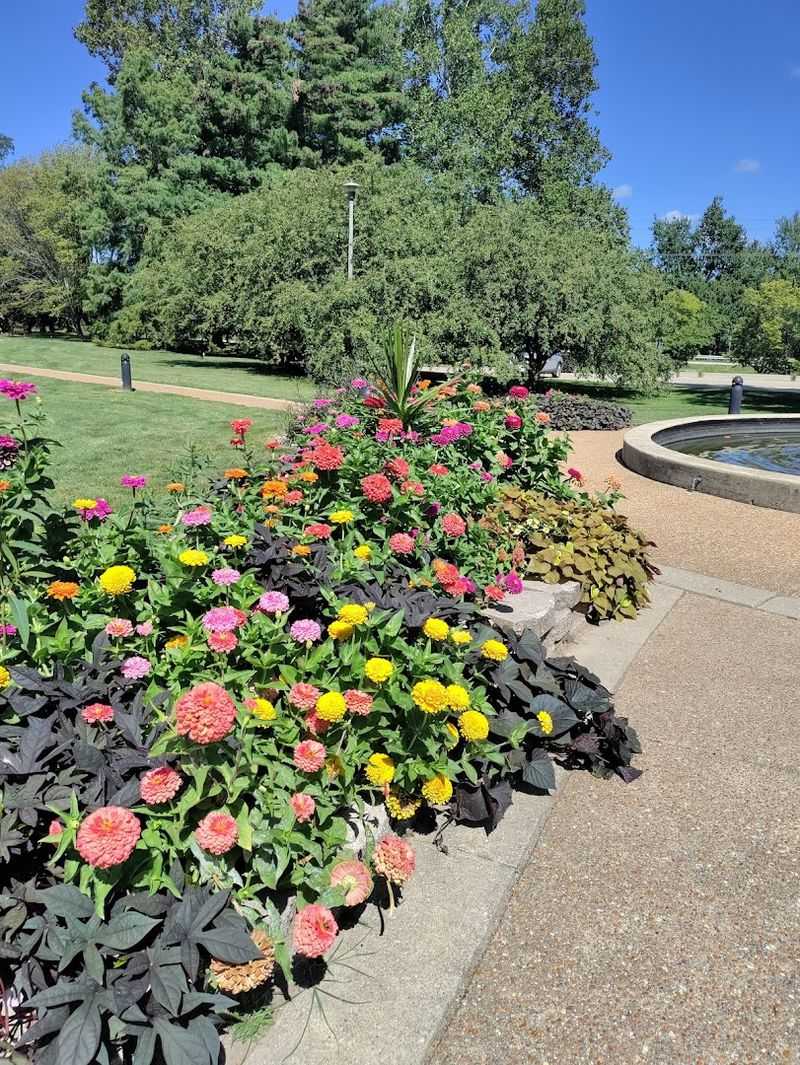
Right in the heart of Springfield, Washington Park Botanical Garden at 1740 West Fayette Avenue offers one of central Illinois’s most polished and rewarding floral experiences.
The conservatory and surrounding outdoor gardens are maintained by the Sangamon County Park District, and the level of care put into the plantings here is immediately obvious the moment you walk through the gates.
The outdoor formal gardens feature seasonal displays that shift from spring bulbs through summer perennials and into fall chrysanthemums, ensuring that every visit offers something new to admire.
The rose garden is a particular highlight, with dozens of varieties reaching peak bloom in June and again in September. The fragrance on a warm afternoon is genuinely wonderful.
Inside the conservatory, tropical plants and orchids provide a lush, year-round display that makes winter visits just as worthwhile as summer ones. Admission to the conservatory is free, which makes this an incredibly accessible destination for families and solo visitors alike.
Located just minutes from Abraham Lincoln’s Presidential Library and Museum, Washington Park Botanical Garden fits perfectly into a broader Springfield day trip with plenty of color to spare.
Hidden Acres Park, Homer
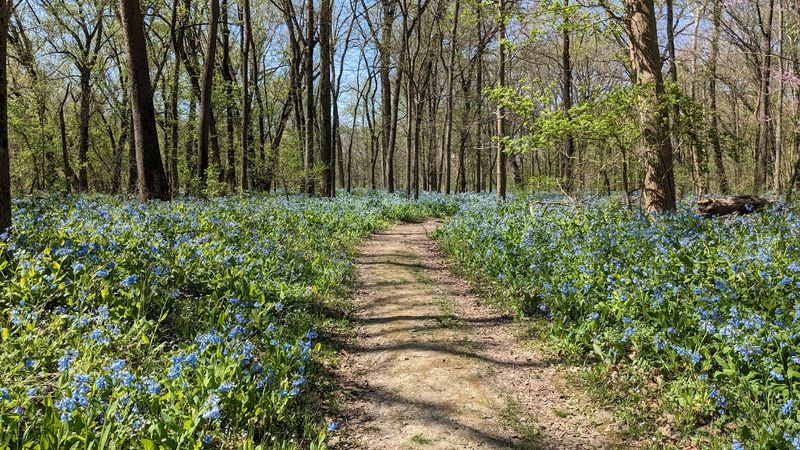
Hidden Acres Park in Homer, Illinois, is the kind of local treasure that rewards anyone willing to venture off the well-traveled path.
Managed by the Homer Lake Forest Preserve District, this park sits adjacent to Homer Lake and combines open meadows, restored prairies, and woodland edges that together support an impressive variety of native flowering plants throughout the growing season.
Spring brings woodland wildflowers along the shaded paths near the lake, while summer transforms the open meadow areas into a buzzing, colorful prairie display.
Purple coneflowers, black-eyed Susans, wild bergamot, and rattlesnake master create a native garden that feels effortlessly beautiful precisely because it is allowed to grow on its own terms. The pollinators that visit these flowers are as much a part of the show as the blooms themselves.
The park is located at 1515 Homer Lake Road, and trails here are easy to navigate, making it a comfortable outing for visitors of all ages and fitness levels.
Early evening visits in summer are particularly lovely, when the low light catches the prairie flowers at their most golden. Homer may be a small town, but this park punches well above its weight in natural beauty.
Giant City State Park
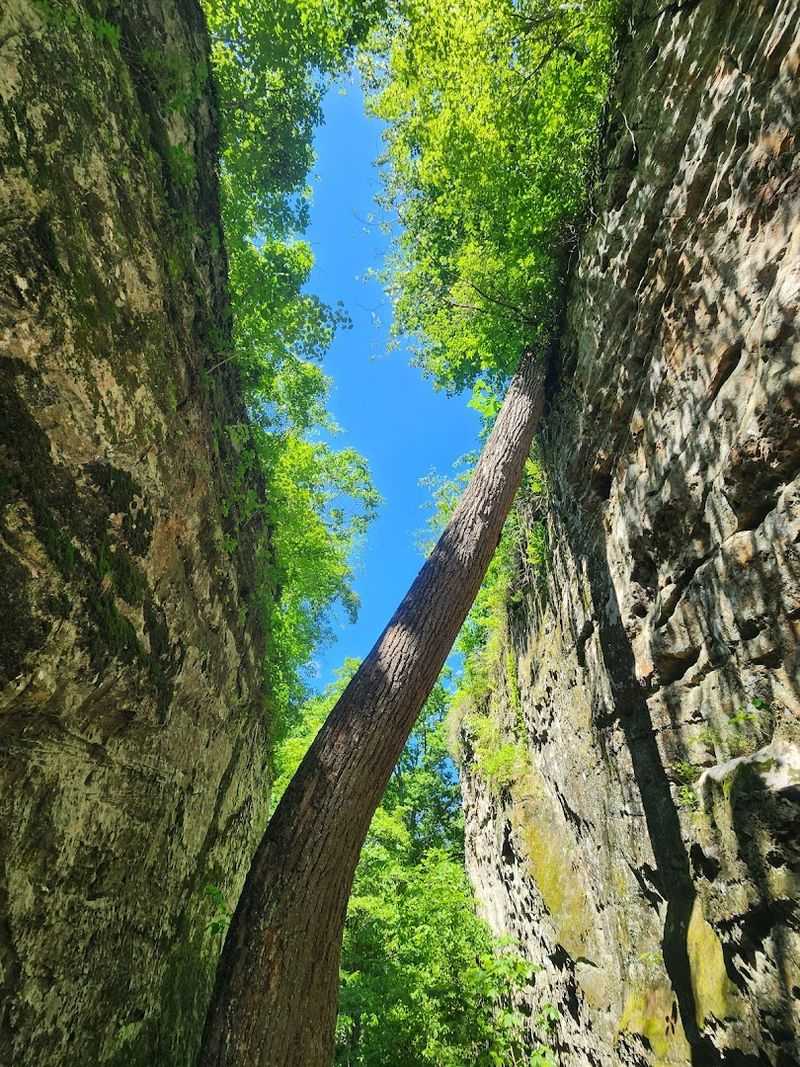
Down in southern Illinois near Makanda, Giant City State Park is a landscape of dramatic contrasts where massive sandstone formations tower over forest floors thick with seasonal wildflowers.
The park earned its name from the giant city-like blocks of stone that line certain trails, and walking among them while spring wildflowers bloom at your feet creates a genuinely memorable experience.
The forest understory here supports a rich variety of spring ephemerals, including wild columbine, Jack-in-the-pulpit, and various species of violets that thrive in the moist, sheltered hollows between rock formations.
The Giant City Nature Trail and the Trillium Trail are especially rewarding for flower seekers, with the latter offering exactly what its name promises during peak bloom in April.
Summer brings a different set of blooms to the park’s open edges and meadows, with native sunflowers, ironweed, and goldenrod adding warm tones to the landscape.
The park is located at 235 Giant City Road, Makanda, and offers camping, horseback riding, and a beloved lodge restaurant alongside its natural attractions. For anyone driving through southern Illinois on this flower route, Giant City is an unmissable stop.
Rocky Bluff Trail, Makanda
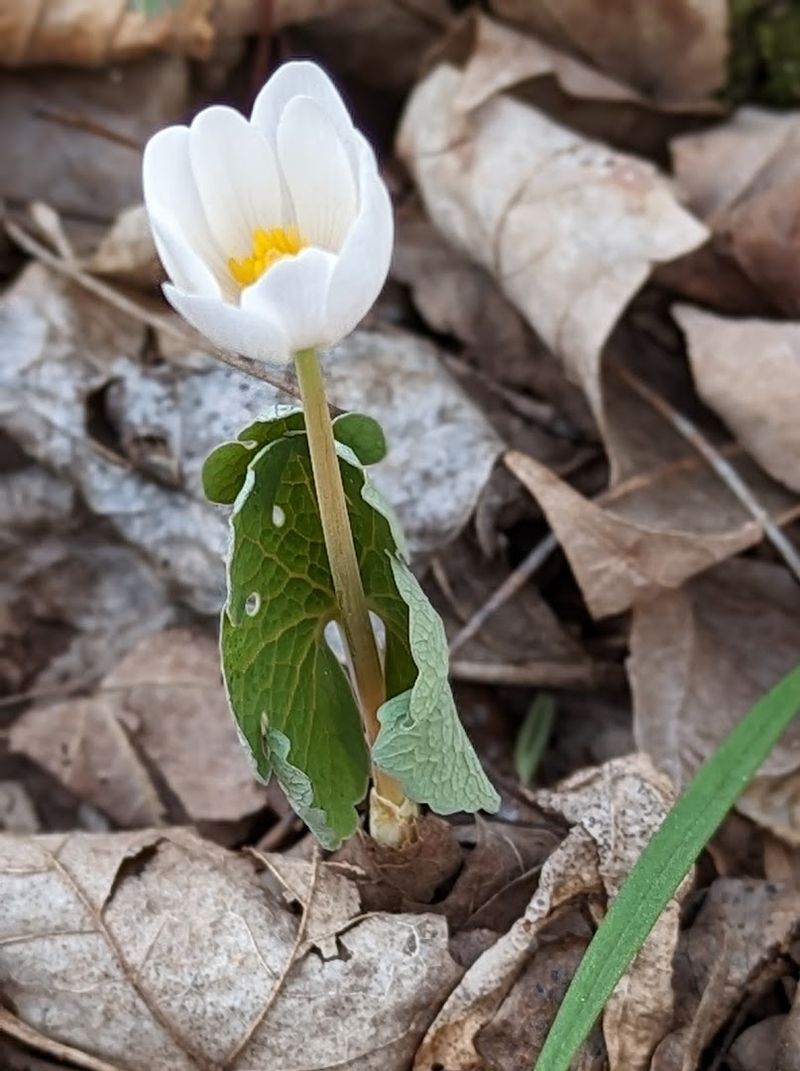
In southern Illinois, Rocky Bluff Trail in Crab Orchard National Wildlife Refuge offers one of the region’s scenic spring wildflower hikes.
The trail winds along elevated sandstone ridges with sweeping views of the surrounding forest, and the combination of open bluff habitat and sheltered woodland creates conditions for a surprisingly diverse range of flowering plants.
Spring is the most spectacular season here, when phlox, fire pink, and wild columbine cling to rocky ledges and bloom against a backdrop of endless green forest below.
The visual drama of bright red and pink flowers perched on pale sandstone with a valley view stretching out behind them is the kind of scene that makes you stop walking and just stand there for a while.
The trail has rocky and uneven sections that require steady footing, so good shoes are a must, and visitors should check current Crab Orchard National Wildlife Refuge access and permit requirements before going.
Makanda itself is a charming artist community worth exploring before or after your hike, with local galleries and studios that reflect the creative spirit of this corner of Illinois.
Rocky Bluff Trail delivers a raw, unhurried kind of beauty that feels like a genuine reward for the drive south.
Peony Hill Farm, Harrisburg
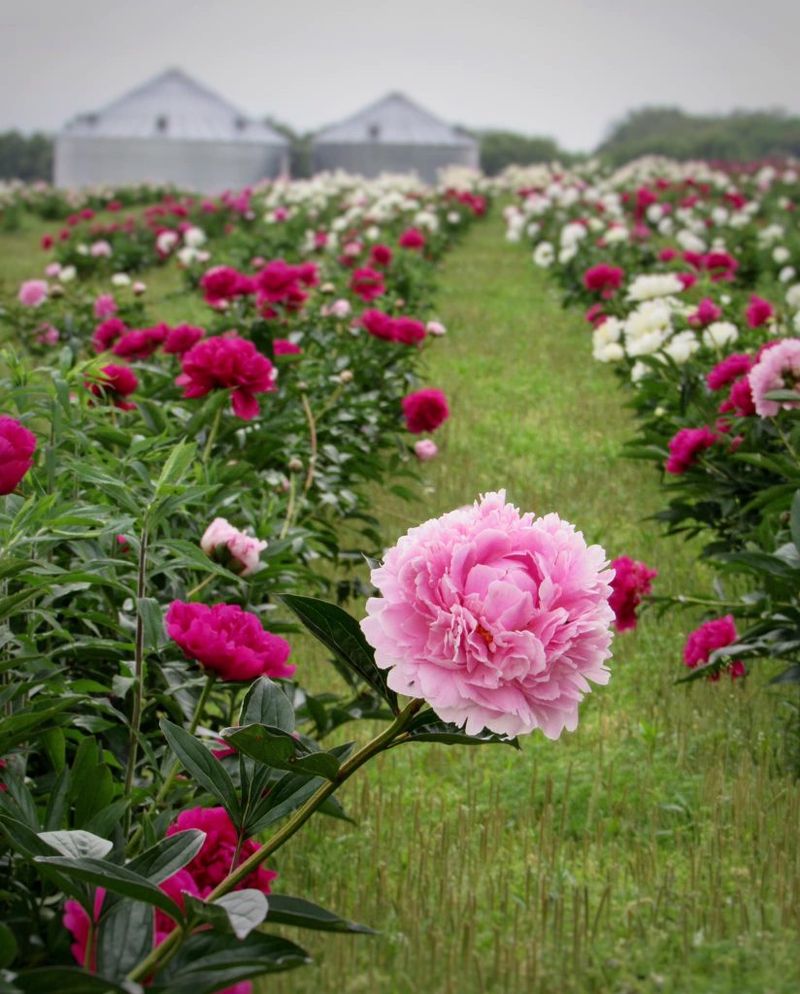
Peony Hill Farm near Harrisburg in southern Illinois is one of those destinations that exists almost entirely for the pure joy of flowers, and it delivers that joy in spectacular fashion.
The farm specializes in peonies, and during peak bloom in late May and early June, the fields become a sea of ruffled, fragrant blossoms in every shade of pink, white, red, and coral imaginable.
Peonies are among the most beloved flowers in American garden tradition, and seeing thousands of them blooming together in a single location is genuinely moving.
The fragrance alone is worth the drive. Visitors are often welcome to cut their own blooms during the season, making this a hands-on floral experience that you can literally take home with you.
Harrisburg sits in Saline County in the southernmost stretch of Illinois, making Peony Hill Farm a natural anchor for the southern end of this flower route.
Calling ahead to confirm bloom timing and visiting hours is strongly recommended, as peak peony season can shift by a week or two depending on spring temperatures. When the timing is right, though, few places in the entire state can match this farm for sheer floral abundance.
Casper Bluff Land And Water Reserve, Galena
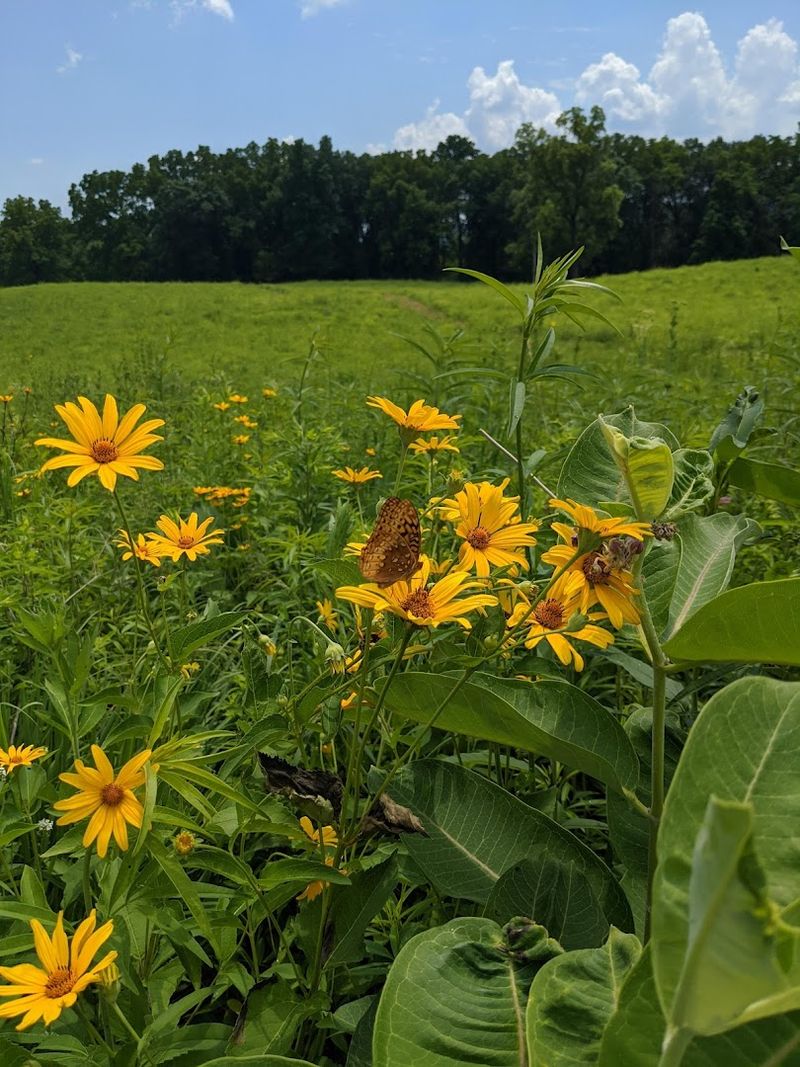
Up in the far northwest corner of Illinois near the historic town of Galena, Casper Bluff Land and Water Reserve offers one of the state’s most scenic and ecologically significant wildflower experiences.
The reserve protects restored prairie, blufftop habitat, and a small dolomite hill prairie remnant, creating a distinctive wildflower landscape in Illinois’s Driftless Area.
Prairie smoke, pasque flower, and bird’s-foot violet are among the uncommon species that bloom here in spring, followed by prairie dropseed and other warm-season plants that carry the floral display through summer.
The views from the bluff are extraordinary, with the rolling hills of the Driftless Area stretching out in every direction beneath a wide open sky.
The reserve is managed by the Jo Daviess County Forest Preserve and is located just outside Galena, a town already well worth visiting for its 19th-century architecture and charming main street.
Combining a morning hike at Casper Bluff with an afternoon exploring Galena makes for a near-perfect day in northwestern Illinois. This is the kind of place that makes you grateful someone had the foresight to protect it.