
This Michigan Renaissance Festival Features A Castle Live Jousting And A Storybook Village
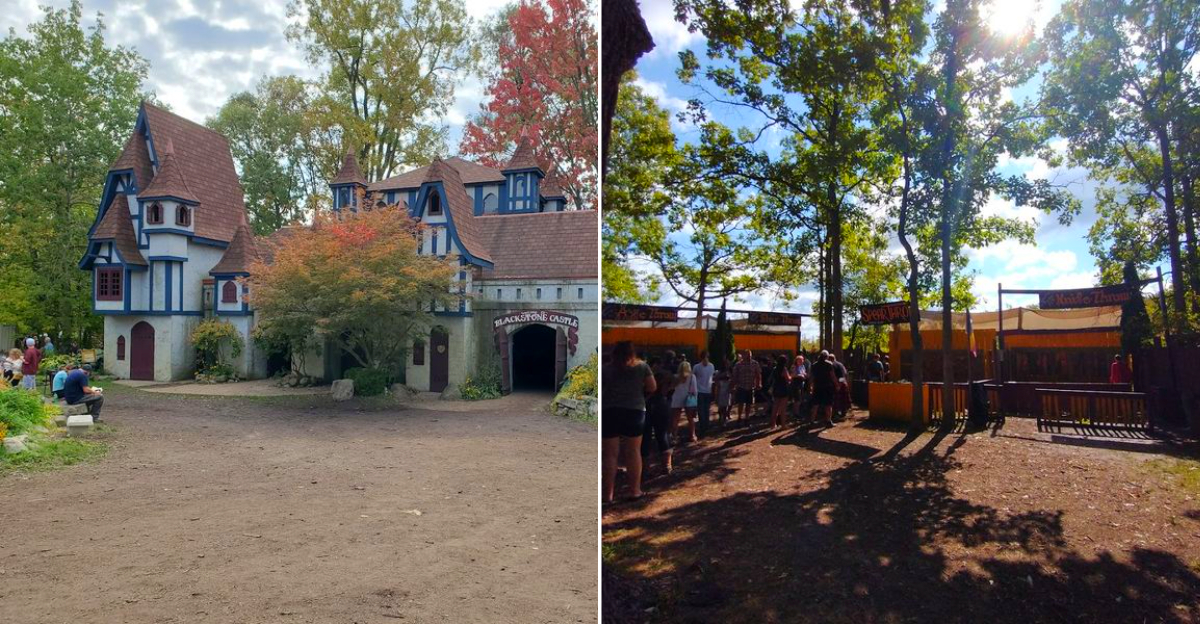
Walking through the front gates of a renaissance festival is a disorienting experience in the best possible way because on one side of the parking lot you are in the modern world.
And on the other side someone in full plate armor is asking if you have seen the queen and the transition happens so fast you barely adjust before a jester juggling torches passes by.
The jousting arena draws the biggest crowd because the horses are real and the lances are real and the hits land hard enough to send splinters into the stands and between matches you can wander through a village of timber-framed buildings that sells handmade swords and leather-bound journals.
Every weekend brings a different theme and the actors stay in character the entire time which means the world never breaks and you get to stay inside it as long as you want.
A Michigan renaissance festival builds a storybook village so detailed that one afternoon inside feels like a week somewhere else.
Arrive Early And Let The Gates Do Their Work
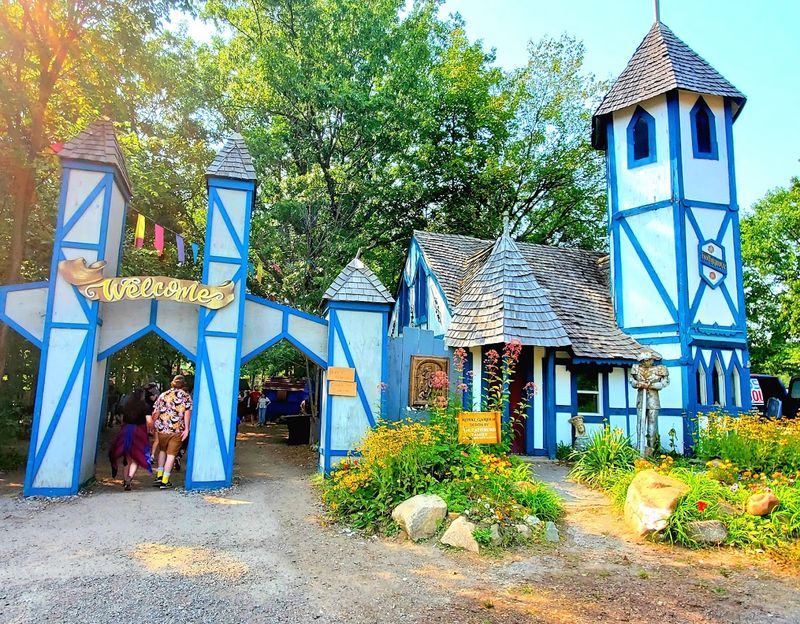
The first surprise is how quickly the atmosphere clicks into place once you pass the entrance. Hollygrove is designed as a fictional 16th-century English village, and arriving earlier lets you notice the facades, shop signs, and performers before the busiest hours flatten everything into a crowd.
That quieter first stretch makes the illusion feel more convincing.
Earlier entry also helps with practical matters that become obvious later. Parking, lines, and show seating are simply easier when you begin ahead of the rush.
If you want the village to feel storybook rather than shoulder to shoulder, give yourself that calmer opening hour and let the festival reveal itself before the noise level rises.
Your Shortcut To The Sixteenth Century
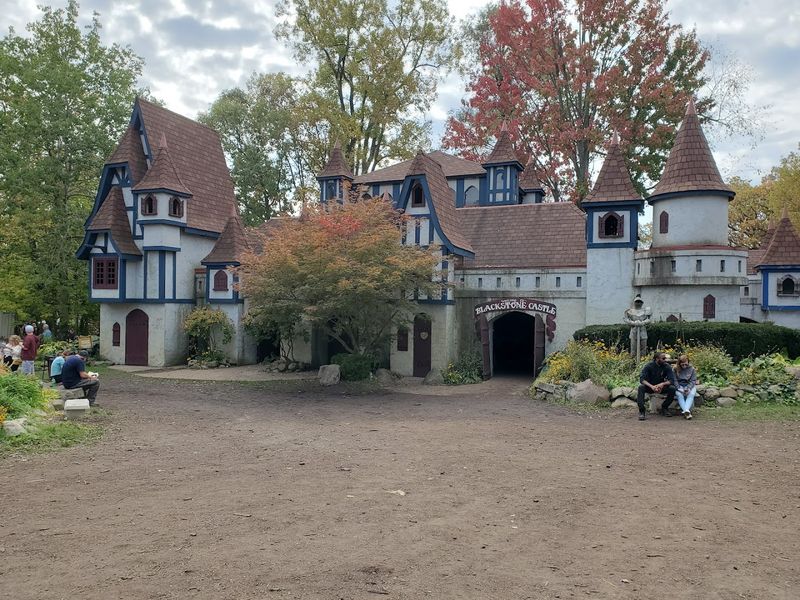
Michigan Renaissance Festival fills Hollygrove with costumed characters, lively performances, and enough medieval scenery to make the parking lot feel like a portal. The 2026 festival runs weekends from August 22 through October 4, plus Labor Day and Festival Friday.
Set your map for 12600 Dixie Hwy, Holly, MI 48442, the festival’s main entrance.
Arrive early, follow the event signs, and leave time for the walk from your car to the gates. The festival opens from 9 a.m. to 7 p.m., rain or shine, so your transformation from highway traveler to wandering villager can begin before lunch.
Build Your Day Around The Joust Schedule
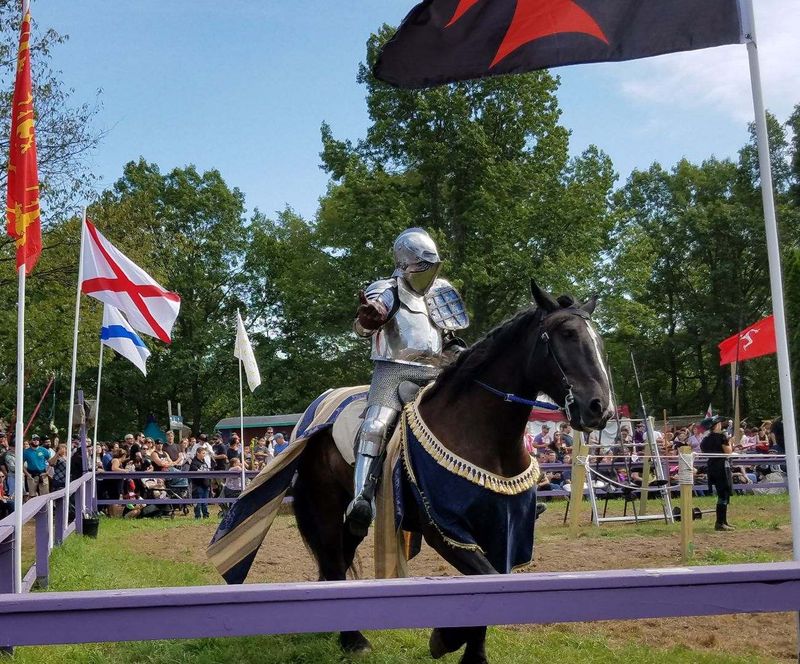
You can hear the excitement before you see the arena. The Michigan Renaissance Festival is especially known for its live armored jousting, with three performances daily, and that means the show is not a side attraction but one of the event’s defining rhythms.
Everything around it seems to pulse harder when joust time approaches.
Because it is such a major draw, plan your route around it instead of squeezing it in casually. Seats and sightlines become more competitive as the day gets busier.
If the joust is on your must-see list, check the day’s schedule early, choose a performance time, and leave enough margin to get there without weaving through a packed lane at the last minute.
Wear Sturdy Shoes For Gravel, Dust, And Long Walks
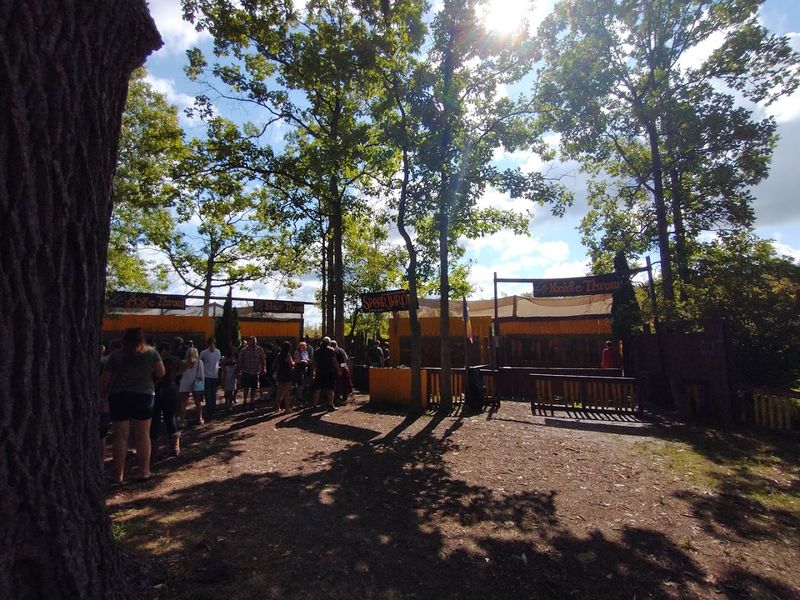
The ground is one of the least romantic parts of the visit, and ignoring it is a mistake. Recent seasons have brought comments about gravel, rocks, dust, and muddy conditions depending on weather, which means footing can change from manageable to annoying very quickly.
This is not a place for flimsy shoes or optimistic fashion choices.
The campus is large, and even the walk from some parking areas can add serious distance before your day properly begins. Good footwear matters for comfort, but also for patience, because tired feet shorten your tolerance for lines and crowds.
Choose sturdy shoes with grip, and the festival will feel expansive in a good way instead of physically punishing by midafternoon.
Plan For Sun, Shade, And Water Before You Need Them
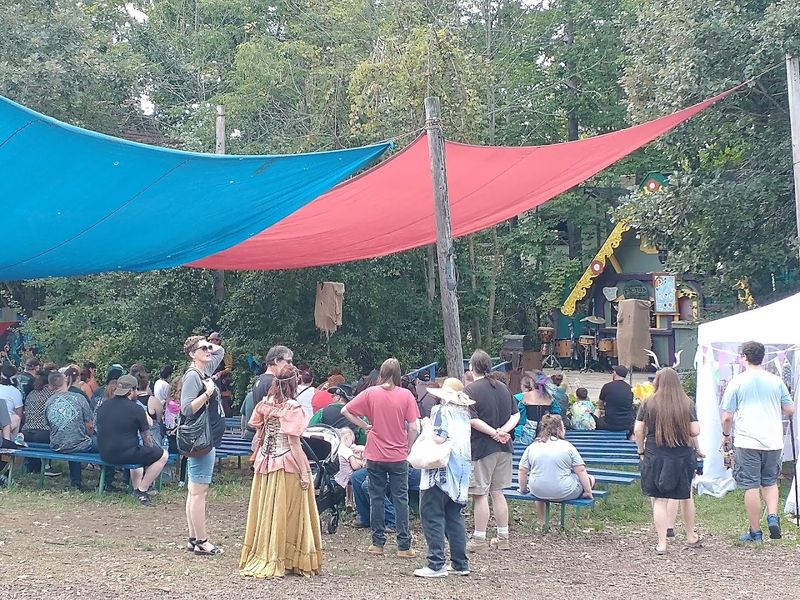
Heat changes the character of this festival more than most first-time visitors expect. On warm weekends, the combination of sun exposure, costumes, walking, and lines can turn a playful day into a draining one if you have not planned ahead.
The village is immersive, but it is still an outdoor event in late summer and early fall.
That makes water and shade part of the strategy, not an afterthought. I would go in assuming you need breaks before you feel tired, especially around midday.
A slower pace, regular pauses, and attention to where you can cool down will protect the fun better than any rigid checklist, because nothing dulls a castle-and-joust day faster than overheating.
Use Themed Weekends As A Planning Tool, Not A Gimmick
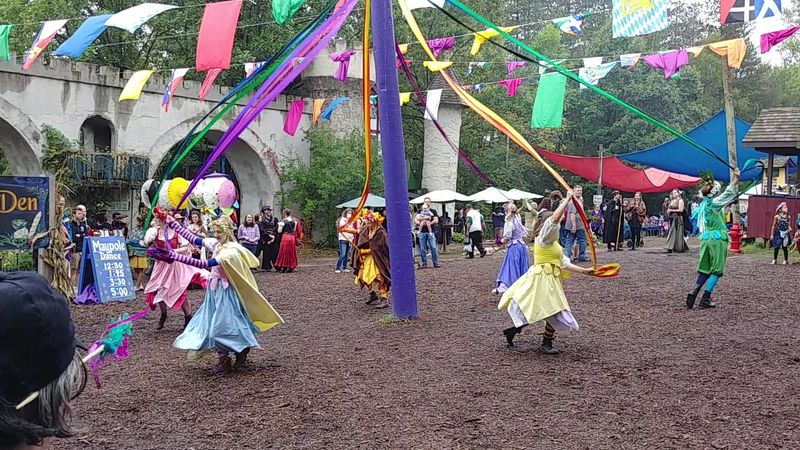
The festival calendar runs on themed weekends, and that structure shapes the crowd as much as the programming. Since the event typically operates on weekends from August through October, plus Labor Day and a Festival Friday, each date can carry a slightly different texture in costumes, energy, and priorities.
The theme is not just decorative branding.
If you care about atmosphere, use those weekends deliberately. Some days feel more family-oriented, some lean harder into elaborate dress, and some simply draw larger crowds because the concept catches on.
Looking at the official schedule before choosing a date gives you a better match between expectation and experience. It is a small step, but it can completely change how the village feels once you arrive.
Make Time For Artisans, Not Just Entertainment
With more than 150 artisans and vendors, the shopping area is not filler between shows. It is one of the clearest ways the festival expands beyond performance into craft culture, with booths that can reward slow looking if you resist the urge to rush toward the next spectacle.
The visual density here is part of the appeal.
Some of the most grounded moments happen in those conversations with makers explaining process, materials, and use. That practical detail balances the theatrical side of the day nicely.
Give yourself browsing time early or during a show slot you can skip, because tighter crowd conditions later make small shops harder to enjoy. When the lanes are calmer, the craft side of Hollygrove feels much more personal.
Pick A Few Stages Instead Of Trying To Conquer All 17
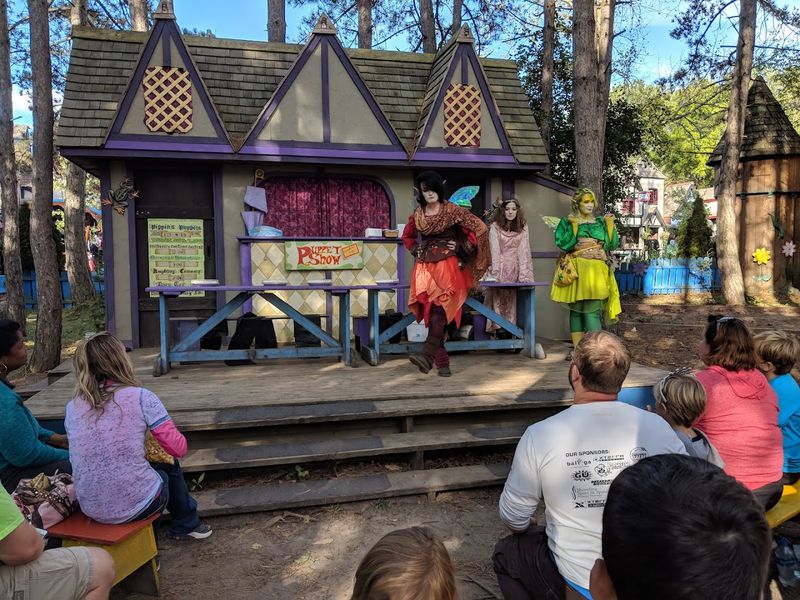
Seventeen stages sounds generous until you are standing in the middle of the village wondering where the afternoon went. The sheer amount of entertainment creates a pleasant problem: you cannot realistically absorb everything and still leave room for wandering, eating, shopping, and people-watching.
The festival works better when treated like a landscape, not a checklist.
Rather than chasing every show, choose a few anchors and let the rest happen by accident. That approach keeps the day from becoming a sprint between timetables.
I liked leaving space for whatever music, comedy, or character interaction appeared around the bend, because spontaneity is part of why Hollygrove feels alive. Overplanning can make a playful place feel strangely administrative.
Expect Lines And Build Patience Into Meal Times
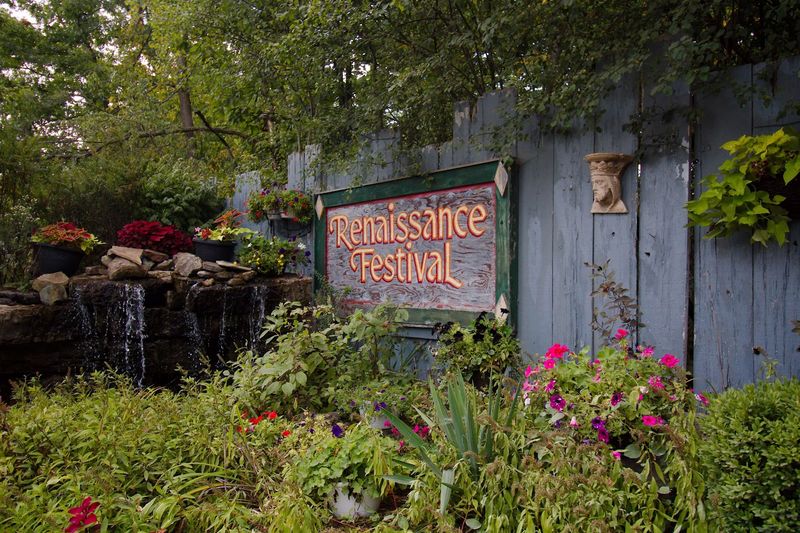
One of the most modern realities inside this old-world setting is the queue. Food lines can grow long, especially on busy afternoons, and the same goes for popular booths and high-profile performances.
None of that erases the charm, but it does mean your timing around meals affects your mood more than you might think.
The easiest fix is to eat earlier or later than instinct suggests. Midday crush periods compress everyone into the same narrow windows, and that is when waiting starts to consume the day.
If you see a shorter line before you are desperately hungry, take the opportunity. A little flexibility keeps the festival feeling generous, while rigid meal expectations can make an otherwise whimsical afternoon feel surprisingly transactional.
Notice How Hollygrove Mixes Theater With Place-Making
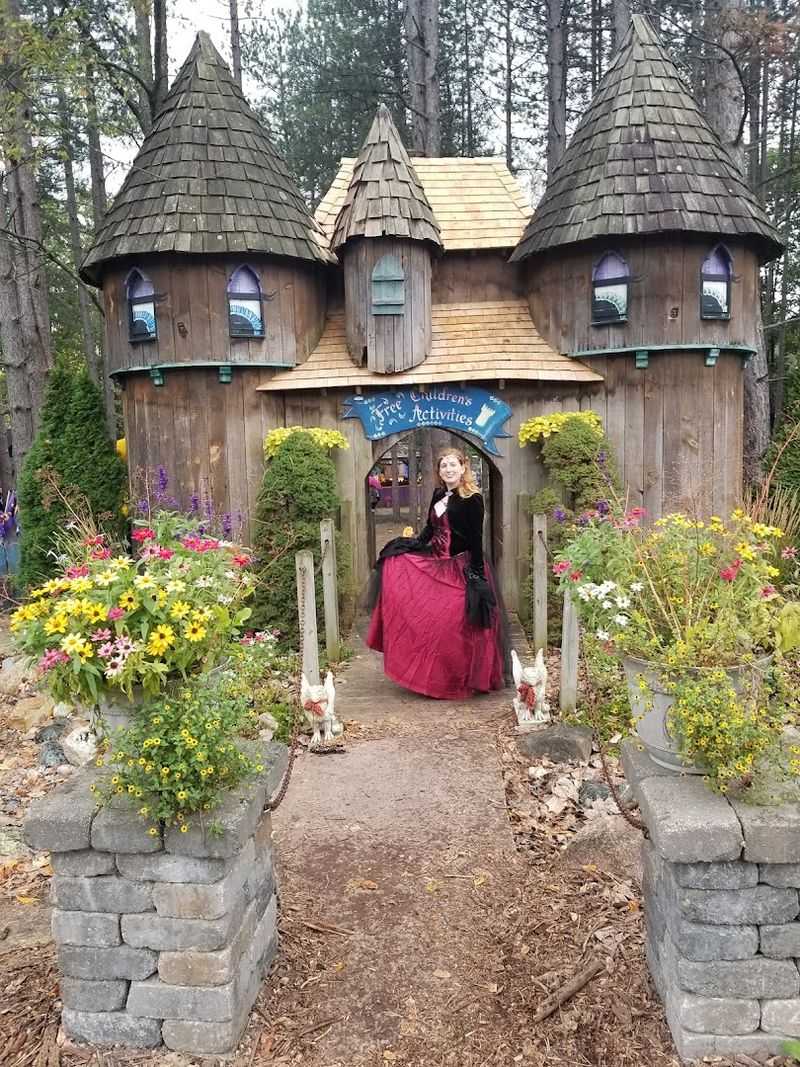
What lingers most is not a single stunt or costume but the way Hollygrove functions as an invented place. Founded in 1979, the Michigan Renaissance Festival has had decades to refine this blend of built environment, recurring characters, and staged unpredictability.
The result is not historical reconstruction so much as persuasive place-making with a distinctly theatrical heartbeat.
That difference matters because it explains why the village feels coherent even when it is crowded. The buildings, performers, and lanes all support the same fiction without pretending to be scholarly exactitude.
If you arrive expecting a playful interpretation rather than strict history, the experience opens up. You start noticing craft, rhythm, and design choices instead of interrogating every timber and accent.
Leave Room For The Odd Little Moments Between Highlights
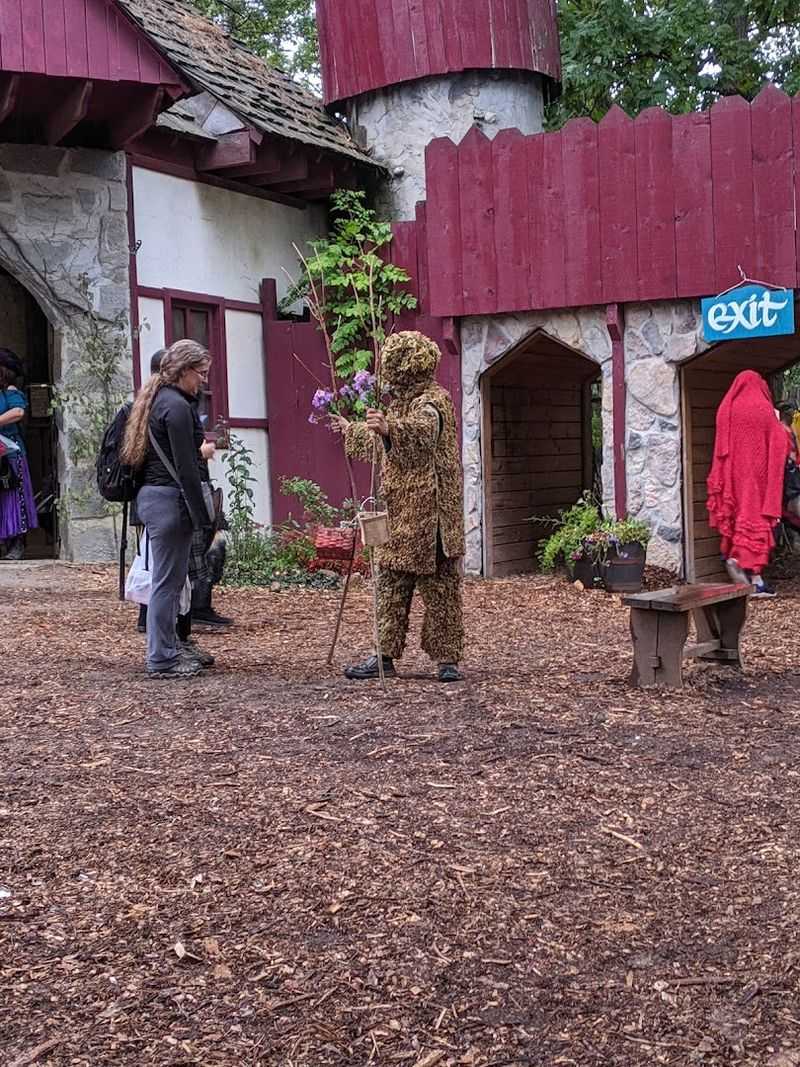
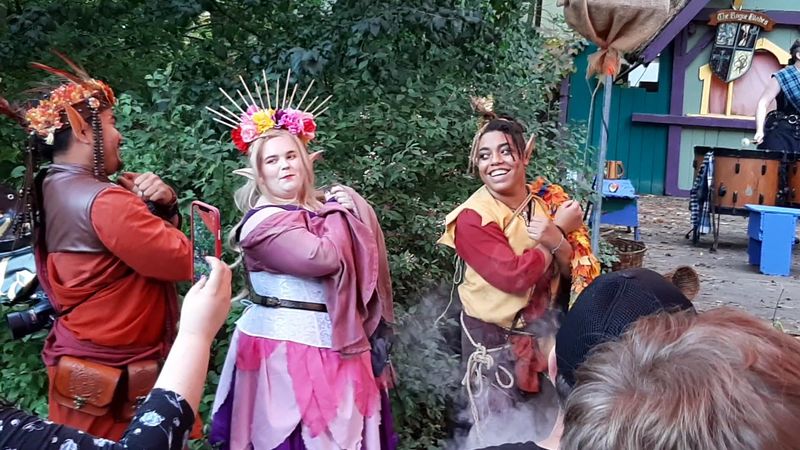
The obvious attractions get people through the gate, but the smaller moments are what give the festival texture. A musician heard from the next lane, an unexpectedly intricate costume, a sharply funny bit from a passerby, or a quiet architectural detail can recalibrate the whole visit.
This place rewards attention more than speed.
That is why the best advice is strangely simple: do not schedule every minute. The castle, live jousting, artisan market, and themed weekends all matter, but so does the unplanned drift between them.
If you let yourself wander without treating the grounds like a task list, the village starts feeling less like an attraction and more like a temporary world with its own oddly persuasive logic.