
13 Fascinating State Parks In Arkansas That Most People Have No Idea Exist
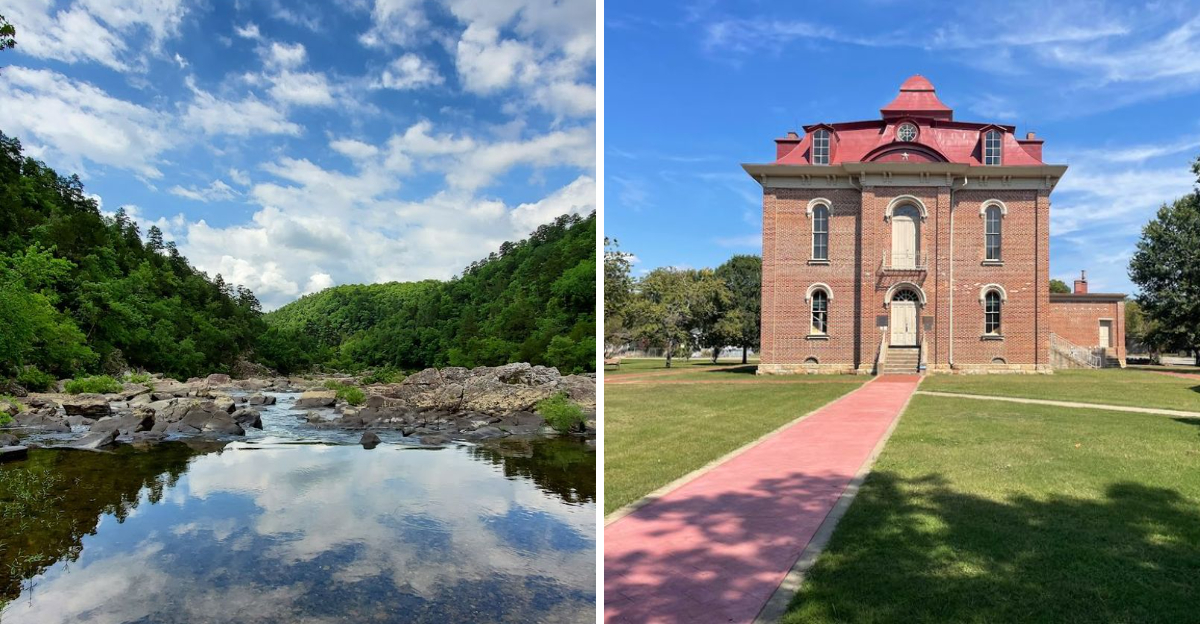
Arkansas will humble your travel list fast. Just when you think you have seen the main sights, a quieter state park pops up and steals the day.
That happened to me more than once. I would head out expecting a simple walk, then end up standing in a place with a story bigger than the sign at the entrance.
These parks do not need flashy crowds to make an impression. They work slower.
A trail pulls you in, then a view makes you pause longer than planned. History changes the way you see the road behind you.
I have spent years looking for places like that, and the best ones rarely came from the obvious recommendations. They came from curiosity and one more stop before heading home.
Those are the parks that stay with you. Quiet at first, unforgettable by the time you finally leave.
That feeling never gets old.
1. Arkansas Post Museum
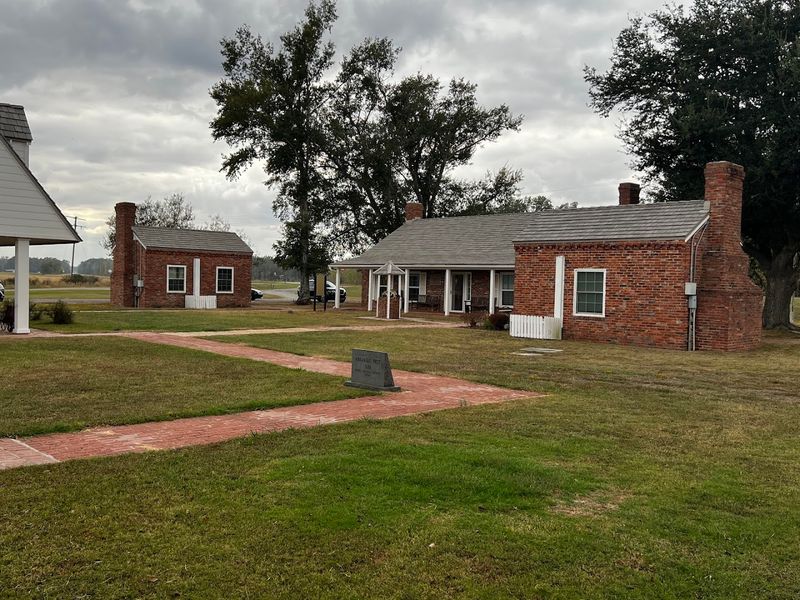
This ground sits near the meeting of the Arkansas and White rivers. Centuries of settlement and conflict shaped the region in lasting ways.
Arkansas Post Museum State Park is located at 5530 Hwy. 165 South, Gillett, AR 72055, and it helps tell the story of Arkansas’s Grand Prairie and Delta from the late 1800s to today.
The museum itself is packed with artifacts that show how families and local communities lived through changing times in this part of the state.
The nearby historic landscape adds useful context for visitors.
The exhibits feel like pages from a layered history book, with each room adding another view of the region’s past.
The surrounding wetlands are also a quiet paradise for birdwatchers, especially during waterfowl migration season.
I came here expecting a quick stop and ended up spending most of my afternoon absorbed in stories I had never heard before.
2. Cane Creek State Park
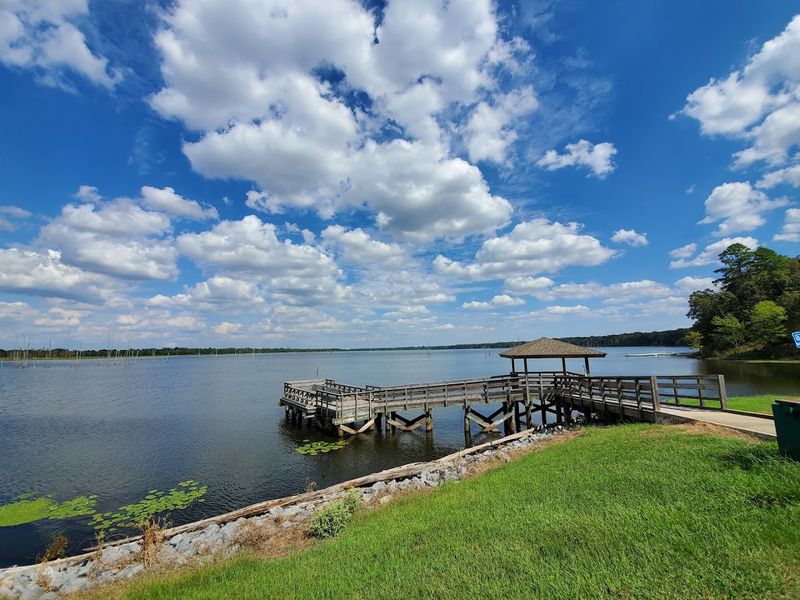
Cane Creek State Park feels quiet from the start. It sits where the West Gulf Coastal Plain meets the Delta, which gives the park a mix of forest and lowland scenery.
Located at 50 State Park Road, Star City, AR 71667, it is centered around Cane Creek Lake, a calm place for fishing and slow afternoons on the water.
Anglers come here for peaceful shoreline time, and the cypress-lined edges make even a simple paddle feel cinematic.
The park also offers campsites and cabins, plus boat rentals and trails that make it easy to turn a quick visit into a full weekend.
The Cane Creek Lake Trail gives hikers and mountain bikers a deeper look at the landscape without pulling the park out of its relaxed rhythm.
For anyone who wants a state park that feels genuinely off the radar, Cane Creek delivers that feeling from the moment you pull in.
3. Cossatot River State Park-Natural Area
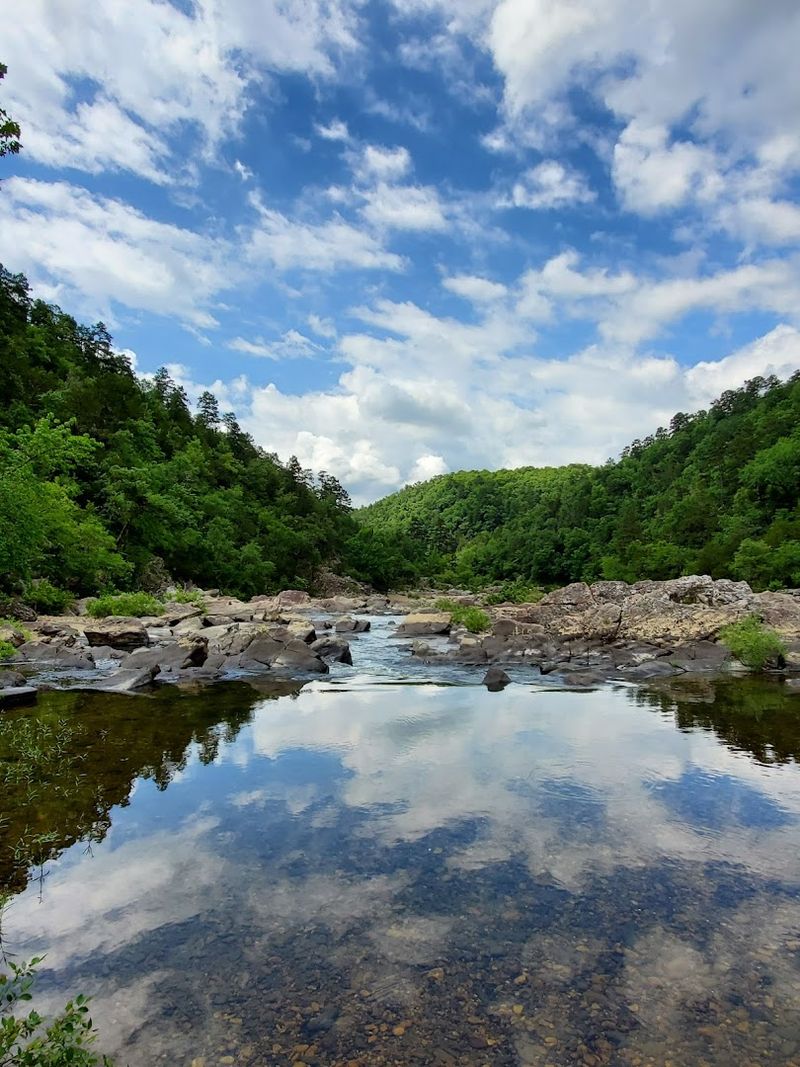
Few rivers in the state carry a reputation quite like the Cossatot. Its name is often translated as skull-crusher, which tells you something important right away.
Cossatot River State Park-Natural Area sits at 1980 Hwy. 278 West, Wickes, AR 71973, and it protects one of the most powerful stretches of whitewater in the South.
The river has National Wild and Scenic River designation, and its Class IV rapids draw experienced kayakers and canoeists who want a serious challenge rather than a casual float, especially at higher water levels.
Between the rapids, you will find emerald-colored pools and natural rock shapes carved by centuries of moving water, with canyon walls framing the whole scene dramatically.
Bank trails offer a way to appreciate the landscape without getting wet, and wildflowers carpet the forest floor in spring.
This park rewards people who show up ready to engage with nature on nature’s own terms.
4. Davidsonville Historic State Park
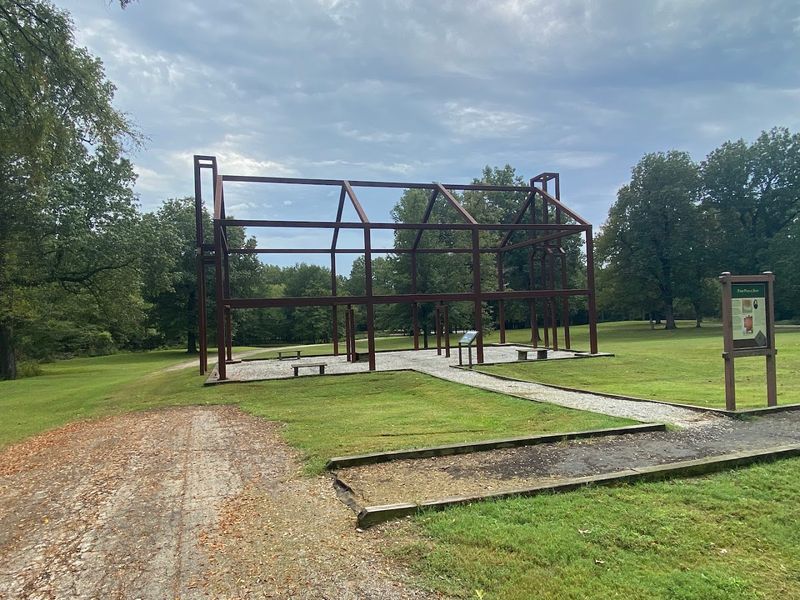
Long before Pocahontas, Arkansas became a proper town, another settlement was already thriving nearby, and Davidsonville Historic State Park preserves what remains of it.
The park is located at 8047 Hwy. 166 South, Pocahontas, AR 72455, and it protects the site of Davidsonville, one of Arkansas Territory’s earliest planned towns from the early 1800s.
Archaeologists have uncovered foundations, artifacts, and evidence of a courthouse, tavern, and post office, making this one of the most historically layered sites in the state.
Walking the grounds, you get a real sense of how ambitious and fragile early frontier settlements could be, towns that rose quickly and vanished just as fast.
The Black River runs alongside the park, adding a scenic backdrop and some solid fishing opportunities for visitors who want to mix history with a little outdoor recreation.
Davidsonville is the kind of place that sticks with you long after you leave the parking lot.
5. Delta Heritage Trail State Park
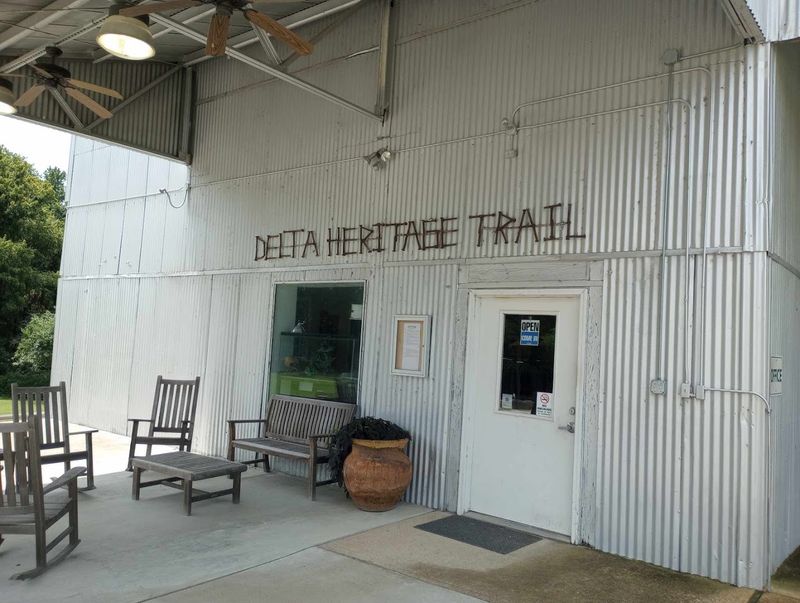
Rails-to-trails projects have a way of turning forgotten infrastructure into something genuinely worth exploring, and Delta Heritage Trail State Park is a prime example of that transformation.
The park is anchored at 5539 Hwy. 49, Helena-West Helena, AR 72390, and it follows a former railroad right-of-way through the flat, wide-open landscape of eastern Arkansas.
The trail stretches for miles through the Delta region, offering cyclists and hikers a way to experience a part of Arkansas that most visitors speed past without a second look.
Delta culture runs deep here, from the agricultural fields stretching to the horizon to the small communities that dot the route along the way.
The park is still growing as the trail conversion continues, so early visitors get the added satisfaction of seeing a project in progress.
Riding this trail at golden hour, with the flat Delta light washing over everything, is one of those unexpectedly moving experiences that travel does not always guarantee.
6. Hampson Archeological Museum State Park
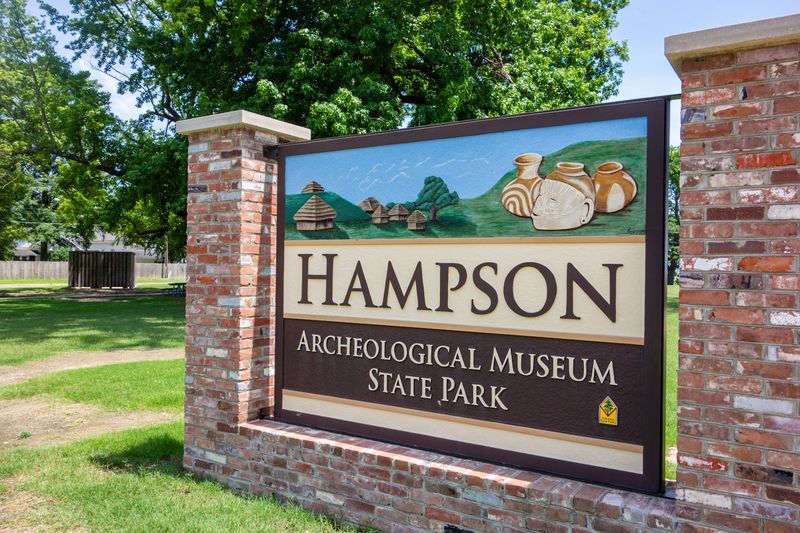
The small town of Wilson, Arkansas holds a collection of ancient artifacts that would feel at home in a major metropolitan museum, and most travelers have never heard of it.
Hampson Archeological Museum State Park sits at 33 Park Avenue, Wilson, AR 72395, and it houses one of the most significant collections of Nodena culture artifacts in the entire country.
The Nodena people lived in this region of the Mississippi Delta for centuries, and the objects recovered from their village site tell a story of sophisticated craftsmanship, trade, and community life.
Pottery, ceremonial objects, and tools fill the exhibit cases with a quiet authority that makes the ancient world feel surprisingly close.
The museum itself is modest in size, which means you can absorb everything without rushing, and the staff are genuinely enthusiastic about sharing what makes this collection so rare.
Coming here changed the way I think about who was living in Arkansas long before anyone wrote it down.
7. Historic Washington State Park
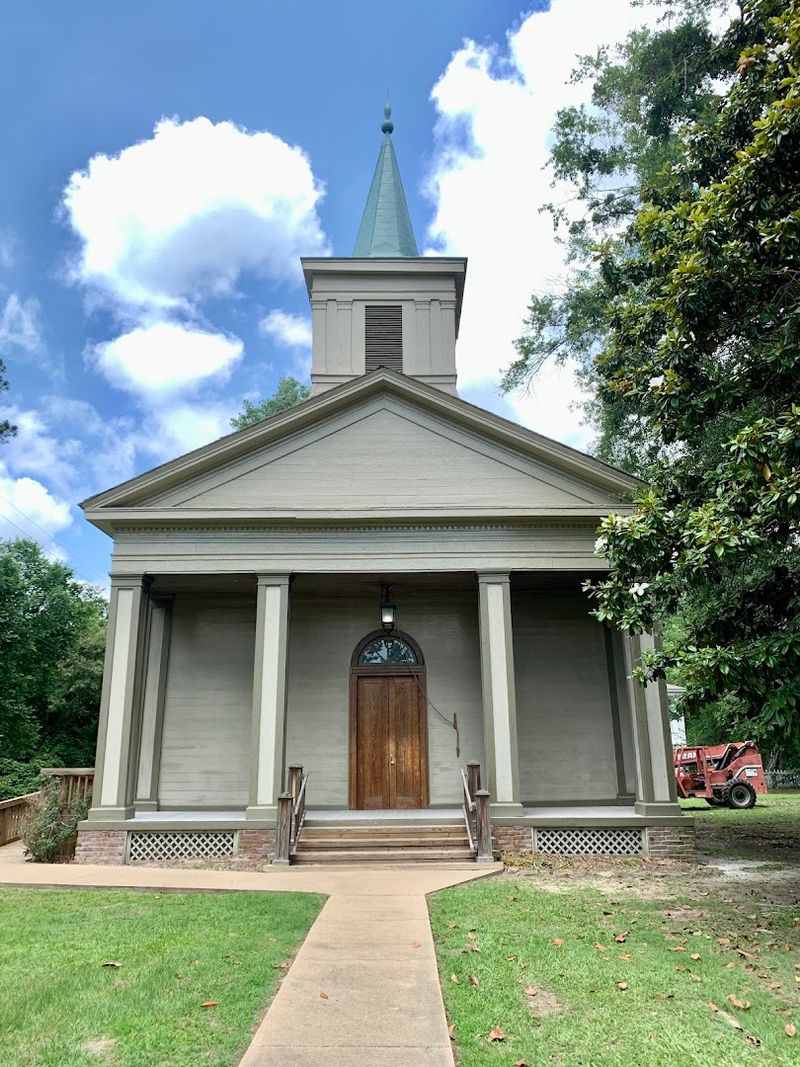
Walking into Historic Washington State Park feels less like visiting a museum and more like stepping through a door into the 1800s, which is exactly the point.
The park is located at 103 Franklin Street, Washington, AR 71862, and it preserves an entire antebellum town that served as the Confederate capital of Arkansas during the Civil War.
Blacksmith shops, taverns, courthouses, and homes have been carefully restored, and costumed interpreters bring daily life from that era back to vivid, sometimes startling detail.
The town was also a stopping point on the Southwest Trail, making it a crossroads for settlers, politicians, and adventurers heading west in the early 19th century.
James Bowie reportedly had his famous knife designed here, which adds a layer of legend to all the documented history already on display.
Every building on these grounds has a story, and the park does a remarkable job of letting those stories speak for themselves.
8. Jacksonport State Park
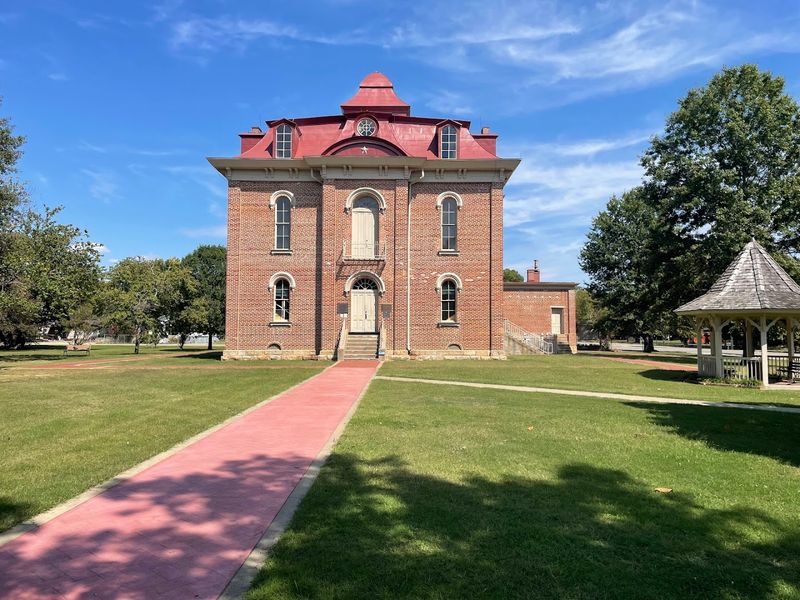
Before Newport became the dominant city in the area, Jacksonport was the thriving commercial hub of the White River valley. This state park preserves what that once-booming town left behind.
Jacksonport State Park is located at 111 Avenue St., Newport, AR 72112, and it centers around a beautifully restored antebellum courthouse that doubles as a museum filled with Civil War and riverboat-era history.
The White River curves right past the park grounds, and from the bank, it is easy to imagine the steamboats that once made this town a vital trade stop in the mid-1800s.
River commerce remains a major part of the story here, with exhibits that connect the courthouse to the town’s important old role as a busy White River landing.
Camping and fishing are also available, making this a park that satisfies both history buffs and outdoor enthusiasts in one stop.
Jacksonport is the kind of quietly proud place that makes you glad you looked past the highway signs.
9. Lake Chicot State Park
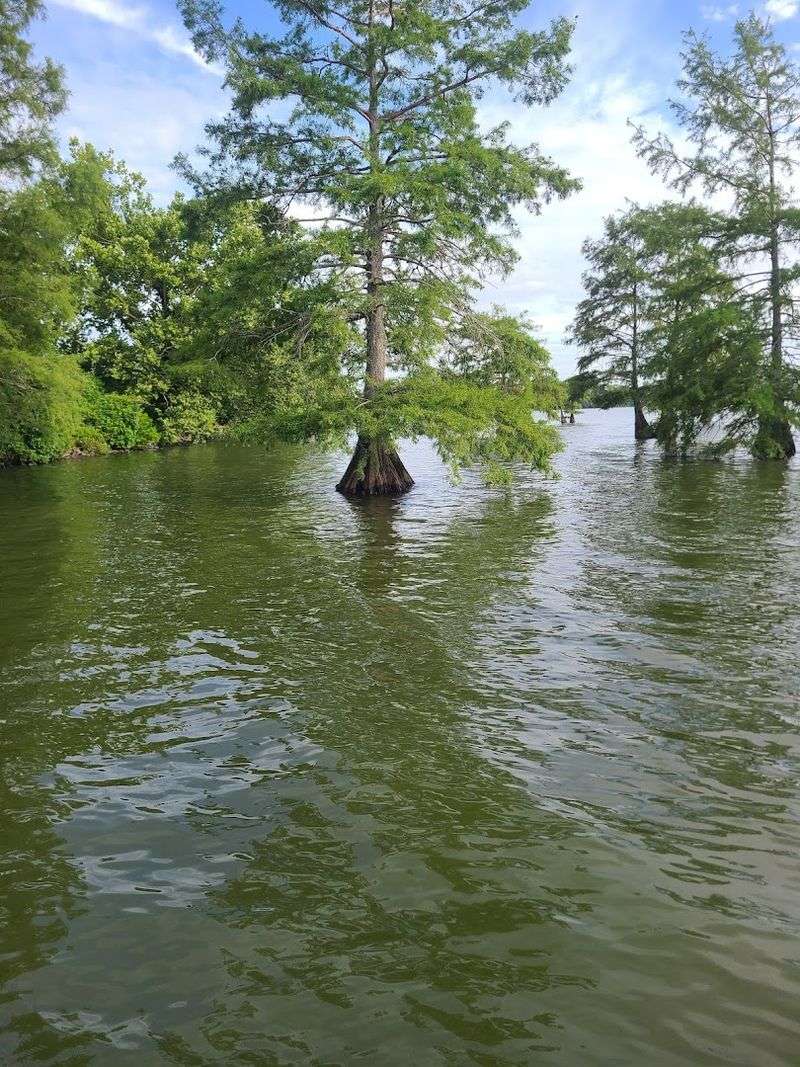
Lake Chicot is not just any lake, it is the largest natural lake in Arkansas and the largest oxbow lake in North America, which gives this park a geographic bragging right that is hard to top.
Lake Chicot State Park is located at 2542 Hwy. 257, Lake Village, AR 71653, tucked into the far southeastern corner of Arkansas near the Mississippi River.
The lake formed when the Mississippi shifted course long ago, leaving behind a curved, crescent-shaped body of water lined with bald cypress trees draped in Spanish moss.
Fishing here is exceptional, with crappie, bass, and catfish drawing anglers who know about this spot and keep coming back season after season.
The park offers boat rentals, camping, and interpretive programs that explain the fascinating geology and ecology of oxbow lake systems.
Sitting on the dock at sunrise with mist rising off the water and cypress silhouettes cutting through the fog is an experience that earns its own category of beautiful.
10. Louisiana Purchase State Park
Most people associate the Louisiana Purchase with a map in a history textbook. This park puts you right at the physical spot where that massive land deal was officially measured out on the ground.
Louisiana Purchase State Park is found along AR Hwy 362, Holly Grove, AR 72069, and it marks the original surveying point used to establish the boundaries of the Louisiana Purchase territory in the early 1800s.
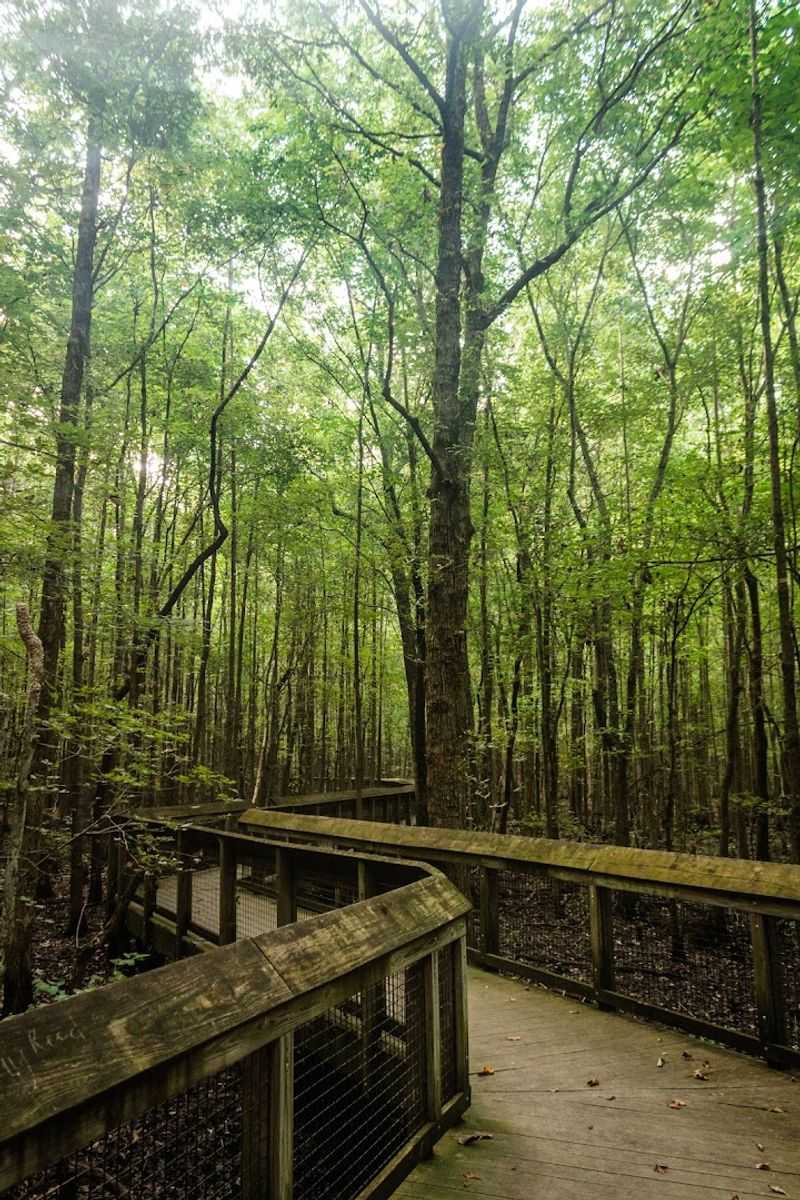
A granite monument sits at the spot, and a wooden boardwalk winds through a swampy bottomland forest to get you there, which makes the journey feel appropriately ceremonial.
The site is a National Historic Landmark, surrounded by quiet headwater swamp filled with tupelo gum and overcup oak trees that have stood here far longer than the survey marker.
Herons and turtles keep you company along the boardwalk, making the walk feel more like a nature excursion than a history lesson.
This park is small, but the weight of what it represents makes every step feel significant.
11. Lower White River Museum State Park
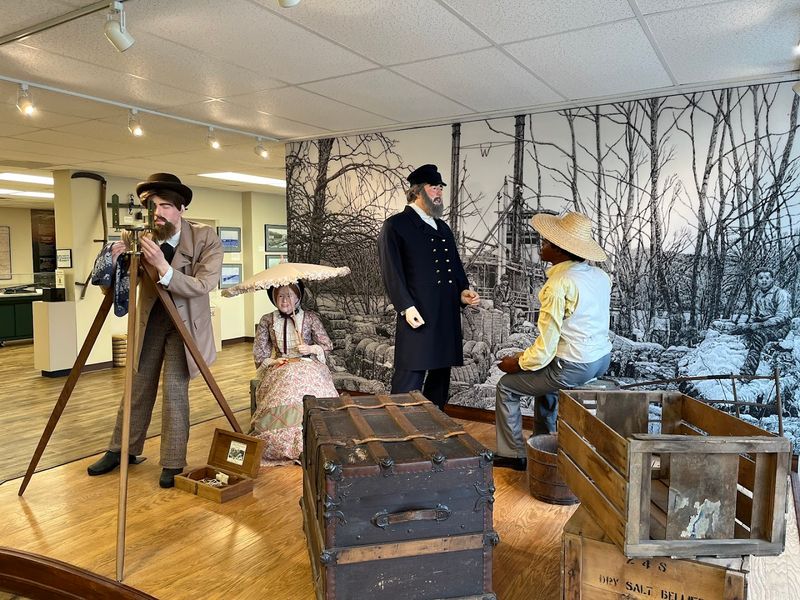
The White River shaped life in central Arkansas for generations, and the Lower White River Museum State Park in Des Arc does a thorough, engaging job of showing exactly how.
Situated at 2009 Main Street, Des Arc, AR 72040, the museum occupies a historic building right in the heart of town and focuses on the river’s role in commerce, transportation, and daily life across the region.
Exhibits cover everything from commercial fishing and steamboat traffic to the floods that periodically reshaped the communities built along the river’s banks.
Old photographs, tools, and personal accounts fill the galleries with a texture that makes the history feel personal rather than abstract.
The town of Des Arc itself adds charm to the visit, with its small-town riverfront character giving you a sense of what life along the White River still looks and feels like today.
I walked out of this museum with a much deeper appreciation for how rivers quietly organize entire ways of life around themselves.
12. Plum Bayou Mounds Archeological State Park
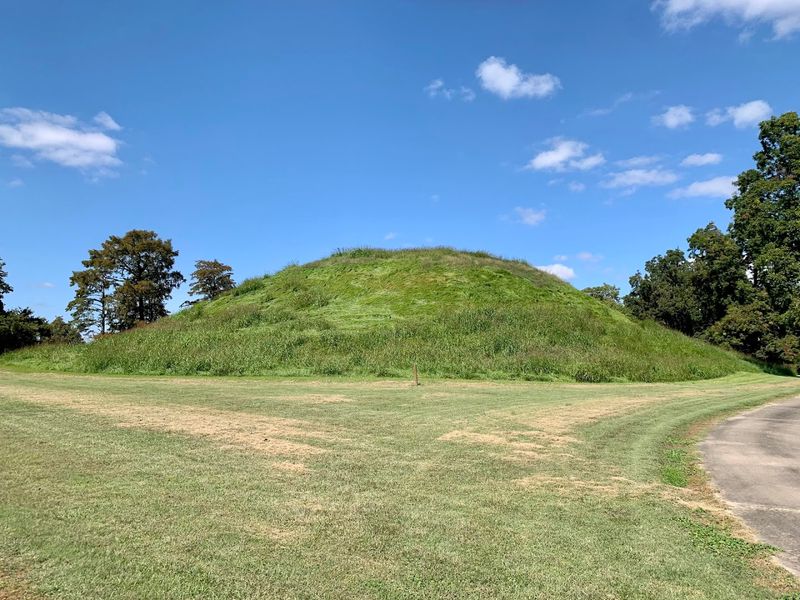
Just a short drive from Little Rock, there is a prehistoric ceremonial site that most people in the state have never visited, and that feels like a genuine oversight worth correcting.
Plum Bayou Mounds Archeological State Park is located at 490 Toltec Mounds Road, Scott, AR 72142, and it protects the largest and most complex prehistoric mound site in Arkansas.
The site was built and used by the Plum Bayou culture, and the earthwork mounds here served ceremonial and community purposes that archaeologists are still working to fully understand.
An ancient embankment once enclosed the entire complex, and portions of it are still visible today, giving the site a defined, intentional shape that speaks to serious planning and labor.
The on-site museum provides excellent context, and the interpretive trail that winds between the mounds makes the experience both educational and genuinely atmospheric.
Standing on top of the largest mound and looking across the flat Arkansas landscape, you feel a quiet connection to a world that existed here long before history recorded it.
13. South Arkansas Arboretum
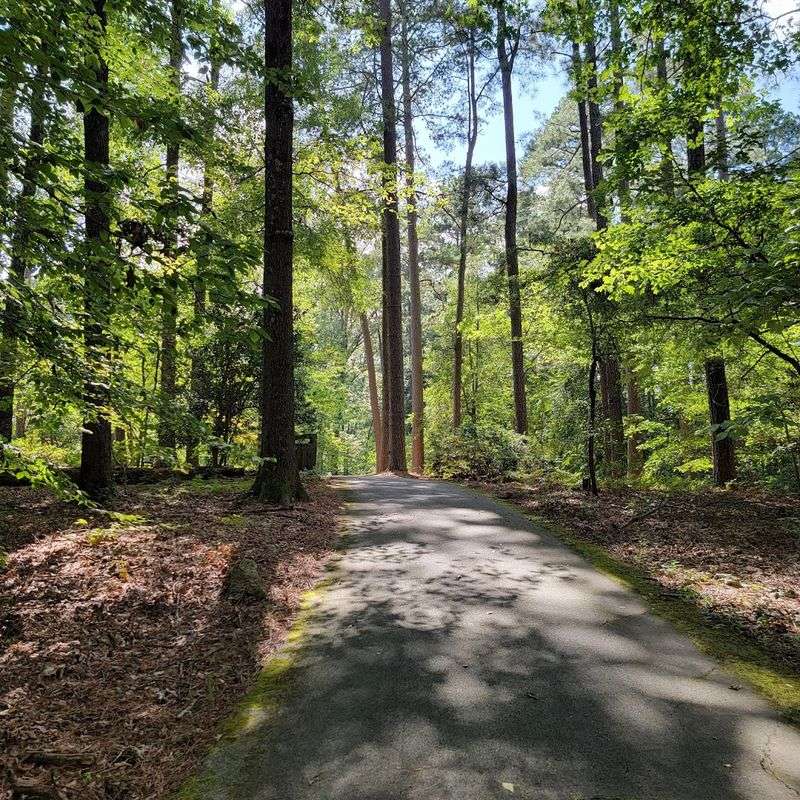
El Dorado, Arkansas is better known for its oil history than its plant life, which makes the South Arkansas Arboretum one of the most pleasantly unexpected stops in the southern part of the state.
The arboretum is located at 1506 Mt Holly Rd, El Dorado, AR 71730, and it serves as a living collection of native and regional plants spread across beautifully maintained grounds that change with every season.
Towering trees, flowering shrubs, and carefully labeled plant collections make the arboretum a valuable resource for gardeners, naturalists, and curious visitors who just want a calm place to walk.
Spring brings a riot of color when azaleas and dogwoods bloom together, and fall turns the whole landscape into a warm tapestry of amber and gold.
The grounds are free to visit, well-maintained, and peaceful enough that you can spend an hour here and feel genuinely refreshed by the end of it.
Sometimes the best travel discoveries are the ones that ask nothing of you except to slow down and pay attention.