
10 Colorado Mountain Lakes That Look Too Pretty To Be Real
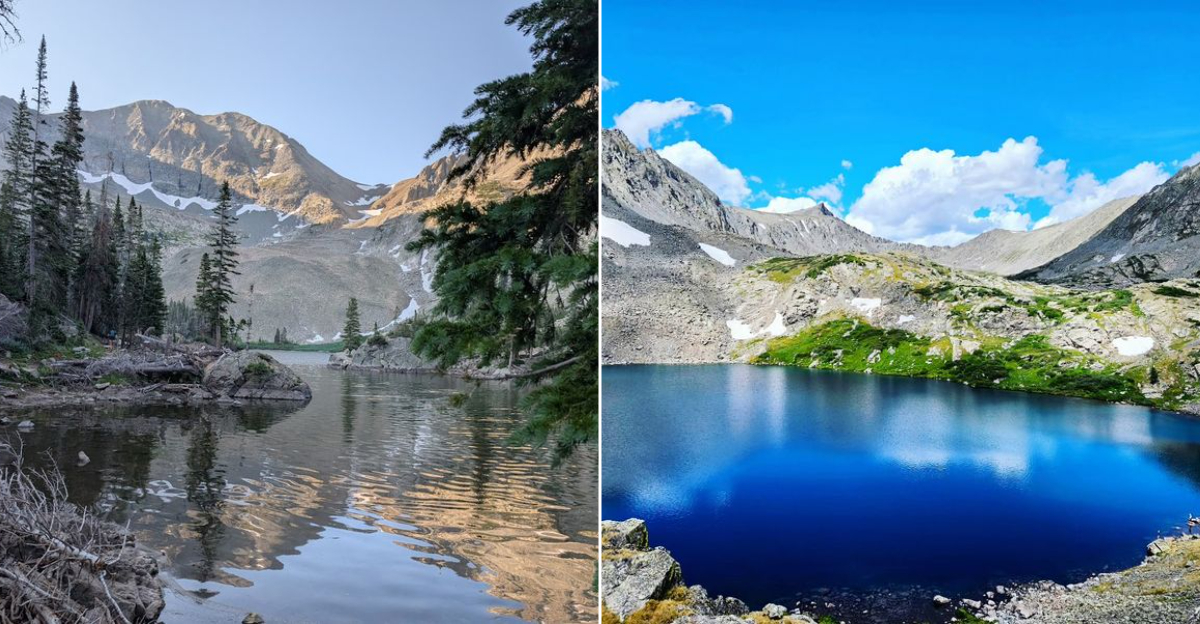
Colorado can make a lake look less like water and more like the sky forgot where it belonged. That is the pull of these mountain lakes.
They do not simply wait at the end of a trail. They reward the climb with glassy reflections, electric blues, silent shorelines, and views so sharp they make your camera feel underqualified.
One minute you are thinking about emails, errands, and everything you forgot to do. The next, you are standing in front of water that makes the whole world feel paused.
These ten lakes are for hikers who love a payoff, photographers chasing that unreal shimmer, and weekend wanderers who need a reset that actually works. Pack layers, bring more water than you think, and leave room for a few speechless moments.
In Colorado’s high country, the best views often arrive right when your legs start asking questions.
1. Ice Lake — Silverton
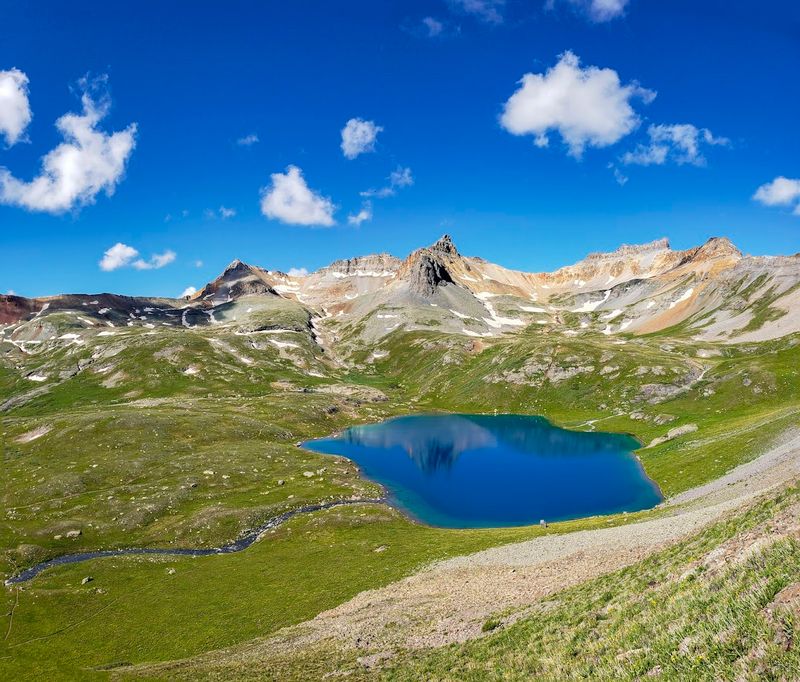
Some lakes earn their name and then some. Ice Lake, perched high above Silverton in the San Juans, looks like someone spilled a bucket of electric blue paint into the mountains and just left it there.
The color is almost aggressive in its beauty, the kind of thing that makes you squint and wonder if your sunglasses are broken.
Getting here takes effort. The trail climbs steadily, and summer wildflowers line the path in waves of yellow, purple, and red that feel almost theatrical.
The Forest Service is upfront about the logistics: summer parking fills fast, and South Mineral Road stays unplowed through winter, so mid-to-late summer is your window.
Personally, I think the effort is exactly the point. There are no crowds at the trailhead at sunrise, and the silence up top is the kind you want to bottle and take home.
Bring layers because even in August the wind off those peaks has opinions. Pair this with a post-hike meal in Silverton and you have one of the most satisfying mountain days Colorado can hand you.
2. Columbine Lake — Near Silverton
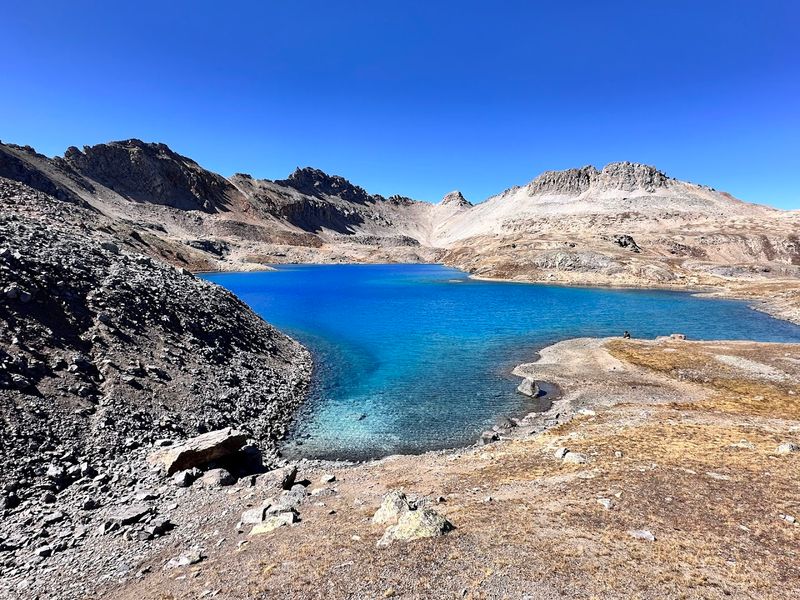
Columbine Lake does not care about your comfort zone. The trail to get there is steep, strenuous, and absolutely relentless in the best possible way.
But when you crest that final ridge and the turquoise water suddenly appears below you, framed by raw San Juan rock walls, every burning muscle in your legs will immediately forgive you.
This is not a casual Tuesday afternoon stop. Treat it like a proper adventure, start early, bring more water than you think you need, and wear boots with actual ankle support.
The basin itself feels untouched, like a place that hasn’t quite decided to let humans in yet.
What makes Columbine special beyond the scenery is the sense of genuine solitude. Fewer people make the climb compared to some of Colorado’s more famous lake hikes, which means you might actually get to sit quietly at the water’s edge without someone’s podcast bleeding into your moment.
I hiked it on a weekday in July and had the basin almost entirely to myself for nearly an hour. That alone is worth the sore quads the next morning.
3. Blue Lake — Telluride
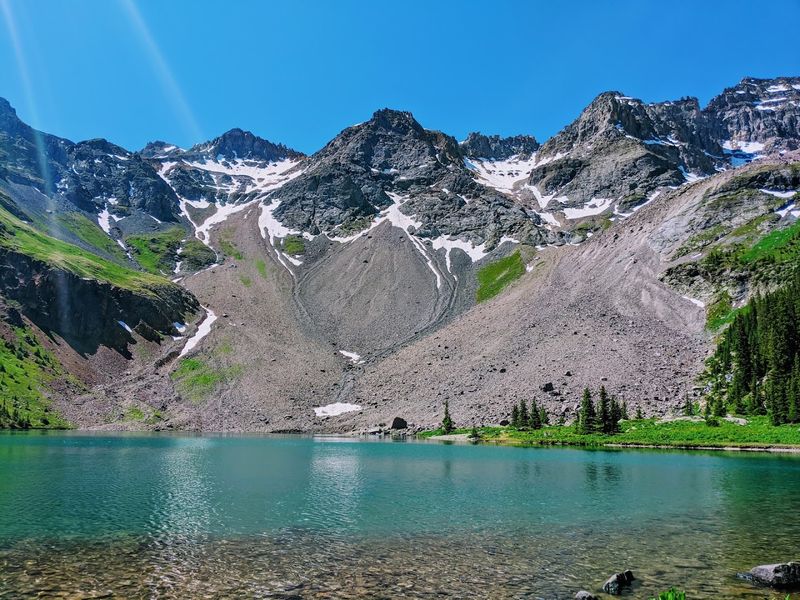
Telluride has a reputation for being dramatic, and Blue Lake absolutely delivers on that promise. Sitting above the famous Bridal Veil Falls, this alpine gem offers the kind of scenery that makes you understand why people move to Colorado and never leave.
The lake’s deep blue color against the surrounding cliffs is the sort of thing travel photographers dream about.
What I appreciate most about Blue Lake is that it rewards hikers who want the full Telluride experience without sticking to the most obvious tourist trail.
It sits off the main radar just enough to feel like a personal discovery, even if you read about it in a blog post.
The climb above the falls is steep but manageable for most fit hikers.
Go on a weekday if you can. The trail sees far less foot traffic than the valley floor below, and the views looking back toward Telluride’s box canyon are worth stopping for every few hundred feet.
Bring a windbreaker because the exposed sections above the falls can get breezy fast. This is a lake that earns its spot on any serious Colorado mountain itinerary without needing much convincing.
4. Hope Lake — Near Telluride / Trout Lake
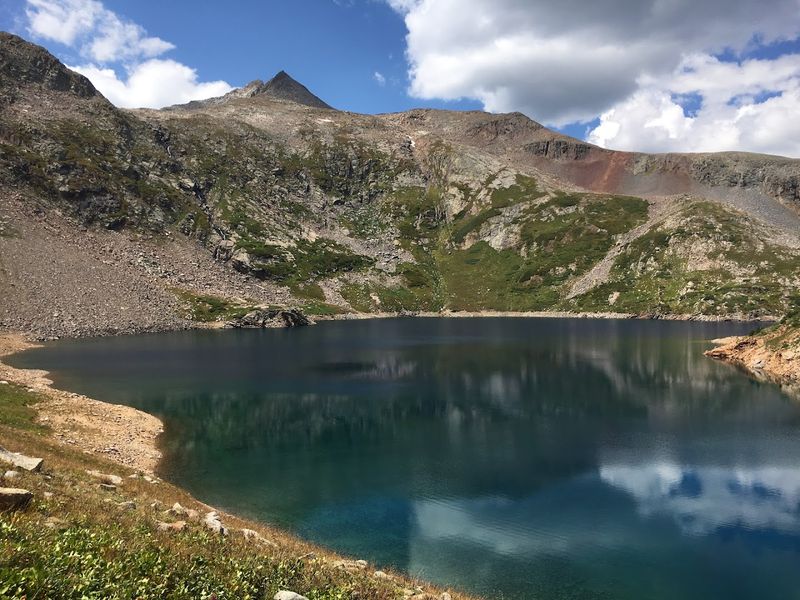
Hope Lake has a name that matches its mood perfectly. Nestled near Lizard Head Pass between Telluride and Trout Lake, this quiet alpine gem rewards hikers with a mirror-calm surface that reflects the surrounding spruce-fir forest and mountain peaks like a painting you can walk around.
Wildflowers crowd the trail edges well into summer, making the approach feel like a nature documentary you accidentally wandered into.
COTREX is honest about the conditions here: snow often lingers well into July, and the last road stretch benefits from a high-clearance vehicle. Plan accordingly, and you will have a much better time than the folks who showed up in a sedan and had to turn around disappointed.
I have a soft spot for lakes that feel genuinely off the radar. Hope Lake sits in that sweet category where the scenery rivals more famous spots but the parking lot does not fill up by 7 a.m.
The Lizard Head Pass area is already one of Colorado’s most underrated scenic corridors, and Hope Lake is the crown jewel of a day spent exploring it. Bring a lunch and stay longer than you planned.
5. Lake Isabelle — Brainard Lake Recreation Area / Ward
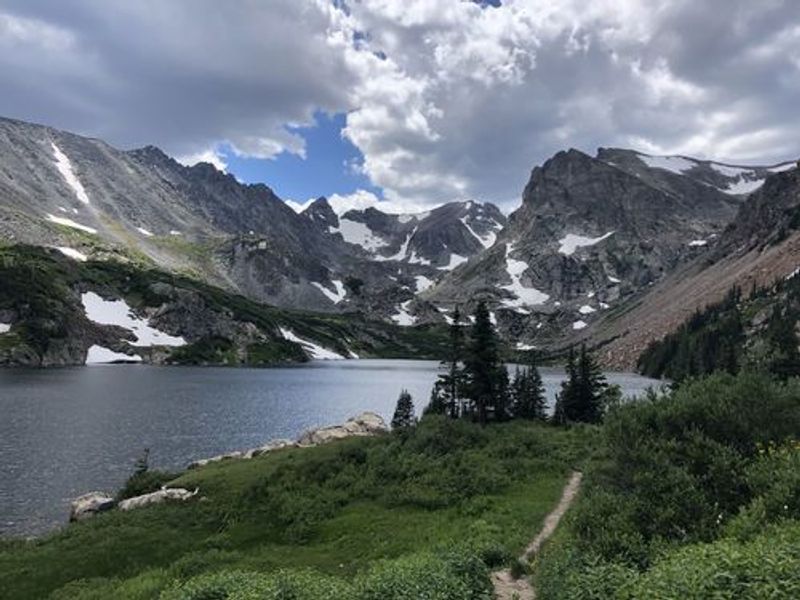
Lake Isabelle is the kind of place that gets used as a screensaver and then people spend years trying to figure out where it actually is. The jagged ridgelines of the Indian Peaks rise behind the water with the sort of sharp, angular confidence that makes the whole scene look slightly unreal.
Glacier remnants cling to the rock faces above, adding a layer of geological drama that most lakes simply cannot compete with.
Access requires some planning. During the 2026 operating season, vehicle entry to Brainard Lake Recreation Area requires a timed-entry reservation, and upper trailheads open later than lower access points.
Checking current conditions before you go is not optional here; it is genuinely necessary.
The trail itself is one of the more accessible high-alpine hikes on the Front Range, which means it earns every visitor it gets. Families with older kids handle it well, and the payoff at the lake is immediate and overwhelming.
Arrive early and you might catch the water completely still, reflecting the peaks above in a way that makes the whole scene feel twice as tall. Ward is a quirky little gateway town worth a slow drive through on your way back down.
6. Lake Agnes — State Forest State Park / Walden
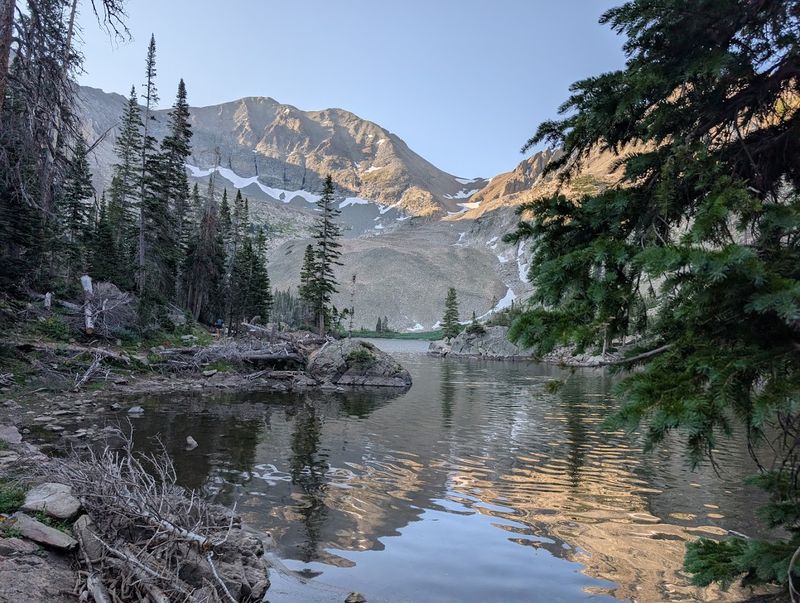
North Park does not get nearly enough credit, and Lake Agnes is a perfect example of why that is a shame. Tucked inside State Forest State Park near Walden, this hike clocks in at just 0.8 miles one way according to Colorado Parks and Wildlife, making it one of the more achievable alpine lake experiences in the state.
The rugged peaks that frame the lake have a raw, unpolished quality that feels refreshingly far from the Instagram-famous Front Range crowds.
The trailhead season matters here. CPW notes that State Forest trails open as roads dry, with no trails opening before May 23, so this is firmly a late spring through fall destination.
Come prepared for changeable mountain weather and bring layers even on warm forecast days.
What strikes me about Lake Agnes is the quiet. The North Park region sits in a broad valley that most road-trippers pass through without stopping, which means the park itself operates at a wonderfully unhurried pace.
Wildlife sightings are common, the fishing is solid, and the general vibe is one of genuine wilderness rather than managed recreation. For couples or families looking to escape the weekend crowds, this is a deeply satisfying find that rewards the extra drive time.
7. Trappers Lake — Flat Tops Wilderness / Near Meeker
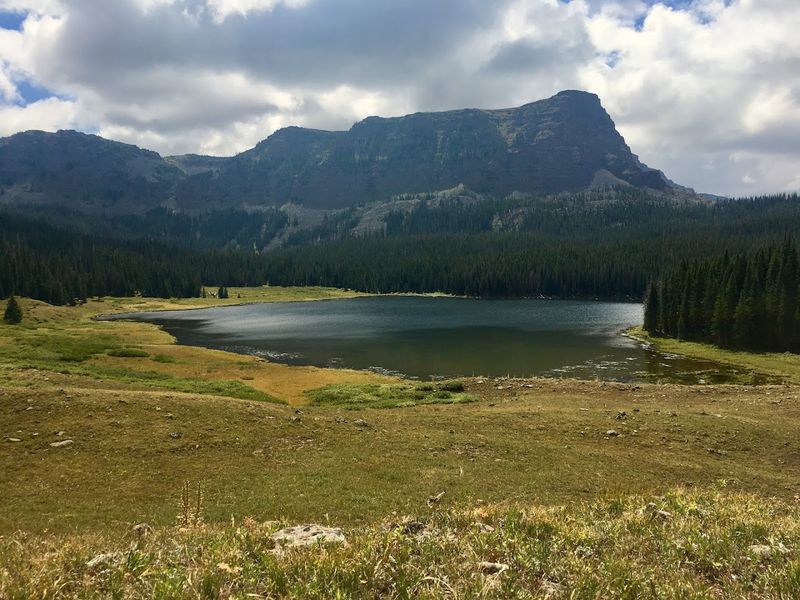
Trappers Lake sits in the Flat Tops Wilderness like a secret that geography has been keeping for centuries. The surrounding cliffs rise in flat-topped volcanic layers that give this part of Colorado a completely different personality from the jagged peaks you see elsewhere in the state.
The water is clear, the shoreline is undisturbed, and the whole place operates at a frequency that modern life rarely allows.
The Forest Service confirms that Trappers Lake lies fully within the Flat Tops Wilderness, where motorized boats and wheeled carts are prohibited. That rule is not a limitation; it is the reason this lake still looks the way it does.
No buzzing engines, no inflatable party floats, just water, cliffs, and the occasional osprey doing its thing overhead.
Meeker is the nearest town and a perfectly good base for a weekend exploration of this corner of northwestern Colorado. The drive in is long by some standards, but the road quality makes it manageable for most vehicles.
Fishing at Trappers Lake has a serious reputation among Colorado anglers, and the backcountry camping options are excellent for those willing to carry a pack. This is one of those rare places that genuinely earns the word remote without making you regret going.
8. Lake Irwin — Near Crested Butte
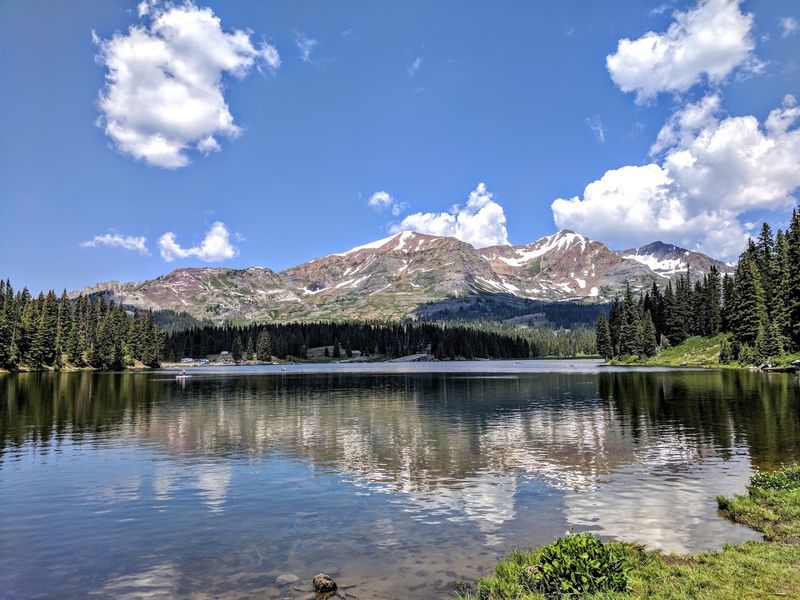
Lake Irwin is the kind of place that makes you feel like you have stumbled onto a postcard that someone forgot to mail. Sitting about nine miles from Crested Butte with the Ruby Range rising in the background, this lake delivers full alpine drama without requiring a heroic hike just to reach the water.
The wildflower season here is legitimately spectacular, typically peaking in July when the meadows around the lake go completely over the top.
Recreation.gov lists the Lake Irwin Campground on the lake’s western bank, which means you can actually sleep next to this view. Hiking, fishing, canoeing, and biking are all available nearby, making it an unusually versatile destination for a single stop.
Families, couples, and solo travelers all find something here that fits their pace.
Crested Butte itself is one of Colorado’s most charming mountain towns, and pairing a night at Lake Irwin with a morning in town is a genuinely excellent itinerary.
The road in is accessible for most vehicles, the campground fills up in peak season so booking early matters, and the evening light on the Ruby Range from the lake shore is the kind of thing that recalibrates your sense of what a good weekend actually looks like.
9. Mohawk Lakes — Breckenridge
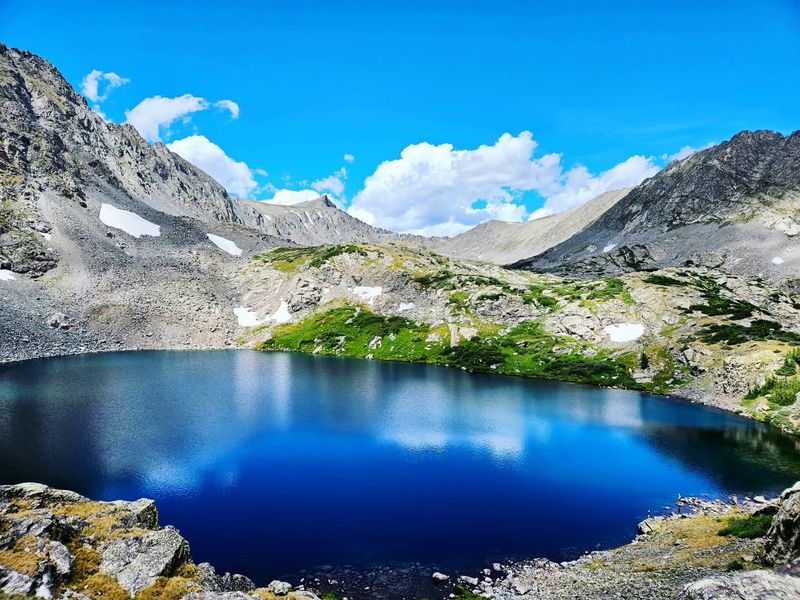
Breckenridge is famous for its ski slopes, but Mohawk Lakes quietly makes the case that summer is the better season.
The hike from Spruce Creek Trailhead covers roughly 2.95 miles to Lower Mohawk Lake and about 3.35 miles to Mohawk Lake, according to Visit Breck, passing waterfalls and old mining remnants that give the trail a layered, story-rich quality you do not expect from a day hike near a resort town.
The glacial lakes themselves sit in the Tenmile Range with the kind of high-country views that remind you why people bothered settling Colorado in the first place. The mining history scattered along the trail adds texture, old equipment and structural ruins that turn the hike into something more than just a walk to pretty water.
Start early because the Breckenridge trailheads are not a secret, and parking fills up on summer weekends at a pace that will test your patience if you arrive after 8 a.m.
The elevation gain is real but rewarding, and the waterfalls along the way give you built-in rest stops with excellent excuses to pause.
For a town best known for winter, Mohawk Lakes is a genuinely strong argument for coming back in July.
10. Crater Lakes — James Peak Wilderness / Rollinsville
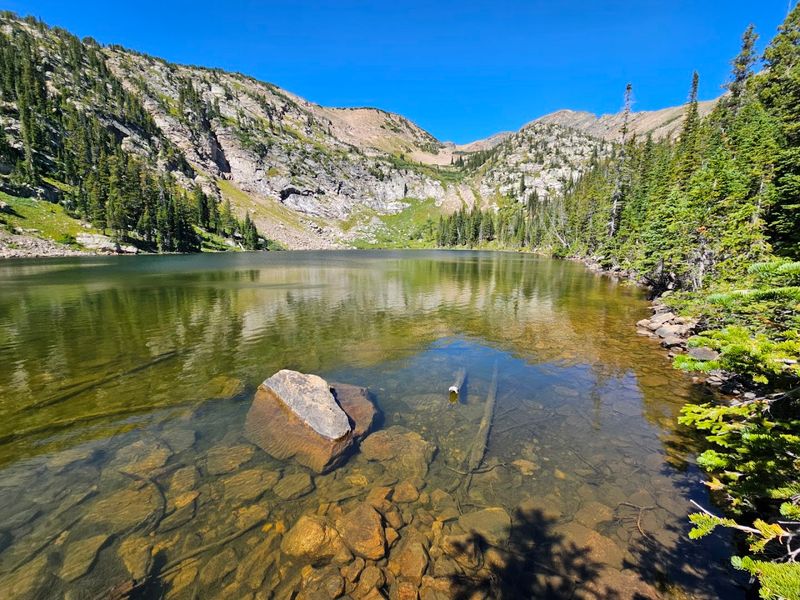
Not every great Colorado lake needs a national park designation to earn your attention. The Crater Lakes in James Peak Wilderness near Rollinsville sit at 10,600 feet and offer twin alpine lakes in a basin that operates at a noticeably quieter pace than the more famous destinations in the state.
The Forest Service lists specific wilderness rules here, including leash requirements and a year-round campfire prohibition, so this is a place that asks you to show up responsibly.
The wilderness designation means the experience feels genuinely backcountry even though the drive from Denver is surprisingly reasonable. That combination of accessibility and solitude is a rare thing in Colorado, and the James Peak Wilderness delivers it consistently.
The basin has a hemmed-in, sheltered quality that makes it feel like a private discovery even on a busy summer weekend.
Rollinsville is a small community that serves as your jumping-off point, and the road to the trailhead reflects the area’s unpretentious character. Bring everything you need because there are no services once you leave town.
For families who want a true wilderness feel without committing to a multi-day backpacking trip, Crater Lakes hits that balance almost perfectly. The twin lake setup gives younger hikers a clear goal and a satisfying payoff when they arrive.