
13 Small Towns in Illinois That Come Alive During Summer
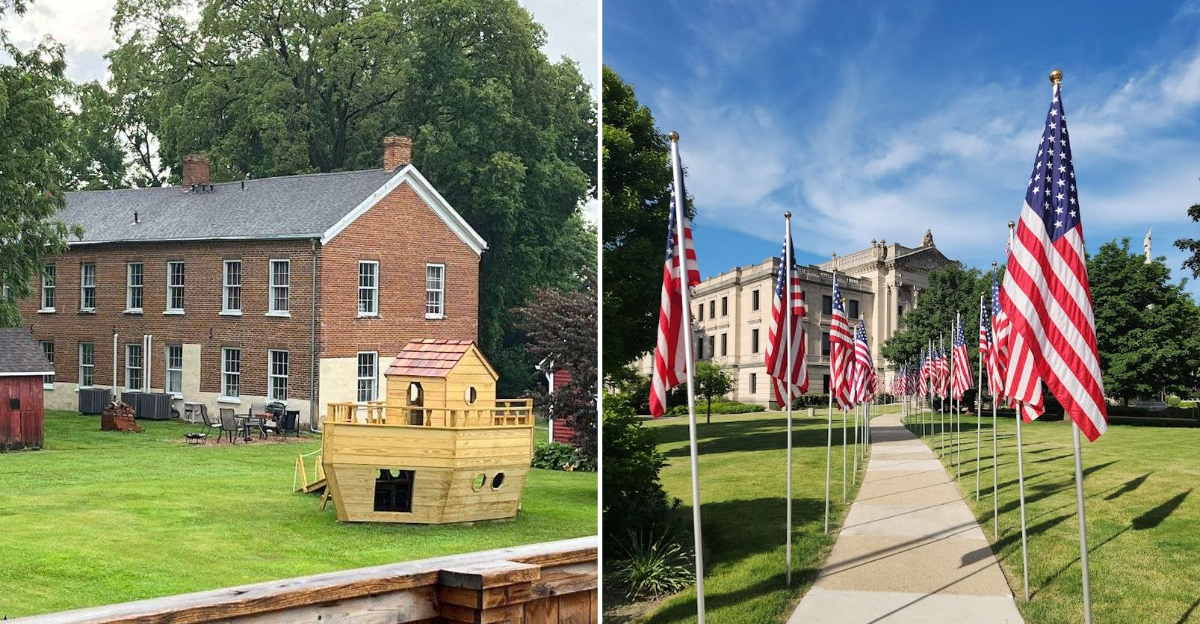
Illinois has more summer charm than many people expect. Beyond Chicago, small towns come alive with farmers markets, music, festivals, river views, and easy weekend energy.
Some places have deep history. Others have quirky roadside attractions.
A few look so pretty that you may want to stay longer than planned. This list highlights 13 Illinois towns that are perfect for a warm-weather road trip.
You can stroll historic squares, browse local shops, grab something sweet, enjoy outdoor concerts, or spend time near the water. Each stop has its own personality, but they all share that relaxed small-town feeling.
For a simple summer escape with charm, fresh air, and fewer crowds, these Illinois towns are a great place to start.
1. Woodstock
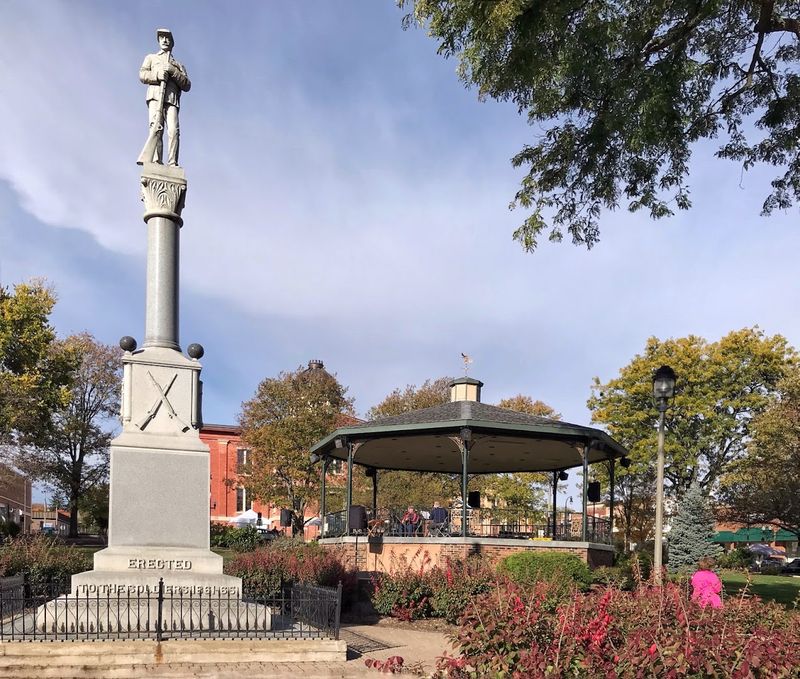
Right in the heart of McHenry County, Woodstock has a town square that looks like it was built specifically to make you slow down and enjoy life.
The red-brick opera house, the old county courthouse, and the iconic gazebo all frame a central square that has been the backdrop for community events for well over a century. Summer here feels like a page out of a classic American storybook.
Woodstock is probably best known as the filming location for the 1993 movie “Groundhog Day,” and the town leans into that identity in the most fun way possible.
The Groundhog Days festival happens in February, but summer brings the Woodstock Folk Festival and outdoor concerts that fill the square with live music and happy crowds. Local shops and cafes spill out onto the sidewalks, making it easy to spend a full afternoon just wandering.
Families especially love the Woodstock Farmers Market, which runs through the warmer months and features local produce, handmade goods, and plenty of snacks. The town is only about 50 miles northwest of Chicago, making it a very easy day trip that feels worlds away from city life.
2. Nauvoo
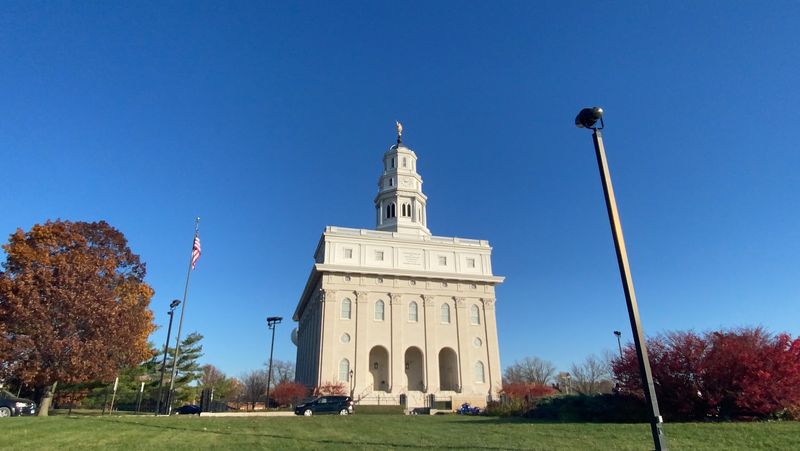
Perched on a bluff above the Mississippi River in Hancock County, Nauvoo carries a weight of history that makes every visit feel genuinely meaningful.
Founded in the 1840s as a major settlement for members of the Church of Jesus Christ of Latter-day Saints, the town became one of the largest cities in Illinois before a turbulent period of conflict led to the community moving west.
Today, the restored historic district is one of the most thoughtfully preserved sites in the entire Midwest.
Summer is the absolute best time to visit because the outdoor pageant, a large-scale theatrical production telling the story of early Nauvoo, runs for several weeks in July and August.
The production is free and draws thousands of visitors from across the country. Beyond the pageant, visitors can tour historic homes, watch craftspeople demonstrate 19th-century trades, and walk through beautifully maintained gardens.
The rebuilt Nauvoo Temple stands as a stunning landmark on the bluff, visible from across the river. Grape growing has also been part of Nauvoo’s culture since the mid-1800s, and local shops sell handmade goods and treats that reflect the town’s layered cultural heritage.
It is a place that rewards curious visitors with every step.
3. Casey

Casey, Illinois might just be the most unexpectedly fun town in the entire state. Located in Clark County in east-central Illinois, this small town of fewer than 3,000 people has somehow become home to more Guinness World Record holders per square mile than almost anywhere else on the planet.
The secret? A local businessman named Jim Bolin decided to build the world’s largest versions of everyday objects, and the town ran with it.
Walking through Casey means coming face to face with a rocking chair that stands over 56 feet tall, a wind chime taller than a four-story building, and a golf tee the size of a small car. There are more than a dozen record-breaking attractions spread throughout town, and every single one is free to visit.
Summer is peak season here, with families pulling off the highway just to take photos next to giant mailboxes and enormous knitting needles.
The town also has a lovely main street with local shops, a bakery, and friendly residents who genuinely enjoy watching visitors discover their hometown’s quirky fame.
Casey proves that you do not need a big budget or a big city to create something truly memorable. It is weird, wonderful, and completely worth the detour.
4. Ottawa
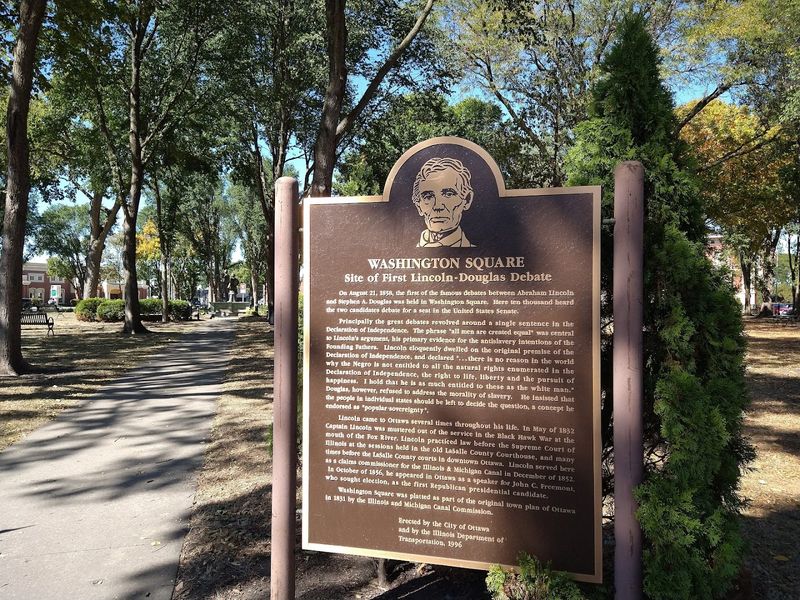
Ottawa sits right where the Fox River meets the Illinois River in LaSalle County, and that geography alone makes it one of the most naturally beautiful small towns in the state.
The surrounding area is full of sandstone canyons, waterfalls, and hiking trails that draw outdoor enthusiasts all summer long. Starved Rock State Park is just a short drive away and is one of Illinois’s most visited natural attractions.
History runs deep in Ottawa as well. The first of the famous Lincoln-Douglas debates took place right here in Washington Square Park in 1858, and a monument still marks the spot.
Summer visitors can walk through the same public square where Abraham Lincoln and Stephen Douglas faced off in front of thousands of citizens, which gives the town a civic pride that feels both real and infectious.
The downtown area has seen a genuine revival in recent years, with local restaurants, boutique shops, and a riverfront park that hosts outdoor events throughout the summer.
Ottawa’s combination of natural scenery, significant history, and small-town friendliness makes it a multi-layered destination. Whether you are a hiker, a history buff, or simply someone looking for a relaxed weekend, Ottawa delivers something worth remembering on every visit.
5. Bishop Hill
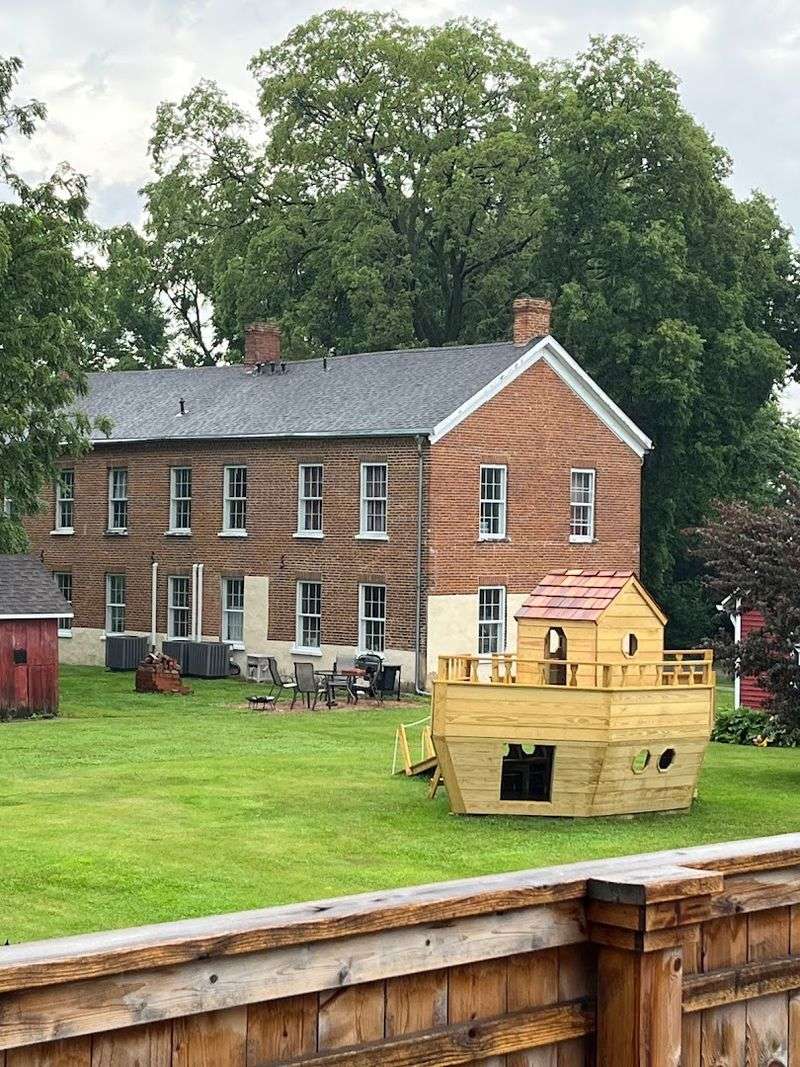
Few towns in Illinois carry the cultural weight of Bishop Hill, a tiny village in Henry County that was founded in 1846 by Swedish religious emigrants seeking freedom and community in the American frontier.
The entire village is essentially a living museum, with many of its original communal buildings still standing and open to visitors. Walking through Bishop Hill feels like stepping into a very specific and well-preserved slice of 19th-century immigrant life.
Summer is when Bishop Hill really shines, with artisan studios opening their doors, outdoor concerts filling the central park, and the annual Midsommar festival celebrating Swedish heritage with traditional music, dancing, and food.
The Midsommar celebration in June is particularly special and draws visitors from across the region who come to watch maypole dancing and sample homemade Swedish treats.
The Bishop Hill State Historic Site includes several museums where you can learn about the town’s founding, its communal economic system, and the folk art of Olof Krans, a self-taught painter who documented the early colony’s life in vivid detail.
There are also craft shops and a cafe serving homemade food. For anyone interested in American immigrant history and Swedish culture, this small village offers a surprisingly rich and rewarding experience.
6. Quincy, Illinois
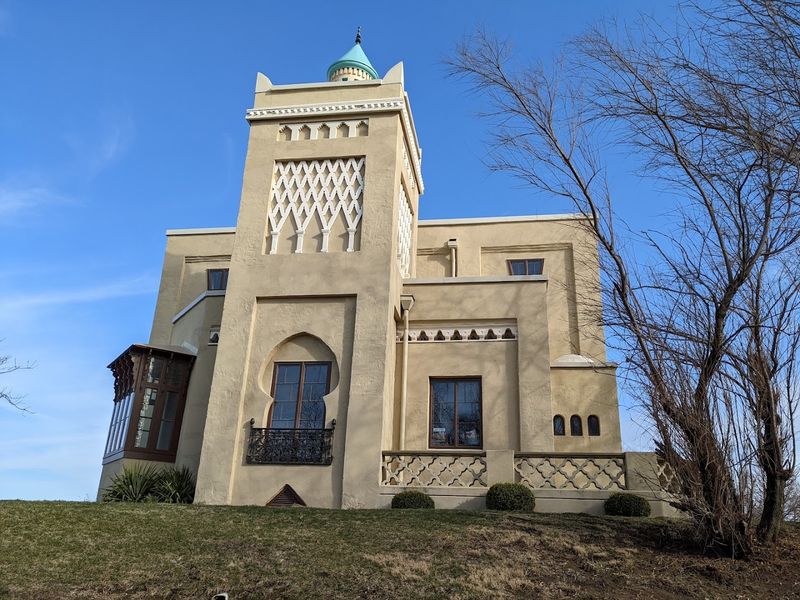
Quincy is the kind of town that surprises you with its grandeur. Sitting on the eastern bank of the Mississippi River in Adams County, Quincy grew into one of Illinois’s most prosperous cities during the 19th century, and the evidence is everywhere in its stunning collection of Victorian and antebellum architecture.
The historic districts here are genuinely impressive, with ornate mansions and beautifully maintained commercial buildings lining street after street.
Summer in Quincy means outdoor festivals, riverfront activities, and the pleasure of simply walking through neighborhoods that feel frozen in the most elegant era of American architecture.
The Quincy Museum, housed in a gorgeous mansion, tells the story of the town’s rise through commerce and its role as a stop on the Underground Railroad. History lovers will find this corner of the story particularly moving and important.
The town also hosted one of the Lincoln-Douglas debates in 1858, cementing its place in the broader story of American democracy. Quincy’s Maine Street is lined with local shops and restaurants that thrive in the summer months.
The riverfront park offers great views of the Mississippi and hosts outdoor events. Quincy is one of those towns that rewards slow, attentive visitors who are willing to look up at the buildings and really take it all in.
7. St. Charles
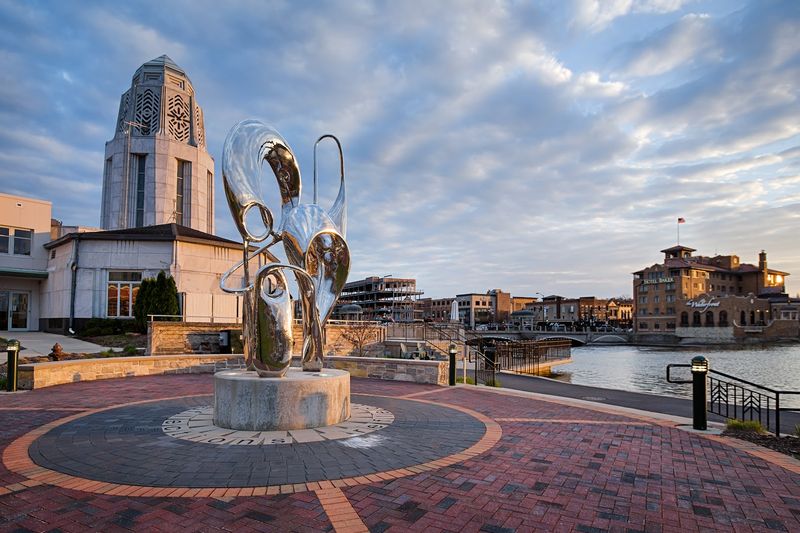
St. Charles hugs both banks of the Fox River in Kane County, just about 35 miles west of Chicago, and it is one of those towns that manages to feel both lively and genuinely relaxed at the same time.
The riverfront is the heart of the summer experience here, with kayaking, paddleboarding, and river cruises all available right in the middle of town.
On warm weekends, the walking paths along the water are full of families, cyclists, and people simply enjoying the view.
The downtown district is packed with independent boutiques, antique shops, and restaurants with outdoor patios that stay busy all summer long.
St. Charles is particularly well known for its antiques scene, and the Kane County Flea Market, held monthly at the Kane County Fairgrounds, is one of the largest and most respected antique markets in the entire Midwest.
Serious collectors plan their visits around it.
The town also hosts a number of outdoor events throughout the summer, including concerts in Pottawatomie Park, which sits right along the river and provides a beautiful natural setting for live music.
The combination of outdoor recreation, shopping, dining, and community events makes St. Charles feel like a full weekend destination rather than just a quick stop.
It consistently earns its reputation as one of the Fox Valley’s most beloved towns.
8. Elsah
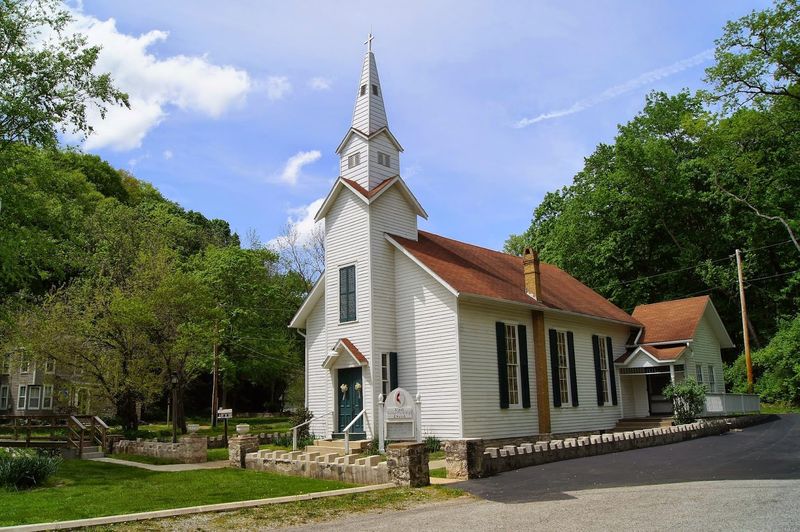
Elsah is one of the most quietly beautiful places in all of Illinois, and the fact that not everyone knows about it is part of what makes it so special.
This tiny village in Jersey County sits tucked against the limestone bluffs along the Mississippi River, and the entire town is listed on the National Register of Historic Places, making it one of the first whole villages in the country to receive that designation. Every building here tells a story.
The architecture in Elsah is remarkably well preserved, with stone and brick cottages dating back to the mid-1800s lining the narrow streets. Summer brings hikers and cyclists who use the nearby Pere Marquette State Park and the nearby river-road cycling routes, which runs through the area.
The bluffs above the Mississippi offer some of the most dramatic natural scenery in the state, and the views from the ridge are genuinely breathtaking on a clear summer day.
Because Elsah is so small and so carefully maintained, it has an almost otherworldly stillness to it. There are no chain stores or fast food restaurants here.
A small bed and breakfast and a handful of quiet spots to sit and read are about all you will find, and honestly, that is exactly the point. Elsah is a place to slow completely down.
9. Dixon
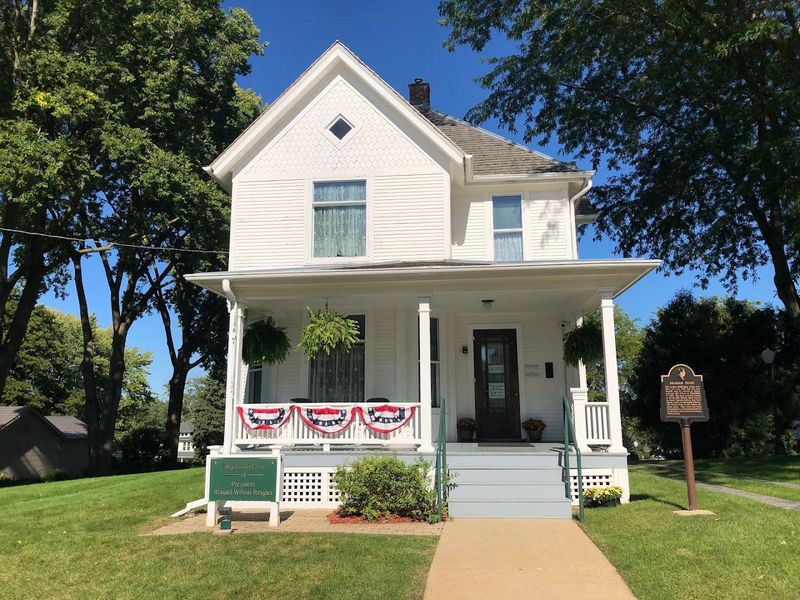
Dixon, the county seat of Lee County in northern Illinois, has a hometown pride that runs unusually deep, and there is a very specific reason for that.
Dixon is the boyhood hometown of Ronald Reagan, the 40th President of the United States, and the town celebrates that connection with genuine warmth rather than commercial overload.
The Ronald Reagan Birthplace and Boyhood Home are both open to visitors and offer a personal, intimate look at the early life of one of America’s most well-known presidents.
Beyond its presidential history, Dixon sits along the Rock River and has a beautiful riverfront that comes alive in summer.
The town hosts the Dixon Petunia Festival every summer, one of the oldest and most beloved community festivals in Illinois, featuring a parade, live entertainment, and the crowning of a festival queen. It is the kind of small-town event that feels completely sincere and has for decades.
Lowell Park, just outside of town, is where a young Ronald Reagan worked as a lifeguard in the 1920s, and it remains a popular swimming and picnic destination today.
The park’s green lawns and shaded riverbanks make it a perfect summer afternoon spot. Dixon combines history, natural beauty, and small-town festivity in a way that makes it easy to spend a full day here without running out of things to enjoy.
10. Lebanon, Illinois
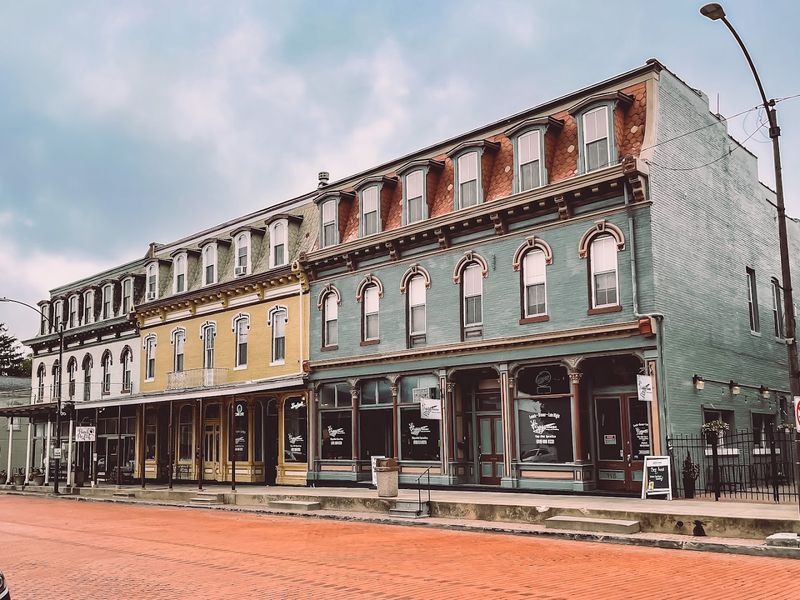
Lebanon is a small, tidy town in St. Clair County in southwestern Illinois, and it carries a quiet academic charm that sets it apart from many of its neighbors.
McKendree University, founded in 1828, sits right in the center of town and is the oldest university in Illinois. The campus adds a sense of intellectual history to Lebanon that you can feel just walking around the tree-shaded grounds on a warm summer afternoon.
The town itself is compact and walkable, with a handful of local shops and a pace of life that feels genuinely unhurried. Lebanon was also a stop on the old National Road, and some of the historic buildings along the main street reflect that early 19th-century heritage.
The Mermaid House, one of the oldest structures in the region, is a local landmark that history enthusiasts will appreciate.
Summer in Lebanon is quiet in the best possible sense. There are no massive crowds or elaborate tourist infrastructure, just a well-preserved small town that invites you to slow down and appreciate what daily life looked like in early Illinois.
It is a great base for exploring the broader southwestern Illinois region, which includes nearby Cahokia Mounds State Historic Site, one of the most significant pre-Columbian archaeological sites in North America. Lebanon rewards the patient traveler.
11. Sycamore
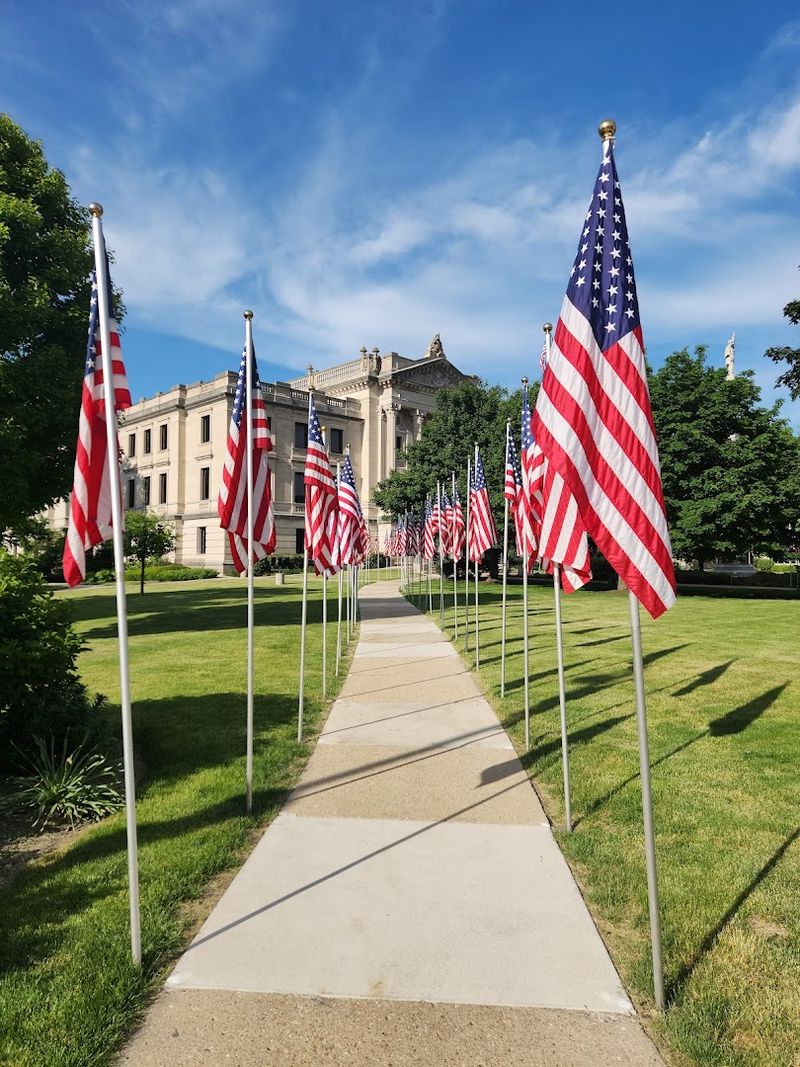
Sycamore, the county seat of DeKalb County in northern Illinois, is one of those towns that looks exactly the way a small Midwestern county seat should look, and that is absolutely a compliment.
The centerpiece of the town is the DeKalb County Courthouse, a stunning Second Empire-style building that dates to 1905 and dominates the central square with architectural confidence.
Walking around the courthouse square on a summer morning, with the flowers in bloom and the old storefronts open for business, is a genuinely pleasant experience.
Sycamore has a strong community identity and hosts a number of summer events that bring residents and visitors together. The Sycamore Midsummer Music Festival is a highlight of the season, drawing regional musicians to outdoor stages and filling the town with a festive energy.
The town is also famous for its Pumpkin Festival in October, but summer sets the stage for all that autumn excitement.
The historic neighborhoods surrounding the downtown area are full of beautifully maintained Victorian and Craftsman homes that make for excellent walking tours. Local restaurants and ice cream shops along the main street stay busy all summer with families and day-trippers.
Sycamore sits about 60 miles west of Chicago and makes for an easy and rewarding day trip. It is the kind of town that makes you think seriously about small-town living.
12. Greenville
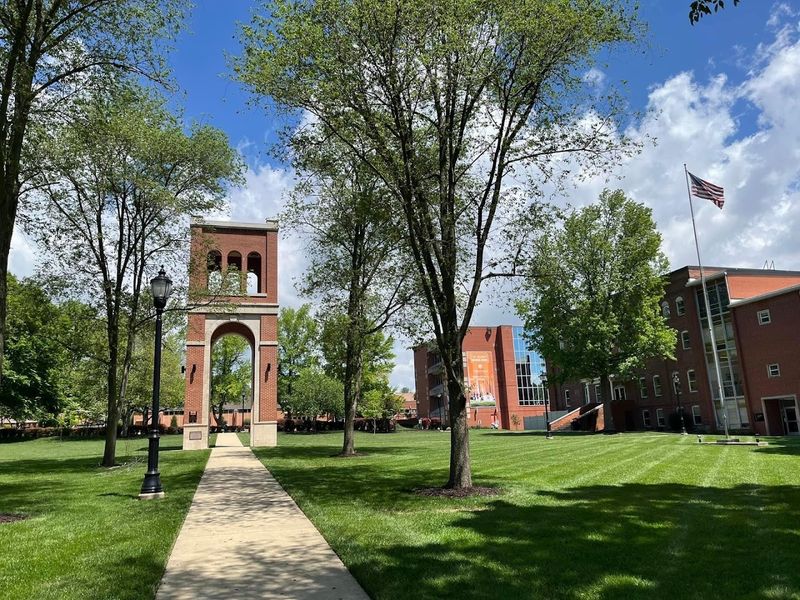
Greenville, the county seat of Bond County in southwestern Illinois, has a friendly, unpretentious energy that makes it easy to like immediately.
The town is home to Greenville University, a small Christian liberal arts school that gives the community an academic dimension and a calendar of cultural events that extends well into the summer months.
The campus and the town blend together comfortably, creating a community that feels both rooted and engaged.
One of the most interesting things about Greenville is its connection to Richard Alsop, a merchant who helped establish the town in the early 1800s, and the broader story of Bond County’s development as one of Illinois’s early agricultural communities.
The Bond County Historical Society maintains a museum that tells this story well and is worth a visit for anyone curious about downstate Illinois history.
Summer in Greenville means local festivals, outdoor recreation at Carlyle Lake nearby, and the simple pleasure of a town that has not been overrun by tourism.
Carlyle Lake is the largest man-made lake in Illinois and is just a short drive away, offering boating, fishing, and swimming for anyone who wants to add some water-based fun to their visit.
Greenville itself provides a calm, welcoming home base for exploring this corner of the state. It is a town that grows on you the longer you stay.
13. Arcola
Arcola sits in Douglas County in east-central Illinois, right in the heart of one of the largest Amish communities in the entire United States. That proximity shapes the town’s identity in a way that is both culturally fascinating and genuinely fun to experience.
Visitors come from all over to see horse-drawn buggies moving along country roads, to shop at Amish-run stores selling handmade furniture and baked goods, and to appreciate a way of life that prioritizes simplicity and craftsmanship.
The town itself embraces its unique position with the Illinois Amish Heritage Center near Arthur, a well-designed museum that explains the history, beliefs, and daily practices of the local Amish settlement in a respectful and informative way.
Summer is the best time to visit because the surrounding farmland is lush and green, the farm stands are fully stocked, and the country roads around Arcola are perfect for slow drives that feel like a genuine step back in time.
Arcola is also the self-proclaimed Broom Corn Capital of the World, a nod to the crop that once dominated the regional economy, and the annual Broom Corn Festival in September is a beloved tradition.
But summer visitors get the full agricultural experience when the fields are at their most beautiful. Arcola is a reminder that some of the most memorable travel experiences happen far off the beaten path.