
This South Carolina Animal Sanctuary Is Where Hollywood’s Fuzziest Stars Come To Retire
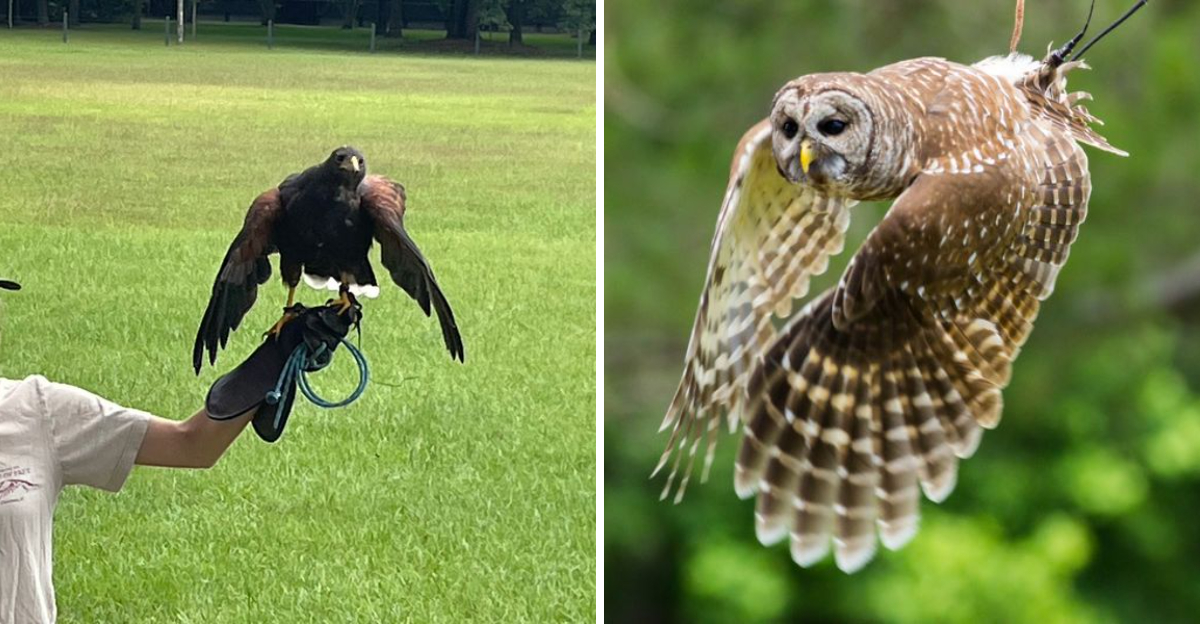
Most wildlife experiences in South Carolina involve hoping you spot an animal before it disappears.
This one brings the wildlife right to you.
At the Avian Conservation Center, visitors do not spend hours scanning treetops or staring into the distance. Instead, they find themselves face-to-face with some of the most powerful and fascinating birds in North America.
Bald eagles, hawks, owls, falcons, and vultures can all be seen up close, creating the kind of experience that is difficult to forget.
That is only part of what makes this place special.
Behind every bird is a story of rescue, rehabilitation, conservation, and care. What begins as a fun day outdoors quickly becomes something much more meaningful.
The birds are magnificent.
The educational programs are fascinating.
And the live flight demonstrations are nothing short of spectacular.
For animal lovers, photographers, and curious visitors alike, this South Carolina destination offers a rare chance to appreciate wildlife in a way that feels both exciting and inspiring.
A Sanctuary Born From A Real Conservation Mission
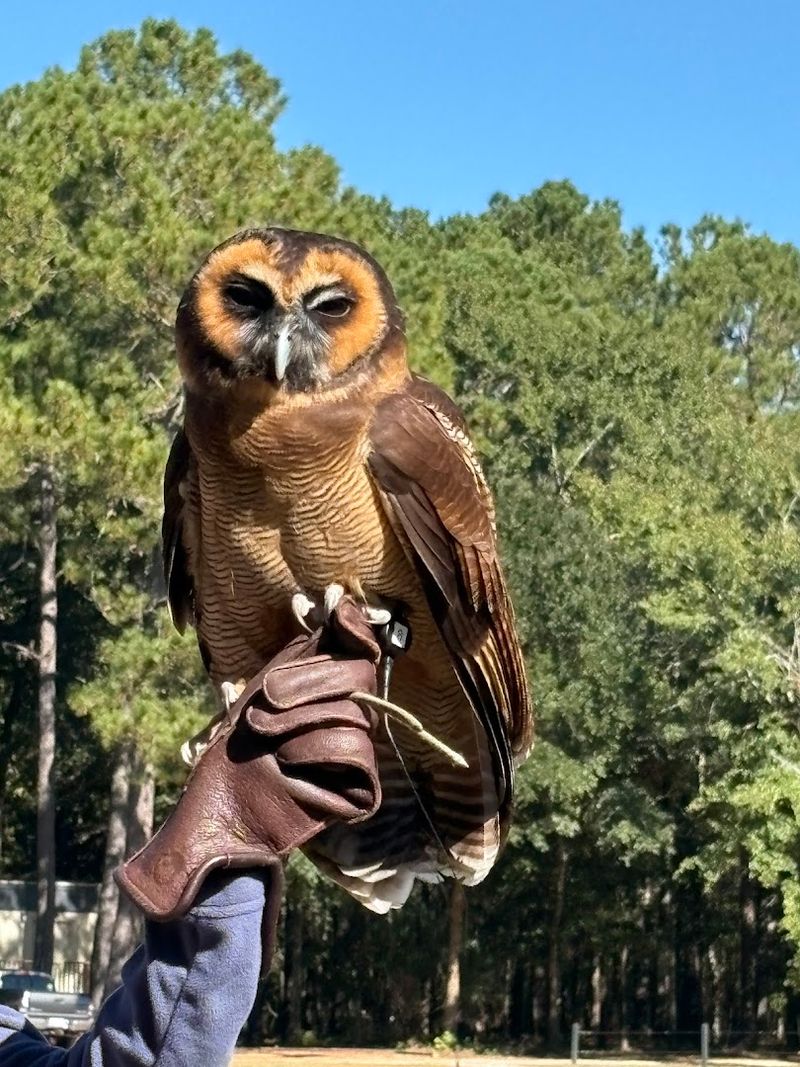
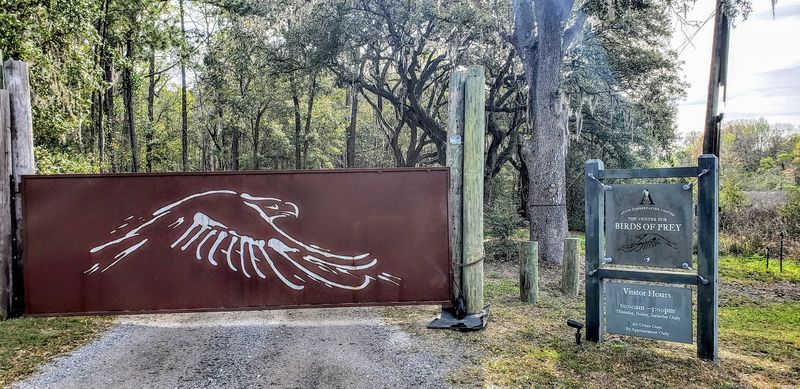
Most tourist spots are built around entertainment, but this one was built around purpose. The Avian Conservation Center and Center for Birds of Prey exists specifically to rescue, rehabilitate, and release injured birds of prey back into the wild whenever possible.
When a bird cannot be safely returned to nature, it finds a permanent home here, cared for by a passionate team of staff and volunteers. The center functions as both a working wildlife hospital and an educational facility, meaning every visit directly supports ongoing medical care for wild raptors in South Carolina.
Knowing that your admission fee funds real veterinary treatment for injured birds gives the whole experience a weight that most day trips simply do not carry. Visitors often leave feeling like they contributed to something meaningful, not just passed a pleasant afternoon watching animals.
Flight Demonstrations That Put You Inches From Wild Wings
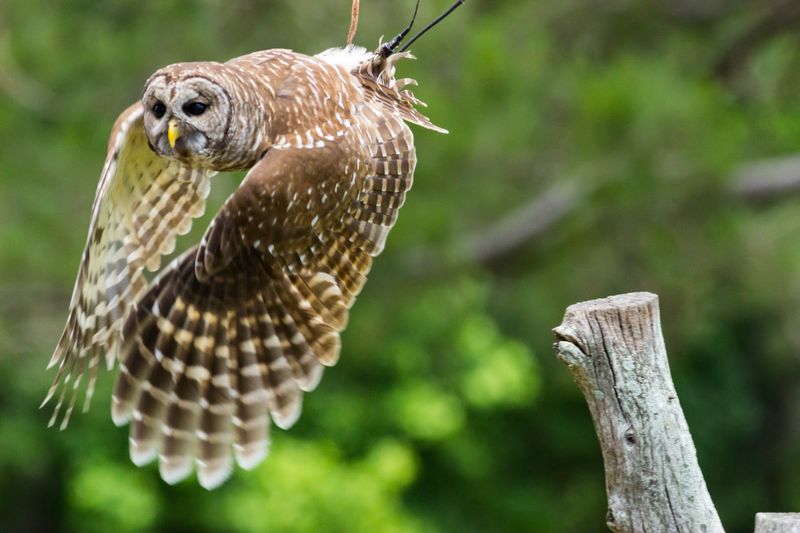
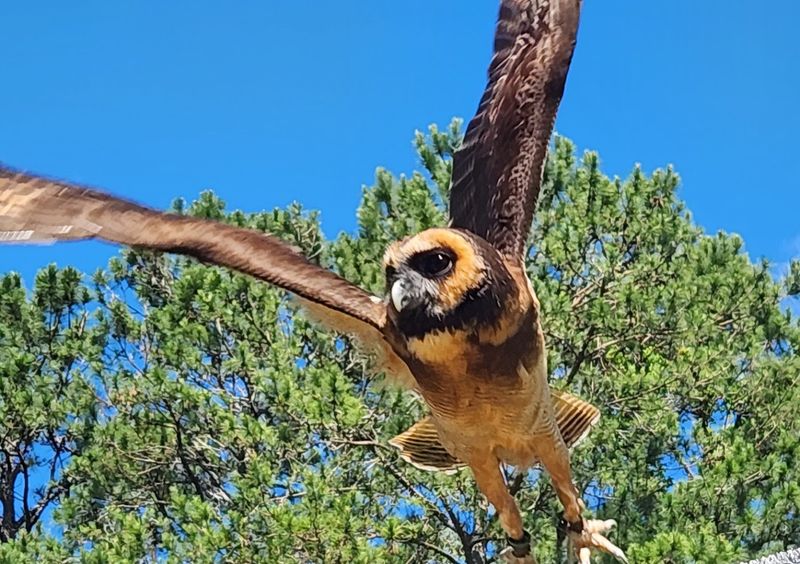
Standing in an open amphitheater while a turkey vulture glides silently just above your head is the kind of moment that rewires your brain a little. The morning flight demonstration, which typically begins at 10:30 AM, is the centerpiece of any visit to the Center for Birds of Prey.
Trained handlers bring out a rotating cast of raptors, each introduced with audience interaction, fascinating background information, and a live flying sequence that gets remarkably close to the crowd. Reviewers consistently describe the feeling as unlike anything they have experienced at a zoo or wildlife park.
What makes it stand out is the authenticity. The birds are not performing tricks for treats.
Instead, handlers design each demonstration to stimulate the birds’ natural instincts, so what you witness is genuine raptor behavior. Every swoop, hover, and landing is the real thing, and that honesty is impossible to fake.
An Owl Experience That Steals The Whole Show
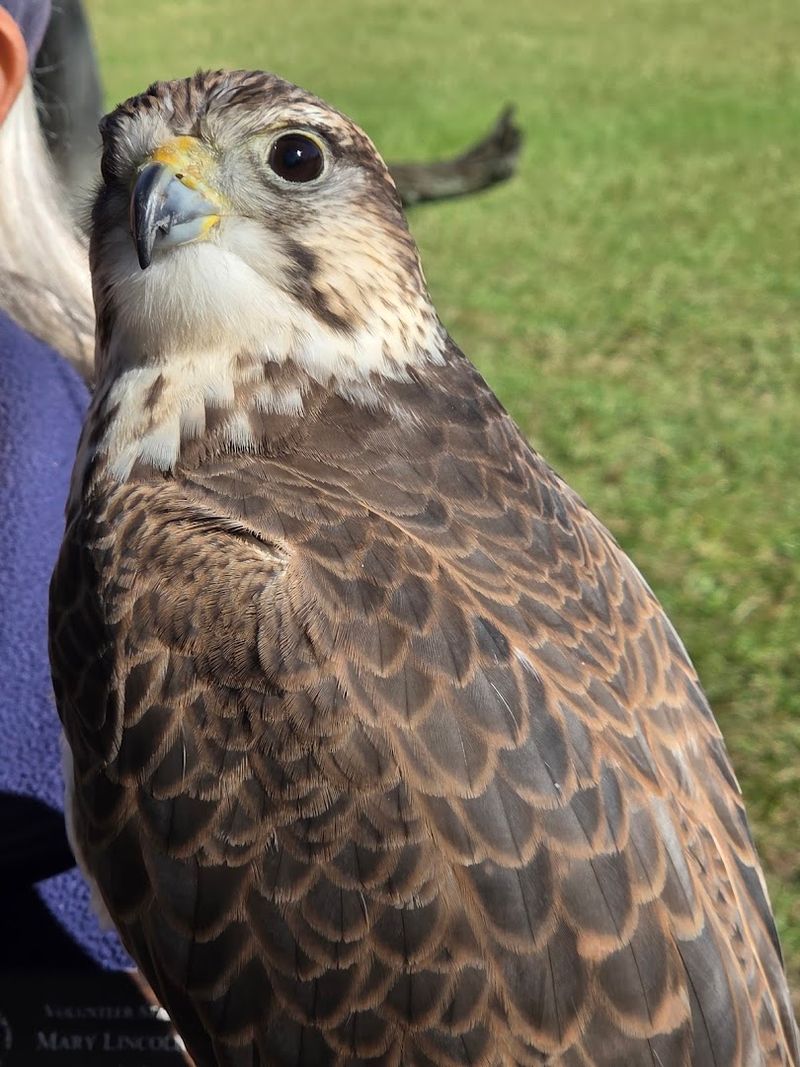
Ask any repeat visitor which moment they talk about most, and there is a good chance the burrowing owl demonstration comes up first. Unlike larger raptors that dazzle with wingspan and speed, the burrowing owl earns its applause through sheer personality and a specially built tunnel structure right inside the amphitheater.
The tunnel mimics the owl’s natural underground habitat, allowing the bird to pop in and out in ways that perfectly showcase its real-world behavior. Afternoon talks at 1:30 PM and 2:30 PM give visitors a second chance to catch owl-focused presentations if they miss the morning session.
One reviewer who drove all the way from Wilmington, North Carolina, specifically called the afternoon owl demonstration worth the entire trip on its own. For families with younger children, watching a small owl confidently navigate its tunnel while a handler explains its underground lifestyle is the kind of hands-on learning that no classroom can replicate.
Grounds You Can Explore Entirely At Your Own Pace
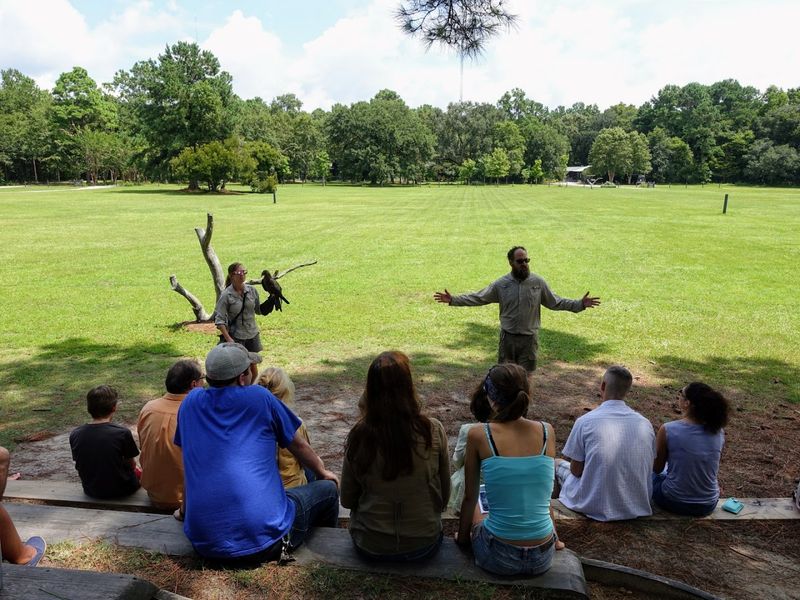
Beyond the scheduled demonstrations, the grounds themselves offer a full afternoon of self-guided exploration. Two main walking areas house the center’s permanent resident birds, each enclosure marked with clear signage explaining the species name, origin, and the reason the bird cannot be released.
The layout is manageable enough that one visitor completed the full tour with a broken foot and still found it accessible and enjoyable. Shaded benches are scattered throughout, giving families a chance to sit, snack, and simply watch the birds at a relaxed pace.
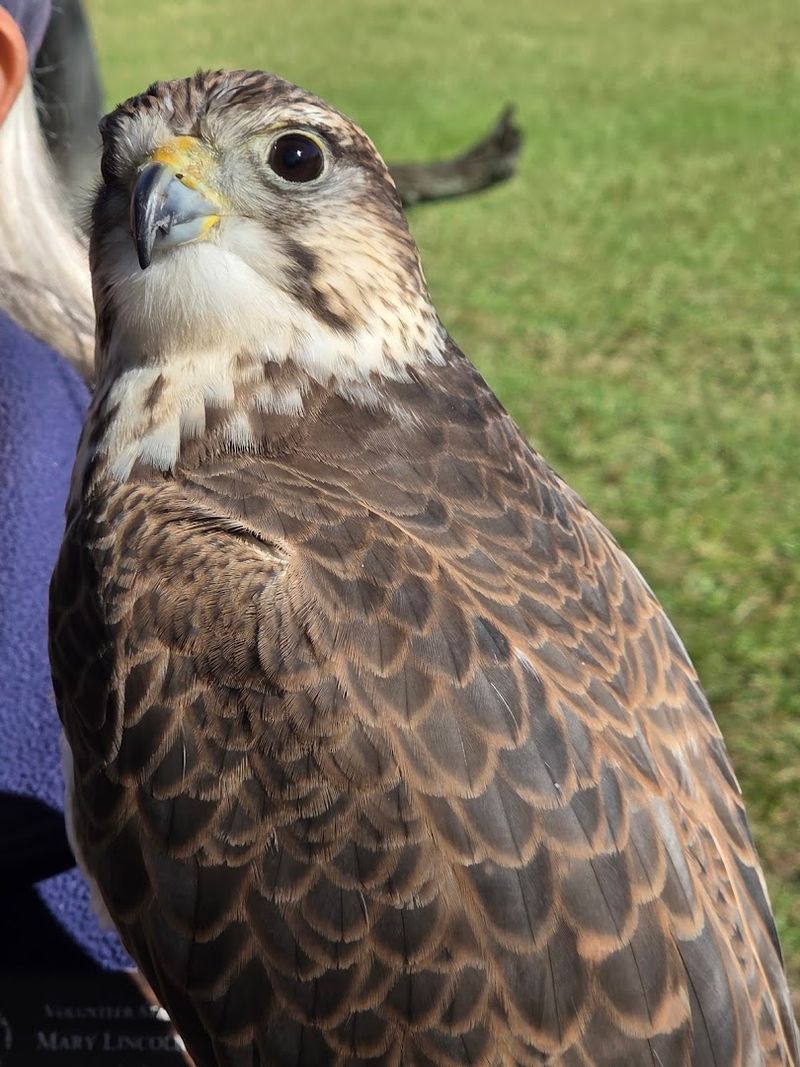
Children especially love having open grass areas where they can move around freely between enclosures, keeping the experience from feeling too structured or museum-like. The variety of species on display consistently surprises visitors who expect to see just a few hawks and end up encountering vultures, falcons, and multiple owl species they have never seen anywhere else.
Every turn along the path offers something new.
Birds From All Over The World Living In One Place
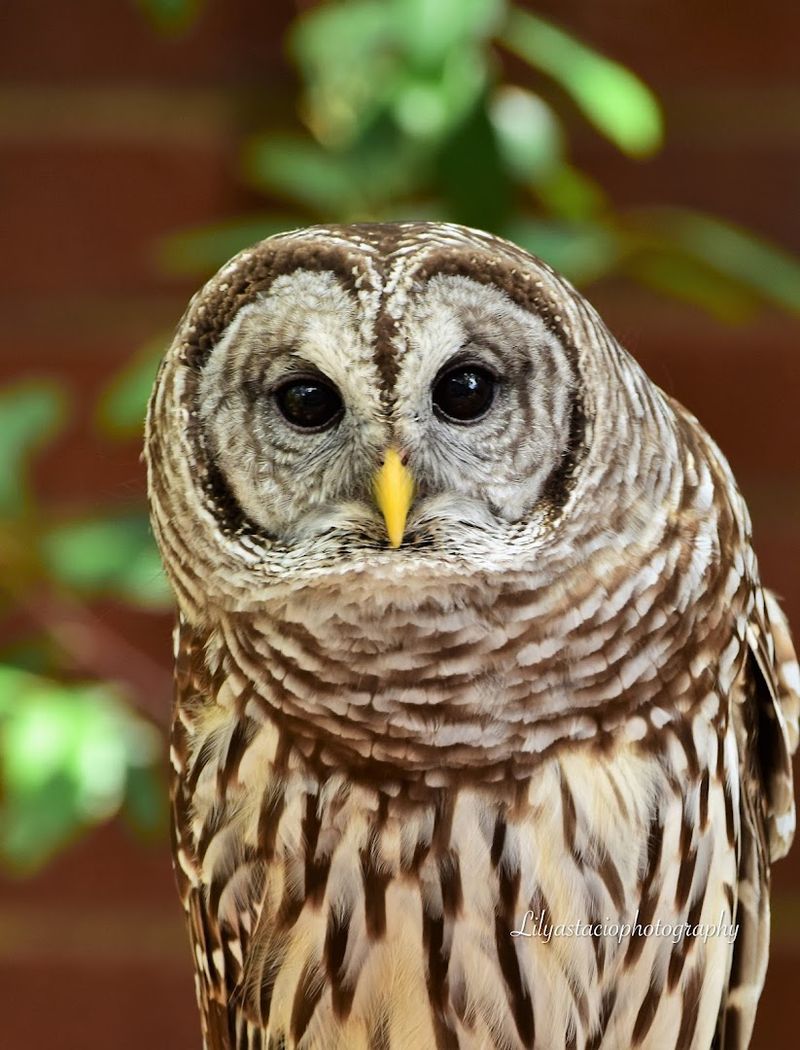
One of the quieter surprises waiting inside the grounds is just how international the bird population actually is. The center houses species from multiple continents, and the guided afternoon tour covers not only each bird’s natural habitat but also the story of how it ended up in South Carolina.
A reviewer who attended both the morning and afternoon programs noted that the two flying demonstrations featured eight birds from all over the world, each one introduced with enough context to make the geography feel real and relevant. This global perspective is woven naturally into the educational programming rather than feeling like a geography lesson bolted onto a wildlife show.
For families raising curious kids, the combination of seeing an exotic raptor up close and learning where it originally came from creates a memorable educational moment. The center’s collection reflects the international scope of bird conservation work, reminding visitors that protecting wild birds is a challenge that crosses every border on the map.
The Rehabilitation Hospital Working Quietly Behind The Scenes
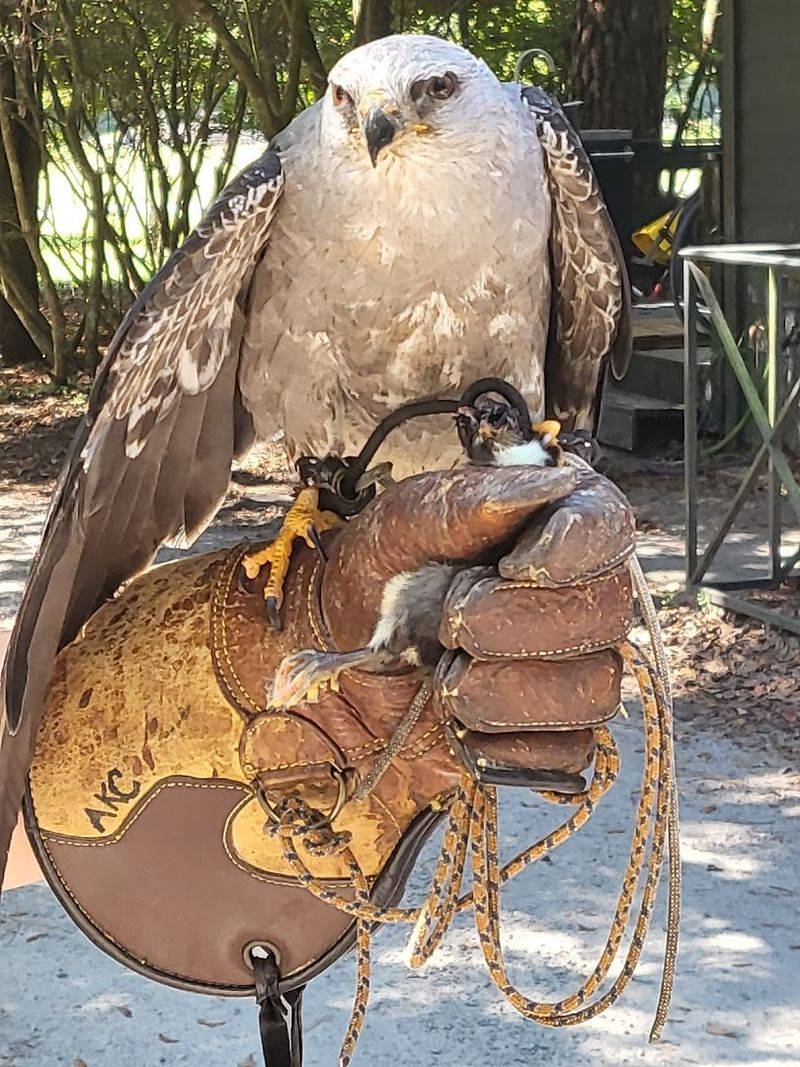
Most visitors spend their time on the public grounds, but behind the scenes, a fully operational wildlife hospital treats injured raptors brought in from across the region. The rehabilitation program is the core of the center’s mission, and the guided afternoon tour gives visitors a rare look into how that work actually operates.
Tour guide Addie, one of the center’s lead trainers, has been described by multiple reviewers as exceptionally knowledgeable and genuinely enthusiastic about answering detailed questions. She covers the intake process, treatment methods, and the decision-making involved in determining whether a recovered bird can return to the wild.
Learning that the birds performing in the flight demonstrations are often former patients who could not be safely released adds a layer of meaning to every swooping pass overhead. Each resident bird carries a story of survival and skilled care, and the hospital staff treats that story with the seriousness and compassion it deserves.
Watching conservation happen in real time is quietly powerful.
A Breeding Program Quietly Helping Wild Populations Recover
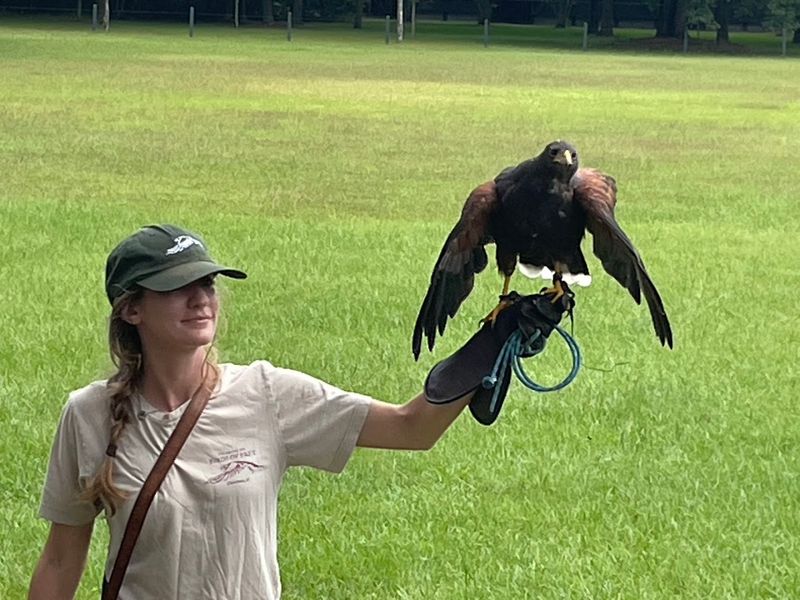
Not every conservation effort happens through rescue. The center also runs an active in-house breeding program designed to support wild raptor populations that are under pressure from habitat loss and human activity.
This behind-the-scenes work is introduced during the afternoon guided tour and often catches visitors off guard.
The breeding program focuses on species where captive reproduction can meaningfully contribute to long-term population health. Participants in the tour learn how the center manages breeding pairs, monitors nesting activity, and prepares young birds for eventual release into appropriate habitats.
For visitors who arrive expecting only a bird show, discovering that the center is engaged in this level of conservation science tends to reframe the entire experience. It transforms a pleasant outing into something that feels genuinely important.
One reviewer described the afternoon tour as the kind of experience that stays with you for days after leaving, and the breeding program discussion is a big part of why that feeling lingers so strongly.
Staff and Volunteers Who Know Their Birds Inside And Out
There is a particular kind of confidence that comes from someone who has spent years working directly with wild animals, and the staff at the Center for Birds of Prey carry it naturally. Reviewers from across dozens of visits mention the team’s depth of knowledge and their genuine eagerness to share it with anyone who asks.
Questions that would stump most tour guides, including highly specific ones about raptor anatomy, hunting behavior, and migration patterns, get answered with the kind of precision that only hands-on experience produces. The team has been described as true ornithologists by visitors who clearly knew enough to make that comparison meaningfully.
What makes the staff interactions especially memorable is the patience they bring to every question, whether it comes from a four-year-old curious about why owls have big eyes or a retired biology teacher wanting to discuss prey populations. Nobody leaves feeling like their question was too simple or too complicated.
That kind of generosity with knowledge is rare and worth a long drive.
Practical Tips That Make Your Visit Run Smoothly
A little planning goes a long way at the Center for Birds of Prey, and the community of repeat visitors has figured out the best approach over many trips. Arriving in time for the 10:30 AM flight show is the most consistent piece of advice, since it sets the tone for the whole day and ensures you catch the widest variety of birds.
The center is open Thursday through Saturday from 10 AM to 4 PM, so plan your trip accordingly. Tickets can be purchased online in advance, and check-in happens right at the entrance without the need for a building or a formal lobby, keeping the atmosphere relaxed from the moment you step out of the car.
Bring water and consider packing a lunch for the picnic benches on the grounds. If you prefer to eat out, the nearby SeeWee Restaurant on Highway 17 is a popular choice among visitors who leave for lunch and return for the afternoon demonstrations.
Sunscreen and a hat are strongly recommended in summer.
Why This Place Stays With You Long After You Leave
Some places earn a five-star rating because they are polished and well-managed. This one earns it because it connects visitors to something real.
The combination of live flying demonstrations, a working rehabilitation hospital, a global bird collection, and genuinely passionate educators creates an experience that is difficult to categorize and even harder to forget.
One couple who spent several days exploring Charleston called the Center for Birds of Prey the single standout highlight of their entire trip, and they kept revisiting their photos for days afterward. That kind of lasting impression does not come from a slick production.
It comes from an authentic encounter with wild animals and the people who have dedicated their lives to protecting them.
The center operates as a nonprofit, meaning every dollar spent on admission, gift shop items, or event tickets flows directly back into conservation and animal care. Visiting is not just a good time.
It is a small but real act of support for work that genuinely matters in the world.