
This Ohio Waterfall Route Leads You To Seven Scenic Falls That Truly Impress
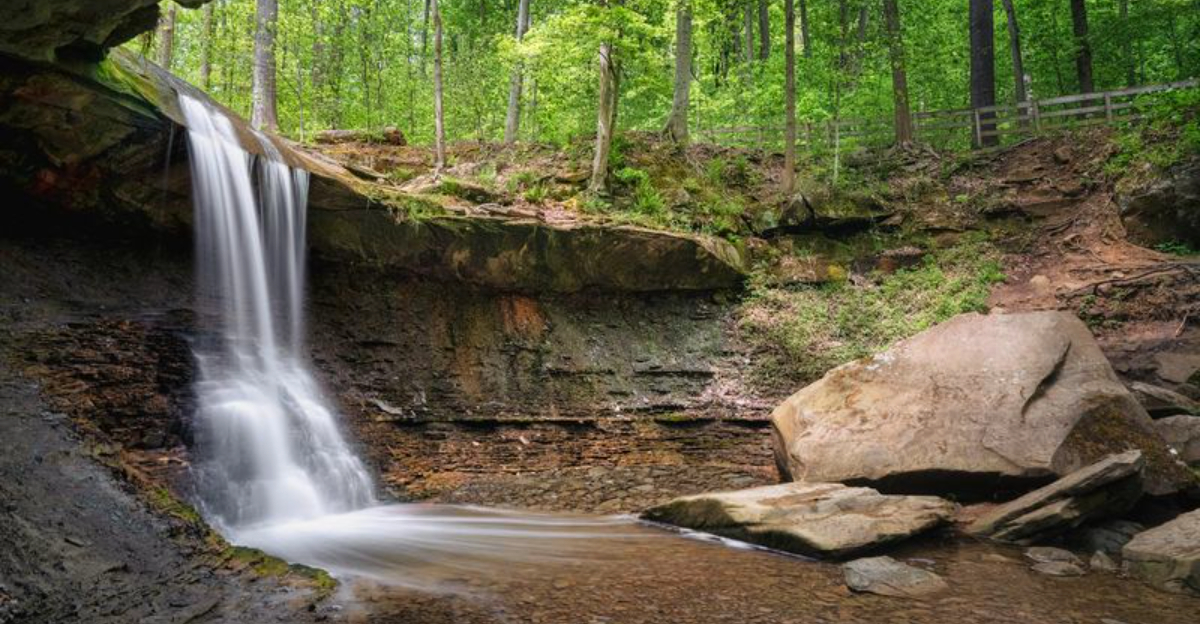
A waterfall trip usually means driving from trailhead to trailhead, juggling directions, parking lots, and the eternal question of whether you packed the right shoes.
This Ohio waterfall route keeps the focus where it belongs: on the sound of rushing water getting closer.
The stops bring real variety, too. One waterfall hides inside Cleveland like a secret nature scene.
Another spills through the middle of a charming village.
A few wait in rocky gorges, forested ravines, and national park corners where the air feels cooler the second you arrive.
These seven Ohio waterfalls turn a simple day trip into a full scenic escape. Bring a camera, wear shoes that can handle a little mist, and prepare for the state to look a lot wilder than people expect.
1. Mill Creek Falls Overlook, Cleveland
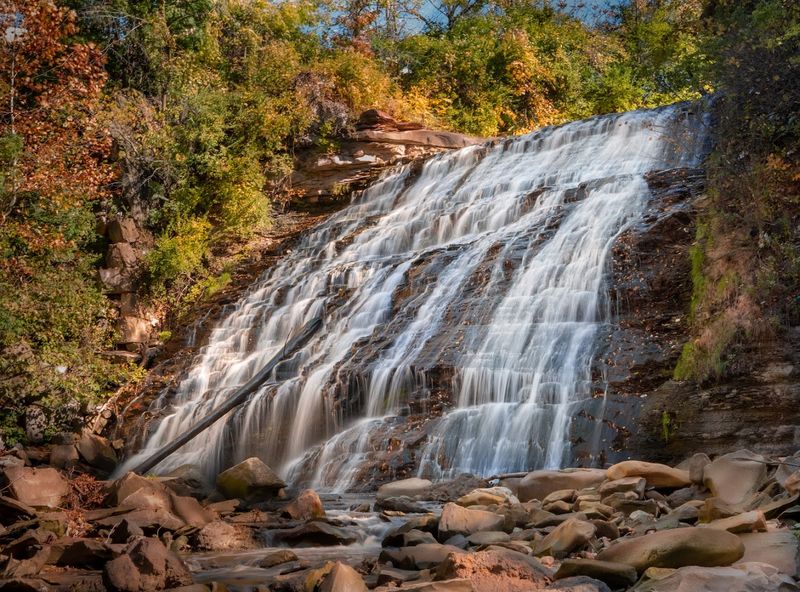
Standing at the overlook above Mill Creek Falls, you get one of those rare moments where a city completely disappears around you.
Located near 8404 Webb Terrace in Cleveland, this waterfall is Cuyahoga County’s tallest waterfall, dropping roughly 48 feet into a rugged gorge below.
The setting feels almost theatrical. Thick tree canopies frame the falls on both sides, and the mist rising from the base creates a soft, cool atmosphere even on warm summer days.
What makes this stop especially interesting is the contrast. You are technically standing inside a major American city, yet the scene in front of you looks like something pulled from a remote wilderness trail.
The overlook platform gives visitors a safe and clear view without requiring a steep hike, which makes it a fantastic first stop for all ages and fitness levels.
Early morning visits tend to offer the most dramatic light, with sunbeams cutting through the tree cover and catching the mist just right.
Spring is arguably the most rewarding season here, when snowmelt and rainfall push the creek to its fullest flow and the falls roar with real intensity.
Keep your eyes open for great blue herons and other wildlife that frequent the gorge below. The area surrounding the falls is part of a larger green corridor that supports a surprising amount of biodiversity for an urban location.
Mill Creek Falls is the kind of place that stops people mid-sentence. Whether you are a lifelong Cleveland resident or a first-time visitor, the view from that overlook is able to make you pause, breathe, and appreciate just how quietly spectacular this city can be.
2. Bridal Veil Falls Scenic Overlook, Walton Hills
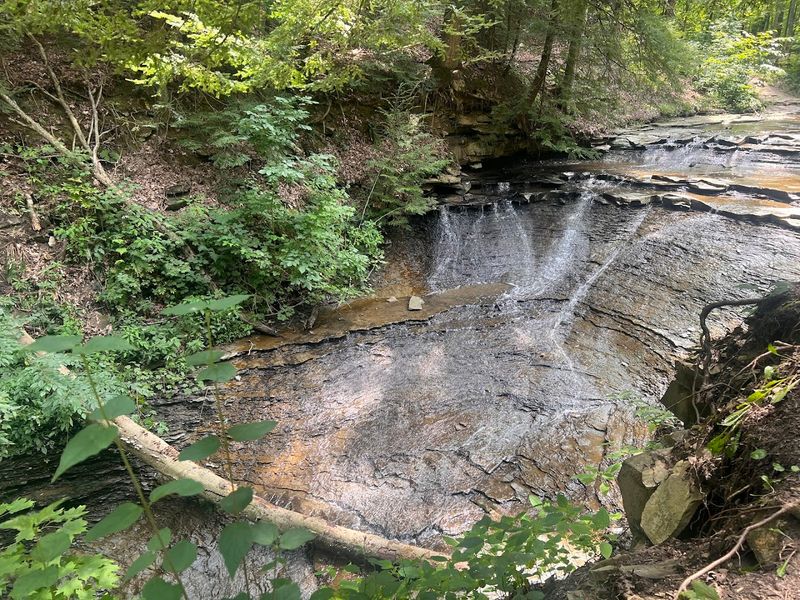
Few waterfalls earn their name quite as honestly as Bridal Veil Falls in Walton Hills.
Situated along Gorge Parkway in the Cuyahoga Valley, this falls earns its romantic name by spreading into a wide, gossamer sheet of water as it tumbles over layered sandstone and shale formations.
The overlook here is genuinely breathtaking. The falls sit inside a deep, forested gorge, and the surrounding walls are covered in ferns, mosses, and wildflowers that shift color with every season.
Autumn is a particularly magical time to visit. When the surrounding maples and oaks turn gold and red, the scene reflects off the water below and creates a palette that even the most casual photographer will find hard to resist.
The overlook along Gorge Parkway is accessible without a long hike, so this stop works well for visitors who want a stunning view without a strenuous trail.
One thing worth noting is how the falls change personality depending on recent rainfall. After a heavy rain, the flow becomes bold and thunderous.
During drier stretches, it softens into a delicate trickle that reveals more of the rock texture beneath.
The gorge itself has a fascinating geological story. The layers of rock exposed here were formed millions of years ago, and the water has been slowly carving through them ever since.
Birdwatchers will also find this stop rewarding, as the dense canopy above the gorge attracts warblers and other migratory species in spring.
Bridal Veil Falls is the kind of place that rewards a slow, unhurried visit. Take your time at the overlook, listen to the water, and let the whole scene settle into your memory before the bus rolls on to the next stop.
3. Great Falls of Tinkers Creek, Bedford
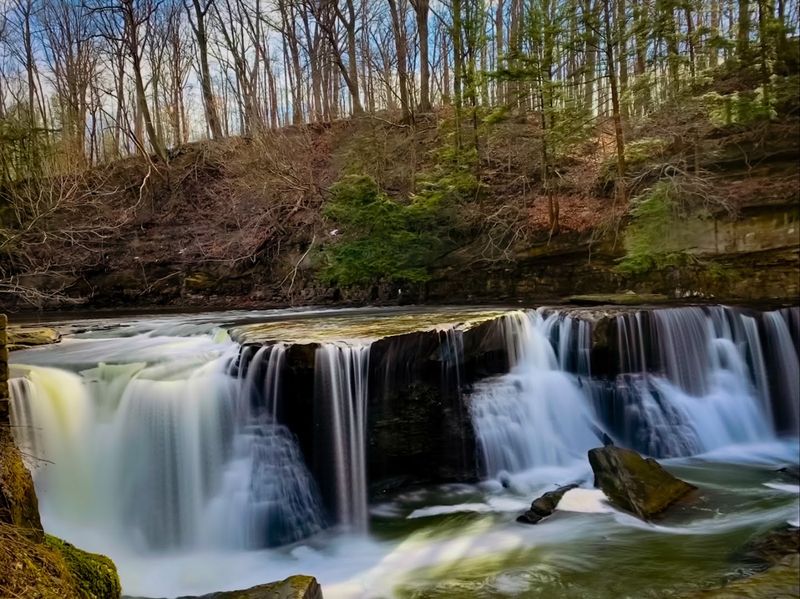
There is nothing subtle about the Great Falls of Tinkers Creek, and that is exactly what makes it so satisfying.
Located on Willis Street in Bedford, this is one of the widest and most powerful waterfalls in the entire Cuyahoga Valley region, stretching across a broad rocky shelf and dropping with real force into the pool below.
The scale here is immediately impressive. Where other falls on this tour feel intimate and tucked away, Tinkers Creek presents itself openly, almost daring you to look away.
The surrounding forest adds to the drama. Tall deciduous trees crowd the banks, and the sound of the falls carries through the woods well before you reach the viewpoint.
This stop is especially popular in late spring when the water volume is at its peak. The combination of full flow and fresh green foliage creates a scene that feels almost impossibly lush and alive.
Geologically, Tinkers Creek has carved a noticeable valley through the landscape over thousands of years, and the exposed rock faces along the banks tell that long story in visible layers.
Wildlife sightings near the falls are common. White-tailed deer often move through the tree line near dusk, and the creek itself supports a healthy population of native fish species.
Photography here rewards patience. The wide spread of the falls means you can compose a variety of shots from different angles, and long-exposure techniques produce beautifully silky results in the flowing water.
If you only have time for one stop that genuinely feels like a big-ticket natural attraction, the Great Falls of Tinkers Creek delivers that experience with total confidence. It is loud, wide, wild, and completely worth every step of the short walk to the viewing area.
4. Chagrin Falls Waterfall, Chagrin Falls
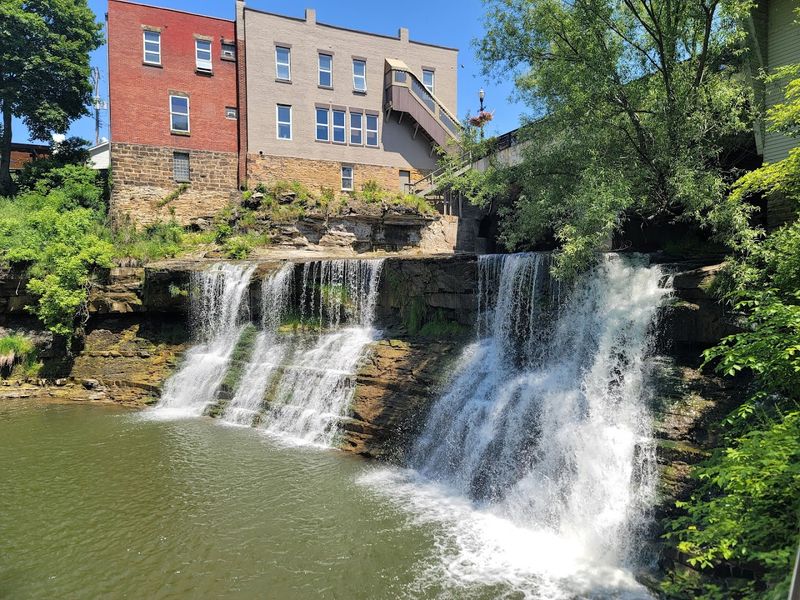
Most waterfalls hide at the end of a trail, but Chagrin Falls has the confidence to place itself right in the middle of town.
Found along North Main Street in the village of Chagrin Falls, this cascade flows through the heart of one of Ohio’s most picturesque small towns, making it one of the few waterfalls in the country where you can watch the water fall while window-shopping or grabbing a meal at a nearby restaurant.
The falls themselves are beautiful, dropping in two distinct tiers over layered shale and sandstone into a churning pool below.
What sets this stop apart from the others on the tour is the atmosphere. The surrounding village is lined with historic storefronts, independent shops, and tree-shaded sidewalks that feel genuinely welcoming.
A pedestrian walkway runs alongside the falls, giving visitors an up-close view of both the water and the charming architecture that frames it from above.
The best viewing angle is from the bridge level, where you can look directly down at the cascade and watch the current swirl below your feet.
Chagrin Falls is also a popular spot during the holiday season, when the town decorates with lights that reflect off the water at night and create a genuinely festive atmosphere.
Spring visits bring strong water flow and blooming trees along the banks, while summer evenings offer a pleasant, cooler temperature near the water that makes lingering easy.
The combination of natural beauty and small-town character makes this stop feel like two experiences in one. You get a legitimately impressive waterfall and a stroll through one of Ohio’s most charming communities, all within a short walk from where the bus parks.
5. Chippewa Creek Falls, Brecksville
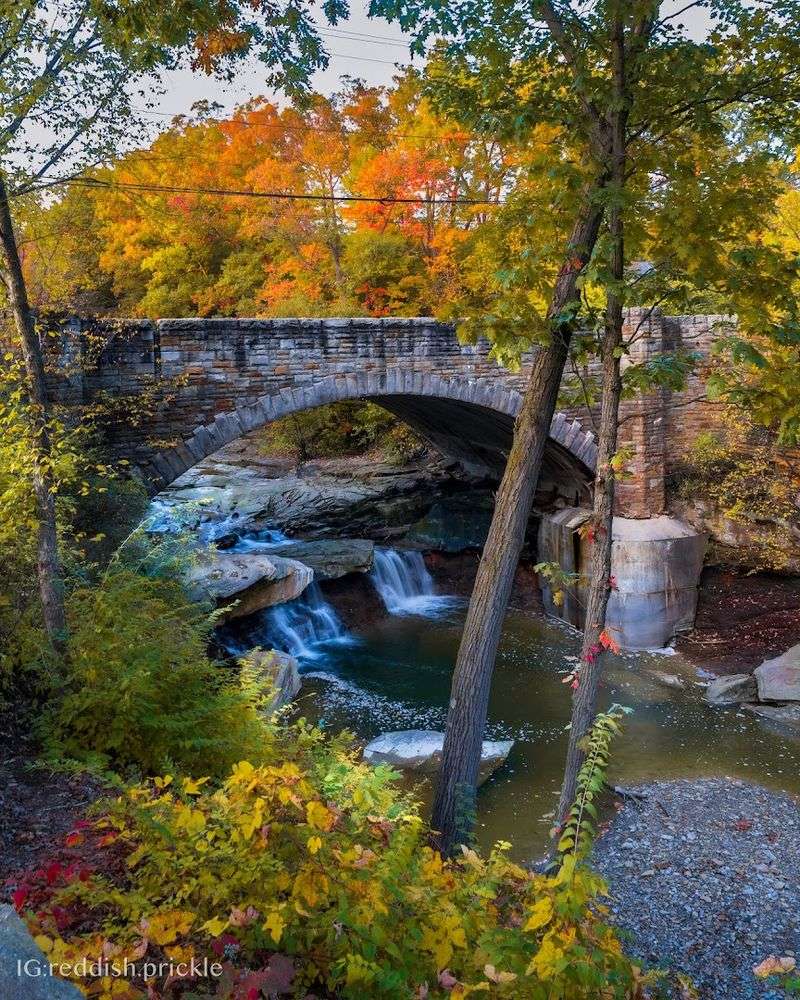
Tucked inside Brecksville Reservation, Chippewa Creek Gorge Scenic Overlook rewards visitors who appreciate the quieter side of nature.
Located at the Route 82 entrance to Brecksville Reservation in Brecksville, this overlook offers a view into one of the most striking gorge landscapes in the greater Cleveland region, where Chippewa Creek continues to shape the rock and ravine below.
The gorge is the main attraction here. Berea Sandstone forms large boulders as it breaks off and tumbles into the creek, giving the whole area a rugged, layered look that feels older than the road just beyond it.
After periods of stronger water flow, the creek and small cascades can add extra movement and sound to the scene, making the overlook especially rewarding after rain.
The surrounding reservation adds to the appeal, with trail access nearby for visitors who want to stretch the stop into a longer walk through the woods.
The shale and sandstone walls of the ravine also tell a compelling geological story. These layers were shaped by ancient natural forces, and the creek continues to reshape the gorge over time.
Fall is another standout season at Chippewa Creek. The canopy above the ravine turns brilliant shades of orange and yellow, and the color reflects off the water below in ways that feel almost cinematic.
This stop is a reminder that not every great waterfall-area view needs to be dramatic or towering. Sometimes, the most lasting impressions come from places that simply feel perfectly, quietly right.
6. Blue Hen Falls, Peninsula
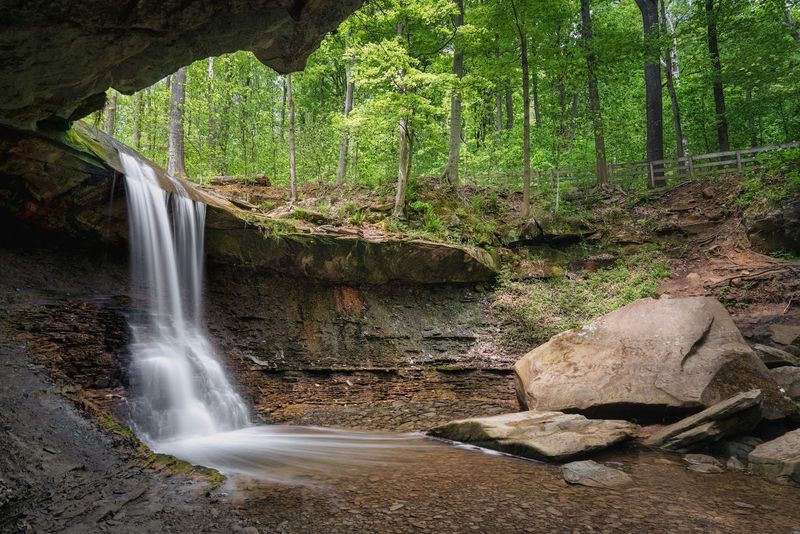
Some waterfalls make you work for the reward, and Blue Hen Falls is a perfect example of why the effort is always worth it.
Reached from the Boston Mill Visitor Center area in Cuyahoga Valley National Park, this waterfall requires a rugged hike of about three miles round trip on the Buckeye Trail, with a 580-foot elevation change along the way.
The trail itself is part of the experience. It climbs and descends through wooded terrain, crosses roads and ravines, and gives the walk enough challenge to make the final view feel earned.
Blue Hen Falls drops about 15 feet over a sandstone ledge into a clear, shallow pool below. The shape of the ledge creates a slightly concave drop that catches the light in a unique way during midday hours.
What makes this stop feel special is the intimacy of the setting. The falls are surrounded by forested hillsides, and the clearing around the overlook is just large enough for visitors to pause and take in the scene.
This is one of the most photographed waterfalls in the national park, and it is easy to understand why. The proportions feel balanced, the surroundings are lush, and the color of the sandstone adds a warm reddish-brown tone that contrasts beautifully with the white water.
Visiting in summer means the forest provides full shade, keeping the area noticeably cooler than open terrain. Bring water and wear sturdy footwear, as the Buckeye Trail can be muddy, hilly, and slippery after rain.
Blue Hen Falls is the kind of place that gets added to people’s lists of favorite spots in Ohio after just one visit. The combination of a rewarding trail and a genuinely beautiful payoff makes it one of the route’s most memorable stops.
7. Brandywine Falls, Sagamore Hills Township
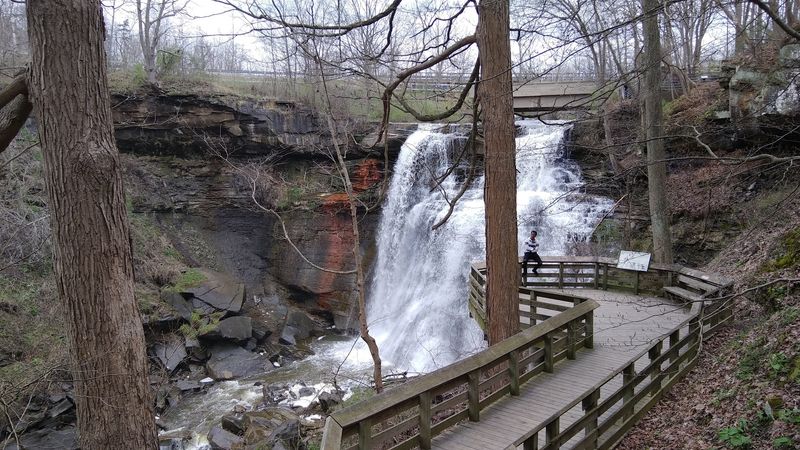
Saving the most dramatic for last was clearly an intentional choice on this route, and Brandywine Falls delivers a finale that lives up to the buildup.
Located at 8176 Brandywine Road in Sagamore Hills Township and sitting within Cuyahoga Valley National Park, this is the tallest waterfall on the route, dropping approximately 60 feet over a dramatic series of layered rock formations into a mist-filled gorge below.
The approach to the falls is itself a highlight. A well-maintained boardwalk winds through the forest and descends alongside the gorge, offering multiple viewing platforms at different heights that each reveal a new perspective on the cascade.
The upper platform gives you a sweeping view of the full drop, while the lower boardwalk brings you closer to the sound and movement of the water.
Brandywine Creek has been carving through these rock layers for thousands of years, and the exposed geology at the base of the falls is genuinely fascinating. The distinct bands of shale, sandstone, and Sharon conglomerate create a visible timeline of ancient history in the cliff face.
This is also one of the most popular waterfalls in the national park. The boardwalk makes the main viewing areas manageable for many visitors, though stairs, weather, and icy conditions can affect access.
Spring brings the falls to their most powerful state, with snowmelt and rain pushing the flow over the edge in impressive volume. Winter visits offer a completely different spectacle, though the boardwalk may close during icy conditions.
Brandywine Falls is the kind of place that makes you want to stand still for a long time. By the time you walk back from the overlook, you will already be thinking about when you can come back.