
12 Quirky Washington Towns With The Strangest Names
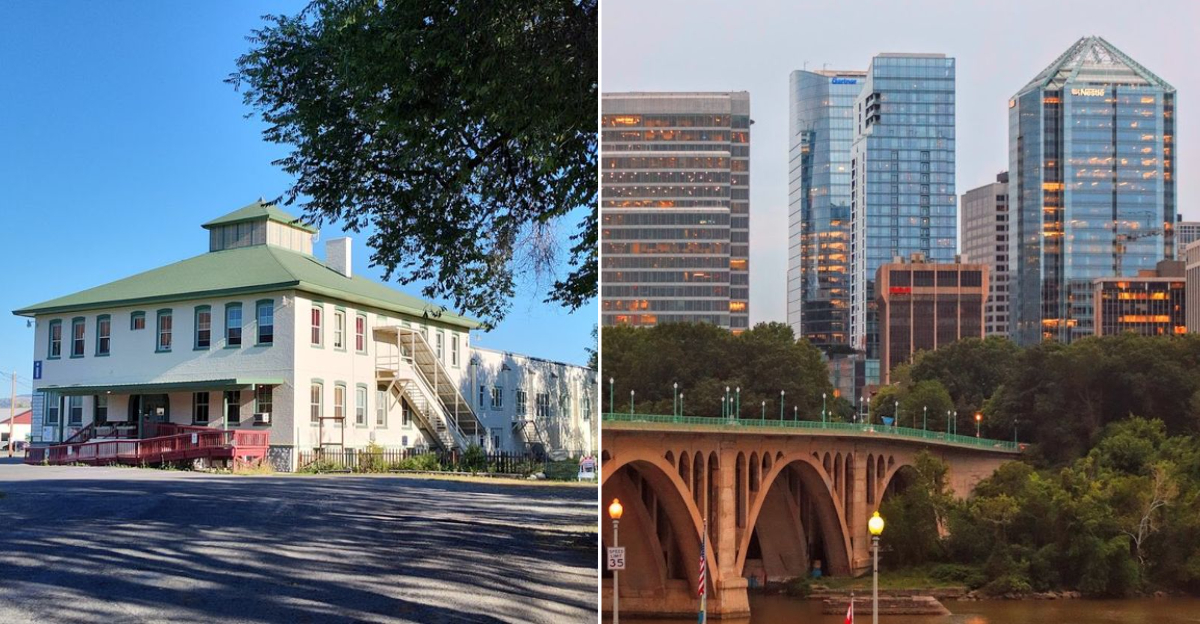
Washington State is packed with stunning mountains, thick forests, and coastline that stretches for miles, but it also hides something even more interesting. Towns with names that will make you do a double-take.
You might drive past a sign and wonder if someone was playing a joke or if there’s a fascinating story behind it. Spoiler alert: there usually is.
History books are usually full of stuffy names like “New London” or “Saint Something-or-Other,” but whoever named some of these spots clearly had a sense of humor or perhaps a few too many drinks.
Why settle for “Springfield” when you can reside in a place that sounds like a clumsy typo or a weird fever dream?
Let’s take a lighthearted drive through the most bewildering, hilarious, and downright questionable town names you will ever stumble upon.
1. Humptulips
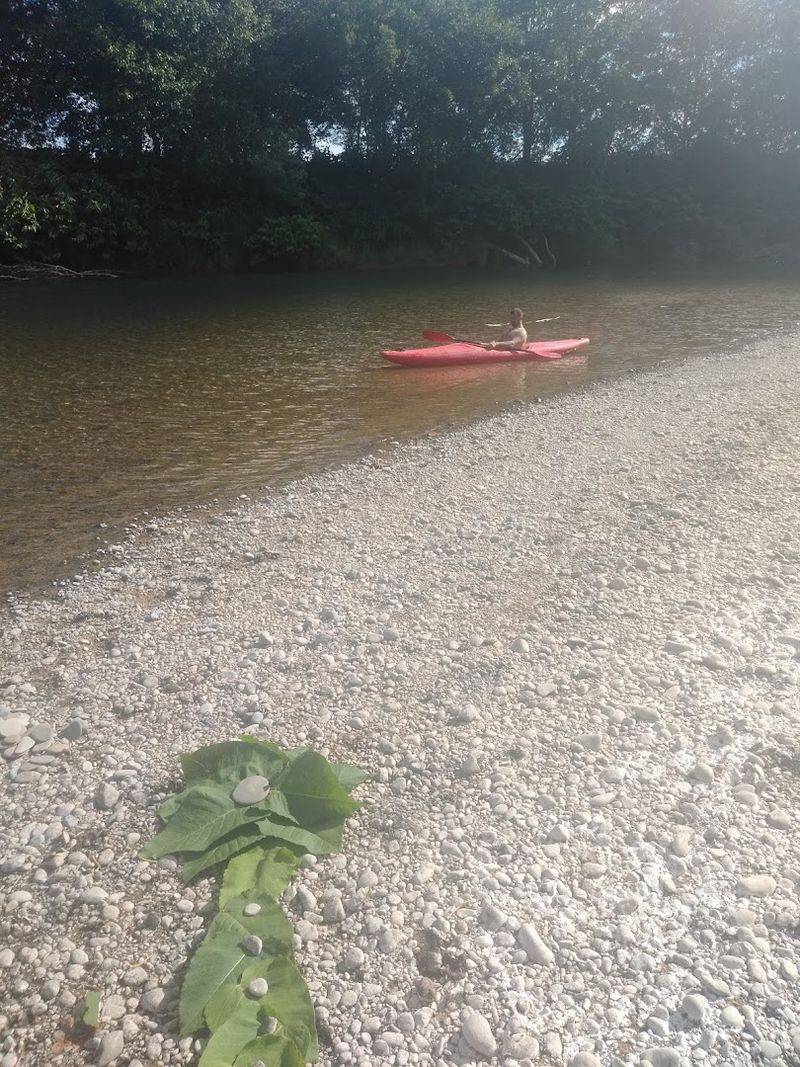
Ever tried poling a canoe upstream and found it nearly impossible? That’s exactly what inspired the name of this Grays Harbor County community.
The Chehalis tribe gave this place its memorable moniker, which translates to “hard to pole,” describing the challenge of navigating the winding Humptulips River by canoe.
Another interpretation suggests the name means “chilly region,” which makes sense given the Pacific Northwest’s famously damp climate. Either way, the name perfectly captures the rugged character of this small logging town.
Visitors today can explore the nearby Olympic National Forest and enjoy excellent fishing opportunities along the river that gave the town its unusual identity.
The town embraces its quirky name with pride, and locals have heard every joke imaginable. Despite its small size, Humptulips offers access to some of Washington’s most pristine wilderness areas, making it a hidden treasure for outdoor enthusiasts who appreciate both natural beauty and linguistic curiosities.
2. Pysht
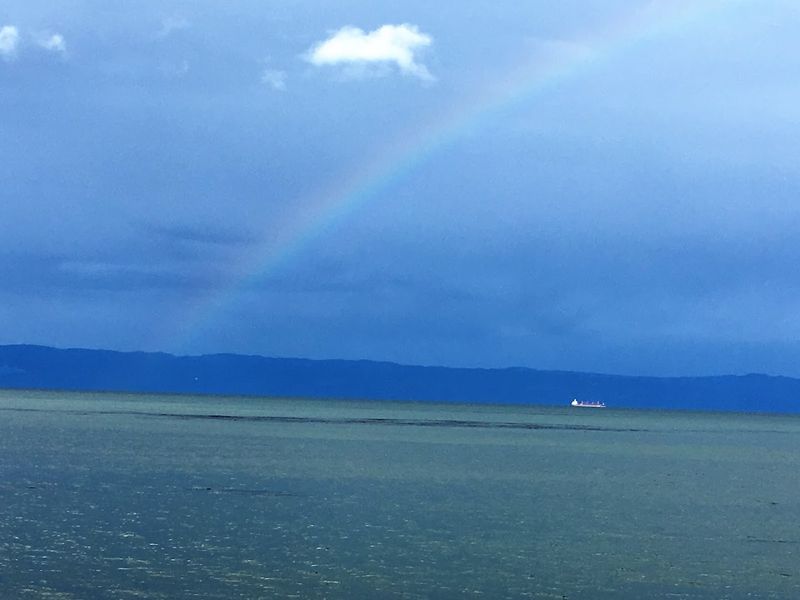
Pronouncing this Clallam County town’s name is half the fun, and most people get it wrong on their first try. Located near the Olympic Peninsula’s northwestern coast, Pysht takes its name from the river that flows through it.
The word translates to “against the wind” or “against the current,” which anyone who’s visited this breezy coastal area can confirm is spot-on.
The town sits where the Pysht River meets the Strait of Juan de Fuca, creating a landscape that’s both beautiful and challenging. Strong winds sweep in regularly from the Pacific Ocean, making the name feel like a daily weather forecast. It’s one of those places where nature reminds you who’s really in charge.
With fewer than 100 residents, Pysht is about as remote as Washington towns get. The surrounding area offers incredible opportunities for beachcombing, wildlife watching, and experiencing the raw power of the Pacific coastline in all its untamed glory.
3. Index
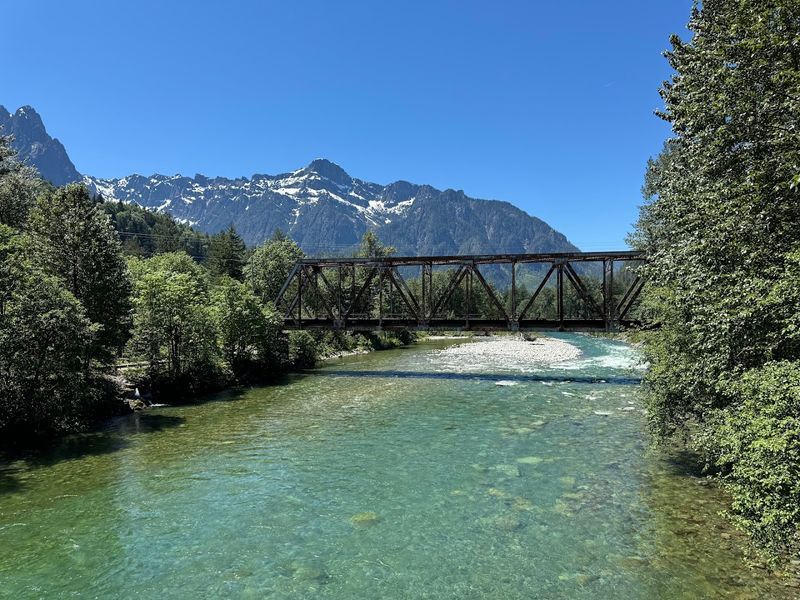
Nestled in Snohomish County, this town has a name that sounds more like something you’d find at the back of a book than on a map.
The story behind it is actually pretty straightforward: Index sits at the base of what was originally called Mount Index, a peak whose distinctive shape resembled a pointing finger.
When mapmakers officially renamed the mountain to Mount Baring in 1917, the town decided to keep the original name as a tribute. Today, Index serves as a gateway to spectacular hiking trails and rock climbing routes that attract adventurers year-round.
The town’s location along the South Fork Skykomish River adds to its natural appeal.
Rock climbers particularly love Index for its challenging granite walls and stunning alpine scenery. The town may be tiny, but its reputation among outdoor enthusiasts is huge.
Whether you’re stopping for a quick photo or planning a weekend climbing expedition, Index proves that sometimes the simplest names have the most interesting origins.
4. Concrete
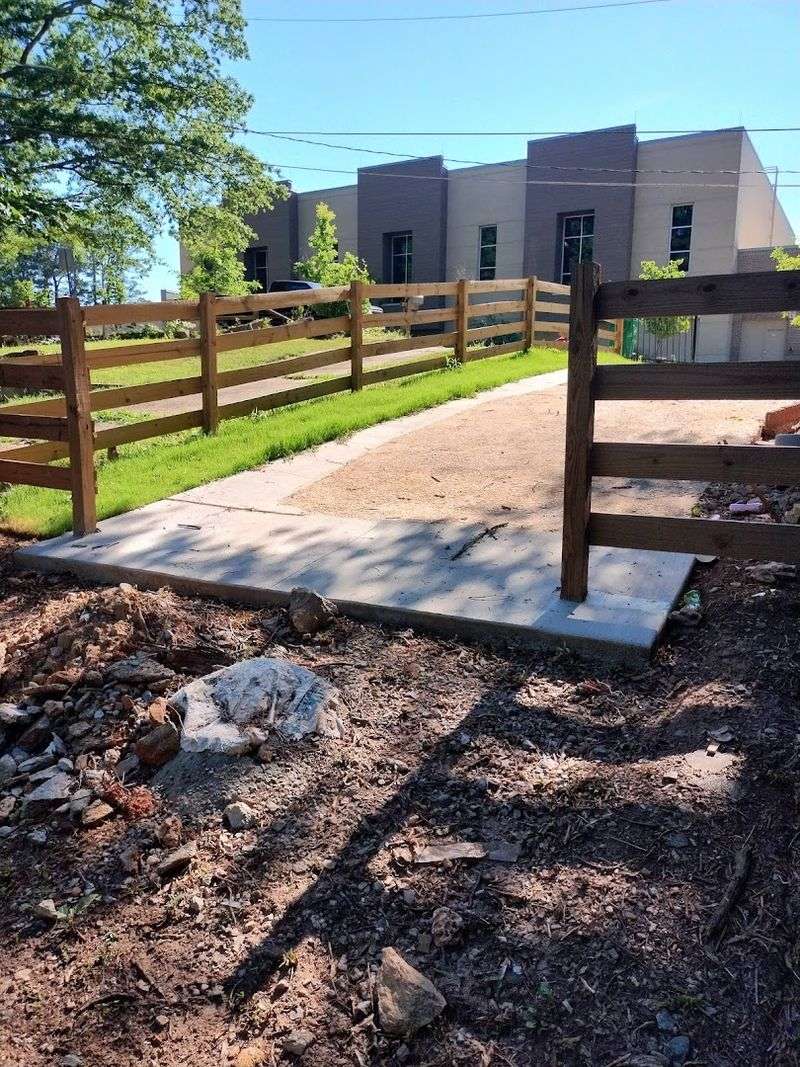
Walking into this Skagit County town, you might expect everything to be, well, made of concrete. While the town does have a connection to the construction material, the reality is more interesting than you’d think.
Concrete got its name from the concrete manufacturing industry that once thrived here, thanks to nearby limestone deposits and the Baker River’s hydroelectric power.
The town was formed by merging two smaller communities, Cement City and Baker, creating a new identity that honored the industry supporting local families. Today, old silos and industrial remnants serve as reminders of that heritage.
But Concrete has evolved into a charming small town that serves as a launching point for North Cascades adventures.
Visitors discover a surprisingly artsy community with murals, galleries, and annual events that celebrate local culture. The Superior Portland Cement Company may have closed decades ago, but the name stuck.
Now it’s a conversation starter that draws curious travelers who stay for the mountain views and friendly atmosphere.
5. George
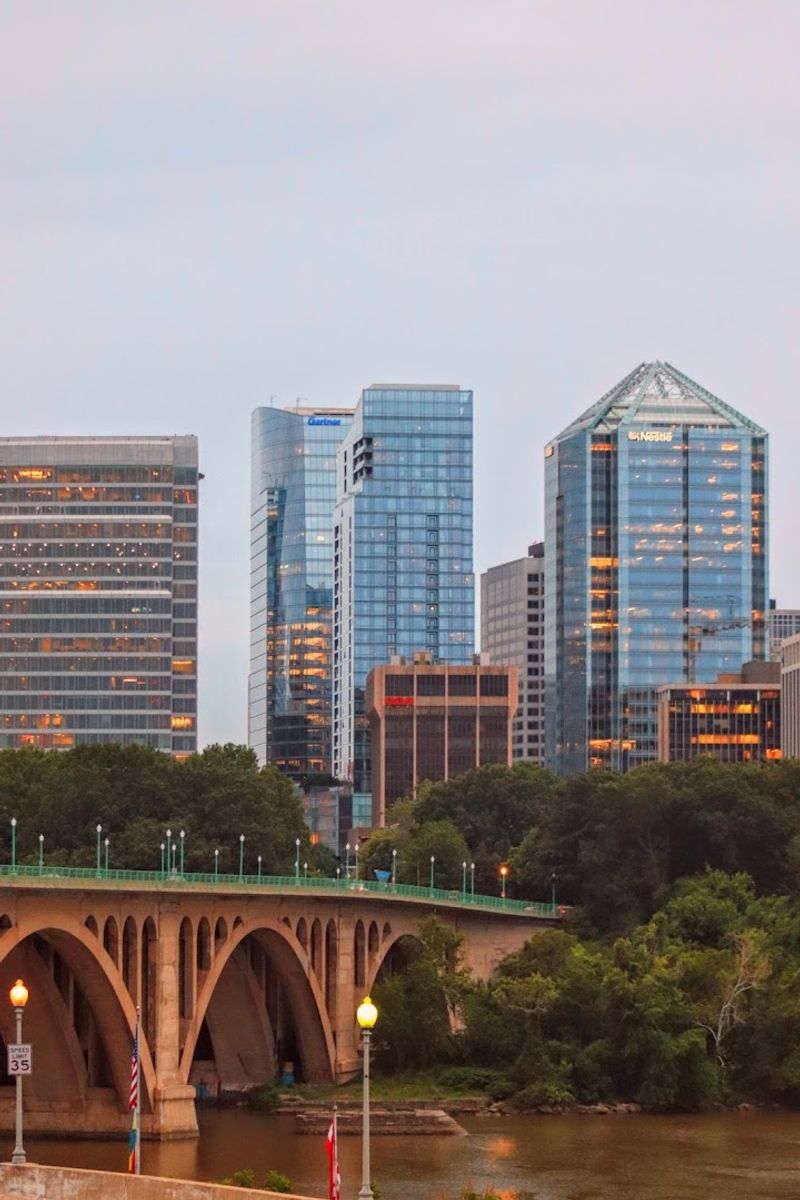
In Grant County sits a town with possibly the simplest name in Washington, and the story behind it is delightfully uncomplicated. George was named by Charlie Brown (yes, really) who founded the town on Independence Day and decided to honor the father of our country.
That’s it. No complicated translation, no geographical feature, just straightforward patriotic pride.
The town leans into its presidential connection with street names like Washington Way and Martha Inn Road. George’s location in central Washington places it in prime agricultural territory, surrounded by vast orchards and farmland that produce some of the state’s best fruit.
The nearby Gorge Amphitheatre, one of the most scenic concert venues in America, has put George on the map for music lovers.
Despite its small population, George attracts thousands of visitors during concert season who come for the spectacular Columbia River views and world-class performances. The town’s motto, “George, Washington: We’re Not Lying,” shows locals have a sense of humor about their straightforward name.
6. Sedro-Woolley
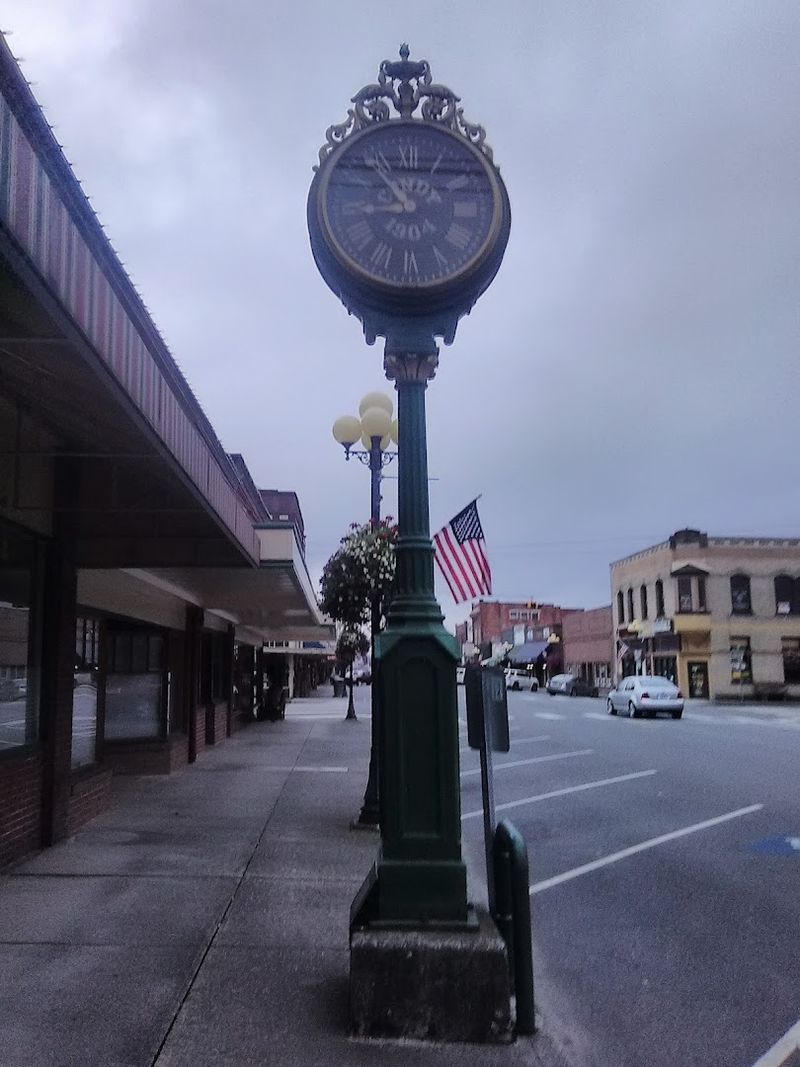
This Skagit County community has a hyphenated name that tells the story of two towns that decided they were better together. Sedro started as “Bug” due to its notorious mosquito problem, which understandably didn’t help with tourism or civic pride.
Someone eventually suggested “Sedro,” inspired by the Spanish word for cedar, which sounded much more appealing on paper.
Meanwhile, neighboring Woolley was named after railroad executive Phillip A. Wooley, who helped bring transportation infrastructure to the area. When the two communities merged in 1898, they combined names rather than choosing one over the other, creating the diplomatic solution we see today.
The town serves as the gateway to North Cascades National Park and maintains a charming historic downtown with buildings dating back to its logging heyday. Annual events like the Loggerodeo celebrate the region’s timber heritage.
Sedro-Woolley proves that sometimes compromise creates something more interesting than either option alone, even if it does make for a longer name to fit on welcome signs.
7. Twisp
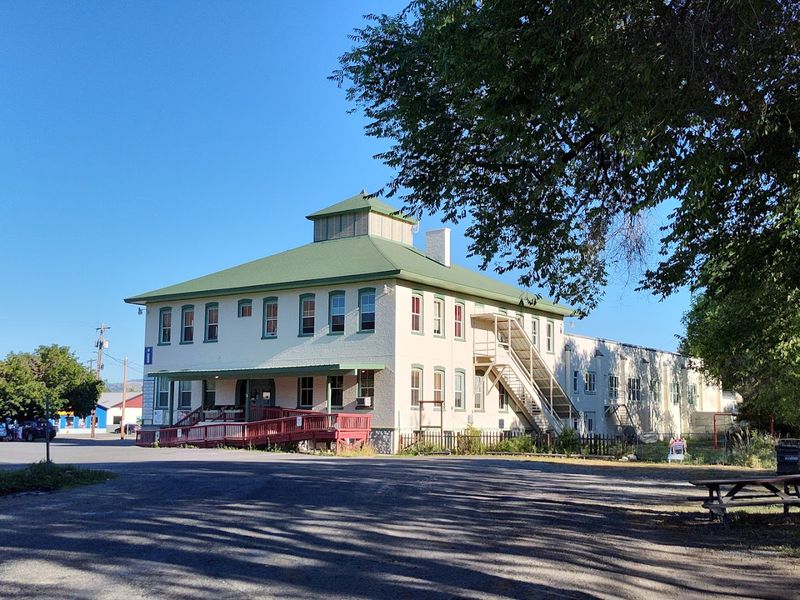
Tucked into the beautiful Methow Valley, this Okanogan County town has a name that buzzes with character. Twisp comes from a Native American word believed to mean “wasp” or “yellowjacket,” though whether this referred to an abundance of stinging insects or something else entirely remains a bit mysterious.
What’s not mysterious is Twisp’s appeal as an outdoor recreation hub. The town sits surrounded by mountains that offer incredible hiking, mountain biking, and cross-country skiing depending on the season.
The Methow River runs nearby, providing excellent fishing opportunities and scenic beauty that changes dramatically with each season.
Twisp has developed a reputation as an artists’ community, with galleries and studios dotting the downtown area. The annual TwispWorks campus hosts maker spaces and creative enterprises that draw visitors interested in handcrafted goods and local art.
For a town named after an insect, Twisp has created quite a sweet spot for itself, blending outdoor adventure with cultural offerings in a valley that feels worlds away from urban chaos.
8. Soap Lake
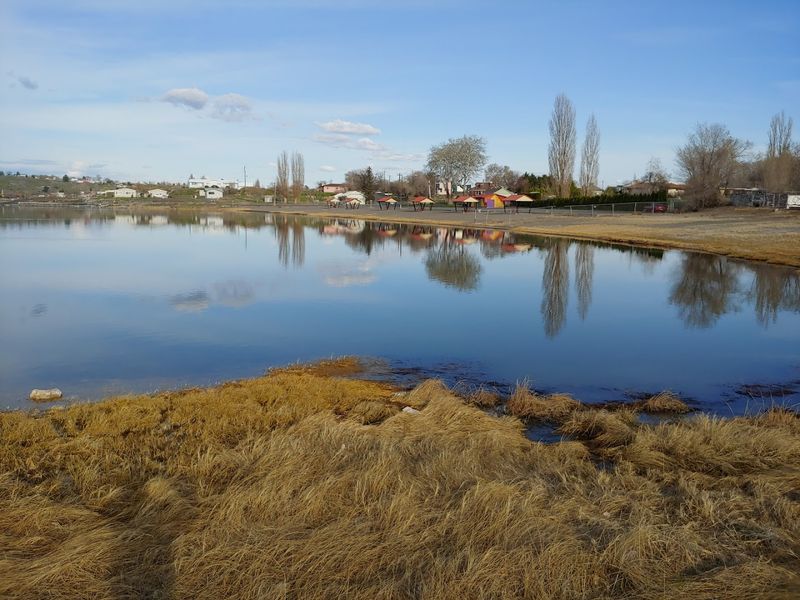
Grant County’s Soap Lake lives up to its name in the most literal way possible. The town is built around a lake so packed with minerals that it naturally produces foam resembling soap suds, especially when the wind whips across the water.
Indigenous tribes recognized the healing properties of these mineral-rich waters long before settlers arrived.
By the early 1900s, Soap Lake had become a destination for people seeking relief from various ailments, transforming into a restorative tourist spot.
Visitors would soak in the lake’s therapeutic waters, which contain over 20 different minerals including sodium, magnesium, and potassium. Hotels and bathhouses sprang up to accommodate health-seekers from across the region.
Today, you can still take a dip in the lake and experience its unique, silky feel for yourself. The town embraces its quirky identity with an annual Sudsfest celebration and maintains several facilities where visitors can enjoy mineral baths.
Soap Lake delivers exactly what its name promises.
9. Medical Lake
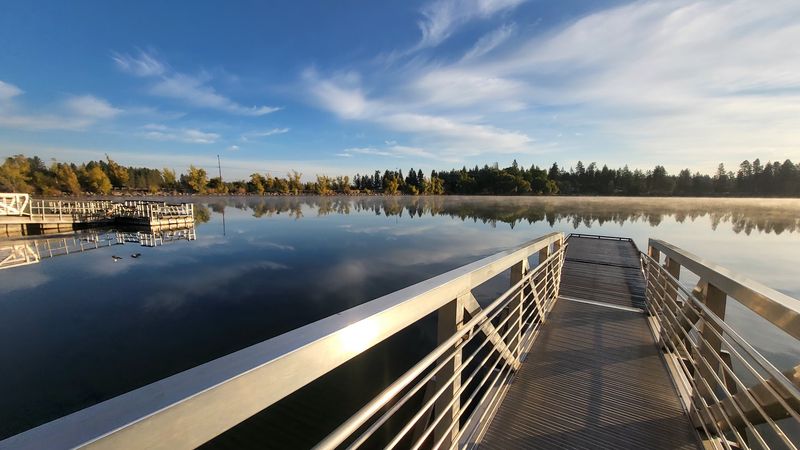
Just west of Spokane sits a town whose name sounds like it should be next to a hospital, but the story is actually rooted in Indigenous wisdom and pioneer hope. M
edical Lake earned its name because Native American tribes believed the lake’s mineral-rich waters possessed healing qualities, using them to treat various ailments long before European settlement.
Early settlers heard these stories and tested the waters themselves, finding the high mineral content genuinely seemed to help with certain conditions.
This reputation transformed Medical Lake into a popular restorative destination in the late 1800s. Sanitariums and health resorts popped up, attracting visitors seeking relief from rheumatism, skin conditions, and other health concerns.
The town still maintains its connection to health and wellness, though modern medicine has largely replaced mineral baths as treatment. Eastern State Hospital, a major psychiatric facility, has been part of the community for over a century.
While Medical Lake has evolved beyond its spa town origins, the name remains a reminder of an era when people traveled miles to soak in waters they believed could cure what ailed them.
10. Bucoda
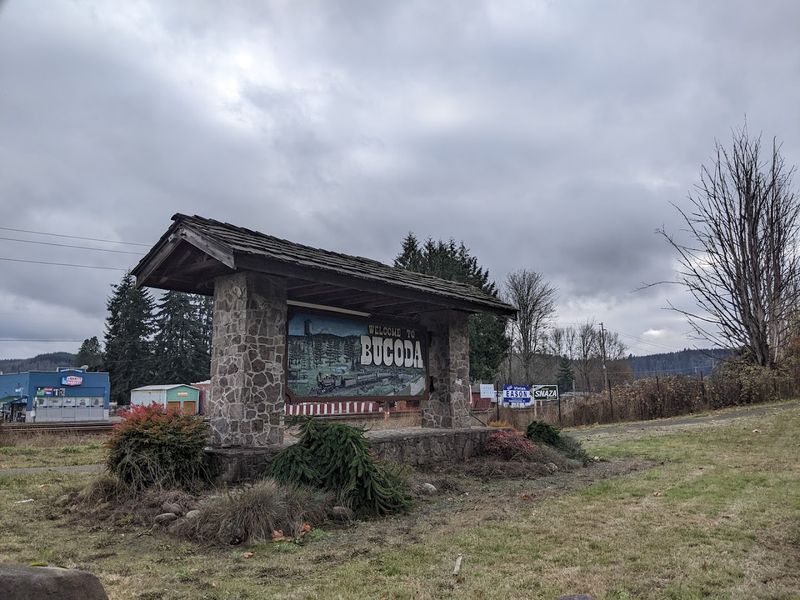
Thurston County’s Bucoda has one of the most interesting name origin stories in Washington, starting with something decidedly spooky.
Originally called “Seatco,” reportedly a Native term meaning “devil” or “evil spirit,” the town was inspired by local legends of hauntings that gave early settlers the creeps. Imagine trying to attract new residents with that name on the welcome sign.
Town leaders eventually decided a rebrand was necessary and came up with “Bucoda” by combining the names of three important local investors: Buckley, Coulter, and David. This creative solution gave the town a fresh identity while honoring the people who’d invested in its future. Problem solved, right?
Not quite. Bucoda couldn’t escape its spooky past and eventually decided to embrace it instead. The town now hosts an annual “Boo-coda” festival that celebrates its haunted heritage with ghost tours, costume contests, and Halloween-themed activities.
It’s a perfect example of turning a potential negative into something fun and memorable that brings the community together and attracts curious visitors every fall.
11. Skamokawa
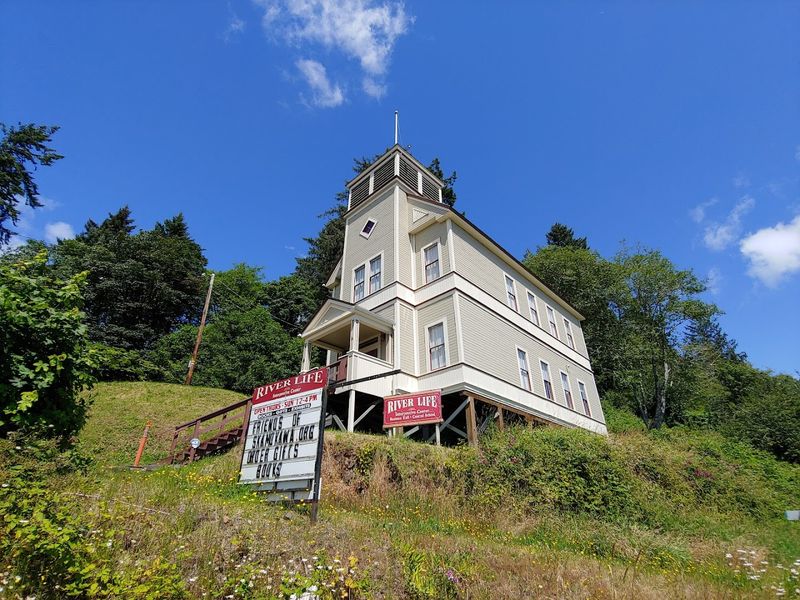
Pronouncing Skamokawa correctly is your first challenge when visiting this Wahkiakum County community along the Columbia River.
The name, when loosely translated from the local Indigenous language, means “smoke on the water,” which perfectly captures the misty mornings common to this riverside location. You can almost picture the fog rolling off the Columbia at dawn.
Skamokawa started as a fishing and logging community, taking advantage of its prime location where the river meets extensive forest lands.
The town never incorporated officially, remaining an unincorporated community that maintains its small-town character and close-knit feel. Historic buildings along the waterfront tell stories of the area’s maritime heritage.
Today, Skamokawa attracts kayakers, bird watchers, and people seeking a slower pace of life away from urban centers. The Skamokawa Vista Park offers stunning views of the Columbia River and excellent camping facilities.
While the town may be tiny, its poetic name and beautiful setting make it memorable for anyone who takes the time to explore this quiet corner of southwestern Washington.
12. Kooskooskie
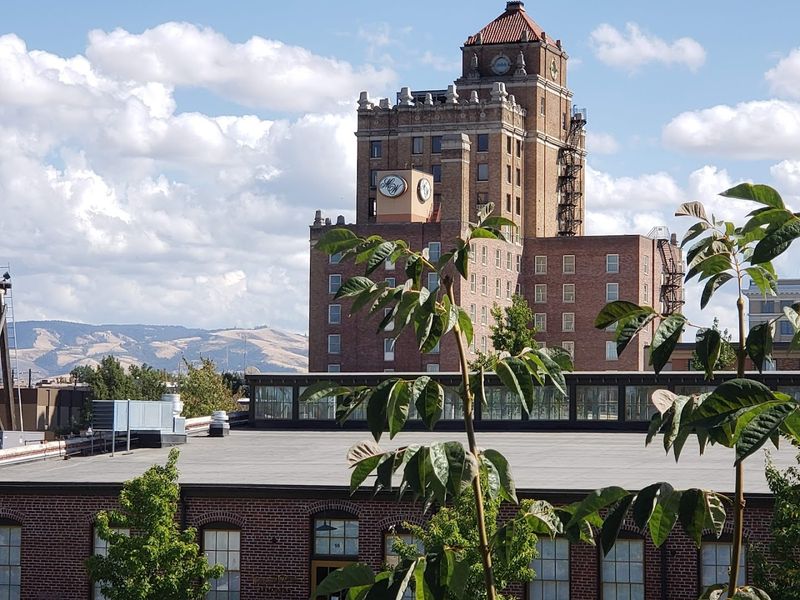
Say that name three times fast. Kooskooskie, located in Walla Walla County, has a name that trips up even longtime Washington residents. Derived from the Nez Perce language, it translates to approximately “clear waters,” referring to the pristine local creeks that run through the area.
The name is as melodic as it is challenging to spell. This tiny community reflects the agricultural character of southeastern Washington, surrounded by wheat fields and rolling hills that turn golden in summer.
The area’s clear streams provided essential water for both Native peoples and later settlers who established farms and ranches. That water remains vital to the region’s agricultural success today.
Kooskooskie never grew into a large town, remaining a quiet rural area where farming still dominates the landscape. Visitors passing through might not find much in terms of commercial development, but they’ll discover the kind of wide-open spaces and clear skies that define rural Washington.
The name serves as a beautiful linguistic reminder of the Nez Perce people who first recognized and named these clear, life-giving waters.