
This Dreamlike National Forest In Arkansas Feels Like Another World
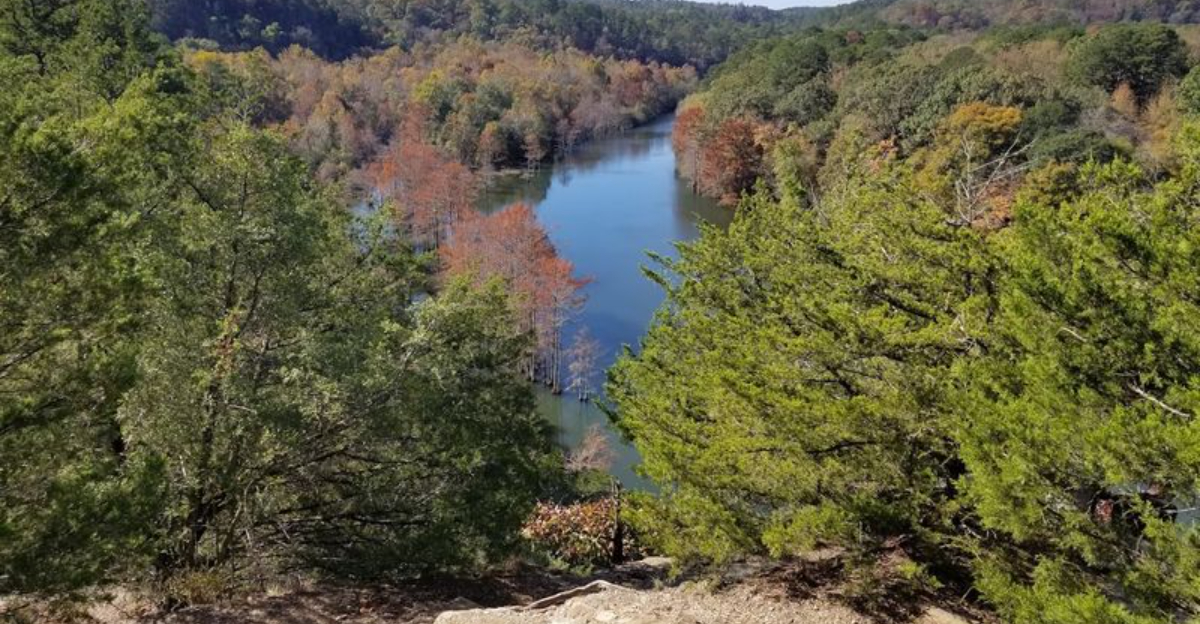
You know those places that make you stop mid-step and forget what you were about to say? This forest in Arkansas is one of them.
The ridges do not line up the way most people expect. They stretch east to west, giving the whole area a strange rhythm you can feel as soon as the road starts climbing.
Then the forest takes over. The trails pull you forward without trying too hard.
You hear water somewhere ahead, then the trees open just enough to show a ridge lit by late sun. It feels like the land is letting you in, but only if you slow down.
I would not call this an ordinary forest walk. Not even close.
These eight facts and experiences explain why this place stays with people long after they leave, and why your next open weekend might need a new plan soon after reading this one.
Misty Trails Beneath Towering Pines
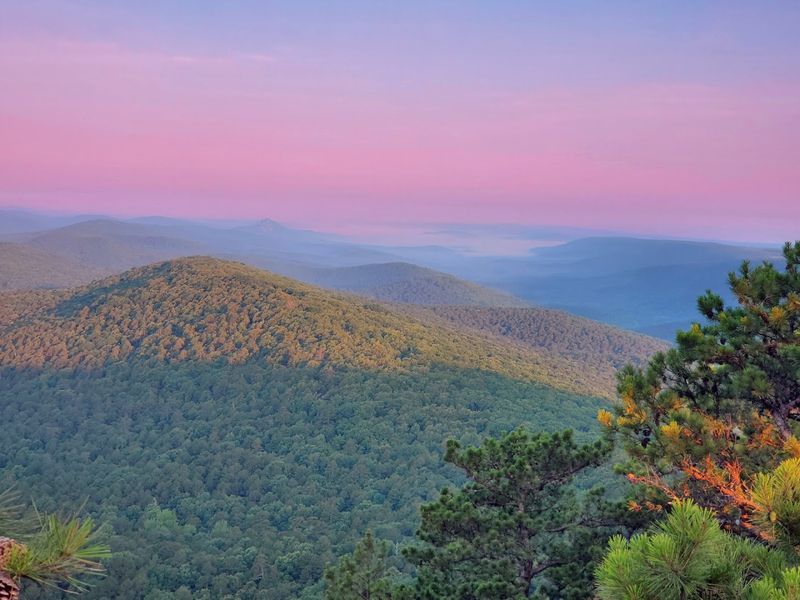
A particular kind of quiet settles over you on these trails. Your own footsteps can feel like an intrusion in a hush that complete.
More than 700 miles of trails wind through this vast forest, many passing beneath old pines so tall that the canopy filters morning light into soft, shifting beams.
I remember one early hike when mist still clung to the lower slopes, curling around the trunks like something from a storybook.
The forest floor was carpeted with damp, rust-colored pine needles, releasing a clean resin scent with every step I took.
Some old-growth stands help give parts of this place the rare feeling of a forest that has been standing watch for centuries.
Trail conditions can change with the season, so carrying a printed map alongside digital navigation is smart planning here.
The misty morning hours are the best time to catch the forest at its most atmospheric, especially in spring when ferns push through the undergrowth and the whole hillside seems to breathe. You can experience it through Ouachita National Forest, 100 Reserve Street, Hot Springs, AR 71901.
Mountain Views That Feel Untouched
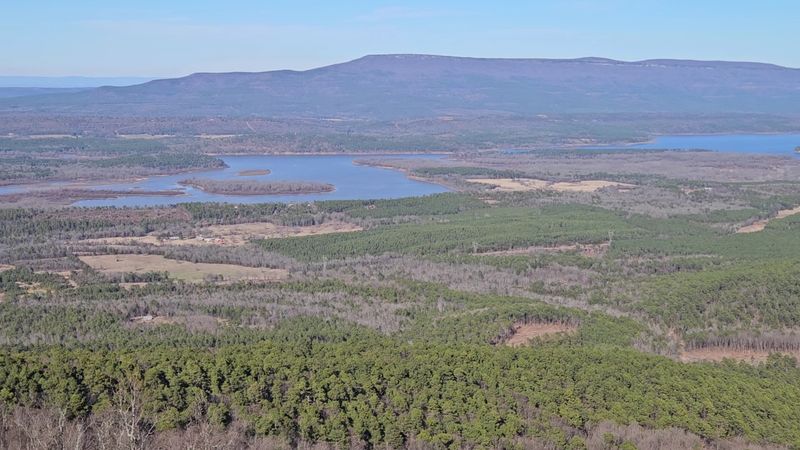
A high ridge in the Ouachita Mountains can stop you in your tracks. The view looks almost too perfect to be real, like a landscape painting stretched out in every direction.
What makes these mountains geologically fascinating is that their ridgelines run predominantly east to west, which is the opposite of most American mountain ranges.
That unusual alignment can create noticeable differences depending on which side of the ridge you are standing on, with north-facing slopes staying cooler and moister while south-facing slopes run drier and sunnier.
The result is a patchwork of habitats packed into a single mountain system, and the views from the top reflect all of that variety below.
I found that the best overlook experiences came when I arrived early and stayed patient, because the light shifts constantly and rewards anyone willing to wait.
Wildlife sightings are common from these high points, including white-tailed deer moving through the tree line or, if you are very lucky, a black bear crossing a distant clearing.
These ridges carry a feeling of genuine wildness that is increasingly rare, and that sense of untouched space is what keeps pulling me back.
Quiet Lakes Framed By Forest Light
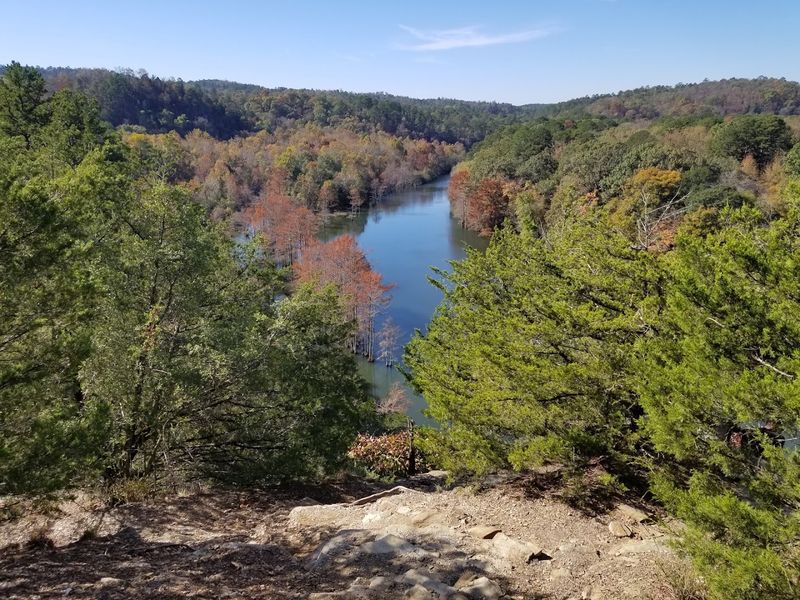
Water changes the entire mood of a forest. The lakes tucked inside this landscape do exactly that, turning already beautiful scenery into something that feels deeply restorative.
Visitors have paddled kayaks to small islands surrounded by even smaller islands, describing the experience as discovering a world within a world.
The fishing draws anglers throughout the forest, with both lakeside and riverside spots welcoming different skill levels across all four seasons.
I spent one afternoon just sitting at the water’s edge watching light move across the surface, and I genuinely lost track of time in the best possible way.
Some camping areas sit directly beside the water, while others are a short walk away, so checking site maps before you book helps you land exactly the kind of spot you are hoping for.
Bald eagles have been spotted over Lake Ouachita, which adds a whole other level of excitement to a morning paddle.
The Caddo River, which flows through part of the forest, is a favorite for swimming and floating, and the clear, cool water feels like a reward after any trail.
Winding Roads Through Ancient Woods
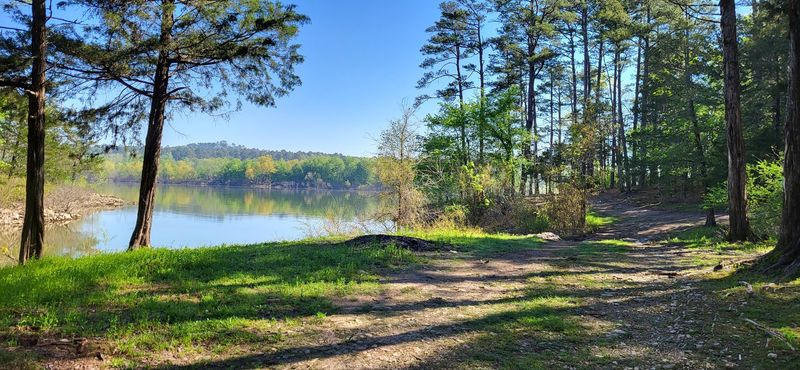
Not every great experience in this forest happens on foot. The scenic drives here prove that sometimes the best way to absorb a landscape is from behind a wheel with the windows down.
The Talimena National Scenic Byway is the crown jewel of these routes, cutting through the Ouachita Mountains and delivering sweeping ridge-top views that change character with every mile.
The full stretch from Oklahoma into Arkansas passes through every shade of green imaginable, and that feeling held up completely when I made the drive myself.
The forest spans nearly 1.8 million acres across both Arkansas and Oklahoma, and the byway captures a generous slice of that enormous territory.
Autumn is a spectacular time to drive these roads, when the hardwoods ignite in oranges and reds against the backdrop of evergreen pines.
Pull-offs appear regularly along the route, making it easy to step out and take in a view without committing to a full hike.
Roads like these remind you that discovery does not always require effort, and sometimes the forest simply asks you to slow down and look a little longer.
Hidden Springs With A Wild Soul
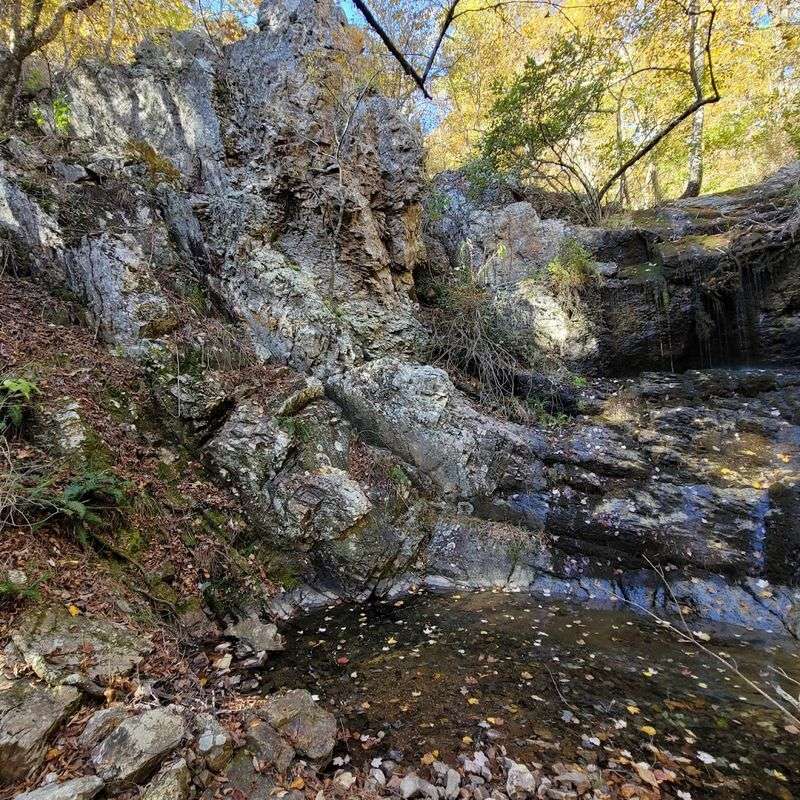
The name Ouachita comes from the French spelling of a Native American word meaning “good hunting grounds.” After spending time near the hidden springs scattered through this forest, I would argue it could just as easily mean “good discovering grounds.”
Water seeps out of the hillsides in unexpected places here, forming small pools and tiny streams that appear suddenly on a trail and disappear just as quickly into the undergrowth.
Quartz crystals and geologic formations are part of the wider Ouachita region, especially around mineral-rich areas nearby, making the landscape feel almost theatrical in its variety.
Quartz can turn up in surprising places across the region, and that sense of discovery feels perfectly matched to this forest.
The springs attract wildlife constantly, so pausing near one for a few quiet minutes is often rewarded with a deer sighting or the sound of a turkey moving through the brush nearby.
For any longer backcountry trip, water filtration gear is wise even in areas where natural water is abundant.
These springs carry a wild, unhurried energy that makes the forest feel alive in a way that goes well beyond just trees and trails.
Scenic Overlooks Above Endless Green
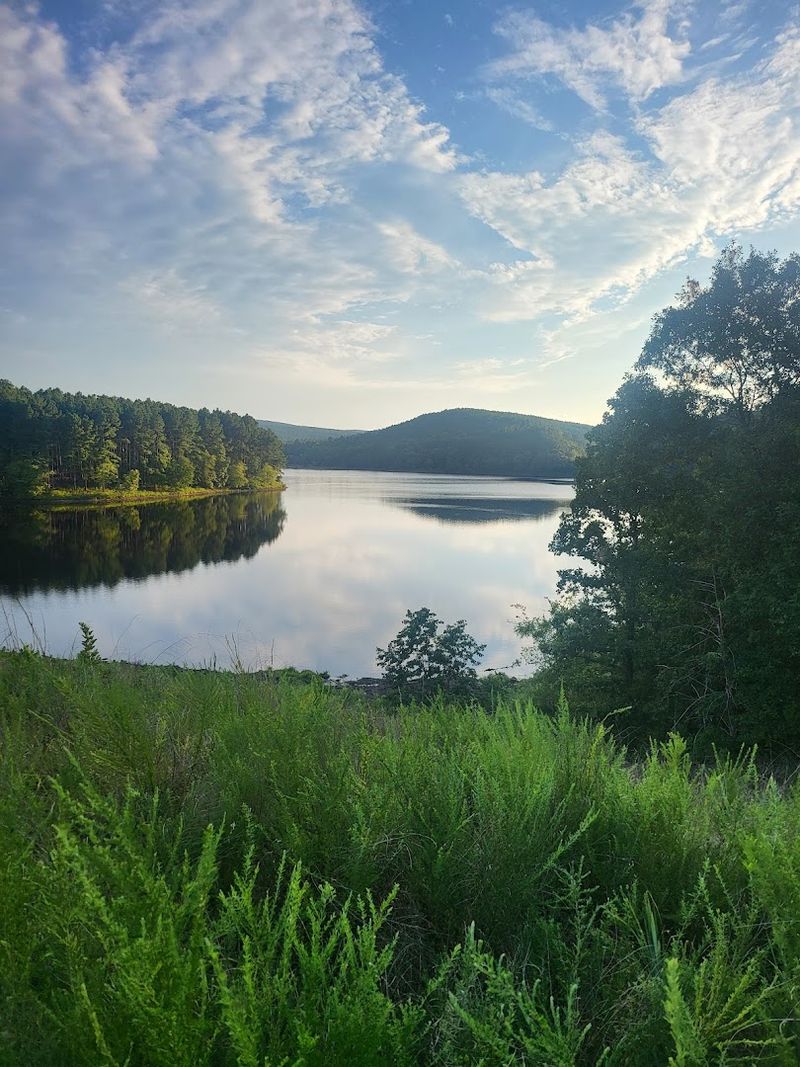
A high overlook can make the whole forest feel endless. In Ouachita National Forest, that view appears again and again as green ridges roll out toward the horizon.
The forest covers close to 1.8 million acres, and from the right vantage point, you genuinely cannot see where it ends.
I stood at one overlook in the mid-morning light and watched cloud shadows drift slowly across the ridges below, and the whole scene had a slow, meditative rhythm that was hard to leave.
Many overlooks are reachable from scenic byway pull-offs or trail endpoints, though accessibility varies by site and should be checked before you go.
Spring brings a particular freshness to these views, with new growth brightening the canopy and wildflowers dotting the slopes visible from above.
Winter is surprisingly rewarding too, since the bare trees open up sight lines that summer foliage completely hides, and ice-covered branches on a cold morning create a scene that feels almost impossible.
Every overlook has its own angle and character, so visiting more than one in a single trip always turns out to be worth the extra miles.
Peaceful Paths Into Deep Woodland
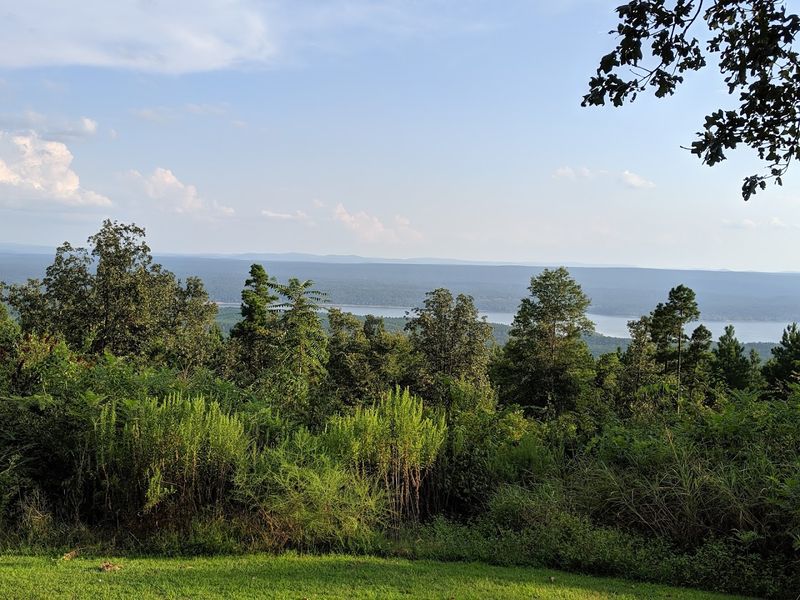
Solitude is one of those things people say they want and then rarely find. The deeper paths of this forest make good on that promise in a way that genuinely surprises you.
The Ouachita National Recreation Trail stretches 223 miles across the region, and while some sections see regular traffic, there are long stretches where you can walk for hours and encounter almost no one.
I took a quieter branch trail one afternoon and found myself surrounded by ferns, filtered light, and the kind of stillness that makes your thoughts slow down whether you want them to or not.
The forest supports eleven federally listed species alongside hundreds of other plants and animals, meaning the ecosystem around you on these paths is far more layered and complex than it appears.
Trail markers are generally reliable, though signage can be inconsistent in certain sections, so downloading offline maps before heading out is a practical step.
Bobcats and wild turkey share these woods, and while sightings are never guaranteed, knowing they are nearby adds a certain alertness to every step.
These paths reward patience above everything else, and the deeper you go, the more the forest seems to open up and show you something new.
Golden Light Across The Ridgelines
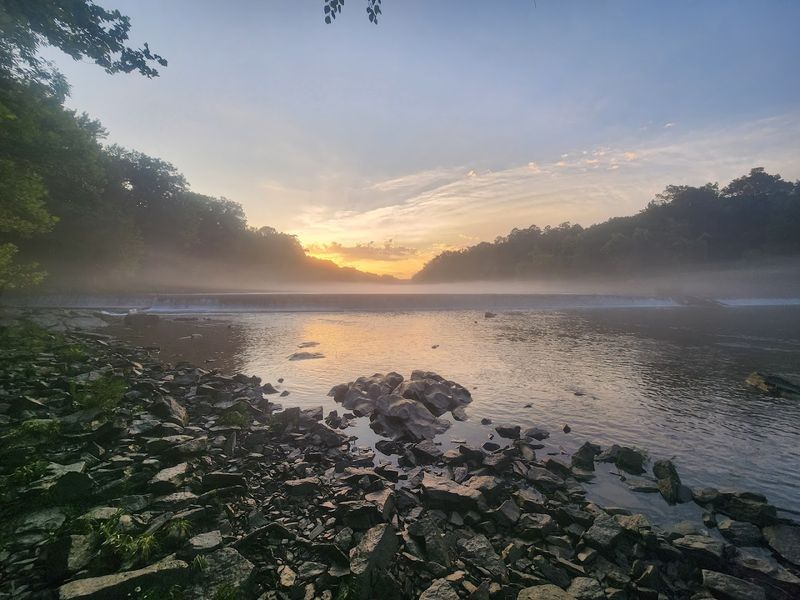
Late afternoon brings a short stretch of magic to these ridgelines. The sun drops low enough to paint the forest in warm amber, making the canopy look like it is glowing from within.
I caught this light once from a high trail near dusk, and the way it moved across the pine canopy in slow waves was the kind of thing that makes you reach for a camera and then realize no photo will ever quite do it justice.
The east-to-west orientation of the Ouachita ridgelines can make late-day light especially striking along exposed slopes and ridge crests, especially when the sun hits them at a long, raking angle.
This is the hour when wildlife tends to move, and I have seen deer stepping out of the tree line and hawks circling overhead within the same golden stretch of evening.
A night in the forest means you can catch both sunrise and sunset from elevated spots, and watching the ridgelines shift from pink to gold is something that stays with you long after the trip.
The forest’s nearly 1.8 million acres stretch across Arkansas and Oklahoma.