
This Timeless Town In Arkansas Is Packed With Charm, History, And Front Porch Magic
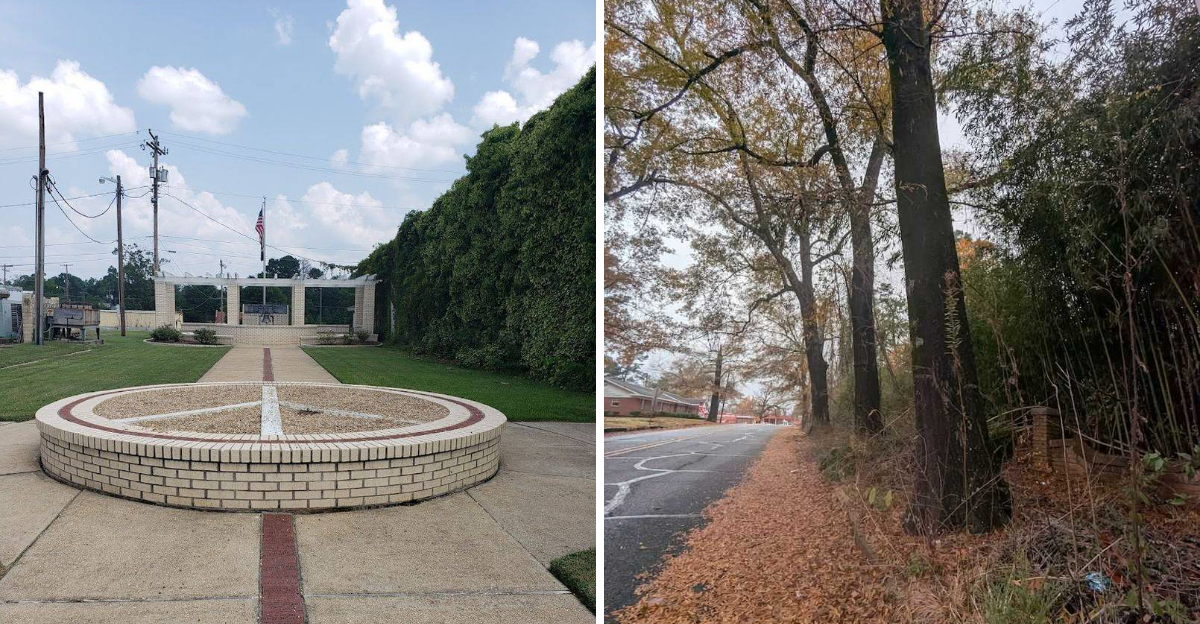
Slow towns have their own kind of pull. Not the flashy kind.
The kind that hits when the road gets quieter and the storefronts start looking like they have lived through a few good stories. This Arkansas town has that feeling right away.
You can tell it has seen a lot, and not in a dusty museum way. The sidewalks still feel active.
The porches still feel personal. Downtown carries 19 spots on the National Register of Historic Places, which makes even a casual walk feel like you are stepping through local memory.
Sports fans may recognize one famous name tied to this place, but that is only part of it. The real pull is slower.
It is in the buildings and the way the town seems to say, “Look again.” So let’s do exactly that with eight reasons this little place is worth the drive today, too, right now.
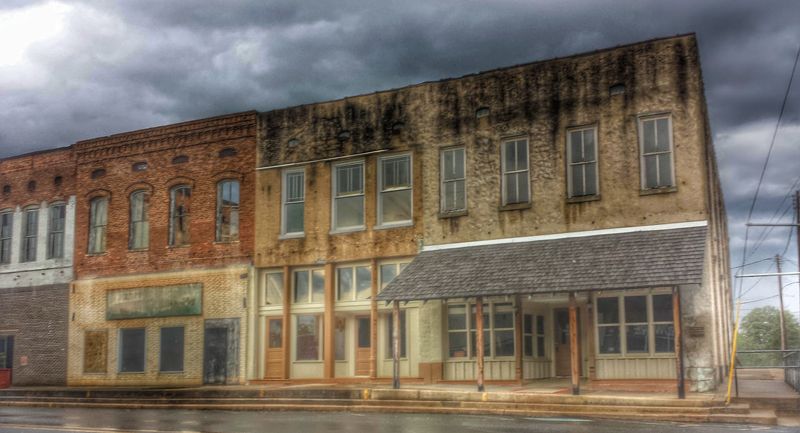
Brick Storefronts With Old-South Character
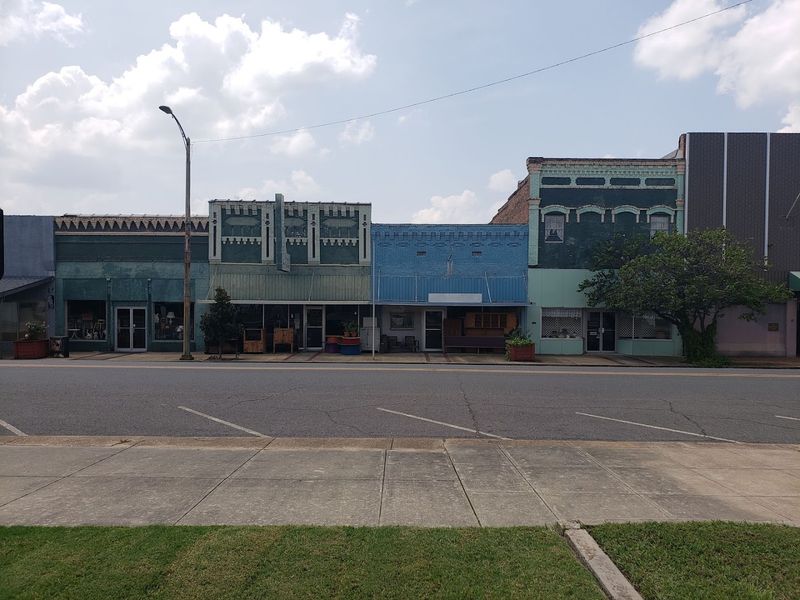
These brick storefronts feel like pages from a well-worn scrapbook that nobody had the heart to throw away.
The commercial historic district preserves a remarkable stretch of late nineteenth and early twentieth-century architecture that still shapes the mood of downtown. Ornate cornices crown the rooflines, while weathered signage hints at the businesses that once thrived during the lumber and railroad boom years.
The brickwork tells its own story, too. Careful patterns and aged mortar joints carry a kind of craftsmanship modern construction rarely tries to recreate.
You can almost feel the heat those walls have absorbed through more than a century of Southern summers.
Because the district is listed on the National Register of Historic Places, much of its visual character remains intact instead of being replaced by forgettable facades.
For anyone who loves architecture as a living record of community identity, these storefronts turn a quick drive-through into an afternoon in Fordyce, Arkansas.
Quiet Main Street Morning Light
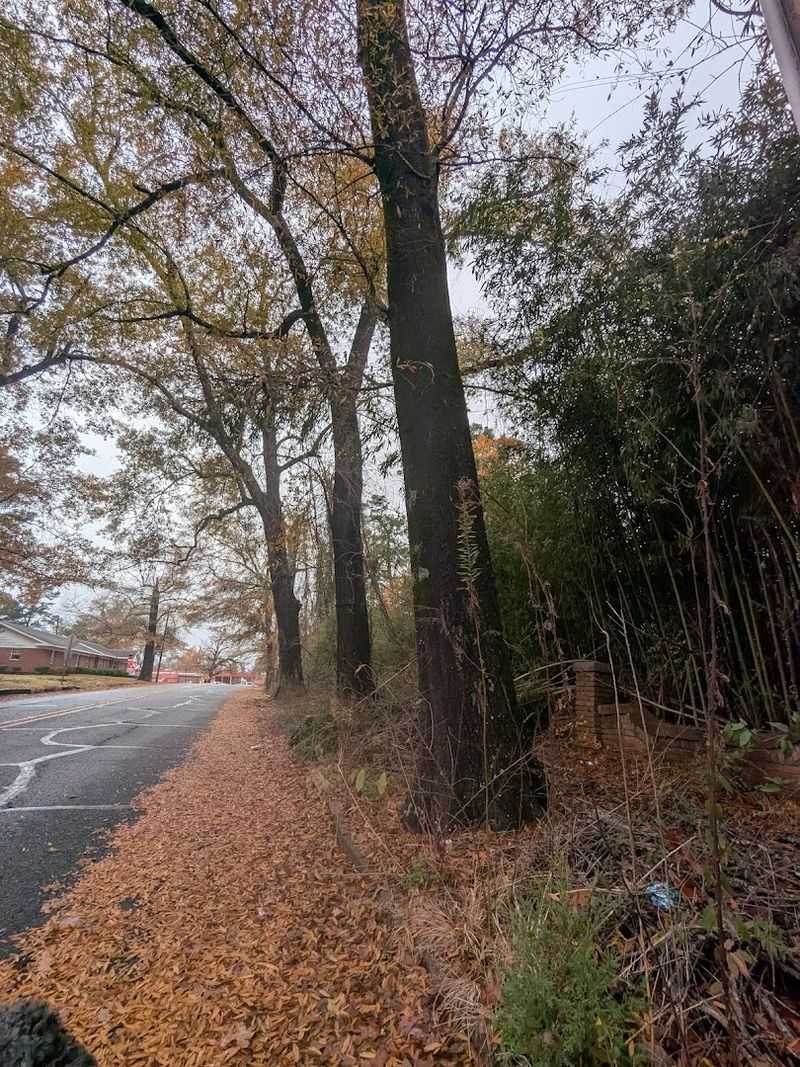
Fordyce has a quiet that belongs to small Southern towns before the rest of the world wakes up. It owns that feeling completely.
Early morning on the main streets here has a quality that photographers chase and rarely capture perfectly, where the low-angle light catches every texture in the old brick and turns ordinary sidewalks into something almost cinematic.
I arrived one morning just after sunrise and found the whole downtown practically to myself, with nothing but birdsong and the distant sound of a pickup truck rolling past.
The stillness is not emptiness though, because the architecture fills every frame with enough visual interest to keep your eyes busy for a long time.
Early fall can add a pleasant edge to a slow walk through the district, especially when the morning air still feels fresh before the day warms up.
The 1911 Dallas County Courthouse anchors the scene with its Classical Revival columns catching the first light in a way that feels genuinely dramatic without trying to be.
Mornings here remind you that some of the best travel moments are not scheduled attractions but simply the unscripted hours between arriving and doing anything at all.
Railroad-Era Corners Still Standing
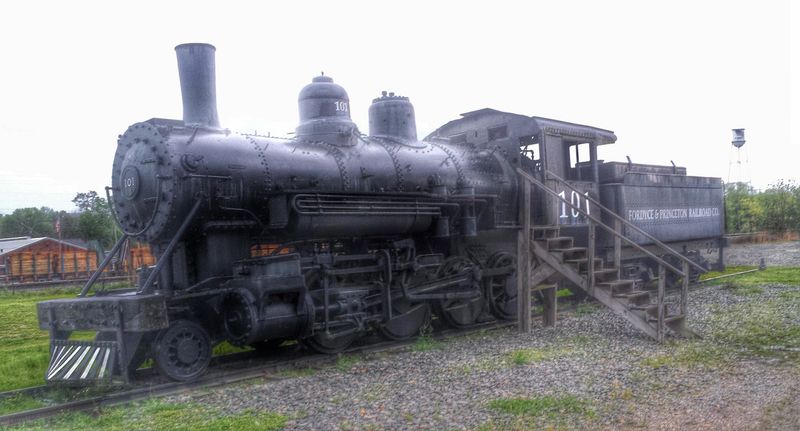
Fordyce would not exist without the railroad, and the town has never forgotten that debt.
Colonel Samuel Wesley Fordyce, the man whose name the city carries, was a prominent railroad builder who helped shape the Cotton Belt route through this part of Arkansas in the early 1880s.
The Cotton Belt Line, as locals still call it, transformed a pine-forested stretch of land into a functioning commercial hub almost overnight, drawing the lumber industry and the economic energy that followed.
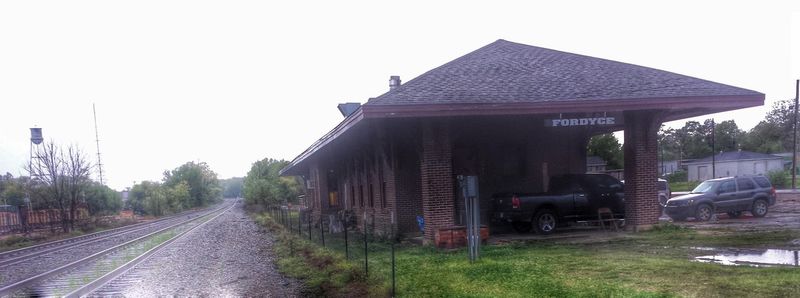
Today, the old Cotton Belt Railroad Depot still stands as a physical anchor for that heritage, and a restored 101 steam engine sits on permanent display nearby as a nod to the iron machines that built this place.
I spent a good chunk of one afternoon just circling that locomotive, studying the rivets and trying to imagine the noise and steam it once produced in regular service.
The annual Fordyce on the Cotton Belt Festival keeps that railroad identity alive with community celebration, music, and local pride that draws visitors from across the region.
Few towns wear their founding story this visibly, and those railroad-era corners give Fordyce a rootedness that feels genuinely earned.
Small-Town Porches With Welcoming Charm
A wide front porch can say a lot about a town. In Fordyce, it usually says that slowing down still matters.
The Charlotte Street Historic District is packed with Craftsman bungalow-style homes that feature deep covered porches, decorative woodwork, and front yards shaded by mature trees that have been growing here for decades.
Craftsman architecture was built around the idea of connecting indoor living to outdoor space, and in a climate like southern Arkansas, that philosophy makes complete practical sense.
I walked the length of Charlotte Street on a warm October afternoon and counted more rocking chairs than I could keep track of, most of them positioned to face the street in the classic front-porch tradition.
Neighbors here actually wave at strangers, which sounds like a small thing until you have spent time in places where nobody makes eye contact.
The Wynne House nearby adds an elegant counterpoint to the bungalow rows with its Classical Revival style, and it has been associated with lodging for visitors who want to stay close to the town’s history.
These porches are not decorative relics but living spaces that remind every passerby that community is still practiced here in the most unhurried and genuine way.
Historic Depot Details And Vintage Lines
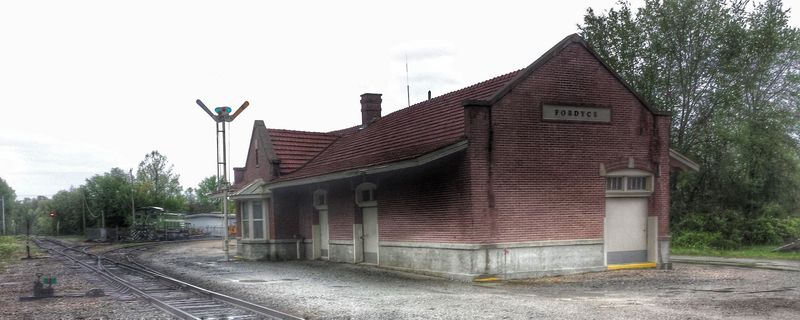
Railroad depots were once the beating hearts of American small towns, the place where news arrived and people said hello or goodbye, and Fordyce still has one worth studying up close.
The old Cotton Belt Depot carries the kind of architectural details that only appeared during the golden age of rail travel, when station builders understood that a depot needed to feel important because it was important.
Overhanging eaves, carefully proportioned windows, and the particular way the platform extends along the trackside all speak to a design logic that was both practical and quietly beautiful.
I found myself photographing the same corner of the building three different times from different angles, each one revealing something the previous shot had missed.
The restored steam engine parked alongside adds a layer of visual drama that no modern installation could replicate, because it is the real thing rather than a reproduction built for effect.
Fordyce has 19 sites listed on the National Register of Historic Places, and the depot complex remains one of the most tangible connections to the city’s founding identity.
At dusk, with the light fading across the old platform, the depot felt less like a museum piece and more like a place still holding its breath between trains.
Local Museum Rooms Filled With Memory
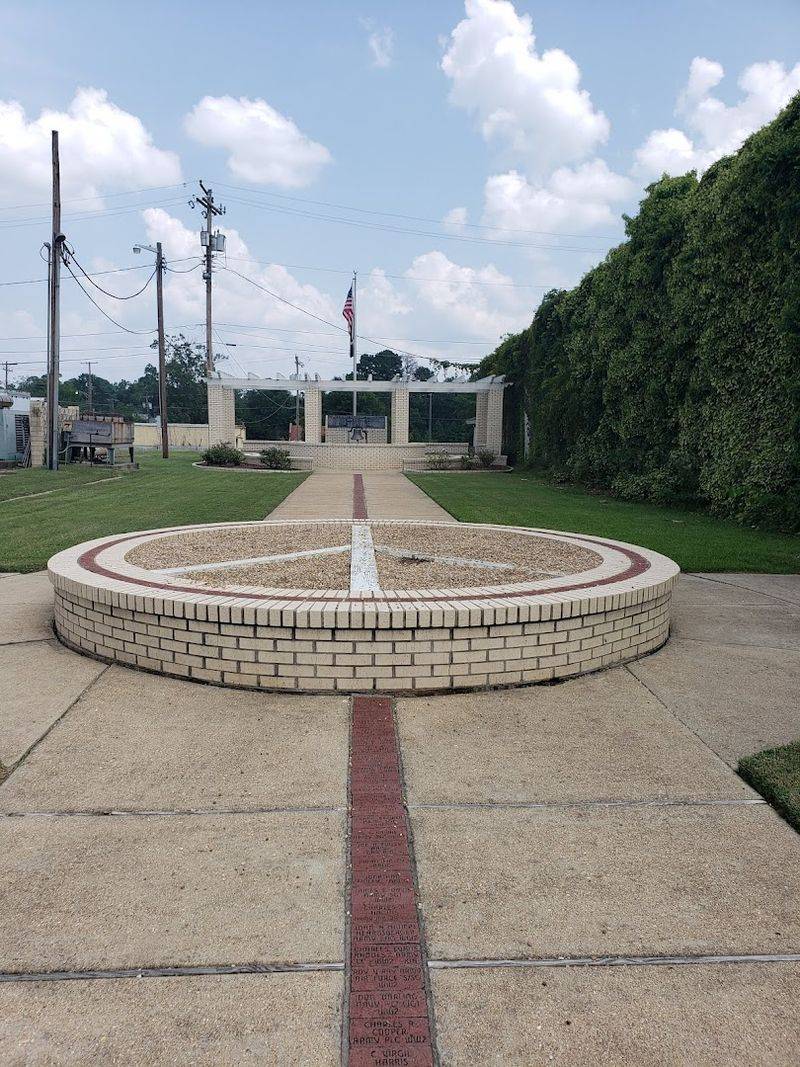
A town’s museum is often where its most honest self-portrait hangs, and Fordyce is no exception to that rule.
Dallas County’s local history collections preserve the layered story of a community shaped by railroads, timber, and the kind of determined civic life that kept small Southern towns functioning through hard decades.
Display cases hold artifacts from the lumber era, when Fordyce became a genuine center of the regional timber trade and drew workers and families from nearby communities.
Football history occupies its own proud corner, because Fordyce was home to Paul Bear Bryant during his school years, and the town never lets that connection fade quietly into the background.
Bryant helped the Fordyce Redbugs win a 1930 Arkansas high school football championship, and the high school stadium now carries his name as a permanent tribute to what he accomplished before he became a legend.
I spent longer than I expected inside those rooms, partly because the exhibits are genuinely well-assembled and partly because the volunteers staffing the place clearly love talking about what they are preserving.
Memory, when it is kept this carefully, stops being nostalgia and starts being something closer to a living conversation between generations.
Weathered Facades Along The Old District
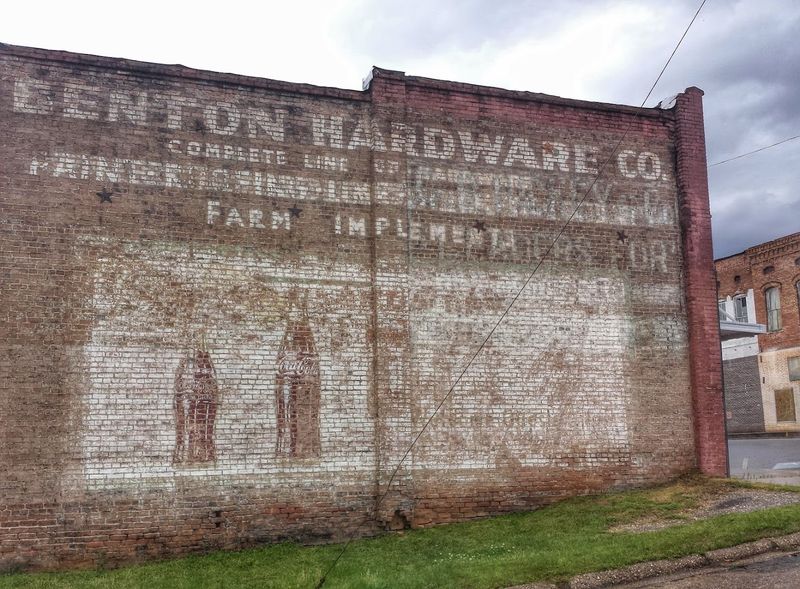
Not every surface in Fordyce has been restored, and honestly, the ones that have not are sometimes the most compelling to look at.
Weathered commercial facades have their own beauty, especially where decades of paint layers peel back to reveal earlier color choices and original brickwork shows the honest wear of a building that has been standing since before the Great Depression.
The Fordyce Commercial Historic District contains structures representing late nineteenth and early twentieth-century architectural styles, and walking through it feels like reading a compressed timeline of American small-town commercial design.
I noticed one building whose upper story windows still had the original divided-light glass, slightly wavy and imperfect in the way that only genuinely old glass can be, catching the afternoon sun at an angle that made the whole facade shimmer.
Preservation here is not about achieving a theme-park polish but about maintaining enough structural integrity that the authentic character survives for the next generation to experience directly.
The 19 National Register listings across Fordyce reflect a community that made a deliberate choice to value what it inherited rather than trade it away for something newer and blander.
These weathered facades are not signs of neglect but evidence of a town that has been genuinely lived in, which is a rarer quality than it sounds.
Slow Streets With A Neighborly Feel
Speed is not really the point in Fordyce, and the streets themselves seem to understand that.
The residential blocks move at a pace that encourages noticing things, like the way a particular oak tree has lifted the sidewalk with its roots, or the hand-painted house number on an old curb that someone repainted recently out of what must be pure neighborhood pride.
Fordyce has seen its population shift over the decades, dropping from a peak of around 5,175 in the 1980s to approximately 3,396 by 2020, but the human scale of the streets has not changed with the numbers.
If anything, the quieter traffic makes the walking experience more pleasant, because you can stand in the middle of a block and actually listen to what the town sounds like without competition from rushing cars.
I had a ten-minute conversation with a man sitting on his porch who gave me a completely unsolicited but entirely accurate recommendation for where to find the best local food, which is exactly the kind of exchange that never happens in a hurry.
The neighborly quality here is not performed for visitors but simply the default setting of a community that has been looking out for itself for well over a century.
Fordyce, Arkansas, leaves you with the sense that its slow streets are not holding anything back; they are the reason to come closer.