
This Ohio Road Trip Takes You Straight Into The State’s Haunted Side
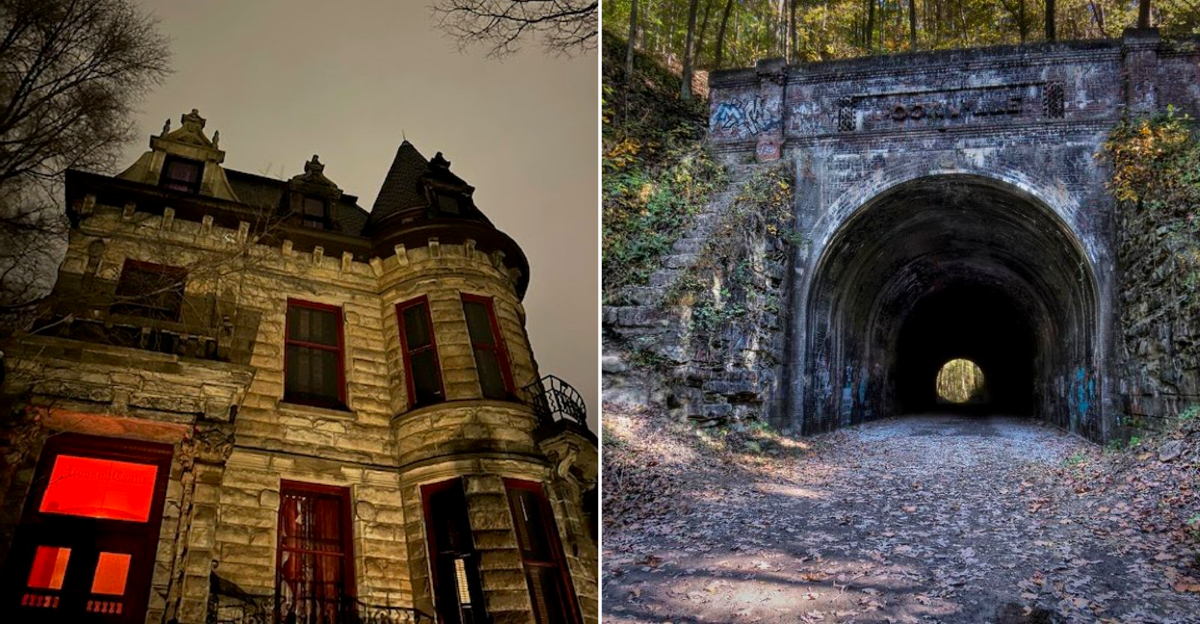
Ohio can look perfectly ordinary in daylight, which is exactly why its eerie side is so much fun to chase.
One turn off the main road, and the mood changes. The air feels quieter, the buildings seem to hold onto old stories, and even a simple walk can start to feel a little suspicious.
This road trip is made for that feeling. It follows the state through places where history and local legend blur just enough to make you lean in, listen closer, and maybe check over your shoulder once or twice.
Bring comfortable shoes, a charged phone, and at least one friend who claims they do not scare easily.
These nine Ohio stops are not just creepy for the sake of it, they make the state feel stranger, older, and a lot more atmospheric.
1. Ohio State Reformatory, Mansfield
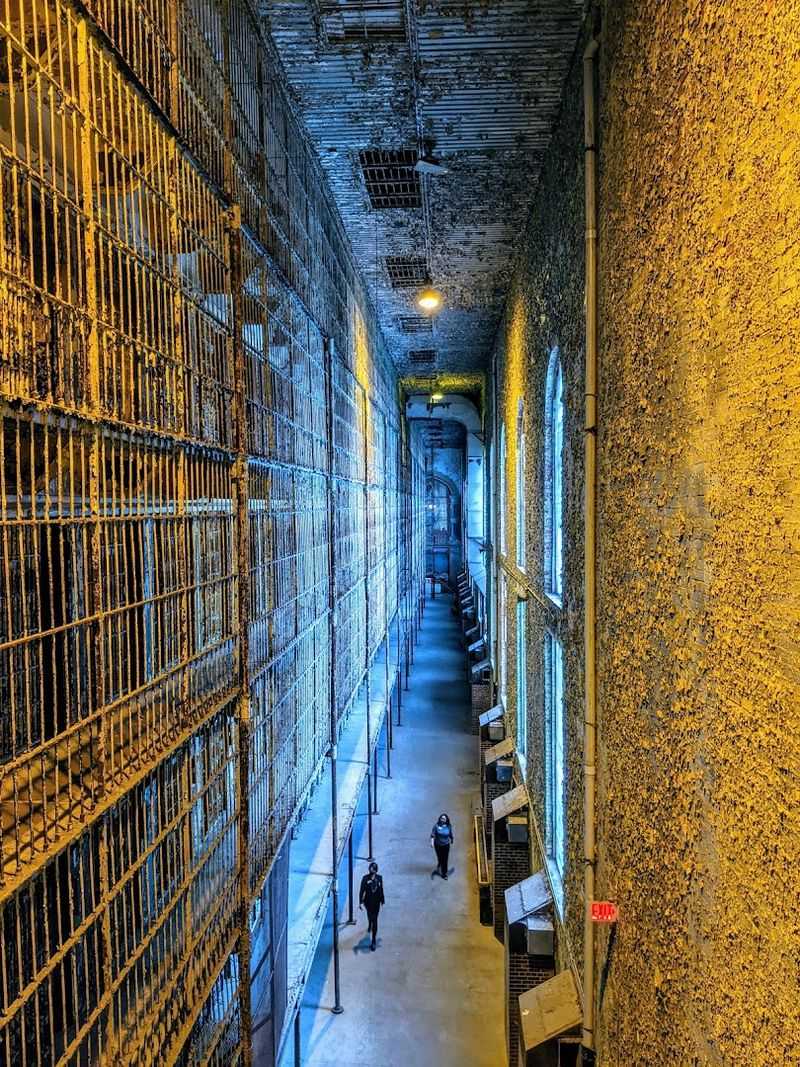
Few buildings in the entire country carry as much eerie weight as this massive Gothic structure rising out of the landscape in Mansfield, Ohio.
The Ohio State Reformatory opened in 1896 and held inmates for nearly a century before closing in 1990.
Its towering cellblock, which is recognized as the world’s largest freestanding steel cellblock, stretches six stories into the air and feels absolutely overwhelming when you are standing at the base of it.
Most people recognize it immediately from the 1994 film “The Shawshank Redemption,” which was filmed here, but the real story of the building goes much deeper than Hollywood.
Paranormal investigators have logged activity in the solitary confinement wing, the warden’s quarters, and the chapel, with reports of unexplained shadows, cold spots, and strange sounds that have no clear source.
The reformatory offers a range of tours, from daytime historical walks to full overnight ghost hunts where you can roam the halls with equipment in hand.
Even if you are not a ghost hunter by nature, the architecture alone is worth the stop. The ornate carvings, the peeling paint, and the sheer scale of the place create an atmosphere that no Hollywood set designer could manufacture.
This one earns every bit of its legendary reputation.
2. Moonville Tunnel, near Zaleski
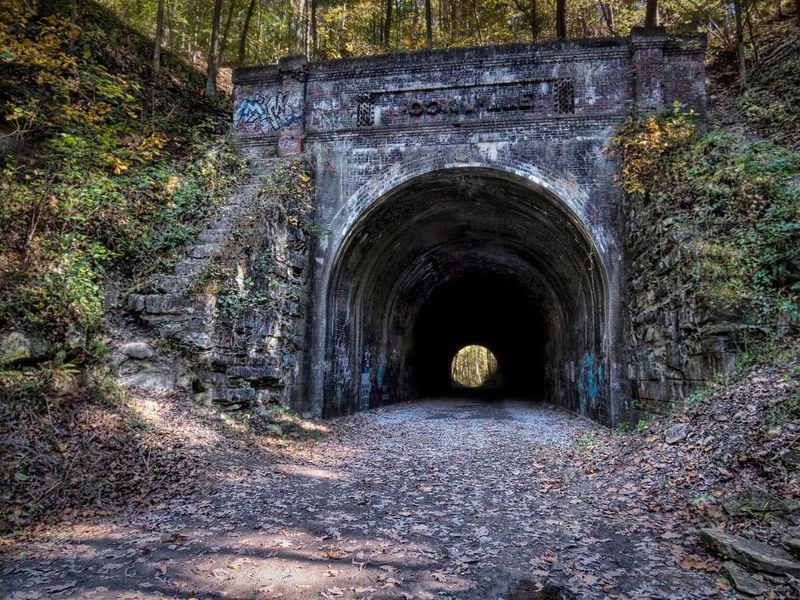
Hidden deep inside Zaleski State Forest near the small community of Zaleski, Ohio, the Moonville Tunnel is one of those places that feels completely cut off from the modern world.
Getting there requires a hike through the woods, which only adds to the sense that you are stepping into something truly remote and forgotten.
The tunnel itself was built in the 1850s for the Marietta and Cincinnati Railroad and served a tiny coal mining community called Moonville, which eventually disappeared entirely.
Today, nothing remains of the town except the tunnel and a small cemetery nearby, which you can visit as part of the same trail.
Local legend centers on the ghost of a railroad worker who reportedly haunts the tunnel, and visitors over the years have described seeing a swinging lantern light moving through the darkness with no one carrying it.
The tunnel is covered in decades of graffiti, and the creek running beside it adds a constant soundtrack that makes the whole experience feel cinematic.
Go at dusk if you want the full effect. The forest gets dark fast, the sounds of the woods close in around you, and that tunnel opening starts to look like something straight out of a fever dream.
Honestly, it is one of the most atmospheric spots on this entire route.
3. The Ridges, Athens
Athens, Ohio has long carried a reputation for eerie campus lore, old cemetery stories, and strange local legends that seem to follow the town around like fog.
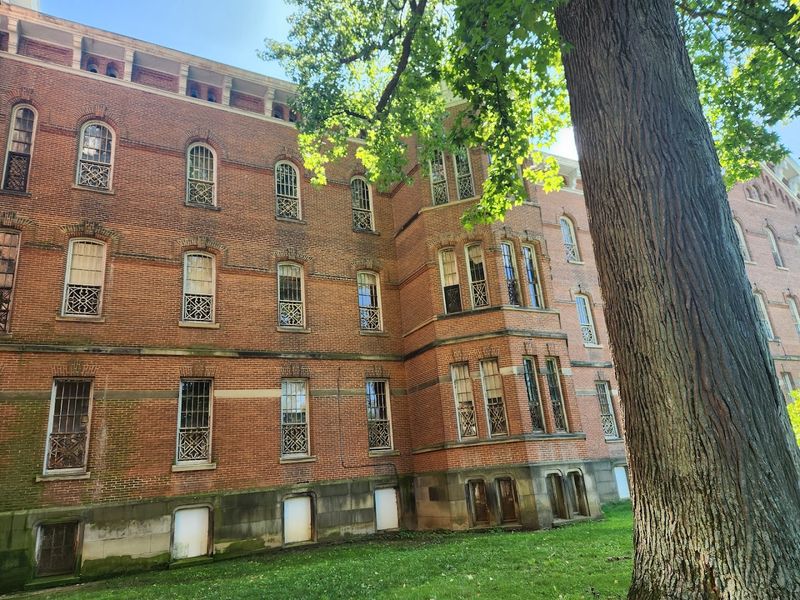
Right at the center of that reputation is The Ridges, a sprawling former psychiatric hospital that opened in 1874 and remained in operation until 1993.
The complex of red brick Victorian buildings now belongs to Ohio University and houses university facilities, cultural spaces, the Kennedy Museum of Art, classrooms, offices, and public trails, but the history embedded in those walls is not so easy to repurpose.
One of the most frequently told stories involves a patient named Margaret Schilling, who went missing in 1978 and was later found in an abandoned ward.
The floor mark associated with her story became one of the most discussed pieces of Ridges lore, though visitors should not treat it as something to seek out on the public preserve trails.
Guided outdoor tours and the surrounding grounds offer a more appropriate way to understand the history of the institution, including the cemetery where many former patients are buried.
There is something quietly unsettling about walking a college property that doubles as a window into a painful chapter of American history.
The Ridges does not need to sensationalize its past, and somehow that restraint makes the whole experience hit even harder.
4. Lafayette Hotel, Marietta
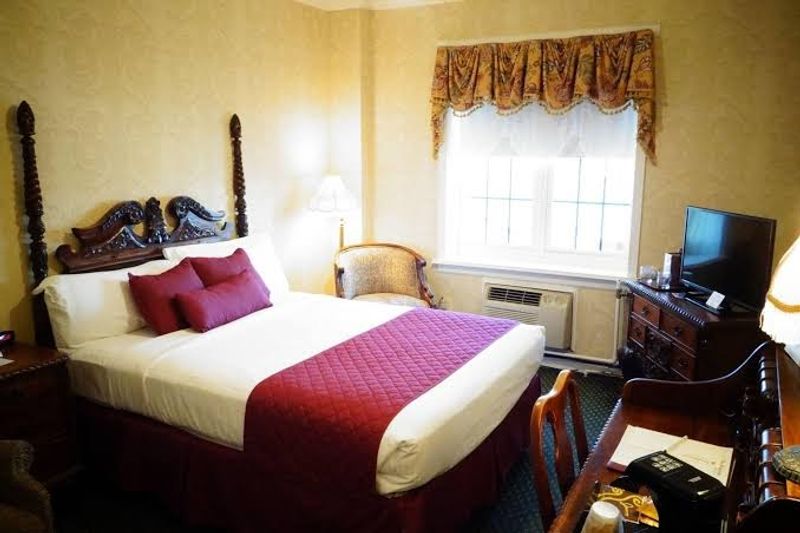
Perched right along the Muskingum River in Marietta, Ohio, the Lafayette Hotel has been welcoming guests since 1918, and according to a good number of those guests, a few stories seem to linger long after checkout.
Marietta is the oldest city in the Northwest Territory, and the Lafayette reflects that long history in every detail, from its ornate lobby to the riverboat-era character that still gives the hotel its personality.
The hotel is named after the Marquis de Lafayette, the French general who fought alongside George Washington, and portraits of him watch over the main dining room with an intensity that some guests find a little too watchful.
The third floor is the area that gets the most attention from paranormal enthusiasts, with multiple visitors reporting unexplained sounds, moving objects, and the distinct sensation of not being alone.
The hotel staff have been open over the years about the building’s reputation, and the stories often lean more playful than terrifying.
Beyond the ghost lore, the Lafayette is genuinely a beautiful place to stay, with comfortable rooms, a riverside location, and dining spaces that carry plenty of old Marietta character.
Booking a night here rather than just passing through is absolutely worth it. Waking up in a century-old hotel room with the river just outside your window is an experience that sticks with you long after checkout.
5. Buxton Inn, Granville
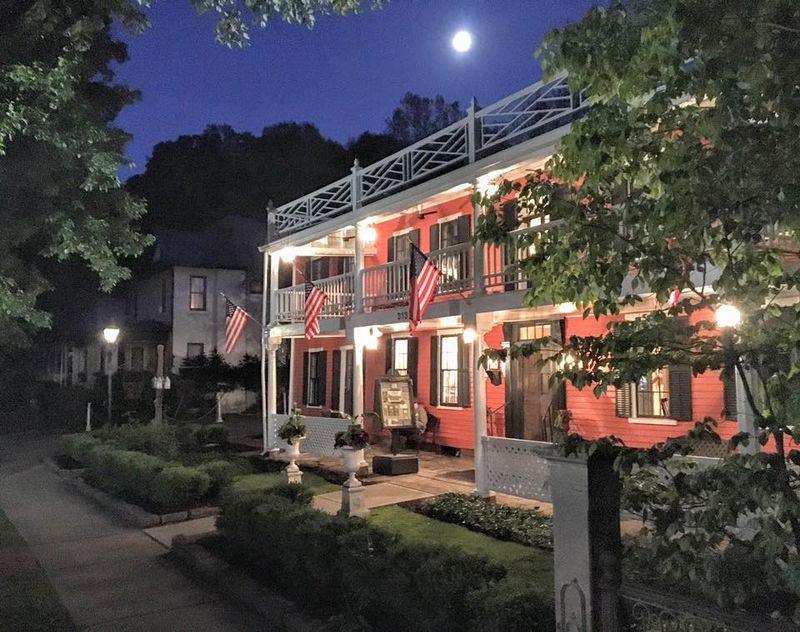
Granville is one of those small Ohio towns that looks almost too perfect, with tree-lined streets, well-kept historic homes, and a downtown that feels frozen in the best possible way.
The Buxton Inn fits right into that picture, with roots reaching back to 1812, which makes it one of the oldest historic inns in the state.
The building itself is a handsome colonial structure with a warm, welcoming interior that feels genuinely old-world rather than themed or manufactured.
The most famous resident ghost is said to be Orrin Granger, the inn’s original owner, who reportedly still makes his presence known in the older sections of the building.
Another spirit often connected to the inn’s lore is Ethel “Bonnie” Bounell, a former owner whose presence has become part of the property’s long-running ghost stories.
Guests have reported candles relighting on their own, furniture shifting overnight, and the occasional unexplained knock at the door with no one standing there when it is opened.
The inn has lodging, historic public spaces, and hospitality offerings, though current dining availability is worth confirming before you plan your visit.
Spending a night here feels less like a ghost hunt and more like a genuinely pleasant stay that happens to come with some very intriguing company.
6. Ohio Statehouse, Columbus
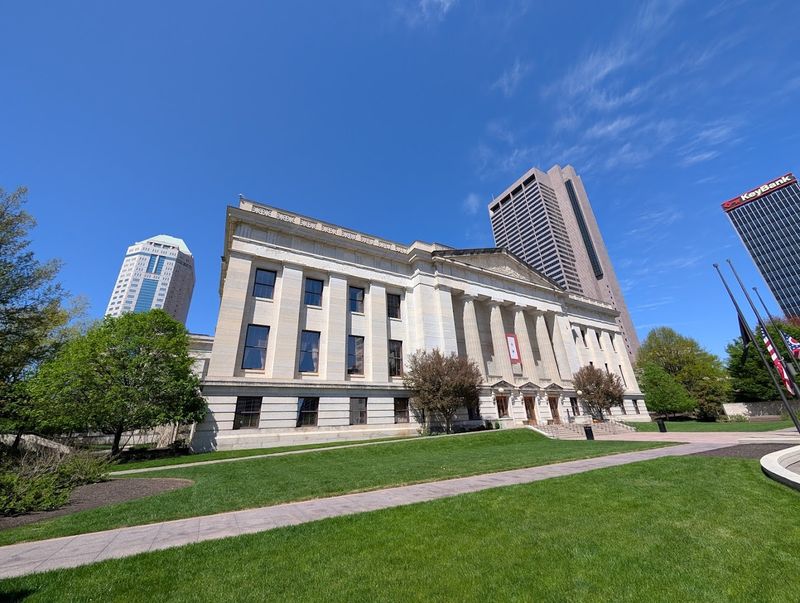
Not every haunted stop on this road trip needs to feel remote or decrepit, and the Ohio Statehouse in Columbus proves that point in the most dignified way possible.
Built in 1861 after nearly two decades of construction, the Greek Revival building sits at the heart of downtown Columbus and is considered one of the finest examples of that architectural style in the country.
During the Civil War, the building served as a staging ground for troops, and the weight of that history seems to have settled permanently into its stone walls.
Reports of unexplained sounds, shadowy figures in the rotunda, and cold spots in specific corridors have circulated among staff and visitors for years.
Some accounts mention a ghostly presence near the Senate chamber, described as a figure in period clothing that disappears when approached directly.
The statehouse offers free public tours that cover the history, architecture, and political legacy of the building, and the underground museum beneath the plaza adds an extra layer of depth to the visit.
Even stripped of any supernatural angle, this building is stunning. The rotunda alone, with its open oculus and painted state seal, is worth the stop.
Standing inside a building where Abraham Lincoln once spoke and generations of Ohio lawmakers have debated the future of the state gives you a sense of scale that is hard to manufacture anywhere else.
7. Cincinnati Music Hall, Cincinnati
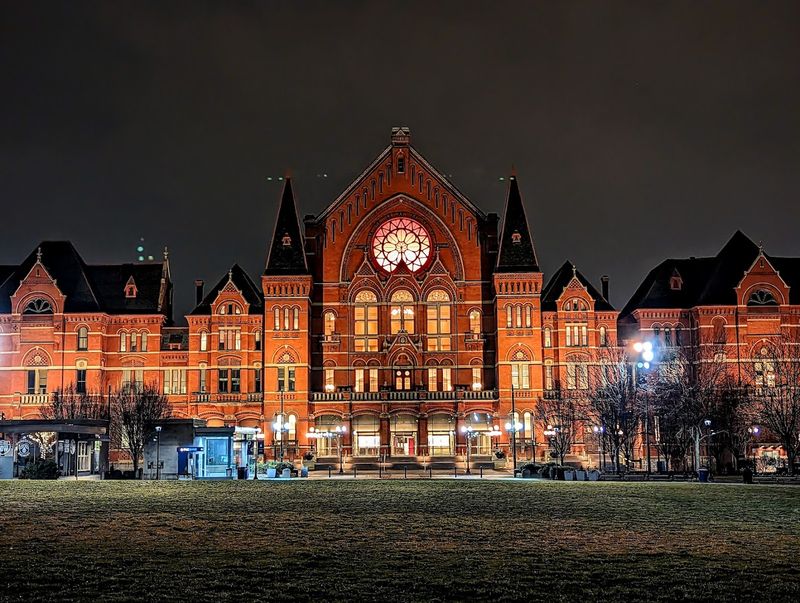
Gothic Revival architecture has a way of looking haunted even on a perfectly sunny afternoon, and Cincinnati Music Hall leans into that aesthetic with absolutely no apology.
The building opened in 1878 and has been a cultural centerpiece of Cincinnati ever since, hosting the Cincinnati Symphony Orchestra, the Cincinnati Pops, the Cincinnati Opera, the Cincinnati Ballet, and the May Festival under one breathtaking roof.
What most concert-goers do not realize is that the land beneath the hall has a layered and sobering history, including its use as an old potter’s field.
Human remains have been found during multiple underground projects at Music Hall, including during the 2016-2017 revitalization, when workers discovered remains beneath the orchestra pit and in the north carriageway area.
Staff members and performers have reported hearing footsteps in empty corridors, seeing lights flicker without electrical explanation, and encountering strange activity in lower levels and backstage spaces.
The hall offers a variety of tours, including behind-the-scenes options that explore public and private areas of this National Historic Landmark.
Catching a live performance here is an experience unto itself. The acoustics are extraordinary, the interior is jaw-dropping, and knowing what lies beneath the floorboards gives every note played on that stage a slightly different kind of resonance.
8. Squire’s Castle, Willoughby Hills
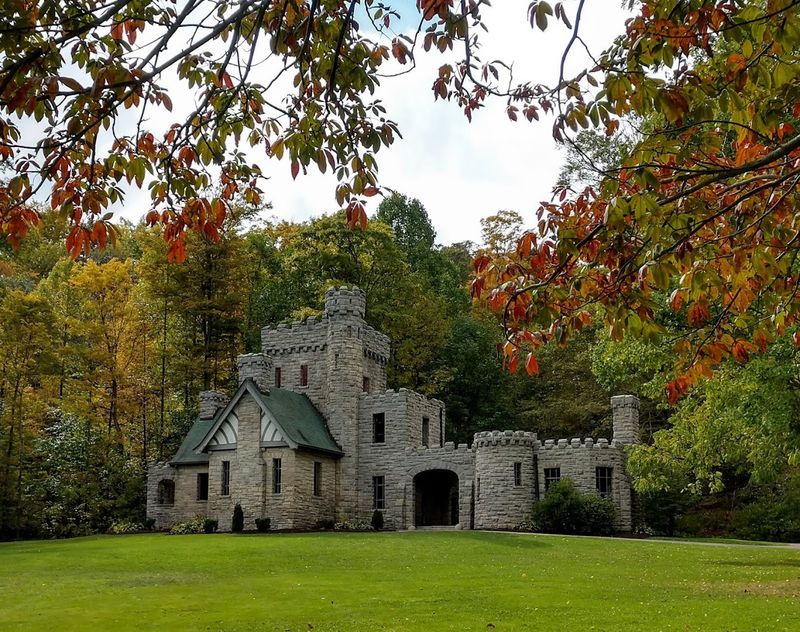
Tucked inside the North Chagrin Reservation in Willoughby Hills, Squire’s Castle is the kind of place that makes you do a double take when you first spot it through the trees.
The roofless stone structure was built in the 1890s by Feargus Squire, a Standard Oil executive who planned it as a gatekeeper’s residence for a grand estate that was never fully realized.
Squire eventually abandoned the project, and the unfinished castle sat empty for decades before the land became part of the Cleveland Metroparks system.
The ghost story attached to the property centers on Rebecca Squire, Feargus’s wife, who reportedly hated living in the remote gatehouse and whose red lantern light has been spotted moving through the ruins at night by visitors over the years.
The castle walls still stand impressively, and the surrounding forest turns absolutely stunning in autumn, making it a popular photography destination even for visitors who have no interest in the paranormal side of things.
Access is free and the park is open year-round, though the atmosphere shifts dramatically depending on the season.
A fall visit, when the leaves are turning and the light filters through the canopy at strange angles, makes the whole scene feel almost theatrical.
The ruins are small enough to explore fully in under an hour, which makes this an easy and rewarding stop to build into your itinerary.
9. Franklin Castle, Cleveland
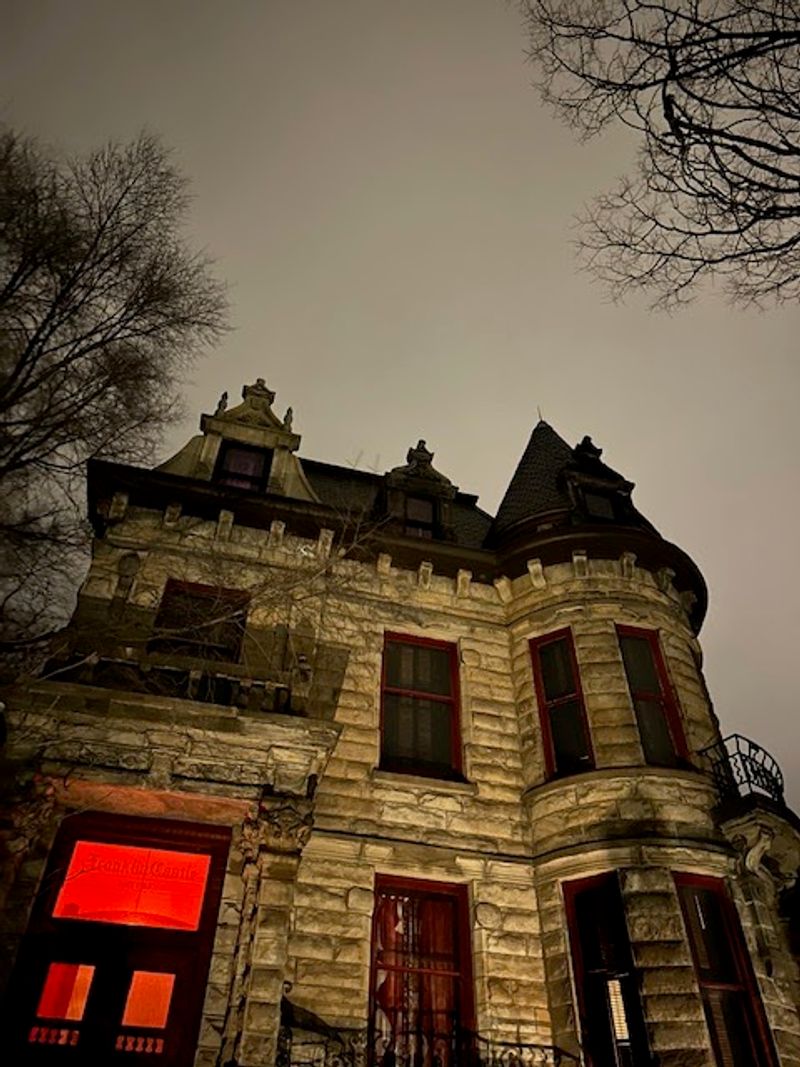
Cleveland’s most notorious address is a brooding Victorian stone mansion on Franklin Boulevard, and it has earned every dark chapter of its reputation through generations of local legend.
Franklin Castle, also known as the Hannes Tiedemann House, was built between 1881 and 1883 by German immigrant Hannes Tiedemann, who became successful first as a wholesale grocer and later as a banker.
The structure is a remarkable piece of architecture, with turrets, carved stonework, and dramatic Queen Anne details that make it one of Cleveland’s most visually striking historic homes.
Tiedemann’s family experienced an unusual number of losses during their years in the home, and those hardships became the foundation for decades of ghost stories that followed the property through later owners.
Reports of crying sounds, shadowy figures, and unexplained noises have been documented by multiple owners, visitors, and paranormal investigators over the years.
The castle has changed hands many times and has served as a private residence, a social club, and a venue for paranormal-themed events.
Today, access depends on scheduled events, overnight stays, and special programming, so checking ahead before planning a visit is essential.
Even a walk past the exterior is worth the detour. The sheer drama of the building looming over the sidewalk, with all of its Victorian excess and shadowy corners, makes it one of the most visually striking stops on this entire haunted road trip through Ohio.