
10 Colorado Places That Make A Perfect Early-June Escape
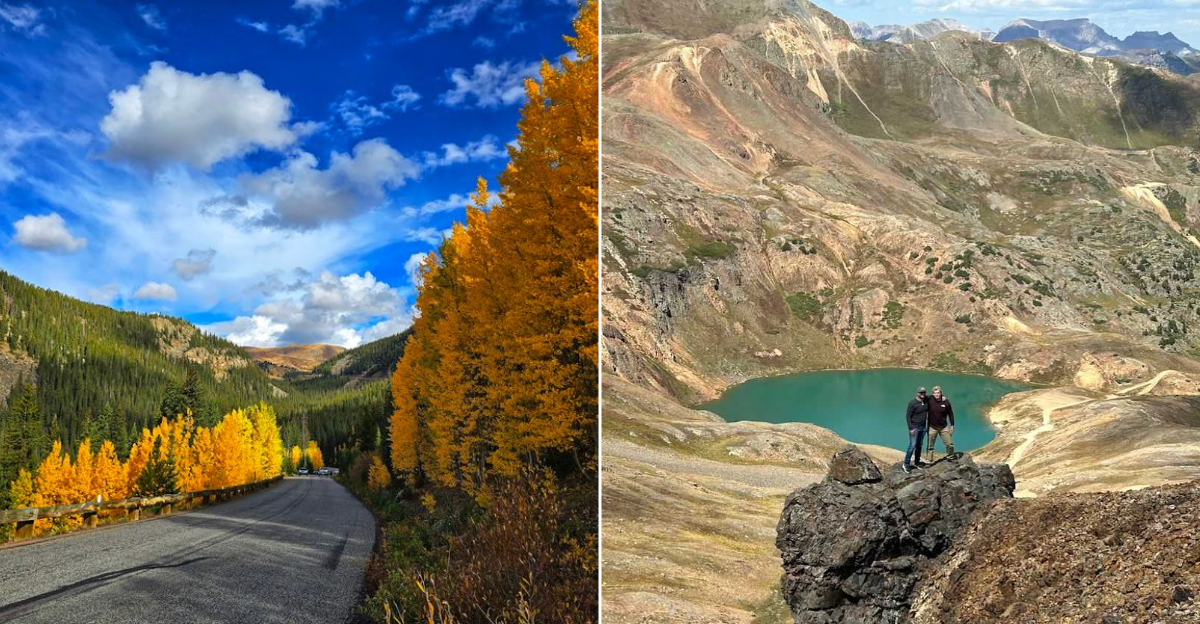
June is the month when Colorado starts showing off before the crowds remember to look. The high passes begin shaking off winter, wildflowers start testing their colors, and sunny afternoons feel made for scenic drives, picnic stops, and trails that still have a little spring freshness in the air.
It is a brilliant time for families, couples, and road-trippers who want the summer magic without the full summer chaos. Colorado can feel especially rewarding in early June because the pace is easier, the views are dramatic, and the best days do not need to be overplanned.
You might chase waterfalls swollen with snowmelt, wander through mountain towns before peak season, or find a quiet overlook that feels like your own little discovery. Across the Centennial State, this is the window when adventure feels wide open and wonderfully ahead of schedule.
1. Crawford State Park – Crawford
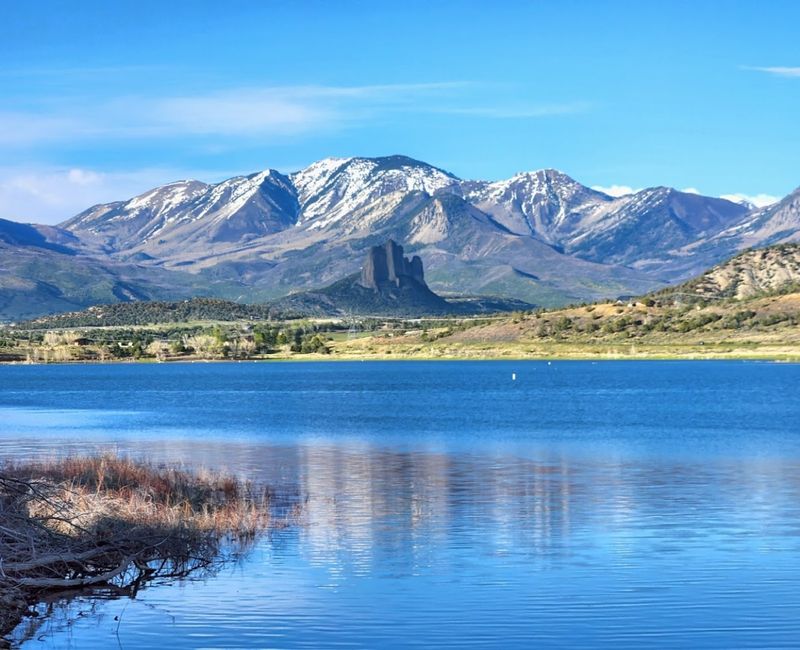
Crawford State Park is the kind of place that makes you feel like you found something. Tucked into the North Fork Valley near the town of Crawford, this reservoir sits in a wide, quiet bowl of land with canyon walls rising in the distance and almost no one rushing you anywhere.
Early June is ideal here because the heat hasn’t fully settled in, and the water is warming up just enough for a kayak or a lazy afternoon on a boat.
Camping here feels genuinely relaxed. You’re not competing with a hundred other rigs for a sliver of shade, and the scenery rewards you for simply sitting still.
The views across the reservoir shift color throughout the day, going from pale gold at sunrise to a deep blue-green by midday.
Bring fishing gear if you have it, but honestly, even without it, the park earns its keep. The surrounding North Fork Valley is cherry and peach country, so a stop at a local farm stand on the way in or out adds a nice layer to the trip.
Go on a weekday if your schedule allows it.
2. North Sterling State Park – Sterling
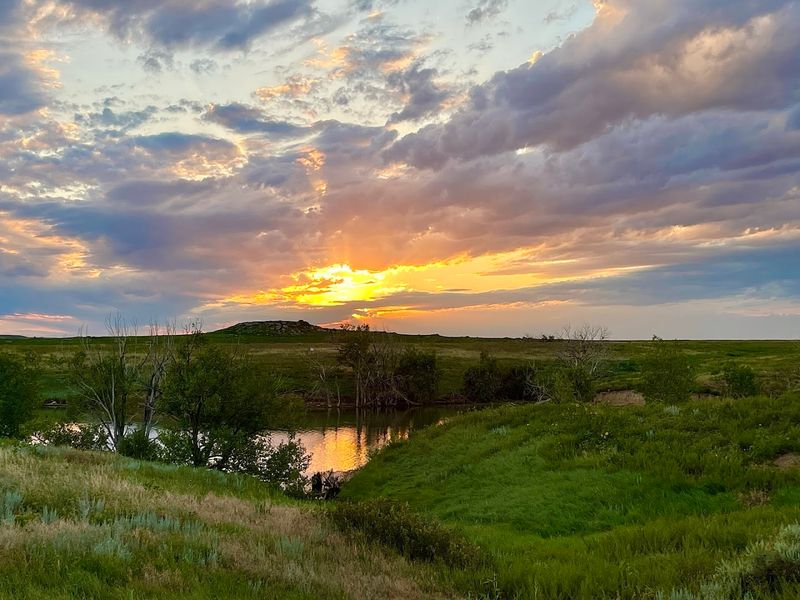
Northeast Colorado doesn’t get nearly enough credit, and North Sterling State Park is one of the better arguments for reconsidering that. The park sits just outside Sterling, and its centerpiece is a large reservoir that feels almost out of place in the middle of all that flat, wide-open prairie.
That contrast is actually part of the charm.
Boating and fishing are the main draws, but the sunsets here are genuinely something. When the light drops low over the grasslands and catches the water, you get one of those views that feels almost too cinematic for a Tuesday evening.
Camping spots are well-spread and the park doesn’t feel overcrowded in early June, which makes a real difference.
Sterling itself is a small city with enough amenities to make the trip feel comfortable rather than rugged. Fill up on supplies before you head in, grab a local coffee if you can find one, and plan to stay at least two nights so you’re not rushing the experience.
The wide prairie sky at night, away from city light, is reason enough to make the drive from Denver or Fort Collins.
3. State Forest State Park – Walden/Gould
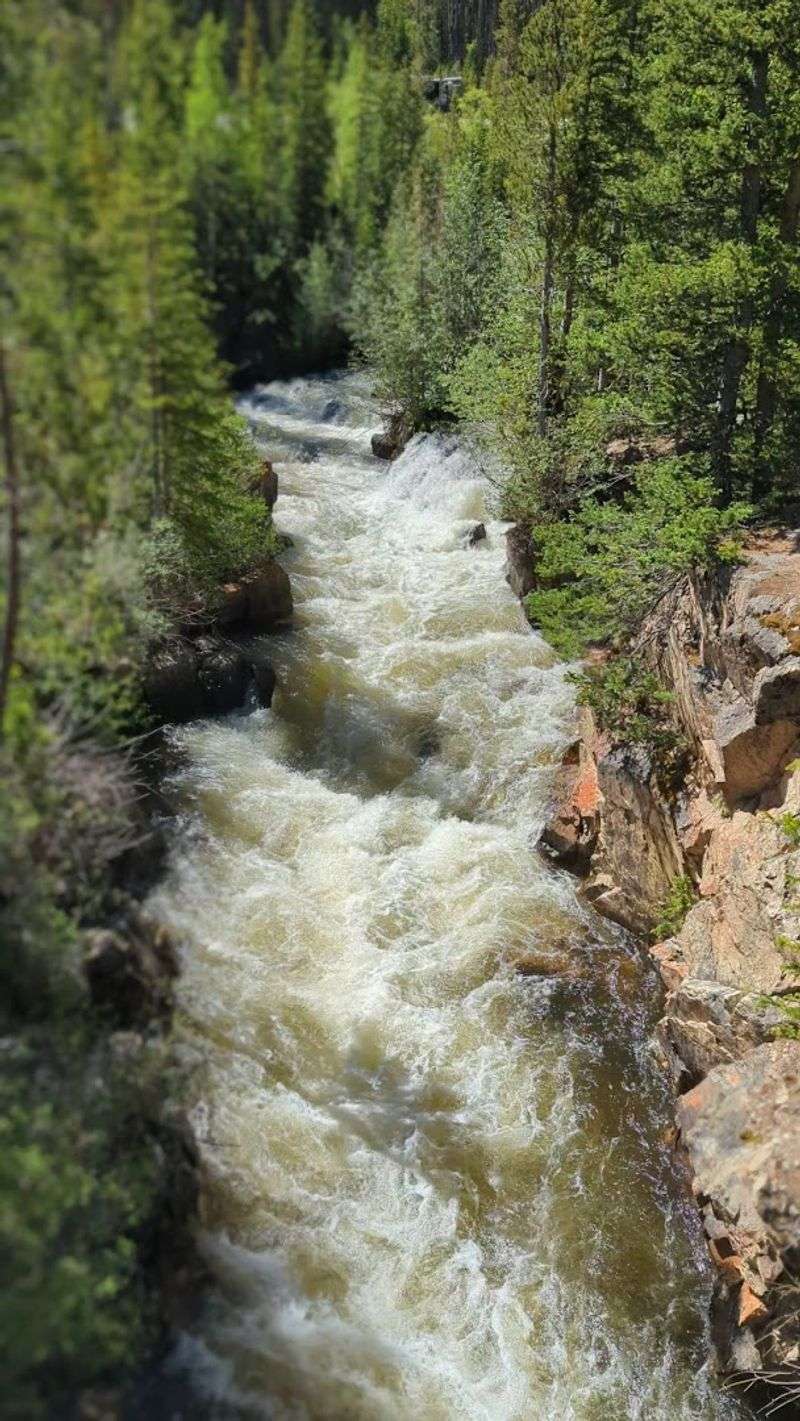
If you’ve never seen a moose in the wild, State Forest State Park near Walden is where that changes. North Park, the broad mountain valley this park calls home, holds one of Colorado’s largest moose populations, and June is a genuinely good month to spot them feeding in the marshy meadows near the park’s waterways.
The air up here stays cooler than the Front Range, which is a welcome fact when June starts creeping toward warm.
Yurts and cabins are available for rent, which makes this a strong pick for people who want nature without the full tent-and-sleeping-pad commitment. The trails are good, the fishing is reliable, and the pace of everything slows down in a way that feels almost deliberate.
North Park has a remote, unhurried quality that’s increasingly hard to find.
Walden is a small town with a frontier feel, and Gould is barely a dot on the map, but both add to the sense that you’ve actually gone somewhere. Pack layers because the mornings can be genuinely cold even in early June.
The drive over Cameron Pass is beautiful in both directions, and that alone is worth the trip.
4. Rifle Falls State Park – Rifle
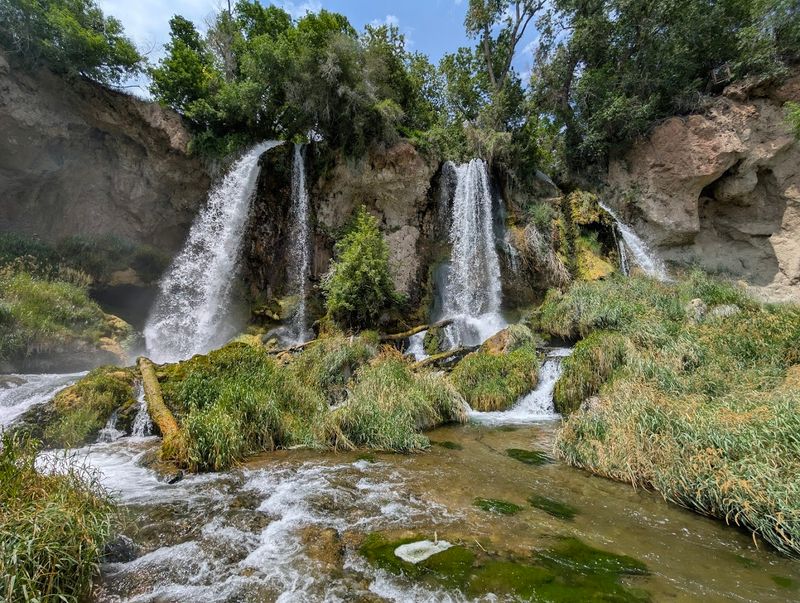
Three waterfalls dropping simultaneously over mossy limestone cliffs is not something Colorado advertises loudly enough. Rifle Falls State Park, just north of the town of Rifle, delivers exactly that, and the whole scene looks like it belongs somewhere in the Pacific Northwest rather than western Colorado.
The lush greenery around the falls feels almost tropical compared to the dry scrubland you pass on the drive in.
The trails are short, which means families with younger kids can actually do this without a full expedition mindset. There are also small limestone caves near the base of the falls worth poking around in, and the campground is shaded and genuinely pleasant.
The catch is that this park fills up fast, especially on weekends, so a weekday visit or an early-morning arrival is strongly recommended.
Rifle itself, about twelve miles south, has good food options and fuel, so you won’t need to worry about supplies. The drive up the canyon to the park is a nice warm-up for what’s waiting at the end.
Early June hits the sweet spot here, when the falls are running strong from snowmelt and the crowds haven’t fully discovered it yet for the season.
5. Guanella Pass Scenic Byway – Georgetown/Grant
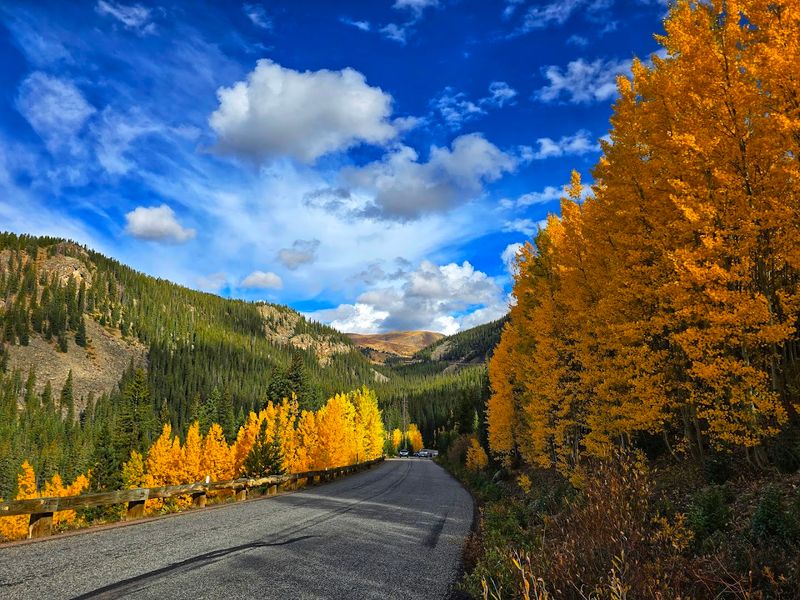
There’s a particular thrill to driving above treeline before most people realize the high country is even open. Guanella Pass, connecting Georgetown on the north end to Grant on the south, delivers that thrill in a compact and very satisfying package.
With access opened early for 2026, this byway is one of the stronger early-June picks in the state right now.
The road climbs from the charming mountain town of Georgetown through dense spruce forest before breaking out into open alpine tundra near the summit at just under 12,000 feet. Mount Bierstadt, one of Colorado’s most approachable fourteeners, watches over the whole scene.
Hikers who want to attempt the summit should plan for an early start and be prepared for afternoon weather, which changes fast up here.
Georgetown itself is worth an hour of wandering before or after the drive. The historic district has a well-preserved Victorian character, and there are good spots to grab food and coffee.
Round trip from Georgetown to Grant and back is manageable in a half day, which leaves plenty of time to explore the valley below. Pack a warm layer regardless of how warm the forecast looks.
6. Independence Pass / Twin Lakes – Lake County
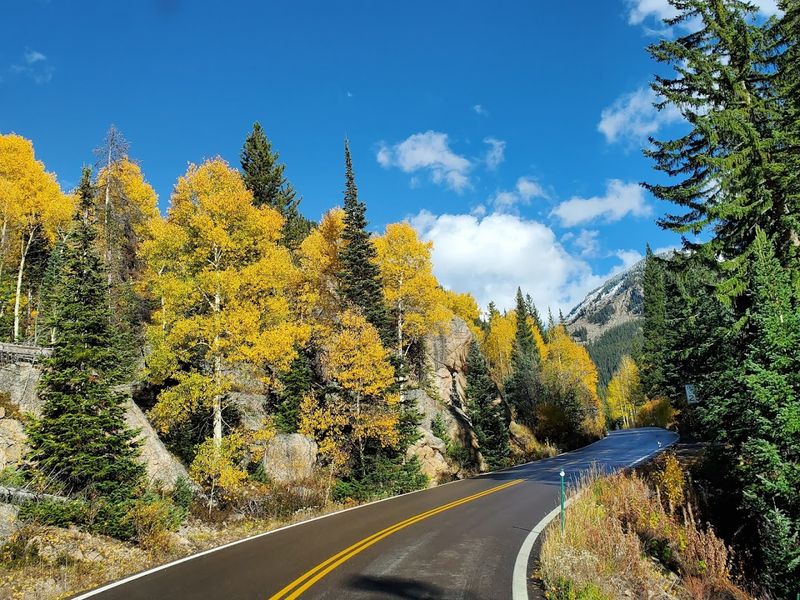
Independence Pass reopening in late May is one of those Colorado milestones that signals something genuinely exciting is beginning. For 2026, the pass opened on May 21, which means early June visitors get the full experience: a high-altitude drive over 12,095 feet with views that make you pull over every quarter mile whether you planned to or not.
The Twin Lakes sit in the valley below like a postcard that hasn’t been overused yet.
The lakes themselves are worth the trip even if you never touch the pass. Paddleboarding, kayaking, and fishing are all popular, and the surrounding scenery, with the Sawatch Range rising dramatically behind the water, is the kind of backdrop that makes every photo look professionally taken.
The small community of Twin Lakes has a handful of lodging options and a general store atmosphere that feels refreshingly low-key.
Aspen is just on the other side of the pass, and while it skews expensive, a quick swing through for lunch is easy enough. But the honest truth is that Twin Lakes and the pass itself are the real show here.
Arrive before 9 a.m. on weekends to avoid the traffic that builds through late morning.
7. Crested Butte & Kebler Pass – Gunnison County
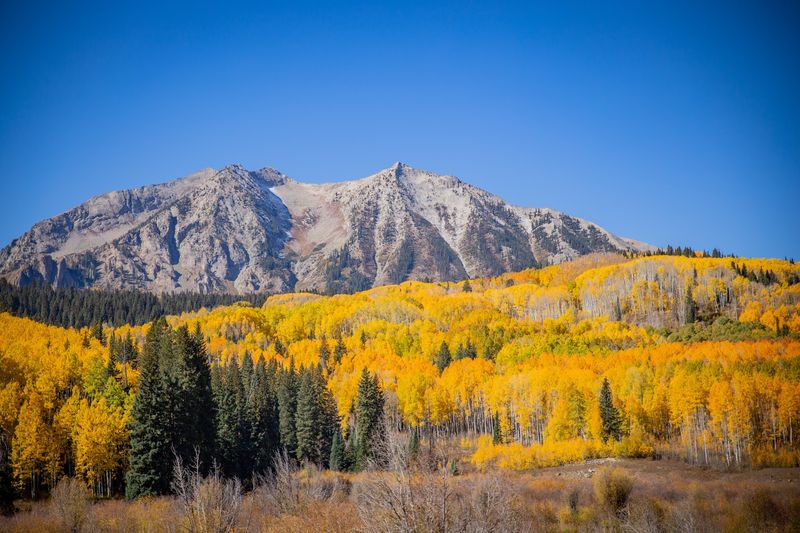
Crested Butte earns its reputation as Colorado’s wildflower capital, but the secret is that you don’t have to wait for peak bloom in July to have a spectacular visit. June starts the show, and early arrivals get the mountain town in a quieter, more genuine mood before the full summer wave rolls in.
The streets of Crested Butte have a colorful, artsy character that feels earned rather than manufactured.
Kebler Pass, the dirt road heading west out of town, is where things get truly memorable. The aspen groves along this route are among the largest in North America, and even in early June, when the leaves are fresh and light green, the drive has a quiet beauty that’s hard to describe without sounding dramatic.
Wildflowers are beginning their run along the roadside, and the whole corridor feels alive in a way that rewards slow driving.
The town itself has excellent restaurants, independent shops, and a genuinely welcoming vibe. Mountain biking trails are opening up by early June, and hiking options range from gentle valley walks to more ambitious ridge routes.
Budget at least two nights here because one is never quite enough once you’ve settled in.
8. Paonia State Park – Paonia
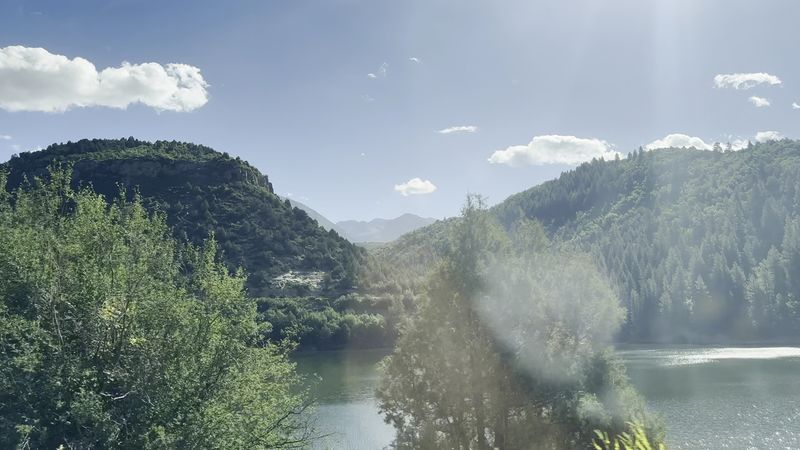
Paonia State Park operates at a frequency most state parks have forgotten. The reservoir is small, the Ragged Mountains loom impressively overhead, and the whole place carries a relaxed, off-the-radar energy that feels increasingly rare in a state where the popular spots are genuinely packed.
If you’ve been burned by crowded campgrounds before, this is your corrective experience.
Boating, paddling, and fishing are the primary activities, and all three deliver without requiring much planning or gear beyond the basics. The water level in early June is typically good after spring runoff, which makes paddling particularly rewarding.
There’s no marina buzzing with jet skis here, just the sound of water and the occasional bird making a case for slowing down.
The town of Paonia, a few miles away, is a genuinely interesting stop. Known for its organic farms, orchards, and a small but lively arts community, it adds real texture to the trip.
Local wineries and cideries in the North Fork Valley are worth a visit, and the combination of a quiet reservoir morning followed by a farm-to-table lunch in town is the kind of itinerary that feels effortless and memorable at the same time.
9. Alpine Loop Scenic Byway – Lake City/Silverton/Ouray
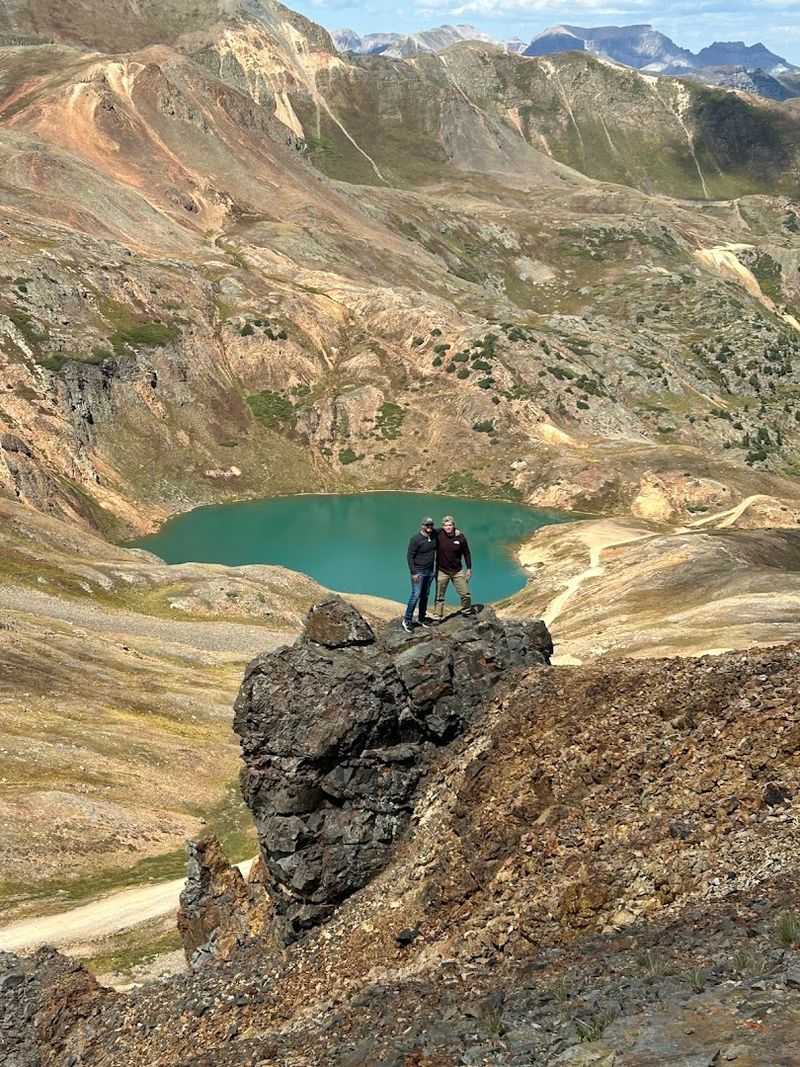
The Alpine Loop is not for the faint of heart or the low-clearance sedan, and that’s precisely what makes it so satisfying. Connecting Lake City, Silverton, and Ouray through some of the most dramatic high-country terrain in the American West, this 63-mile 4×4 route climbs over two passes above 12,000 feet and rewards every bump in the road with views that feel genuinely earned.
For 2026, Lake City’s OHV season runs June 1 through September 30, making early June a legitimate opening window.
Wildflowers are beginning their alpine performance in June, especially on the south-facing slopes where the snow clears first. The surrounding San Juan Mountains have a scale and severity that Colorado’s more famous ranges sometimes lack, and the towns anchoring each end of the loop each have their own strong character.
Lake City is quiet and historic, Silverton is rugged and real, and Ouray earns its nickname as the Switzerland of America.
Rent a proper 4×4 if you don’t own one, and check road conditions before heading out since early June can still mean snow at the highest sections. A two-day approach with a night in one of the towns is far more satisfying than trying to rush it.
10. Golden Gate Canyon State Park – Golden/Black Hawk
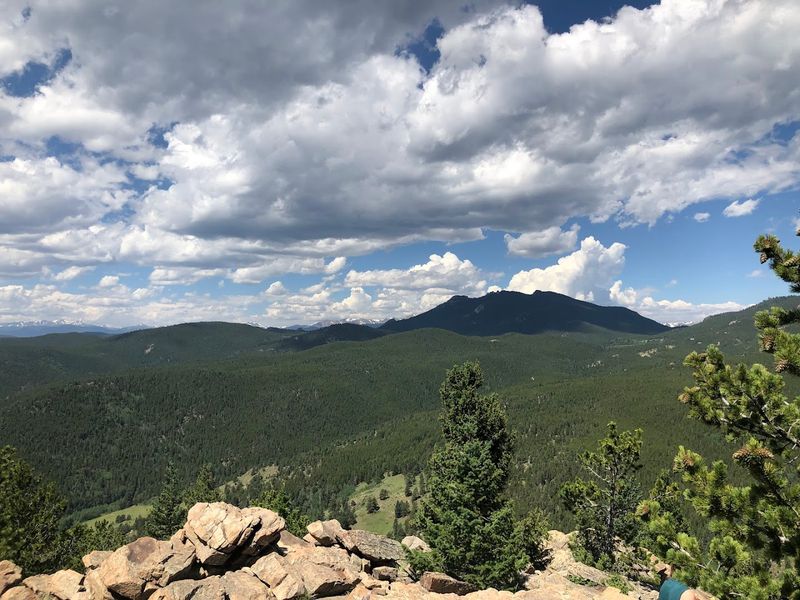
Sometimes the best escape is the one that doesn’t require burning an entire vacation day just getting there. Golden Gate Canyon State Park sits about 45 minutes from Denver, tucked between Golden and Black Hawk, and it manages to feel genuinely woodsy despite its proximity to the metro area.
Thirty-five miles of trails are open year-round, and early June brings out the best version of the foothill landscape before the heat of July sets in.
The terrain here is varied enough to keep things interesting across multiple visits. Aspen groves mix with pine forest, open meadows offer long views across the Front Range foothills, and the elevation sits high enough to keep temperatures comfortable even on warm afternoons.
Wildlife sightings are common, and the park has a quiet, unhurried character that doesn’t feel overrun even on busy weekends.
Camping is available and well worth booking in advance for summer weekends. The park also offers a handful of backcountry sites for those who want a quieter night under the stars without driving four hours to find one.
For Front Range residents who need a reset without a major commitment of time or money, this park quietly delivers every single time.