
One Of Florida’s Most Historic Frontier Stores Still Feels Frozen In Time
Modern Florida is easy to find.
The Florida that existed before highways, resorts, and crowded beach towns is much harder.
That is what makes the Smallwood Store so extraordinary.
Standing on the edge of the Everglades, this weathered building feels less like a museum and more like a doorway into another century. The creaking floors, faded artifacts, and remarkable waterfront setting create the feeling that time slowed down here while the rest of Florida raced ahead.
That impression is impossible to ignore.
Most historic attractions tell stories about the past.
This one feels as though the past never fully left.
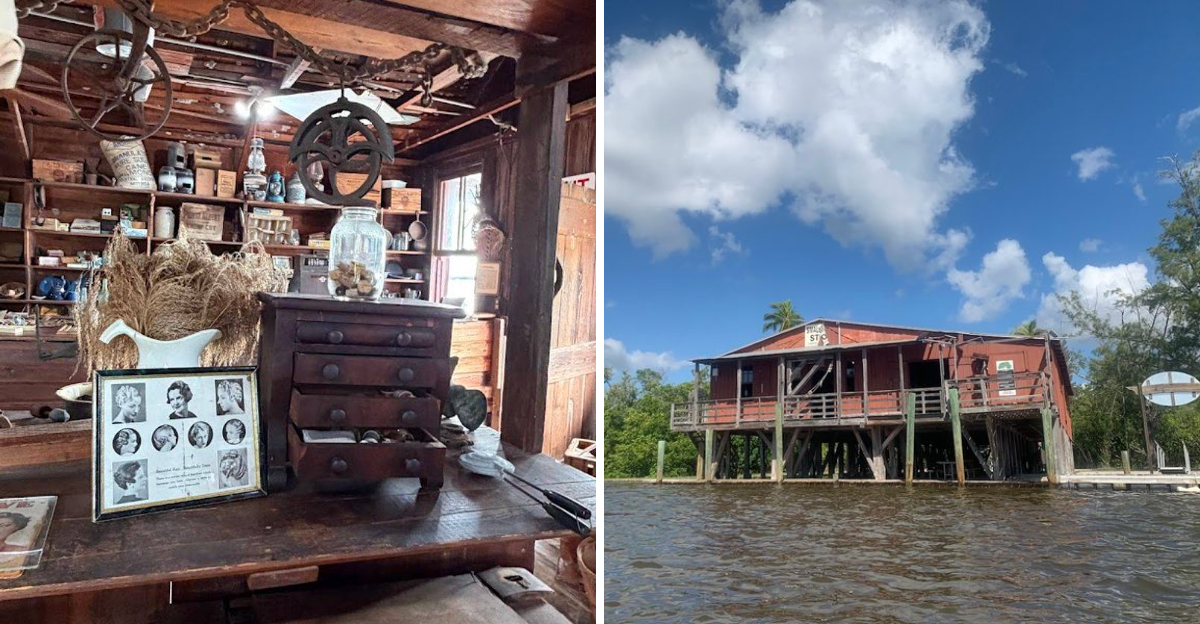
Every room reveals another glimpse into frontier life. Every artifact carries a connection to the pioneers, fishermen, traders, and adventurers who once relied on this remote outpost at the edge of the wilderness.
The contrast is striking.
Outside lies modern Florida.
Inside waits a version of the state that few people ever get to experience.
That is exactly why visitors remember it long after they leave.
A Trading Post Born From The Wilderness
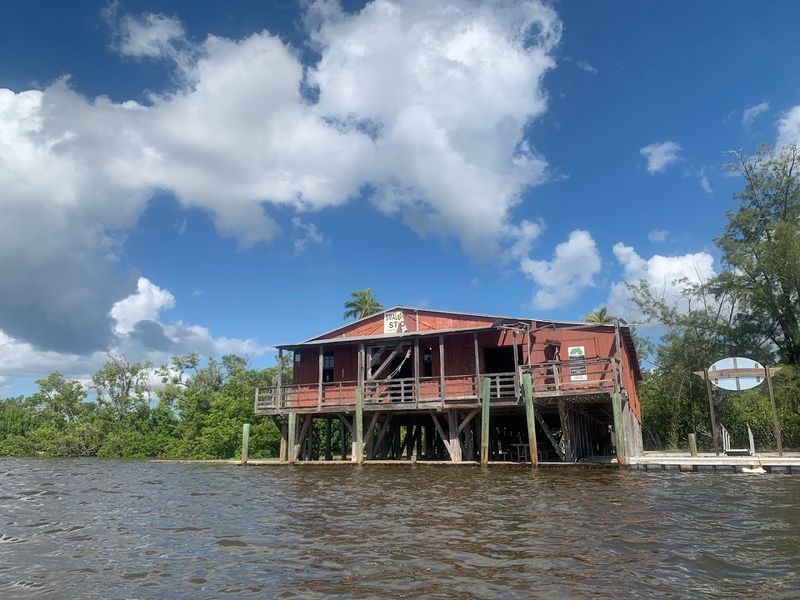
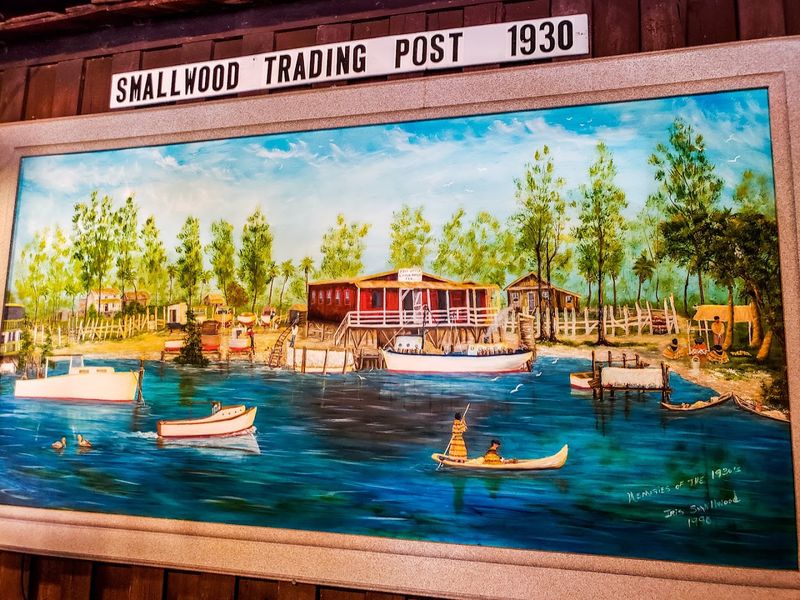
Ted Smallwood built this store in 1906 as a lifeline for settlers carving out an existence in one of the most remote corners of Florida.
Back then, Chokoloskee Island was reachable only by boat, which meant this building was not just a shop but a post office, a social hub, and a survival supply depot rolled into one salt-weathered structure.
Trappers, fishermen, Miccosukee traders, and Bahamian merchants all passed through its doors, making it a crossroads of frontier cultures that rarely mixed anywhere else.
The store stocked everything from canned goods and ammunition to fabric and medicine, because the nearest town was a serious boat ride away.
Standing inside today, with original merchandise still lining the shelves, it is genuinely hard to believe that this building has been quietly watching the Everglades for well over a century, still standing exactly where Ted planted it.
The Building Was Raised After A Devastating Storm
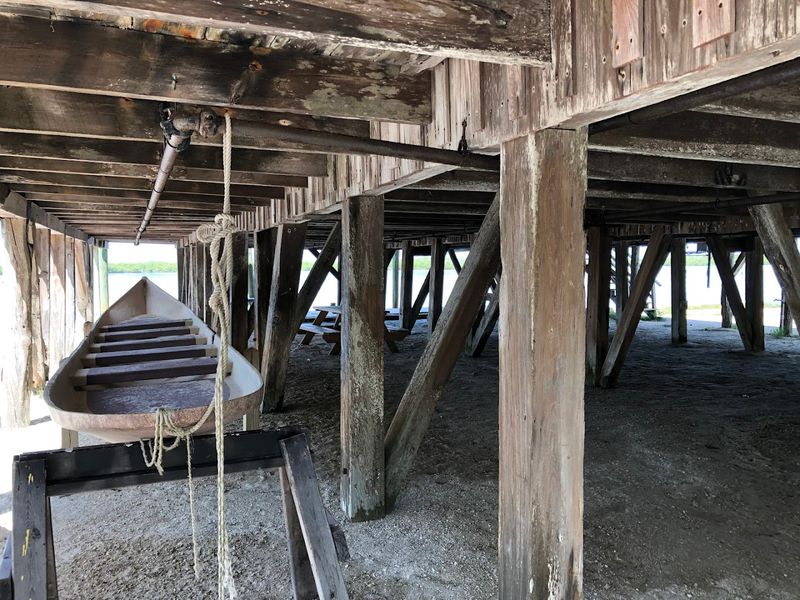
One of the most jaw-dropping facts I learned from a staff member is that this entire building was physically lifted off the ground and raised to a higher elevation in 1924.
A brutal storm and subsequent flooding made the original ground-level position dangerously impractical, so the structure was hoisted up onto pilings to protect it from future surges.
Here is the part that genuinely stopped me in my tracks: the original pilings and floor joists used during that 1924 lift are still in place today, holding up the same floorboards visitors walk across.
That means every creak underfoot connects you directly to woodwork that is a full century old, untouched and unswapped.
Most buildings get renovated beyond recognition after surviving that kind of ordeal, but Smallwood Store took the hit, adapted, and kept going, which feels like a pretty accurate summary of frontier Florida life in general.
Ed Watson’s Dark Shadow Still Hangs Over The Porch
No conversation about this store is complete without mentioning Edgar J. Watson, the notorious outlaw and sugarcane planter whose story became one of the most talked-about chapters in Everglades history.
Watson was a regular customer at the Smallwood Store, and in October 1910 he met his end right outside on the waterfront, shot by a group of local settlers who had grown tired of his violent reputation.
The porch overlooking the bay is where I stood thinking about that afternoon, watching pelicans drift past the same mangrove shoreline Watson would have seen.
The store does not sensationalize this history, but it does not hide it either, and the staff are willing to share details that bring the story to life in a measured, respectful way.
Peter Matthiessen later immortalized Watson in a celebrated trilogy of novels, which helped introduce this remote corner of Florida to readers far beyond the Everglades.
Original Merchandise Still Lines The Shelves
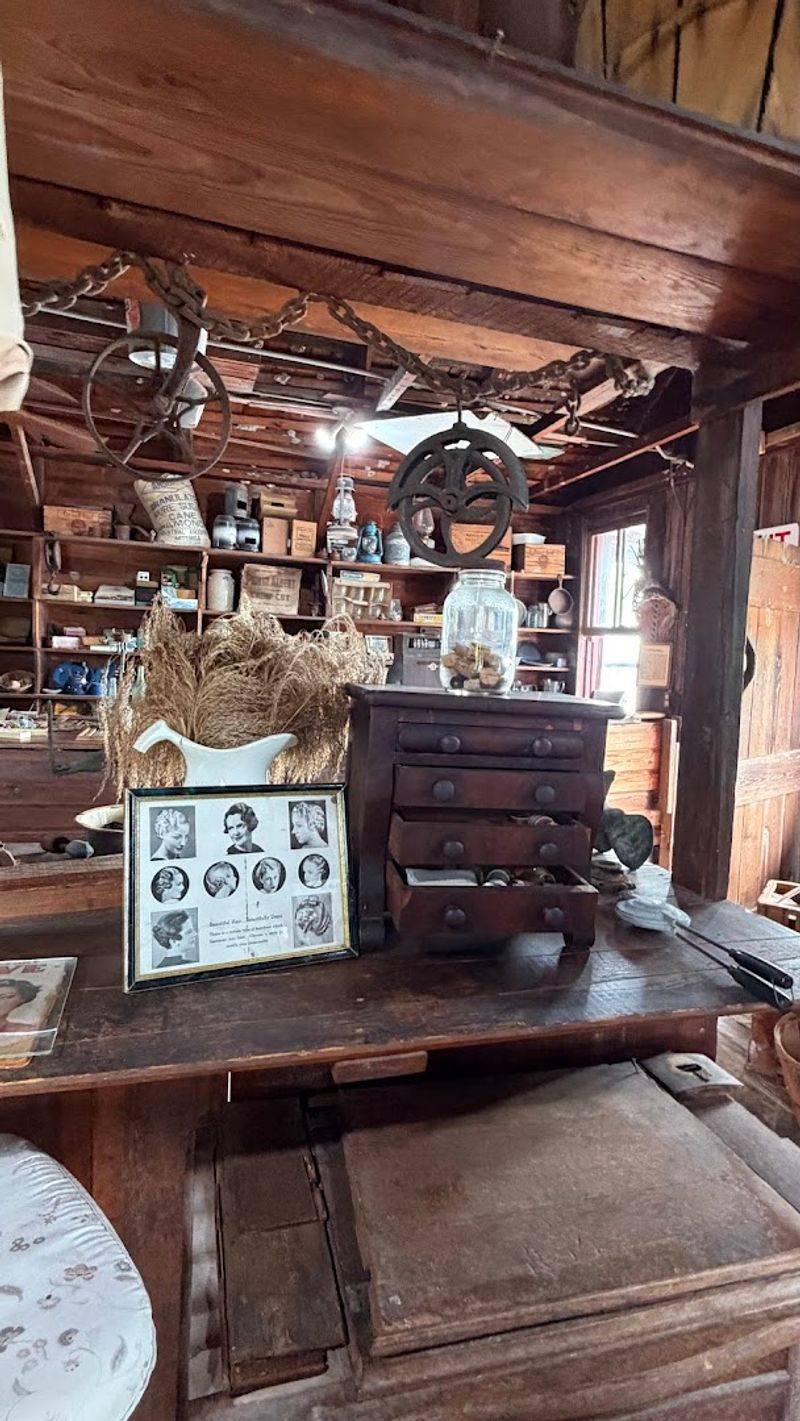
Walking through the front door of Smallwood Store feels less like entering a museum and more like accidentally stepping into someone’s living history project that never ended.
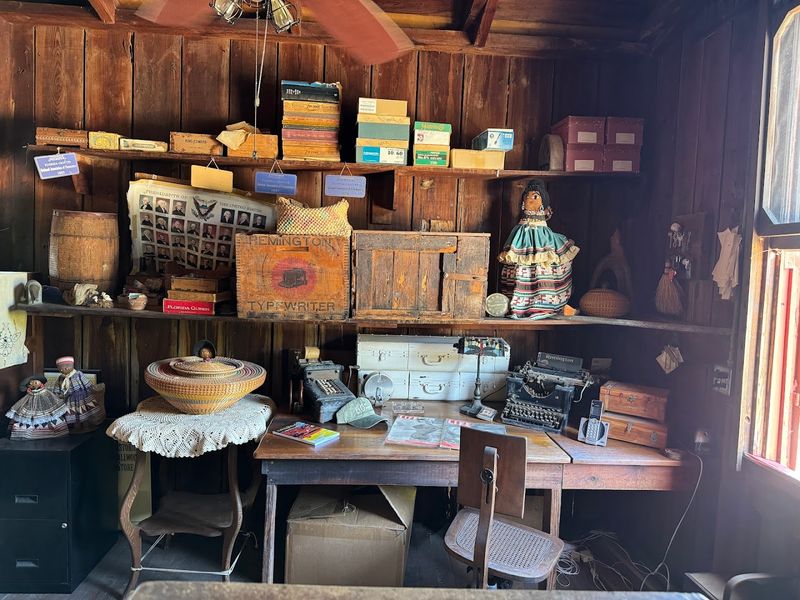
Original canned goods, medicine bottles, tools, and household supplies still occupy the same wooden shelves where Ted Smallwood placed them decades ago, and the effect is quietly stunning.
Most museums replace real artifacts with reproductions to protect them, but here the actual objects remain, slightly faded and wonderfully imperfect, which gives the whole space an authenticity that no amount of careful curation can manufacture.
I found myself leaning in close to read labels on tins I had never seen before, imagining the hands that once reached for them out of genuine need rather than curiosity.
Visitors who slow down and actually look at the shelves rather than rushing through tend to get the most out of this experience, so budget more time than you think you will need.
The $5 Entry Fee Is Genuinely One Of Travel’s Best Deals
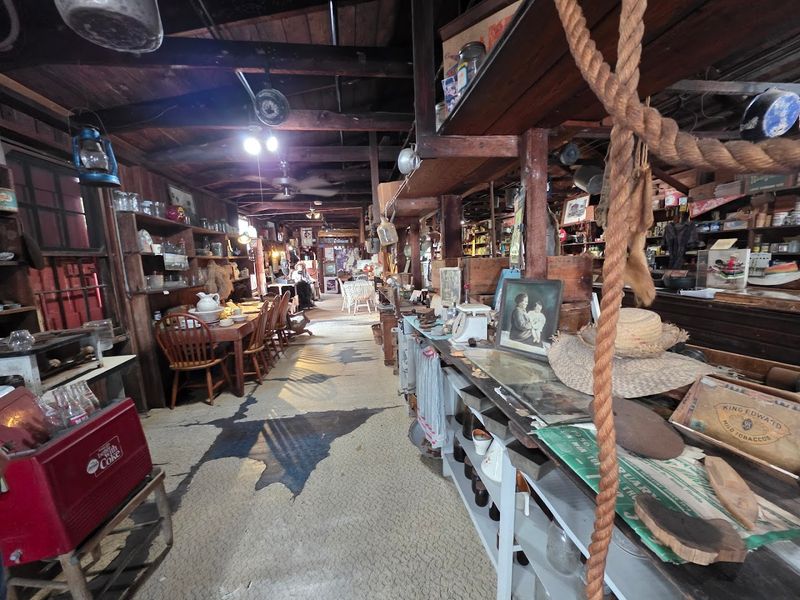
Multiple visitors in recent reviews pointed out that the five-dollar entry fee stopped some people at the door, which is a shame because what is inside easily outpaces that modest cost.
For the price of a convenience store snack, you get access to a fully preserved frontier trading post, original artifacts spanning more than a century, family heirlooms, and a view of the Ten Thousand Islands that photographers would happily pay much more to capture.
The fee also helps keep the store operational and maintained by the Smallwood family, who still own the land and have committed to preserving this slice of Florida history for future generations.
One reviewer described it as the best ten dollars spent in a long time, referring to two adult admissions, and I found it hard to argue with that math after spending time inside.
Cash is preferred at the entrance, so tuck a few bills in your pocket before making the drive out to Chokoloskee.
The Ten Thousand Islands View From The Porch
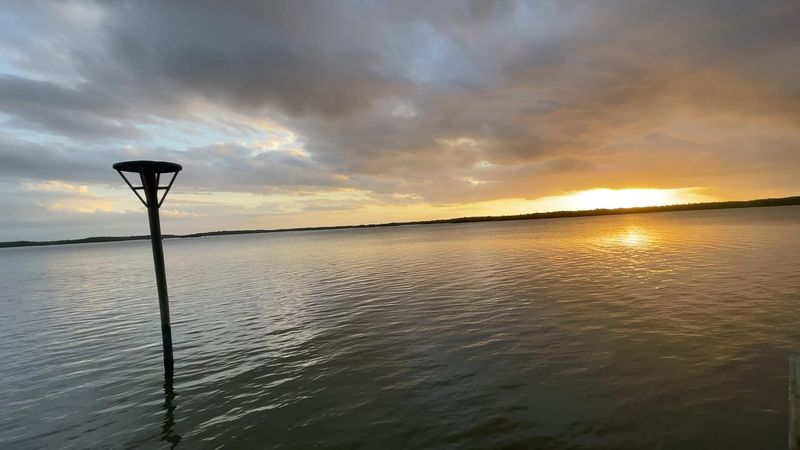
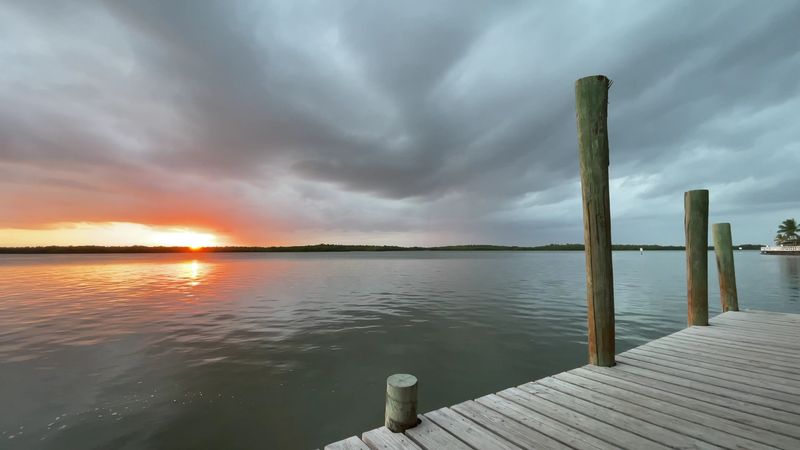
Stepping out onto the back porch of the Smallwood Store is one of those travel moments that quietly takes your breath away without making a big fuss about it.
The Ten Thousand Islands stretch out in front of you, a maze of mangrove-fringed waterways and small islands that look almost untouched by the modern world, because in many ways they genuinely are.
The water near the shore carries that distinctive brackish reddish-brown tint from the red mangroves, and on still mornings there is a faint sulfury smell that reminds you just how alive this ecosystem is beneath the surface.
I sat on a bench out there for a while just watching the light move across the water, and a few brown pelicans cruised by low enough that I could hear their wings cutting the air.
This porch alone justifies the drive to Chokoloskee, even before you factor in everything waiting for you inside the store.
The Old Bedroom Tells a Deeply Personal Story
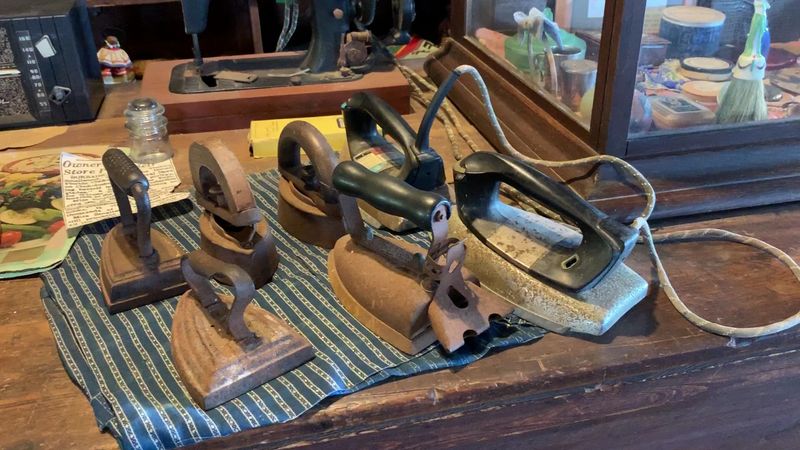
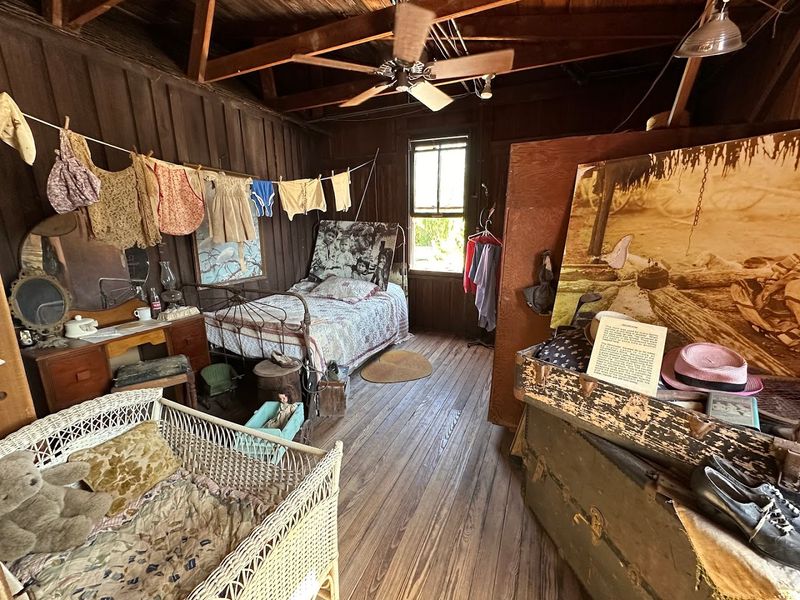
Beyond the main store floor, there is an old bedroom that visitors can peek into, and it shifts the experience from historical curiosity to something more personal and quietly moving.
Seeing the actual sleeping quarters where the Smallwood family lived above their store makes the frontier lifestyle feel suddenly real rather than abstract, a family going about daily life in one of the most remote spots in the continental United States.
The furniture, the layout, and the personal items on display paint a picture of a life that was simultaneously ordinary in its rhythms and extraordinary in its setting.
I noticed that several visitors slowed down noticeably in this room, spending more time here than anywhere else, perhaps because it humanizes the history in a way that product shelves and trading records simply cannot.
It is a small room by any measure, but it carries a weight of lived experience that stays with you long after you have driven back off the island.
Everglades Eco Tours Launch Right From The Store
One of the more unexpected things the Smallwood Store offers is access to guided Everglades eco tours that launch right from the property, giving visitors a chance to experience the surrounding wilderness by water.
A recent visitor described booking a ninety-minute skiff tour where bottlenose dolphins played in the boat’s wake and the captain knew exactly how to encourage the animals to engage, all while navigating through the Ten Thousand Islands at a relaxed pace.
Seeing the Everglades from a small boat is a completely different experience from observing it from a boardwalk or a car window, because the scale and silence of the place only really register when you are sitting low on the water with mangroves closing in on both sides.
The tour operators connected to the store have earned praise for being accommodating about rescheduling when weather does not cooperate, which is a thoughtful policy in a region where afternoon storms are a routine part of life.
The Smallwood Family Still Owns The Land
There is something genuinely rare about a piece of American frontier history that has stayed in the same family for over a hundred years, and the Smallwood Store is exactly that.
The land on which the store sits remains in the possession of the Smallwood family, a fact that multiple visitors mentioned with clear admiration in their reviews, and one that gives the whole experience a different kind of weight.
When I spoke with a staff member who turned out to be a family descendant, the stories he shared had a texture and specificity that no guidebook could replicate, because he was passing down lived memory rather than researched facts.
Family ownership also means that the preservation decisions are made by people with a personal stake in getting it right, rather than by committees operating at a distance from the material.
That connection between the family and the building is palpable the moment you walk in, and it makes the whole visit feel more like a shared story than a standard tourist attraction.
Practical Tips For Planning Your Visit
Getting the most out of a trip to Smallwood Store starts with checking the website at smallwoodstore.com before you go, because hours can vary and the store does not always follow a rigid schedule throughout the year.
General operating hours run from 10 AM to 5 PM daily, but seasonal adjustments happen, so a quick check saves you the frustration of arriving to a locked door after a long drive through the Everglades.
Bring cash for the five-dollar entry fee since credit cards are not always accepted, and consider arriving earlier in the day when the light on the water is softer and the crowds are thinner.
The address is 360 Mamie St, Chokoloskee, FL 34138, and the phone number is +1 239-695-2989 if you want to confirm hours before heading out.
Chokoloskee is a small island community, so pair your visit with a stop in nearby Everglades City to round out the day with more of that slow, old-Florida atmosphere that makes this corner of the state so quietly compelling.