
10 Walkable Florida Towns That Are Easy To Love In 2026
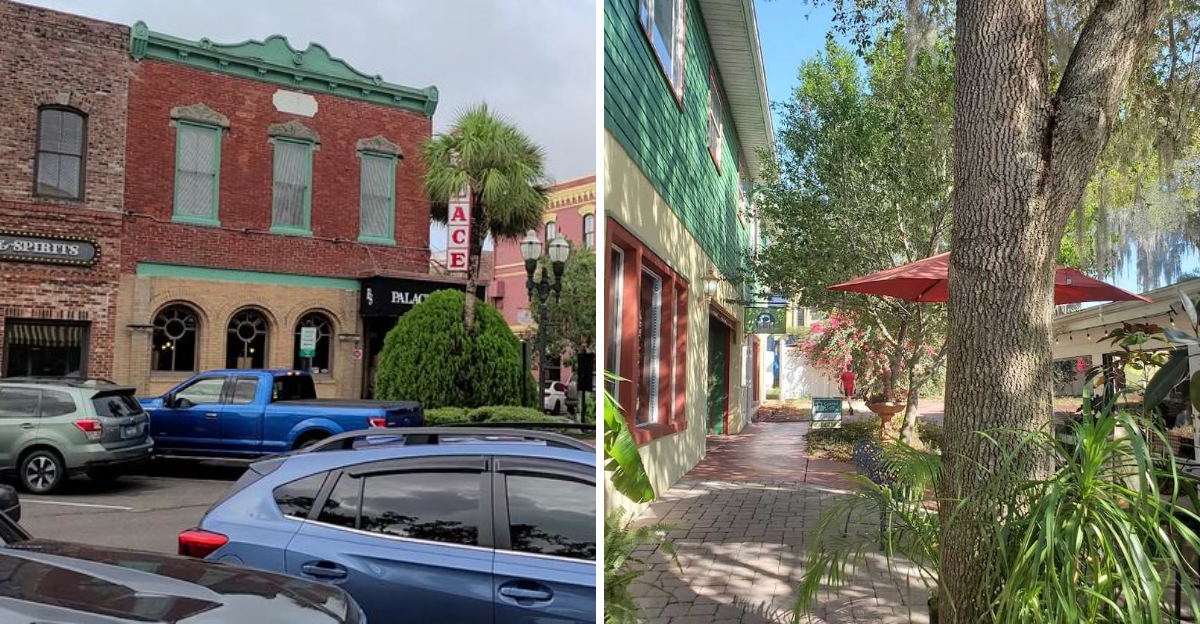
The best way to experience some Florida towns is to stop driving.
Seriously.
Park the car, put away the GPS, and start walking.
That is when the details begin to appear. Historic buildings you would have sped past.
Hidden cafes tucked between storefronts. Waterfront views that seem to reveal themselves one block at a time.
The slower pace changes everything.
That is what makes walkable towns so special.
Instead of rushing from attraction to attraction, visitors have the chance to actually experience a place. They can wander without an agenda, discover unexpected favorites, and enjoy the simple pleasure of exploring at street level.
In a state often associated with highways, long drives, and sprawling destinations, these communities offer something refreshingly different.
They feel personal.
They feel welcoming.
And they reward curiosity.
Whether you’re strolling along a historic main street, exploring a lively waterfront district, or getting pleasantly lost among local shops and restaurants, these Florida towns prove that sometimes the most memorable trips happen one step at a time.
1. St. Augustine
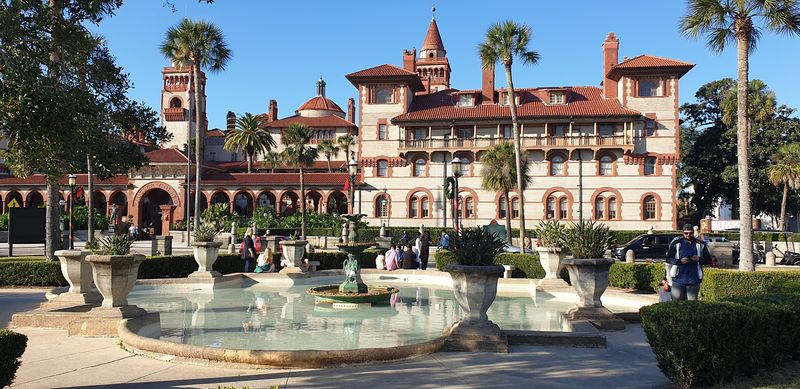
Walking through St. Augustine feels like stepping into a living history book, except the coffee shops are excellent and the Wi-Fi works.
Located along Florida’s northeast coast, St. Augustine holds the title of the oldest continuously occupied European settlement in the United States, founded in 1565 by Spanish explorer Pedro Menendez de Aviles.
The historic downtown core is entirely navigable on foot, with the pedestrian-friendly St. George Street anchoring most of the action.
Centuries-old buildings, the dramatic Castillo de San Marcos fort, and the Bridge of Lions all sit within easy walking distance of each other.
I love spending mornings wandering through Flagler College’s stunning architecture before grabbing a Cuban sandwich from a nearby cafe.
The town draws visitors year-round, but spring and fall offer the most comfortable temperatures for long walks.
Once you start exploring St. Augustine on foot, a single afternoon quietly turns into an entire long weekend without any complaints from anyone in your group.
2. Key West, Florida
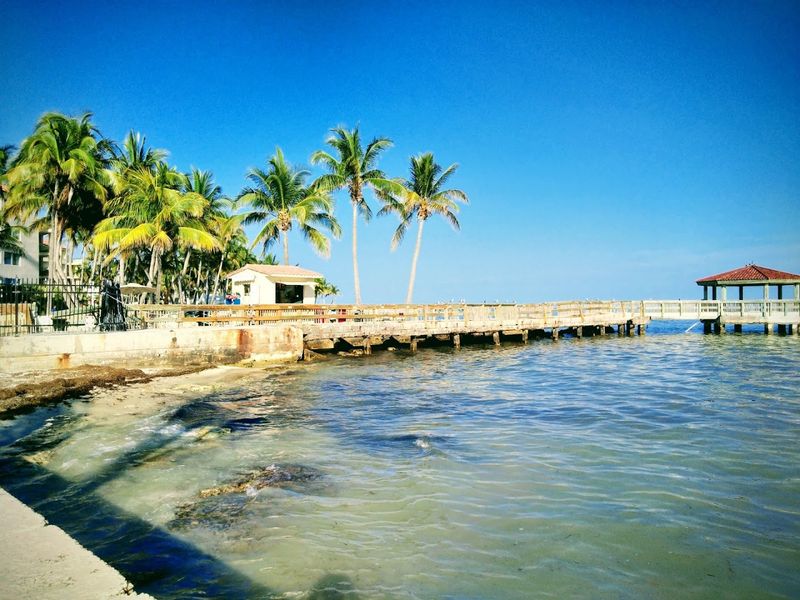
Perched at the very end of the Florida Keys, Key West is a town that practically insists you slow down and wander.
The island’s compact layout makes it one of Florida’s most naturally walkable destinations, and most of the main attractions cluster within a tight, easy-to-navigate grid.
Duval Street buzzes with galleries, boutiques, and street performers, while quieter side streets reveal gorgeous Victorian-era Conch houses draped in bougainvillea.
Ernest Hemingway’s famous home and the Key West Lighthouse are both short walks from the center of town, adding a rich cultural layer to any stroll.
I always make time for the sunset celebration at Mallory Square, where local artists and performers gather every evening to cheer the sun off the horizon.
Winter is peak season, but shoulder months like October and April keep things lively without overwhelming the streets.
Key West rewards slow walkers the most, because the best details here are always tucked just around the next corner.
3. Mount Dora
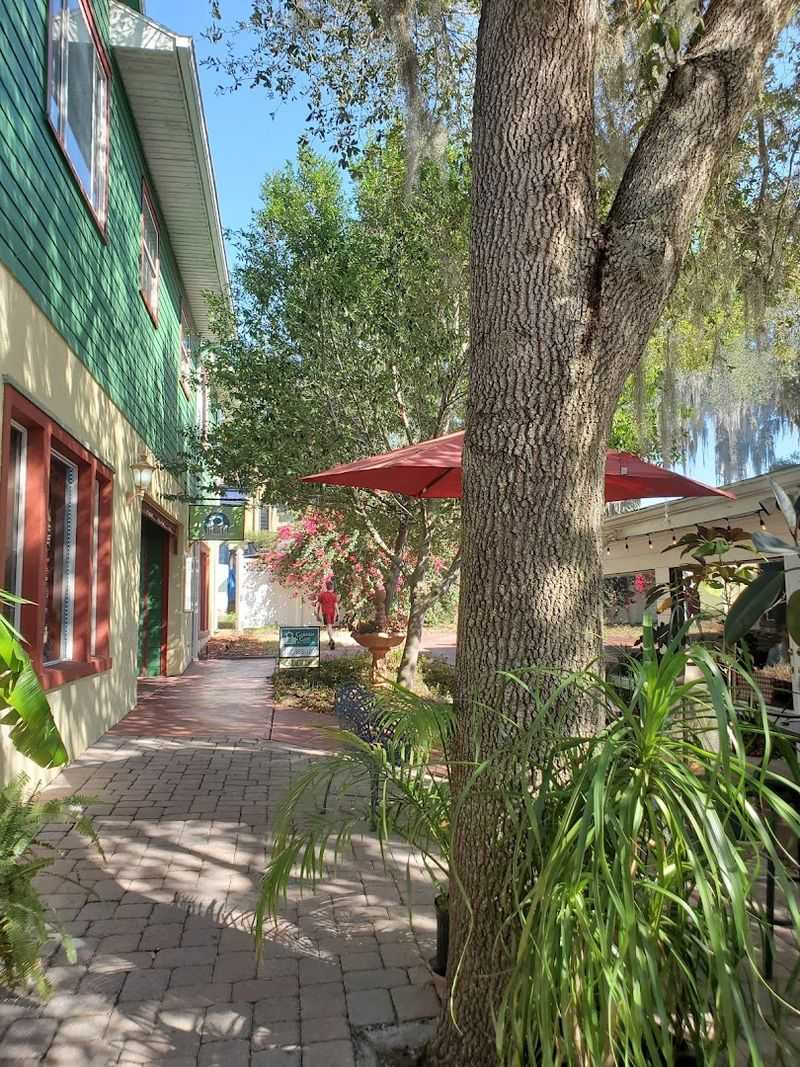
Nestled in the rolling hills of Lake County, Mount Dora is the kind of town that makes you want to cancel your plans and stay another night.
Sitting about 30 miles northwest of Orlando, this lakeside community has a downtown that feels more like New England than Central Florida, with brick streets, Victorian storefronts, and independent boutiques lining every block.
Mount Dora is especially famous for its antique scene, hosting one of the largest antique fairs in the southeastern United States every February.
The lakefront park and the Donnelly House, a stunning Queen Anne-style mansion, are both easy walks from the main shopping district.
I find that the town’s modest elevation gives it a slightly cooler, breezier feel than most Florida destinations, which makes afternoon walks genuinely pleasant.
Fall and winter are ideal visiting seasons, when festivals and holiday decorations fill the streets with color and energy.
Mount Dora is proof that Florida has a quieter, more storybook side that is absolutely worth seeking out.
4. Fernandina Beach
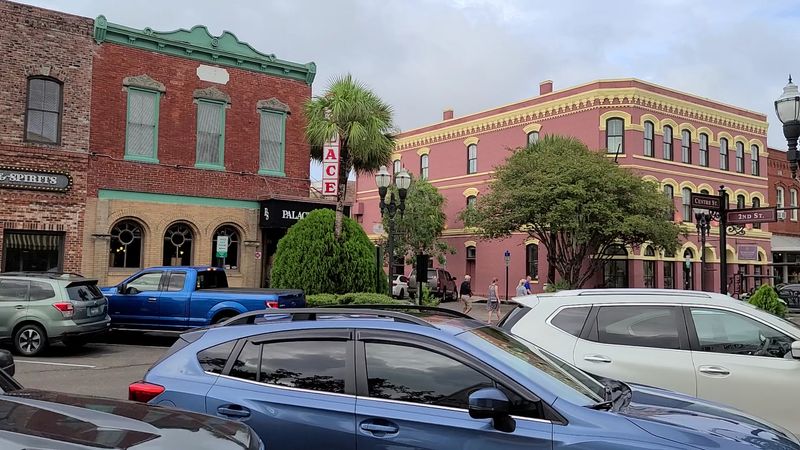
Centre Street in Fernandina Beach is one of those rare main streets that feels both authentically historic and completely alive with present-day energy.
Located on Amelia Island in Nassau County, at Florida’s northeastern tip, Fernandina Beach carries a fascinating past as a town that has flown eight different national flags throughout its history.
The walkable historic district packs in Victorian architecture, locally owned restaurants, boutique shops, and a working shrimp boat harbor all within a few pleasant blocks.
Fort Clinch State Park sits just north of downtown, and the walk along the fort’s brick ramparts offers sweeping views of the Cumberland Sound and Georgia coastline.
I particularly enjoy the Saturday morning farmers market, where local vendors bring fresh produce, handmade crafts, and homemade preserves to the shaded streets.
Spring and fall bring the best weather for exploring, with mild temperatures and fewer crowds than the busy summer months.
Fernandina Beach has a personality all its own, and one good walk through its streets makes that unmistakably clear.
5. Seaside
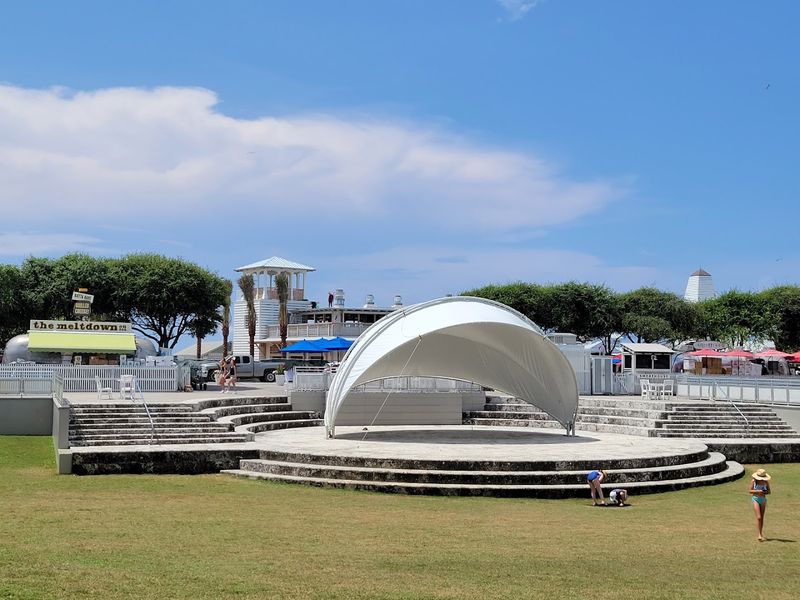
There is something almost storybook-perfect about Seaside, a planned community on the Florida Panhandle that was literally designed from the ground up for walking.
Situated along Scenic Highway 30A in Walton County, Seaside became internationally known when it served as the filming location for the 1998 movie The Truman Show.
The town’s urban design philosophy, known as New Urbanism, prioritizes pedestrians over cars, and every pastel cottage, courtyard, and pathway reflects that philosophy beautifully.
Airstream food trailers at the central market, independent bookshops, and a gorgeous white amphitheater sit within steps of each other near the town center.
I love how the Gulf of Mexico is never more than a short walk away, making beach access feel like a natural extension of any downtown stroll.
Late spring and early fall offer the sweetest combination of warm weather and manageable visitor numbers.
Walking through Seaside never gets old, because the town’s thoughtful layout keeps revealing new charming corners every single time.
6. Apalachicola, Florida
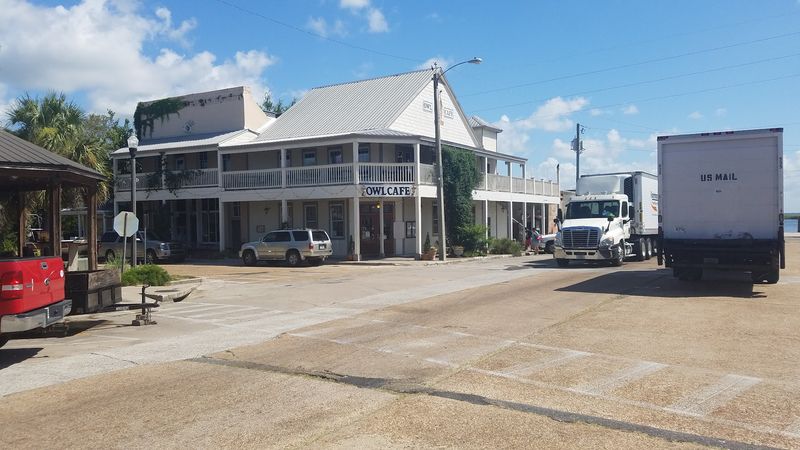
Apalachicola is the kind of town that serious travelers whisper about, the sort of place that feels like a genuine secret even though it has been sitting beautifully on Florida’s Panhandle for centuries.
Located in Franklin County along the Apalachicola River and Bay, this small port city is famous throughout the culinary world for producing some of the finest oysters in the entire country.
The compact historic downtown features antebellum buildings, independent galleries, and locally owned seafood restaurants all within easy walking distance of the waterfront.
The John Gorrie Museum State Park, dedicated to the inventor of the ice-making machine, adds a quirky and genuinely fascinating stop to any walking tour of the town.
I find the pace here wonderfully unhurried, with locals happy to chat and point you toward the best spots that never make it onto tourist maps.
November through April is the prime season for visiting, when oyster harvests peak and the weather stays refreshingly mild.
Apalachicola rewards curious, slow-moving visitors more than almost any other town on this list.
7. Tarpon Springs
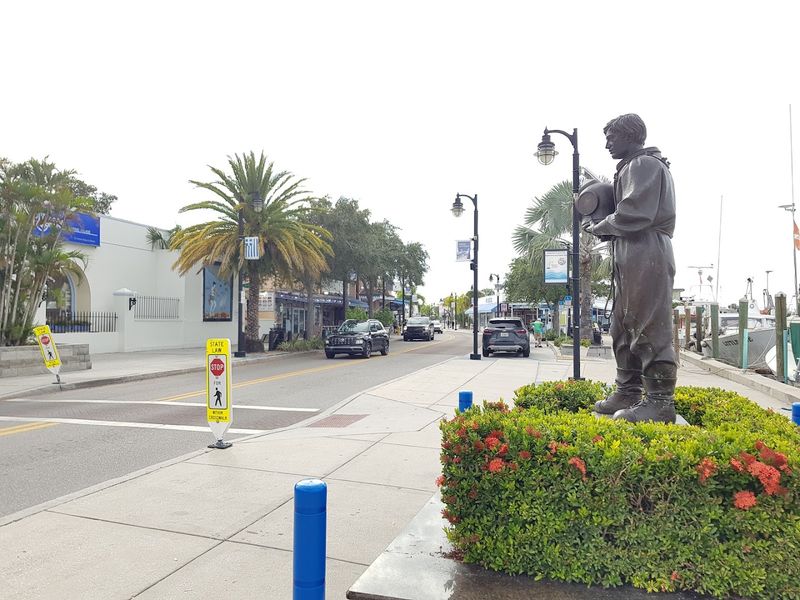
Stepping onto the Sponge Docks in Tarpon Springs is like taking a spontaneous trip to the Greek islands without ever leaving Florida’s Gulf Coast.
Located in Pinellas County, just north of Clearwater, Tarpon Springs has the highest percentage of Greek Americans of any city in the United States, a heritage that shapes every bakery, restaurant, and festival in town.
The Sponge Docks district is the heart of the walkable experience, where working sponge boats, Greek Orthodox churches, and family-run restaurants line the waterfront streets.
The Tarpon Springs Aquarium and the St. Nicholas Greek Orthodox Cathedral are both short walks from the main dock area and well worth adding to any itinerary.
I always leave room for a generous slice of baklava from one of the family-run pastry shops, which taste like they were made with decades of practice and genuine pride.
January’s Epiphany celebration draws visitors from across the country for a unique and visually stunning waterfront tradition.
Tarpon Springs is a town that feeds every one of your senses, and that is a promise it keeps every single visit.
8. Celebration
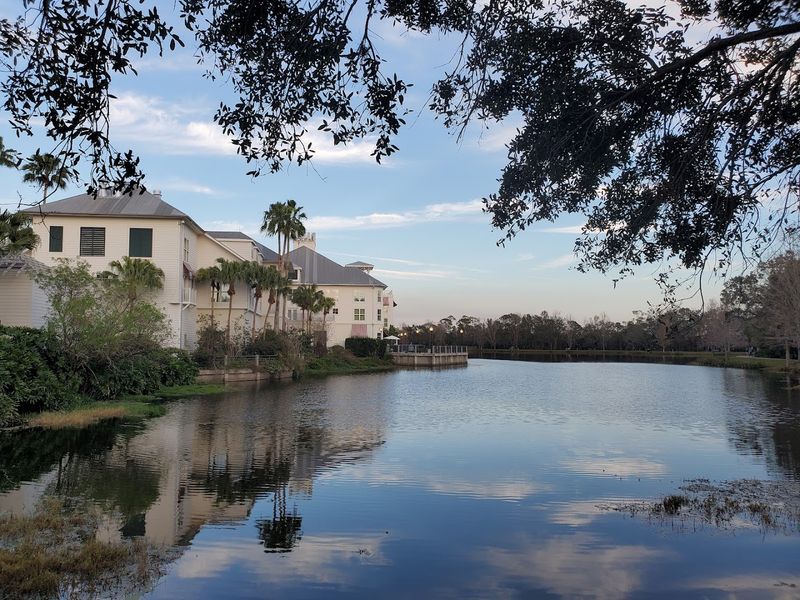
Built by the Walt Disney Company in the mid-1990s, Celebration is a master-planned town in Osceola County that takes the concept of walkability seriously and executes it with impressive consistency.
Situated just minutes from Walt Disney World, this community features a picture-perfect downtown where the streets are wide, the sidewalks are immaculate, and the lakefront promenade invites long, leisurely strolls.
Market Street, the main commercial hub, is lined with restaurants, boutique shops, and a classic movie theater, all arranged to encourage foot traffic rather than car dependence.
One of the town’s most beloved traditions is its annual snowfall event each December, when real snow is pumped onto Market Street, a surreal and joyful sight in subtropical Florida.
I enjoy early morning walks along the lakeside trail, when the mist sits low on the water and the town feels calm and almost cinematic.
Fall through spring offers the most comfortable temperatures for exploring Celebration on foot.
Once you walk through Celebration, the town’s deliberately charming design stops feeling artificial and starts feeling genuinely inviting in the best possible way.
9. Delray Beach
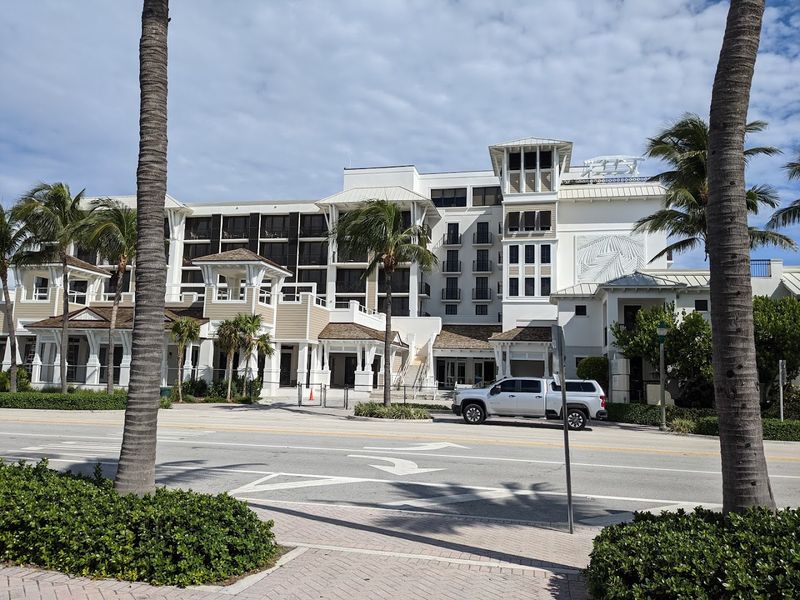
Atlantic Avenue in Delray Beach has a confidence about it, a long, palm-lined stretch of restaurants, galleries, and boutiques that knows exactly how good it is and lets visitors figure that out for themselves.
Located in Palm Beach County along Florida’s southeast coast, Delray Beach has repeatedly earned recognition as one of the most livable and walkable small cities in the entire state.
The avenue runs straight from the vibrant downtown core all the way to a wide, beautiful public beach, making a single walk feel like a full Florida experience compressed into one satisfying route.
The Cornell Art Museum at Old School Square and the Morikami Museum and Japanese Gardens both sit within easy reach of the main walkable corridor.
I find the outdoor dining scene here particularly lively, with sidewalk tables filling up quickly on weekends as locals and visitors mix effortlessly over good food.
October through April is the golden window for visiting, when the weather stays warm but not overwhelming.
Delray Beach is the kind of place that keeps pulling you back to Atlantic Avenue for one more slow, satisfying lap.
10. Winter Garden
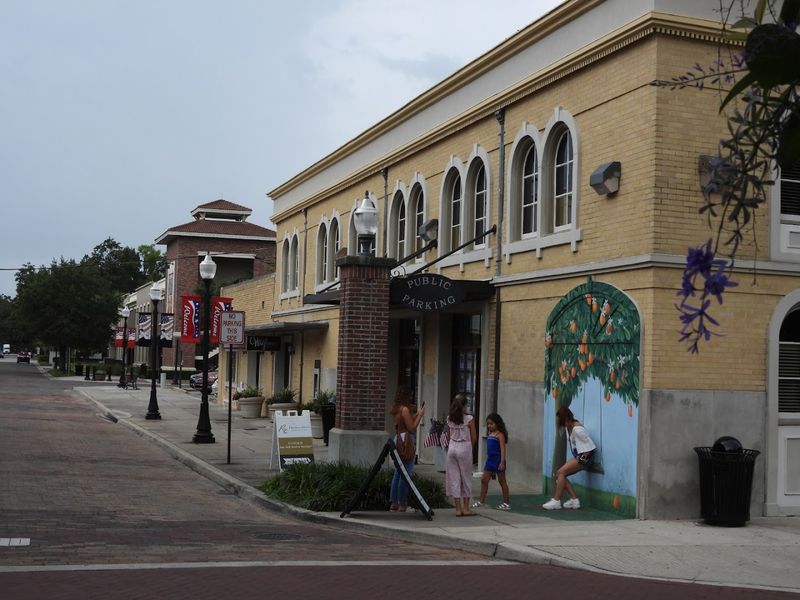
The West Orange Trail rolls right through the heart of Winter Garden, turning this Orange County town into one of the most naturally walkable and bikeable communities in all of Central Florida.
Situated about 14 miles west of downtown Orlando, Winter Garden has transformed its historic downtown into a thriving hub of local restaurants, craft shops, and a beloved Saturday farmers market that draws crowds from across the region.
Plant Street is the main artery of the walkable experience, where the iconic green water tower stands as a proud landmark and independent businesses fill the renovated historic storefronts on both sides.
The Garden Theatre, a beautifully restored 1935 venue, hosts live performances year-round and adds a genuine cultural heartbeat to the downtown district.
I always plan my Winter Garden visits around the farmers market, where local growers, food vendors, and artisans gather every Saturday morning under the shade of mature oak trees.
Fall and spring bring the most comfortable conditions for long walks along the trail and through the historic streets.
Winter Garden is living proof that a town does not need an ocean view to earn a spot on a list like this one.