
This Unassuming Arizona Museum Reveals A Miniature World Of Whirring, Wonderful Toy Trains
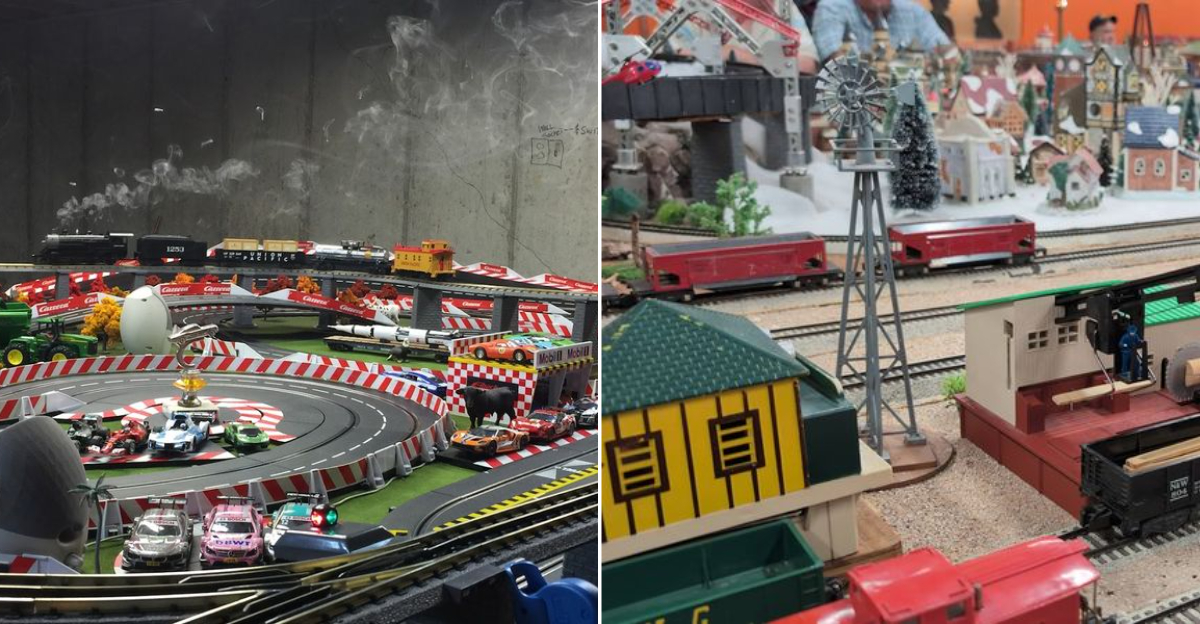
Every adult is just a child with a slightly more complicated toy collection, and my recent afternoon spent surrounded by humming tracks proved exactly that.
There is something deeply hypnotic about watching miniature locomotives navigate complex networks of tiny switches and signals, a mechanical choreography that makes time dissolve into thin air. I felt the frantic pace of the modern world evaporate, replaced by the rhythmic clickety-clack of metal wheels on steel rails.
It turns out that Arizona is less of a sun-baked desert and more of a sprawling, sophisticated engine room where pint-sized engineering marvels pull the strings of our collective nostalgia.
Witnessing these carefully curated dioramas brought home a simple truth: sometimes the biggest escape is found in the smallest of worlds.
This non-profit museum has been sharing the joy of model railroading with the public since 1988, and it has grown into one of Tucson’s most charming and unique attractions.
The History Behind The Museum
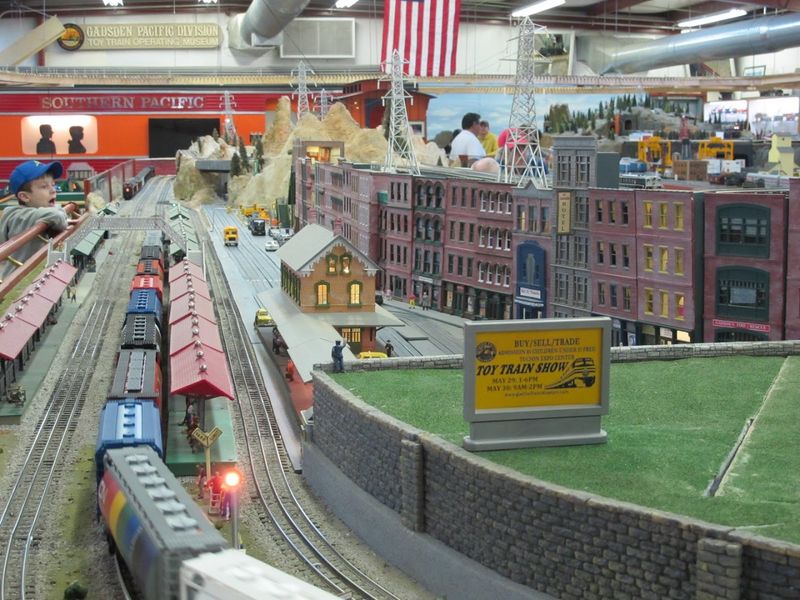
Back in 1980, a group of passionate model railroad fans in Tucson got together and formed a club that would eventually become one of Arizona’s most beloved small museums.
They called it the Gadsden-Pacific Division, a nod to the historic railroad lines that once shaped the Southwest. For years, the club operated quietly, sharing their hobby among members before deciding to open their doors to the public in 1988 at the Foothills Mall.
That first public debut was a turning point. Families showed up curious, and many left completely hooked on the miniature worlds spinning before them.
A decade later, in 1998, the club made a bold move and relocated to a wholly-owned 6,000-square-foot facility at 3975 N. Miller Ave., Tucson, AZ 85705, positioned east of I-10 between the Ruthrauff Road and Prince Road exits.
Owning their own building gave the volunteers the freedom to build bigger, bolder layouts and expand the experience year after year. That sense of ownership and pride still shows in every corner of the museum today.
Nine Indoor Operating Layouts
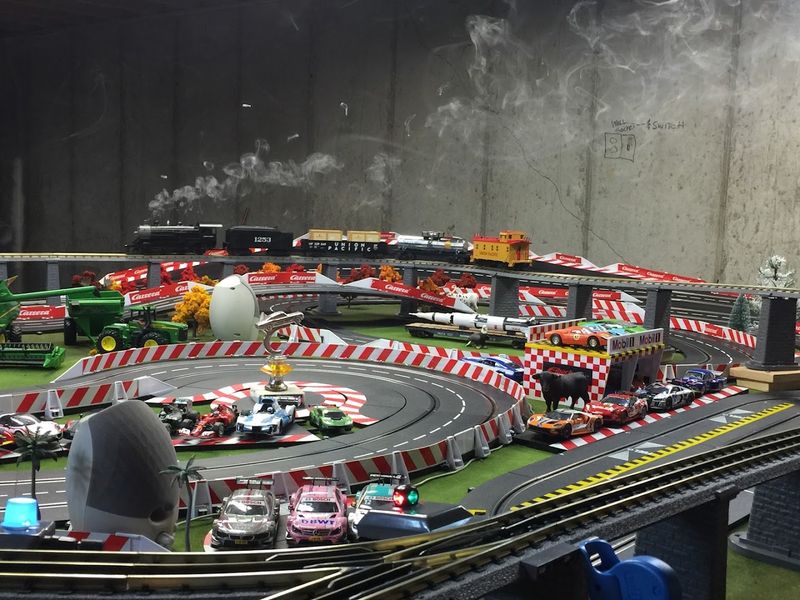
The main hall of this museum feels like stepping into a world where time slows down and everything is perfectly miniature.
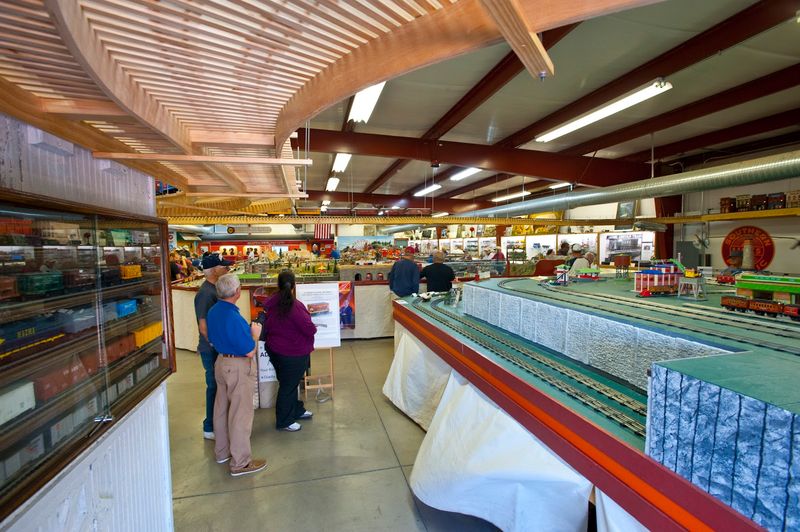
Nine completely functional indoor operating layouts are spread throughout the building, each one telling its own story through tiny buildings, painted landscapes, and trains that actually run.
Every layout is built and maintained by volunteers who pour serious skill and creativity into the details. You might spot a miniature diner with a neon sign, a mountain pass with a working tunnel, or a busy freight yard where cars are being sorted.
The variety across the nine layouts keeps your eyes moving and your brain genuinely engaged. Kids especially love this section because many of the displays include interactive buttons and levers that let them take control of the trains themselves.
Watching a child’s face light up the moment their button sends a locomotive racing around a curve is one of those small, perfect moments that makes this museum so special. The layouts alone are worth the price of admission.
The Impressive O-Scale Layout
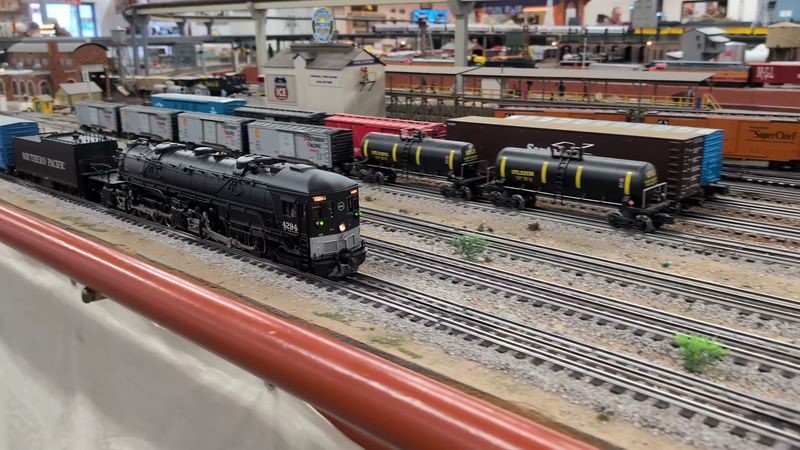
Among all the layouts inside the museum, the O-Scale display stands out as the crown jewel. O-scale trains are larger than most other model railroad scales, which means the level of detail you can pack into a layout is extraordinary.
Buildings have visible window frames, tiny figures stand on street corners, and the trains themselves have a satisfying heft and presence as they roll through the scene.
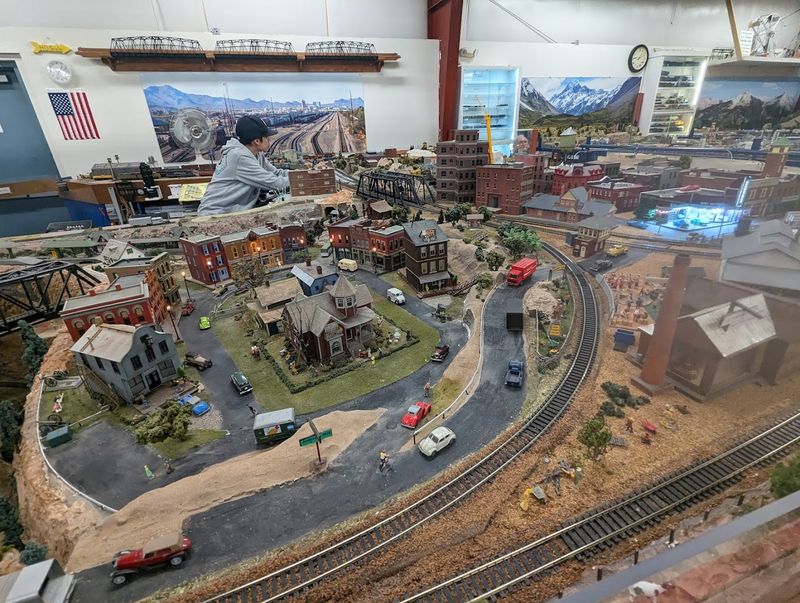
The O-Scale layout at the Gadsden-Pacific museum is the largest exhibit in the building, and it shows. Bridges span little rivers, freight trains haul miniature cargo through industrial areas, and passenger trains glide through stations where tiny travelers appear to be waiting.
Every inch of this layout has been thoughtfully constructed by dedicated volunteers.
Standing in front of it, you get a real sense of how much time and craftsmanship goes into serious model railroading. It is not just a toy display. It is a living diorama that rewards slow, careful looking, because the longer you study it, the more surprising little details you find hiding in plain sight.
From Z-Scale To Ride-On Trains
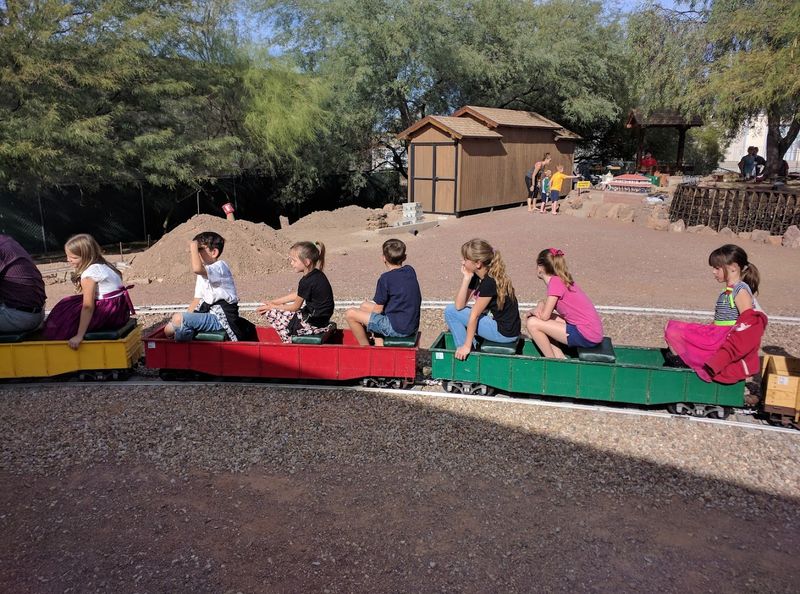
One of the most fascinating things about this museum is the sheer range of train scales on display, from the impossibly tiny Z-scale all the way up to a ride-on 7 1/2-inch rail gauge train that kids can actually climb aboard.
That range is not just impressive on paper. Seeing it in person makes you genuinely appreciate how broad and creative the world of model railroading really is.
Z-scale trains are among the smallest commercially produced model trains in the world. A full locomotive fits in the palm of your hand, and the tracks are barely wider than a pencil. Watching one of these tiny engines zip around its layout is almost surreal.
On the opposite end, the ride-on train is a crowd favorite for younger visitors who want a more hands-on experience.
Feeling the gentle rumble of a small train carrying you along a track connects you to the hobby in a completely different way. It is a smart touch that makes the museum accessible and exciting for every age group that walks through the door.
The Outdoor Garden Railroad
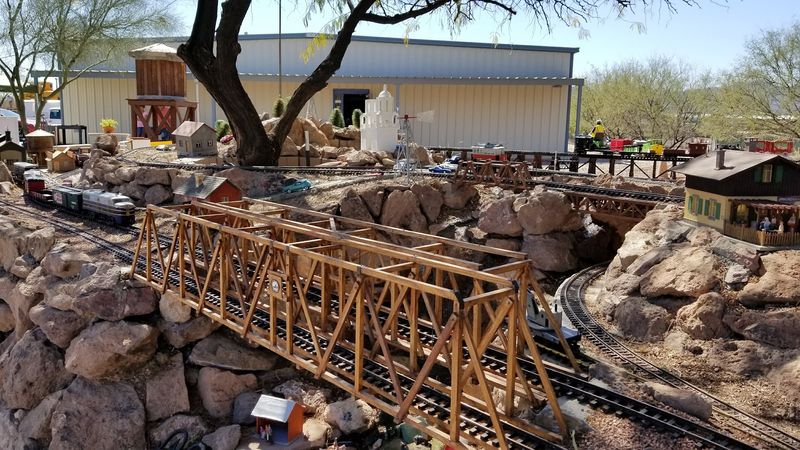
Step outside and the experience shifts completely. The museum’s outdoor garden railroad brings model trains into the open air, surrounded by plants, rocks, and carefully arranged miniature scenery that blends with the natural desert environment of Tucson.
There is something uniquely satisfying about watching a train wind its way through a living garden. Garden railroads are a popular branch of the model railroad hobby because the larger scale trains used outdoors are more durable and easier to see, making them ideal for casual visitors who might not know much about the hobby.
The natural textures of real plants and gravel add a layer of authenticity that indoor layouts simply cannot replicate.
On a sunny Tucson afternoon, standing beside this outdoor layout and watching a train disappear behind a cluster of desert shrubs before reappearing on the other side is a genuinely relaxing moment.
The garden railroad reminds you that this hobby is not just about technical precision. It is also about creating little worlds that feel alive, warm, and worth lingering over for a while.
The Real Rio Grande Caboose
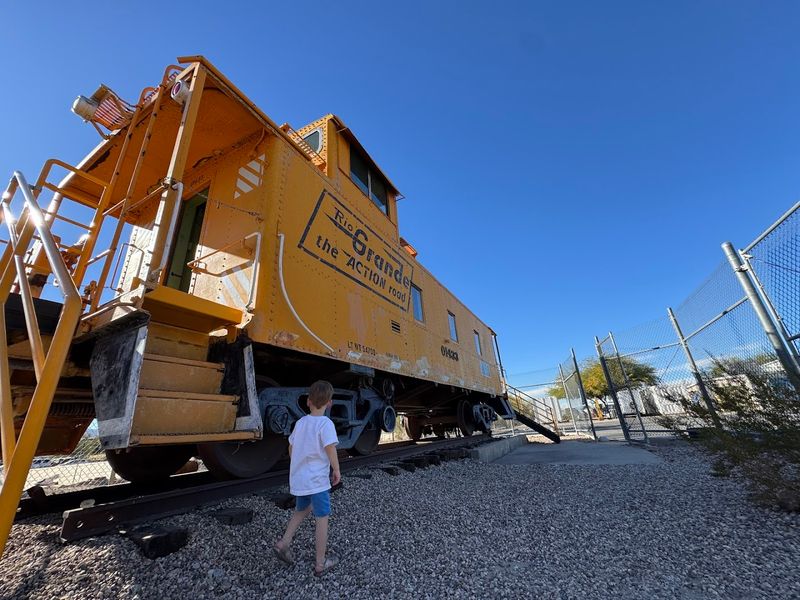
Not everything at this museum is miniature. Parked outside is a genuine, full-sized Rio Grande Caboose, number 01433, and visitors are welcome to step inside and explore it.
Real railroad equipment has a way of grounding the hobby in actual history, and this caboose does exactly that. Cabooses were once a standard part of every freight train in America, serving as a mobile office and rest area for the train crew.
They were phased out of regular use starting in the 1980s as technology changed how railroads operated. Finding a well-preserved example like this one at a small museum in Tucson is a genuine treat for anyone interested in railroad history.
Climbing aboard and looking around the interior gives you a tangible sense of what life on the rails once looked like. The worn surfaces and compact layout tell a quiet story about the working lives of the people who kept America’s freight moving.
Paired with all the miniature trains inside, this full-sized caboose creates a satisfying sense of the full scope of railroad culture.
Interactive Buttons And Hands-On Fun
Most museums ask you to look but not touch. This one actively encourages you to press every button you can find. Many of the exhibits at the Gadsden-Pacific museum are designed to be interactive, with buttons and levers positioned so that visitors, especially children, can directly control what happens on the layouts.
Press a button and a train starts moving around a mountain. Pull a lever and a crossing gate drops. Flip a switch and the lights in a tiny town flicker on.
These interactive features transform the experience from passive observation into genuine participation, which makes a huge difference in how engaged visitors feel.
For families with younger kids, this hands-on approach is a game changer. Children who might lose interest in a traditional display stay locked in when they realize they have actual power over what the trains do.
Parents often end up just as absorbed as their kids, rediscovering a sense of playful curiosity they had forgotten about. That shared joy is one of the museum’s greatest quiet achievements.
All-Volunteer Operation And Community Spirit
Every single person who keeps this museum running is a volunteer. There are no paid staff members, no professional curators drawing a salary.
The entire operation, from building and maintaining the layouts to greeting visitors at the door, is handled by people who simply love model railroading and want to share that love with others.
That volunteer spirit gives the Gadsden-Pacific museum a warmth that is hard to manufacture. When you talk to the people there on a Sunday afternoon, you quickly realize you are speaking with genuine enthusiasts who have spent years honing their craft.
They are happy to explain how a layout was built, what scale they are working in, or how a particular locomotive was restored. Revenue from the five-dollar admission fee, donations, and the gift shop helps cover the costs of maintaining and upgrading the exhibits.
Knowing that your ticket directly supports the volunteers and their work adds a small but meaningful layer to the visit. You are not just a spectator here. You are a supporter of something genuinely community-driven and worth preserving for future generations.
The Gift Shop And Kids Wooden Train Table
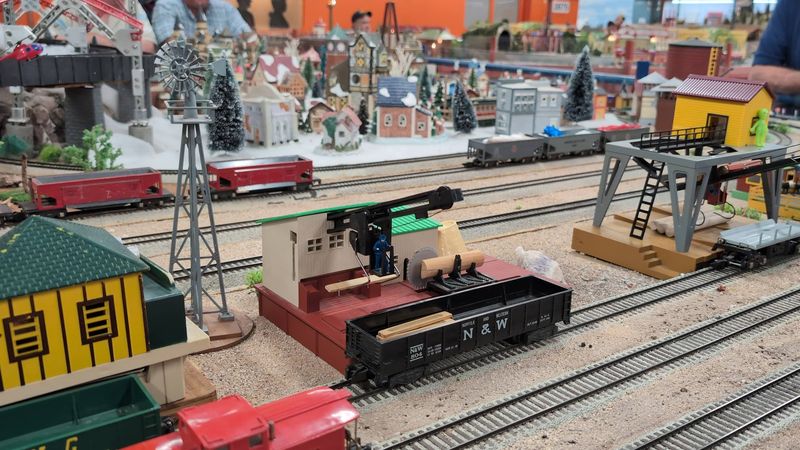
Before you head for the exit, there is one more stop worth making. The museum’s Gift and Hobby Shop is a compact but well-stocked space where you can pick up model train supplies, books, accessories, and souvenirs.
For anyone who leaves the museum feeling newly inspired about the hobby, this is a practical and satisfying place to start building a collection. Alongside the shop, a Kids Wooden Toy Train Table gives the youngest visitors a chance to keep the fun going right up until it is time to leave.
Wooden train sets are a classic starting point for children, and having a dedicated table where kids can build tracks and run trains on their own terms is a thoughtful touch that keeps families happy.
Purchases at the shop directly support the museum’s ongoing operations, so spending a few dollars there is a genuinely good use of your money.
Hours, Admission, And Tips
Timing your visit right makes all the difference. The Gadsden-Pacific Division Toy Train Operating Museum is open every Sunday afternoon from 1:00 PM to 4:00 PM, typically running from September through May.
The museum closes during June, July, and August for maintenance, curation, and the preparation of new exhibits, so a quick check before you go during those shoulder months is smart planning.
Admission is kept very reasonable at five dollars per person, or ten dollars for a family group of up to six people. That pricing makes it a genuinely affordable outing for families, and the value you get for that cost is hard to beat.
The museum is also closed on certain holidays, including Easter Sunday and Mother’s Day if they fall on a Sunday, so it is worth checking ahead around those dates.
The museum sits at 3975 N. Miller Ave., east of I-10 between the Ruthrauff Road and Prince Road exits in Tucson. Parking is straightforward, the facility is manageable in size, and the Sunday-only schedule gives the visit a pleasant sense of occasion.
Arrive close to opening time for the best experience before the crowds build up.