
This Quirky Arkansas Town Is Full Of Southern Charm, Roadside Whimsy, And Catfish Worth The Drive
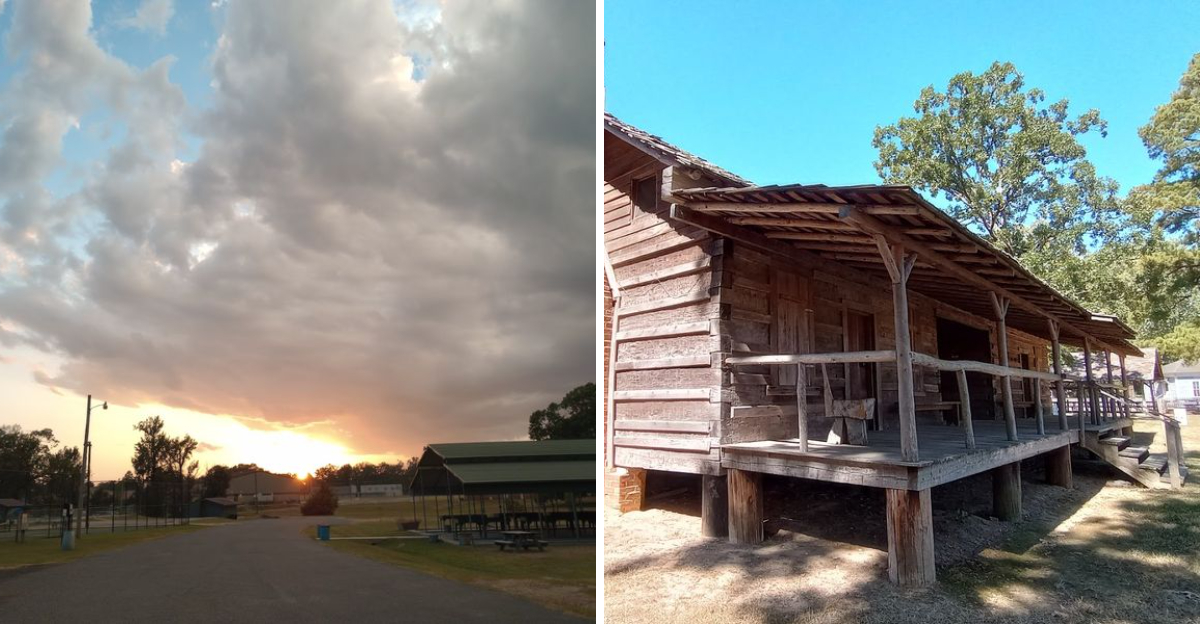
Small towns can surprise you when you stop treating them like dots on a map. This one did.
I arrived with the usual traveler mindset, thinking about lunch and how soon I needed to leave. Then the pace shifted.
The place felt calm without feeling sleepy. Its timber-town past gives it character, but the present-day life is what kept my attention.
People were not rushing through the afternoon, and after a while, neither was I. That is the part I liked most.
The food gave me a reason to linger, but the town itself made me want to look around a little longer. Downtown felt like it still belonged to the people who use it every day.
By the time I left, my quick stop had turned into a memory with weight. Those are the stops that stay with you for the long ride home afterward, more than expected.
Later.
A Main Street With Small-Town Warmth
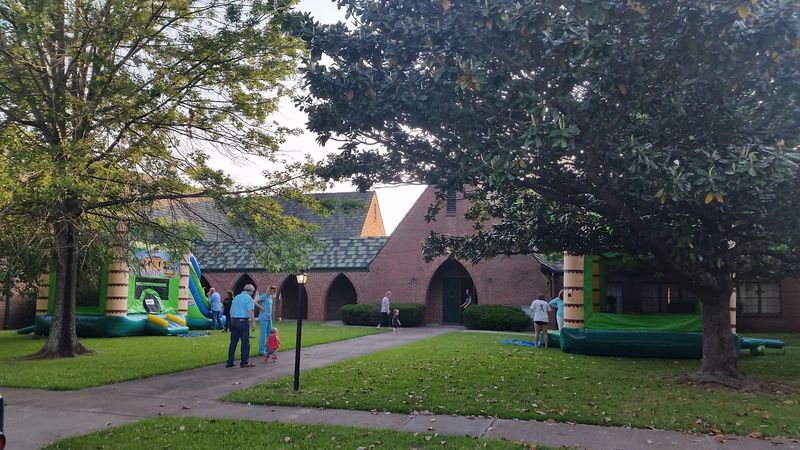
Walking down a main street that still feels genuinely lived-in is rarer than it should be these days.
Crossett’s Main Street carries that lived-in quality without any effort to perform it, which is exactly what makes it so appealing.
Several properties along this corridor are listed on the National Register of Historic Places, so every building you pass has a story attached to it.
I noticed the way afternoon light hit the older facades and made even simple storefronts look like something worth photographing.
Locals move through the street at a pace that feels deliberate, not rushed, and that energy is contagious after about five minutes of being there.
The town was originally founded in 1899 by the Crossett Lumber Company and incorporated in 1903, which means the bones of this street go back well over a century.
That history does not feel dusty here though; it feels present in the architecture, in the layout, and in how people interact with the space.
You can find all of this unhurried southern character right here at Main Street, Crossett, Arkansas 71635.
Quiet Parks Framed By Pond Views
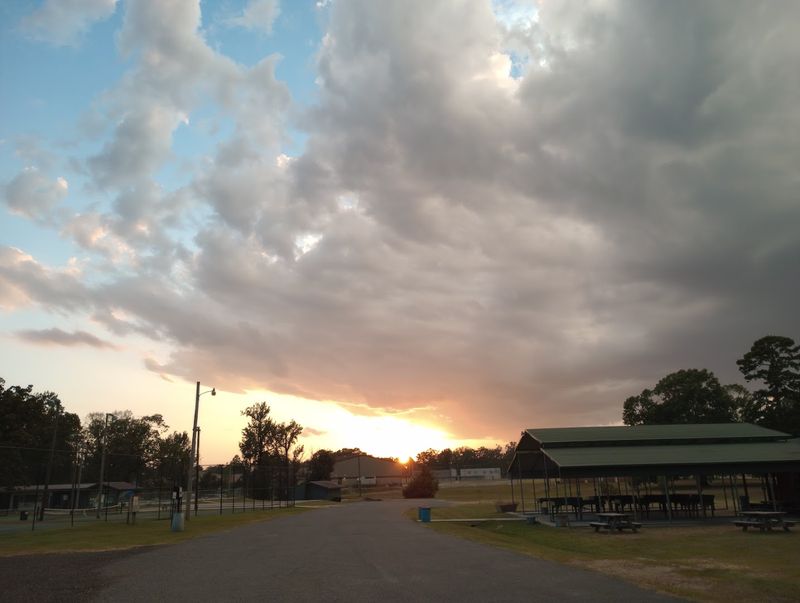
Not every great outdoor space needs to announce itself loudly, and Crossett City Park proves that point without breaking a sweat.
Lucas Pond is nearby and adds to the outdoor options available to anyone who wants to spend a few slow hours near the water.
The park itself has that easy, unhurried character that makes you want to sit on a bench and just watch the surface of the water catch the light.
Fishing is a popular activity in this area, and the pond setting makes it accessible for families, solo visitors, and anyone in between.
I spent a quiet Tuesday morning here and counted more birds than people, which felt like exactly the right ratio for a place like this.
The surrounding trees create a canopy effect that keeps things cool even when the Arkansas sun is doing its best impression of a heat lamp.
Crossett also serves as a gateway to the Felsenthal National Wildlife Refuge, so this park is really just the beginning of what the area offers outdoors.
Crossett City Park is one of those places that rewards the visitor who simply decides to slow down and look around.
Rustic Cabins With Local History
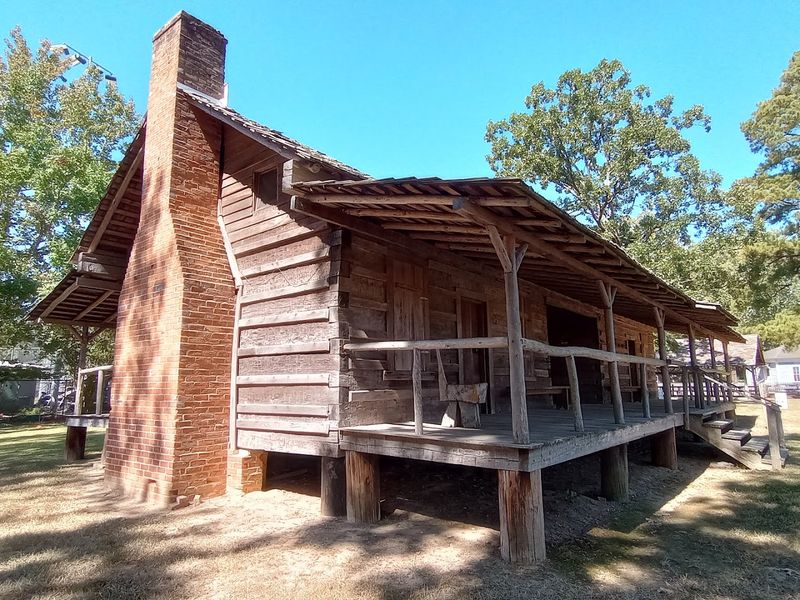
Crossett was once known as the Forestry Capital of the South, and once you visit, that title starts to make complete sense.
The region around the city is deeply shaped by the timber industry, and that relationship between the land and the people who worked it shows up everywhere you look.
The Crossett Experimental Forest, located about seven miles south of town, includes historic buildings listed on the National Register of Historic Places and represents one of the earliest efforts in sustained yield forestry in the country.
That kind of forward-thinking conservation work from a century ago is impressive, and it gives the surrounding landscape a quality that feels carefully tended rather than simply wild.
Rustic accommodations in the area draw visitors who want to feel close to that timber heritage without giving up basic comforts.
Staying somewhere with wooden walls and forest views puts you right inside the story of how this town was built and what it stood for.
I found myself thinking about the workers who came here in the early 1900s to build a life in what was then very remote southern timber country.
The forest around Crossett still holds that history quietly, the way old trees always do.
A Downtown Corner Made For Slow Wandering
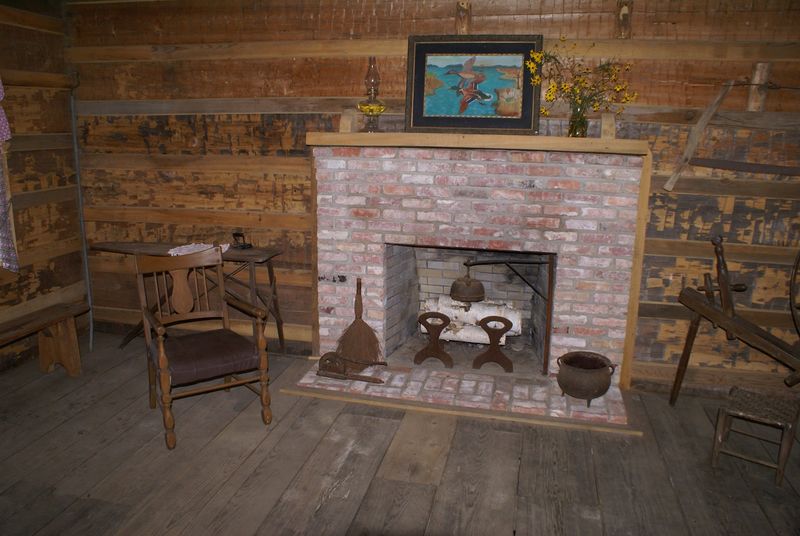
Few things beat a downtown corner where there is genuinely no pressure to be anywhere fast.
Crossett delivers that feeling in a way that feels organic rather than manufactured for tourism purposes.
The city became a company-owned town under the Crossett Lumber Company starting in 1899, and that origin story shaped the layout and character of the downtown area in ways that are still visible today.
Company towns were designed to function as complete communities, so the downtown has a coherent, intentional feel that many small towns simply do not have.
I wandered around a particular corner near the older commercial buildings and kept noticing small details in the architecture that rewarded a second look.
The scale of the streets feels human, meaning everything is close together and easy to explore on foot without needing a plan or a map.
Local businesses dot the area with the kind of straightforward signage that signals a place run by people who actually live there.
Crossett was incorporated in 1903, and more than a century later, this downtown corner still carries the unhurried spirit of a town that knows exactly what it is.
Garden Paths Near A Historic Fountain
Centennial Park on Main Street is one of those spots that rewards you for paying attention to the small details rather than rushing past.
The park features a covered pavilion, a fountain, and the original fireplace from the Rose Inn Hotel, which was once one of the more prominent gathering places in town.
Standing near that fireplace, you get a real sense of how much social life once revolved around this part of Crossett.
The fountain adds a visual anchor to the space and gives the park a classic town square feeling that pairs well with the surrounding historic architecture.
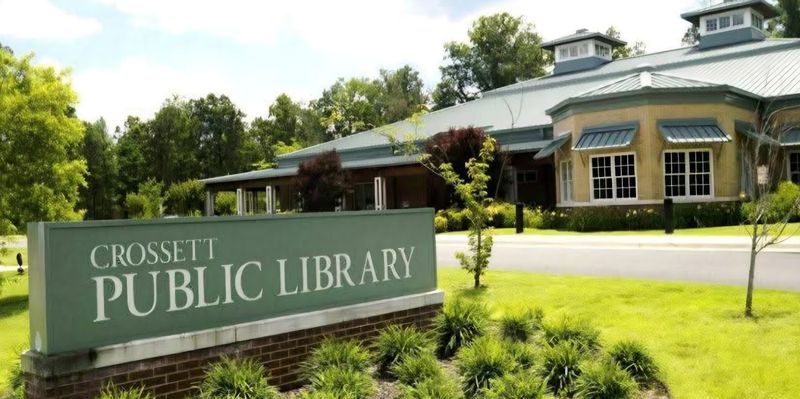
The nearby Crossett Public Library adds to that civic feeling, making this stretch of Main Street feel less like a tourist stop and more like a place locals still use.
Garden paths wind through the area in a way that invites a slow, observational kind of visit rather than a quick walk-through.
I visited on a weekday afternoon when the park was nearly empty, and the quiet made it easier to appreciate the thoughtful way the space was designed to reflect local history.
The park is meant to highlight the city’s story, and it does that without being heavy-handed or overly formal about it.
Centennial Park sits right at the heart of Main Street, Crossett, Arkansas, and it earns every moment you give it.
Shaded Picnic Spots Beside The Water
A good picnic spot beside the water is one of the most underrated travel experiences, and Crossett has that covered in a very relaxed, unpretentious way.
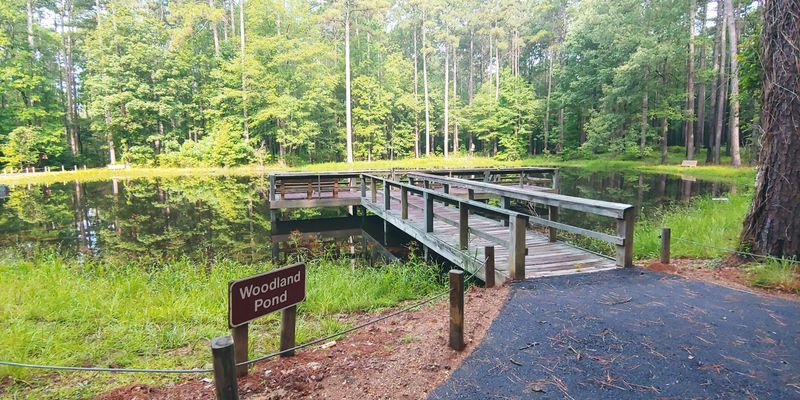
Lucas Pond provides a natural backdrop for afternoon picnics, with shade trees that make the heat of southern Arkansas feel entirely manageable.
The area around the pond has that quality of stillness that makes food taste better and conversation feel easier.
I brought lunch from a local spot and found a shaded table close enough to the water to hear the occasional splash from fish near the surface.
Families use these spaces regularly, and the park has a welcoming, low-key atmosphere that does not require any special planning or gear.
Crossett also sits near the Felsenthal National Wildlife Refuge, which means the birdwatching around these water spots can be genuinely rewarding for anyone who pays attention to what is flying overhead.
The combination of shade, water views, and relative quiet makes these picnic spots feel like a deliberate escape from the noise of daily life.
Crossett manages to offer that kind of outdoor ease without any fanfare, which is honestly part of what makes it so easy to enjoy.
Old-South Details In Everyday Places
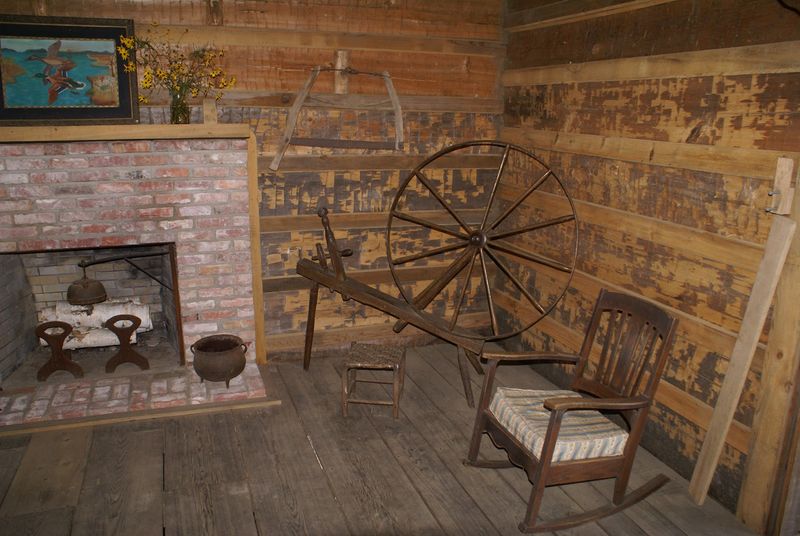
Southern character does not always announce itself through grand gestures; sometimes it lives in the small details you catch out of the corner of your eye.
Crossett is full of those details, from the way older buildings line up along the street to the unhurried rhythm of daily life that feels like it has not changed much in decades.
The town was a company-owned community until 1946, and that long period of centralized planning left behind a certain consistency in the built environment that still feels distinctive today.
Historic storefronts, older residential streets, and the general layout of the downtown area all carry design choices that reflect a specific era of southern development.
I kept noticing small architectural touches that felt deliberate, like decorative brickwork or old window frames that someone had clearly decided were worth preserving.
The Crossett Light is another layer of local lore worth mentioning, an unexplained phenomenon reportedly seen along old railroad tracks since the early 1900s, described as a mysterious glowing lantern.
That kind of story fits perfectly in a town where history and everyday life are still woven tightly together.
Crossett rewards the visitor who looks closely, because the old-South details are everywhere once you start paying attention.
A Laid-Back Stop With Roadside Character
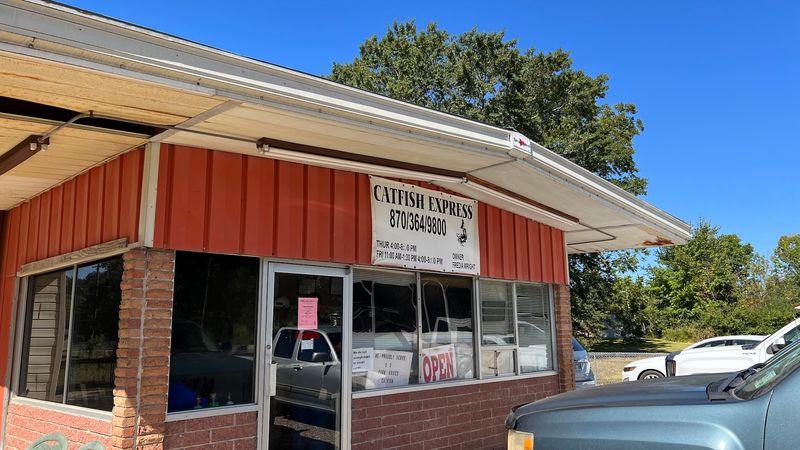
Catfish Express in Crossett has the kind of reputation that makes people plan their travel schedule around a restaurant’s limited hours rather than the other way around.
Open on Thursdays and Fridays, this beloved local spot serves catfish fillets that are seasoned and fried in a way that has earned it a strong local following.
The portions are generous, the atmosphere is casual, and the whole experience feels like eating at a place that has never needed to advertise because word of mouth does all the work.
I arrived on a Thursday, which felt like winning a lottery, and the catfish lived up to everything I had heard before pulling into the parking lot.
The roadside character of the place is part of its appeal, with a no-frills exterior that tells you immediately this spot is about the food and nothing else.
Southern catfish done well is one of the great regional food experiences in the United States, and Crossett makes a strong argument for being a destination worth the drive.
The limited hours only add to the local legend status of this stop, giving it an exclusivity that feels entirely earned.
A meal at Catfish Express is the kind of thing you talk about on the drive home, then again at dinner the next week.