
This Tiny Arkansas Town Is So Peaceful Most People Don’t Even Know It Exists
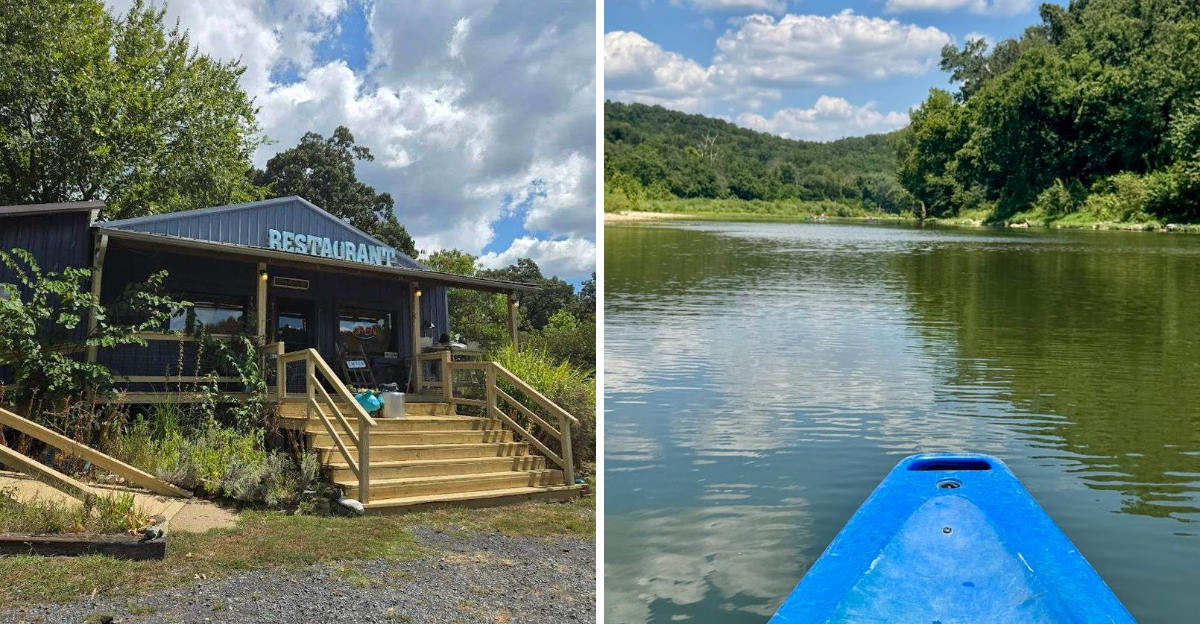
Some roads have a way of making people hurry. Mile after mile, you keep your eyes forward with the next stop in mind.
Then you pass an Ozark place like this and have no idea what you just missed.
I almost did.
One turn changed the whole day. The road got quieter.
The hills felt closer. The river showed up like it had been waiting on me to stop rushing.
This is the kind of Arkansas place that does not need a big welcome sign to win you over. It works slower than that.
A small view catches you first, then the silence does the rest. Suddenly you are driving softer and wondering why more people are not talking about it.
Maybe because they never pull off the road.
That is their loss. Some of the best road trip moments start with one random turn you almost did not take.
Quiet Roads Near The Buffalo River
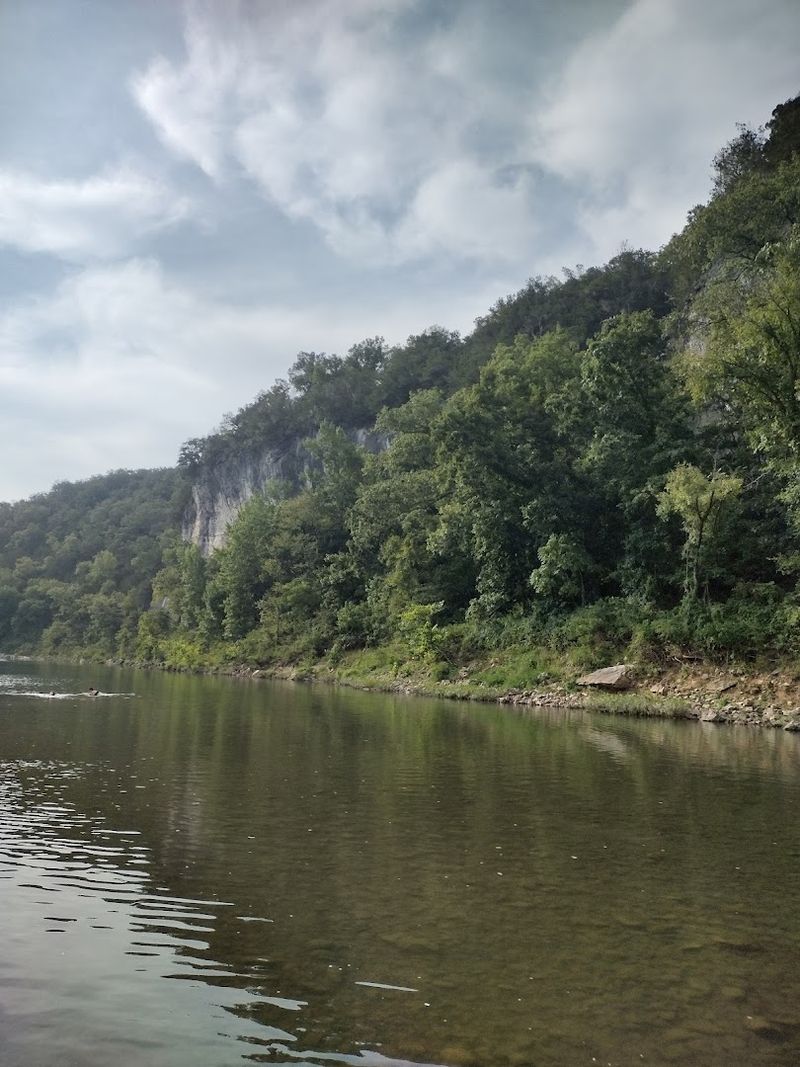
The first time I turned off the main highway and onto one of the narrow roads near St. Joe, I genuinely forgot what traffic felt like.
These backroads run through thick Ozark forest, dipping and curving in ways that make every mile feel like a small reward.
The trees press close on both sides, and on a clear morning, the light comes through in long, golden strips that make the whole drive feel almost dreamlike.
Most of these roads lead you closer and closer to the Buffalo National River, which winds through the hills just south of town.
Access points like Woolum and Baker Ford are reachable from here, and both spots offer quiet riverbanks where you can sit, fish, or just listen to the water move.
I passed maybe three other vehicles during an entire afternoon of exploring, which felt like a luxury I did not know I needed.
The roads themselves are in decent shape, and a regular car handles them just fine without any special equipment.
Welcome to St. Joe, Arkansas 72675, where the backroads are part of the experience and the quiet is absolutely the point.
A Peaceful Stop In The Ozarks
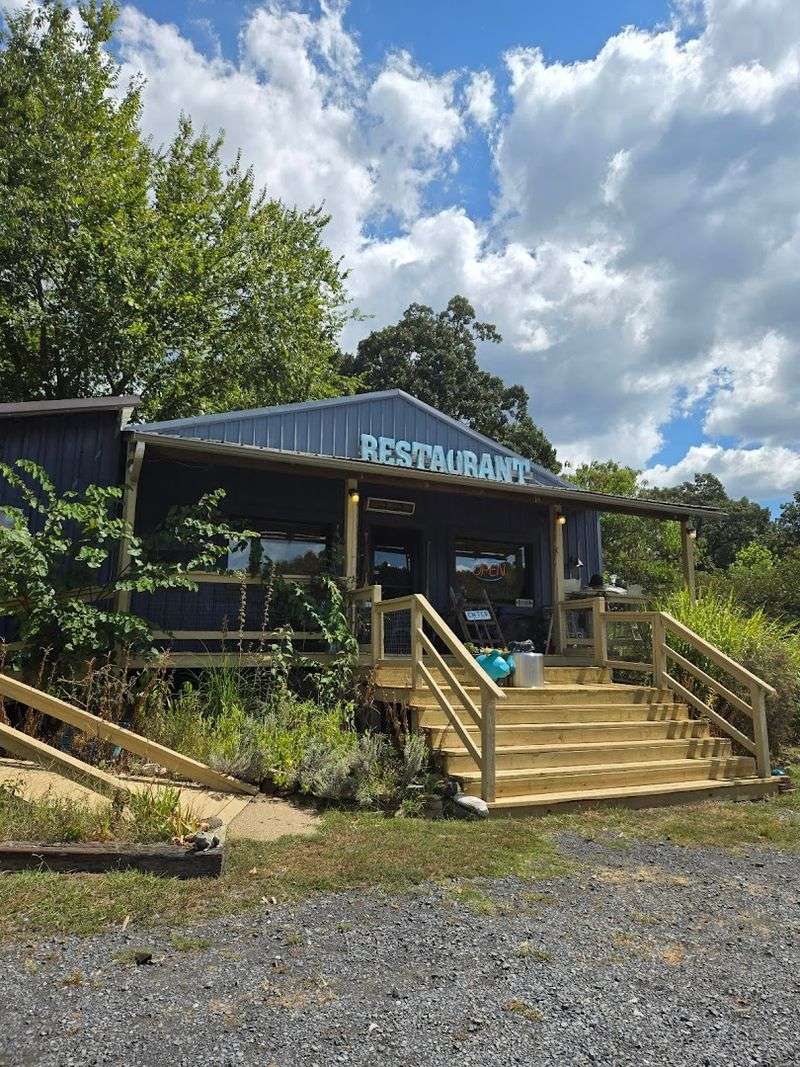
St. Joe carries the kind of calm that you feel in your shoulders the moment you step out of your car.
The town covers only about 1.25 square miles, which means you can walk from one end to the other without breaking a sweat or checking a map.
With a population of 129 people recorded in the 2020 census, the social scene here is about as low-key as it gets, and honestly, that is the appeal.
There are no long lines, no parking headaches, and no competing voices trying to pull your attention in ten directions at once.
Searcy County itself feels far removed from the state’s busier destinations, which means the Ozark scenery surrounding St. Joe still stays refreshingly unspoiled.
I sat on a low hillside one afternoon and watched nothing in particular happen, and it turned out to be one of the more restorative hours of my entire trip.
The pace here is not slow in a frustrating way; it is slow in the way that reminds you what rest actually means.
A visit to St. Joe recalibrates your internal clock in the best possible way.
Small-Town Views With River Country Charm
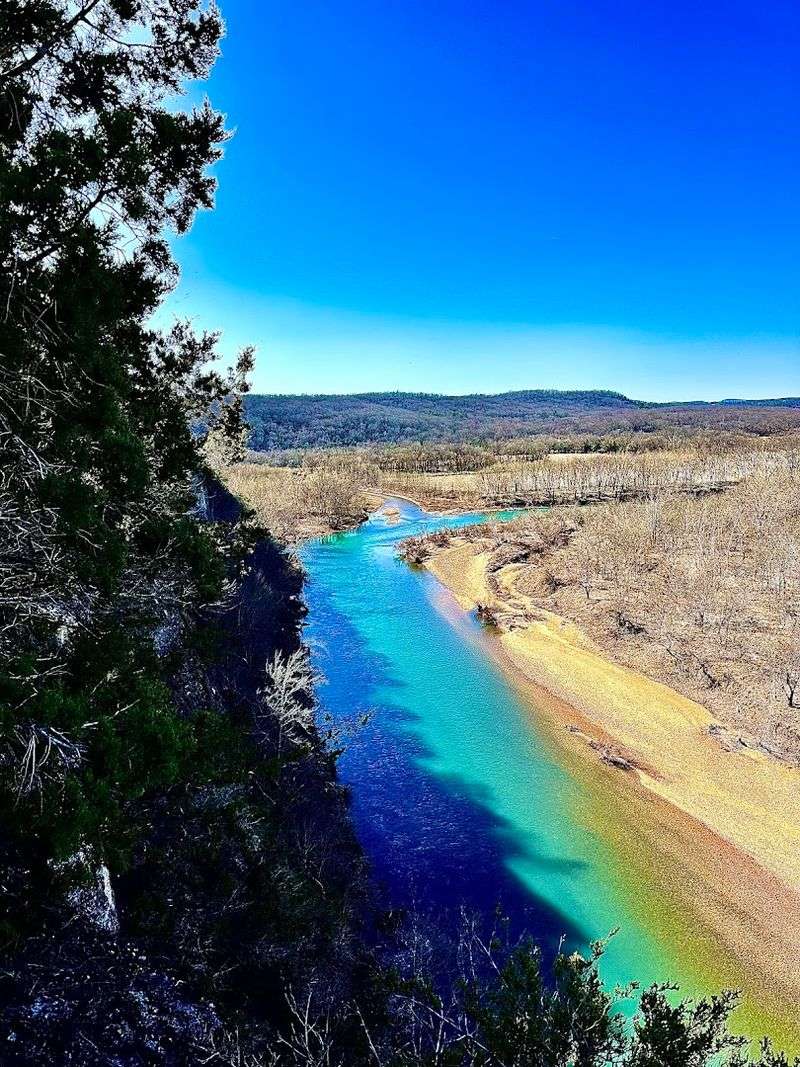
Few things prepare you for how pretty the views around St. Joe actually are when you see them in person for the first time.
The town sits in a valley carved by the surrounding Ozark hills, and almost every direction you look offers a layered picture of ridgelines, cedar trees, and open sky.
The Buffalo National River country nearby adds another dimension to the scenery, with limestone bluffs rising above clear water that reflects the hills above it.
I kept pulling over to look at things that seemed too pretty to be real, which did not do great things for my travel schedule but made the day genuinely memorable.
The light changes constantly out here, especially in the late afternoon when everything turns a warm amber color that makes even ordinary fields look extraordinary.
St. Joe does not have a formal overlook or a tourist platform to frame these views, which somehow makes them feel more personal and less staged.
You find the good spots by wandering, and wandering is exactly the right pace for this place.
River country charm is not something you manufacture, and St. Joe has never had to try.
Old Buildings And Ozark Backroads
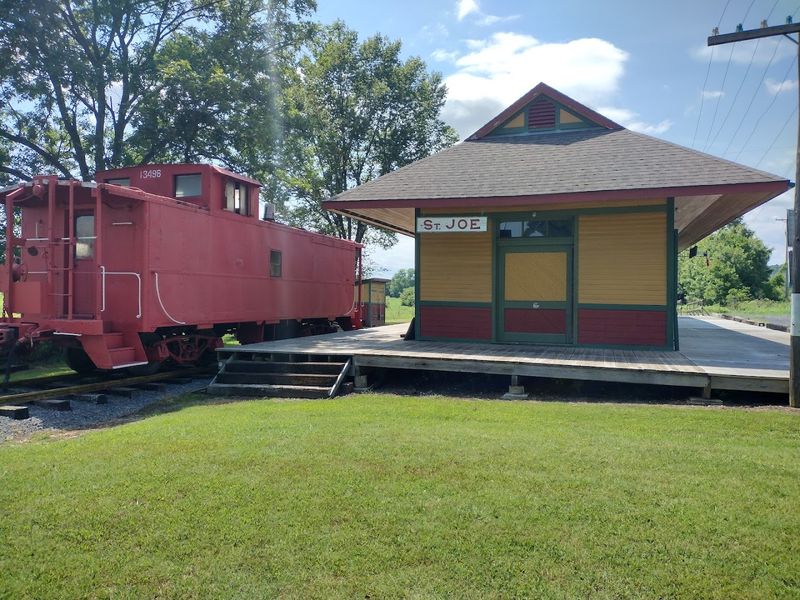
History has a way of hanging around in small towns, and St. Joe holds onto its past with quiet pride.
One of the most interesting stops in town is the restored historic M&NA railroad depot, which now operates as the St. Joe Depot Historical Museum.
The building itself is a well-preserved piece of early twentieth-century architecture, and stepping inside feels like flipping through a chapter of local history that most people have never read.
The museum preserves artifacts and stories from the town’s boom years, when local histories place St. Joe’s population at roughly 2,300 people between 1917 and 1921, driven largely by zinc mining and active railroad operations.
That number dropped sharply after World War I when zinc prices collapsed and railroad activity eventually faded, shrinking the town to what it is today.
Walking the backroads near old St. Joe, you can still spot remnants of that earlier era in the layout of streets and the placement of older structures.
The town actually developed in two distinct zones: an Old Town section that predated the railroad and a New Town built closer to the tracks and Highway 65.
Every old building here tells a story worth slowing down to hear.
A Slow Morning Near The Bluffs
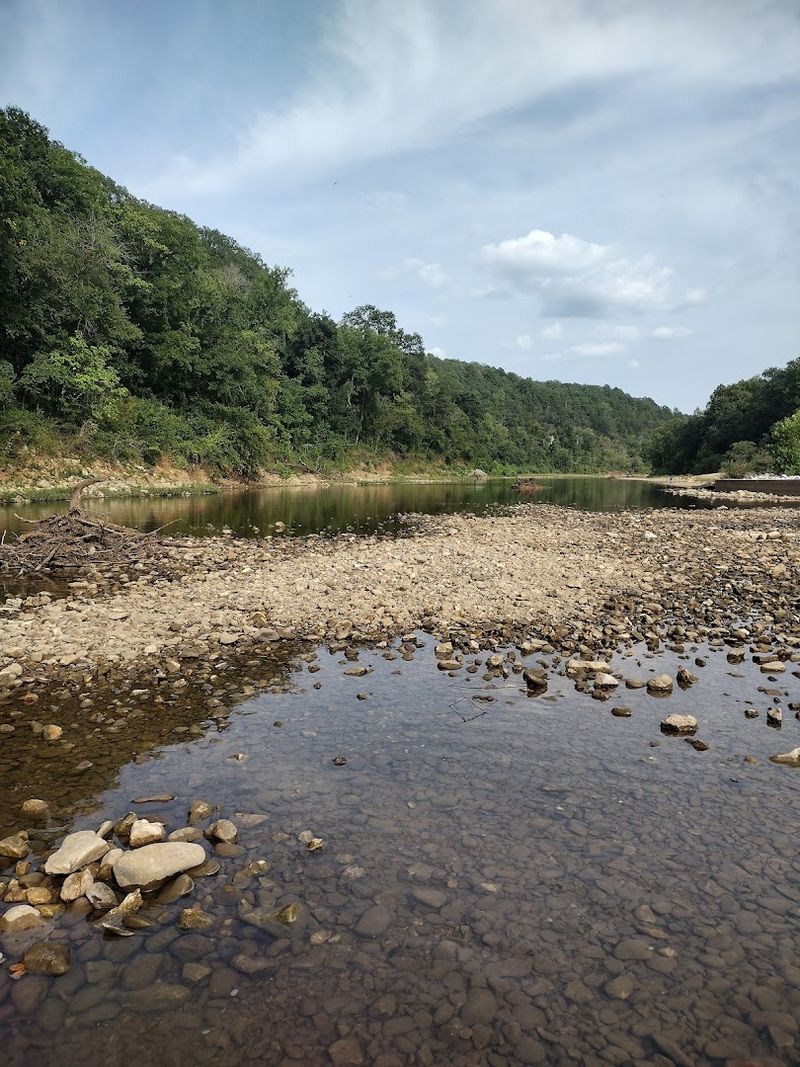
Mornings near the bluffs around St. Joe have a texture to them that is hard to describe but very easy to enjoy.
The mist tends to settle low in the river hollows overnight, and by early morning it starts lifting off the water in slow, rolling layers that drift up toward the limestone faces above.
I woke up early one day specifically to catch this, and I ended up standing at the edge of the bluff line for almost an hour without looking at my phone once.
The Buffalo National River corridor nearby is home to some of the most dramatic bluff scenery in the entire state, with vertical rock faces that tower over the water below.
Sound carries differently out here in the mornings, with birdsong coming through with unusual clarity and the river making a soft, steady background noise that fills in all the other gaps.
There is no general admission fee or guided tour schedule to plan around, though some campground fees may still apply in nearby river recreation areas.
A slow morning near these bluffs is one of those experiences that earns a permanent spot in your memory without any effort at all.
Pack a thermos and plan to stay longer than you think you will.
Where The Buffalo River Feels Close
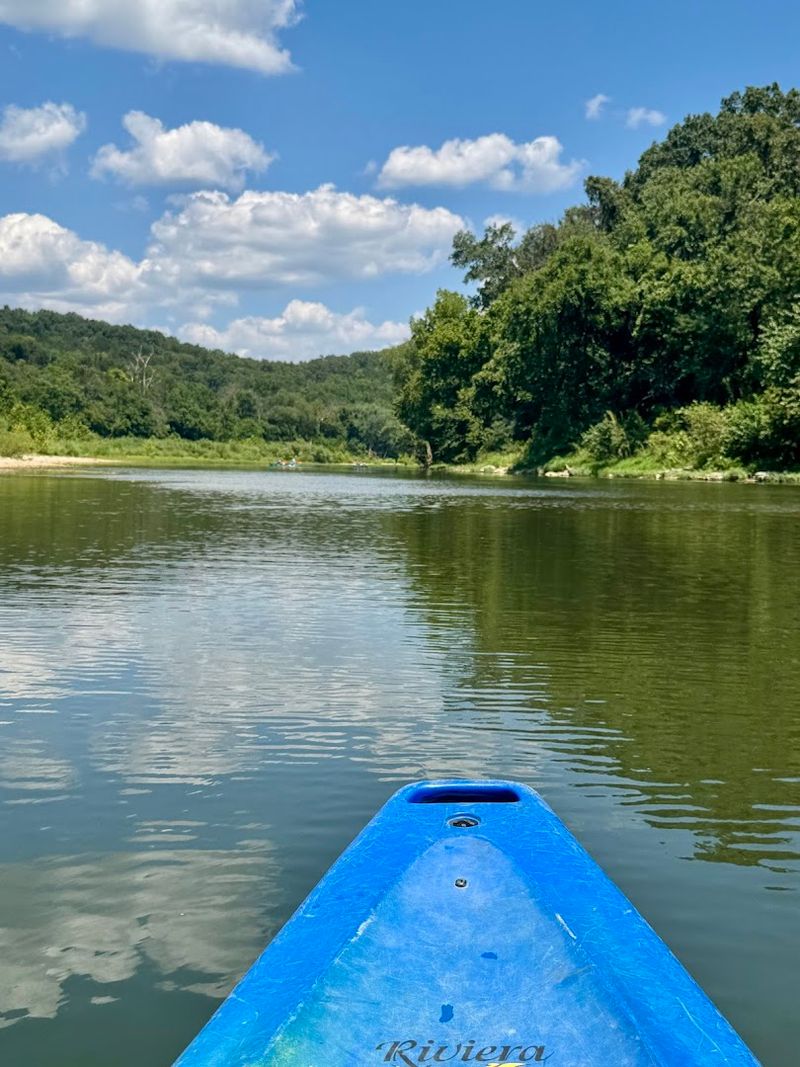
St. Joe earns its reputation as a gateway town honestly, because the Buffalo National River genuinely feels close from the moment you arrive.
Access points like Woolum Ford and Baker Ford are within easy driving distance of town, and both offer the kind of direct local river contact that makes this part of Arkansas so beloved among outdoor travelers.
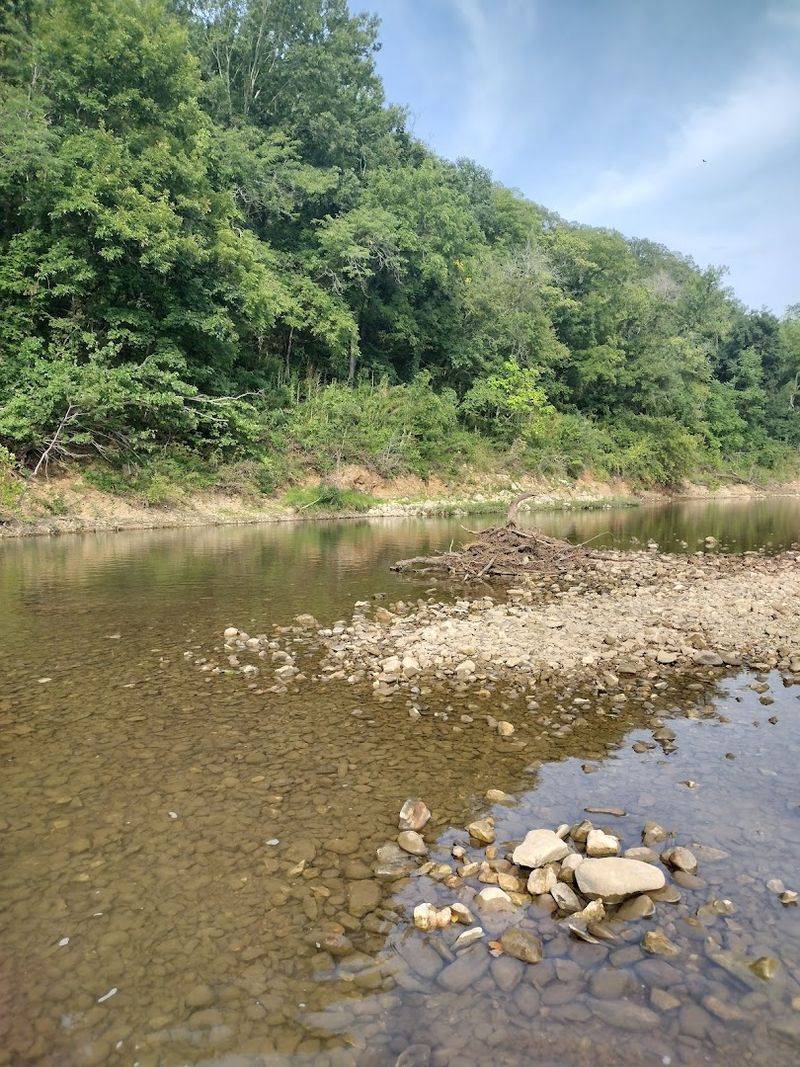
The Buffalo is one of the few remaining free-flowing rivers in the lower 48 states, which means the water often runs clean and clear through these quiet bends in season.
I waded in at a shallow crossing one afternoon and the riverbed was all smooth stones and gravel, with water so transparent you could count every pebble three feet down.
Fishing and kayaking are popular here, and the surrounding riverbanks offer flat, grassy spots that work perfectly for a packed lunch and an afternoon of doing very little.
Wildlife sightings are common along the river corridor, with great blue herons and deer making regular appearances for patient observers.
The river does not feel like a tourist attraction from this side; it feels like a neighbor that happens to be extraordinarily scenic.
The Buffalo has a way of making you feel welcome without saying a word.
Historic Corners In The Ozarks
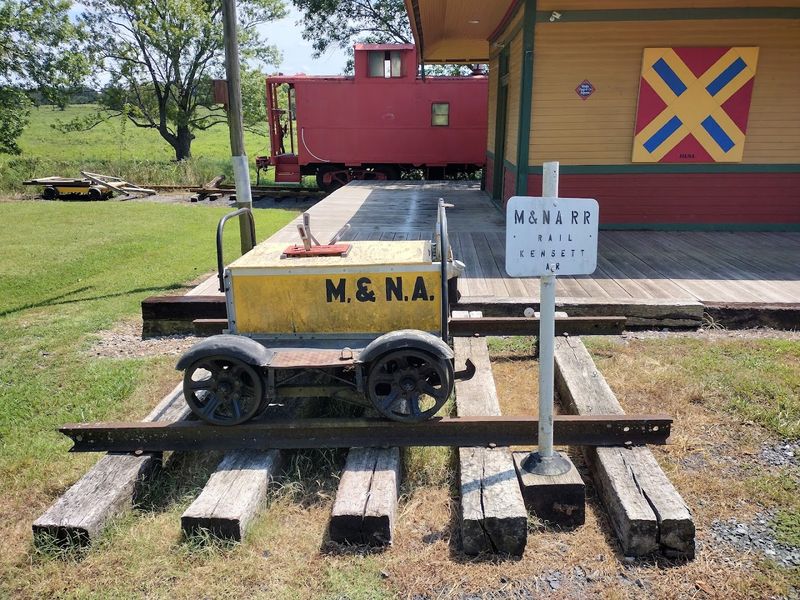
St. Joe carries two distinct identities layered on top of each other, and the contrast between them makes exploring the town surprisingly interesting.
The original settlement, known locally as Old Town, grew up before the railroad arrived and still holds a slightly different character from the newer sections built closer to the tracks and Highway 65.
Walking between these two zones takes only a few minutes, but the shift in atmosphere is noticeable, with older structures and a slightly more overgrown, organic layout in the original part of town.
The zip code 72675 covers a spread-out rural area, with scattered homes and wooded stretches beyond the compact town itself, which helps explain why so much of the surrounding landscape feels wide open and unhurried even today.
Historic corners here do not announce themselves with plaques or tour markers; you find them by paying attention and slowing down enough to actually look.
I found an old stone foundation near a stand of cedar trees that nobody seemed to be paying any attention to, and I spent a good fifteen minutes just thinking about who built it and why.
St. Joe rewards the kind of traveler who treats curiosity as a navigation tool.
A Simple Place With Scenic Surroundings
Some places earn their charm through complexity, and some earn it through simplicity, and St. Joe falls firmly and unapologetically into the second category.
The town has no major commercial strip and no sprawling modern development pushing into the surrounding hills, which means the landscape stays exactly as striking as nature intended from the road.
Recent estimates still place St. Joe’s population comfortably well under 150 people, a number that underscores how deliberately small and self-contained this community remains.
What St. Joe does have is a surrounding environment that delivers genuine scenic rewards at almost every turn, from wooded ridgelines to quiet river hollows that catch the afternoon light beautifully.
I found myself taking more photographs here than anywhere else on my Arkansas trip, not because of any single dramatic landmark, but because the accumulation of small, pretty details kept surprising me.
The town asks very little of you as a visitor, which creates a rare kind of freedom to wander slowly and observe without any fixed agenda pushing you forward.
Simplicity and beauty turn out to be a very effective combination when the setting is this good.
St. Joe really proves that a small footprint can leave a surprisingly large impression.