
Colorado’s Highest-Elevation Botanical Garden Has Seriously Amazing Mountain Views
Most gardens impress you with flowers. This one starts by casually existing above 8,000 feet.
In Colorado, a high-alpine botanical garden turns a simple walk into something far more memorable, with winding paths, mountain views, and plant life that thrives where the air feels thinner and the scenery works overtime. It is beautiful without trying too hard, which is exactly why people remember it.
The real surprise? Admission is free.
That means you can wander through blooms, pause by peaceful corners, and take in the peaks without turning the outing into a major production. It works for families, couples, solo travelers, and anyone who needs a quiet reset between mountain adventures.
Bring comfortable shoes, move slowly, and actually look around. Colorado’s alpine beauty gets especially interesting when you stop racing past it and let the small details have their moment.
The Highest-Elevation Botanical Garden in the United States
Most botanical gardens sit comfortably at sea level, surrounded by flat lawns and predictable weather. This place decided to ignore that entirely.
Perched at approximately 8,200 feet above sea level in Vail, Colorado, it holds the distinction of being the highest-elevation botanical garden in the entire United States, a fact that sounds like a trivia answer but feels very real the moment you step inside.
The altitude shapes everything here, from the plants that can actually survive the conditions to the quality of light that hits the flower beds in the morning. Alpine ecosystems are notoriously stubborn about what they allow to grow, which makes the sheer variety on display all the more impressive.
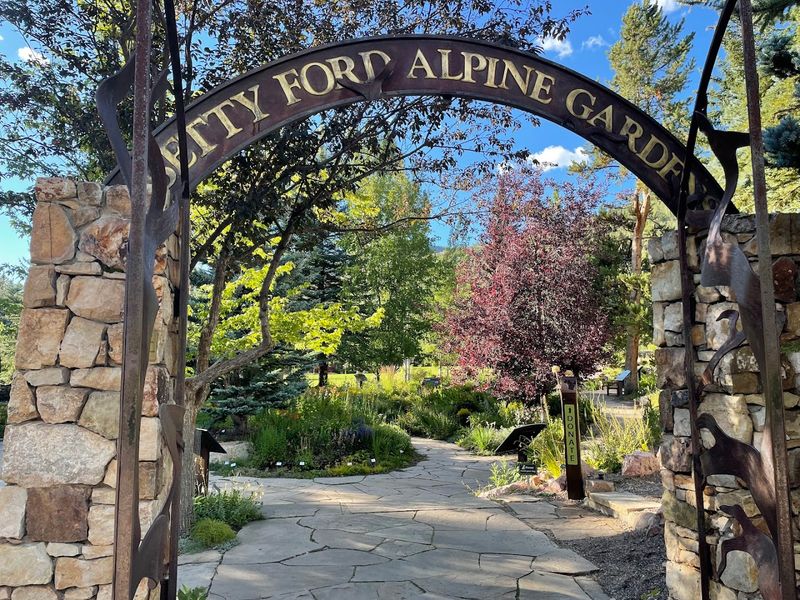
Located at 522 South Frontage Road East, Vail, CO 81657, the gardens are free and open to the public, which makes the whole experience feel like finding a twenty-dollar bill in an old jacket pocket. A suggested donation of around five dollars per person helps keep things running.
Pro Tip: Visit in spring or early summer to catch the peak bloom season when alpine wildflowers put on their most dramatic show of the year.
Free Admission and Surprisingly Accessible for Everyone
Free admission at a world-class botanical garden sounds like the kind of promise that comes with an asterisk. Here, there is no asterisk.
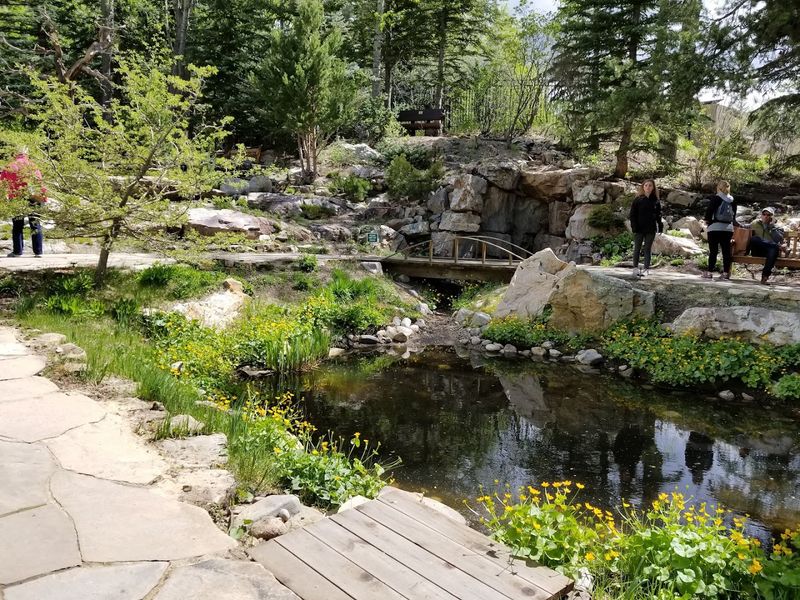
Betty Ford Alpine Gardens is genuinely free to enter, with well-paved, easy-to-walk paths that make the whole experience feel like a stroll rather than a workout.
The paths are smooth and accessible, which means strollers, older visitors, and anyone who prefers a relaxed pace will feel right at home. This is not a place that demands hiking boots or a trail map.
Think Sunday afternoon energy, not summit preparation.
Kids have their own reasons to love it here. A large playground with a tree fort sits at one end of the property, and the wide open grass field nearby gives younger visitors plenty of room to burn off energy between garden sections.
Dogs on leashes are welcome too, and poop bag stations are scattered throughout for convenience. Best For: Families, couples, and solo visitors who want a low-effort, high-reward outdoor experience without spending a dollar at the gate.
The suggested donation of five dollars per person is a small price for what feels like a full afternoon of genuine discovery.
Alpine Plants and Flowers That Defy Expectations at Altitude
Growing anything at 8,200 feet is a negotiation with nature, and the gardens at Betty Ford Alpine Gardens appear to be winning that negotiation by a wide margin.
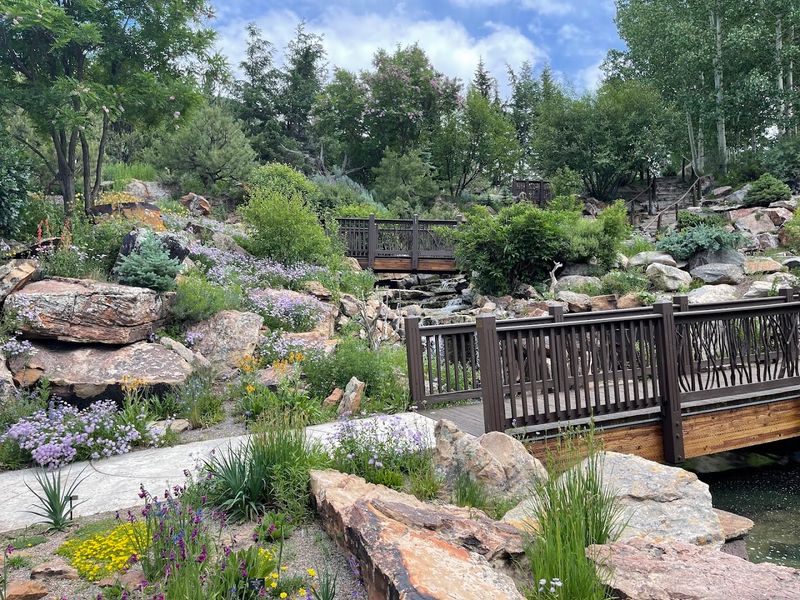
The plant variety here is genuinely stunning, featuring alpine flowers, native mountain species, and exotic plants that have no business thriving at this elevation but do so anyway with impressive confidence.
Every plant along the pathways comes with a label and an informational placard, turning a casual stroll into something closer to a living classroom.
Visitors who have no particular interest in botany often leave with a surprising amount of knowledge about alpine ecosystems, mountain conservation, and the surprisingly dramatic life cycles of high-altitude plants.
Even in the off-season, the gardens hold their visual appeal. Autumn visitors find aspens and pines providing a quieter but still beautiful backdrop.
The water features, including small ponds and waterfalls scattered throughout the property, add a layer of calm that makes the whole place feel almost meditative.
Why It Matters: Understanding alpine plant life connects visitors to broader conversations about climate, conservation, and the fragile ecosystems that define Colorado’s mountain landscapes.
This garden makes that education feel effortless and genuinely enjoyable.
Mountain Views That Make Every Photo Worth Keeping
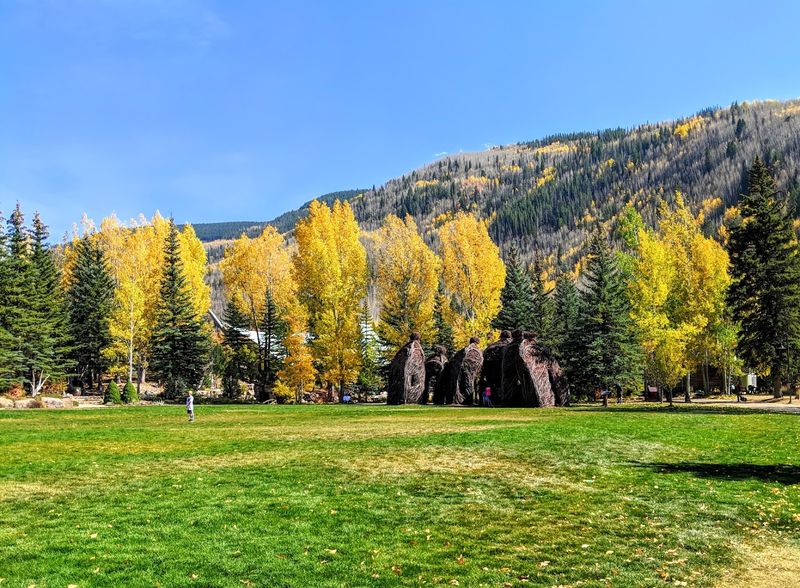
There are botanical gardens with nice scenery, and then there is Betty Ford Alpine Gardens, where the backdrop is the Rocky Mountains doing their absolute best.
The views from inside the garden are the kind that make people stop mid-sentence and just look for a moment, which in the current era of constant distraction is practically a miracle.
Mountain peaks rise in every direction, and the garden layout seems deliberately designed to frame those views at key points along the pathways. Benches are positioned throughout, offering spots to sit and take it all in without feeling like you need to keep moving.
Photographers with macro lenses report exceptional results here, and even a basic smartphone camera produces images that look professionally composed.
The combination of curated plant life in the foreground and raw mountain wilderness in the background creates a visual contrast that is hard to replicate anywhere else in Colorado. Insider Tip: Early morning visits offer the best light for photography and the quietest experience on the paths.
The garden faces the mountains in a way that catches the golden hour particularly well, so arriving shortly after opening gives you the best of both worlds without competing for bench space.
The Visitor Center, Gift Shop, and a Historic Schoolhouse Worth Exploring
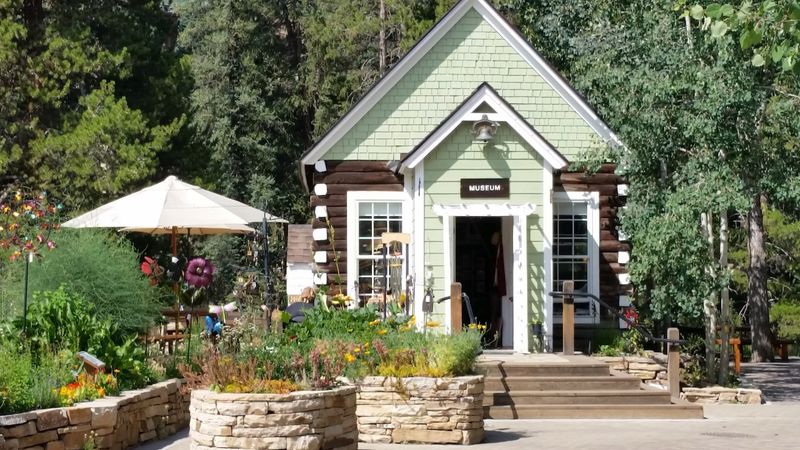
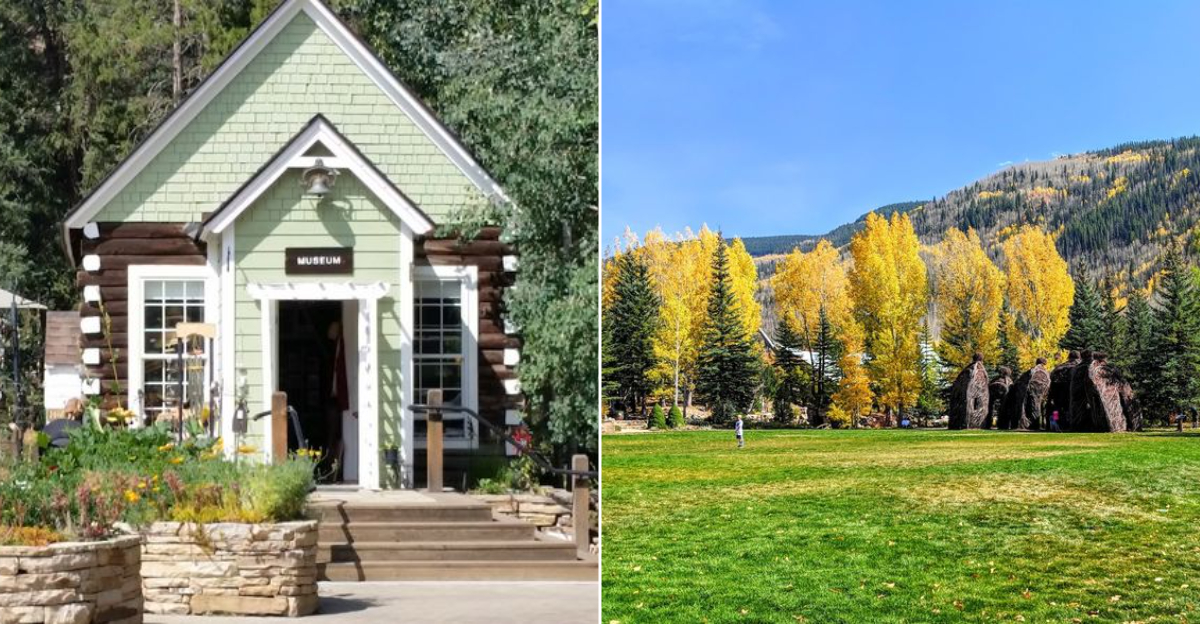
Not every botanical garden comes with a visitor center housed in a historic schoolhouse, but Betty Ford Alpine Gardens is not every botanical garden.
The small building at one end of the property serves as both an educational hub and a gift shop, offering exhibits about alpine ecosystems and conservation efforts alongside the kind of thoughtfully curated souvenirs that actually make sense to buy.
The visitor center provides context that deepens the garden experience considerably. Learning about how these plants survive Colorado winters, how the garden is maintained at altitude, and what conservation efforts look like in mountain ecosystems turns a pleasant walk into something more meaningful.
Staff and volunteers are consistently described by visitors as knowledgeable and genuinely enthusiastic about the place.
At the opposite end of the garden, an amphitheater and an ice cream cart round out the experience in a way that feels both practical and a little charming. The schoolhouse setting gives the whole area a small-town character that feels authentic rather than manufactured.
Quick Tip: Stop at the visitor center first to pick up a garden map and get oriented before heading out on the paths. It saves backtracking and helps you spot the sections most worth lingering in based on the current season.
Water Features, Ponds, and the Calming Sound of Running Water Throughout
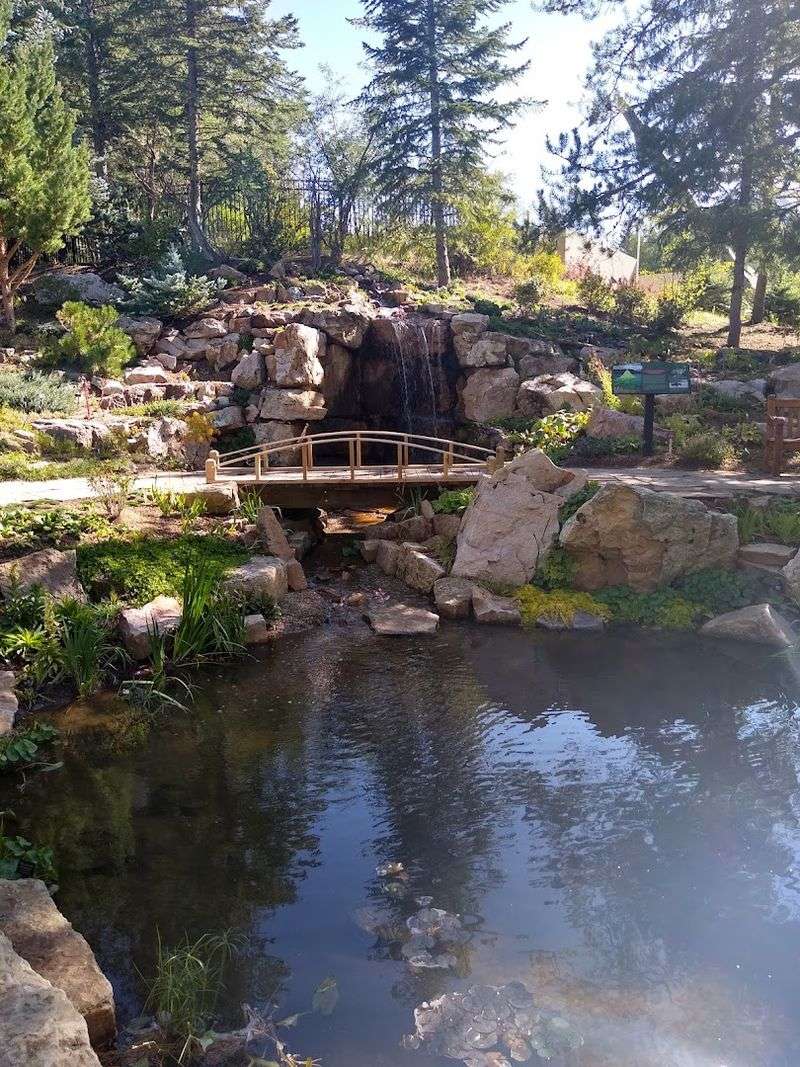
Water has a way of slowing people down, and the designers of Betty Ford Alpine Gardens clearly understood that.
Ponds and waterfalls are distributed throughout the property, and the sound of running water follows you from section to section in a way that feels less like a design choice and more like a natural feature of the landscape.
Visitors frequently mention sitting on a garden bench during a light rain shower and simply waiting it out, which says something about how genuinely pleasant the environment is. The water features reflect the mountain surroundings and add movement to a space that might otherwise feel static.
Even on busy days, the sound of water creates pockets of calm that make the garden feel larger and more immersive than its footprint suggests.
The Eagle River runs right alongside the property, adding to the overall sensory experience without requiring any extra effort from visitors. A ten-minute walk from the Vail parking area follows a creek path that eases you into the garden’s atmosphere before you even arrive.
Best Strategy: Seek out the benches positioned nearest the water features during peak visitor hours. These spots tend to stay quieter and offer some of the most reflective moments the garden has to offer regardless of the season.
Making It a Full Afternoon: Picnic Tables, Playgrounds, and a Post-Garden Plan
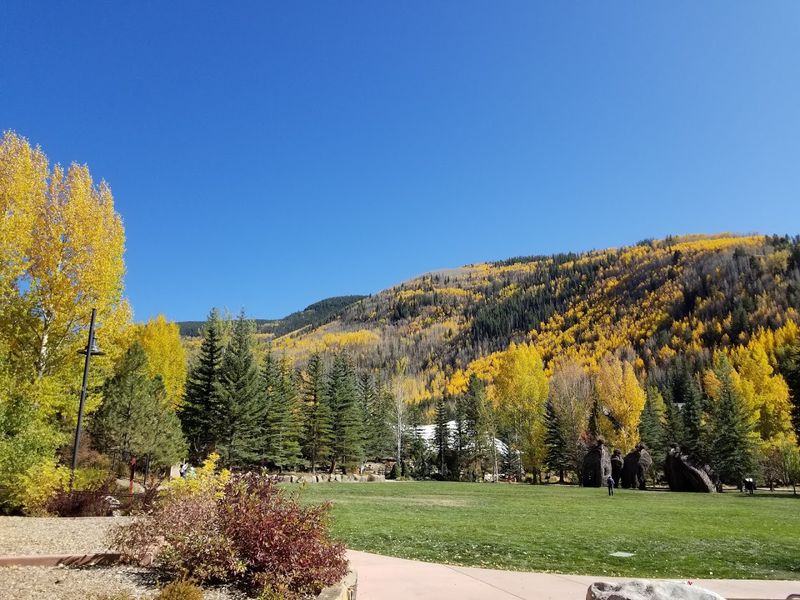
A garden visit that doubles as a full afternoon outing without requiring any extra logistics is genuinely rare. Betty Ford Alpine Gardens pulls it off without breaking a sweat.
A park with picnic tables sits right next to the gardens, making a packed lunch feel like the obvious and correct choice rather than an afterthought.
The large playground at one end of the property features a tree fort that has reportedly been the source of considerable excitement for younger visitors.
A grass field, basketball options, and four square areas round out the recreational offerings in a way that gives families real flexibility about how long they stay and what they do while they are there.
After the garden, Vail’s village is close enough to make a short Main Street stroll a natural extension of the afternoon.
The first hour of parking in the Vail lot is free, with a modest hourly rate after that, and the ten-minute walk to the garden along the creek is pleasant enough to feel like part of the experience rather than a chore.
Planning Advice: Pack a lunch, plan for at least two hours on site, and leave room for the walk back along the creek. The whole outing requires almost no planning but delivers the kind of afternoon that people talk about for the rest of the trip.