
This Hidden Michigan Farm Sanctuary Lets You Meet Rescued Animals And Even Stay Overnight
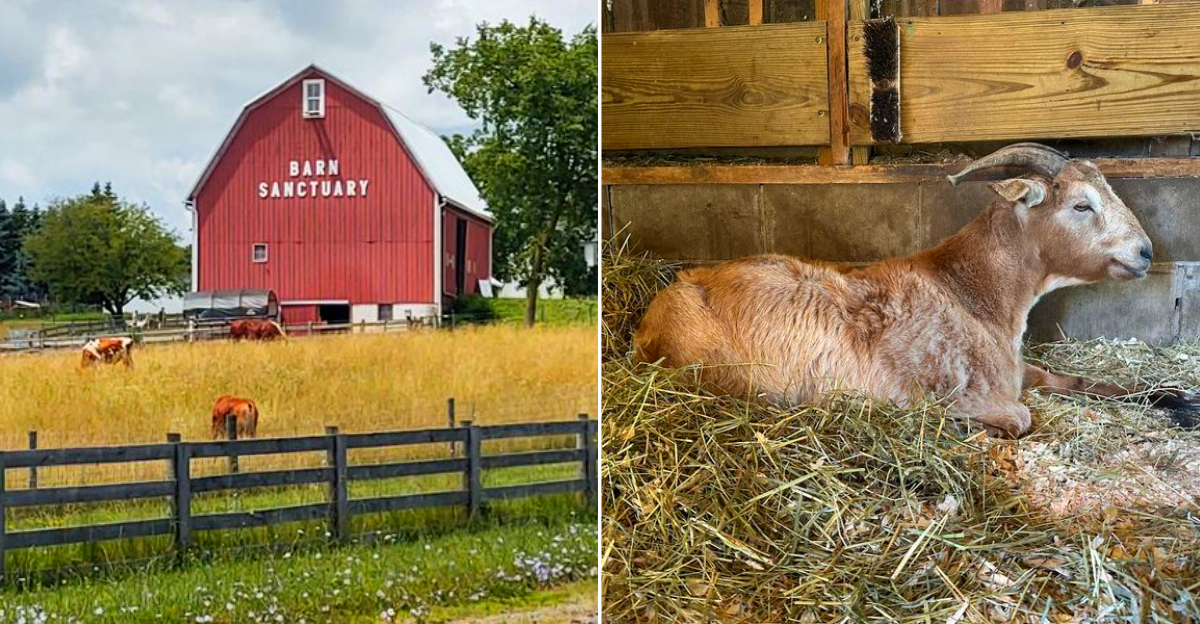
Stepping onto a farm where every animal has a name and a rescue story changes the way you look at the creatures most people only know as menu items.
The Barn Sanctuary in Chelsea opened after its founder left a tech career to turn his family’s land into a safe haven for abused, abandoned, or neglected farm animals.
You might notice cows who flinch at sudden movements, pigs who learned to trust humans only after months of patience, donkeys who arrived underweight and scared.
Today the property houses roughly 140 residents across species, guided tours let visitors meet them face to face, hear their individual stories, understand why sanctuary work matters.
Overnight stays are available for guests who want the full experience: waking up to roosters, falling asleep to the sounds of a working farm that works entirely for the animals’ benefit.
Michigan has only one certified farm sanctuary of this kind, and spending a night on its grounds makes it clear how rare that distinction really is.
Book Ahead And Treat The Visit Like A Real Outing
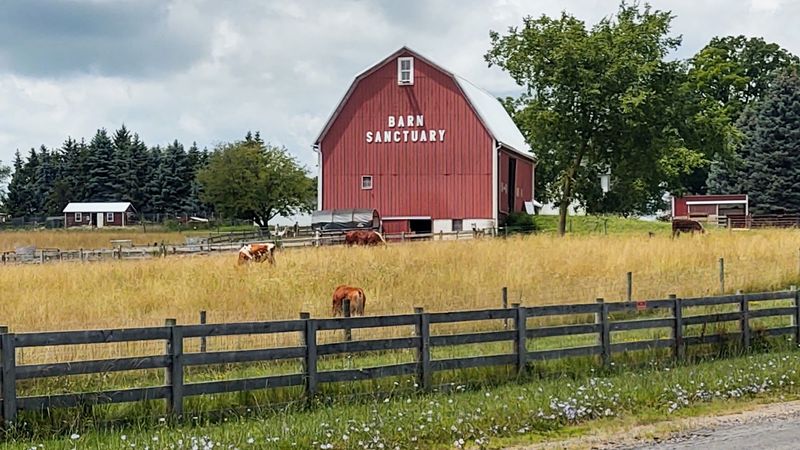
The first practical thing to know is that Barn Sanctuary is not a drop-in attraction. Tours and visits require advance planning and ticket purchase, which immediately changes the tone from casual roadside stop to intentional experience. That structure suits the place.
Public tours generally run from May through October on select Saturdays, usually at 11:00 AM and 2:00 PM, and they last about two hours. Private tours can be arranged year-round, with group tours and field trips also available.
If you want the day to feel unhurried, build around the reservation rather than squeezing it in. The sanctuary is closed outside designated tour times and special events, so showing up spontaneously is not the move here.
Farm Road, Gentle Mission
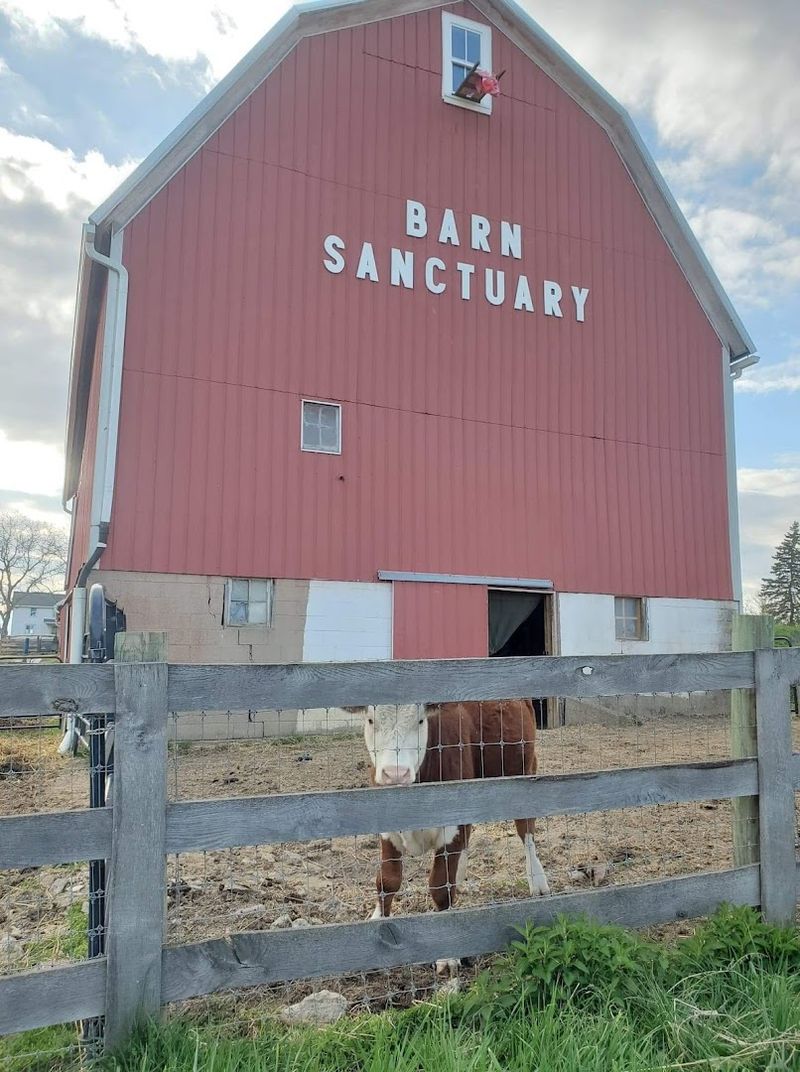
Barn Sanctuary feels like the kind of Chelsea stop where the road gets quieter on purpose, trading town traffic for barns, fields, and rescued animals with real personalities.
You’ll find it at 20179 McKernan Dr, Chelsea, MI 48118, and visits must be booked online in advance since the sanctuary is only open during tours and listed events.
Arrive calmly, park, and give yourself time to shift gears. This is not a rush-through attraction, it is a place where the best arrival is soft, patient, and ready to meet the residents respectfully.
Expect Stories, Not Just Sightings
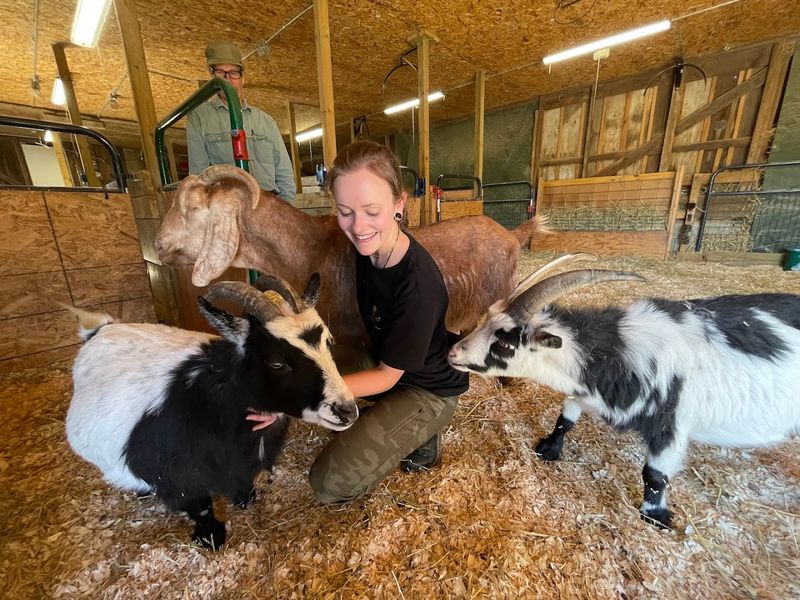
What makes this place memorable is not simply the number of animals, though there are more than 140 residents. It is the guided format, where staff or volunteers share rescue stories, species facts, and context about the agricultural industry as you move through the grounds.
The experience is educational without turning lecture-heavy.
You are not just checking animals off a list. A goat, turkey, or donkey becomes an individual with a history, preferences, and a visible routine, which changes how you look at the whole farm.
I appreciated that the tone stayed calm and matter-of-fact. The sanctuary does not need theatrics because the combination of care, recovery, and daily stewardship already says quite a lot on its own.
Wear Shoes For Dirt Paths And Grass
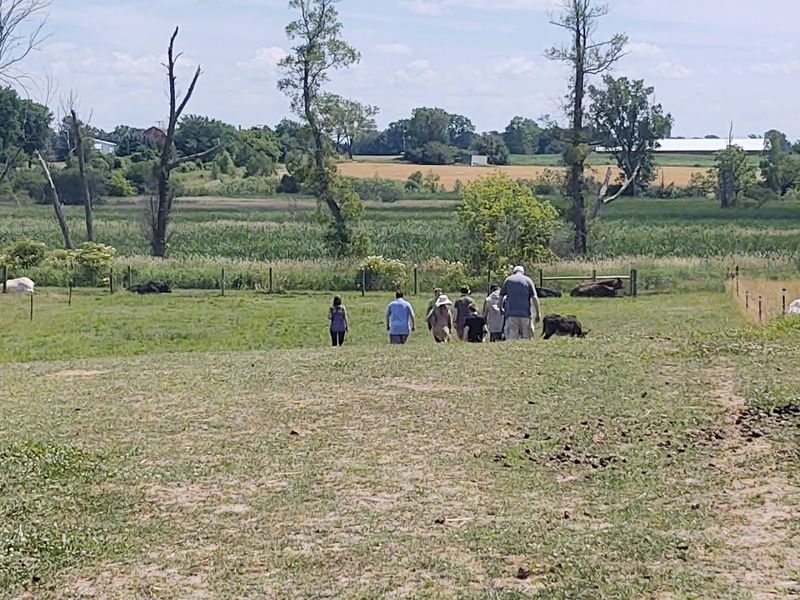
Your footwear matters more here than your camera settings. Barn Sanctuary is an outdoor visit across dirt paths and grassy areas, so this is not a place for flimsy sandals, fashion boots, or any shoe you would hate to dust off later.
The farm landscape is part of the experience.
That little bit of rural texture helps keep the sanctuary feeling like a working refuge rather than a polished exhibit. You notice the weather, the ground underfoot, and the practical rhythms that support animals living safely and comfortably.
Bring a reusable water bottle, too, especially in warmer months. A prepared visitor is a more attentive visitor, and that matters when tours run around two hours and the best moments tend to happen when you are relaxed enough to linger.
Respect The Boundaries Around Pigs And Cows
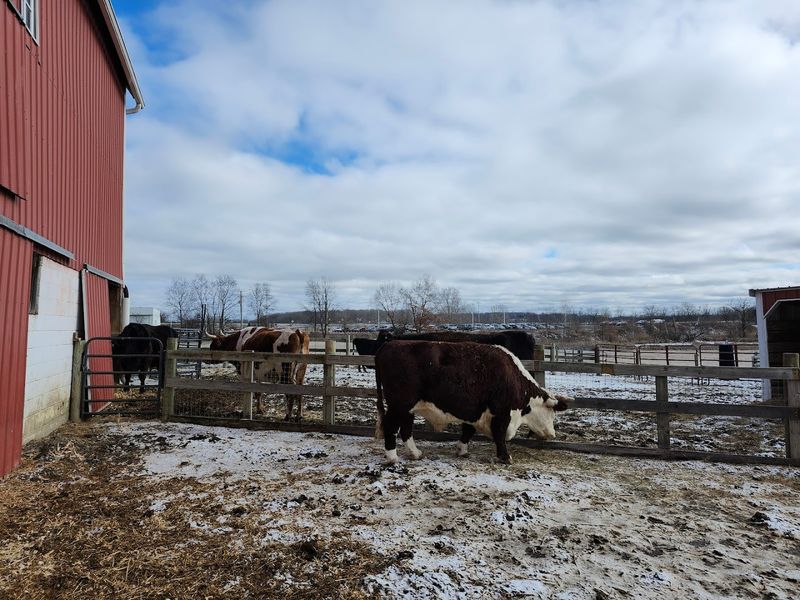
One of the most telling details at Barn Sanctuary is what you cannot do. Visitors generally do not enter the living spaces of cow or pig residents, though you may greet them over the fence, and that boundary communicates a lot about how the sanctuary balances access with animal welfare.
It is a thoughtful limit, not a disappointment. The place is designed around the residents’ needs first. That means your visit adapts to their comfort, their safety, and the practical realities of caring for animals with different histories and temperaments.
In a culture that often equates closeness with touching, Barn Sanctuary offers a quieter lesson. Watching an animal choose whether to approach from the other side of a fence can be a surprisingly respectful kind of encounter.
Notice How Many Species Live Here Together
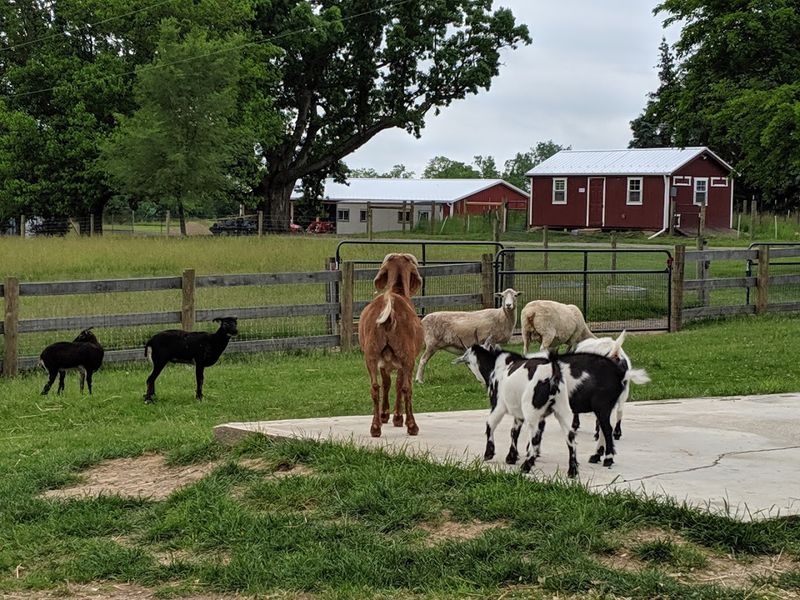
A useful way to understand Barn Sanctuary is by its variety. The residents include goats, sheep, pigs, cows, donkeys, ducks, chickens, and turkeys, and seeing that range in one place gives the sanctuary a layered, almost village-like feeling. Each area has its own mood, sound, and pace.
Feathered residents create one kind of motion, while larger animals slow the eye down entirely. The sanctuary’s care model focuses on individualized attention, so the sheer number of animals never reads as crowding for spectacle.
Instead, the place feels carefully organized around lives in progress. I found that mix especially affecting because it keeps reminding you that rescue is not abstract policy here.
It is daily feed, shelter, medical attention, and routine, repeated across many species.
Take The Educational Side Seriously
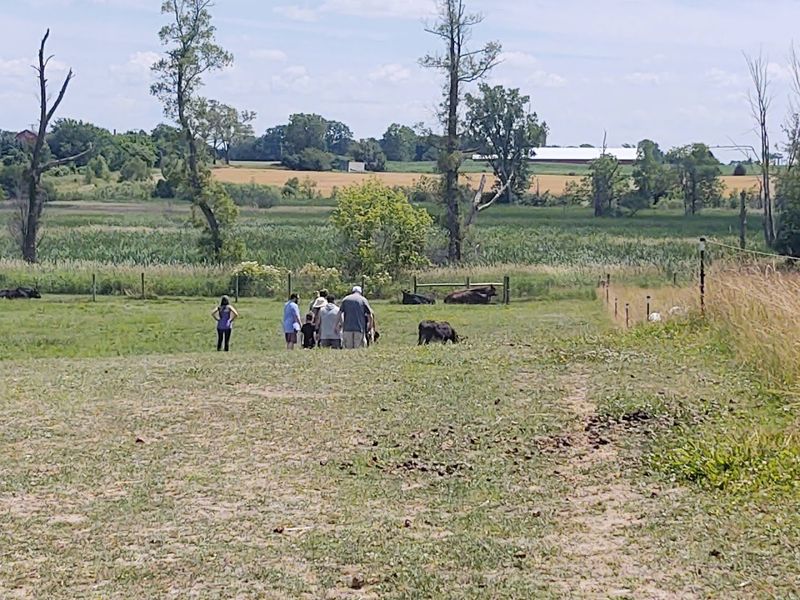
There is a gentle but unmistakable educational current running through a visit here. Guides share facts about species behavior, rescue backgrounds, and the broader realities tied to farmed animals, so the tour works as both a pleasant outing and a quietly challenging lesson.
The sanctuary never feels preachy, but it definitely has a point of view. That balance is one of its strengths. You can enjoy the beauty of the grounds and the personalities of the residents while also leaving with sharper questions about care, consumption, and responsibility.
If you are visiting with children, that framing matters. The sanctuary is generally considered best for kids around age six and up who can handle the walking, the listening, and the emotional nuance behind what they are seeing.
Use Accessibility Options If You Need Them
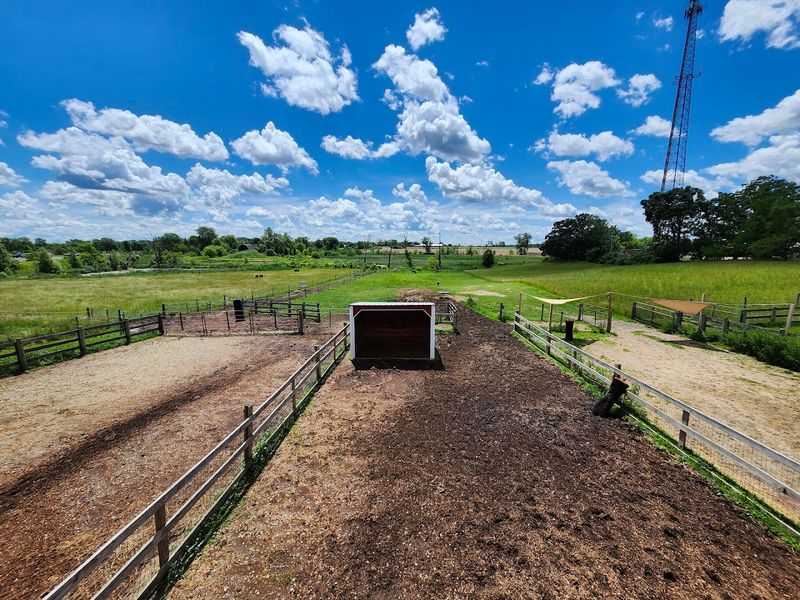
Because sanctuary visits involve outdoor walking, accessibility planning is worth doing before arrival. Barn Sanctuary offers golf cart tours for groups of up to five people for visitors with mobility challenges, which is a practical, meaningful option rather than an afterthought.
It is the kind of detail that signals care for human guests as well as animal residents.
The grounds remain rural, open, and uneven in places, so asking questions ahead of time is smart. Advance communication tends to make specialized visits smoother, especially at a nonprofit where scheduling matters.
I would not hesitate to call or email if your group has specific needs. A well-planned visit lets you focus on the experience itself instead of spending the day negotiating logistics that could have been sorted out beforehand.
Follow The Food Rules Carefully
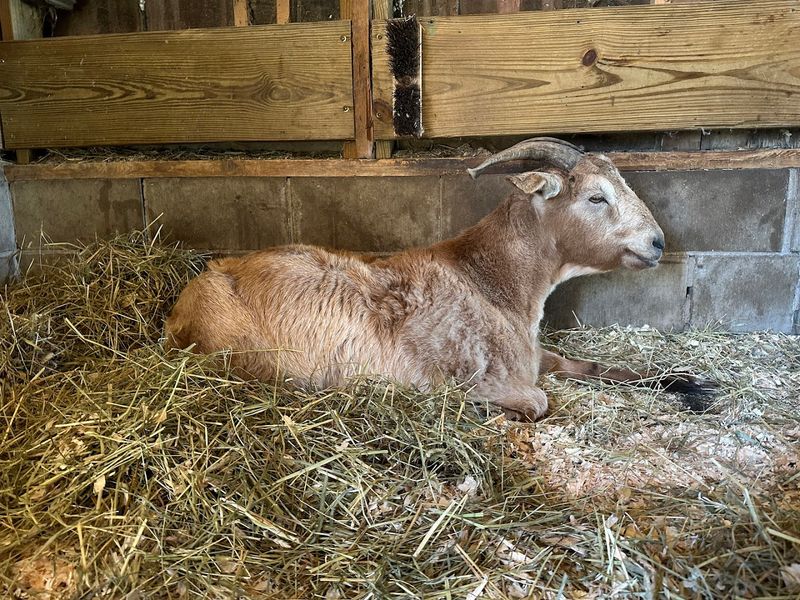
A detail that can catch people off guard is the sanctuary’s food policy. No meat, eggs, dairy, or animal by-products are permitted on the grounds, and pets are not allowed except for registered service animals, with advance notification encouraged.
Those rules are simple, clear, and entirely consistent with the mission.
Rather than reading as restrictive, they make the visit feel coherent. The sanctuary asks guests to step into a space organized around protection and respect, and everyday choices such as what you pack for a snack become part of that ethic.
This is not difficult planning, just different planning. Bring water, keep your bag simple, and treat the guidelines as part of the visit’s tone rather than a list of tiny obstacles.
Go In The Warmer Season Unless You Arrange Private Access
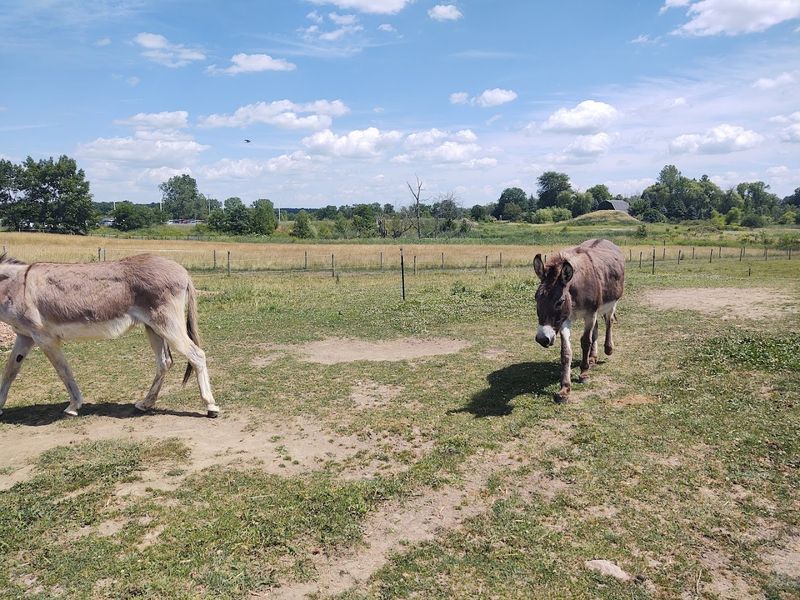
Season matters more here than at most indoor attractions. Public tours are offered from May through October, which makes sense once you are on the property and realize how much of the visit depends on walking, weather, and the natural tempo of an outdoor sanctuary.
In the warmer months, the place opens up beautifully.
That said, Barn Sanctuary is not strictly a fair-weather idea. Private tours can be arranged year-round, so if you prefer quieter scheduling or are planning around a specific date, it is worth checking availability directly.
The seasonal structure also keeps expectations realistic. You are visiting a nonprofit animal refuge in rural Michigan, not a climate-controlled exhibit, and the experience is better for embracing those terms instead of resisting them.
Leave Time To Absorb What The Place Is Actually Doing
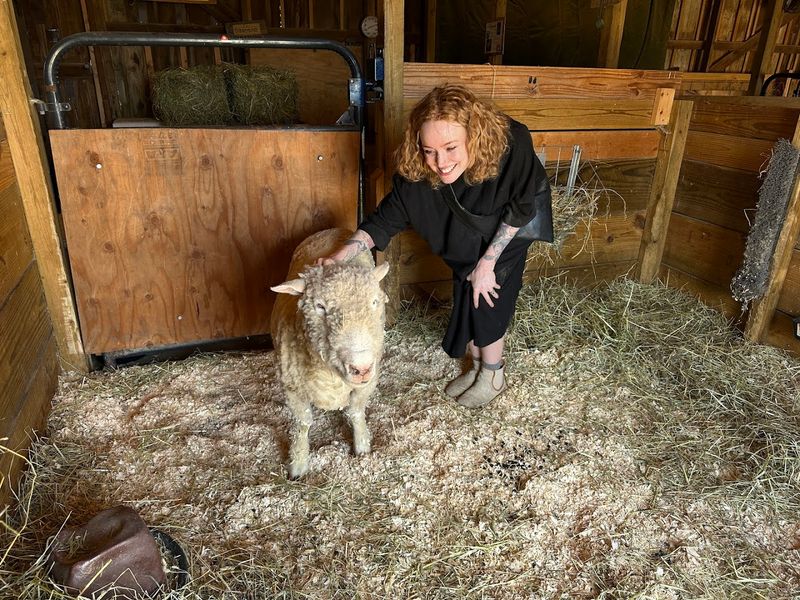
It is easy to arrive thinking the sanctuary’s appeal will be mostly visual. Yes, the residents are engaging, the farm setting is lovely, and the whole place has an unusually calm energy, but the deeper impression comes from understanding the work behind that calm.
Barn Sanctuary was founded in 2016 as a nonprofit refuge for abused and neglected farmed animals, and that mission shapes every visible detail.
Clean enclosures, patient pacing, and individualized care are not decorative niceties. They are evidence of ongoing labor, funding needs, and a philosophy that asks visitors to see farmed animals as individuals rather than categories.
If you can, leave a little mental space after the tour. This is the rare outing that stays interesting once the countryside is behind you.