
These 9 Islands Showcase Some Of South Carolina’s Most Stunning Scenery
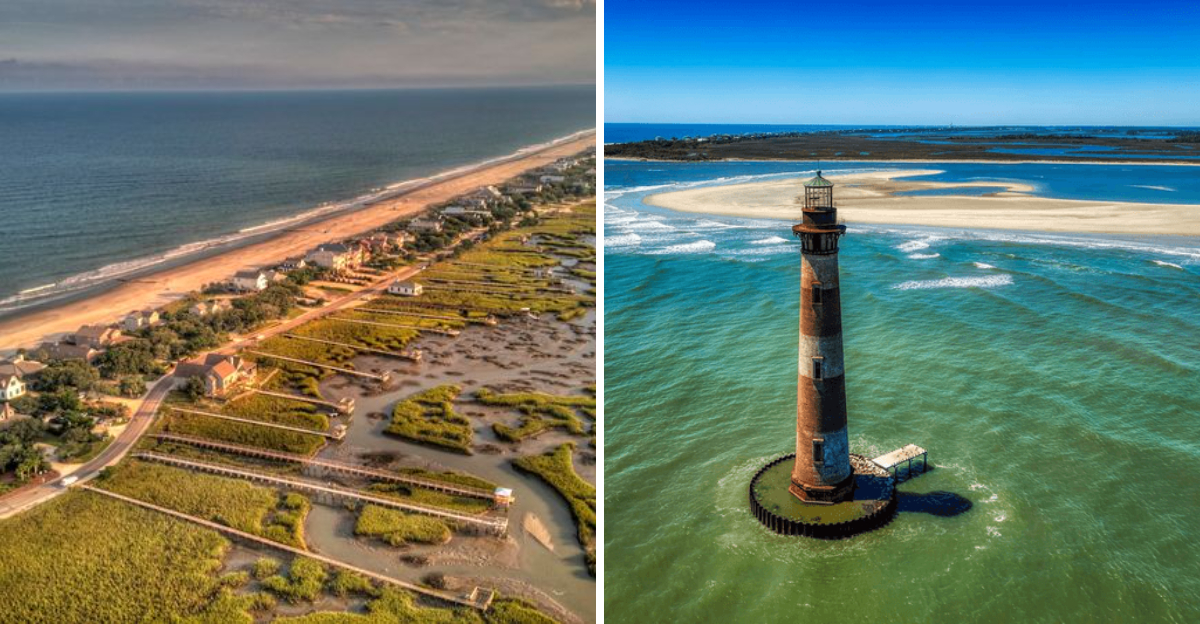
South Carolina’s coastline tells a different story on every island.
That is what makes it so fascinating.
Cross one bridge and you find luxury resorts, golf courses, and perfectly maintained beaches. Cross another and suddenly the crowds disappear, replaced by quiet marshes, empty shorelines, and landscapes that feel almost untouched by time.
The contrast is remarkable.
Yet that variety is exactly what makes the South Carolina coast so rewarding to explore.
No two islands feel quite the same.
Some buzz with activity.
Others seem determined to help visitors forget what day it is.
Together, they create one of the most diverse and beautiful stretches of coastline on the East Coast.
The beaches are stunning.
The wildlife is abundant.
And the Lowcountry scenery has a way of slowing people down from the moment they arrive.
Whether you’re searching for adventure, relaxation, history, or simply a spectacular view, these islands prove that some of South Carolina’s greatest treasures are surrounded by water.
1. Hilton Head Island
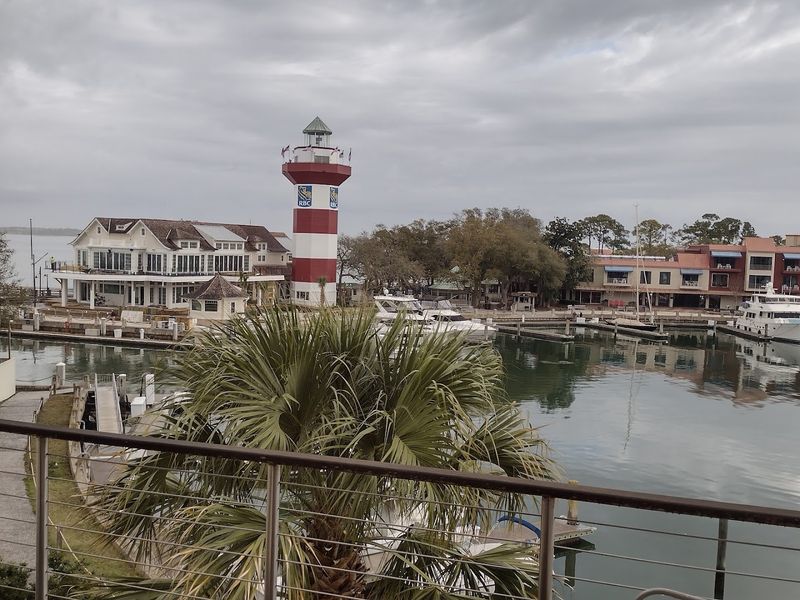
Few places in the American South carry the kind of reputation that Hilton Head Island has earned over the decades, and the moment you cross the bridge onto the island, you understand why.
Located at the southern tip of South Carolina, Hilton Head is the largest barrier island on the East Coast between New Jersey and Florida, stretching about 12 miles long.
I spent mornings on the wide, hard-packed beaches watching dolphins ride the surf just offshore, which felt almost too good to be real.
The island is divided into planned communities called plantations, each with its own personality, but the natural landscape ties everything together beautifully.
Biking is a serious pastime here, with over 60 miles of paved paths weaving through Spanish moss-draped trees and alongside tidal creeks.
Harbour Town, with its iconic red-and-white striped lighthouse, is worth climbing for the panoramic views alone.
Hilton Head rewards slow travelers who actually stop to look around.
2. Hunting Island, Beaufort County
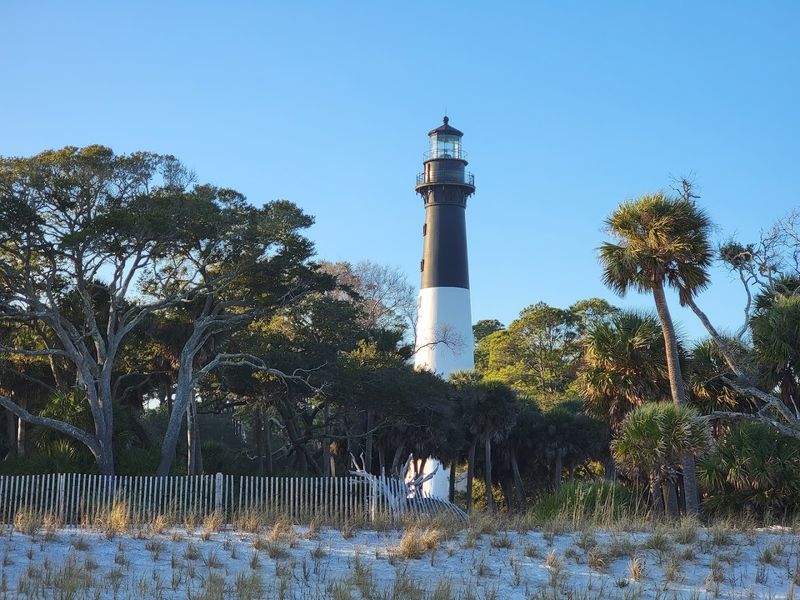
Walking through Hunting Island State Park feels like stepping into a place where nature decided to do absolutely everything at once.
Located in Beaufort County, South Carolina, this barrier island is home to one of the state’s most photographed landmarks, the Hunting Island Lighthouse, which was built in 1875 and is the only publicly accessible lighthouse in the state.
The beach here is dramatic in a way that surprises first-time visitors, with fallen palms and bleached driftwood scattered along the shoreline from ongoing erosion.
I found myself wandering the maritime forest trails in near silence, interrupted only by the sound of birds overhead and the distant crash of waves.
The lagoon on the island’s western side offers calm paddling conditions and a completely different view of the ecosystem.
Camping is available right in the park, putting you within walking distance of both the beach and the forest.
Hunting Island is the kind of place that feels earned once you settle in.
3. Kiawah Island
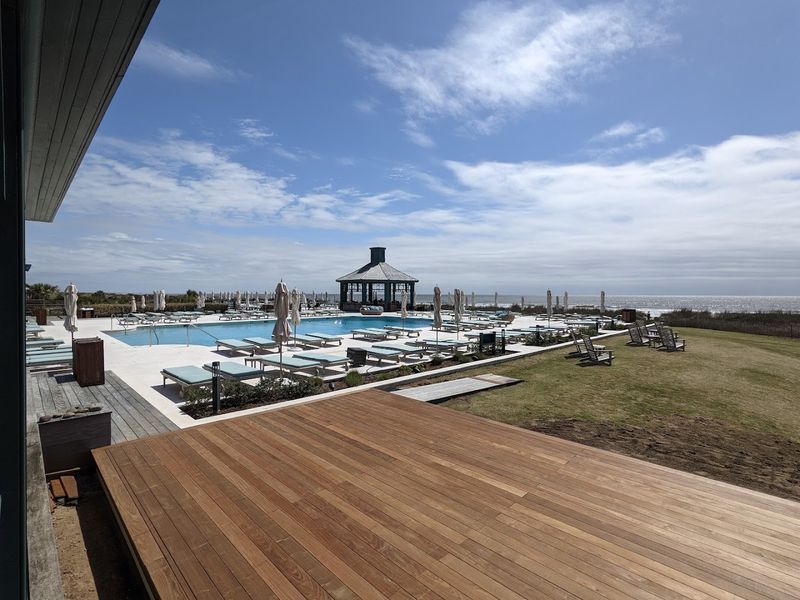
There is something almost theatrical about Kiawah Island’s beach, a 10-mile stretch of Atlantic coastline so wide and clean that it regularly lands on national best beach lists.
Situated about 25 miles southwest of Charleston, South Carolina, Kiawah is a private residential and resort island that opens its beach to the public at Beachwalker County Park on its western tip.
I remember arriving at that park on a weekday morning and feeling like I had the entire ocean to myself for a solid hour.
The island is also a certified dark sky preserve, which means nighttime stargazing here is genuinely spectacular on clear evenings.
Wildlife is everywhere on Kiawah, from loggerhead sea turtles that nest along the shore in summer to bobcats that occasionally wander the golf course edges at dusk.
The Sanctuary Hotel anchors the resort side of things with a level of elegance that matches the island’s natural drama.
Kiawah is easy to love and hard to leave.
4. Seabrook Island

Seabrook Island sits quietly next to its more famous neighbor Kiawah, and that quieter energy is honestly one of its greatest selling points.
Located about 23 miles south of Charleston, South Carolina, Seabrook is a private gated community where the beaches remain refreshingly uncrowded and the natural setting feels barely touched.
The island has two distinct beach sections, North Beach and Pelican Beach, each with its own character and views of the surrounding tidal inlets.
I found the horseback riding on the beach here to be one of the more memorable things I have done on any South Carolina island, full stop.
Seabrook is also home to Bohicket Marina, which serves as a hub for fishing charters, kayak rentals, and dolphin watching tours that venture into the surrounding waterways.
The island’s equestrian center is one of the few places in the state where you can ride horses directly on a tidal beach.
Seabrook Island rewards visitors who prefer their scenery with a side of solitude.
5. Pawleys Island
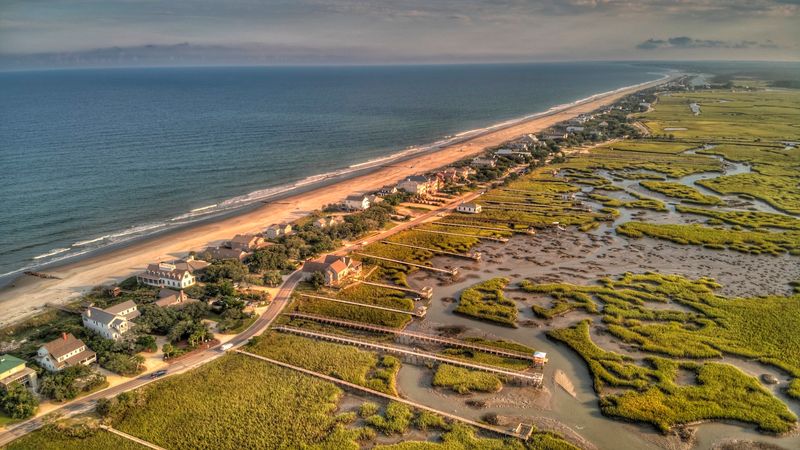
Pawleys Island has been called arrogantly shabby by its own residents, and that self-aware slogan tells you everything you need to know about its personality.
Situated about 25 miles south of Myrtle Beach in Georgetown County, South Carolina, this narrow barrier island is one of the oldest resort communities on the East Coast, drawing vacationers since the 1700s.
The architecture here leans heavily into weathered wood, screened porches, and hammocks, which is exactly how it should be.
I spent an afternoon at Pawleys Island Hammock Shops, a quirky outdoor shopping village where the original handwoven rope hammock was invented and is still made by hand today.
The beach faces the Atlantic with wide, relatively uncrowded sands that feel like a throwback to a simpler era of coastal travel.
Creek Road on the inland side of the island offers peaceful views of the salt marsh and is perfect for an early morning walk.
Pawleys Island is unapologetically itself, and that confidence is contagious.
6. Edisto Island, South Carolina
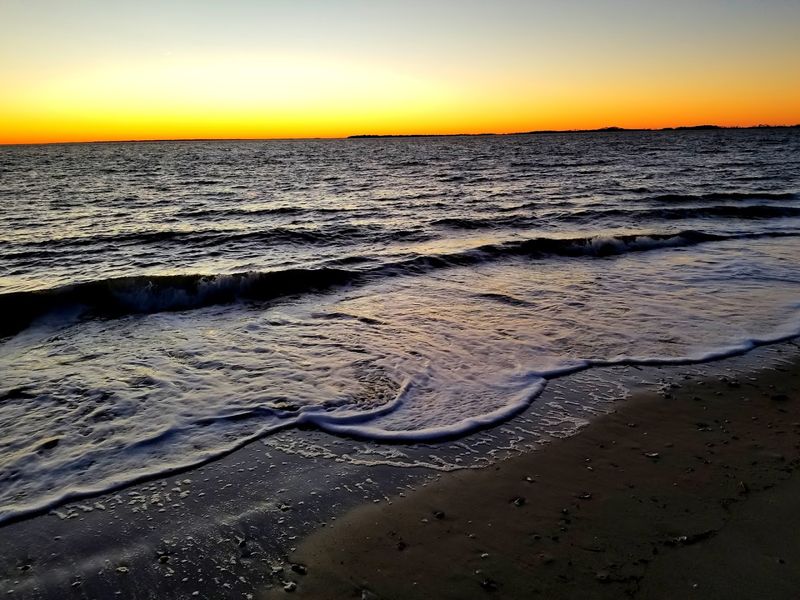
Edisto Island operates on its own clock, and once you arrive, you will want to reset yours to match it immediately.
Located in Colleton County, South Carolina, about 45 miles southwest of Charleston, Edisto is one of the few remaining sea islands that has managed to hold onto its unhurried, deeply rooted character despite being just a short drive from a major city.
The beach at Edisto Beach State Park stretches for about 1.5 miles and is flanked by ancient live oaks that lean dramatically toward the water.
I found fossilized shark teeth along the shoreline here, which is a common and exciting discovery for beachcombers willing to look closely at the sand and shell mix.
The island’s Gullah Geechee heritage runs deep, and local history tours offer a meaningful look at the culture that has shaped this land for generations.
Fishing, crabbing, and kayaking through the creeks are the main recreational draws for visitors who prefer active exploration.
Edisto Island gets under your skin in the best possible way.
7. Daufuskie Island
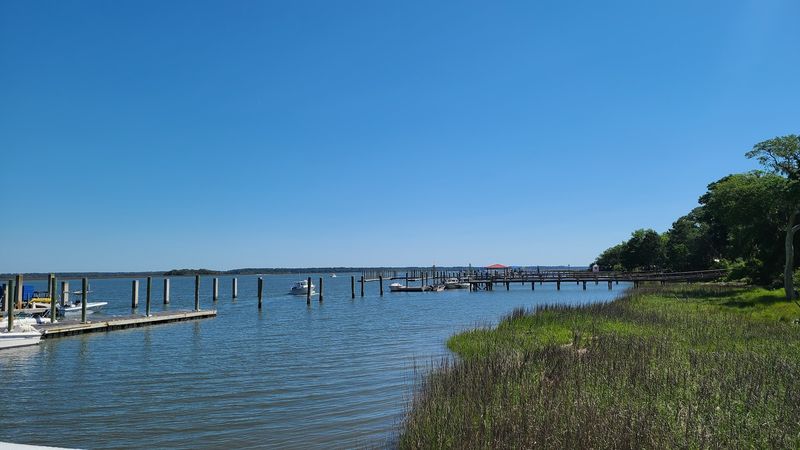
Getting to Daufuskie Island requires a ferry ride, and that small logistical hurdle keeps it wonderfully removed from the crowds that swarm neighboring destinations.
Located between Hilton Head Island and Savannah, Georgia, Daufuskie sits in Beaufort County, South Carolina, and has no bridges connecting it to the mainland, which has preserved its remote and deeply historic atmosphere.
The island became widely known through Pat Conroy’s 1972 book about his experiences teaching there, and the schoolhouse he wrote about still stands today.
I rented a golf cart, which is basically the standard mode of transportation on the island, and spent a full day winding through shaded dirt roads past old churches and abandoned indigo fields.
The Haig Point Lighthouse, built in 1873, adds a striking visual anchor to the northern tip of the island.
Daufuskie’s oyster roasts and fresh seafood traditions are central to its cultural identity and not to be skipped.
Daufuskie Island is a place that feels genuinely off the grid, even in 2024.
8. Morris Island, Charleston County, SC
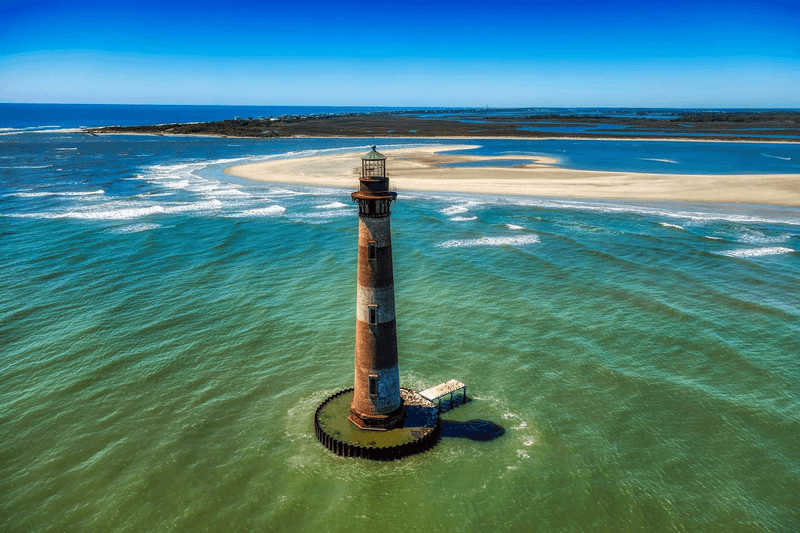
Standing on the shore near Folly Beach and looking out at the Morris Island Lighthouse rising from the water is one of those South Carolina moments that genuinely catches you off guard.
Morris Island is located in Charleston County, South Carolina, just south of the mouth of Charleston Harbor, and is accessible only by boat or by wading from the southern tip of Folly Beach at low tide.
The lighthouse, built in 1876, is now surrounded by water because the island it once stood on has largely eroded away over the past century.
I kayaked out to the base of the lighthouse on a calm morning and felt like I had stumbled onto a set piece from a different century.
The island has significant Civil War history, having been the site of intense Union and Confederate fighting during the Siege of Charleston.
The Morris Island Lighthouse Preservation Society has worked for years to stabilize the structure and keep it standing for future generations.
Morris Island is small in size but enormous in atmosphere.
9. Sullivan’s Island, Charleston County
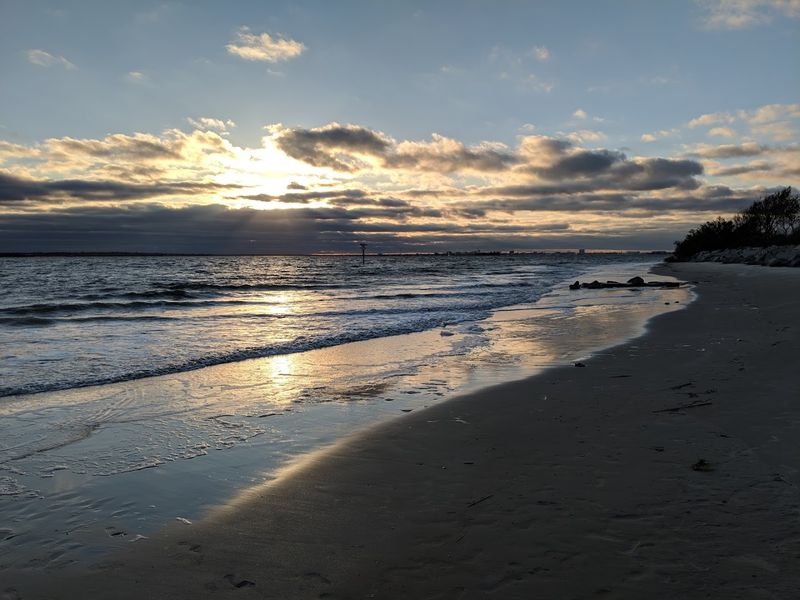
Sullivan’s Island carries centuries of history in its salt air, and walking its beach puts you in the footsteps of everyone from Edgar Allan Poe to Civil War soldiers.
Located in Charleston County, South Carolina, just across the harbor from Charleston, Sullivan’s Island is connected to the mainland by the Ben Sawyer Bridge and sits between the Isle of Palms to the north and Fort Moultrie to the south.
Fort Moultrie itself is a National Monument where you can walk through fortifications that date back to the Revolutionary War, making it one of the most layered historic sites on any South Carolina island.
I spent one afternoon exploring the fort and the next morning watching pelicans cruise the shoreline in perfect formation at sunrise.
The island’s small downtown strip has a handful of excellent restaurants and a laid-back vibe that feels genuinely local rather than tourist-engineered.
Home architecture on Sullivan’s Island is a fascinating mix of elevated historic cottages and modern beach houses that somehow coexist without clashing.
Sullivan’s Island is Charleston’s backyard, and it wears that role with effortless style.