
This Colorful Michigan Festival Turns Sidewalks Into Art This June
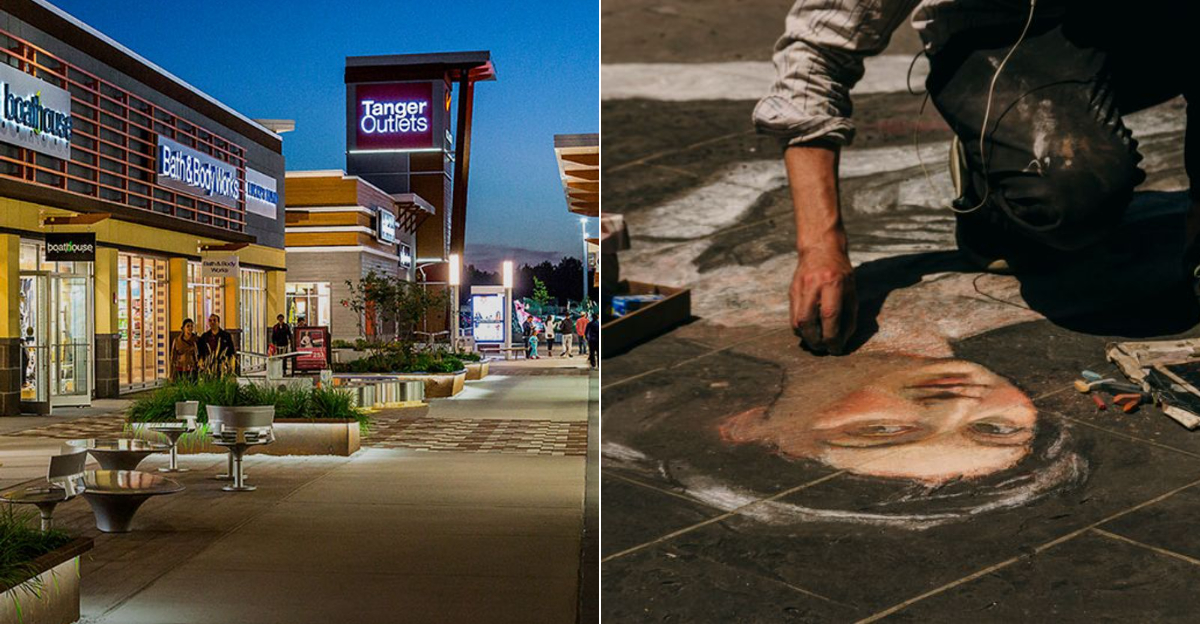
Sidewalks were not meant to stay gray, and for one weekend each June a West Michigan festival proves it by handing out pastel chalk to anyone willing to kneel down and create.
The West Michigan Chalk Art Festival returns to the parking lots, walkways of a Byron Center outlet mall, where professional painters work alongside toddlers who are simply happy to smear color on flat surfaces.
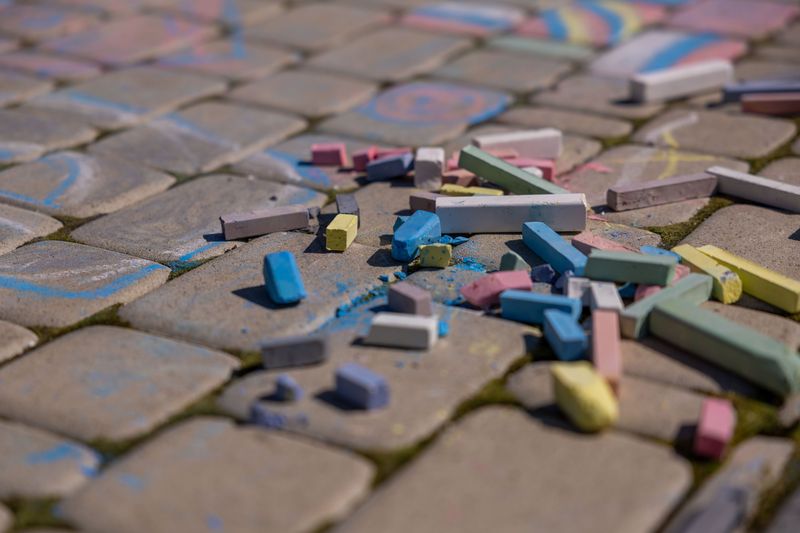
Registration is free. Every participant receives two dozen pieces of rich pastel chalk, the resulting art stays on display long after the last artist packs up.
Food trucks, live music, a kids’ activity tent keep the energy going between sidewalk masterpieces.
Spectators can wander the grounds for nothing, vote for their favorite pieces, even pick up a few chalk tips from the pros stationed at demo tables.
June in Michigan already brings out the color in lakeside sunsets and wildflower fields, but a festival that puts art directly at your feet adds a different kind of brightness to the season.
A Canvas Underfoot
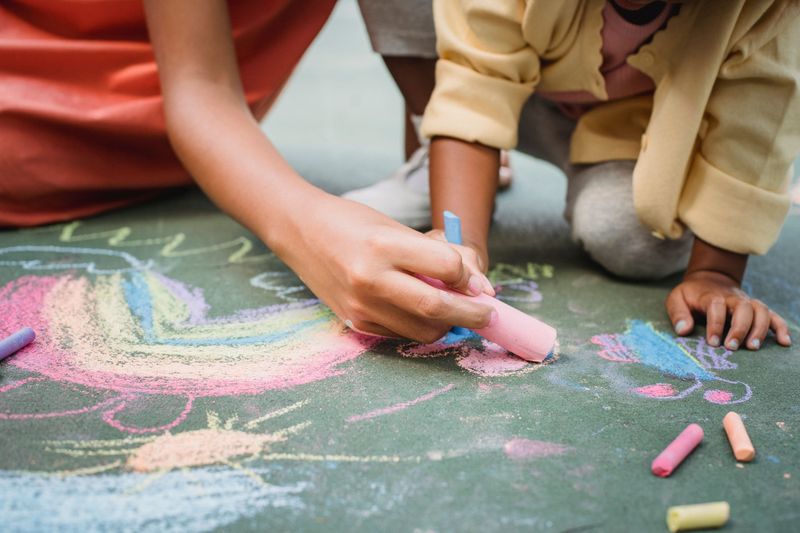
The first thing you notice is the sound: chalk scraping concrete in short, steady bursts. Artists work inside roughly seven-by-seven-foot pavement squares, building images that look surprisingly rich against the pale sidewalk.
It changes your pace immediately, because this is not the kind of event you rush through. Many participants layer color carefully, blending and deepening tones so the finished surfaces read almost like paint.
A lot of them start near the top of the square and work downward, which makes practical sense once you see how easy it would be to smudge a scene under construction. The technique is visible if you linger.
I liked watching the drawings move from sketchy outlines to scenes with volume, shadow, and personality. The appeal is not just the result.
It is the slow reveal happening right at your feet.
Finding The Chalk Festival
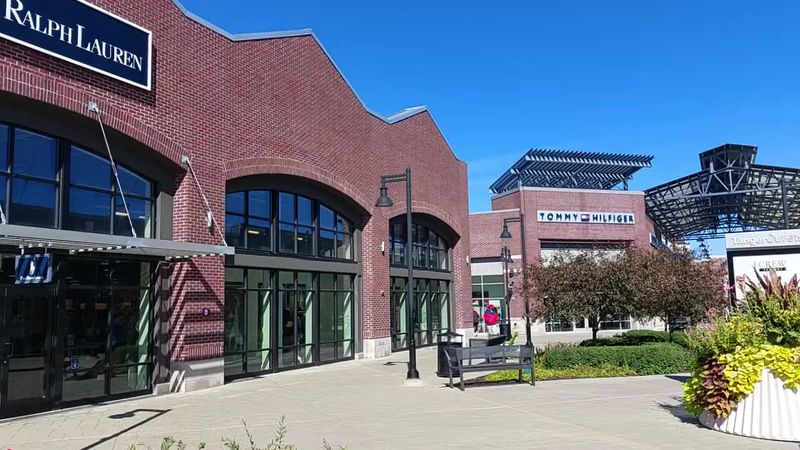
The West Michigan Chalk Art Festival returns June 19-21, 2026, turning the sidewalks at Tanger Outlets Grand Rapids into a temporary outdoor gallery where pavement suddenly gets ambitious.
Instead of quiet museum walls, expect color underfoot, artists at work, families wandering from square to square, and the strange joy of watching chalk become something far more dramatic than it has any right to be.
Held in Byron Center, Michigan, the festival makes a shopping-center trip feel like it wandered into art class and refused to leave.
Visitors can come to watch, participate, bring kids, browse the finished pieces, or simply follow the brightest patch of sidewalk until the whole day starts feeling more playful than planned.
Why The Setting Works
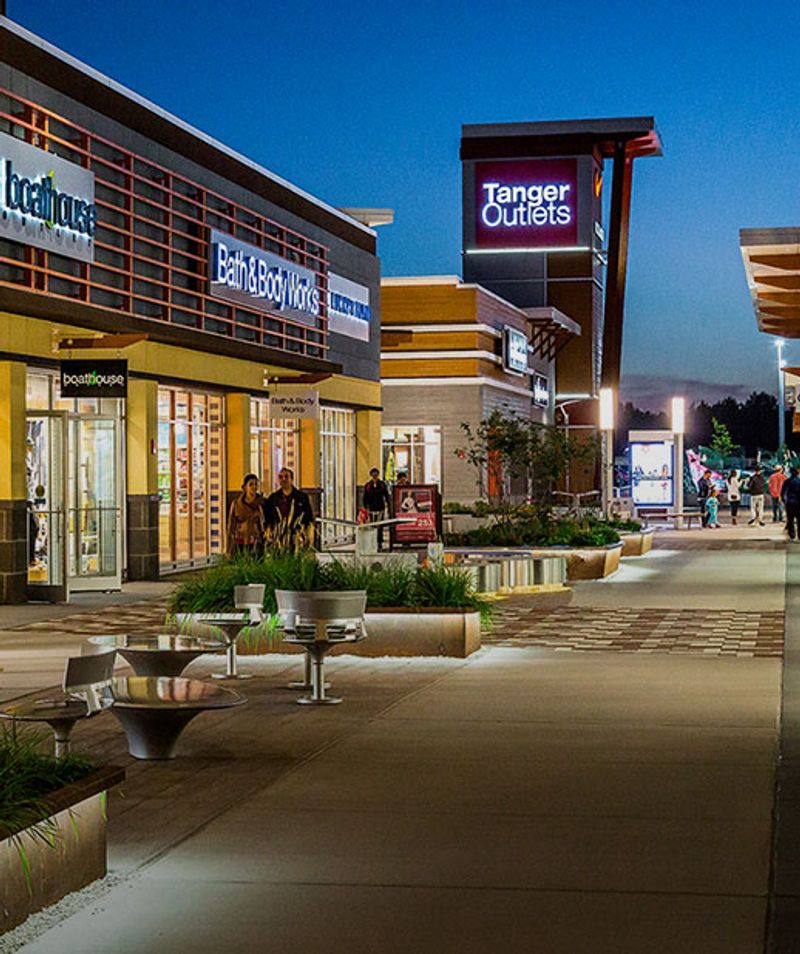
An outlet center is an unexpectedly smart home for a chalk festival. The open layout at Tanger Outlets Grand Rapids gives artists room to spread out, while visitors can wander between works without feeling squeezed.
The sidewalks are broad enough that looking closely never has to turn into crowd dodging.
This festival began in downtown Byron Center before moving to Tanger roughly a decade ago, and the shift makes sense on the ground. There is ample parking, a clear address, and the kind of accessible circulation that helps families stay comfortable for a long visit.
You can settle into the event instead of strategizing logistics. What surprised me most was how natural the pairing feels. A shopping complex becomes, for one June weekend, a public gallery with no doors and no hush.
The Atmosphere Between Drawings

Chalk has a faint earthy smell when the sun warms it, and here that scent hangs lightly over the walkways. Conversations drift past in pockets, punctuated by laughter, while a DJ adds an easy rhythm that keeps the whole festival from feeling too reverent.
It stays lively without losing focus on the art. That balance matters. Some art events can feel performative from a distance, but this one remains approachable, especially because spectator admission is free.
You can browse, pause, double back, and spend as much or as little time as you want without any pressure to optimize the day.
There is also entertainment beyond the drawings, including a caricature artist, which gives the festival a small-town-fair looseness without distracting from the central attraction. The mood is cheerful, observant, and comfortably unpretentious.
Watching Technique Up Close
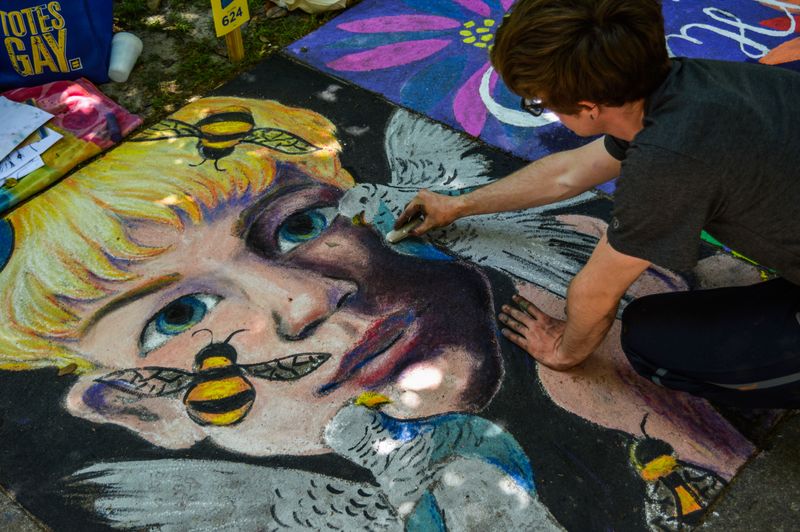
Up close, the drawings reveal themselves as labor rather than magic, which somehow makes them more impressive. You can see fingers blending pigment, edges being softened, and dense patches of color built patiently over lighter layers.
The best pieces do not simply sit on the pavement. They seem coaxed out of it.
Practical details become part of the visual story too. Some artists set up canopies to protect themselves and their work from strong June sun, and that little piece of festival engineering tells you how long they will be out there.
These are not quick doodles made between errands. If you want the fullest experience, do not just photograph finished sections and move on. Stay long enough to catch revision, correction, and problem solving. That is where the craft becomes genuinely memorable for visitors.
A Festival That Invites Participation
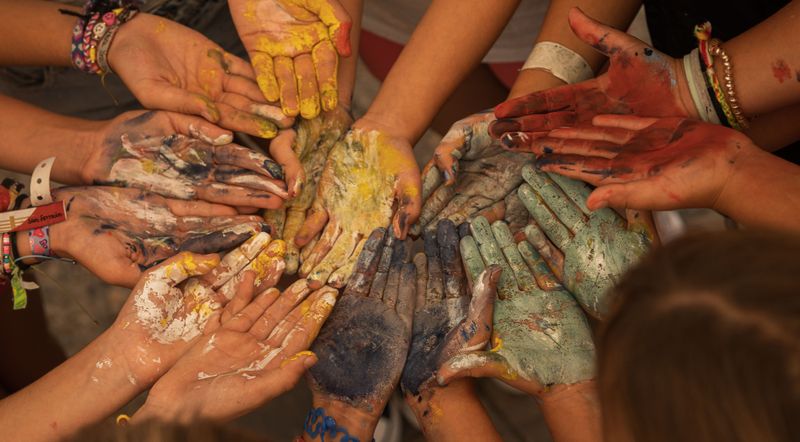
What gives this festival its warmth is that it does not separate artists from everyone else with too much ceremony. Participants include different ages and skill levels, from experienced adults to younger artists still figuring out what a pavement square can do.
That mix keeps the event grounded in community rather than prestige.
Registered artists receive a box of pastel chalk, though many also bring their own water-based chalk to expand the palette. Children age eleven and under can join the free Kids Chalk Event, where chalk is provided and local artists share tips.
It is a simple, generous structure that lowers the barrier to making something. I appreciate events that let observation lead naturally into participation. Here, creativity does not feel fenced off. You are reminded that public art can be both skilled and welcoming at once.
The Temporary Beauty of It
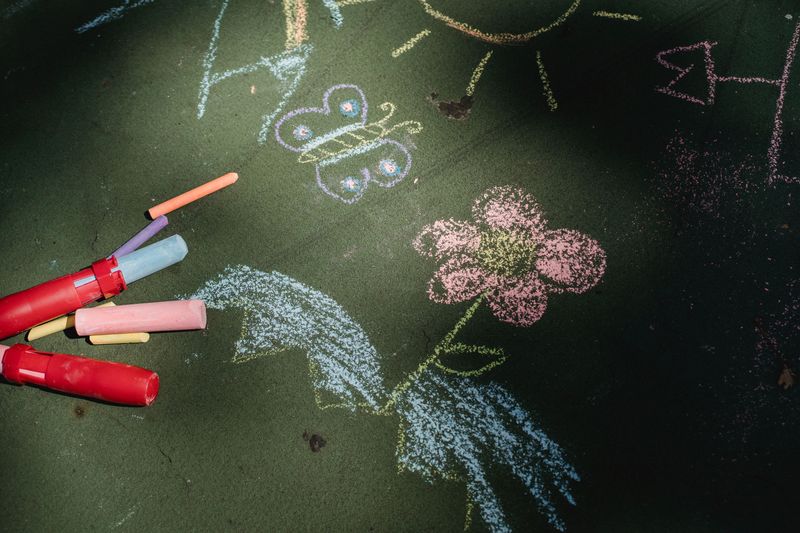
Part of the festival’s emotional pull comes from the fact that every finished work is temporary. Under warm June weather, these elaborate images reach a peak of brightness knowing they are not built to last.
That fleeting quality gives the whole event a tenderness that permanent public art does not always carry.
By the end, spectators gather to admire completed pieces and see which entries stand out for awards such as Best 3D, Most Humorous, and Best Use of Color. The judging gives the weekend shape, but it does not overshadow the larger pleasure of simply seeing imagination spread across concrete.
Recognition feels celebratory rather than stiff. I left thinking less about winners than about impermanence. Chalk art asks you to pay attention now, not later, and that makes the viewing experience unusually vivid for careful visitors.
Planning Your Visit Well
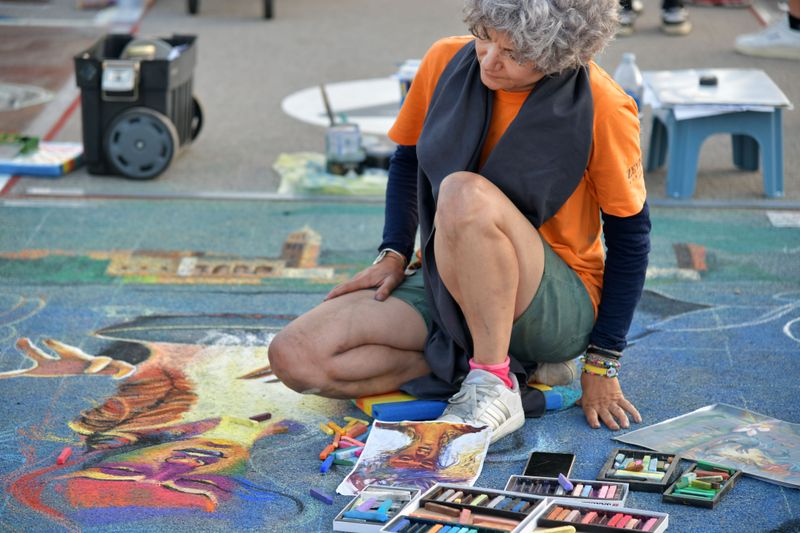
If you are deciding when to go, give yourself enough time to wander rather than treating this as a quick stop. The festival runs June 19-21, 2026 at Tanger Outlets Grand Rapids, and the address is easy to plug in: 350 84th St SW, Byron Center, MI 49315.
Its open-air layout makes casual circling part of the experience.
Parking is ample, which matters more than it sounds when an event invites strolling and repeat passes by favorite pieces. Since the venue is an operating shopping center, you also have practical amenities nearby, including restrooms and a familiar, navigable setting.
That helps the day feel relaxed for families and older visitors alike. My best advice is wonderfully unglamorous: wear comfortable shoes and move slowly. Chalk art rewards the second look, especially when surfaces and details start resolving at close range.
A Byron Center Tradition With Reach
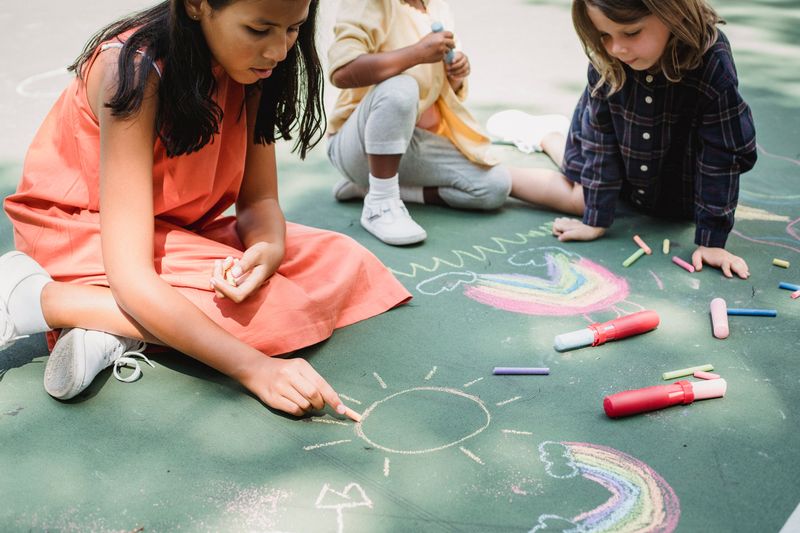
Events like this matter because they turn a routine public space into a shared local ritual. The West Michigan Chalk Art Festival has become an annual tradition, and even after its move from downtown Byron Center to Tanger, it still carries that strong community identity.
You feel that continuity in the way people settle in and linger.
There is no intimidating threshold here, no sense that art belongs only to experts. Residents, families, and first-time visitors all circulate through the same temporary gallery, watching artists build ambitious work from one of the simplest materials imaginable.
That democratic quality is quietly powerful and very Midwestern in the best sense. What stayed with me was the event’s confidence in ordinary attention. It trusts that color, skill, and neighborly curiosity are enough to make a day memorable. They are.
What You Carry Home
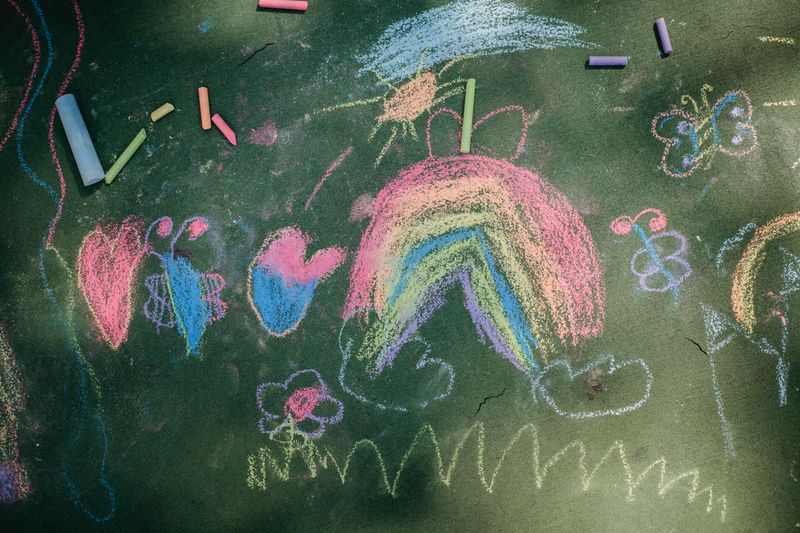
Long after the brightest pieces blur together, smaller details remain oddly clear. A hand dusted with pigment, a canopy casting shade over half-finished color, a child crouching low to study perspective, the slight hush that falls when a difficult section suddenly works.
Those are the moments that make the festival feel specific rather than generic.
Because the event is temporary, it sharpens your noticing. You start paying attention not only to the finished images but also to the patience behind them, and to the way a public walkway can become a meeting place for craft, conversation, and curiosity.
That shift in attention is the real souvenir. If you go expecting only a pleasant family outing, you will get that. But you may also leave newly alert to how much beauty can be made from dust, color, weather, and time.
How Light Rewrites Color
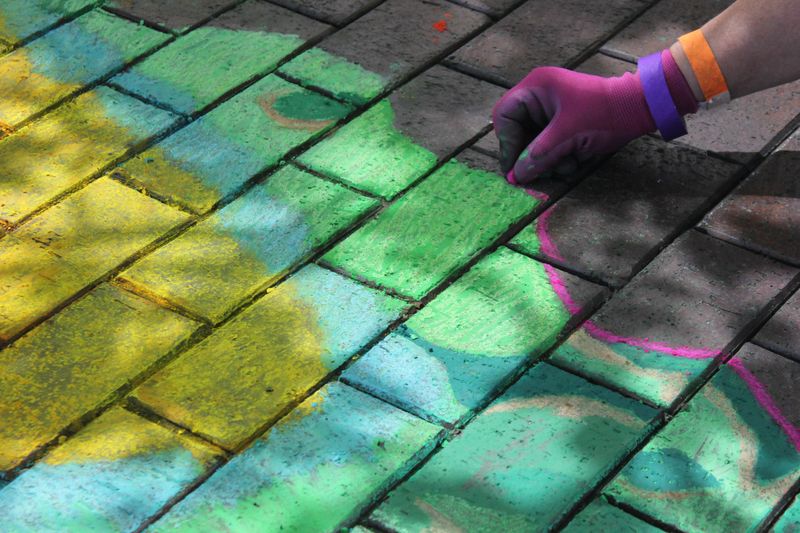
Come earlier and you get one version of the drawings, all soft edges and fresh pigment sitting bright on the concrete. Return later and the same square can feel deeper, warmer, and more dramatic as shadows slide across it.
The festival rewards repeat passes in a way galleries rarely can. I like that nothing stays visually fixed for long. Sunlight sharpens some colors, dulls others, and suddenly a piece you barely noticed starts pulling you back.
It turns the sidewalk into a moving collaboration between artist, weather, and time of day. That shifting mood keeps your attention surprisingly alert the whole afternoon.
Details You Might Miss
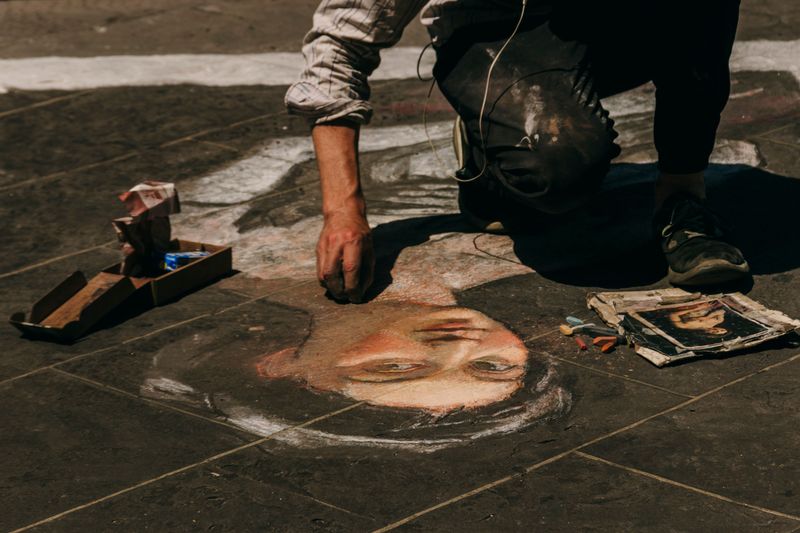
From a few steps away, many pieces read as complete pictures, but the closer view is where the fun really begins. You start catching fingerprints in blended color, tiny chalk dust halos, and careful texture marks that mimic brushwork.
Those small decisions make the pavement feel almost impossibly expressive.
If you slow down, you can watch your own attention change. First you take in the big image, then your eyes start tracing outlines, smudges, and corrections tucked inside it.
The festival is especially satisfying for anyone who enjoys seeing not just what was made, but exactly how it came together.
When The Street Feels Small
One of the nicest surprises is how easily a busy public event can still feel personal. You are rarely just staring at art in silence, you are overhearing reactions, spotting favorite pieces, and trading recommendations with strangers a few feet away.
That shared attention gives the whole block an sense of connection.
By the time you leave, certain drawings stick with you, but so do the conversations around them. Someone points out a detail you missed, a child names the boldest square, and suddenly the visit feels communal in the best way. It is a reminder art changes when people discover it side by side.