
Soak In This Hidden Hot Spring In Washington
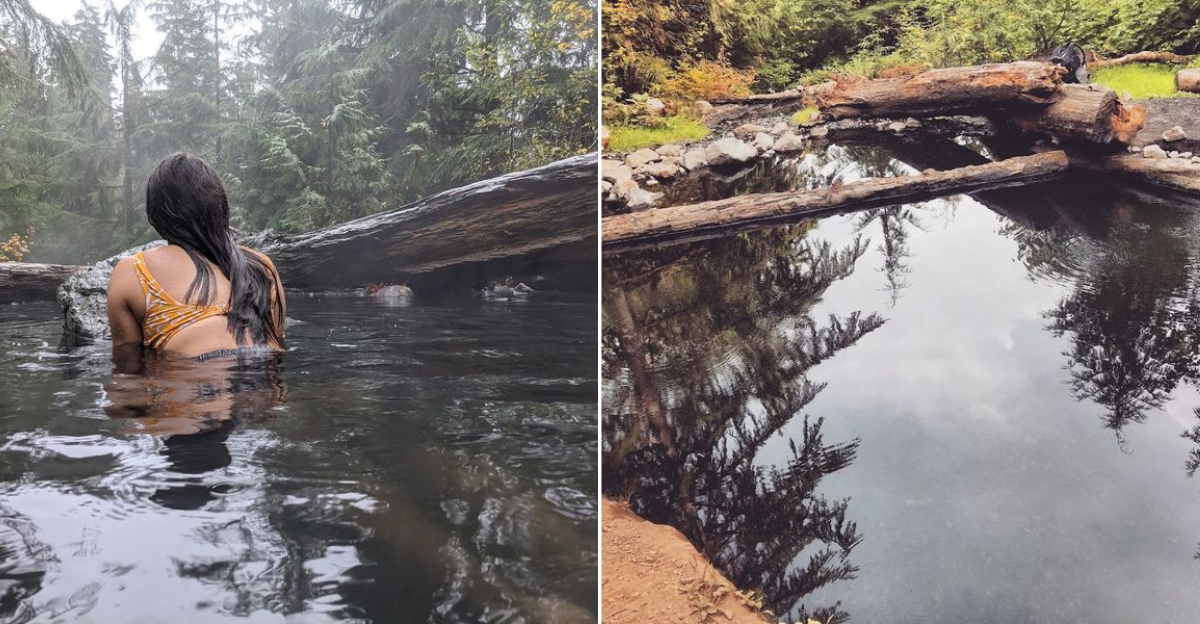
Most people spend their weekends scrolling through social media, but I prefer to spend mine looking like a swamp creature in search of geothermal glory.
My mission was simple: find the ultimate hidden hot spring and try not to get mauled by a squirrel. When the steam finally curled through the pine needles, I knew I had hit the jackpot.
Sitting in that rustic, hand-built tub, I realized that I couldn’t care less about my missing cell service. Honestly, if you aren’t currently soaking in a natural spring somewhere in the rugged heart of Washington, are you even living?
It’s just me, the trees, and the faint hope that I don’t run into a mountain lion while wearing my towel. Life is good.
Sitting about 20 miles north of Concrete, Washington, these primitive natural pools bubble up from the earth at around 110 degrees Fahrenheit, offering a genuinely wild soaking experience surrounded by towering Pacific Northwest trees.
I first heard about this spot from a fellow hiker who described it as one of those rare places where you truly feel off the grid, and honestly, that description nailed it.
The Road Less Traveled (Literally)
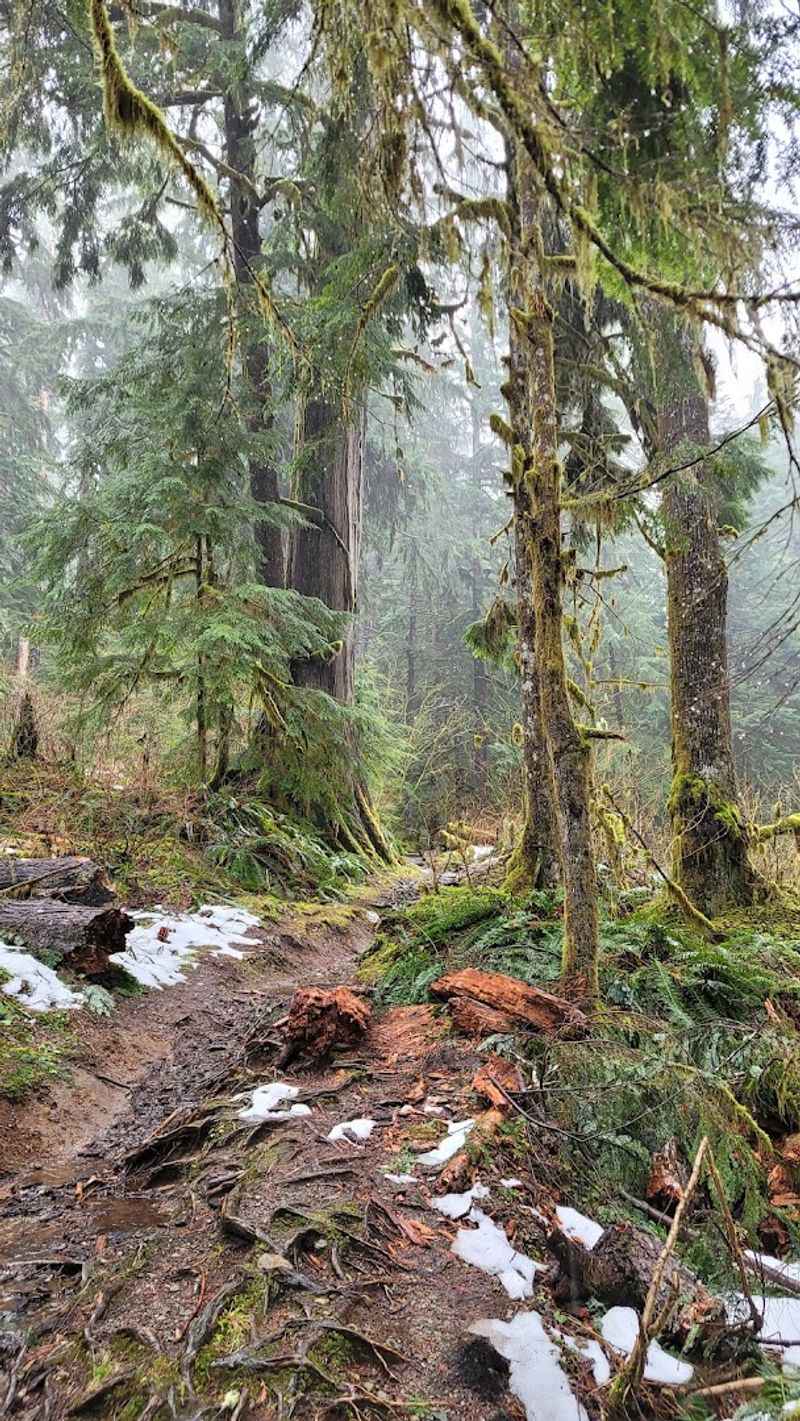
Road trips are fun until the road decides it no longer wants to be a road. The drive to Baker Hot Springs along NF-1130 or NF-1144 is a genuine adventure in itself, featuring potholes, loose gravel, and sections that make your suspension work overtime.
A high-clearance vehicle with four-wheel drive is not just a suggestion here, it is practically a requirement if you want to arrive without a flat tire or a bruised bumper.
The springs are located about 20 miles north of Concrete, Washington, deep inside the Mount Baker-Snoqualmie National Forest on the western slope of the North Cascades.
Plan your route before you leave home, because cell service essentially disappears once you head into the forest. Downloading an offline map through Google Maps or a dedicated app like Gaia GPS can save you from a frustrating guessing game on unmarked forest roads.
Once you reach the small trailhead parking area, the hard part is over. The walk to the springs is only about 0.3 to 0.6 miles round trip, flat and easy, making the bumpy drive completely worth every rattle.
What The Pools Look Like Up Close
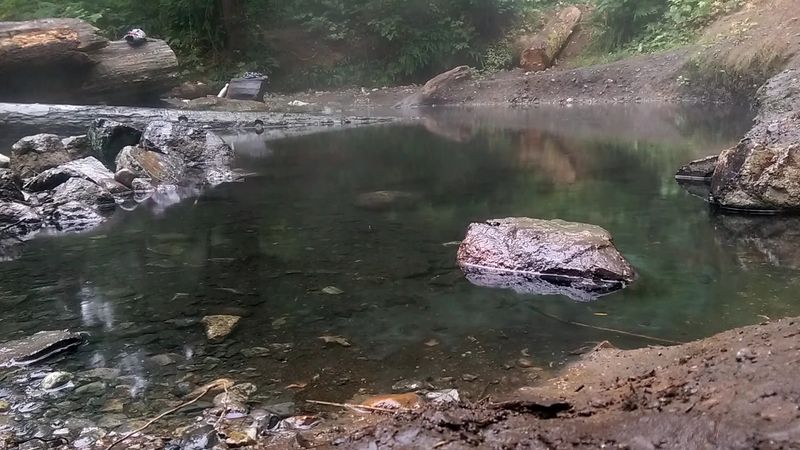
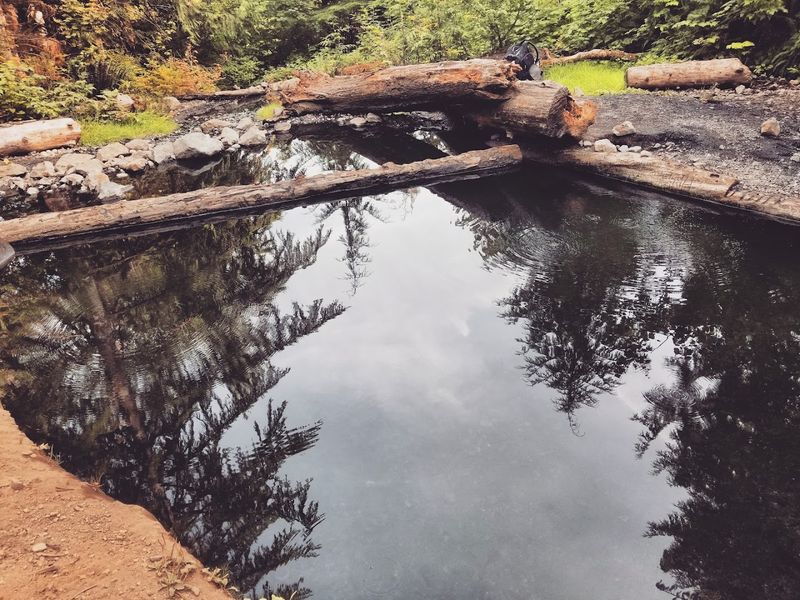
Forget the polished tile and chlorine smell of a resort spa. Baker Hot Springs is raw, earthy, and wonderfully unfiltered. The main pool is lined with rocks and logs, shaped by both nature and the hands of visitors who have carefully maintained it over the years.
It fits roughly six people comfortably, with a rock and dirt bottom that shifts slightly underfoot when you first step in. A second, shallower pool sits nearby, but it tends to be muddier and cooler, so most visitors stick to the main one.
The source water arrives at around 110 degrees Fahrenheit, though the pool itself usually settles around 100 to 101 degrees depending on weather and how much cold water mixes in. On a cool autumn morning, that temperature feels absolutely perfect.
There is a noticeable sulfur smell, which is completely normal for volcanic hot springs. Volcanic ash can occasionally clog the vents at the bottom, and some visitors actually enjoy the ritual of carefully digging them clear to restore the flow.
It adds a quirky, hands-on element to the whole experience.
The Wilderness Setting That Makes It Special
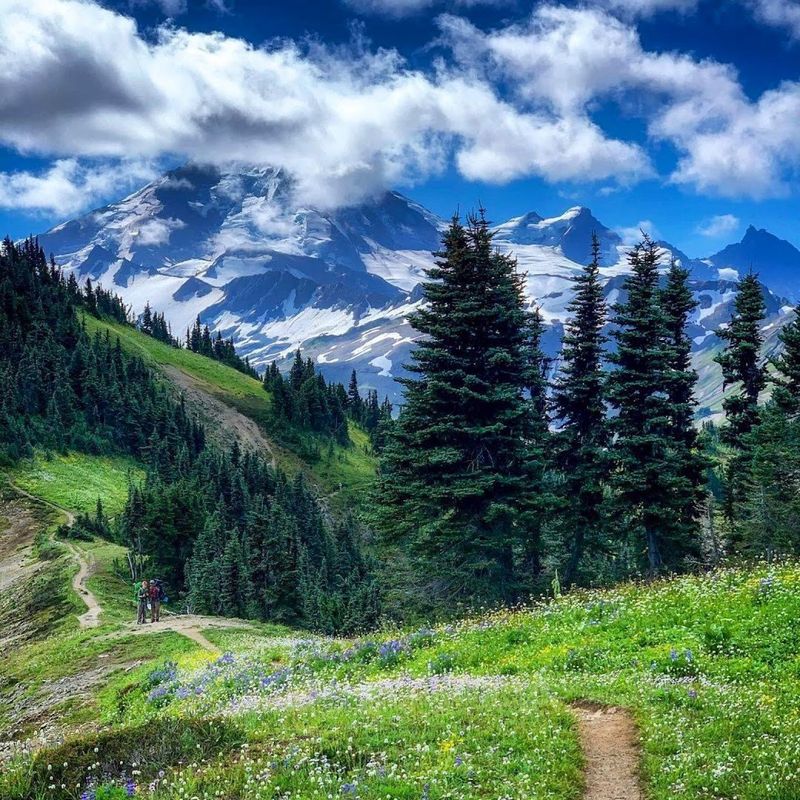
There is something genuinely humbling about soaking in warm water while old-growth forest towers around you in every direction.
Baker Hot Springs sits inside the Mount Baker Wilderness, a protected area within the larger Mount Baker-Snoqualmie National Forest, and the landscape does not hold back on atmosphere.
Towering Douglas firs and western red cedars create a canopy so thick that even on bright days, the light filters down in soft, dappled patterns. The forest floor around the springs is blanketed in ferns, mosses, and the occasional wildflower depending on the season.
Everything feels layered and alive in a way that is hard to put into words. You hear birds, the occasional rustle of small animals, and the gentle bubbling of the spring itself, nothing else.
That kind of quiet is rare and genuinely restorative. Being completely off the grid, with no cell signal and no background noise of modern life, gives the whole visit a meditative quality that most travelers are not expecting when they first pull into the trailhead parking lot.
Rules, Etiquette, And What To Expect
Baker Hot Springs operates on a pretty simple social contract: be cool, leave it clean, and respect the people already there.
The springs are free to visit, with no entrance fees or permits required, which is refreshing in an era when it feels like everything outdoors costs something. That said, the no-cost access comes with personal responsibility attached.
Leave No Trace principles apply fully here. Pack out every piece of trash you bring in, avoid using the pools as a bathroom, and keep noise to a minimum so everyone can enjoy the peaceful setting. Dogs are allowed but must stay on a leash, which is a fair rule given the narrow trails and shared pool space.
One thing worth knowing before you arrive: Baker Hot Springs is a clothing-optional location. Some visitors choose to soak without a swimsuit, and that is perfectly within the norms of this space.
If that surprises you, just know it is a well-established part of the culture here and most visitors handle it with complete maturity and mutual respect.
Best Times Of Year To Plan Your Visit
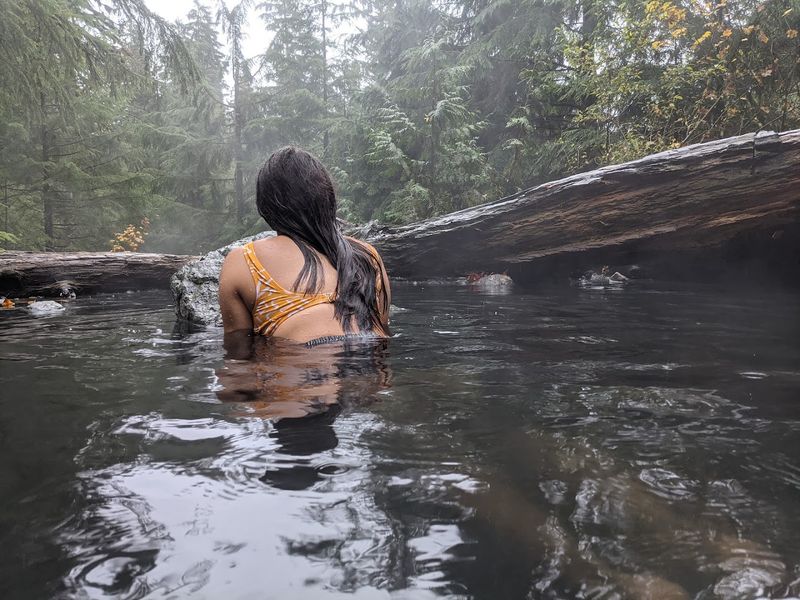
Timing your visit to Baker Hot Springs can make a noticeable difference in how enjoyable the experience turns out to be.
The springs are technically open year-round, but winter access is genuinely unpredictable. Snow can close the forest service roads entirely, or at minimum turn that already rough drive into something far more challenging than most vehicles can handle safely.
The sweet spot for visiting falls between June and October, when the roads are clear, the weather is manageable, and the forest is at its most lush and inviting. Early fall is my personal favorite window.
The air carries a crispness that makes the warm water feel even more satisfying, and the surrounding trees shift into shades of gold and amber that turn the whole setting into something almost surreal.
Weekday mornings tend to offer the most solitude. Weekends draw more visitors, and since the main pool only fits around six people, arriving early means you are far less likely to spend time waiting for a spot.
Patience is a virtue here, but smart timing makes it optional.
Rainbow Falls: The Bonus Stop
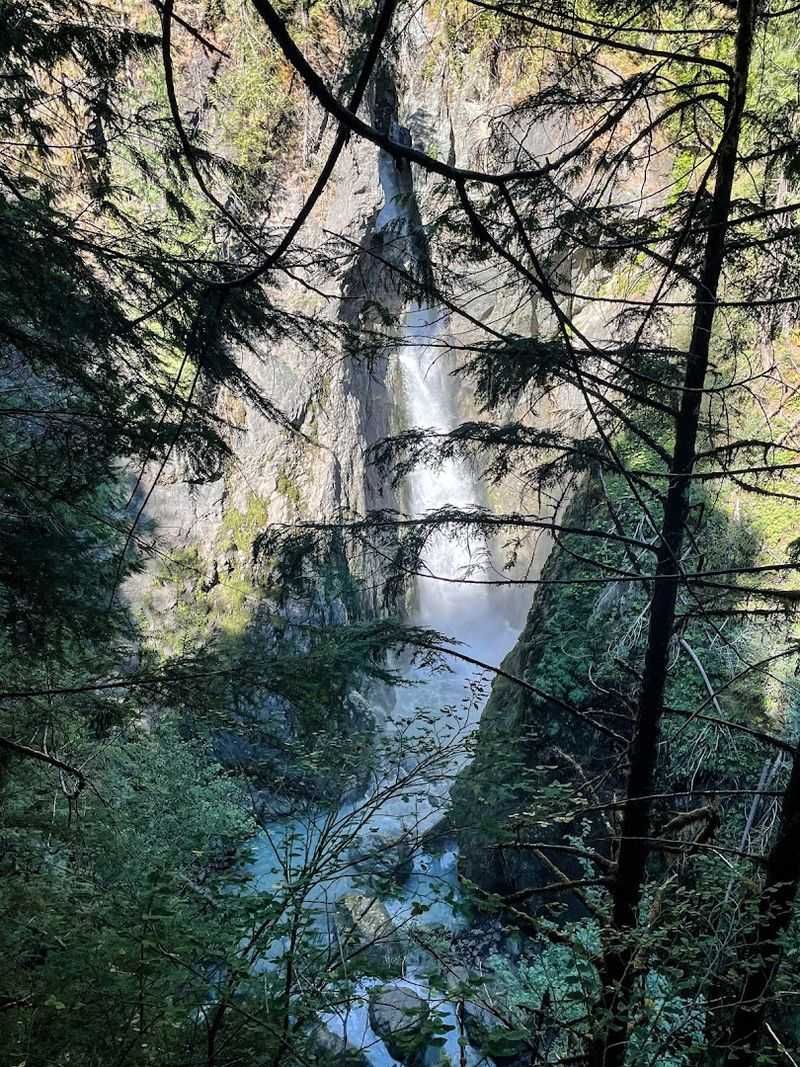
About half a mile from Baker Hot Springs sits a viewpoint for Rainbow Falls, and skipping it would honestly be a small travel crime. After soaking in the pools, your legs are warm and loose, making the short walk feel effortless.
The falls are tucked into the same lush forest landscape, and the sound of rushing water after the quiet of the hot spring creates a satisfying contrast that rounds out the whole outing.
The viewpoint does not require any technical hiking skill or special gear, just the same trail awareness you used to reach the springs.
The cascade tumbles over mossy volcanic rock in a way that feels completely in harmony with the geothermal energy bubbling up nearby. It is a reminder that this entire area sits in a geologically active zone with a lot going on beneath the surface.
Combining the hot spring soak with a stop at Rainbow Falls turns a simple afternoon trip into a genuinely complete wilderness experience.
Two natural highlights for the effort of one short drive. That kind of value is hard to argue with on any outdoor adventure itinerary.
What To Bring For A Comfortable Visit
Showing up prepared at Baker Hot Springs makes a huge difference between a relaxing afternoon and a mildly frustrating one. Start with the basics: a towel, a change of dry clothes, and water-friendly footwear like sandals or old sneakers you do not mind getting muddy.
The trail is short, but the ground near the pools can be slippery and soft. Bring plenty of drinking water. Soaking in warm water is dehydrating, and there are no facilities anywhere near the springs.
A reusable water bottle with enough capacity for your full visit is a non-negotiable item on the packing list. Snacks are also a smart addition since there are no vendors, shops, or services of any kind in the area.
Since cell service is nonexistent once you head deep into the forest, download your maps before leaving home.
A small first aid kit fits easily into a daypack and adds a layer of security for the drive and hike. Sunscreen matters even on overcast Pacific Northwest days, because UV exposure adds up faster than most people expect when spending extended time outdoors.