
This Hidden Washington Coastal Park Has Incredible Ocean Views
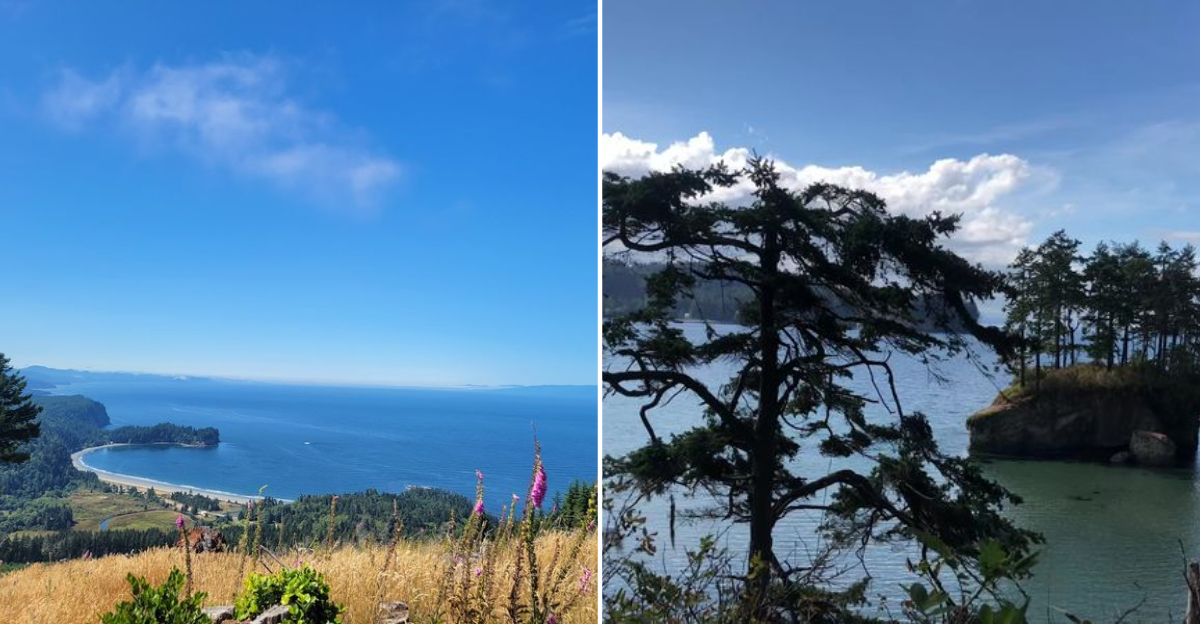
I consider myself a bit of a professional beach bum, but even I was unprepared for the sheer audacity of this coastline. Most people scramble for a slice of sand where they can actually see their own toes, but I prefer my ocean views served with a side of rugged, untamed drama.
I recently visited a gem that makes you feel like you’ve discovered the edge of the world. It’s the kind of place where the tide pools are teeming with life and the sunsets are so vibrant they look like a filter gone rogue.
If you’re looking for a spot that puts the rest of Washington to shame, you’ve found it-just try not to tell everyone, or we’ll have to deal with actual crowds.
I found myself here on a foggy Tuesday morning, completely unprepared for how stunning it would be, and I left two days later with a camera full of photos and a serious urge to cancel all future plans and move into one of the campsites.
This article walks you through everything that makes this place one of Washington’s most rewarding coastal destinations.
The Jaw-Dropping Views

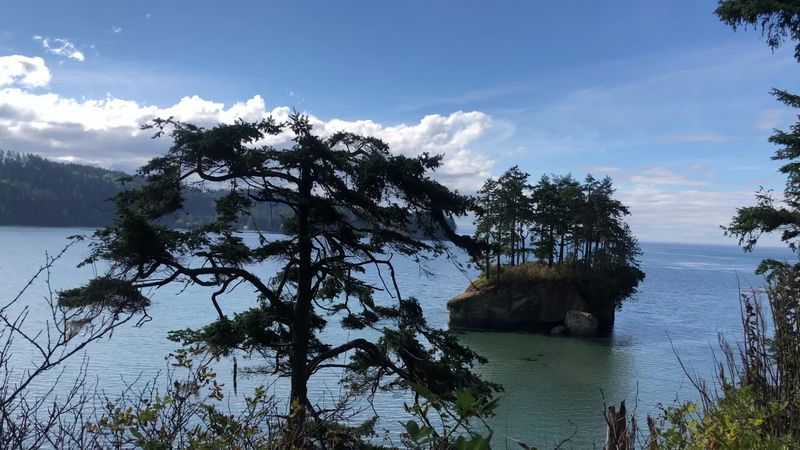
Nothing quite prepares you for the moment you walk to the edge of the bluffs at Salt Creek Recreation Area and see the Strait of Juan de Fuca spread out below you like a painted postcard.
The water is impossibly blue, the cliffs are dramatic, and on a clear day you can see across to the mountains of Vancouver Island in Canada. It is one of those views that makes you stop talking mid-sentence.
The park sits on a forested headland, so the contrast between the tall trees behind you and the open ocean in front of you feels almost theatrical. Sunrise is particularly striking here, when the light catches the water and turns everything golden.
I stood at the cliff edge for a solid twenty minutes just watching a container ship crawl silently across the horizon.
You do not need to hike far or work hard to reach these views. Several overlook points are accessible right from the parking area, making this a destination that rewards every kind of visitor, regardless of fitness level.
Tongue Point Marine Life Sanctuary
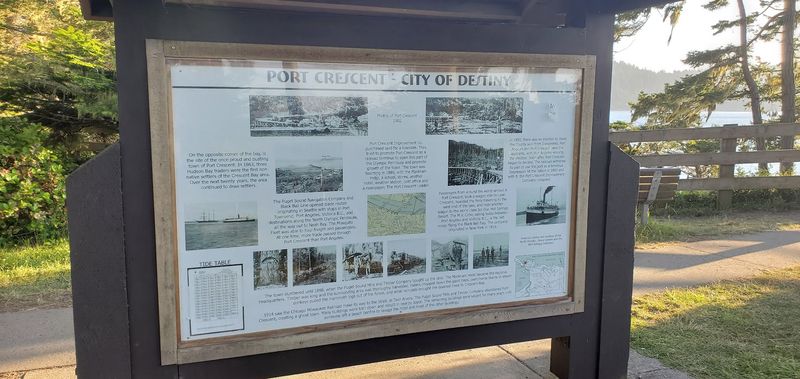
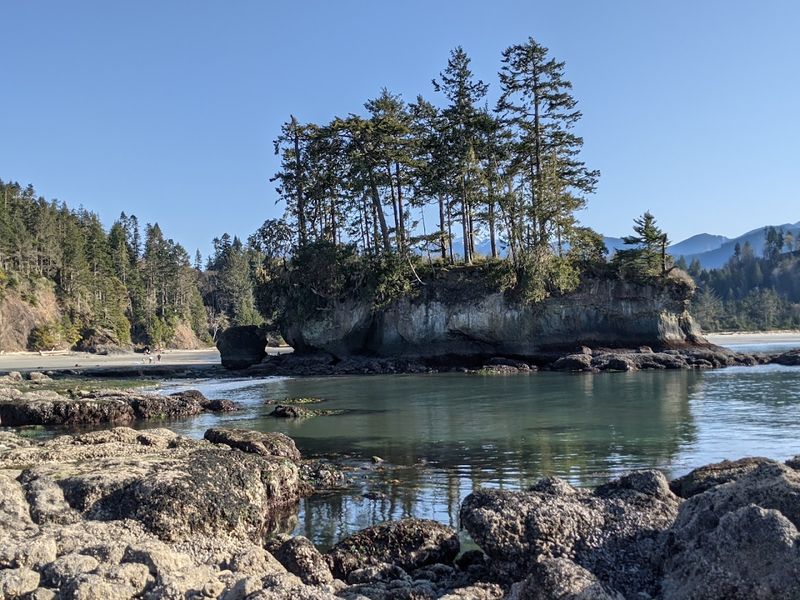
Kneeling beside a tide pool and watching a purple sea star slowly navigate around a cluster of anemones is the kind of experience that reminds you how extraordinary the natural world really is.
Tongue Point Marine Life Sanctuary, located within Salt Creek Recreation Area, is widely considered one of Washington State’s best spots for tide pool exploration. Low tide reveals a living carpet of marine creatures that is genuinely hard to believe.
Sea cucumbers, wolf eels, hermit crabs, and dozens of anemone varieties fill the rocky pools in numbers that will surprise even seasoned tide pool visitors. The key is timing your visit around a low tide, which you can check in advance using a tide chart app.
I visited during a minus tide and was absolutely floored by how much life was packed into such a small stretch of coastline.
The sanctuary is also Washington’s top shore diving destination, with an underwater kelp forest that peaks in summer and fall. Even without gear, the surface-level experience here is unforgettable and endlessly fascinating for curious minds of any age.
Exploring The Bunkers Of Camp Hayden
History has a way of sneaking up on you at Salt Creek Recreation Area, quite literally. Hidden among the trees and coastal brush are the concrete remains of Camp Hayden, a World War II military installation that once defended the Pacific Northwest from potential naval threats.
Walking up to these moss-covered bunkers for the first time, I felt a genuine chill that had nothing to do with the ocean breeze. You can walk through the concrete structures, peer into dark chambers, and read interpretive signs that explain the camp’s role during the war years.
It is a sobering and fascinating piece of Pacific Northwest history sitting right next to one of the region’s prettiest coastlines.
Trails connect the bunkers to other parts of the park, so you can easily combine a history walk with a coastal hike. Kids tend to love the bunkers for their cave-like atmosphere, while adults appreciate the deeper story they tell about a tense chapter in American history.
Hiking The Striped Peak Trail

The Striped Peak Trail is the kind of hike that delivers far more than you expect from a relatively short outing.
Starting from a trailhead within the park, this route winds through dense Pacific Northwest forest before opening up to sweeping views of the coastline, a hidden cove tucked below the cliffs, and a small waterfall that feels like a secret reward for those who push a little further.
The trail connects to the Washington Department of Natural Resources Striped Peak Area, giving hikers the option to extend their adventure across a broader network of forested paths.
I took the longer route and was rewarded with a quiet ridgeline view that I had entirely to myself on a mid-week morning in September. The forest here smells incredible, all cedar and moss and damp earth.
Trail conditions are generally manageable for most hikers, though some sections can be muddy after rain. Wearing waterproof boots is a smart call any time of year on the Olympic Peninsula, where the weather tends to have strong opinions about your footwear choices.
Whale Watching And Marine Wildlife
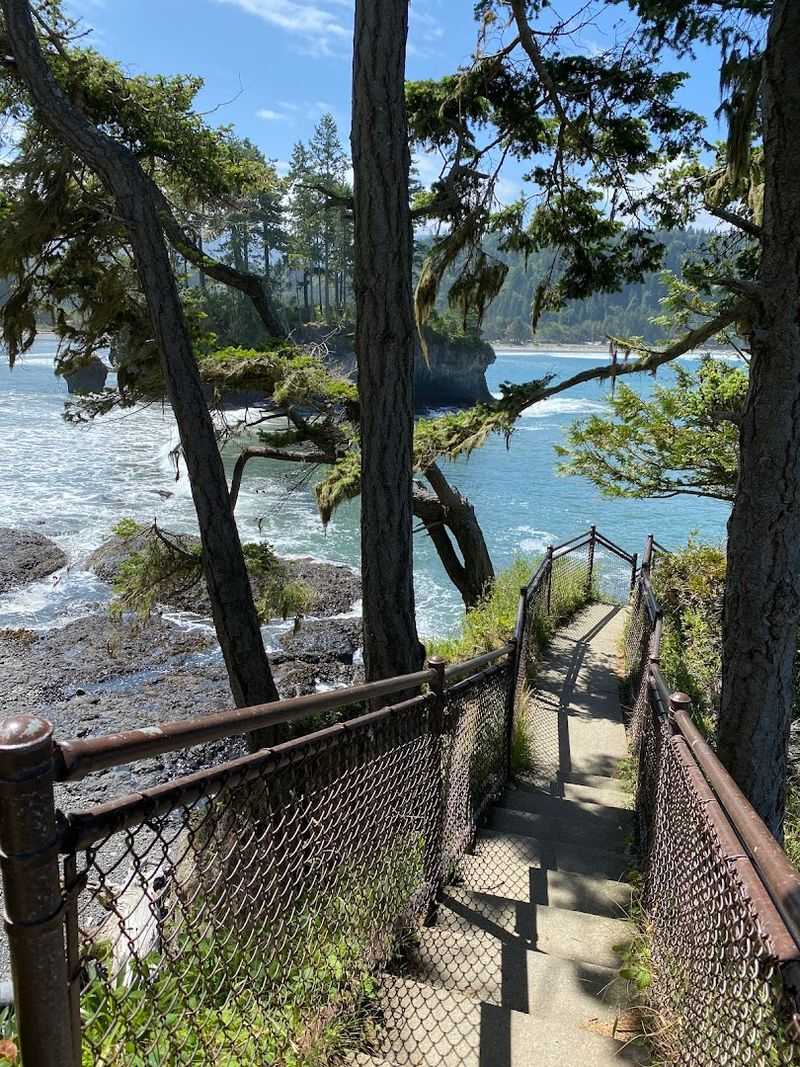
Salt Creek Recreation Area is an official stop on Washington’s Whale Trail, a network of prime shore-based whale-watching locations along the state’s coastline. Standing on the bluffs above the Strait of Juan de
Fuca with a pair of binoculars, I spotted two orca fins cutting through the water about a quarter mile offshore, and I am still not entirely over it.
Beyond orcas, the park offers regular sightings of harbor seals lounging on rocks below the cliffs, sea otters floating on their backs in the calmer coves, and bald eagles riding thermals above the forested headlands.
The Strait of Juan de Fuca is a rich marine corridor, and patient observers are often well rewarded. Bring binoculars and plan to spend at least an hour scanning the water.
Spring and summer tend to bring the most consistent whale activity, though marine mammals can appear any time of year.
The park provides an elevated vantage point that makes spotting wildlife from shore much easier than it would be at beach level, giving you a genuine sense of being part of something wild.
Camping With Ocean Views
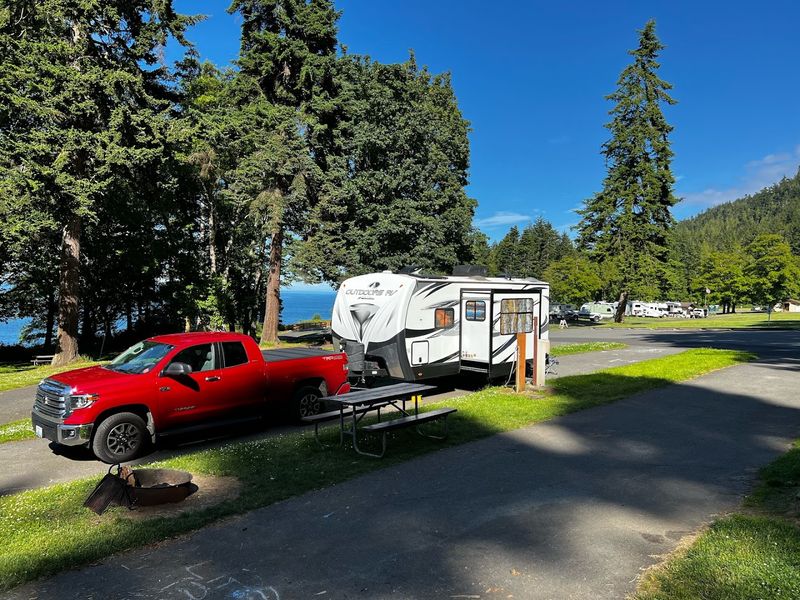
Waking up to the sound of waves and the smell of salt air is something that never gets old, and Salt Creek Recreation Area’s campground makes it very easy to arrange that experience.
The campground offers 92 sites spread across the park’s forested headland, and a number of them face directly toward the Strait of Juan de Fuca, giving campers water views that most hotels charge a premium for.
The campground is open year-round, which is a genuine advantage for those who prefer quieter shoulder-season visits. Reservable sites are available from February through October, while a first-come, first-served system handles the rest.
Starting in May 2025, the park is introducing cashless self-registration kiosks, making the check-in process even more straightforward.
Camping fees apply for overnight stays, but there is no entry or day-use fee for the park itself, which is a refreshing rarity among Pacific Northwest coastal parks.
The combination of affordable camping, ocean-facing sites, and access to all of the park’s features makes this campground one of the best-value coastal spots in Washington State.
Kayaking And Water Activities
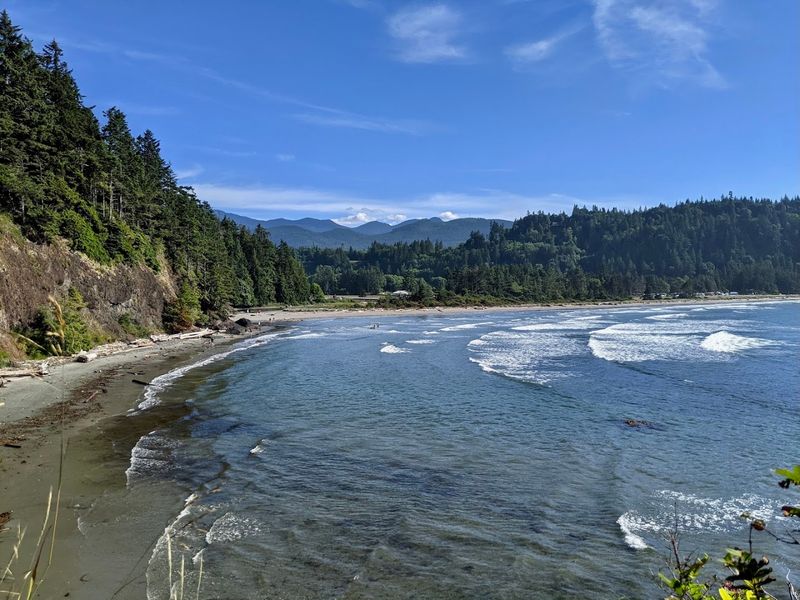
The coves and inlets around Salt Creek Recreation Area create natural launch points for kayaking that feel almost tailor-made for paddlers who want dramatic scenery without brutal open-water conditions.
During my visit, I watched a group of kayakers ease out of Crescent Bay and hug the base of the cliffs, peering into sea caves and watching seals pop their heads up nearby. It looked like an absolute blast.
The park also draws surfers and windsurfers when conditions are right, as the Strait of Juan de Fuca generates enough wind and swell to make things interesting.
The mix of activities happening on and around the water on any given day gives the park an energetic coastal atmosphere that feels alive and spontaneous. Crescent Bay, where the forest meets the sand, is a particularly photogenic spot for launching or simply watching the water.
Even if you do not have your own gear, spending time at the water’s edge here is a rewarding experience, with the cliffs framing every view and the tide constantly reshaping the shoreline in small, satisfying ways.
Day-Use Amenities, Family-Friendly Activities

Salt Creek Recreation Area is not just a destination for hardcore outdoor adventurers. The park’s day-use area is genuinely well-equipped and thoughtfully laid out, making it an easy choice for families looking for a full day of varied activities without driving all over the Olympic Peninsula.
Picnic tables with fire pits, benches overlooking the water, and a reservable covered shelter give groups plenty of options for a relaxed outdoor gathering. A playground keeps younger visitors entertained between tide pool visits and bunker explorations.
Sand volleyball courts, horseshoe pits, and a basketball court round out the recreational options for those who want a bit of friendly competition alongside their coastal scenery. It is the kind of setup that makes a simple day trip feel like a proper event.
The fact that all of this is available with no entry fee makes it even more appealing. Many of Washington’s most popular coastal parks charge day-use fees, so finding a place this well-appointed and this scenic without paying a gate fee feels like a genuine find worth sharing with everyone you know.
Planning Your Visit
Salt Creek Recreation Area is located at 3506 Camp Hayden Road, Port Angeles, Washington 98363, about 12 miles west of downtown Port Angeles on the northern edge of the Olympic Peninsula.
Getting there is a straightforward drive along Highway 101, then northwest along Camp Hayden Road through a stretch of scenic rural countryside that gives you a pleasant preview of what is ahead.
The park is managed by Clallam County and is open year-round for both camping and day use. As noted, there is no entry fee for day visitors, which makes it easy to stop in spontaneously without planning ahead.
If you are planning to camp during peak summer months, reserving a site early is strongly recommended since the ocean-view spots fill up fast.
The best times to visit for whale watching are spring and summer, while tide pool visits are most rewarding during low tides any time of year.
Pack layers regardless of the season, since coastal weather on the Olympic Peninsula shifts quickly and the wind off the Strait of Juan de Fuca has a strong personality all its own.