
Scenic Trains And Small-Town Eats Make This Ohio Village A Sweet Little Escape
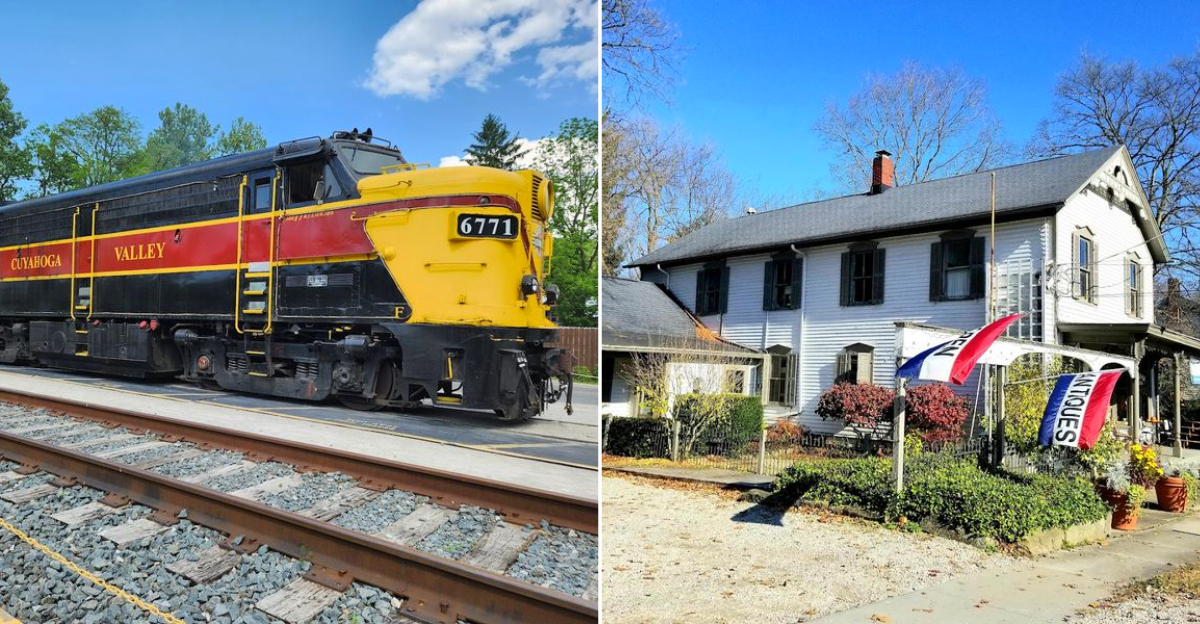
A train whistle is a pretty persuasive reason to slow down.
In one small Ohio village inside Cuyahoga Valley National Park, that sound still rolls through town. The river drifts nearby.
Trails wait just beyond Main Street. Local food and sweet treats make a strong case for staying longer.
The place has fewer than 600 residents, but it does not feel small once you start exploring. There are forest paths, historic stops, covered bridges, and quiet river views.
The charm feels old-fashioned without trying too hard.
I came for a simple autumn visit and left with muddy boots, a full stomach, and the rare feeling that I had found a place that knows exactly how to take its time.
A Village That Feels Like A Secret
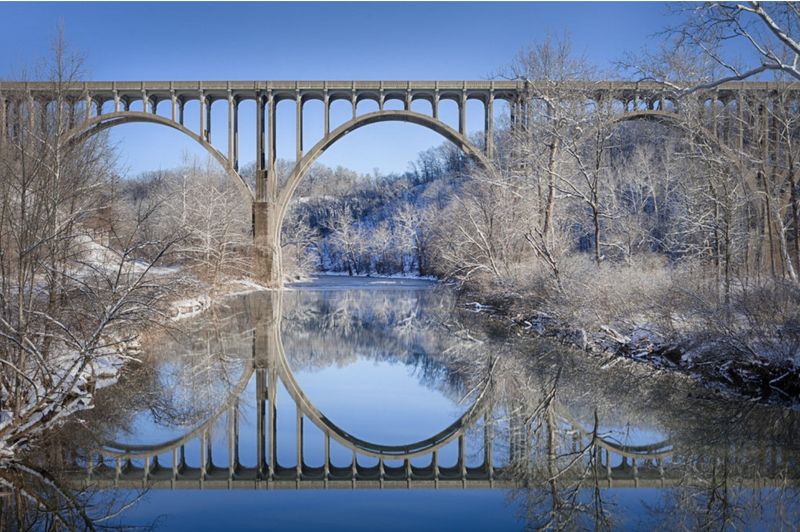
Most people blow past this little village on their way to somewhere bigger, and honestly, that is their loss.
Peninsula is a village in northern Summit County, Ohio, sitting right in the heart of Cuyahoga Valley National Park.
The population barely cracks 600, but the personality here is enormous.
Main Street is lined with century-old storefronts, and the whole place has this unhurried, welcoming energy that is genuinely hard to find these days.
I arrived expecting a quick stop and ended up spending most of the day wandering around, talking to locals, and eating more than I should have.
The village is surrounded by national parkland on nearly every side, which means the views are consistently stunning no matter which direction you look.
Deer cross the road without much concern, birds are loud and everywhere, and the Cuyahoga River runs close enough to hear from certain spots in town.
The village government address is 1582 Main Street, Peninsula, OH 44264, and the town is worth every mile of the drive to get there.
The Scenic Railroad That Still Runs Through Town
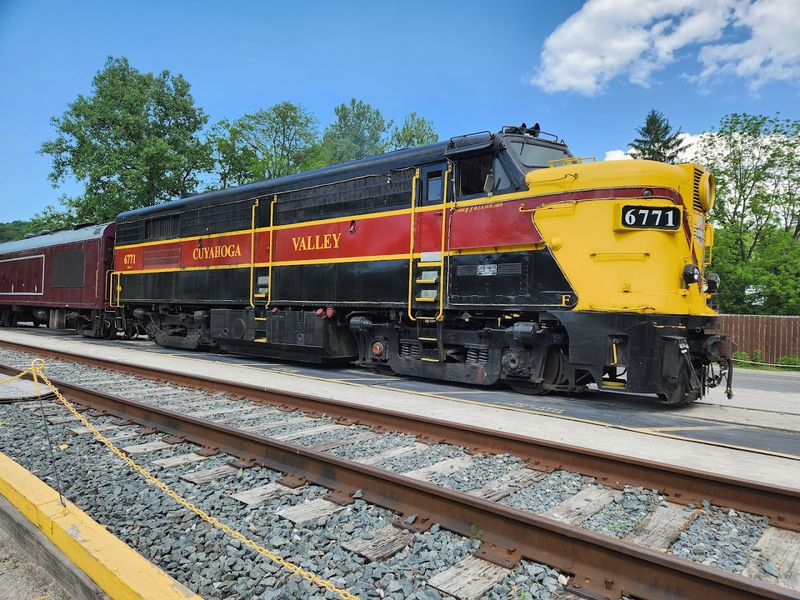
There is something almost magical about watching a real passenger train roll through a small village, and Peninsula delivers that experience with style.
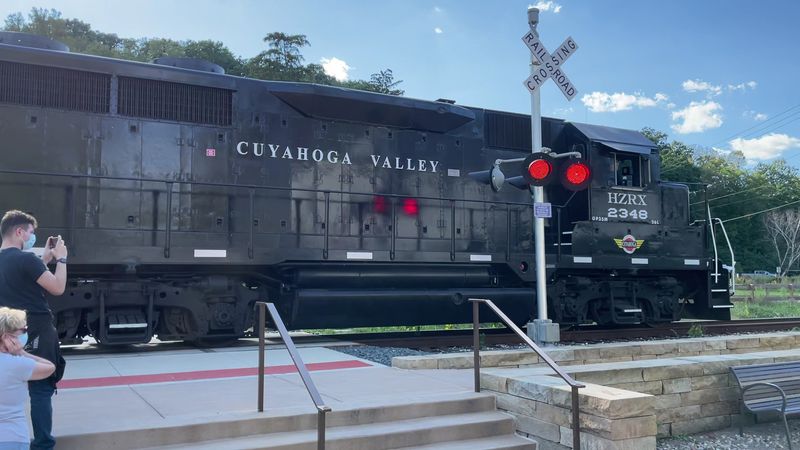
The Cuyahoga Valley Scenic Railroad runs directly through town, and it is one of the most beloved attractions in the national park area.
Railroading came to the Cuyahoga Valley in 1880, and today the Cuyahoga Valley Scenic Railroad carries passengers on excursions through miles of gorgeous valley scenery.
I boarded near the Peninsula Depot, a historic station at 1630 Mill Street that adds a wonderful old-school atmosphere to the whole experience.
The train moves at a relaxed pace, which gives you plenty of time to spot herons along the river, admire the tree canopy, and take photos without rushing.
Seasonal excursions make the railroad extra special, with fall foliage rides, holiday trains, and the Explorer Program, formerly known as Bike Aboard, where cyclists and other trail users can use the train as a one-way shuttle.
Whether you are a train enthusiast or just someone who appreciates a slow and beautiful journey, this railroad is genuinely one of the best things to do in the area.
Local Food Worth Planning Your Trip Around
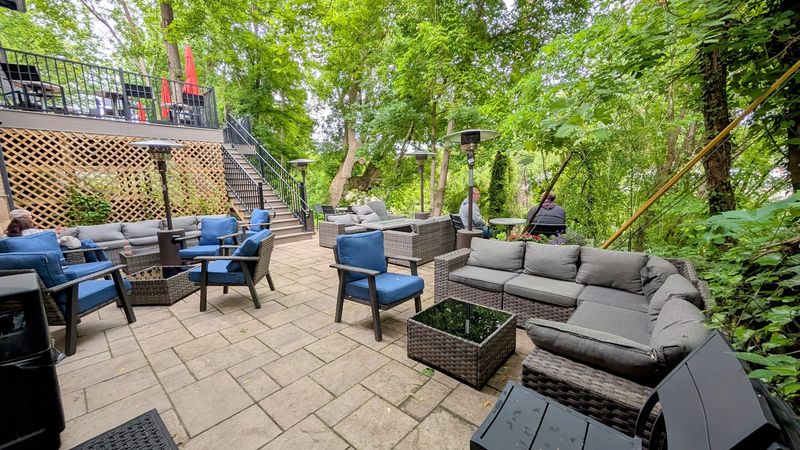
My appetite had heard rumors about the food situation in Peninsula, and I can confirm that the town knows how to take care of hungry visitors.
Fisher’s Café & Pub and Winking Lizard Tavern are two of the best-known local stops, giving visitors easy places to refuel after a train ride, bike ride, or long walk on the Towpath Trail.
Fisher’s has been serving the area for decades and leans into American food, daily specials, and the kind of relaxed pub atmosphere that fits perfectly after a muddy trail morning.
Winking Lizard brings a bigger tavern-style menu with burgers, wings, pizza, sandwiches, and enough options to keep a group from arguing over where to eat.
For something lighter or sweeter, Peninsula Coffee House and Crooked Kettle Popcorn add easy snack stops to the mix, which is exactly what you want in a village built for wandering.
The food scene here is warm and unpretentious, with enough variety to turn a quick stop into a full afternoon.
Come hungry, leave room for something sweet, and do not underestimate how good simple food can taste after a few hours in the national park.
The Cuyahoga River And Its Quiet Pull
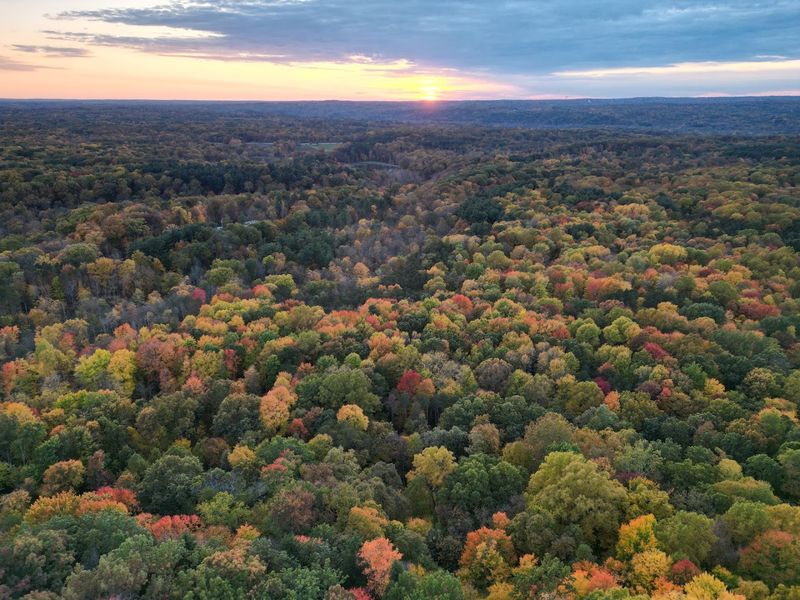
The river that runs through Peninsula has had quite a journey of its own, and today it is a genuinely beautiful place to spend time near.
The Cuyahoga River winds through the national park alongside the village, offering some of the most peaceful scenery I have come across anywhere in the Midwest.
Kayaking and canoeing are possible here, but visitors should know that the National Park Service does not maintain the river for recreational use, and paddlers need to bring their own equipment or make separate arrangements before arriving.
I spent about an hour just sitting near the riverbank, watching the water move and listening to the birds argue overhead, and it was one of the most genuinely relaxing things I have done in years.
The river corridor also serves as a habitat for a surprising variety of wildlife, including great blue herons, beavers, and river otters that occasionally make an appearance.
Fishing is allowed in the park, though catch-and-release is encouraged, and visitors should check current regulations and health advisories before casting a line.
The river is the quiet heartbeat of Peninsula, and spending time near it feels like pressing a natural reset button.
Cuyahoga Valley National Park As Your Backyard
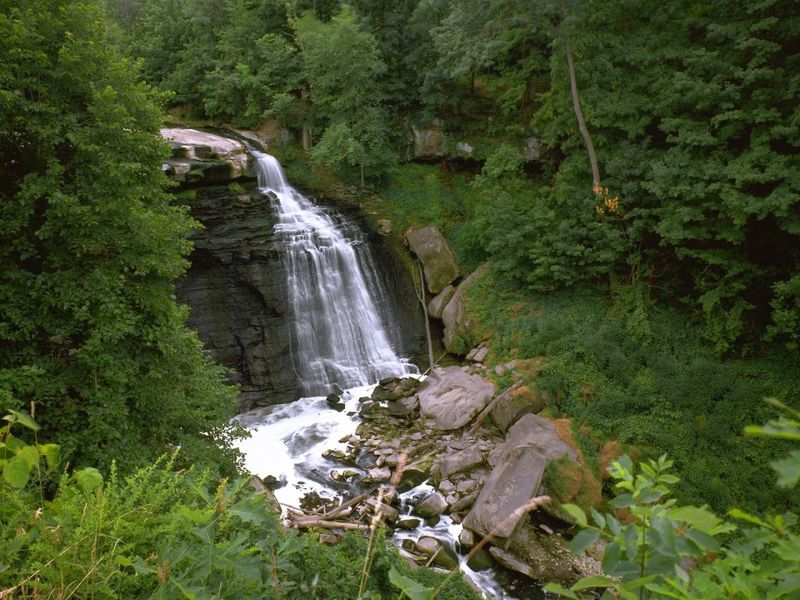
Having a national park as your literal backyard is not something most villages can claim, but Peninsula pulls it off effortlessly.
Cuyahoga Valley National Park surrounds the village almost entirely, offering over 125 miles of trails, waterfalls, wetlands, and scenic overlooks within easy reach of Main Street.
I started my morning with a short hike on the Towpath Trail, which follows the old Ohio and Erie Canal route and is flat enough to be enjoyable for almost anyone.
The trail surface is well-maintained crushed limestone with some paved sections, the signage is clear, and the scenery changes constantly as you move between meadows, forests, and river views.
More adventurous hikers can head toward the Ledges area or Stanford Trail for steeper terrain and more dramatic rock formations.
The park is free to enter, which is one of the best deals in American outdoor recreation, and it stays open year-round so every season offers something new.
Snowshoeing in winter, wildflowers in spring, shaded trails in summer, and blazing color in fall make this park endlessly rewarding to revisit.
Brandywine Falls And Why It Steals The Show
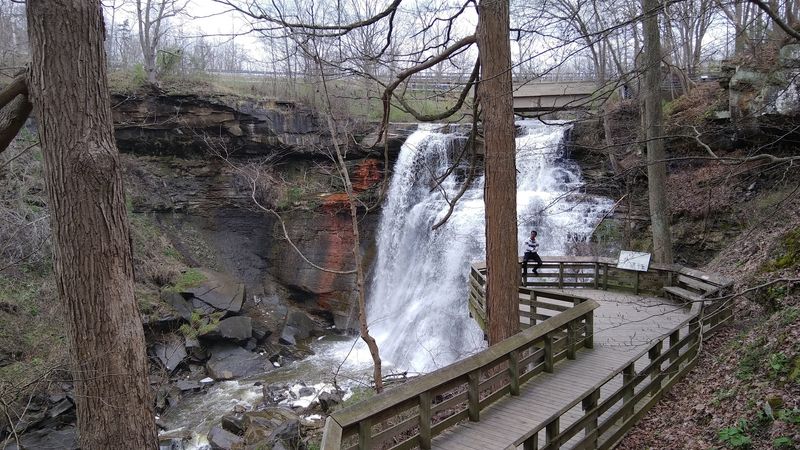
About a ten-minute drive from the village center sits one of the most photogenic waterfalls in the entire state, and it absolutely deserves its own section.
Brandywine Falls drops 65 feet over layered sandstone and shale, creating a wide, powerful curtain of water that is impressive in every season.
A boardwalk leads to an upper accessible viewing area, while the lower viewing deck requires a walk down roughly 80 steps.
I visited on a weekday morning when the crowds were thin, and the sound of the falls echoing through the gorge was genuinely breathtaking in a quiet, awe-inspiring way.
The surrounding forest and gorge frame the falls beautifully for photography.
The route from the parking area to the main overlook is short, making it one of the most rewarding quick stops in the entire park.
After the falls, I looped back through a longer forest trail and came out feeling like I had earned another snack waiting for me back in the village.
The Towpath Trail And Its Peaceful History
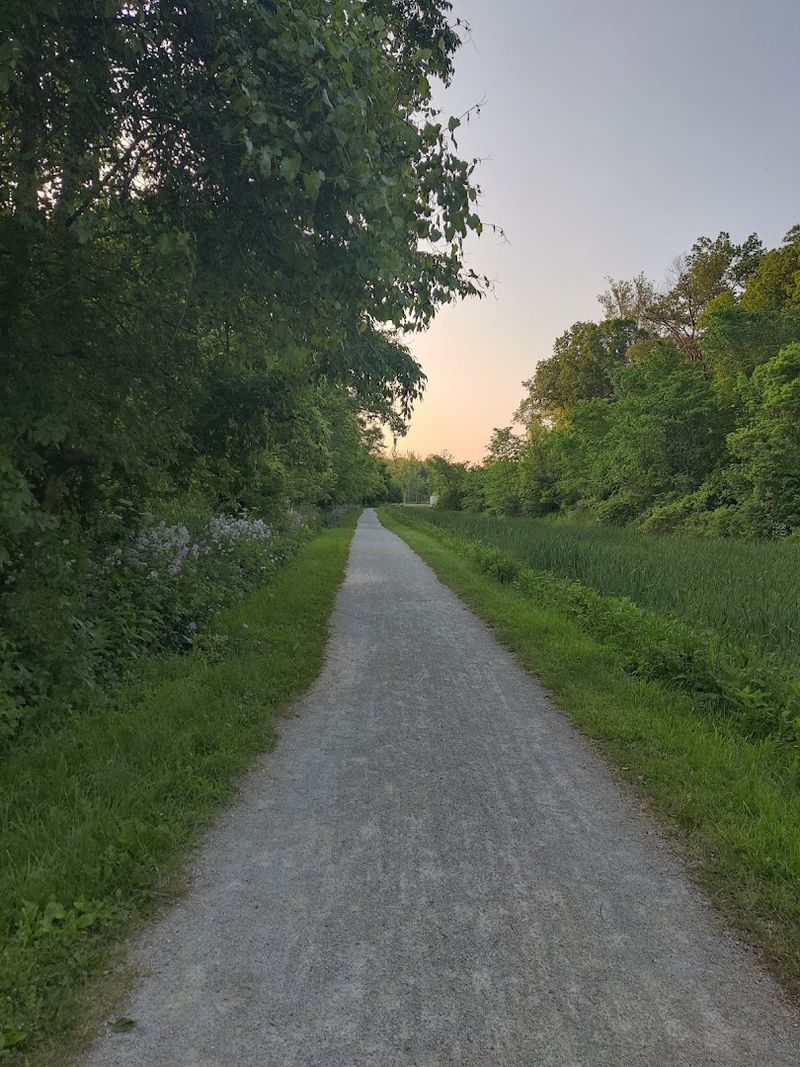
Long before trains carried passengers through this valley, mules hauled cargo along a canal towpath that ran right through the heart of what is now Peninsula.
The Ohio and Erie Canal was a major economic artery in the 1800s, and the Towpath Trail follows its original route through Cuyahoga Valley National Park and beyond.
Within the national park, the Towpath Trail runs for 20 miles, while longer regional connections allow ambitious riders to continue much farther along the Ohio & Erie Canalway.
Today the trail is a multi-use path popular with cyclists, joggers, birdwatchers, and anyone who simply wants a long, flat walk through beautiful scenery.
I rented a bike from a nearby outfitter and spent a couple of hours pedaling north and south from the village, stopping whenever something interesting caught my eye, which happened often.
Interpretive signs along the route explain the canal history in clear, engaging language that makes the ride feel educational without being boring.
Lock 29, located right in Peninsula, is a well-preserved stone canal lock that gives you a tangible sense of how the old canal system actually worked.
The trail connects to communities north and south of the park, so ambitious riders can turn a morning ride into a full-day adventure with multiple towns along the way.
Main Street Charm Without The Tourist Trap Feel
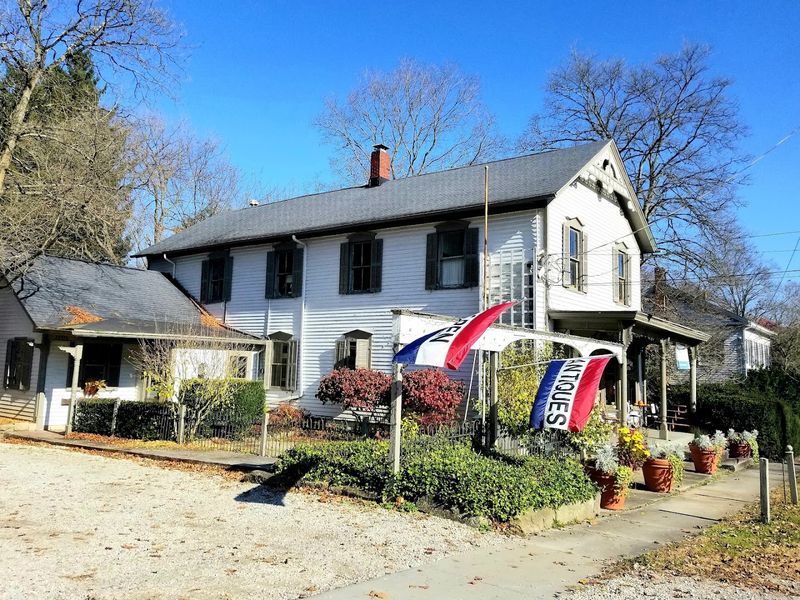
Some small-town main streets feel like they were designed for Instagram rather than actual people. However, Peninsula manages to be genuinely charming without feeling staged.
The storefronts along Main Street are a mix of antique shops, local eateries, a small art gallery, and a few specialty stores that sell things you did not know you needed until you saw them.
The buildings themselves are historic, with brick facades and old architectural details that have been maintained rather than replaced with modern generic fronts.
I spent a good chunk of time browsing an antique shop that was stuffed floor to ceiling with vintage finds, old maps, and oddities that could have kept me busy for hours.
The pace on Main Street is unhurried by default, with locals stopping to chat on sidewalks and shop owners who seem genuinely interested in conversation rather than just making a sale.
Parking is easy, crowds are manageable even on weekends, and nothing on the street feels like a tourist trap designed to separate you from your money.
It is the kind of street that reminds you why small towns still matter in a world of big-box everything.
Wildlife Watching That Surprises Every Time
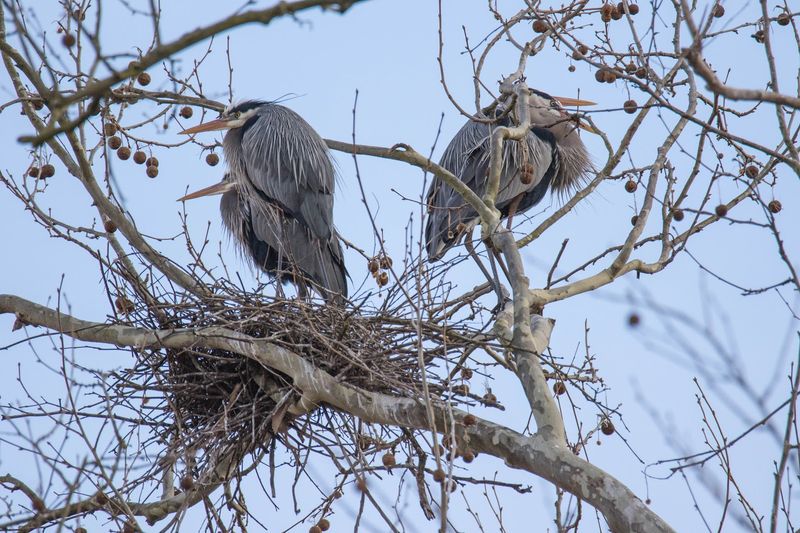
The national park that wraps around Peninsula is home to an impressive range of wildlife, and you do not need to hike deep into the backcountry to find it.
Great blue herons are practically residents here, standing motionless in the shallows of the river with the patience of seasoned fishermen.
White-tailed deer appear regularly along the Towpath Trail and near the forest edges, often close enough to photograph without a telephoto lens.
I spotted a family of deer grazing in a meadow near the train depot on my first morning, and it set a tone of pleasant surprise that lasted the whole visit.
Beavers have made a comeback in the valley, and their dams and lodges are visible from several points along the river trail if you know what to look for.
Birding is especially rewarding here, with over 200 species recorded in the park across different seasons, including migratory warblers in spring and bald eagles in winter.
Bring binoculars, move quietly, and keep your eyes open because Peninsula rewards patient observers with encounters that feel genuinely wild and unscripted.
Seasons Change Everything Here
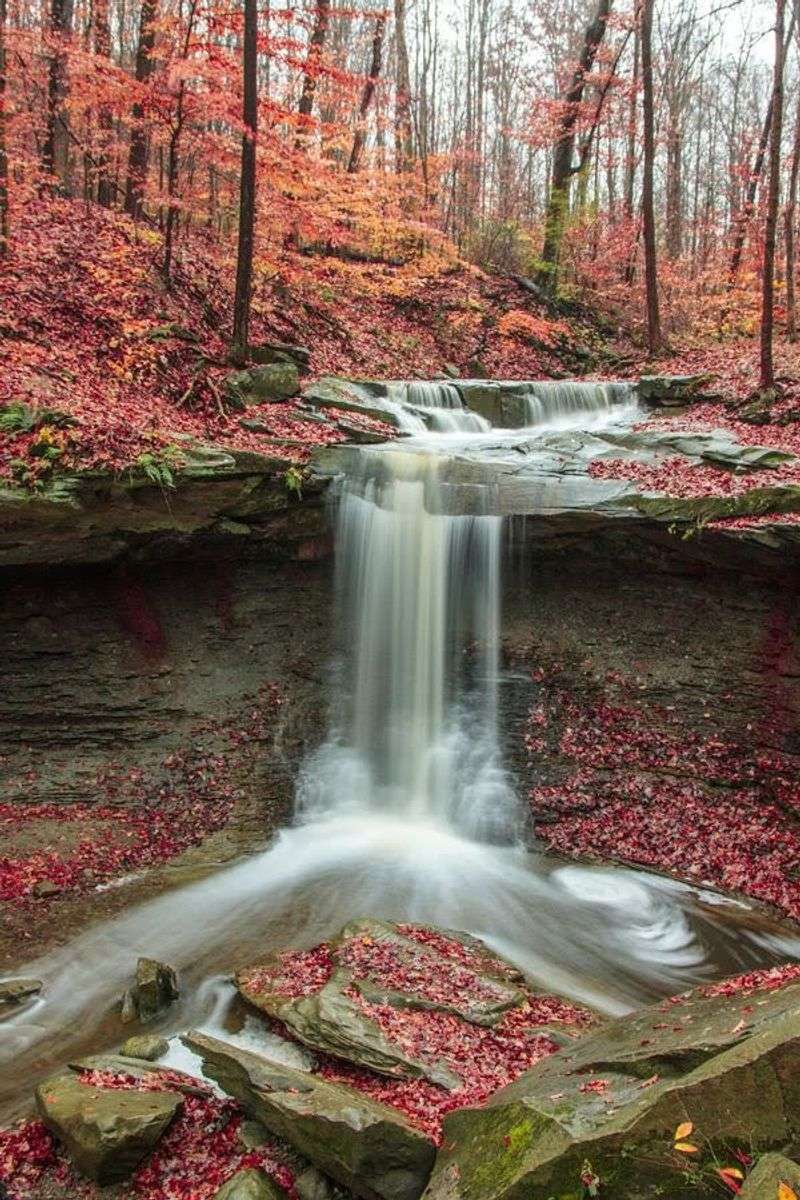
Every season in Peninsula brings a completely different atmosphere, and honestly, I am convinced that each one makes a strong case for being the best time to visit.
Autumn is the showstopper, with the national park erupting in reds, oranges, and golds that reflect off the river and make every trail feel like a painting.
The scenic railroad runs special fall foliage excursions during peak color season, and the combination of a moving train and blazing trees is almost unfairly beautiful.
Spring brings wildflowers along the forest floor, rushing waterfalls from snowmelt, and migrating birds that fill the valley with sound after a quiet winter.
Summer is lush and green, with the river corridor alive with paddlers and the trails shaded by a full canopy that makes even afternoon hikes comfortable.
Winter transforms the whole area into something hushed and dramatic, with snow-covered boardwalks at Brandywine Falls and ice formations along the creek edges.
No matter when you arrive, Peninsula will look different from the last time you were here, which is exactly the kind of reason to keep coming back again and again.
Practical Tips For Your First Visit
A little planning goes a long way when visiting Peninsula, and a few insider tips can make the difference between a good trip and a great one.
The village is about 30 miles south of Cleveland and 10 miles north of Akron, making it an easy day trip from either city without any complicated logistics.
Parking on Main Street is free and generally available, but on peak fall weekends the national park lots can fill up early, so arriving before 9 a.m. gives you a real advantage.
The Cuyahoga Valley Scenic Railroad requires tickets, especially for seasonal excursions, so booking online ahead of time is strongly recommended.
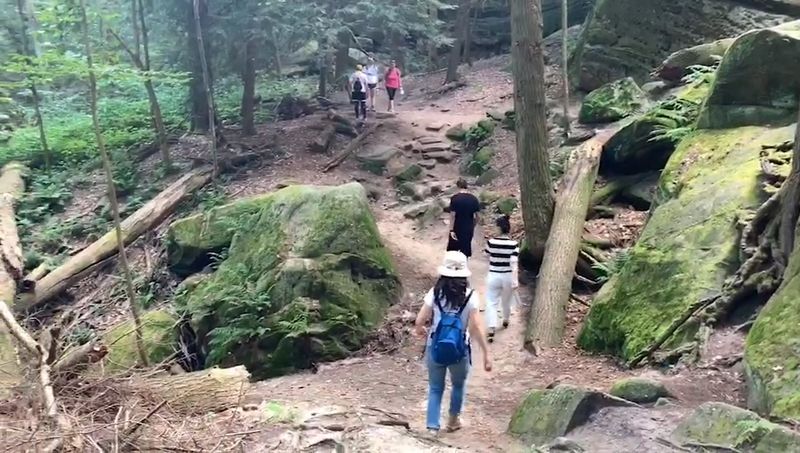
Wear comfortable shoes with grip because even the easy trails involve some uneven ground, and the towpath can get muddy after rain.
Cell service is spotty in parts of the national park, so downloading an offline trail map before you arrive is a smart move that takes about two minutes.
Most local shops and restaurants in the village are casual and visitor-friendly, making it easy to build a flexible day around food, trails, shopping, and the train.
Why Peninsula Stays With You Long After You Leave
Some places stick with you not because they were flashy or expensive, but because they were exactly what you needed at the right moment.
Peninsula is that kind of place, a village that offers real quiet, real nature, real food, and real history without requiring you to spend a fortune or fight a crowd.
The combination of a working scenic railroad, a national park at your doorstep, local food stops, and a main street with genuine character is surprisingly rare.
I left the village with trail mud on my boots, a snack on the passenger seat, and a list of things I wanted to come back and do next time.
That list included a longer bike ride on the Towpath, a morning paddle on the river, and at least one more seasonal train excursion through the valley.
Peninsula does not try to be anything it is not, and that honesty is part of what makes it so refreshing to visit.
If your idea of a perfect escape involves fresh air, good food, and a train whistle in the distance, this little village has your name written all over it.