
This Arizona Boat Ride Drifts Through A Labyrinth Of Sunken Red Rock Canyons
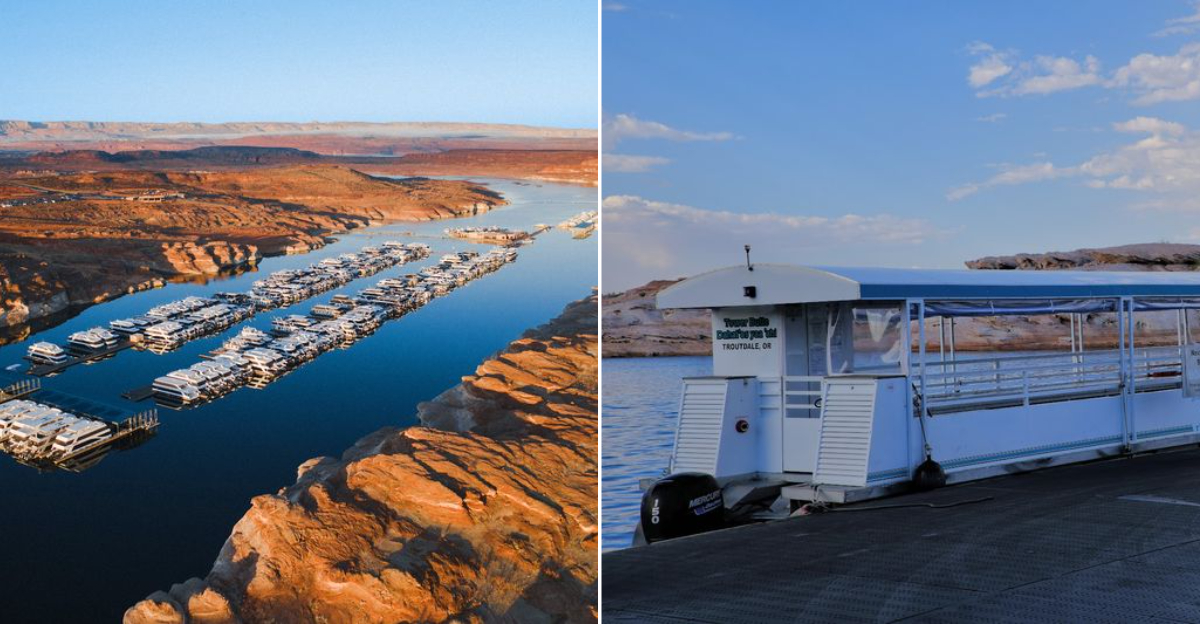
Most of my travels involve me getting lost in a city, but today I got lost in a maze of water and towering crimson cliffs, and honestly, I have no complaints. There’s a strange, calming rhythm to drifting through narrow corridors of rock that feel like they’ve been waiting millions of years for me to finally show up.
As the sun moves, the colors shift from burnt orange to deep copper, reminding me that nature is a much better interior decorator than I’ll ever be. It’s hard to wrap your head around just how spectacular Arizona can be until you’re sitting on a boat in the middle of these sunken canyons, wondering if you should just move in and start a new life as a river pirate.
I took this trip on a calm morning last spring, and honestly, it felt like drifting through a painting that someone forgot to finish because nature kept adding more color.
Lake Powell And The Canyon’s Hidden World
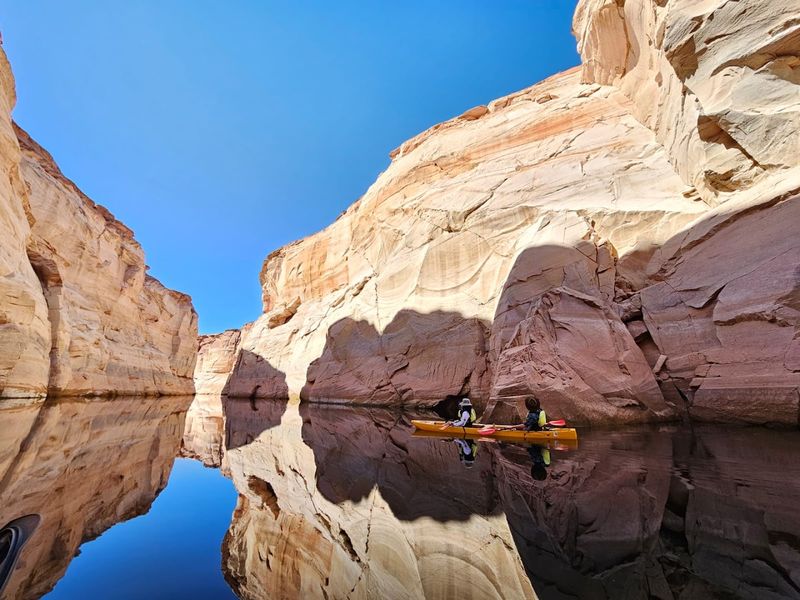
Lake Powell has a way of making the desert look like it learned a magic trick. One moment, you are staring at open blue water under the Arizona sun, and the next, the boat slips toward narrow red rock walls that seem to rise straight out of the lake.
This is where the setting becomes the whole show. The flooded canyons around Page create a strange and beautiful world, where ancient sandstone formations meet calm water in the most dramatic way possible.
Antelope Canyon’s lower reaches feel especially unreal from a boat, with curved walls, glowing colors, and tight passages that make every turn feel like a discovery.
It is not the loud kind of scenery that tries too hard. It is quiet, glowing, and a little mysterious. That mix of water, stone, and desert light is exactly what makes this Arizona boat ride feel so different from a regular lake tour.
The Colors That Stop You
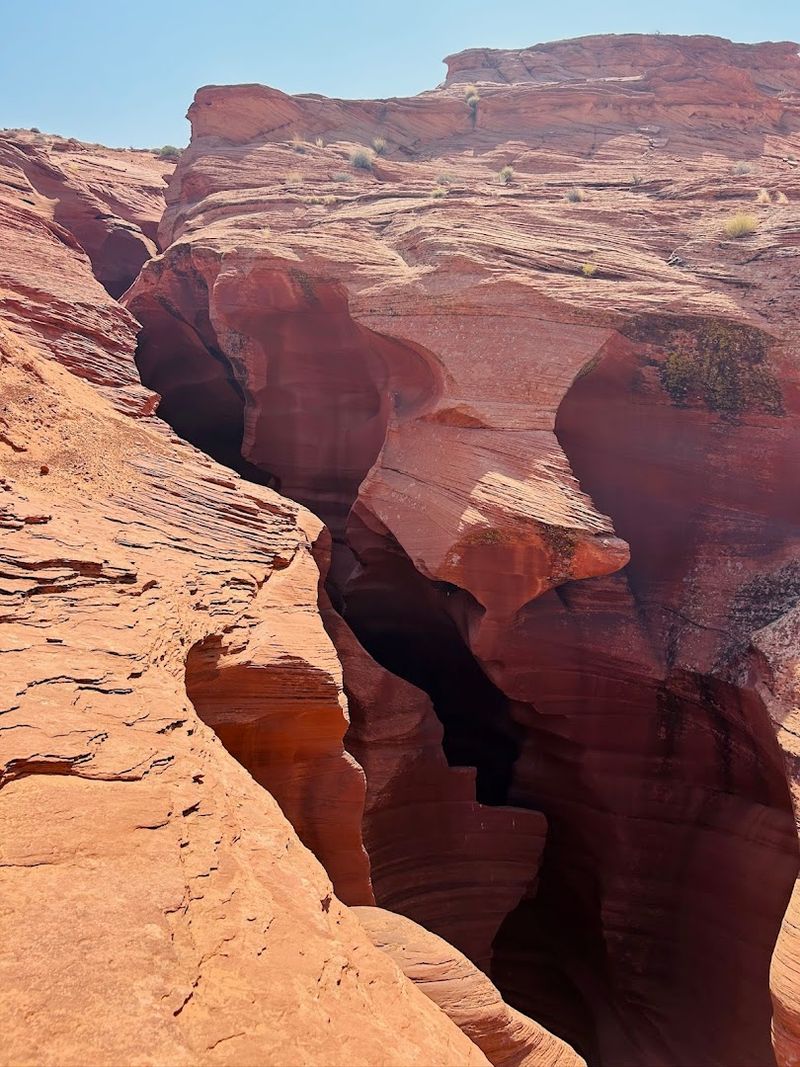
The rock inside Antelope Canyon is Navajo Sandstone, and it has been shaped over millions of years by wind, water, and time into forms that look almost hand-carved. The color range is staggering.
Depending on the hour and the angle of the sun, the walls shift between deep crimson, burnt orange, dusty rose, and warm amber, sometimes all at once within the same stretch of canyon.
What makes the boat tour particularly rewarding for color lovers is that you move slowly through the canyon, giving your eyes time to absorb the detail. Flash floods over centuries have polished the stone smooth in many places, creating a surface that almost glows when sunlight hits it at the right angle.
The texture varies too, with rippled grooves, curved overhangs, and layered striations that tell the story of ancient desert dunes compressed into solid rock.
Photography here is genuinely effortless because every direction you point your camera offers something worth keeping. The canyon does most of the creative work for you.
Motorized Boats, Kayaks, And Photography Specials
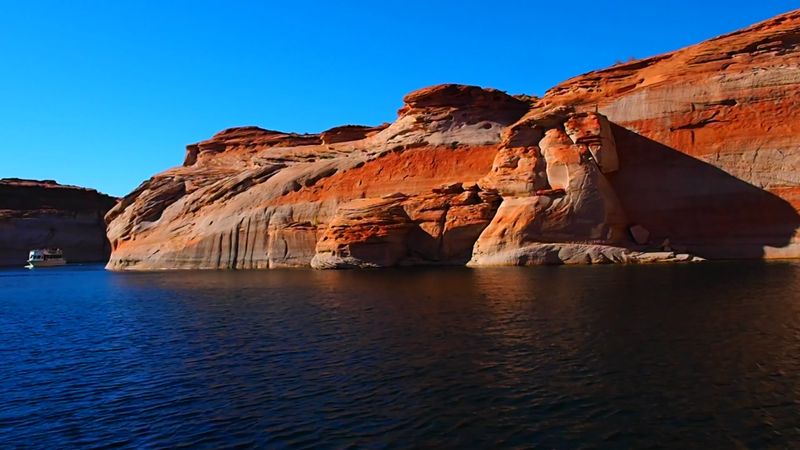
One of the first decisions you will make when planning this trip is choosing your tour style, and the options are genuinely varied enough to suit different travelers. Motorized boat tours are the most popular choice and typically last between 1.5 and 2 hours.
They are comfortable, accessible, and cover a solid stretch of the canyon without requiring any physical effort beyond sitting and looking up. Guided kayak tours offer a more immersive experience and usually run between 3 and 4 hours.
Paddling through the canyon at your own pace puts you closer to the water and the walls, and some kayak tours include a hiking segment into a slot canyon section where the water becomes too shallow for boats. That combination of paddling and walking gives you a fuller picture of the canyon system.
Photography-focused tours are also available and cater specifically to guests who want extra time composing shots. These tours tend to move at a slower pace and are led by guides who understand light angles and timing.
Reputable operators include Lake Powell Resorts and Marinas and Lake Powell Adventure Co. With that many ways to experience the water, the canyon can feel relaxed, adventurous, or camera-ready depending on how you choose to see it.
Where Tours Depart And How To Get There
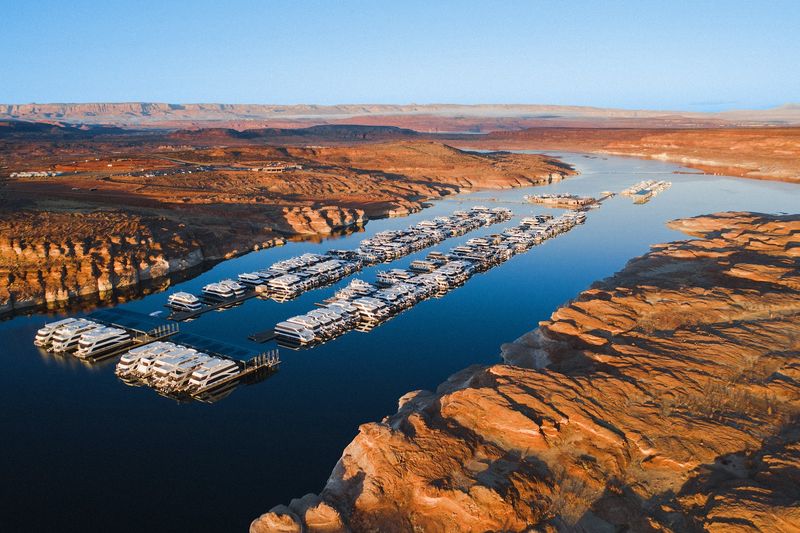
Getting to the tour departure point is straightforward once you know where to look. Most motorized boat tours depart from either the lobby of Lake Powell Resort or Antelope Point Marina, both located near Page, Arizona.
Wahweap Bay also serves as a departure point for certain tours, and it offers scenic views of the lake before you even board. Page itself sits in northern Arizona near the Utah border, roughly a 2.5-hour drive from Flagstaff and about 4.5 hours from Phoenix.
The town is small but well-equipped for tourists, with hotels, restaurants, and tour booking offices clustered near the main road. I booked my tour the afternoon before at the marina office, and the staff there were genuinely helpful about explaining what to expect.
Parking at both marina locations is available and generally uncomplicated, though arriving early in peak season is wise since the lots fill up faster than you might expect. The landscape on the drive in through the Arizona desert already starts warming you up for what the canyon has in store.
By the time you reach the water, the trip already feels like it has been building toward something memorable.
The Best Times To Visit The Canyon By Boat
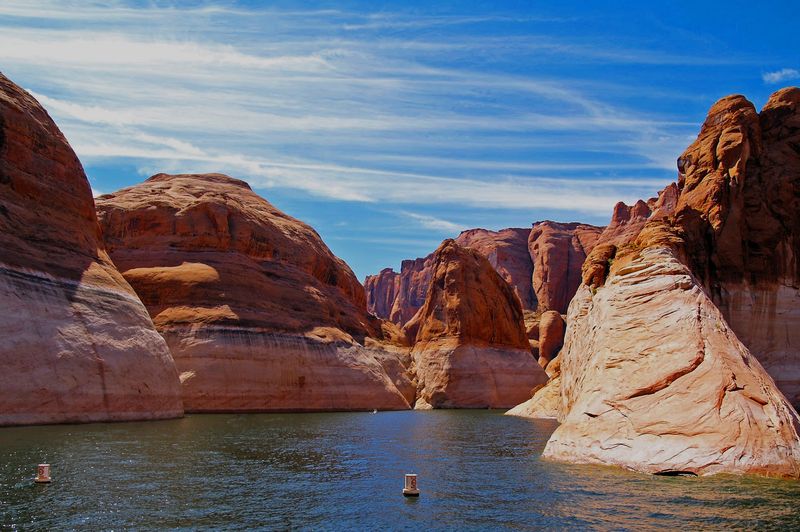
Light is the main character in Antelope Canyon, and timing your visit around it makes a real difference in what you experience.
The interplay of sunlight and shadow on the canyon walls changes constantly throughout the day, but the most dramatic moments tend to happen during the late morning and early afternoon when the sun is high enough to send shafts of light down into the narrow passages.
Sunrise and sunset tours have their own appeal, casting the walls in softer, warmer tones that feel almost theatrical. I went on a mid-morning motorized tour and caught one of those rare moments when a beam of light cut straight through a gap in the rock and lit up a section of wall in a perfect column of gold.
The whole boat went quiet for about thirty seconds, which felt like a collective agreement that words were not going to cover it.
Spring and fall generally offer the most comfortable temperatures for touring. Summer brings intense heat but also the strongest overhead light, which creates the most vivid color saturation in photographs.
No matter when you go, the canyon’s shifting light makes the ride feel slightly different every time.
Accessibility, Fees, And What To Know Before You Book
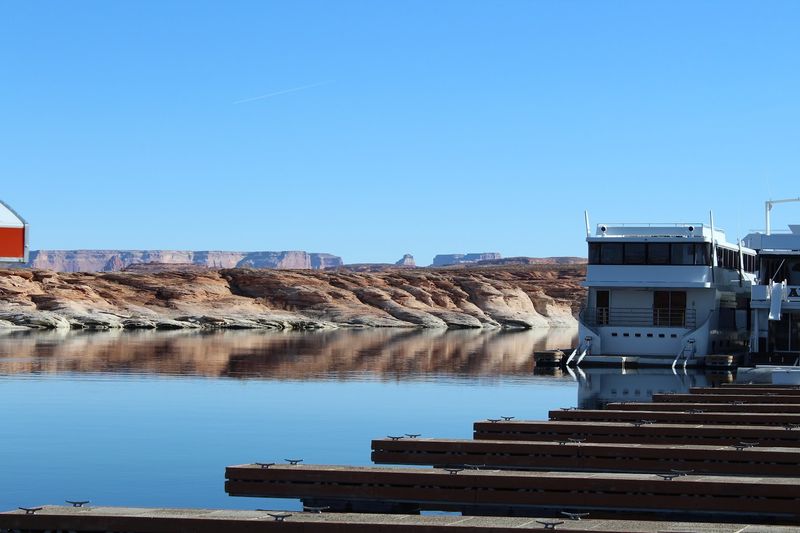
Accessibility on these tours is better than many people expect. Certain motorized boat tours are fully ADA accessible, and photography tours in particular are designed with guests in mind who prefer not to hike or kayak.
These tours work well for families with young children, older visitors, and anyone with mobility considerations. Flat, stable boat decks make the experience manageable for a wide range of guests.
Before booking, be aware that entry fees apply beyond the tour cost itself.
Visitors may need to pay a Glen Canyon National Recreation Area park fee or a Navajo Nation entrance fee depending on the specific tour route and operator. Checking with your tour company in advance about what is included in the ticket price saves you from unexpected costs at the gate.
Booking ahead is strongly recommended during peak season, which runs roughly from March through October. Tours sell out quickly, especially photography-focused options.
Wearing sunscreen, a hat, and comfortable shoes is standard advice, and bringing a water bottle is simply non-negotiable in the Arizona heat. Most operators are transparent about cancellation policies if your plans change.
Why This Experience Stays With You
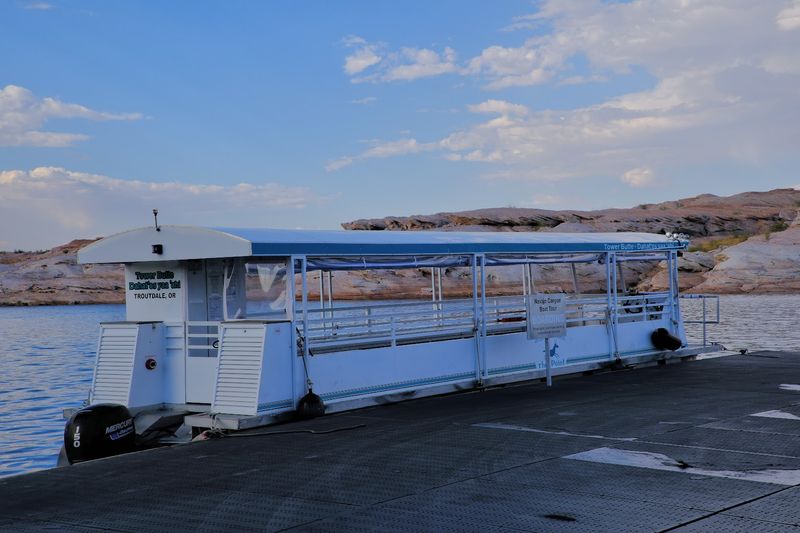
There is something about moving through a canyon by water that rewires your sense of scale in a way that standing on solid ground simply does not.
The boat puts you right at the base of those enormous walls, and the silence of the water beneath you amplifies every visual detail above.
I kept noticing new things, a shadow shaped like a wave, a vein of darker rock cutting diagonally through a wall of orange, a tiny ledge twenty feet up where a bird had decided the view was worth the climb.
The canyon also carries cultural weight. This land is part of the Navajo Nation, and several tour operators include context about the geological and cultural history of the area during the tour.
That added layer of meaning makes the experience feel more grounded than a simple sightseeing trip.
Long after the boat docks and you are back on dry land, the images stay vivid in a way that travel photos sometimes cannot fully capture. Antelope Canyon by water is one of those rare experiences that genuinely earns the word unforgettable without needing to oversell itself.