
This Hidden Florida Sanctuary In The Keys Is Home To More Than 90 Rescued Birds
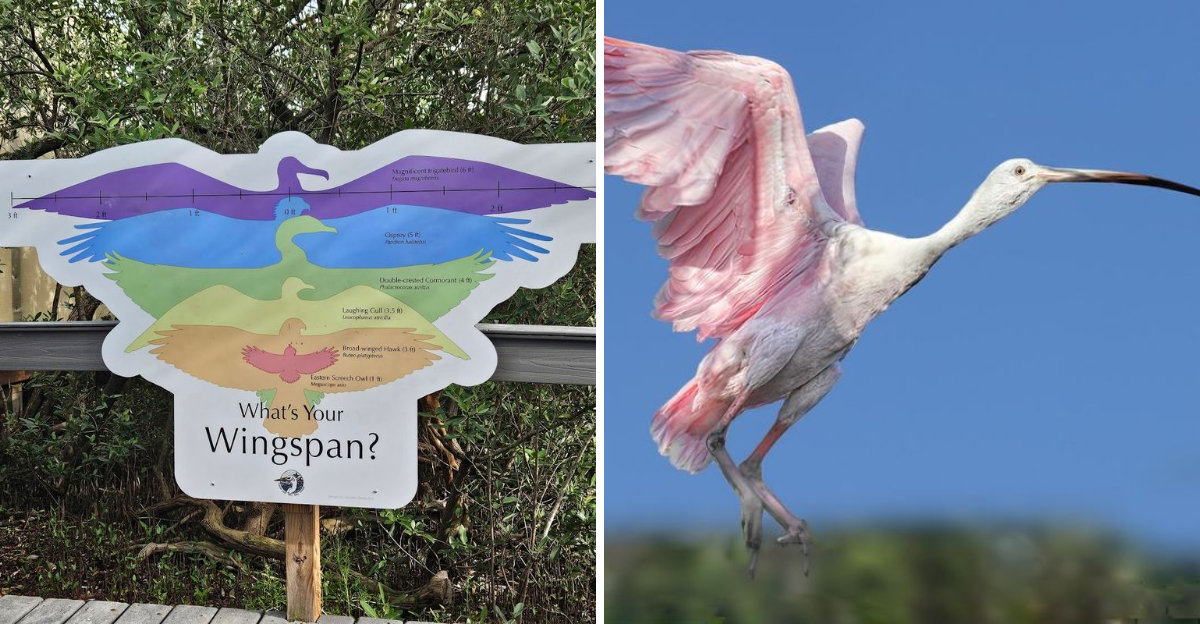
The Florida Keys are filled with places that demand your attention.
This one earns it quietly.
There are no towering attractions, flashing signs, or crowds rushing toward the entrance. Instead, a simple boardwalk disappears into the mangroves, and before long, the noise of the Overseas Highway fades into the background.
That is where the magic begins.
At first glance, the sanctuary feels peaceful and unassuming. Then you start meeting its residents.
A hawk recovering from an injury. An owl that can no longer survive in the wild.
A pelican given a second chance because someone cared enough to help.
Suddenly, this is not just a wildlife stop.
It is a collection of stories.
That is what makes the Laura Quinn Wild Bird Sanctuary so memorable.
The experience feels personal.
The mission feels genuine.
And every encounter reminds visitors that some of Florida’s most meaningful attractions are not built around entertainment at all.
They are built around compassion.
By the time you leave, it is often the stories—not just the birds—that stay with you.
A Sanctuary Born From One Woman’s Compassion
Laura Quinn started this entire operation from her backyard, long before it became the organized sanctuary visitors see today. She earned the nickname “the bird lady” among locals who would bring her injured gulls, tangled pelicans, and stunned owls they found along the roadside.
What began as a handful of makeshift cages grew into a full wildlife hospital and rehabilitation center, with volunteers and veterinarians joining her mission to keep the Keys’ bird population thriving.
Walking the boardwalk now, I could see how her original vision shaped every corner of the property. The enclosures are spacious and thoughtfully designed, giving each bird room to stretch wings even if they can never truly soar again.
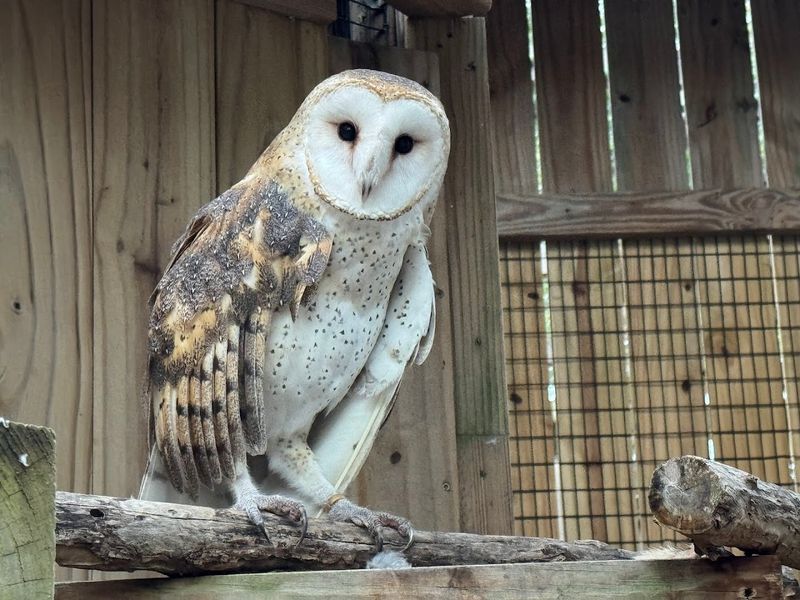
Informational plaques share not just species facts but also the personal rescue story of each resident, a touch that makes the experience feel intimate rather than clinical. I appreciated learning that many birds treated here do return to the wild, while those who stay become ambassadors for their species, teaching visitors about the challenges facing Florida’s native birds.
Owls That Win Every Staring Contest
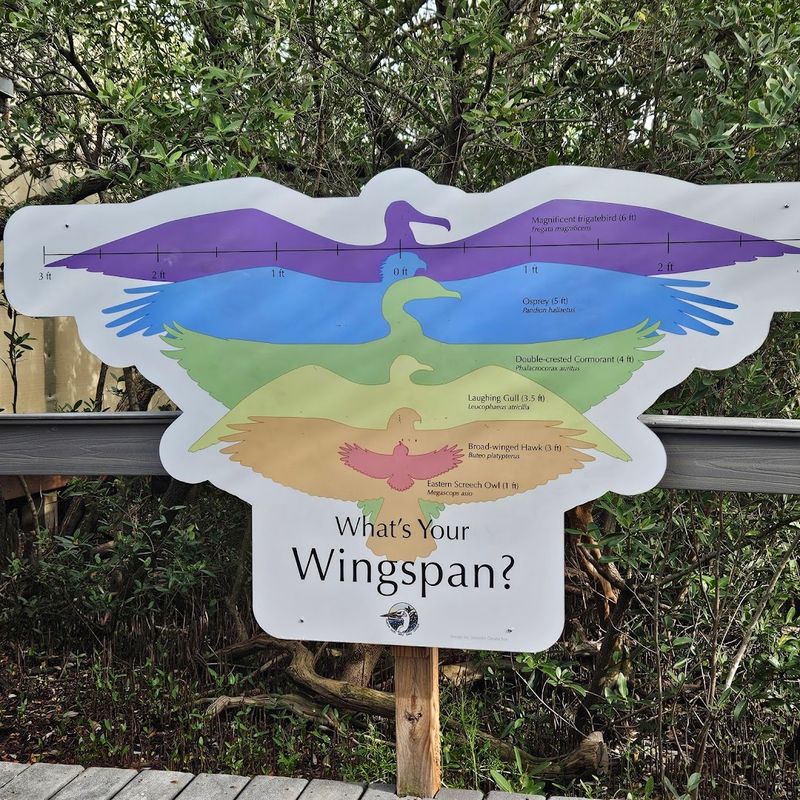
Leopold, a barred owl, has become something of a celebrity among regular visitors, mostly because he refuses to look away first. I stood in front of his enclosure for what felt like five full minutes, trying to outwait him, and he did not even blink while I eventually gave up and moved on.
His intensity is not aggression but pure curiosity, the kind of focused attention that makes you feel like he is reading your thoughts and finding them mildly amusing.
Several other owls live at the sanctuary, each with distinct personalities and stories explaining why they cannot hunt in the wild anymore. Some suffered wing injuries that healed but left them unable to fly silently, a critical skill for nocturnal predators.
Others were hit by cars or became tangled in fishing line, injuries that seem minor until you realize how precision-dependent an owl’s survival strategy really is. I found myself lingering at each owl habitat, reading about their individual histories and watching how they moved, perched, and occasionally swiveled their heads in that unnerving full rotation that never stops being impressive.
Pelicans With Personality And Plenty Of Attitude
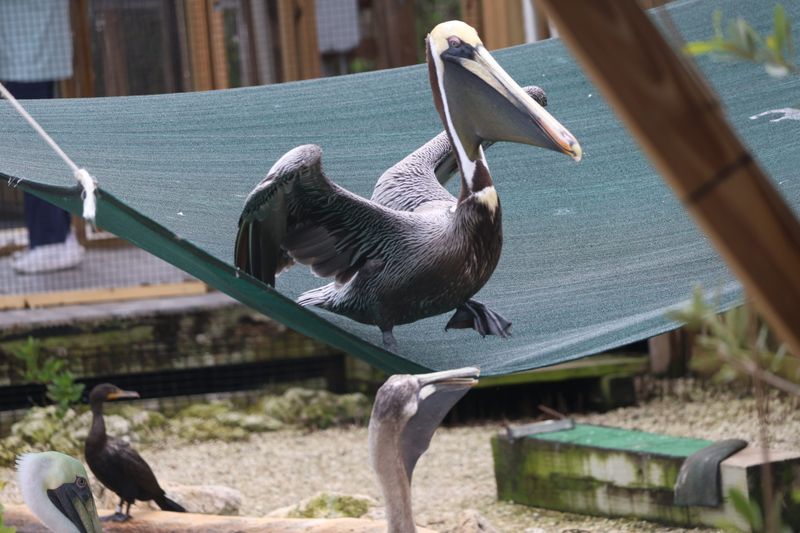
Pelicans dominate the sanctuary with their size, their noise, and their complete lack of shyness around human visitors. I watched one stretch its wings wide, shake its pouch like a dog drying off, and then settle back down as if performing for an invisible audience.
These birds are not quiet or subtle, and their enclosures buzz with activity, splashing, and the occasional squabble over the best perching spot.
Many of the pelicans here survived fishing line entanglements, boat strikes, or hook injuries that left them unable to dive properly. The staff explained that pelicans rely on precise aerodynamics when they plunge into the water for fish, and even a slightly crooked wing can throw off that entire sequence.
Watching them waddle and flap around their spacious habitats, I could see how much care goes into keeping them comfortable and stimulated. The sanctuary even hosts daily pelican feeding sessions, though timing varies, so checking ahead helps if you want to catch that particular show in action.
Hawks And Raptors Up Close Without The Danger
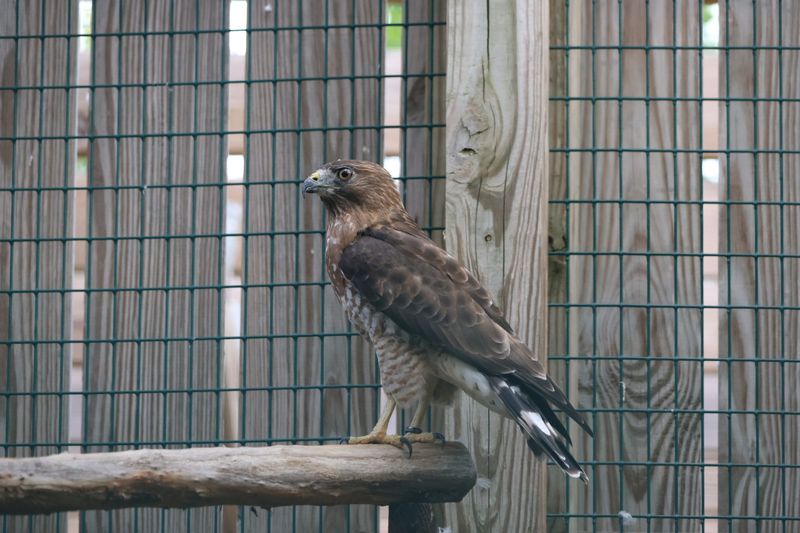
Raptors command respect even from behind protective netting, and the sanctuary houses several hawks that watch visitors with the same focus they would give a field mouse. I stood in front of a red-shouldered hawk that tracked my smallest movements, its head tilting slightly as if calculating distance and trajectory out of pure habit.
The placard explained that this particular bird lost vision in one eye after a collision, leaving it unable to judge depth well enough to hunt successfully.
Each raptor enclosure includes detailed information about hunting strategies, diet, and the specific injury or condition that brought that bird to the sanctuary. I appreciated the educational angle, which goes beyond basic species facts to explain how even small injuries can end a predator’s career in the wild.
The cages are large and filled with natural perches, giving the birds plenty of room to move and exercise. Misting systems keep them cool during the brutal Florida summer heat, and shade structures let them retreat when the sun becomes too intense, though several seemed perfectly content sunbathing in the midday warmth.
Herons And Cormorants In Their Element
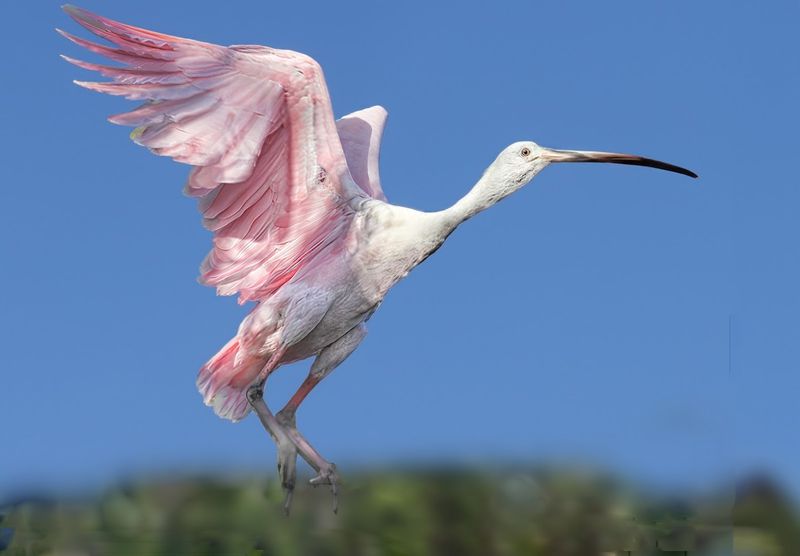
Water birds occupy the back section of the sanctuary, where the boardwalk opens onto views of shallow mangrove channels and the occasional surprise guest like a crocodile or iguana. I spotted a great blue heron standing motionless in its enclosure, demonstrating the patience these birds use while hunting, even though its meals now arrive on a predictable schedule.
Cormorants perched nearby, wings spread wide in that classic drying pose that makes them look like feathered laundry hung out in the sun.
These birds often arrive at the sanctuary after encounters with fishing gear, boat propellers, or storms that left them too weak to fend for themselves. The staff works to rehabilitate and release as many as possible, but some injuries require permanent care.
I found the waterbird section especially peaceful, with the sound of gentle waves and rustling mangroves creating a backdrop that felt more like a nature preserve than a rescue facility. The enclosures blend seamlessly into the surrounding environment, giving residents a setting that closely mimics their natural habitat while keeping them safe from predators and further harm.
A Boardwalk That Doubles As A Nature Trail
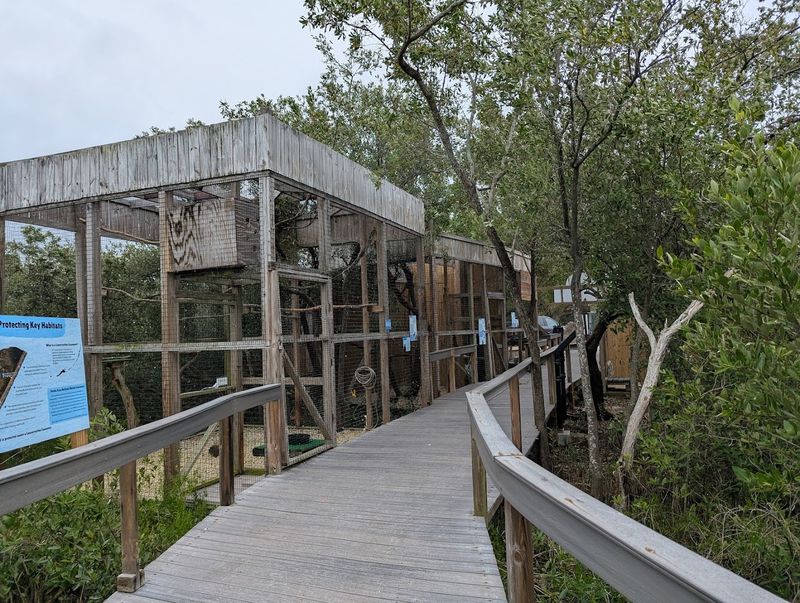
The sanctuary is not just about the birds in enclosures; the boardwalk itself winds through a beautiful stretch of mangrove forest that feels like stepping into a different world. I walked slowly, partly to read the informational signs and partly because the setting invited that kind of unhurried pace.
Sunlight filtered through the canopy in shifting patterns, and the air smelled like salt and earth, a combination that always reminds me why I love the Keys.
At the far end of the trail, the path opens onto a small beach area with views of the water and surrounding islands. I sat on a bench there for a few minutes, watching the tide and listening to the distant calls of wild birds mixing with the sounds from the sanctuary.
Several visitors mentioned spotting crocodiles in the water during their walks, though I only saw an iguana sunning itself on a branch, which felt like enough wildlife bonus for one visit. The trail adds an extra dimension to the experience, turning what could be a quick walk-through into a genuine nature outing that appeals to both bird enthusiasts and anyone who just wants a quiet break from the highway.
An Honor System That Speaks Volumes About Trust
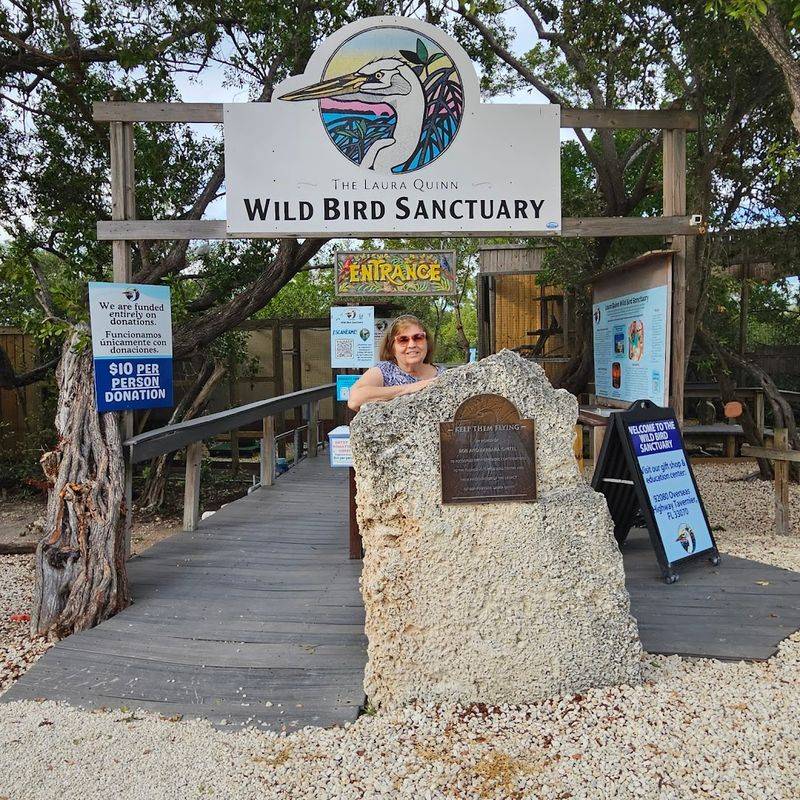
Admission operates on an honor system, with a suggested donation of ten dollars per person dropped into a simple collection box near the entrance. No turnstiles, no ticket booth, no staff member checking receipts, just a box and a polite request to help keep the sanctuary running.
I have visited plenty of attractions that nickel-and-dime visitors at every turn, so this approach felt refreshingly straightforward and honest.
The sanctuary relies almost entirely on donations and volunteer support to fund veterinary care, food, enclosure maintenance, and the daily work of rehabilitating injured birds. Every dollar goes directly toward those efforts, which makes the suggested contribution feel less like an entrance fee and more like a meaningful way to support something worthwhile.
I saw several families drop cash into the box, and a few left more than the suggested amount, clearly moved by what they had seen. The honor system works because visitors recognize the value of what the sanctuary provides, both for the birds and for the community.
I left my donation gladly, already planning to tell friends about the place and encourage them to stop by next time they drive through Tavernier.
Stories Behind Every Bird Make It Personal
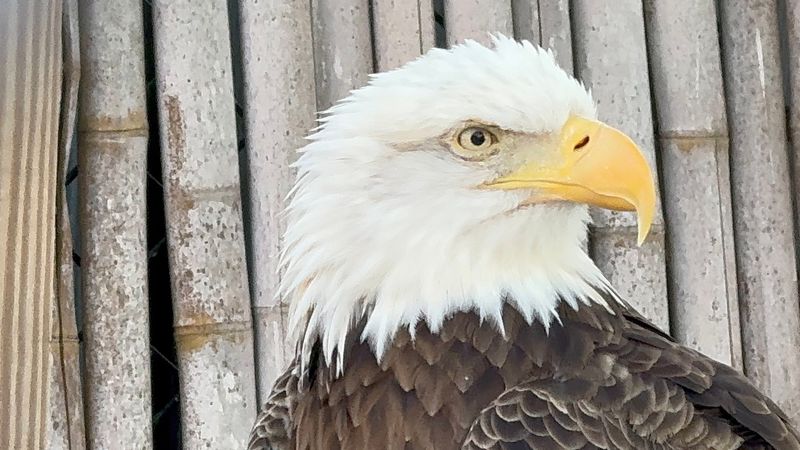
Every enclosure features a detailed placard explaining not just the species but also the specific circumstances that brought that individual bird to the sanctuary. I read about a gull that swallowed a fishing hook, a pelican that lost a wing to boat propeller damage, and an owl that became entangled in netting and could no longer fly silently enough to hunt.
These are not generic descriptions but real stories that put faces, or rather beaks, to the broader issue of human impact on wildlife.
The transparency creates an emotional connection that generic animal facts never could. I found myself thinking about how easily these injuries happen and how rarely we consider the consequences for the animals involved.
The sanctuary does not preach or guilt-trip visitors; it simply presents the facts and lets you draw your own conclusions. That approach worked on me, leaving me more mindful about fishing line disposal and more aware of how boats and birds share the same waterways.
The educational component extends beyond the birds themselves, with additional signs explaining local ecosystems, migration patterns, and conservation challenges facing Florida’s coastal wildlife.
Volunteers And Staff Who Genuinely Care
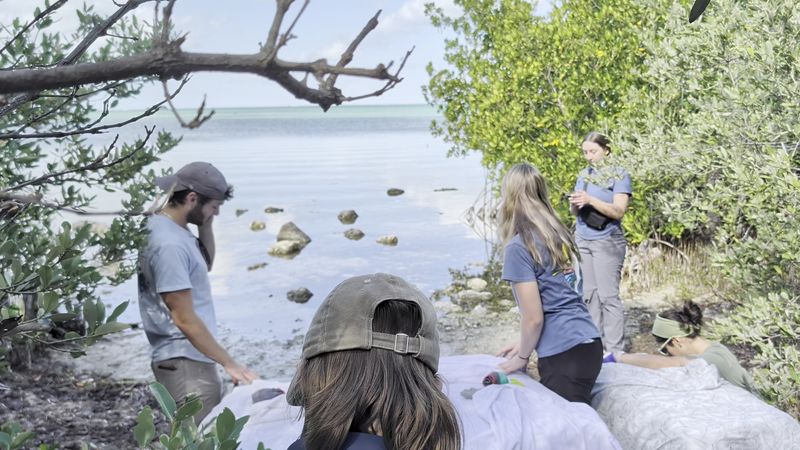
I encountered several volunteers during my visit, all of them eager to share information and answer questions without hovering or launching into rehearsed speeches. One gentleman walked me through the rehabilitation process, explaining how the sanctuary assesses each bird, provides medical care, and determines whether release back into the wild is possible.
His enthusiasm was contagious, and his knowledge clearly came from hands-on experience rather than a script.
The staff and volunteers operate with a level of dedication that goes well beyond casual animal enthusiasm. These are people who spend hours cleaning enclosures, preparing specialized diets, and monitoring each bird’s health and behavior.
They coordinate with veterinarians, manage rescue calls, and handle the logistical challenges of running a wildlife hospital on a donation-based budget. I appreciated that they made themselves available without inserting themselves into every visitor’s experience, striking a balance between accessibility and letting people explore at their own pace.
Several reviews mentioned guided tours, which offer even deeper insight for those who want to learn more about the sanctuary’s operations and the individual birds in residence.
A Quick Stop That Turns Into An Hour Well Spent
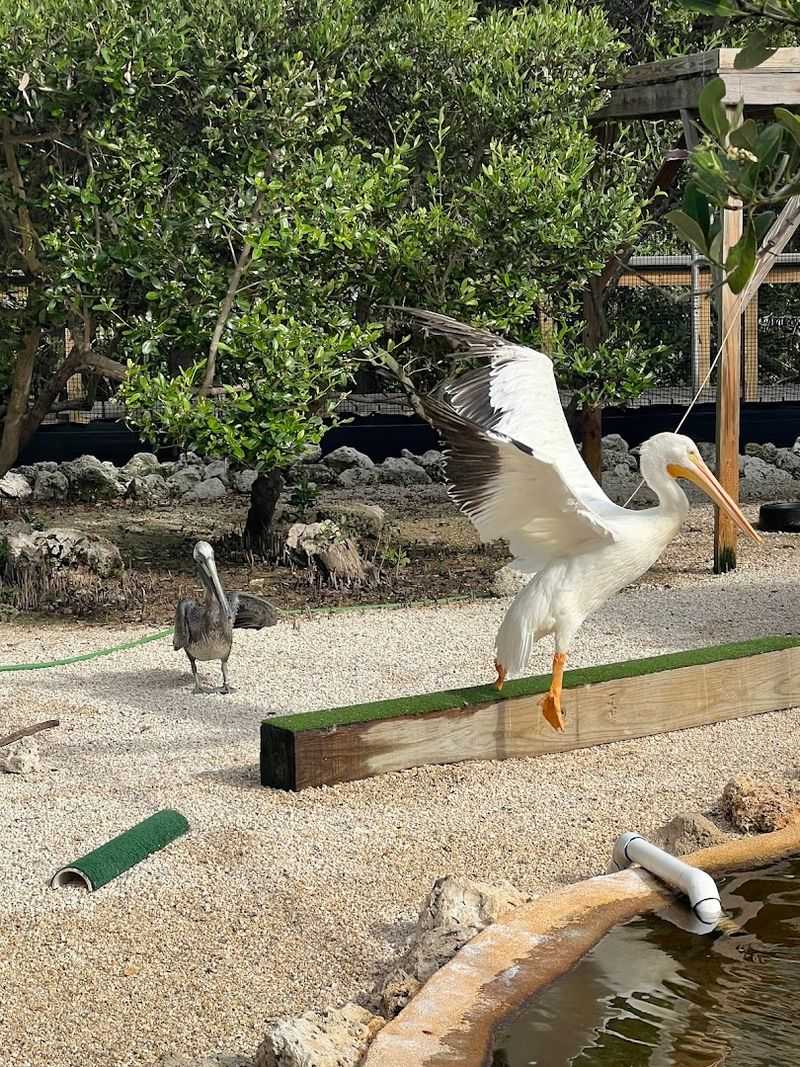
I arrived expecting a fifteen-minute stretch-your-legs kind of stop and ended up staying nearly an hour, completely absorbed in the birds, the setting, and the stories. The sanctuary is not large, but it packs enough variety and interest to hold your attention far longer than the compact footprint might suggest.
Families with toddlers, teenagers who actually put down their phones, and couples taking their time all seemed equally engaged, which says something about the universal appeal of watching these birds up close.
The combination of rescued wildlife, peaceful boardwalk, waterside views, and genuine educational content creates an experience that feels both meaningful and enjoyable. I left with a deeper understanding of the challenges facing Florida’s bird populations and a genuine respect for the work happening at this unassuming sanctuary.
It is the kind of place that reminds you why you fell in love with the Keys in the first place, offering a break from the tourist hustle and a chance to connect with the natural world in a way that feels authentic and unhurried. Next time I drive the Overseas Highway, I will plan this stop into my route rather than treating it as a happy accident.