
This Scenic Waterfront Spot In South Carolina Holds A Piece Of Lost History
Some of the most fascinating places in South Carolina are the ones nobody seems to be talking about.
Fort Fremont is a perfect example.
At first glance, the setting feels almost too peaceful for the stories it holds. Marsh grass sways in the breeze.
The water stretches toward the horizon. And the quiet beauty of Saint Helena Island makes it difficult to imagine that this shoreline once played a role in protecting the American coast.
That contrast is what makes the site so compelling.
The scenery invites you to relax.
The history invites you to look closer.
As you explore the remaining structures and earthworks, it becomes clear that this is far more than a scenic stop. It is a place where South Carolina’s coastal beauty and military history intersect in a way few visitors expect.
The views are unforgettable.
The stories are surprising.
And the experience feels like uncovering a chapter of history that somehow slipped beneath the radar.
That is exactly what makes Fort Fremont worth discovering.
A Fort Built In A Hurry After The Spanish-American War
Speed was everything when Fort Fremont was constructed in 1898, and the urgency behind its creation tells you a lot about the moment in American history that brought it to life.
The Spanish-American War had just ended, and military planners were suddenly very aware of how exposed the South Carolina coastline was to potential naval threats from foreign powers.
Fort Fremont was part of a broader national push to fortify key coastal positions, and Saint Helena Island was chosen because of its strategic location near Port Royal Sound, one of the deepest natural harbors on the entire East Coast.
The construction moved at a pace that reflected genuine national anxiety, with soldiers and workers completing earthworks and gun batteries in a remarkably short window of time.
What you see preserved today is a snapshot of that urgent moment, frozen in soil and stone along the quiet South Carolina shore.
The Location Was No Accident: Port Royal Sound
Choosing Saint Helena Island for this military installation was a deliberate strategic decision, not a random assignment handed down by some desk officer who had never seen the coast.
Port Royal Sound sits just north of the island and ranks among the deepest natural harbors along the entire Atlantic seaboard, making it a prized asset for both commercial shipping and naval operations.
Military commanders understood that any enemy fleet looking to threaten the interior of South Carolina would almost certainly target Port Royal first, which meant defending the sound was non-negotiable.
Fort Fremont’s battery was positioned to fire directly across the approaches to the sound, creating a defensive barrier that would have made any hostile vessel think very carefully before proceeding.
Standing at the site today and looking out toward the water, you can still feel the logic of that placement, because the view covers exactly the kind of open approach that a warship would need to cross.
The Disappearing Batteries That Once Stood Here
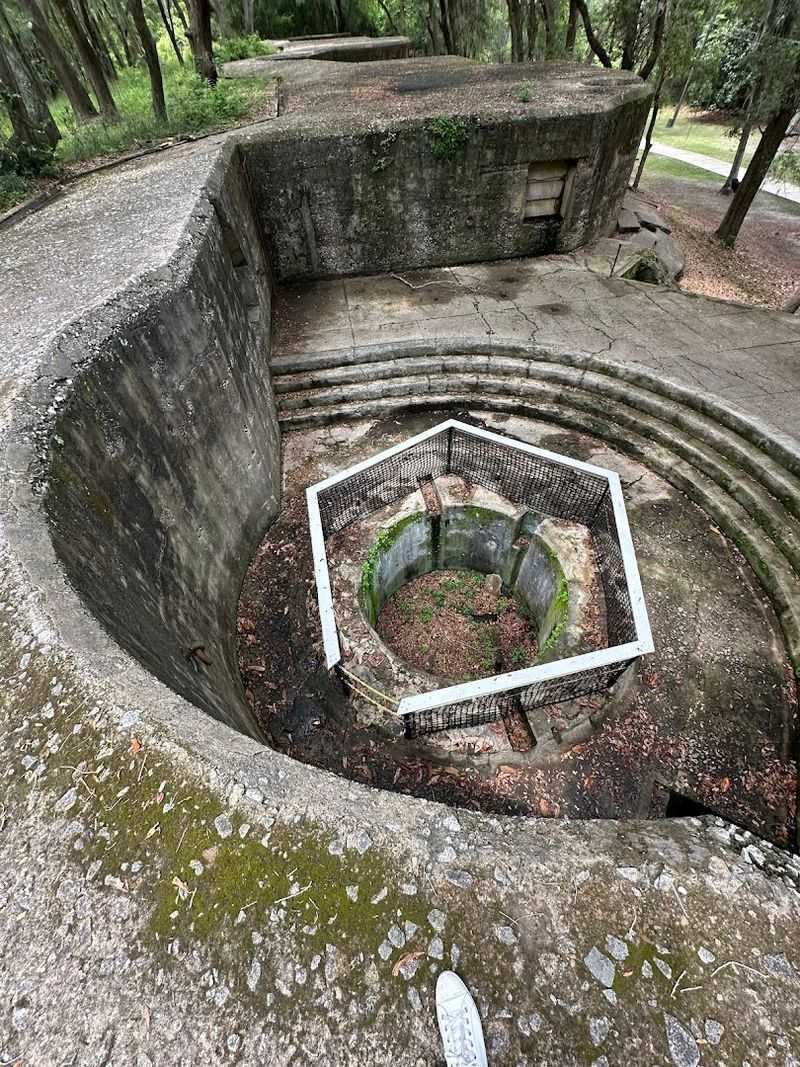
One of the most fascinating technical details about Fort Fremont is the type of artillery it was designed to house, specifically the disappearing gun, a piece of military engineering that sounds almost like a magic trick.
These weapons were mounted on specialized carriages that allowed the gun to rise above the parapet to fire, then drop back down below the earthwork wall to be reloaded, keeping the crew protected from return fire during the most vulnerable part of the process.
Fort Fremont was equipped with ten-inch disappearing guns, which were among the most powerful coastal artillery pieces the United States military deployed during that era.
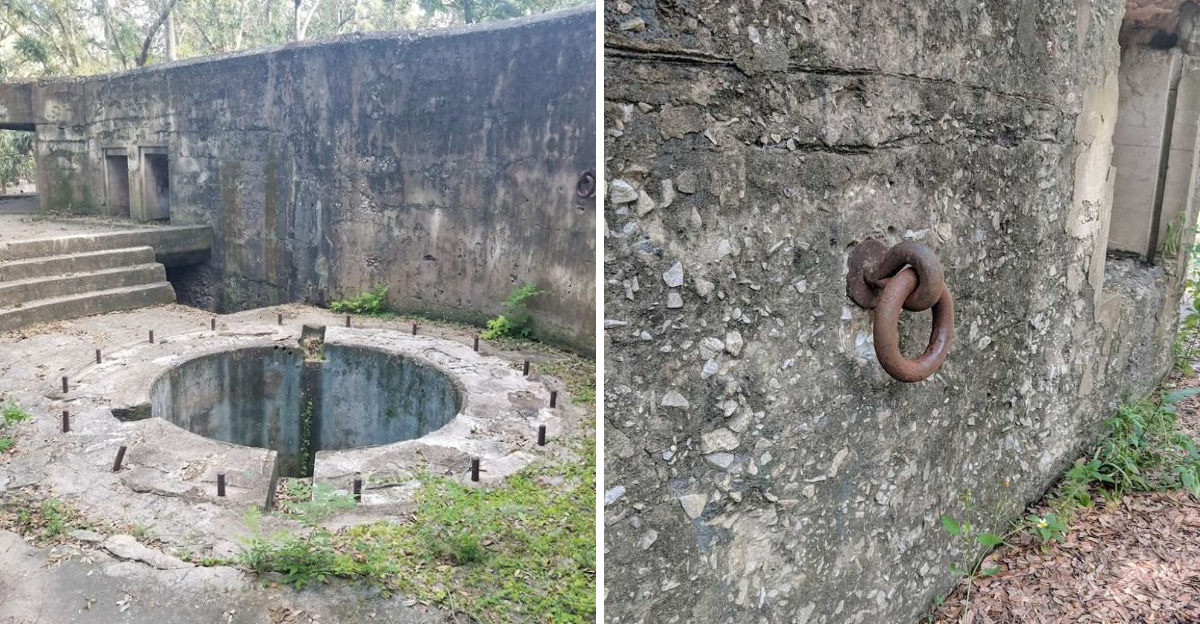
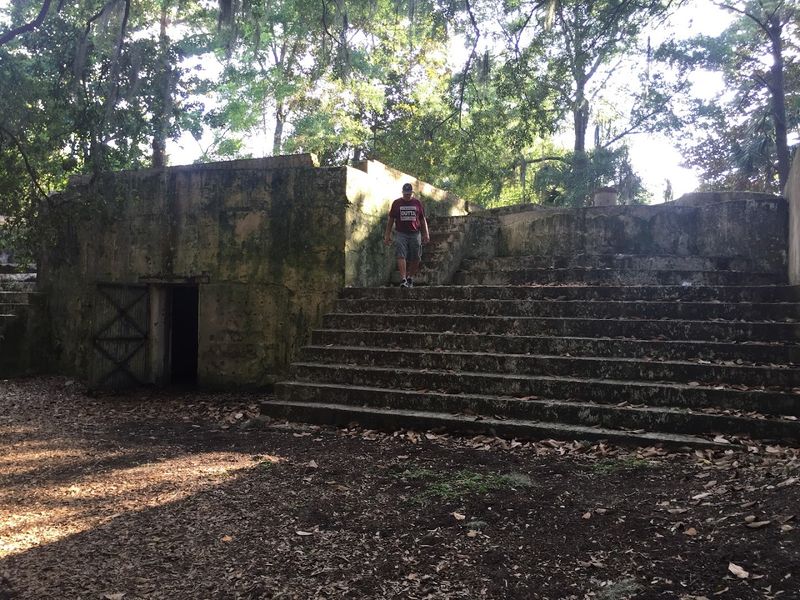
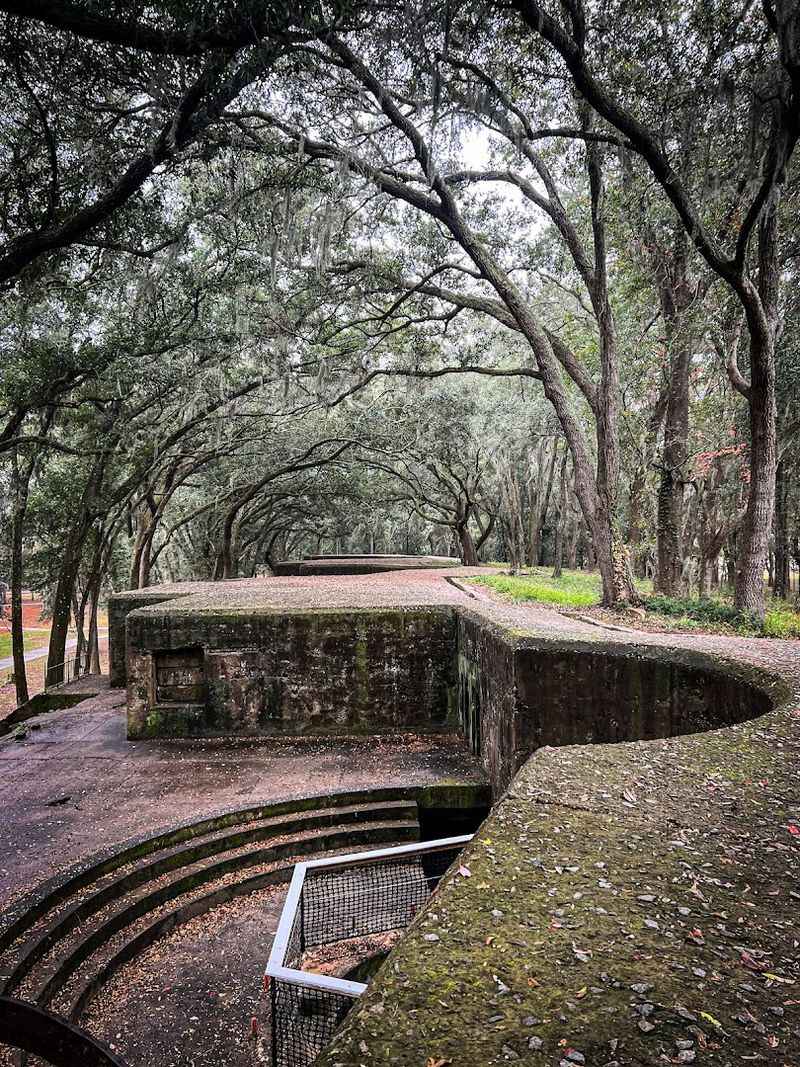
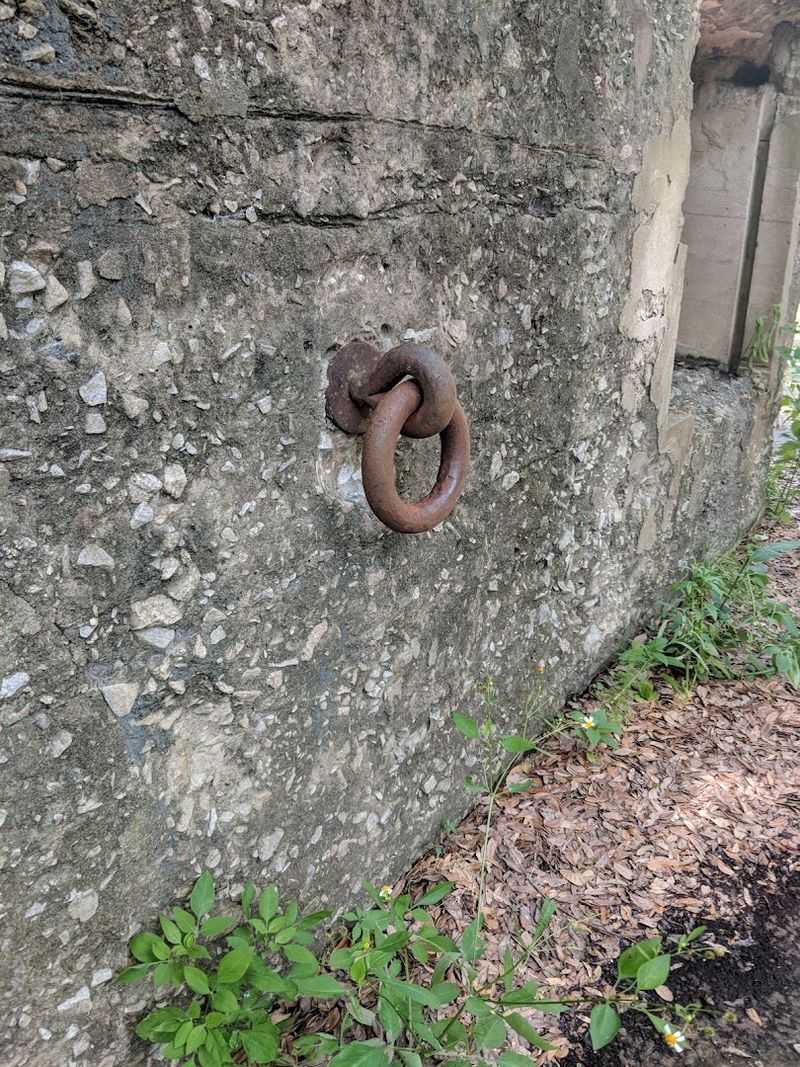
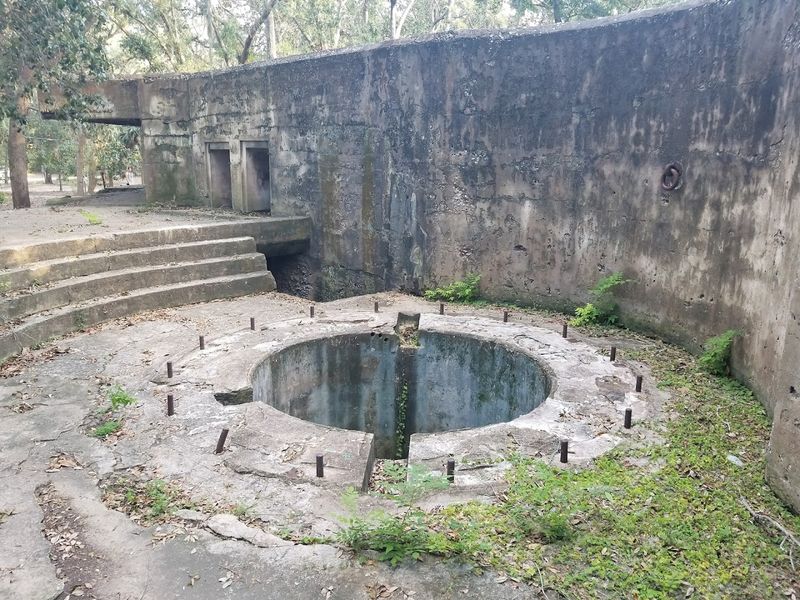
The sheer size of those weapons required substantial concrete and earthwork foundations, and remnants of that infrastructure are still visible at the site today.
Running your hand along the edge of one of those old battery positions, you can almost hear the mechanical groan of a carriage preparing to raise a gun into firing position.
Fort Fremont Was Named For A Famous American Explorer
Not every military fort gets named after a sitting general or a sitting president, and Fort Fremont is a case where the honoree had a genuinely colorful story behind the name.
The fort was named after John C. Fremont, a nineteenth-century explorer, military officer, and politician who earned the nickname “The Pathfinder” for his extensive mapping expeditions across the American West.
Fremont had led multiple surveying expeditions through the Rocky Mountains and California, played a role in the Bear Flag Revolt that brought California into American hands, and even ran as the first Republican candidate for president in 1856.
By the time this South Carolina fort was named in his honor, Fremont had already passed away in 1890, but his legacy as a trailblazer of American expansion made his name a fitting tribute for a new installation built to defend the nation’s coastline.
The connection between a western explorer and an Atlantic coastal fort is exactly the kind of unexpected historical link that makes Fort Fremont so interesting to research.
The Fort Was Active For Only A Few Short Years
For all the urgency and resources that went into building Fort Fremont, the installation had one of the shorter active lifespans of any American coastal fortification from that era.
The fort was constructed in 1898 and officially decommissioned just a few years later, by around 1921, which means it never actually fired its guns in a real military engagement.
The rapid pace of change in military technology during the early twentieth century played a major role in that short lifespan, as advances in naval warfare quickly made fixed coastal gun batteries less central to national defense strategy.
What had seemed like a cutting-edge defensive installation at the turn of the century became outdated almost before the concrete had fully cured, and the military quietly moved on to other priorities.
There is something quietly poignant about a place built with such urgency and then abandoned before it ever had a chance to prove itself in the role it was designed for.
The Scenic Waterfront Setting That Draws Visitors Today
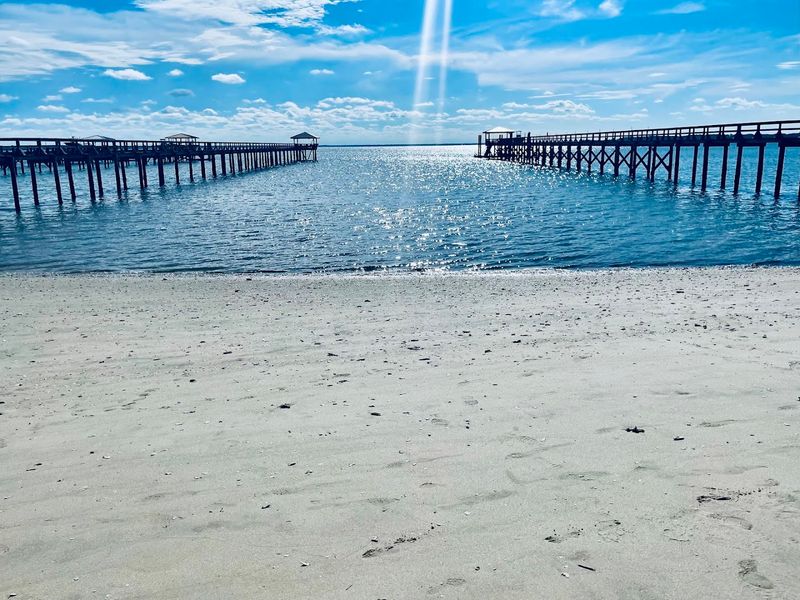
Whatever the fort lacked in military drama, it more than makes up for in sheer natural beauty, and the waterfront setting alone is worth the drive out to Saint Helena Island.
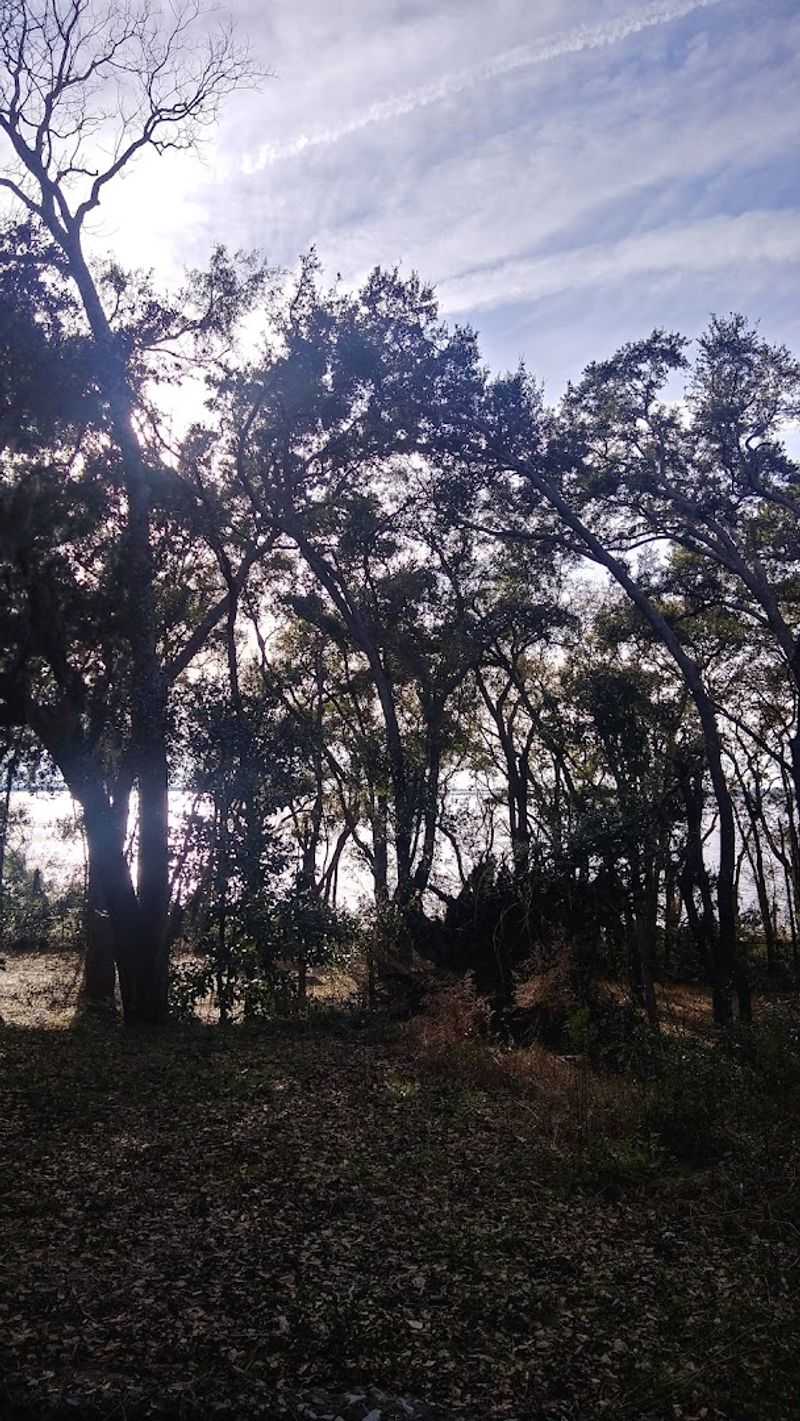
The preserve sits along the edge of tidal marsh and open water, with views that stretch out toward the sound in a way that makes the whole place feel both remote and deeply calming.
Tall palmetto trees and Spanish moss create the kind of coastal atmosphere that South Carolina does better than almost anywhere else on the East Coast, and the combination of that scenery with the visible earthworks gives the site a layered, almost cinematic quality.
Birding is exceptionally good here, with shorebirds and wading birds working the marsh edges throughout the year, and the quiet of the preserve makes wildlife observation feel completely natural rather than forced.
I spent a full afternoon walking the grounds and kept finding new angles where the old fortifications and the living marsh seemed to frame each other perfectly.
How The Preserve Saved What Remained
By the time serious preservation efforts began, Fort Fremont had already lost much of its original infrastructure to time, neglect, and the slow reclaiming power of the South Carolina lowcountry landscape.
The Beaufort County Open Land Trust played a central role in protecting the remaining portions of the site, working to ensure that the earthworks and battery positions that survived would be accessible to the public as a historic preserve rather than disappearing under development.
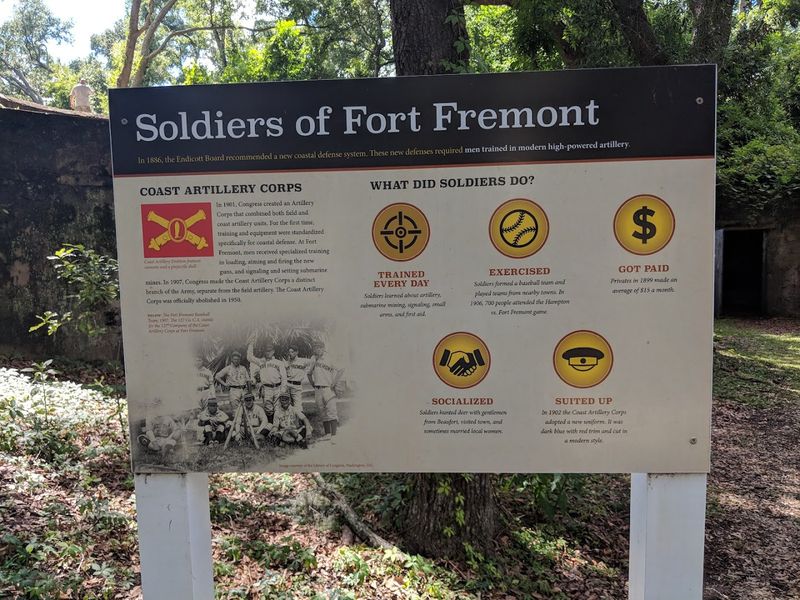
The land trust acquired the property and established Fort Fremont Preserve, which now allows visitors to walk the grounds, read interpretive signage, and get a real sense of the site’s military history without any admission fee.
Preservation work at sites like this is never simple, because the challenge is always balancing access with protection, especially when the natural environment is actively working to absorb what remains.
The fact that you can still walk up to the battery positions and look out across the water is genuinely a tribute to the people who fought to keep this place intact.
The Role Of Saint Helena Island In American History
Fort Fremont did not appear on a blank historical canvas, because Saint Helena Island itself carries one of the most layered and significant histories of any place in the entire American South.
During the Civil War, the island became a center of the Port Royal Experiment, a federally supervised effort to support formerly enslaved people who had been left behind when plantation owners fled the Union advance in 1861.
The island became home to schools, churches, and self-sustaining communities decades before Reconstruction officially began, and the Brick Church at the Penn Center nearby stands as one of the most important African American heritage sites in the country.
Placing a military fort on this island in 1898 added yet another layer to a place already thick with history, and understanding Saint Helena’s full story makes Fort Fremont feel like one piece of a much larger and more complex narrative.
Spending time here without exploring that broader context is a little like reading only the middle chapter of a genuinely remarkable book.
What The Earthworks Look Like Up Close
Photographs of Fort Fremont can make the earthworks look modest, but standing next to them in person gives you a much better sense of the scale and effort involved in their construction.
The raised earthen walls that once protected the gun batteries are still clearly defined, with grassy slopes that rise several feet above the surrounding ground and create an unmistakable military silhouette against the coastal sky.
Concrete foundations from the battery structures are also visible in places, and the combination of surviving earthworks and concrete remnants allows you to mentally reconstruct the layout of the original installation with a fair degree of confidence.
Walking along the top of the earthworks and looking outward toward the water gives you an immediate and visceral understanding of why this position was chosen, because the sightlines are extraordinary.
There is a kind of quiet power in standing on ground that was shaped entirely by human hands more than a century ago for a purpose that ultimately never came to pass.
Planning Your Visit To Fort Fremont Preserve
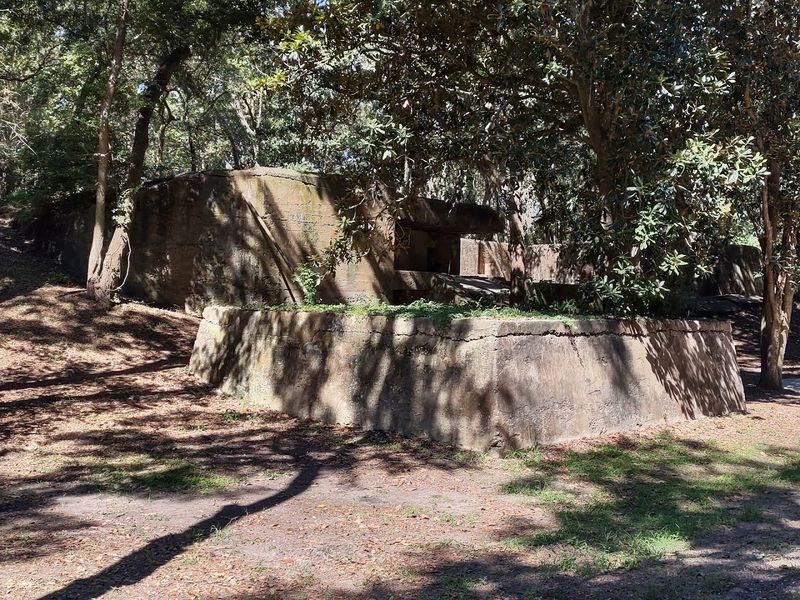
Getting to Fort Fremont Preserve is straightforward once you know where you are going, and the address places you on Saint Helena Island in Beaufort County, South Carolina, near the 29920 zip code along Land’s End Road.
The preserve is free to visit and open to the public, which makes it an easy addition to any trip through the Beaufort area without requiring any advance planning beyond knowing the general location.
Bringing comfortable walking shoes is a smart move, because the terrain involves uneven ground around the earthworks and grassy paths that can be wet after rain.
The best times to visit are spring and fall, when the lowcountry heat is more forgiving and the bird activity along the marsh edges is at its most active and rewarding.
Combining Fort Fremont with a visit to the nearby Penn Center or a drive through the rest of Saint Helena Island turns a quick stop into a genuinely full and satisfying day of South Carolina history.