
Over 300 Bird Species Gather At This Unexpected Wildlife Oasis In The Arizona Desert
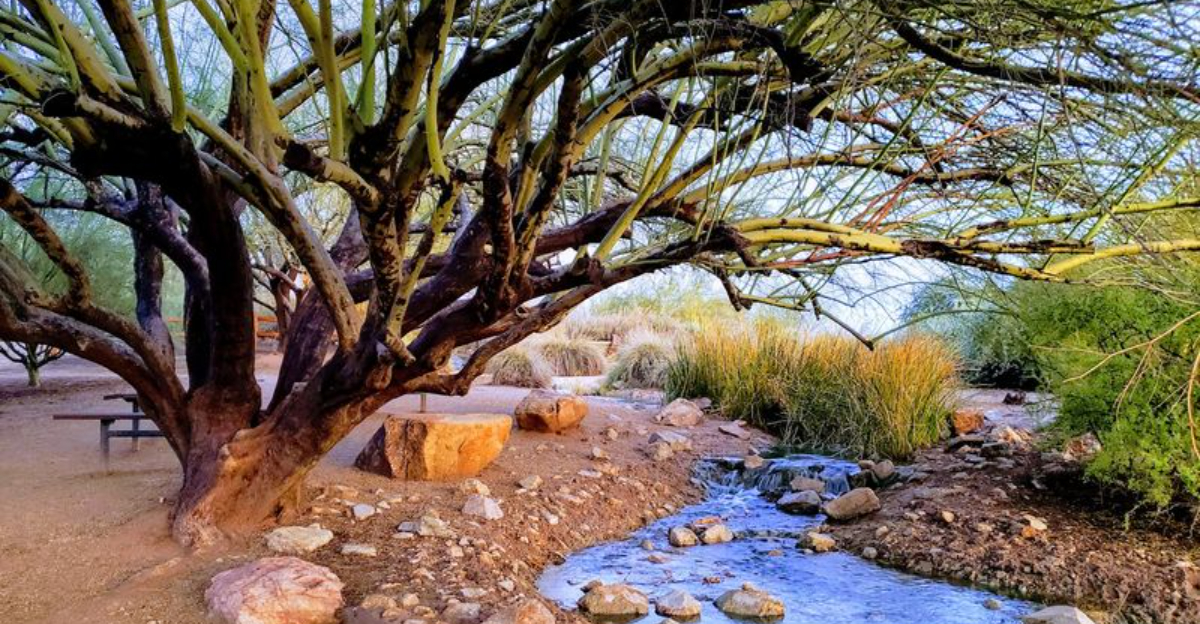
Getting up before the sun is a heavy price to pay for a hobby unless that hobby involves spying on local wildlife in their natural habitat. Fortunately, the reward for this early-bird insanity is stumbling upon an unexpected watery oasis that defies all logic.
While the vast, rugged terrain of Arizona often feels like a giant, sizzling rock, this hidden preserve acts as a refreshing splash of life that draws over 300 bird species to its banks. You’ll find yourself surrounded by a chaotic symphony of chirps, splashes, and the occasional grumpy crane standing perfectly still while judging your fashion choices.
It is a strange, tranquil, and entirely mesmerizing pocket of the world where nature decided to plant a vibrant, feathery flag amidst the dust and heat.
What started in 1999 as a practical solution for treating wastewater became an unexpected sanctuary for over 300 bird species, transforming 110 acres of desert into a wetland paradise that draws birders and curious visitors year-round.
I spent my first hour just standing on the floating boardwalk, binoculars in hand, watching shorebirds probe the mud flats while hummingbirds zipped past my head.
Seven Recharge Basins Transform Desert Into Wetland
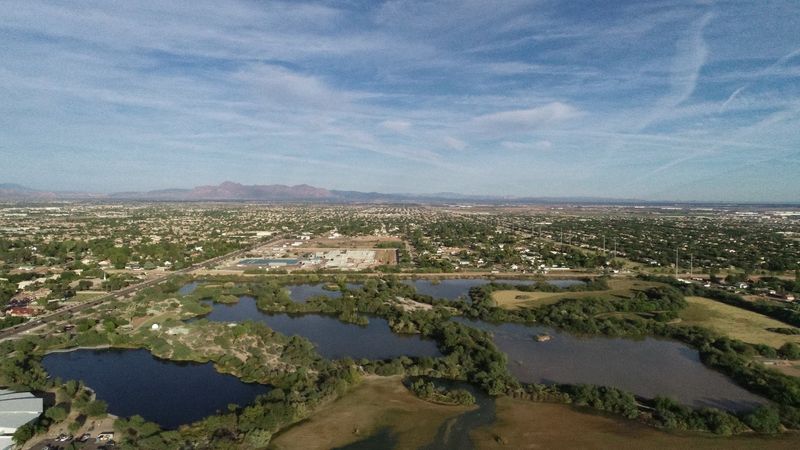
I quickly realized the seven water recharge basins aren’t just functional infrastructure. They’re the beating heart of this entire ecosystem, each one a carefully managed pond that filters treated effluent water back into the underground aquifer.
The basins vary in depth and vegetation, creating different microhabitats that attract specific bird species. Shallow edges draw shorebirds like Long-billed Dowitchers and Least Sandpipers, while deeper sections host diving ducks and grebes.
Water levels shift throughout the year based on recharge needs, which accidentally mimics natural wetland cycles that many migrating birds evolved to follow. I watched maintenance crews adjust flow rates one morning, and within hours, newly exposed mudflats were crawling with feeding sandpipers.
The engineering brilliance here is that Gilbert solved a water management problem while creating habitat that replaced what development destroyed. About 70 of the preserve’s 110 acres consist of these basins, each one purifying water while providing critical stopover habitat.
Standing beside Basin 5 at sunrise, watching mist rise off the water while herons stalked the shallows, I kept forgetting I was essentially standing next to a giant water treatment facility.
Over 300 Bird Species Documented
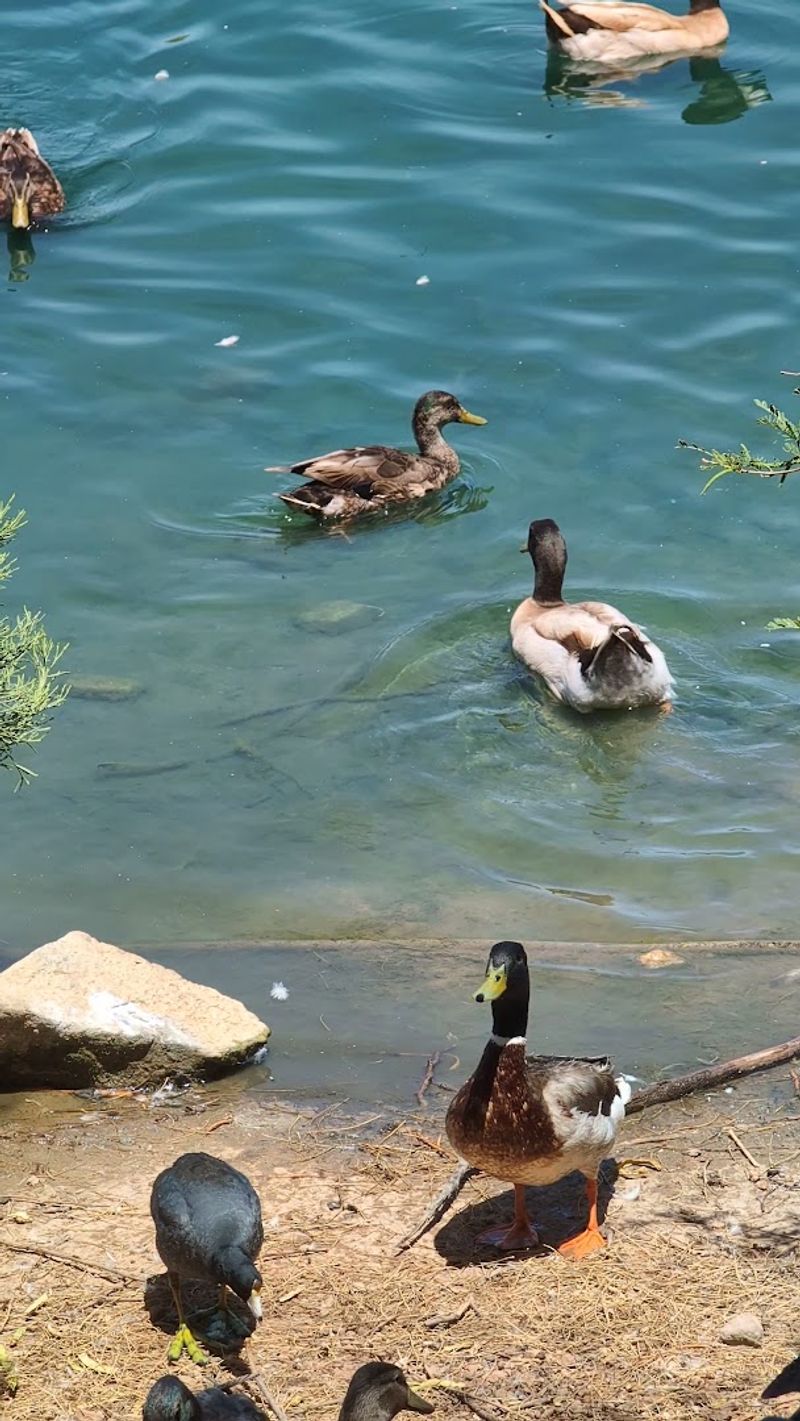
The species list at Water Ranch reads like a birder’s fever dream. I’ve visited wetlands across the Southwest, but finding 308 documented species in the middle of Gilbert’s suburban sprawl still amazes me every time I check eBird before a visit.
This diversity earned the preserve recognition as an Important Bird Area by the National Audubon Society, a designation reserved for sites critical to bird populations. The mix includes year-round desert residents, winter visitors, spring and fall migrants, and occasional vagrants that wander far from their normal ranges.
During spring migration, I’ve spotted warblers in breeding plumage flitting through the cottonwoods, while winter brings massive flocks of waterfowl that settle onto the basins like they’ve found the only hotel for miles. Because essentially, they have.
The preserve functions as what biologists call a migrant trap, concentrating birds in one of the few water sources available across hundreds of square miles of desert. Black-necked Stilts nest here in high concentrations, their ridiculous pink legs visible from across the basins.
I keep a running tally in my field guide, and I’m still only at 127 species after dozens of visits, which tells you how much diversity cycles through this place.
Four And A Half Miles Of Trails Through Varied Habitats
The trail network surprised me with its variety, winding through completely different ecosystems within a few hundred yards.
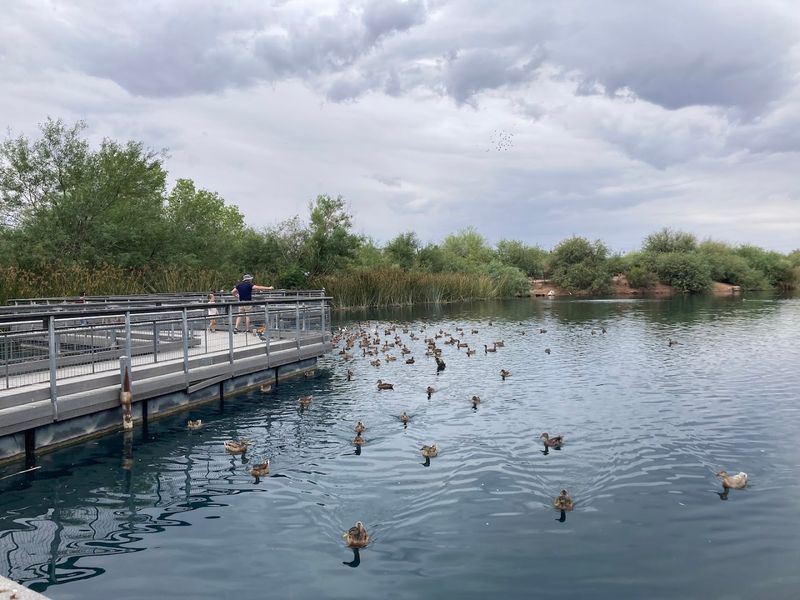
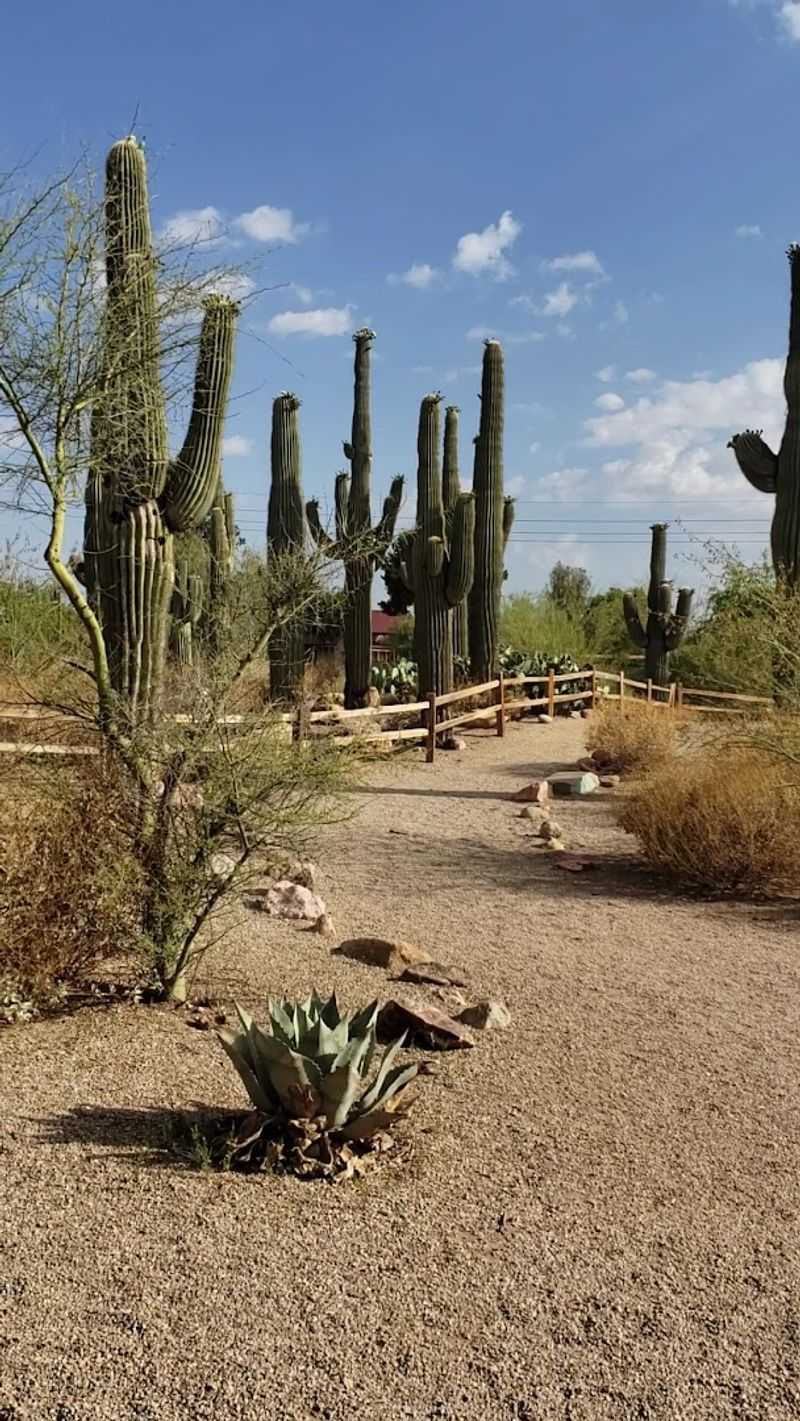
One moment I’m walking through native Sonoran Desert scrub where cactus wrens scold me from chollas, and the next I’m on a boardwalk over open water watching coots paddle past.
The 4.5 miles of paths connect viewing blinds positioned at strategic spots along the basins, giving birders quiet places to observe without disturbing feeding flocks. I’ve spent entire mornings in one blind, watching the parade of species come and go.
Trails range from wide, wheelchair-accessible paths perfect for families to narrower routes that feel more adventurous as they cut through dense vegetation. The floating boardwalk became my favorite section, offering views across the water that you simply can’t get from shore.
Signs along the trails identify plants and explain the water recharge process, though I usually ignore them in favor of scanning for birds. The trail system connects all seven basins, the urban fishing lake, and specialty areas like the ethnobotanical garden and pollinator gardens.
I’ve never completed all 4.5 miles in one visit because I keep stopping to watch birds, which I consider a feature rather than a bug.
Best Birding During Migration Seasons And Winter
Timing matters enormously at Water Ranch, and I learned this the hard way after a disappointing summer visit when heat kept most birds inactive. Spring and fall migrations transform the preserve into a birding spectacle that rivals better-known hotspots.
March through May brings northbound migrants, many in brilliant breeding plumage, while August through October sees southbound travelers often accompanied by young birds hatched up north.
Winter months from November through February host massive concentrations of waterfowl and sparrows that treat the preserve as their seasonal home.
The Desert Rivers Audubon Society runs free guided bird walks from October through March, and I tagged along on one that opened my eyes to species I’d been walking past for months. Early morning visits yield the most activity, with peak feeding happening in the first few hours after sunrise.
Summer isn’t completely dead birding-wise, but the heat drives most activity to dawn and dusk, and many species simply aren’t present. I schedule my visits for migration peaks now, checking recent eBird reports to see what rarities have been spotted.
One April morning produced 47 species in three hours, a personal record that I’m still trying to beat during subsequent spring visits.
Educational Features Beyond Birdwatching
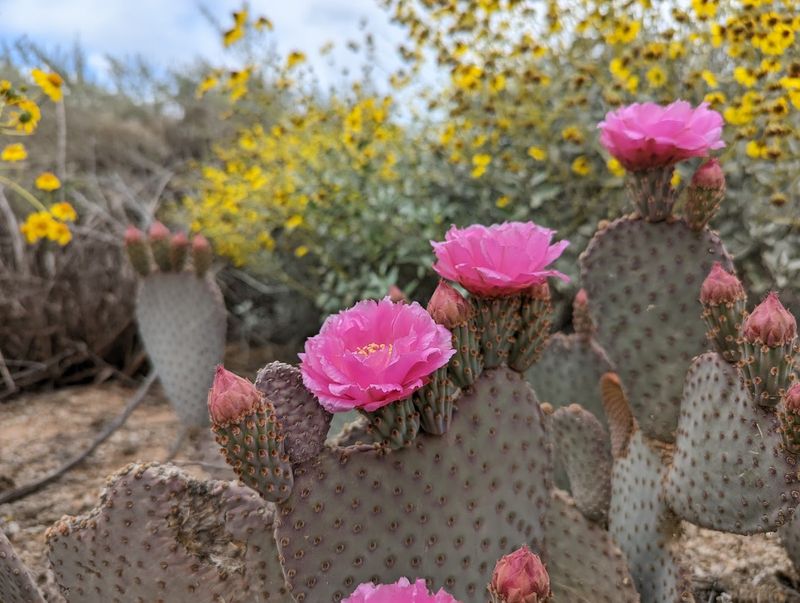
Between bird sightings, I started exploring the preserve’s educational areas, which add surprising depth to what could have been just a birding destination. The ethnobotanical garden showcases plants that indigenous peoples used for food, medicine, and tools, connecting the site to deeper Southwest history.
A paleontology dig site lets kids (and curious adults like me) understand what creatures lived here millions of years ago when this desert was something completely different.
The pollinator gardens explode with color during blooming season, attracting hummingbirds and butterflies that provide great photo opportunities.
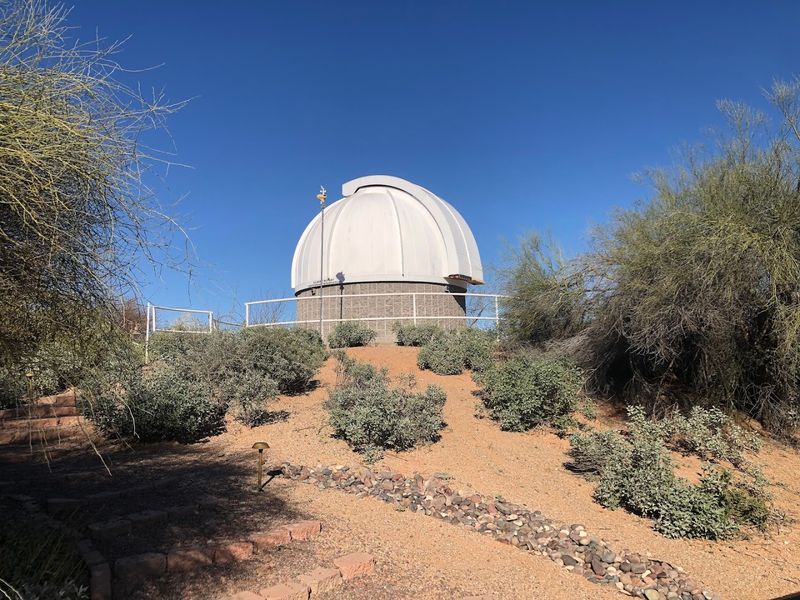
The Gilbert Rotary Centennial Observatory offers stargazing programs on clear nights, turning the preserve into an after-dark destination when most visitors have left. I haven’t made it to an astronomy event yet, but it’s on my list for cooler months.
These educational components make Water Ranch accessible to families who might not share my obsession with identifying every sparrow species. Kids can fish at the urban lake (catch and release only), dig for fossils, or just run the trails while parents enjoy the scenery.
The variety ensures that even non-birders find something engaging, which probably explains why I see so many repeat visitors every time I show up.
Innovative Water Reuse Creates Habitat
The preserve’s origin story fascinates me because it proves environmental benefits can emerge from purely practical projects. Gilbert needed to manage its treated wastewater, and someone had the vision to design a system that also created wildlife habitat.
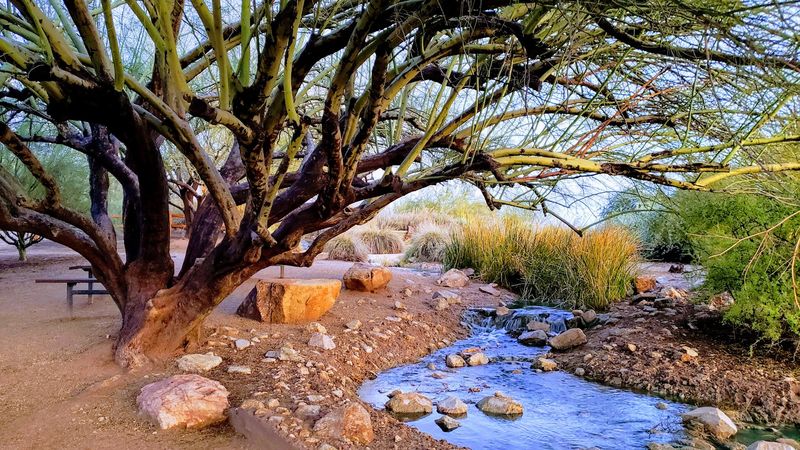
Treated effluent water pipes into the basins where it slowly filters through soil and gravel layers, purifying further before rejoining the underground aquifer. This recharges the water supply Gilbert will use again in the future, creating a sustainable loop that conserves a precious desert resource.
The reuse rate of 100% means every drop of wastewater gets reclaimed rather than simply discharged, a critical achievement in a region where water scarcity shapes every planning decision. As housing developments expanded across Gilbert, they destroyed natural riparian habitats that once existed along seasonal streams.
Water Ranch replaced some of that lost habitat, becoming one of the few remaining riparian areas in the Southwest desert. The preserve demonstrates that infrastructure projects don’t have to be purely utilitarian or purely environmental; they can accomplish both goals simultaneously when designed thoughtfully.
I think about this dual purpose every time I watch a rare migrant that might have died crossing the desert if this oasis didn’t exist exactly where it does.
Year-Round Access With Seasonal Highlights
The preserve opens daily year-round, which I appreciate because my schedule doesn’t always align with prime birding seasons. Even on slow days, the scenery alone justifies the visit, and I’ve never left completely empty-handed in terms of interesting sightings.
Summer mornings before the heat builds can be surprisingly productive, especially around the shaded areas where resident species stay active. Winter transforms the basins into waterfowl magnets, with ducks, geese, and coots covering the water in numbers that seem impossible for such a small area.
Spring migration peaks around April when warblers and tanagers pass through, their colors almost shocking against the desert tones. Fall migration is more subtle, with many birds in drab non-breeding plumage, but shorebird numbers increase dramatically as basins are drawn down for maintenance.
I’ve visited during every month now, and each season offers something distinct, whether it’s nesting activity in summer or the quiet beauty of winter mornings when frost edges the cattails. The preserve never closes for seasons or charges admission, making it accessible whenever the birding urge strikes.
My latest visit produced a life bird I’d been chasing for years, reminding me that Water Ranch rewards patience and regular visits with unexpected surprises.