
This Illinois Asylum Tour Takes You Inside A Haunting Piece Of History
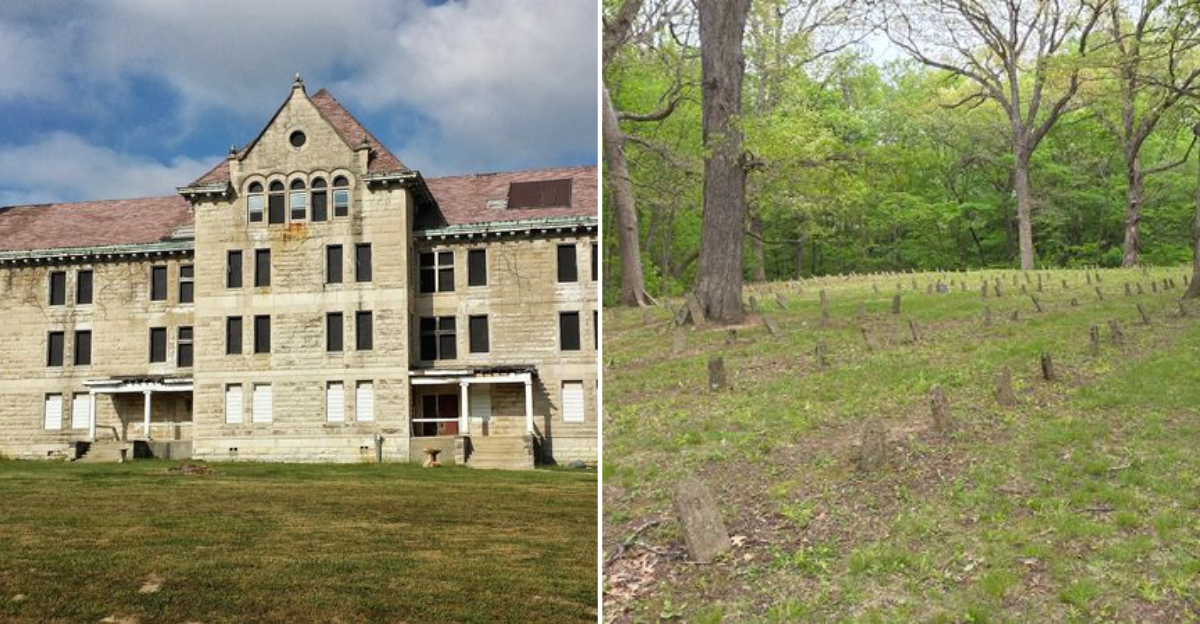
There’s a place in Bartonville, Illinois, where the past still feels close enough to touch. This Illinois hospital began as a forward-thinking mental health facility, built around a more humane approach to care at a time when that was far from the norm.
Over the years, it has become one of central Illinois’ most talked-about historic sites. Visitors come to walk the grounds, learn the stories behind the former hospital, and, in the evening, join paranormal investigations tied to the site’s more mysterious side.
If you like history with a little atmosphere, this is the kind of place that pulls you in quickly. It feels less like a traditional museum visit and more like stepping into a real, complicated, unforgettable chapter of American history.
Where Bartonville’s Story Begins
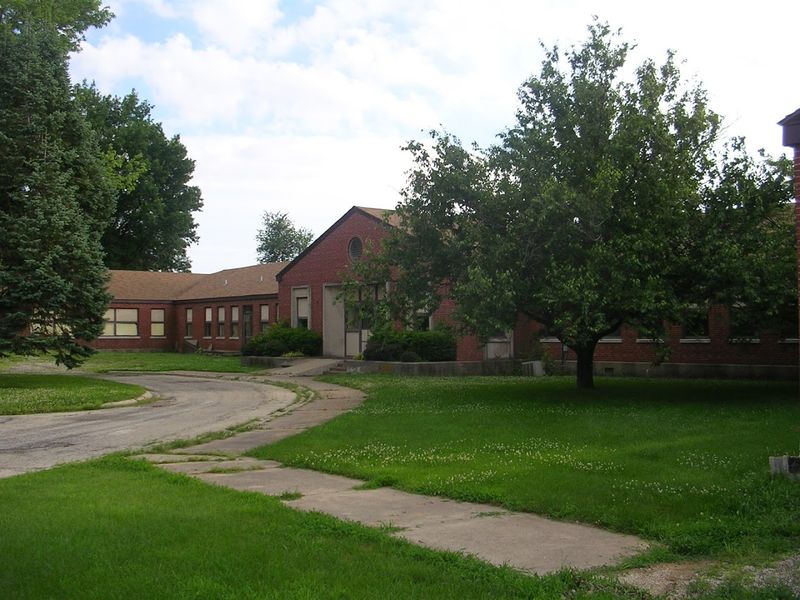
Back in 1902, the state of Illinois opened a facility that was genuinely ahead of its time.
Peoria State Hospital, located at 4400 Industry Rd, Bartonville, IL 61607, was designed using the cottage-style model, which meant patients lived in smaller separate buildings rather than one massive overcrowded ward.
This approach was considered revolutionary in the early twentieth century. The idea was to create a calmer, more homelike setting for people who needed mental health care, and the hospital quickly earned national attention for its forward-thinking methods.
At its peak, the campus housed thousands of patients and employed hundreds of staff members. The grounds stretched across hundreds of acres and included farms, workshops, and recreational spaces.
Understanding where this place came from makes every corner of the museum feel more meaningful, and it turns a simple tour into something that genuinely changes the way you think about the history of mental health care in America.
The Asylum Built Like A Village
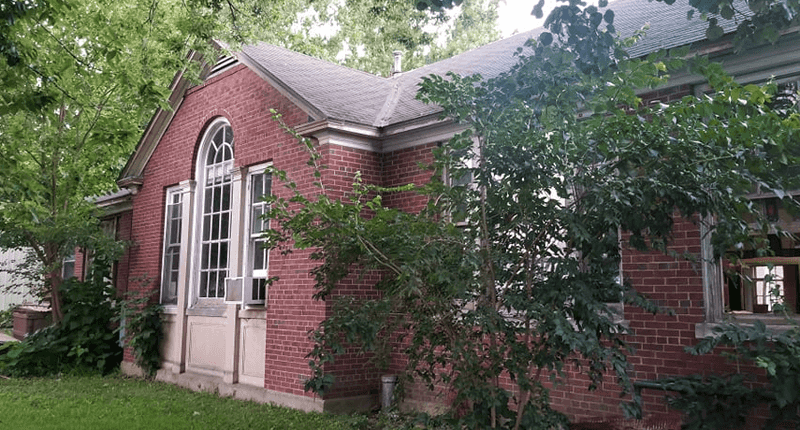
Most people picture an asylum as one gloomy building with long dark corridors, but Peoria State Hospital threw that idea out the window.
The cottage system used here meant that patients were grouped into smaller community-style living spaces, which was a radical departure from the warehouse-style institutions common at the time.
Each cottage was designed to feel less institutional and more residential. Patients had access to gardens, work programs, and social activities, all of which were considered therapeutic tools rather than just ways to keep people busy.
Dr. George Zeller, the hospital’s first superintendent, championed this model with real conviction. He believed that dignity and meaningful daily routines were essential parts of recovery, and he put that belief into the actual structure of the campus.
Walking through what remains of these cottages today gives you a powerful sense of how much thought went into building a place that genuinely tried to treat people with care and respect.
Dr. George Zeller And His Legacy
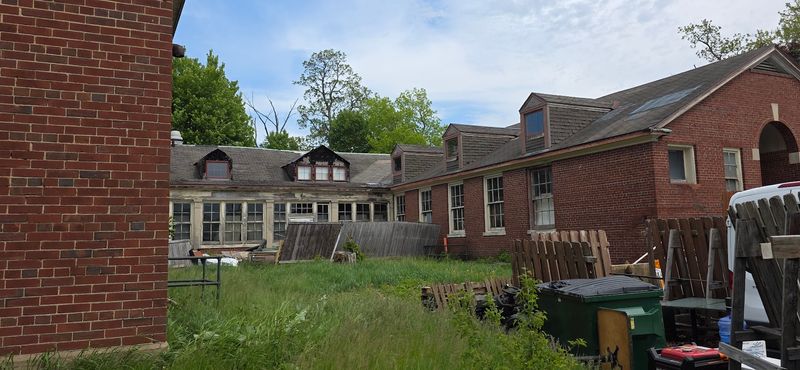
Few figures in Illinois history are as fascinating as Dr. George Zeller, the man who shaped Peoria State Hospital into something truly remarkable. He served as superintendent from 1902 to 1913 and again from 1921 to 1935, dedicating most of his professional life to this campus and its residents.
Zeller was deeply opposed to the harsh treatment methods that were common in mental institutions during his era. He banned physical restraints, encouraged patient employment on the hospital farm, and insisted that every person under his care be treated with basic human dignity.
His writings and records survive today and form a big part of what the museum shares with visitors. Reading his own words about the patients he cared for is a surprisingly moving experience.
He clearly saw each person as an individual with a story worth telling.
His legacy is one of the main reasons this site feels less like a place of fear and more like a place of genuine historical importance.
The Gravedigger Who Wept
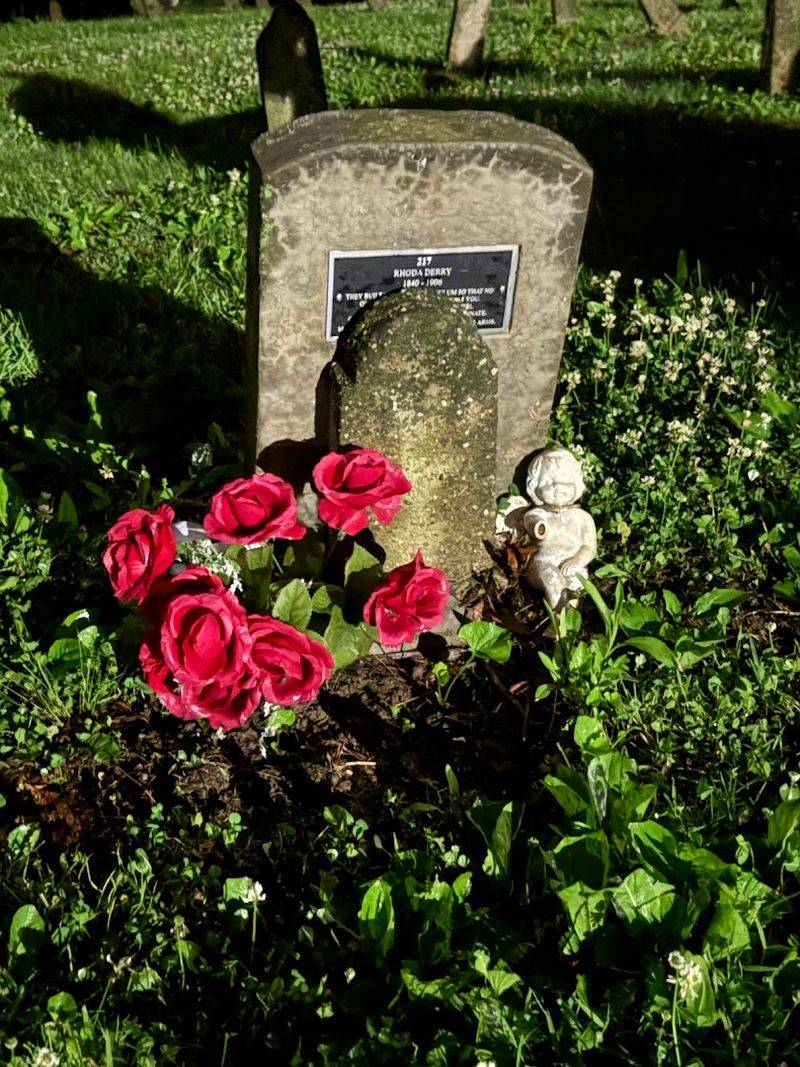
Among all the stories tied to this hospital, one stands out with a strange and poignant charm. A patient known as “Old Book” became one of the most talked-about figures in the hospital’s history, not because of anything frightening, but because of something surprisingly touching.
Old Book, whose real name was A. Bookbinder, worked as a gravedigger on the hospital grounds.
According to accounts recorded by Dr. Zeller, Old Book had a habit of weeping openly at patient funerals, even for people he had never personally known.
His emotional response to loss was so consistent and so genuine that staff members found it deeply moving.
The legend grew after Old Book himself passed away. Witnesses reportedly described a strange and unexplained event at his burial that has been discussed and debated ever since.
Whether you believe the story or not, it captures something real about the human connections that formed within these walls, and it remains one of the most memorable things guides share on the tour.
The Ghost Of Bowen Building
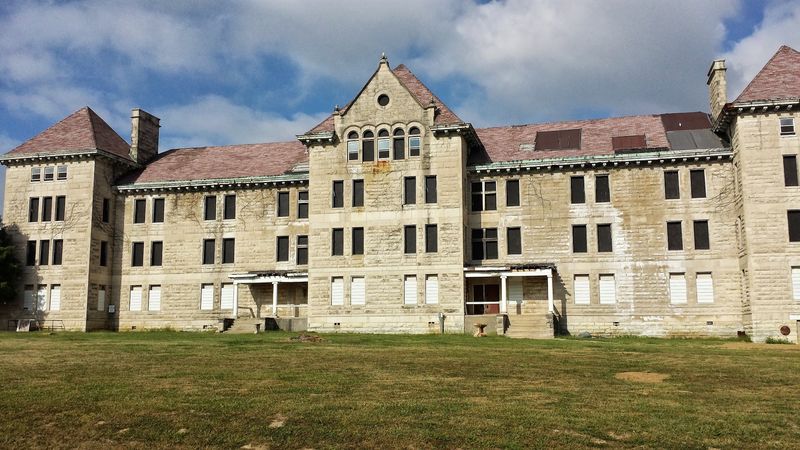
For decades, one of the campus’s most recognizable structures was the Bowen Building, a massive and brooding landmark that became closely associated with Peoria State Hospital.
Built in the early 1900s, it served various purposes over the decades, including housing for patients and administrative functions.
The building no longer stands today, but photographs and records preserve its eerie, decayed appearance before its demolition in 2017. Peeling paint, cracked floors, and dusty windows created an atmosphere that no set designer could fully replicate.
The building has appeared in paranormal investigation shows and has drawn curious visitors from across the country.
Although the Bowen Building can no longer be toured, its history remains one of the most talked-about parts of the former hospital campus.
The museum team works to preserve and document the broader history of the campus, including the buildings that no longer remain.
Learning about the Bowen Building still feels like looking into a photograph from another century, and its story remains one of the most memorable parts of the site’s history.
Names Beneath Numbered Stones
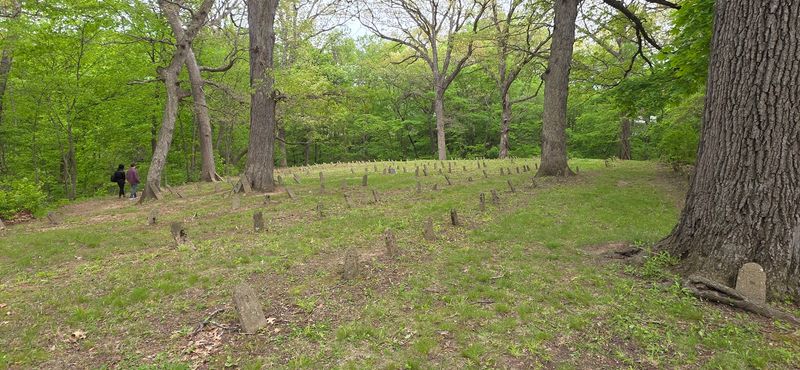
On the hospital grounds, there are cemeteries that hold the remains of patients who spent their final years at this facility. Many of the graves are marked with simple numbered stones rather than names, a reflection of the era’s attitudes toward those who lived and passed away in state institutions.
Walking through these cemeteries is a quiet and reflective experience. The museum team provides historical context about who these individuals were, where they came from, and what life looked like for them during their time at the hospital.
It is a sobering reminder of how much the world has changed in terms of mental health awareness and patient rights.
Guided cemetery tours are available and offer detailed information about specific patients whose records have been recovered and researched. The effort to restore names and identities to these individuals is one of the most meaningful parts of what the museum does.
It transforms a simple walk among old stones into something that feels genuinely respectful and historically valuable.
After Dark At Bartonville
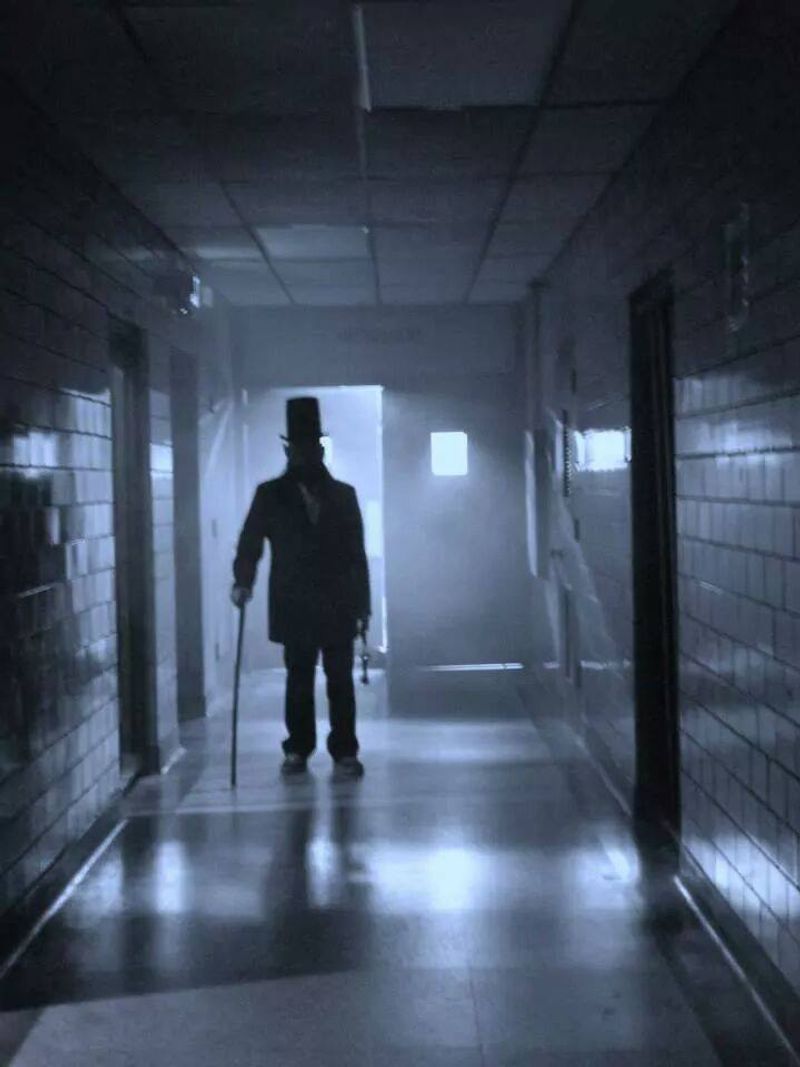
For those who enjoy a good mystery, the paranormal investigation experiences offered at Peoria State Hospital Museum are a serious draw. Private ghost hunts allow small groups to spend hours exploring the buildings and grounds after dark, using their own equipment or simply relying on their senses.
The museum team is thoughtful about how these events are framed. Rather than leaning purely into shock value, guides provide historical context throughout the night, connecting any unusual activity to specific stories and documented accounts from the hospital’s past.
That combination of history and mystery makes the experience feel more grounded than a typical haunted attraction.
Groups have reported a wide range of unexplained experiences during their investigations, from strange sounds to equipment responding in unexpected ways.
Whether you are a firm believer or a healthy skeptic, the atmosphere alone is enough to keep your nerves on edge. Booking in advance is strongly recommended, as these private tours fill up quickly, especially on weekends and around October.
Into The Old State Mine
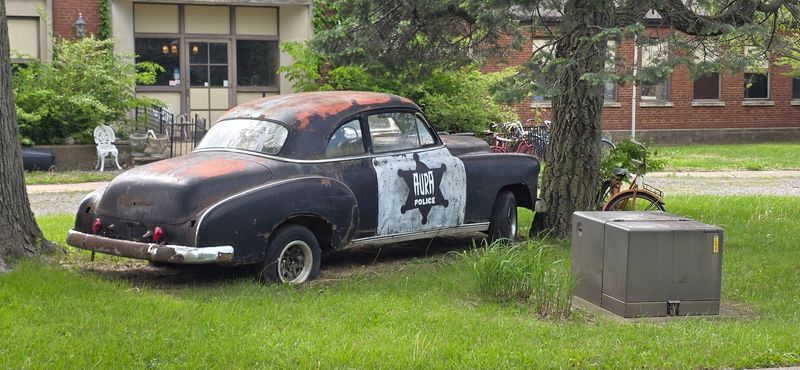
Every autumn, the grounds around Peoria State Hospital Museum transform into something that draws thrill-seekers from all over the region.
The Old State Mine Haunted Trail is a seasonal outdoor attraction that winds through wooded areas near the historic campus, combining the natural setting with elaborate costumes, props, and live actors.
The trail is known for its impressive level of creativity and detail. Visitors ride a wagon at the start of the experience before setting off on foot through a carefully designed sequence of scenes.
The darkness of the actual woods adds a layer of authenticity that indoor haunted houses simply cannot match.
This is not a quick walk-through. The trail is long enough to keep groups engaged from start to finish, and the pacing is managed so that each group gets its own space to enjoy the experience without running into other visitors.
For anyone visiting the Bartonville area in October, this trail is one of the most talked-about seasonal events in central Illinois, and it tends to sell out on busy weekends.
Walking The Forgotten Campus
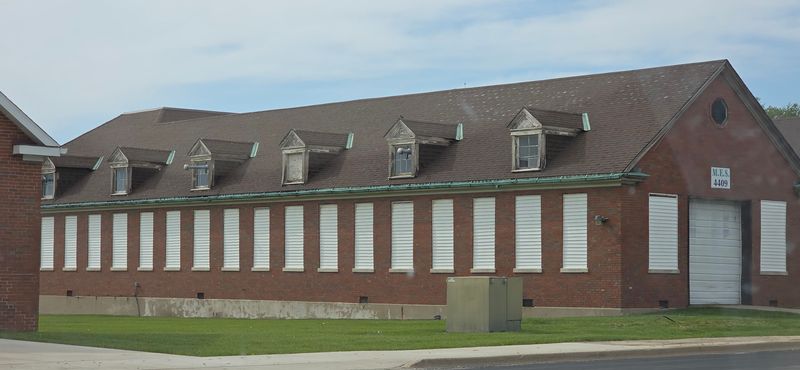
One of the best ways to experience everything this site has to offer is through a private guided history tour.
These tours are customizable, meaning the team can focus on the aspects of the hospital’s history that interest your group most, whether that is the architectural history, patient care practices, or specific stories tied to the campus.
Tour guides are known for their deep knowledge of the subject and their ability to present even difficult historical material in a way that is engaging and respectful. A history slideshow is often part of the experience, giving visitors a visual foundation before they walk the grounds.
Groups typically cover the cemeteries, key buildings, and outdoor spaces during their visit. The tours are available for booking through the museum’s website and the team is responsive and helpful when it comes to planning your visit.
Private tours work especially well for history enthusiasts, photography groups, and anyone who prefers a more in-depth experience over a standard walk-through.
Before You Go To Bartonville
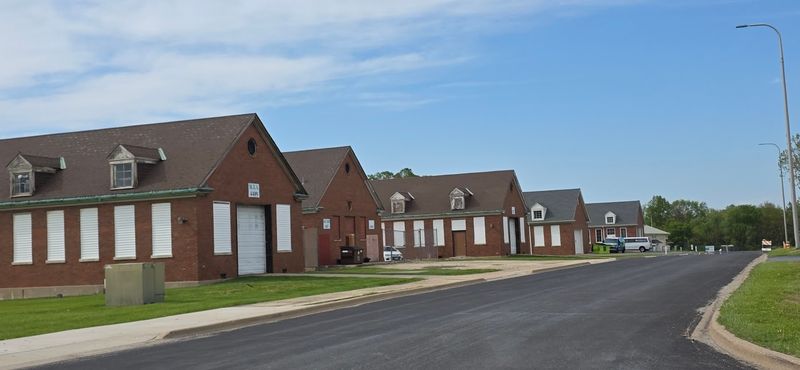
Getting to the Peoria State Hospital Museum is pretty simple, especially if you’re already in the Peoria area. The museum is located at 4400 Industry Rd in Bartonville, just south of Peoria, and it’s easy to reach by car.
There’s parking on site, so you won’t have to worry much about figuring that out when you arrive.
Because the museum runs on a scheduled basis, it’s worth checking ahead before you go. You can visit the Peoria State Hospital Museum’s official website or call 309-232-8794 for current tour times, seasonal events, and any special programming happening during your visit.
October is usually the busiest time of year, especially on weekends when the haunted trail brings in larger crowds. For a quieter visit that’s more focused on the history, try going on a weekday outside the Halloween season.
Either way, it’s one of those central Illinois stops that feels well worth the trip.