
This Remote Georgia Island Has Wild Horses Wandering Past Empty Beaches And Old Ruins
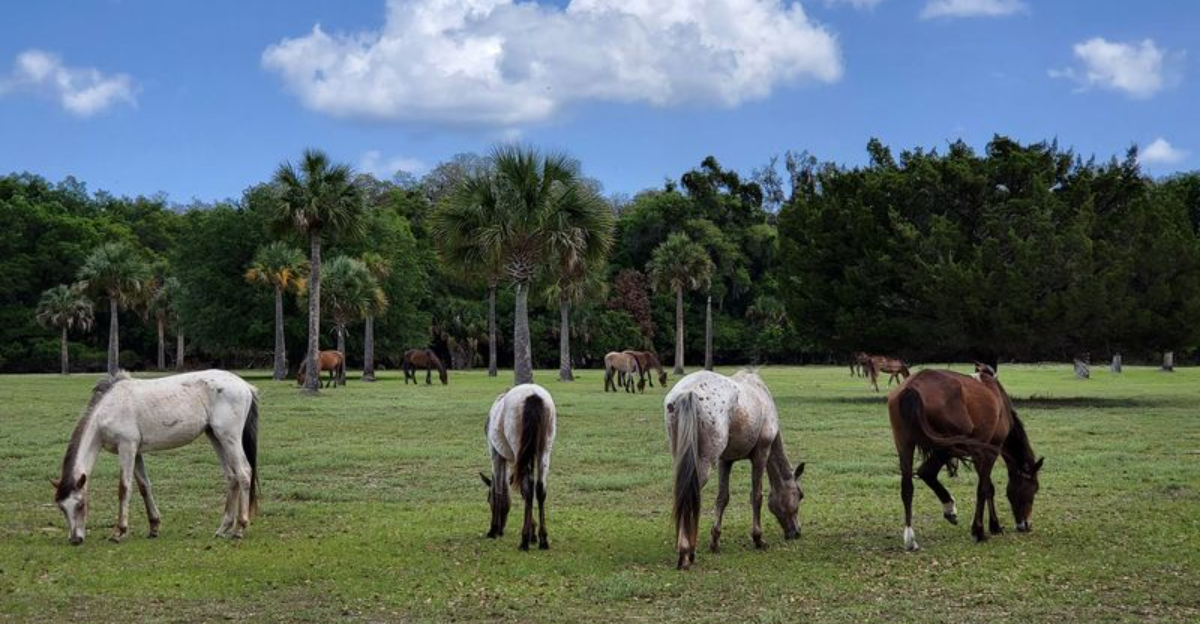
Have you ever dreamed of a place that feels like it was borrowed from cinema and never returned?
A stretch of forgotten Georgia coastline where time doesn’t really “pass” so much as it just… gives up? Wild horses move across empty beaches like they’re on some silent agreement with the wind itself.
And you might wonder, is this freedom, or is this what freedom was always supposed to look like before we overcomplicated everything? Old ruins sit half-swallowed by nature, like history trying to remember its own name.
No crowds, no noise, just waves, wind, and hooves that don’t ask for permission. It almost feels like a Studio Ghibli world decided to go live-action for a day.
And honestly… if freedom had a soundtrack, wouldn’t it sound a lot like this?
The Wild Horses That Roam Like They Own The Place
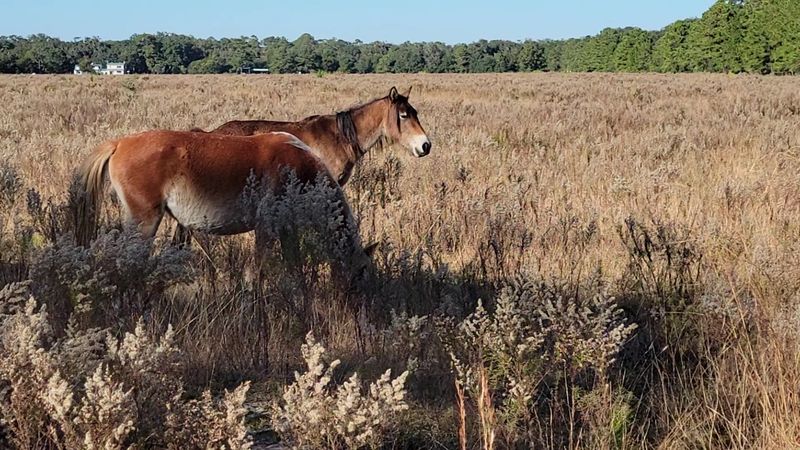
Somewhere between a nature documentary and a dream sequence, Cumberland Island’s wild horses exist in a league of their own.
An estimated 120 to 200 feral horses roam this island freely, making them the only unmanaged wild herd along the entire Atlantic coast. That is not a small detail.
That is a jaw-dropping, phone-out-immediately kind of detail.
These horses are believed to be descendants of animals brought over by Spanish missionaries or English settlers centuries ago.
They have been living their best untamed lives ever since, wandering dunes, marshes, and forests without a single fence to stop them. Spotting one near the Dungeness historic district feels surreal, like stumbling into a fantasy novel.
You are strongly encouraged to keep at least 50 feet of distance and absolutely never feed them. These horses are wild and not native to the ecosystem, so even well-meaning snacks can cause real harm.
Watching them from a respectful distance, though, is one of the most magical wildlife experiences on the East Coast.
Their presence on this island transforms an already stunning landscape into something that feels genuinely otherworldly and completely unforgettable.
Dungeness Ruins And The Story Behind The Walls
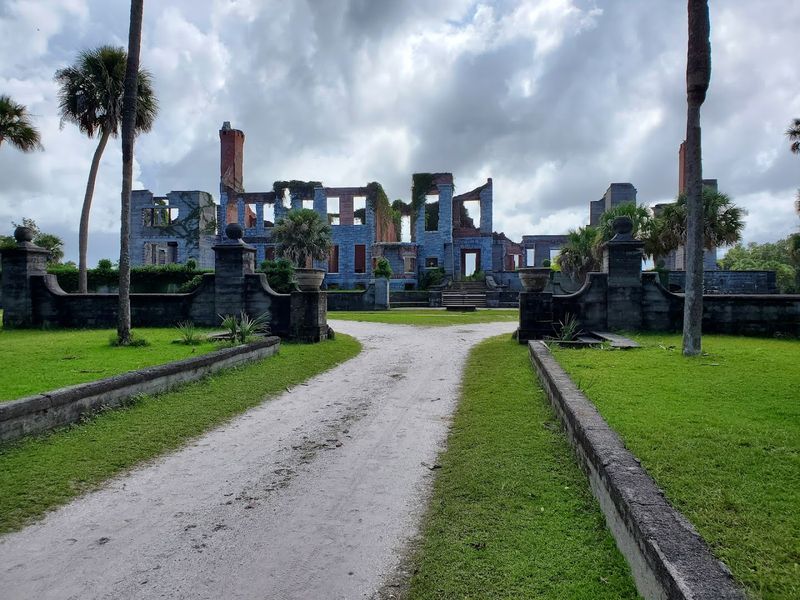
There is something undeniably cinematic about walking toward a crumbling 59-room mansion swallowed by vines and time.
The Dungeness ruins are the crown jewel of Cumberland Island’s historic sites, and they do not disappoint. Built in the late 1800s by Thomas and Lucy Carnegie in a grand Queen Anne style, this mansion once represented serious wealth and ambition.
The site itself has a layered history that stretches back even further, with earlier structures connected to Revolutionary War figures.
The Carnegie mansion stood impressively until a fire swept through in 1959, leaving behind the dramatic skeletal remains visible today. Walking through those crumbling archways feels like stepping into a scene from a prestige drama series.
What makes Dungeness even more compelling is its setting. Wild horses frequently wander through the ruins, completely unbothered by the historical weight of their surroundings.
Ancient live oaks draped in Spanish moss frame the broken walls, creating a visual contrast between nature’s slow reclaim and humanity’s grand ambitions.
Photographers, history enthusiasts, and casual visitors all tend to linger here longer than planned. The ruins are free to explore and are located near the island’s main ferry dock, making them an easy first stop on any Cumberland Island adventure.
Seventeen Miles Of Beaches With Zero Crowds
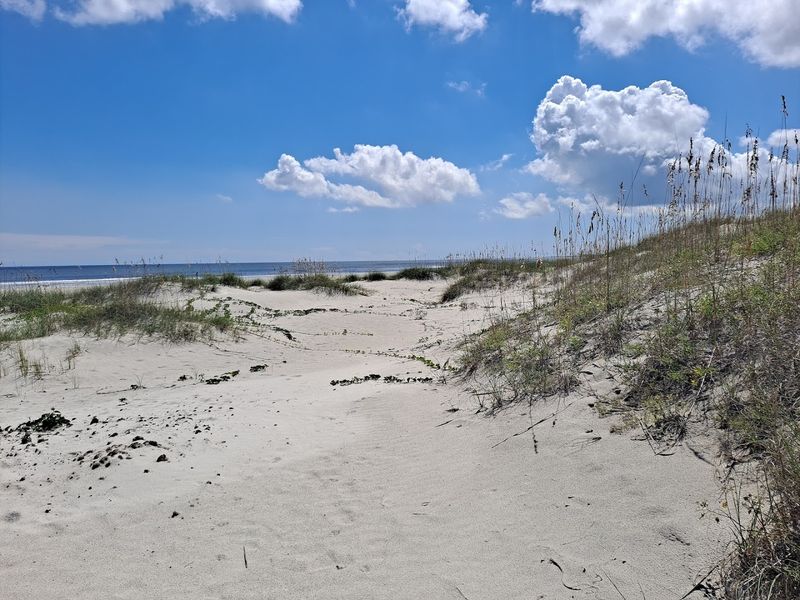
Forget everything you know about beach days involving umbrellas every three feet and someone’s playlist competing with yours.
Cumberland Island offers over 17 miles of undeveloped, pristine white-sand beaches where the most crowded it gets is a handful of fellow visitors scattered across a vast, open shoreline. This is what beaches looked like before the invention of beach resorts.
The sand is soft and pale, the dune systems are mature and dramatic, and the Atlantic stretches out endlessly in front of you.
There are no souvenir shops, no food vendors, and no beach chairs for rent. What there is, however, is pure, uninterrupted nature doing exactly what it has always done.
Shelling is a popular pastime here, and the beaches regularly offer up impressive finds thanks to limited human foot traffic.
Loggerhead sea turtles also nest along these shores during warmer months, adding another layer of wildlife magic to the experience. Sunrise walks along Cumberland’s beaches rank among the most peaceful moments available anywhere on the East Coast.
The absence of noise and commercial development makes the ocean sound louder, the horizon feel wider, and the whole experience feel genuinely restorative in a way that crowded beaches simply cannot replicate.
Plum Orchard Mansion And Its Quiet Grandeur
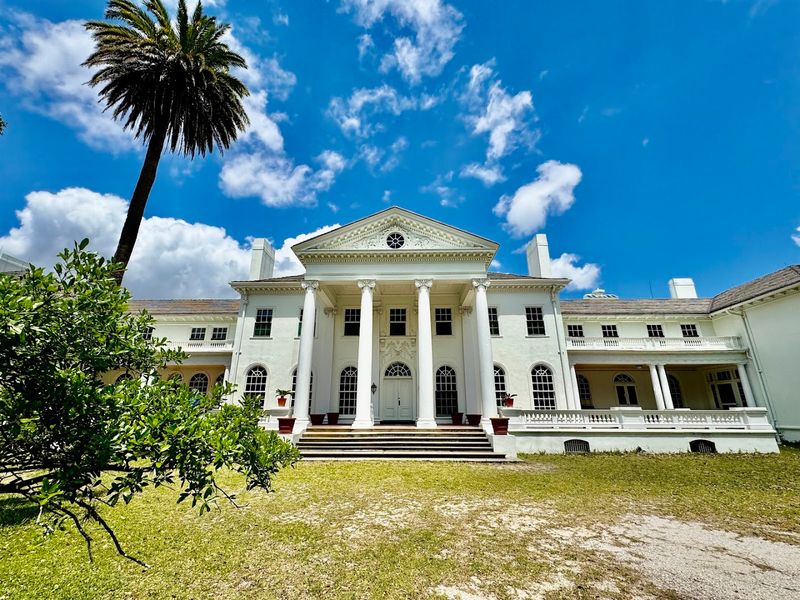
Not every mansion on Cumberland Island ended up as romantic ruins. Plum Orchard stands as a remarkably preserved example of Gilded Age excess, sitting quietly in the middle of the island’s maritime forest like a secret that history forgot to erase.
Built in 1898 for a member of the Carnegie family, this neoclassical beauty features 20 rooms and a level of architectural detail that feels almost shocking given its remote location.
Getting to Plum Orchard requires a bit of effort since it sits several miles from the main ferry dock. Most visitors either hike or bike along the island’s trails to reach it.
That journey through the forest, with Spanish moss hanging overhead and the occasional horse sighting, makes arriving at the mansion feel genuinely earned.
The National Park Service offers periodic tours of the interior, which reveal original details including grand fireplaces, a squash court, and a swimming pool that once served as the height of luxury. Even from the outside, the scale of Plum Orchard is breathtaking.
Standing on the lawn in front of this enormous, nearly untouched mansion while surrounded by total wilderness is one of those moments that quietly rewires your understanding of what remote really means. This place rewards the curious visitor every single time.
The First African Baptist Church And Its Remarkable Legacy
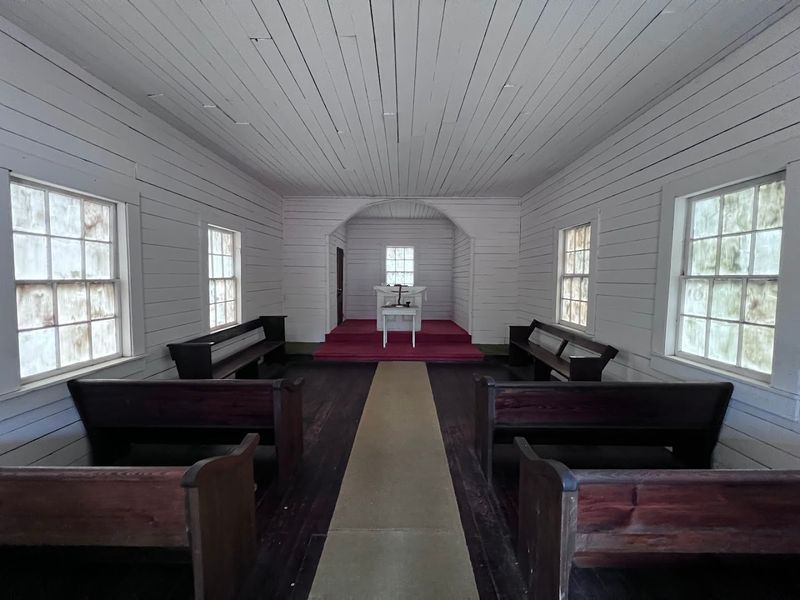
Tucked into a clearing in Cumberland Island’s maritime forest stands one of the most historically significant small buildings in the American South.
The First African Baptist Church is a simple, one-room wooden structure, but its story carries enormous weight. Established by formerly enslaved people after the Civil War, this congregation represents resilience, community, and faith in one of the most powerful combinations imaginable.
The church gained widespread attention in 1996 when a high-profile wedding ceremony took place within its walls, drawing international media to this otherwise quiet island.
That moment introduced millions of people to a place that deserved recognition long before celebrity spotlights arrived. The building itself is modest but deeply moving, with wooden pews, a small altar, and light filtering through simple windows.
Visiting the church feels like a pause in time. The surrounding forest is quiet, the air is thick with history, and the contrast between the humble structure and its profound significance creates a genuinely emotional experience.
The nearby cemetery, where generations of island residents are buried, adds another layer of reflection to the visit.
For anyone interested in American history beyond the textbook version, this small church on a remote Georgia island offers something rare and deeply meaningful.
It is one of those places that stays with you long after you leave.
The Maritime Forest That Feels Like Another World
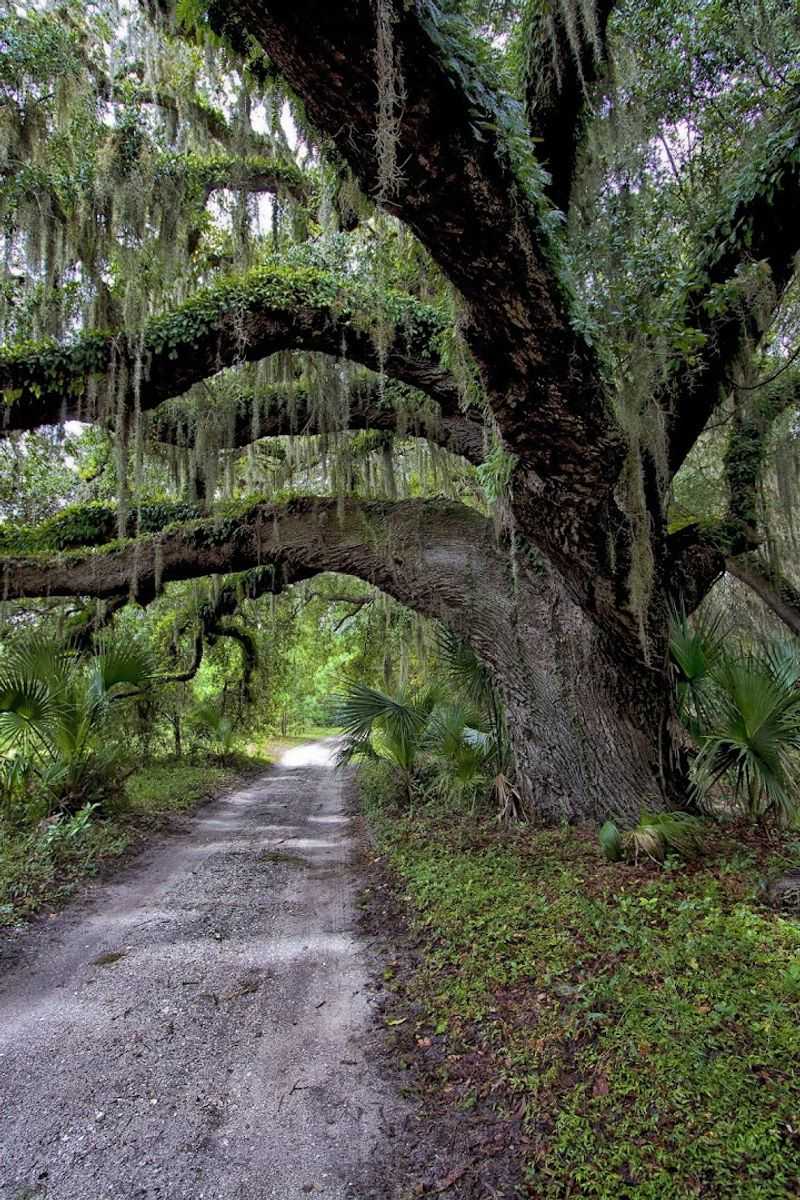
Before you even reach the beach, Cumberland Island pulls you through one of the most atmospheric landscapes in the southeastern United States.
The maritime forest covering much of the island is a tangle of ancient live oaks, saw palmettos, and towering pines, all connected by curtains of Spanish moss that filter the sunlight into something golden and cinematic.
Walking through it feels less like a hike and more like a scene change.
This forest ecosystem supports an impressive range of wildlife beyond the famous horses. Armadillos shuffle through the underbrush, white-tailed deer move quietly between trees, wild turkeys strut across the trails, and more than 300 bird species have been recorded on the island.
Birdwatchers consider Cumberland Island a genuinely world-class destination for that reason alone.
The trails winding through the forest range from easy strolls to longer treks, and each one offers a different perspective on the island’s layered ecosystems.
Moving from shaded forest to open dune to wide beach happens within minutes, and each transition feels dramatic in the best possible way.
The forest also acts as a natural time capsule, largely unchanged by human development. Spending time here recalibrates your sense of scale and silence in ways that no amount of nature photography can fully prepare you for.
Getting There By Ferry And Why The Ride Sets The Mood
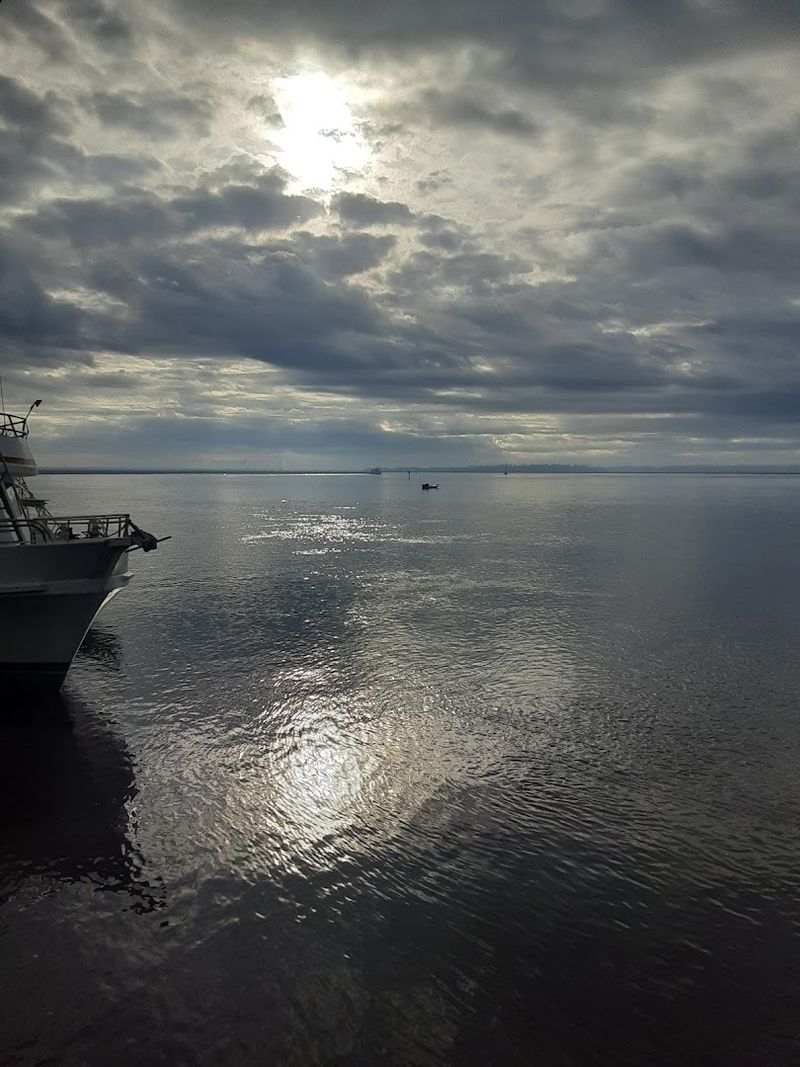
Part of what makes Cumberland Island feel so special starts before you even set foot on it. The only way to reach the island without a private boat is via a concession-operated passenger ferry departing from the charming waterfront town of St. Marys, Georgia.
That 45-minute ride across the coastal waterway does something important. It mentally transitions you out of regular life and into island mode.
Ferry reservations are strongly recommended because capacity is limited by design. The National Park Service intentionally restricts visitor numbers to protect the island’s fragile ecosystems and preserve that rare, uncrowded atmosphere.
Booking ahead is not a hassle but rather a feature. It guarantees you a spot on one of the most rewarding ferry rides in the country.
No cars are permitted on the island, which means everything you bring, you carry. That simple rule changes the entire dynamic of a visit.
You slow down, you notice more, and you quickly realize how little you actually need. St. Marys itself is worth a bit of time before or after your ferry trip, with a relaxed waterfront and genuine small-town character.
The whole journey from parking your car to stepping onto Cumberland’s beaches feels intentional and surprisingly joyful.
The ferry does not just transport you. It prepares you.
The Ice House Museum And The Island’s Layered History
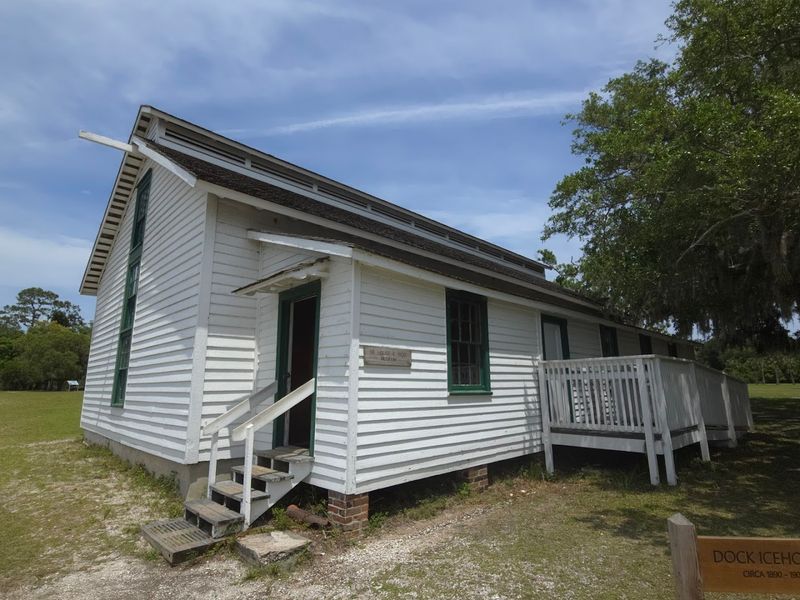
History on Cumberland Island is not confined to dramatic ruins and grand mansions. The Ice House Museum, located near the Dungeness area, offers a more intimate look at the island’s remarkably layered past.
Originally built to store ice for the Carnegie family’s estate operations, the building now serves as an interpretive museum that traces Cumberland’s story from indigenous habitation through Spanish missions, English colonization, and the Gilded Age.
The exhibits inside are compact but genuinely informative, providing context that makes the rest of your island exploration feel richer and more connected.
Understanding who lived here, who worked here, and who shaped this landscape across centuries transforms a nature walk into something closer to a living history lesson. That kind of context is hard to find in a single small building, but the Ice House delivers it effectively.
Stopping here early in your visit is a smart move because it reframes everything you will see afterward.
The ruins feel more significant, the forest feels more storied, and even the horses take on a new dimension when you understand the centuries of human activity that shaped this island.
Cumberland Island is not just a beautiful place. It is a place where multiple chapters of American history overlap in ways that are genuinely surprising and endlessly fascinating.
Every corner has a story waiting to be found.