
This Colorado Farm Has Huge Sunflower Fields You Can Visit On A Donation Basis For Free
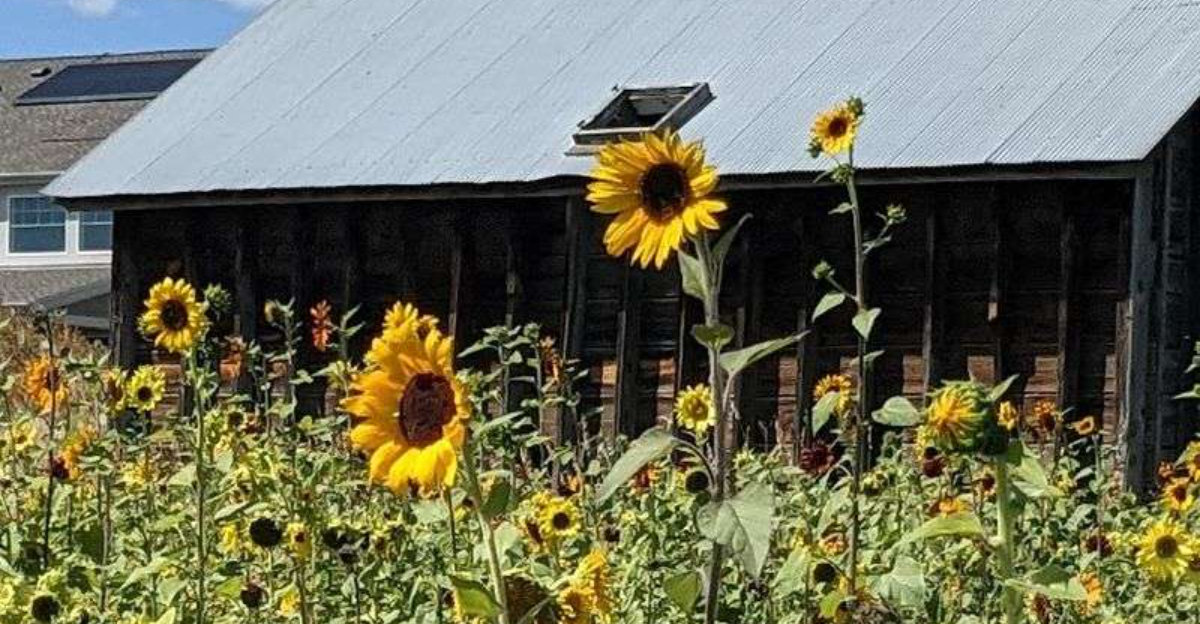
Free admission feels almost rebellious when everything else seems to come with a fee. Along a quiet stretch near Longmont, Colorado, this honey farm keeps things refreshingly simple: wander the sunflower fields, visit the animals, browse the local honey, and drop a donation in the box because trust still matters here.
That alone makes it memorable, but the real magic is how unhurried the whole experience feels. The sunflowers bring the color, the animals bring the charm, and the farm stand adds just enough sweetness to make leaving empty-handed nearly impossible.
It is the kind of place where families linger longer than planned, photo seekers lose track of time, and a Saturday suddenly feels softer around the edges.
Colorado’s Front Range is full of scenic detours, but this one stands out because it offers something rare: beauty, generosity, and a reason to believe simple places still matter.
The Sunflower Fields That Actually Deliver on the Promise
Some places describe themselves as having a sunflower field and what you find is a modest patch behind a shed. This place is not that place.
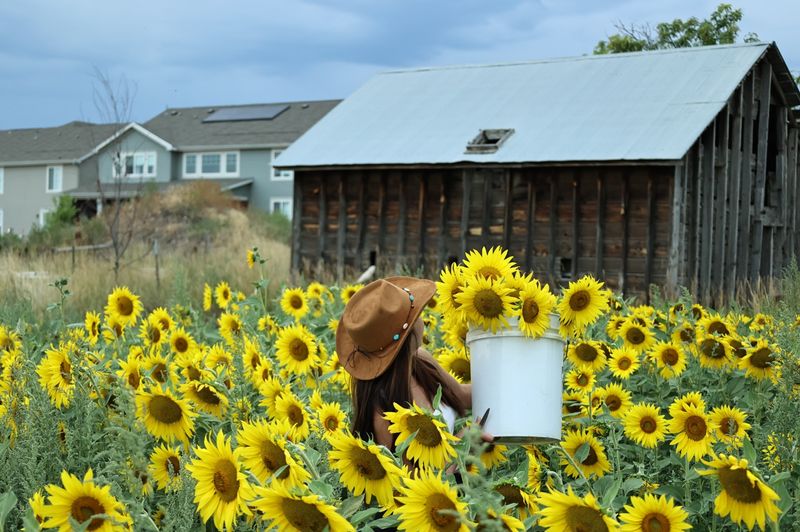
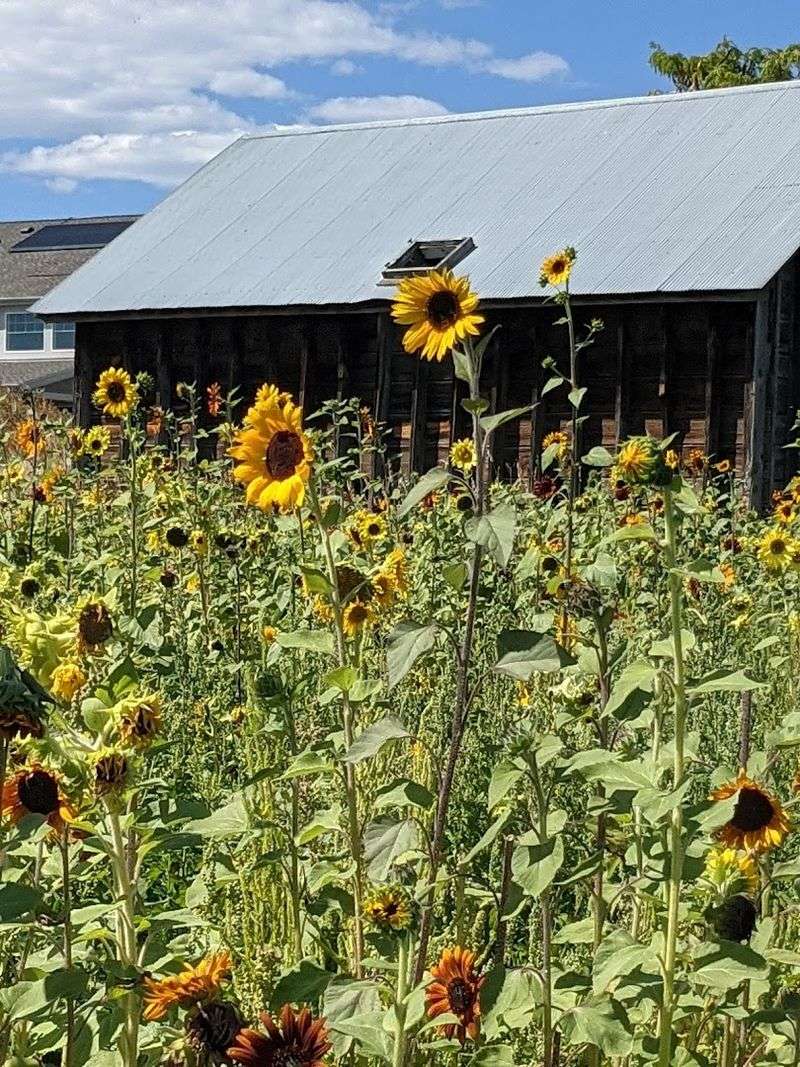
Visitors consistently describe the sunflower fields here as huge, genuinely stunning, and worth the drive from well beyond Longmont.
During August, the fields hit peak bloom and the effect is the kind that makes people put their phones away for a second just to look. Then, naturally, they pick the phone back up for photos.
The farm provides buckets and scissors so you can cut your own stems to take home, which turns the visit into something participatory rather than just a walk-past.
Professional photographers are asked to make an appointment, which is a fair and practical detail worth knowing before you show up with a full lighting kit. Casual visitors are welcome to shoot freely.
If you time it right and arrive on a quieter evening, you may find yourself nearly alone in a field of sunflowers in Colorado, which is the kind of thing people put on vision boards and then forget is actually achievable.
Quick Tip: August is peak sunflower season at the farm. Arrive earlier in the day on weekdays for fewer crowds and better light.
Free to Visit, Honest by Design
There is a particular kind of relief that comes with showing up somewhere and not being handed a ticket price. The Bee Hugger Farm operates on a donation basis, meaning the gate is open, the fields are walkable, and the animals are viewable without anyone asking for your credit card.
A donation box sits on the property, and visitors are trusted to contribute what they feel the experience is worth. By all accounts, the experience is worth contributing to.
The farm runs on an honor system for several of its self-service offerings, including animal feed stations where you can grab carrots or celery for a dollar per item and leave your payment without a cashier in sight.
One practical note: the farm accepts cash and Venmo only, so leave the card in the glove box before you walk in. That small-town cash-only detail is the kind of thing that catches people off guard at the checkout moment, and now you are prepared.
The whole financial model here feels like it was designed by someone who genuinely likes people and trusts them, which, in the current era, feels almost radical.
Best For: Families, couples, and solo visitors who want a flexible, pressure-free outing with no ticket booth friction.
Animals That Actually Want to Meet You
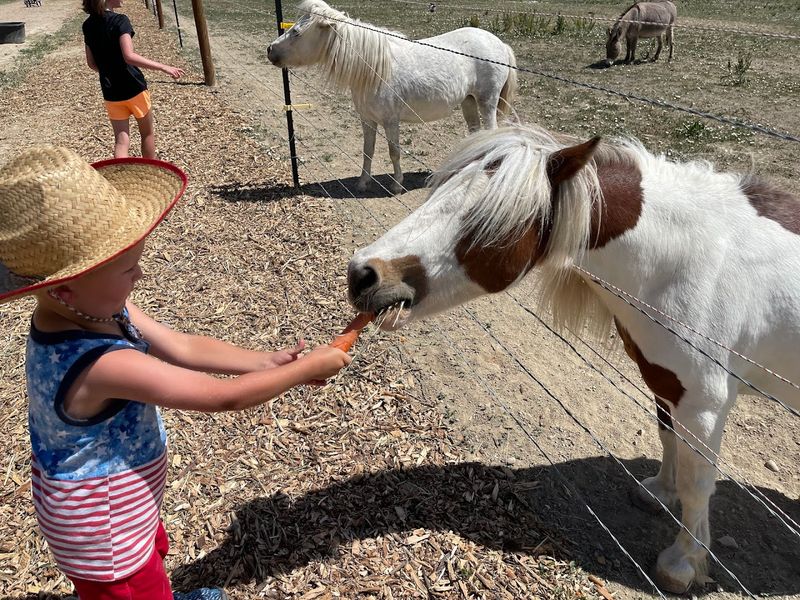
The animal lineup at this farm is not background scenery. Goats, sheep, donkeys, horses, ducks, geese, chickens, and a pony are all part of the regular cast, and several of them are the kind of animals that will follow you around if you are holding food.
The roaming goats in particular have built something of a reputation for being sociable to the point of being almost pushy, which children find absolutely delightful.
There is also a white peacock on the property, which is the sort of detail that sounds made up until you see it strolling past a tractor. Peacock feathers are available for purchase, including some from the farm’s own birds, which makes for an unusually specific souvenir.
Pony rides have been offered seasonally and are the kind of thing that turns a shy two-year-old into a suddenly very brave equestrian.
The animals are described by visitors as well cared for and genuinely friendly, not just tolerant of humans but actually interested in the interaction. Feeding stations are self-serve and straightforward, with clear signage that makes the whole process easy to navigate without needing to track down a staff member.
Insider Tip: Bring small bills for the animal feed stations. Carrots and celery are available for a dollar each and the animals will make it very worth your while.
Local Honey Worth Rearranging Your Pantry For
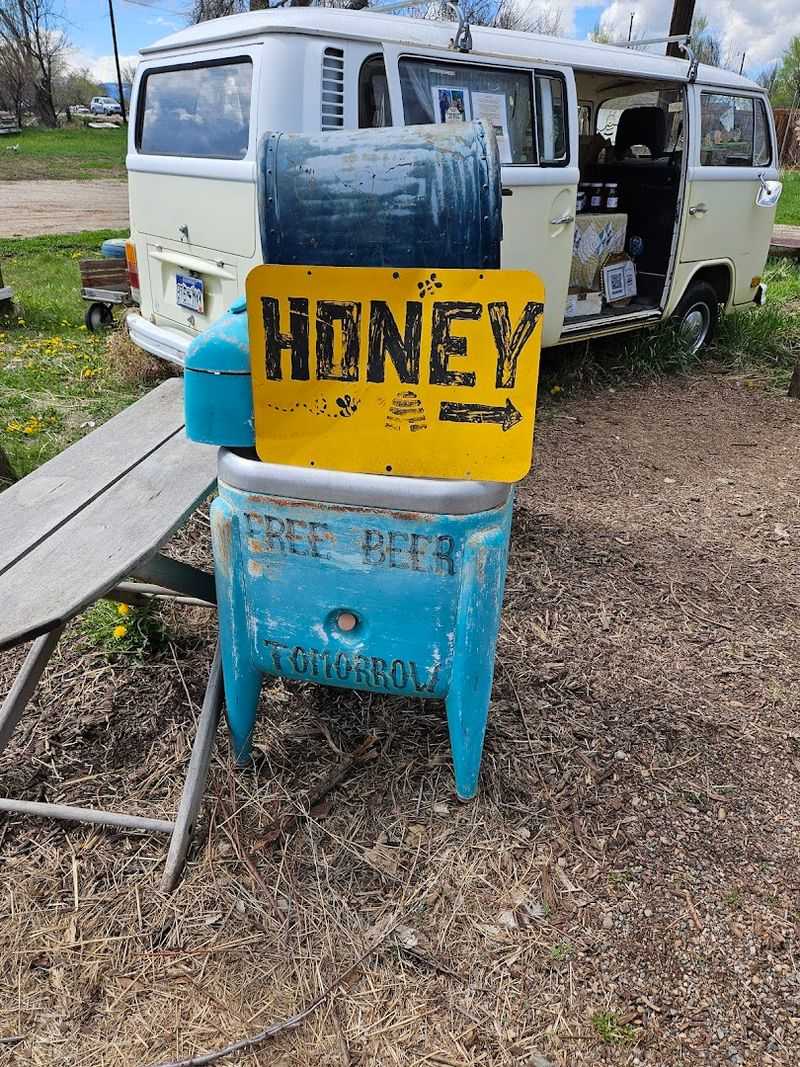
The honey sold at The Bee Hugger Farm is the kind that makes people reconsider every jar they have bought at a grocery store. Visitors single out the creamed cinnamon honey with a frequency that suggests it has achieved something close to cult status among regulars.
It is the item most likely to end up in someone’s travel bag and then in their weekly coffee rotation.
The farm also sells beeswax products, candles, skincare items, and pollen, all locally crafted and rooted in the farm’s own beekeeping operation. The barn area houses the actual bee operation, which gives the whole product line a transparency that feels increasingly rare.
You can see where the honey comes from, which changes the way it tastes, at least psychologically.
Prices for honey have been noted in the range of ten to thirty dollars depending on size and variety, which lands squarely in reasonable territory for raw, local, small-batch production. The self-checkout setup means you pick what you want, pay what is marked, and leave your payment in the provided spot.
It is the agricultural version of a trust fall, and it works.
Pro Tip: The creamed cinnamon honey sells out. If you see it in stock, buy a jar.
You will not regret it and you will probably be back for another one.
A Farm Built for Kids Who Need to Burn Energy
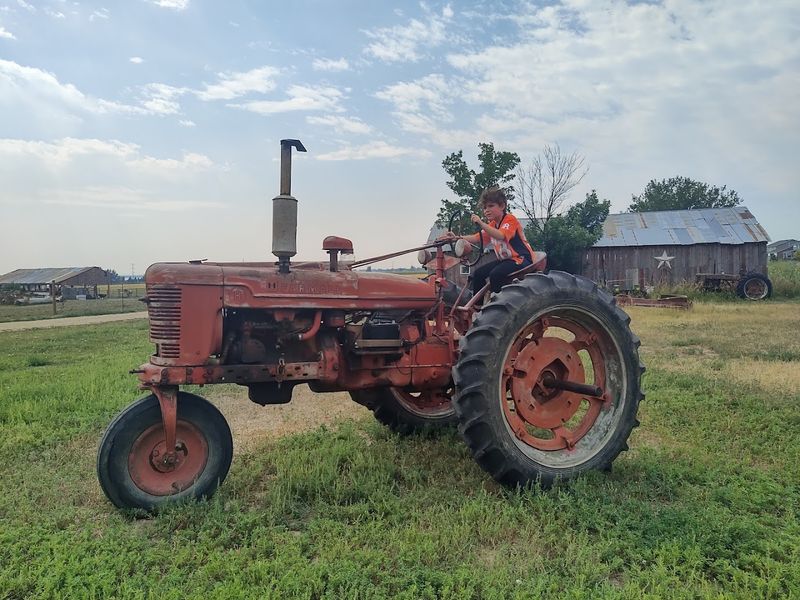
Every parent has experienced the particular desperation of a weekend afternoon with a high-energy child and no clear plan. The Bee Hugger Farm has quietly become a reliable answer to that problem for families across the northern Colorado region.
The play area features kid-sized tractors, dig trucks, rocking horses, and vintage bikes that children can actually climb on, ride, and use rather than just look at behind a rope.
Old full-sized trucks and tractors are also scattered around the property, and children are apparently encouraged to climb up and pretend to drive them, which is the kind of imaginative play that screens simply cannot replicate.
The setup is self-guided, with signage clear enough that parents do not need to hover or translate every instruction.
Visitors have noted that an hour at the farm is enough to thoroughly occupy a toddler or young child without the adults feeling like they have run a marathon. There is even space to lay out a blanket and have a picnic, which transforms the visit from an errand into an actual outing.
The farm manages to feel both structured enough to be easy and open enough to feel like an adventure.
Who This Is For: Families with toddlers and young children who want outdoor time with animals, play equipment, and no admission stress.
Seasonal Events That Give You a Reason to Return
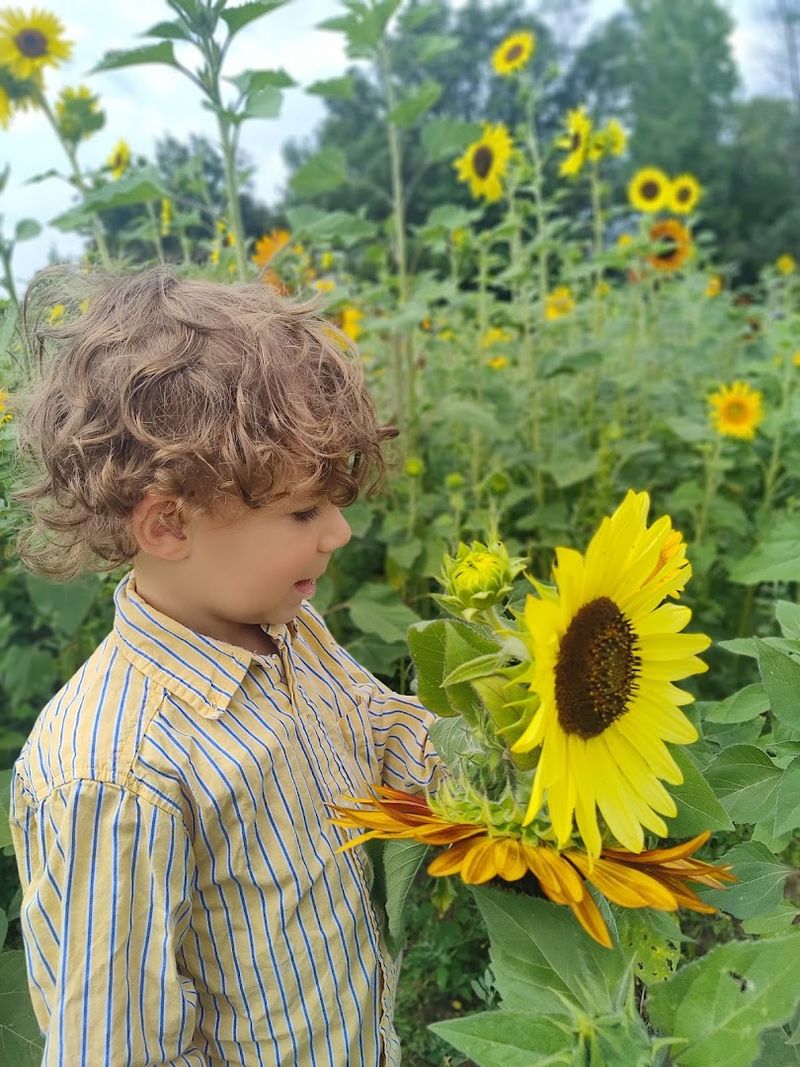
One of the more satisfying things about The Bee Hugger Farm is that it gives you a reason to come back in a different month and have a genuinely different experience. August brings the sunflower fields in full force.
October shifts the whole farm into pumpkin patch mode, with pumpkins available for purchase and the added possibility of hay rides and pony rides depending on the day.
December has historically included a Santa visit, though that one requires a ticket rather than the standard donation model. In the quieter months between these seasonal peaks, the farm stays open for animal visits and honey purchases, which means there is no true off-season, just a different version of the same place.
Families in particular have turned visits here into annual traditions, returning for sunflowers in late summer and pumpkins in fall with the kind of regularity that suggests the farm has earned a permanent spot on the household calendar.
Visitors coming through on road trips between Colorado and Wyoming have noted making it a standing stop, which is a meaningful endorsement from people who have evaluated many roadside options.
Planning Advice: Check the farm’s website at thebeehuggerfarm.com before visiting during October and December, as special events may have specific timing or ticketing requirements.
How to Make This a Real Outing Without Overcomplicating It
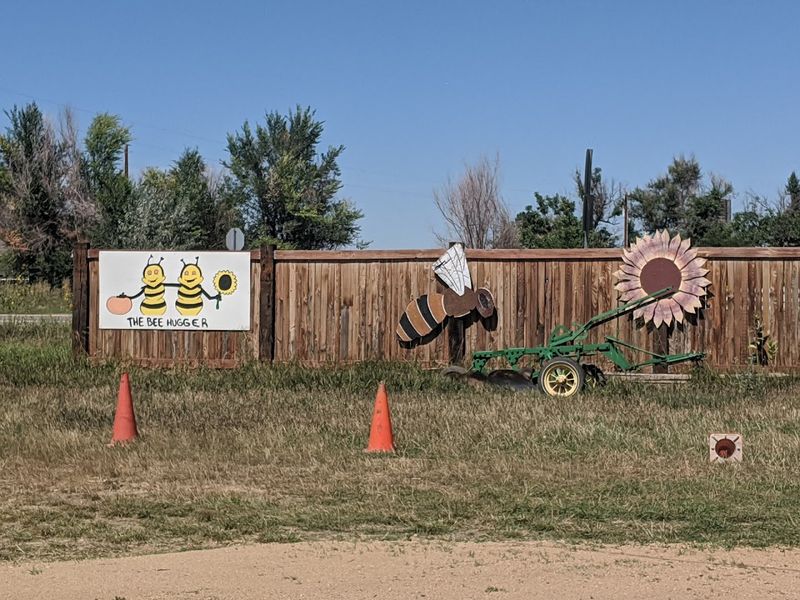
The farm sits along Ute Highway just outside Longmont, making it a natural stop for anyone already moving through northern Colorado on a Saturday with no rigid agenda. Visitors coming from Boulder have noted it is just over a thirty-minute drive, and the route is pleasant enough that the trip itself does not feel like a sacrifice.
If you are heading west from the highway, the turn is tucked in slightly, so ease off the gas and watch for it rather than assuming it will announce itself.
A visit here pairs well with a post-farm stop in downtown Longmont, where a short Main Street stroll adds a bit of town texture to what is otherwise a rural morning.
The farm opens at nine and closes at six daily, which means there is room for a mid-morning visit that wraps up comfortably before lunch or an afternoon arrival that still leaves time to browse the honey stand before closing.
The whole experience tends to clock in around an hour for most visitors, though families with very enthusiastic children or very thorough honey shoppers have been known to stretch it. Bring cash, arrive without a packed schedule, and let the farm set the pace.
Common Mistakes to Avoid: Do not arrive at midday expecting full staff availability. Morning and afternoon visits tend to offer a smoother, more attended experience than the noon hour.